Big Horn River Fly Fishing Near Thermopolis
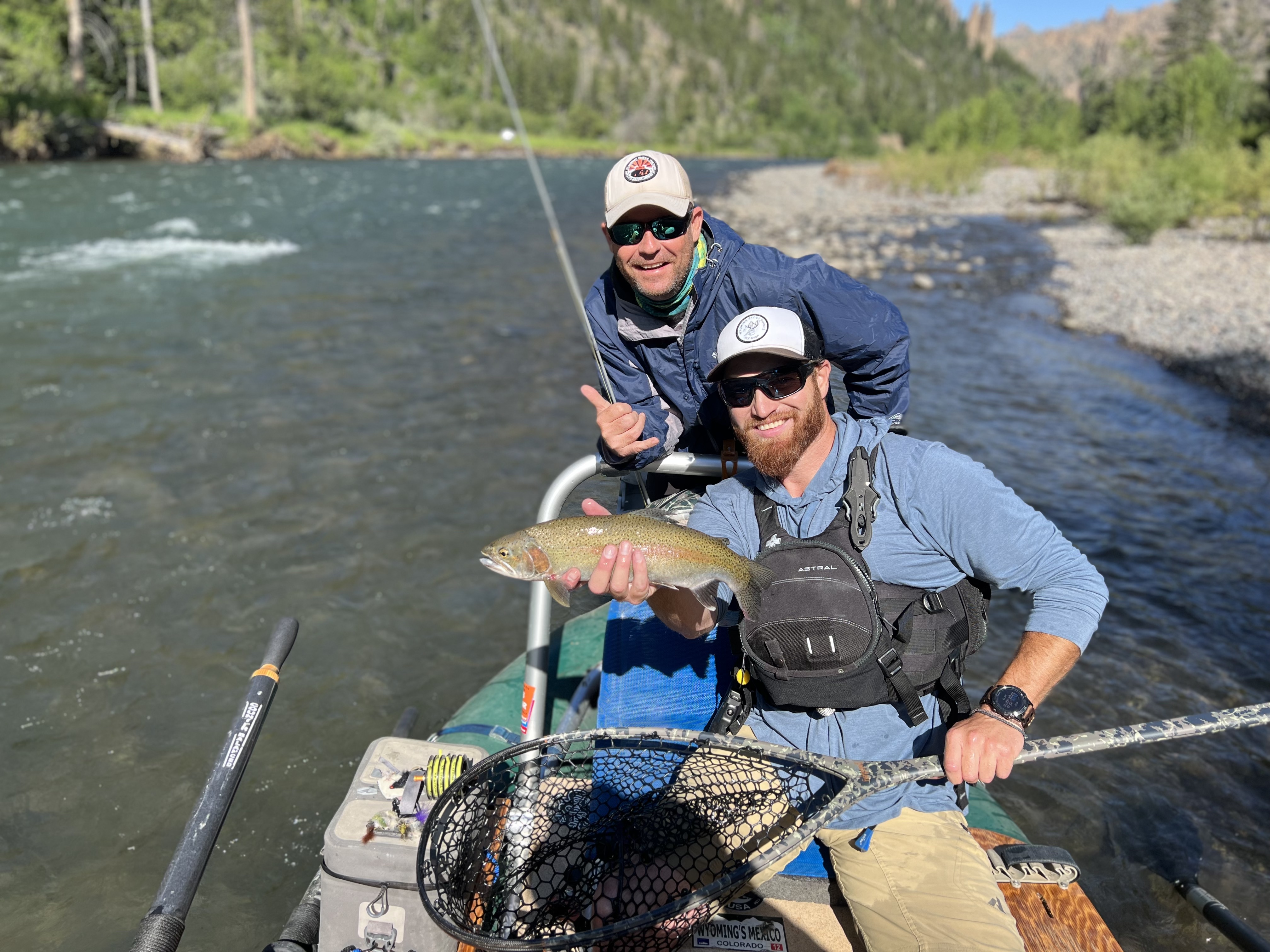
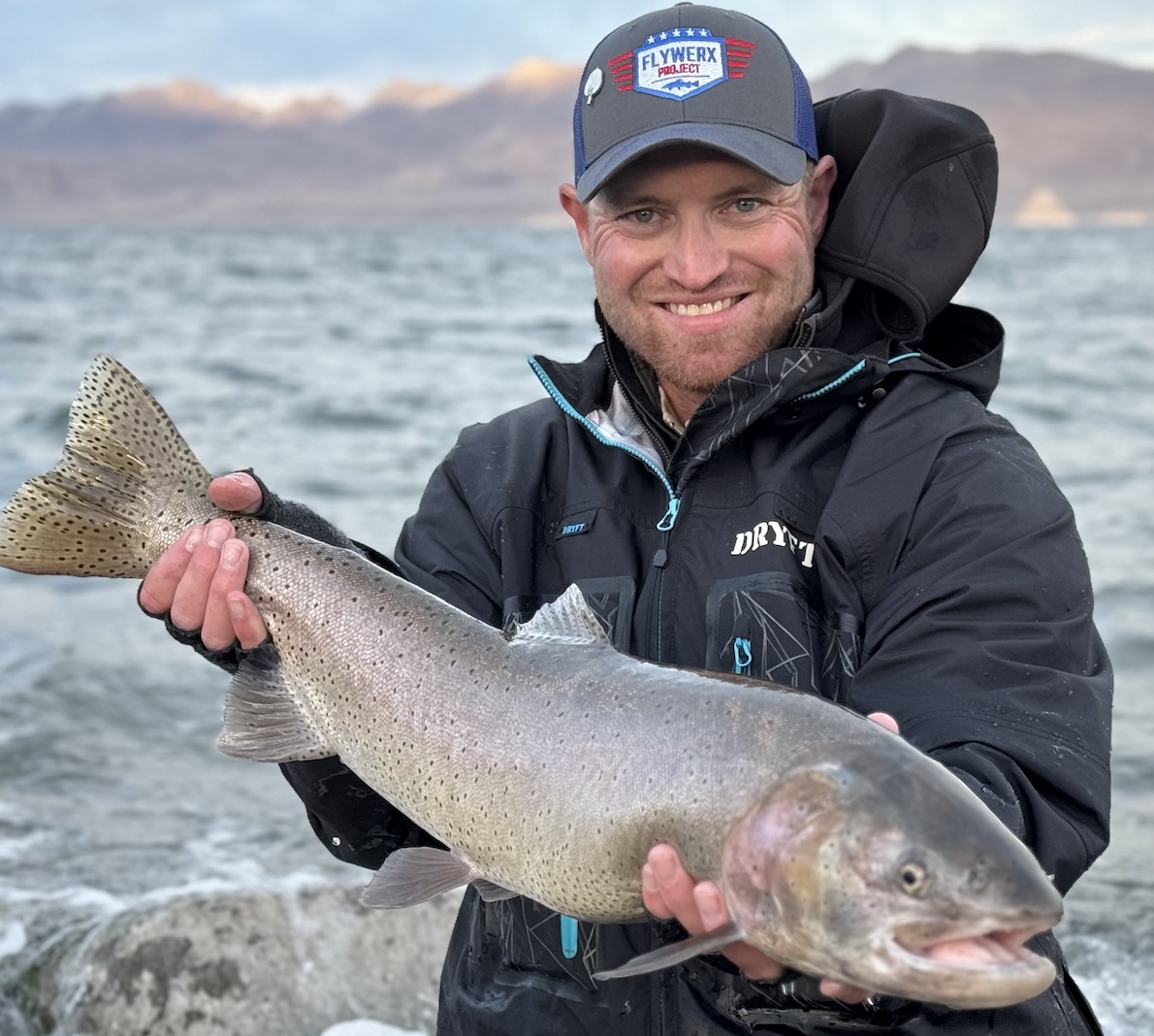
When folks ask me about the best tailwater fishing in Wyoming, the Big Horn River always tops my list. This gem flows right through Thermopolis, about 80 miles south of Cody, and it's become a customer favorite for good reason. Unlike the rowdy freestone rivers that'll have you white-knuckling your rod, the Big Horn runs smooth and steady – perfect for honing your technique or finally landing that trophy trout you've been chasing. With browns, rainbows, and cutthroat averaging 16-18 inches and plenty pushing into the 20+ range, this world-class fishery delivers consistent action that'll keep you casting from dawn to dusk.
What to Expect on the Water
The Big Horn's tailwater nature means cold, nutrient-rich water year-round, creating a bug factory that keeps these trout fat and happy. You'll be floating a calmer stretch than most Wyoming rivers, which gives you time to really work your presentations and study the water. The gradient here is gentle, with long pools, meandering channels, and plenty of structure where trout love to hold. We'll launch right in Thermopolis and work our way downstream, hitting the prime lies where I've been putting clients on fish for years. The river runs clear most of the season, so sight fishing becomes a real possibility – there's nothing like watching a 20-inch brown slowly rise to inspect your dry fly before committing. With just two anglers per trip, you'll get personalized instruction and plenty of water to cover without feeling rushed.
Techniques That Work Here
This top-rated tailwater responds beautifully to dry fly fishing, especially during the warmer months when hatches come off regularly. We're talking PMDs, BWOs, caddis, and terrestrials that'll have trout looking up from June through September. I'll rig you up with a classic dry-dropper setup – a visible dry on top with a nymph trailing below – so you're covering the entire water column. When the surface action slows, we'll switch to indicator nymphing with patterns that match the abundant aquatic insects. The river's consistent flows mean your drift doesn't need to be perfect every time, giving newer anglers a chance to dial in their technique without the pressure of fast pocket water. Experienced fly fishers love the technical aspects here – these fish see plenty of flies, so your presentation needs to be on point. I keep a selection of local patterns that have proven themselves over years of guiding this water, from size 18 Baetis nymphs to foam hoppers that'll pull browns out of the deepest undercuts.
Species You'll Want to Hook
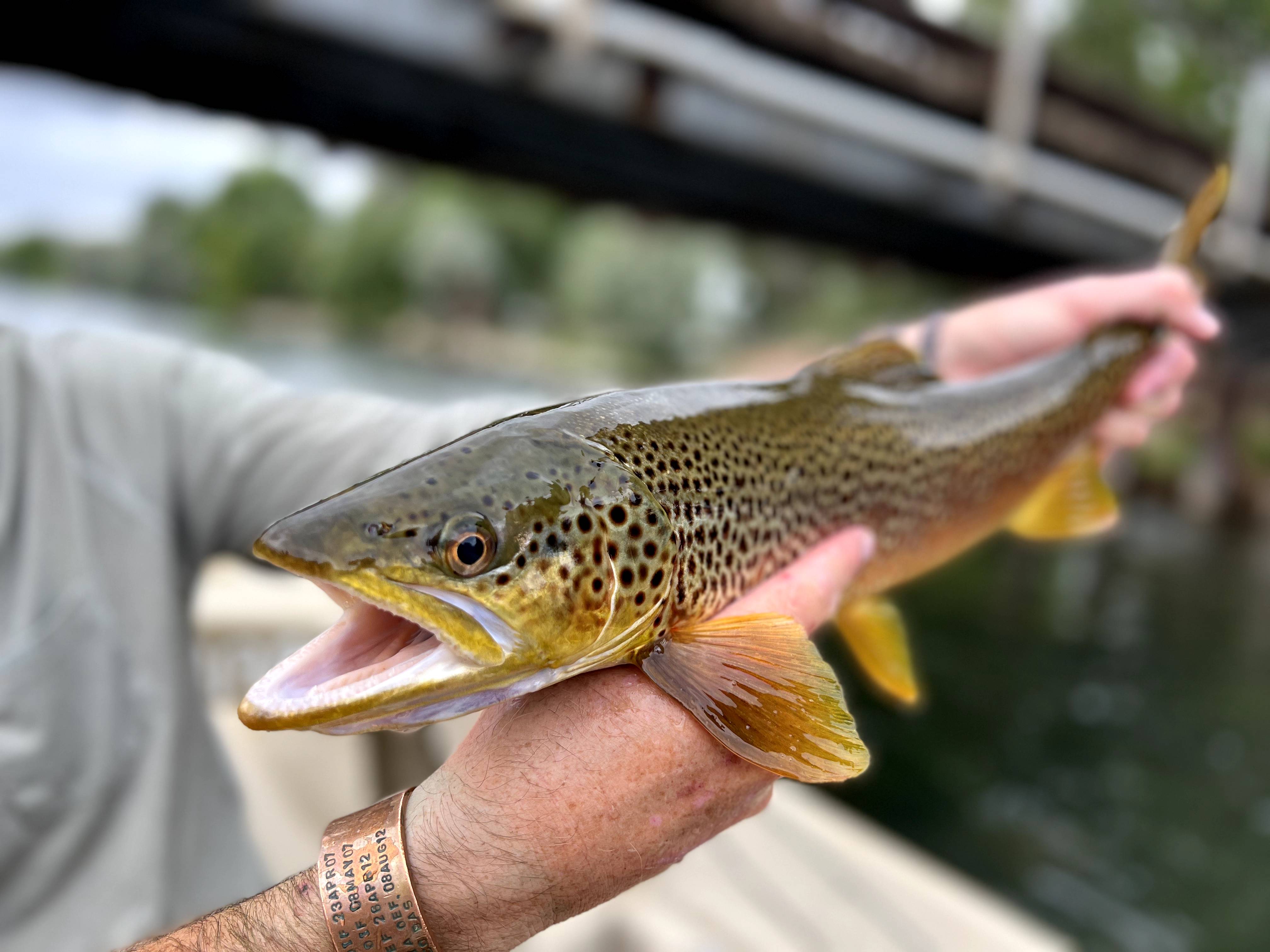
Brown trout rule the roost in the Big Horn, and these aren't your typical skinny mountain fish. Fed by consistent bug life and steady water temperatures, browns here grow thick and strong, with most falling between 14-20 inches and the occasional bruiser pushing 24+. They're most active during spring and fall, becoming opportunistic feeders that'll smash streamers along the banks or sip tiny mayflies in the film. What makes browns special here is their wariness – they've seen every fly pattern imaginable, so when you finally fool one, it feels earned. They fight like bulldogs in this system, using the current and structure to their advantage.
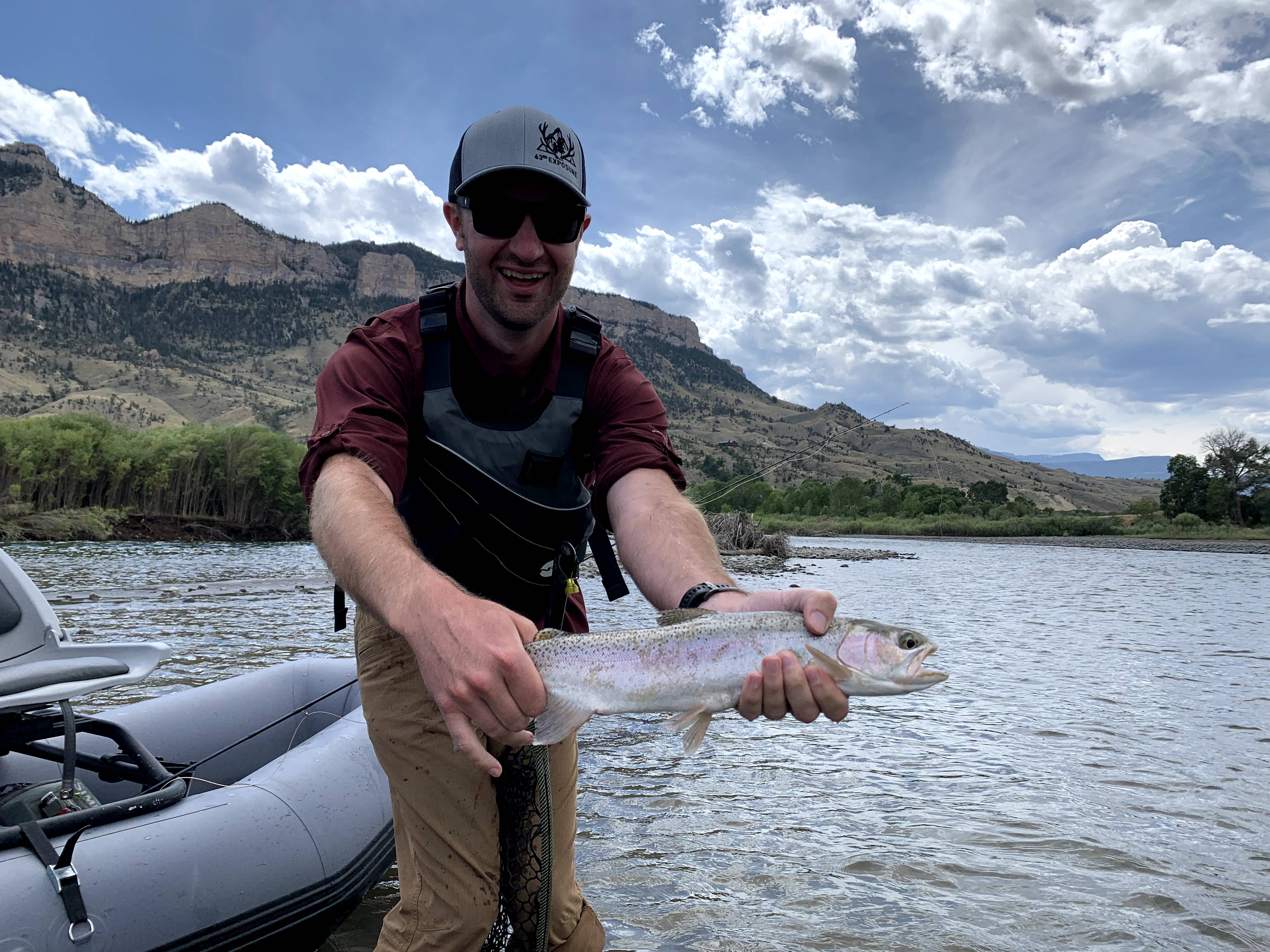
Rainbow trout in the Big Horn are absolute rockets, averaging 15-18 inches with chrome-bright sides that'll blind you in the Wyoming sun. Unlike browns that hug cover, rainbows cruise the main channels and aren't afraid to chase down a well-presented fly. Peak rainbow action happens from April through June when they're most aggressive, though they'll feed consistently through summer if you hit the right water at the right time. These fish jump like tarpon when hooked – I've seen 16-inch rainbows clear the water three times in a single fight. Their willingness to take dry flies makes them perfect targets for anglers wanting that visual take experience.
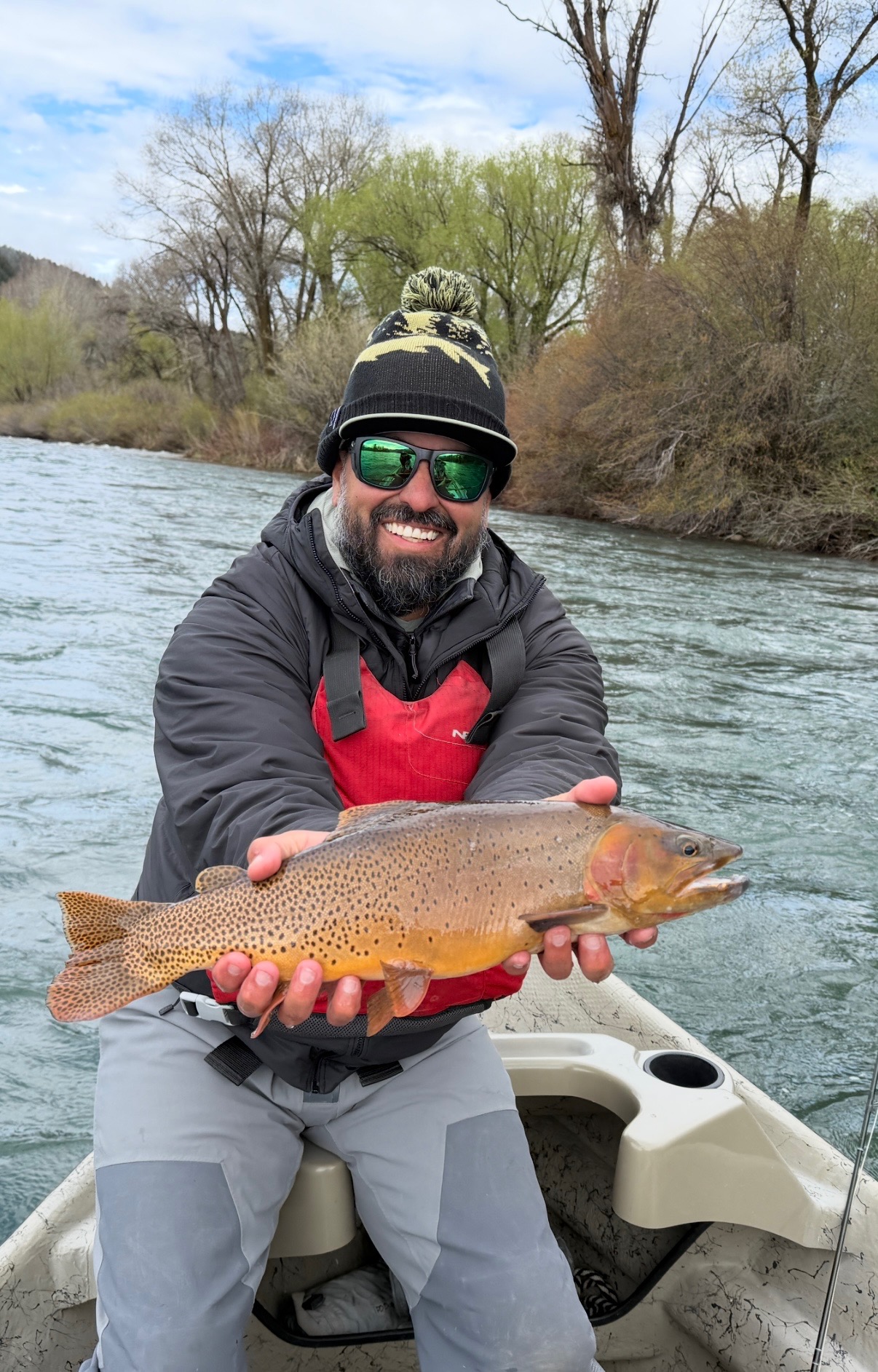
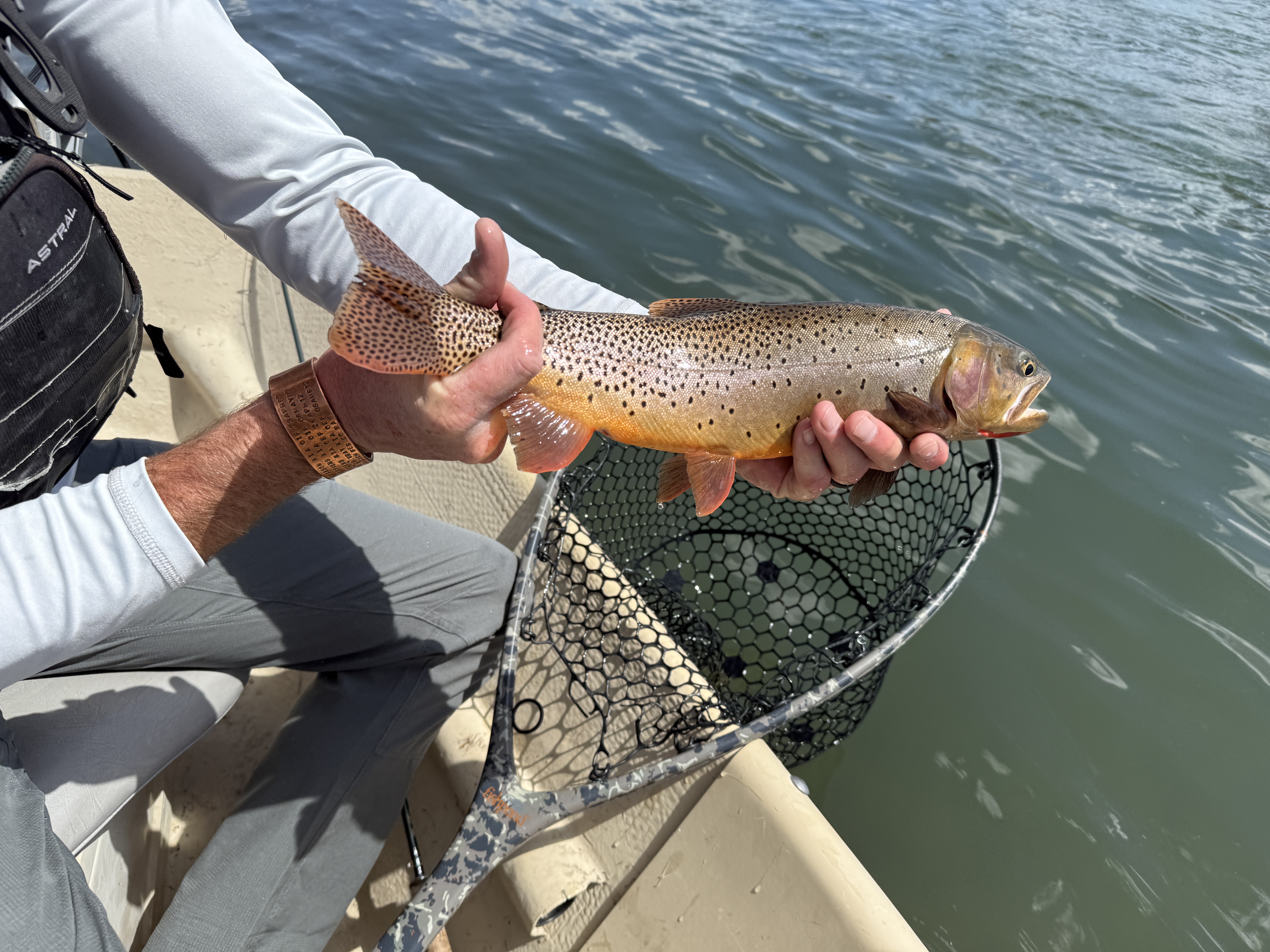
Cutthroat trout add that native Wyoming flavor to your day on the water. While less common than browns and rainbows, the cuts here are stunning fish with those distinctive red slashes and spotted flanks. They typically run 12-16 inches but make up for size with attitude – cuts will often take flies that spookier trout refuse. They're most active during summer months and absolutely love terrestrial patterns like hoppers and ants. Finding cutthroat feels like discovering hidden treasure, especially when you're targeting them in the quieter side channels where they like to hold. They're also the most photogenic fish in the system, with colors that pop against the Big Horn's blue-green water.
Time to Book Your Spot
The Big Horn River delivers world-class fishing in a setting that lets you actually enjoy the experience without fighting the current every cast. Whether you're looking to improve your dry fly technique, land your first 20-inch trout, or simply spend a day on renowned Wyoming water, this trip checks all the boxes. With lunch included and water that fishes well from spring through fall, you'll get maximum time on the water with minimal hassle. The combination of consistent action, beautiful scenery, and the chance at a true trophy makes this a trending choice among serious anglers. Don't wait – prime dates on the Big Horn fill up fast, especially during peak season when the dry fly fishing really turns on.
 Private Trip
 River Fishing
 Cody
Cody


 Tailwater fishery features browns, rainbows, and cutthroat trout averaging 16-18 inches