Half Day Guided Fishing Trip In Hatteras
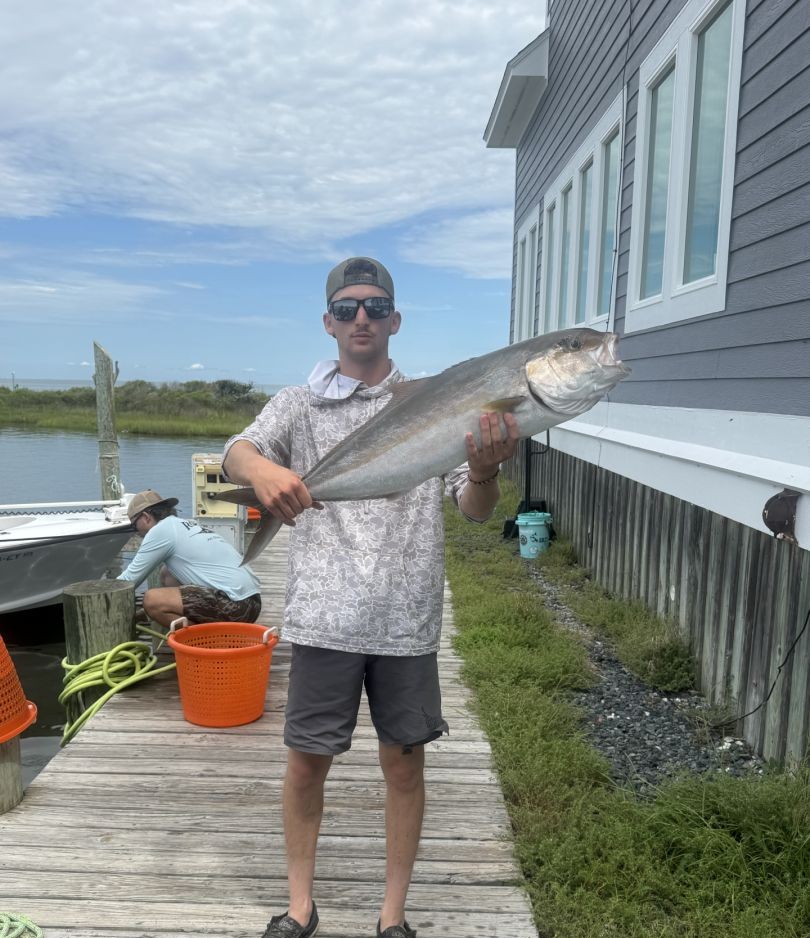
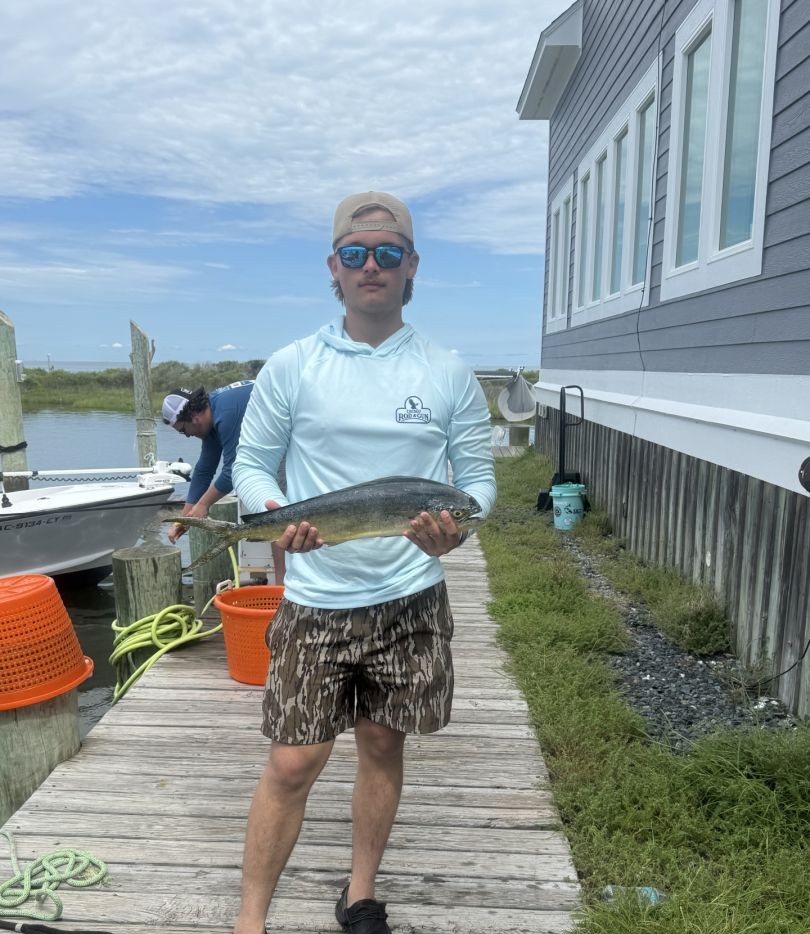
Looking for some serious action on the water without burning your whole day? This half-day guided fishing adventure puts you right in the sweet spot of Hatteras' legendary inshore fishing scene. You'll be targeting some of North Carolina's most sought-after species like Sheepshead, Spanish Mackerel, Sea Trout, Redfish, and Cobia in waters that have been producing trophy catches for generations. Whether you're an early bird who loves the morning bite or prefer the afternoon action when the fish get active again, we've got you covered with both morning and afternoon departures. Pack your cooler with your favorite snacks and drinks – we're heading out to where the fish live.
What to Expect on the Water
This isn't your typical tourist fishing trip. We're talking about real inshore fishing in some of the most productive waters along the Outer Banks. You'll be fishing the sound side waters around Hatteras, working everything from shallow grass flats to deeper channel edges where these fish love to hang out. The boat holds up to four anglers, so you're not going to be elbow-to-elbow with a bunch of strangers – there's plenty of room to work your lines and actually enjoy the experience. Captain Mike knows these waters like the back of his hand, and he's not just going to put you on fish – he's going to teach you why they're there and how to catch them consistently. The half-day format is perfect if you're traveling with family, want to hit the beach later, or just prefer a more relaxed pace on the water.
Techniques & Tackle Setup
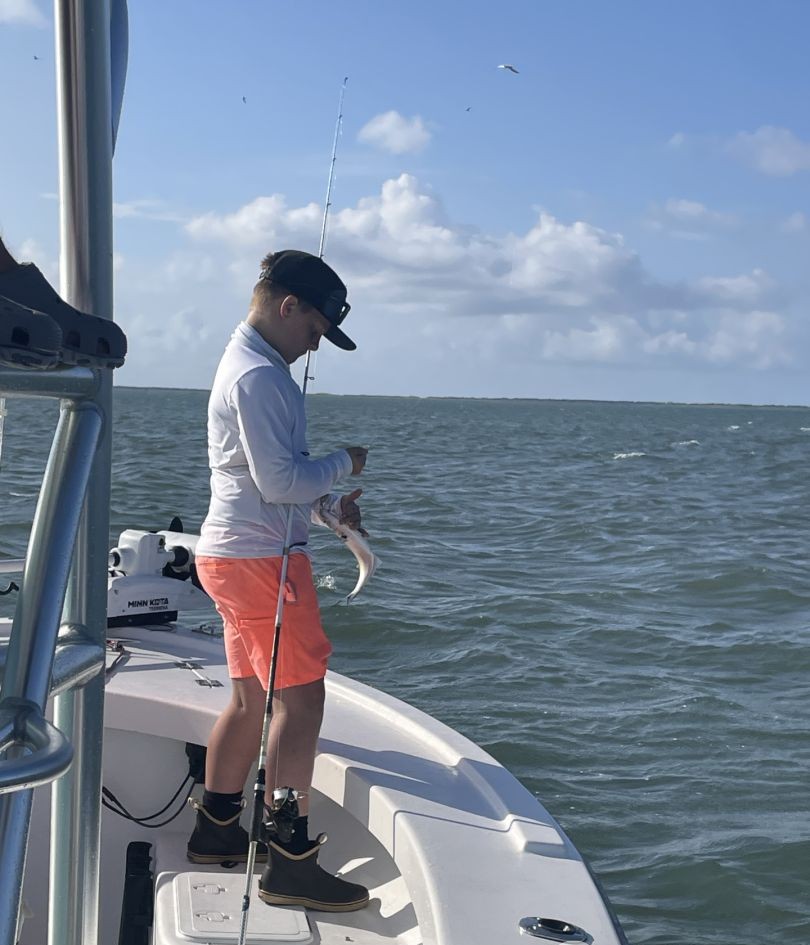
We'll be running a mix of techniques depending on what's working best for the conditions and target species. Light tackle spinning gear is the bread and butter for most of our inshore work – it gives you that direct connection to the fish without overpowering them. When we're working the grass flats for Redfish and Trout, we'll be throwing soft plastics on jig heads, working them slow and steady through the strike zone. For the Sheepshead around structure, we'll switch to bottom rigs with fiddler crabs or shrimp – these fish have serious crushers for mouths, so you need the right bait to get their attention. Spanish Mackerel action usually calls for small spoons or Got-Cha lures, worked fast through the water column where they're feeding on baitfish schools. The captain provides all the gear, tackle, and bait you'll need, but if you've got a lucky rod or favorite lures, feel free to bring them along.
Customer Stories
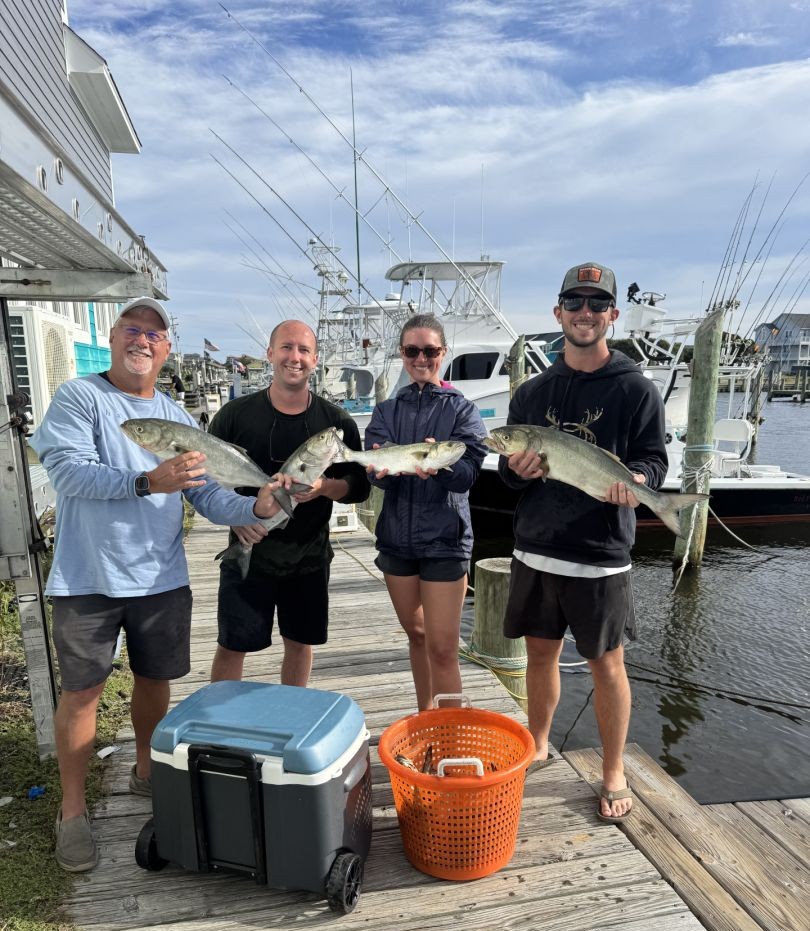
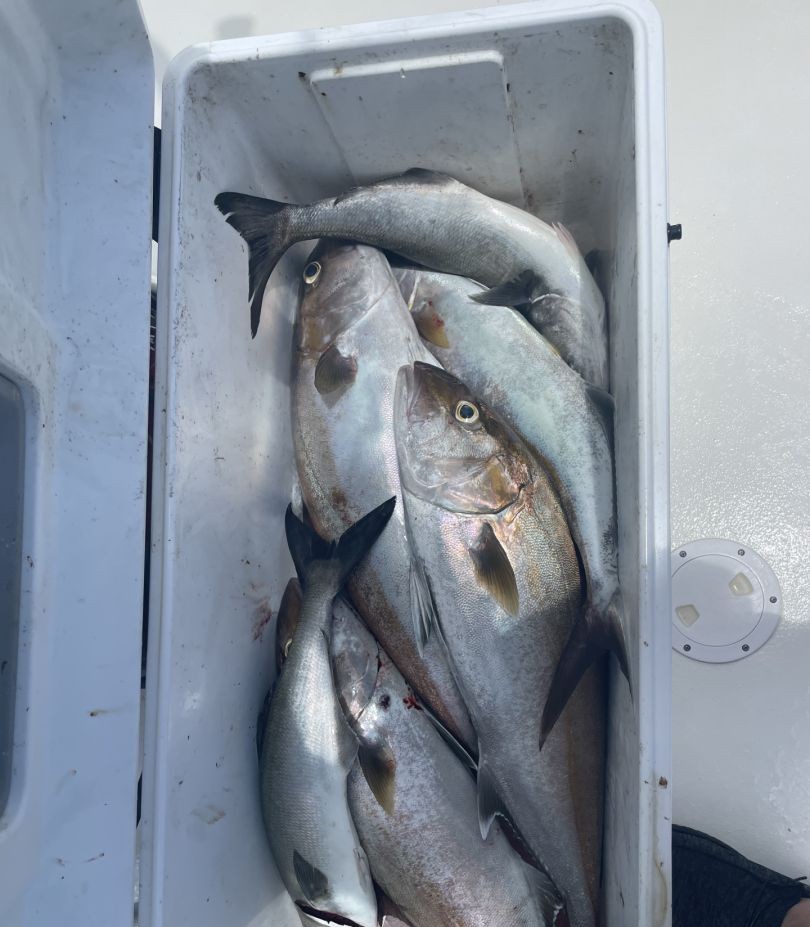
"Had an amazing journey, landed numerous blue and red catches with the fantastic Captain Mike." - Jim
"Provided comprehensive information on fishing locations and gear." - Anthony
Top Catches This Season
Spanish Mackerel are absolute blast to catch and one of the most reliable species in these waters. These silver rockets typically run 1-3 pounds and fight way above their weight class with blistering runs and acrobatic jumps. They're most active during the warmer months from late spring through early fall, and they travel in schools, so when you find one, you're likely to find more. What makes them so popular with anglers is their aggressive strike and the fact that they're excellent table fare – sweet, flaky meat that's perfect for the grill.
Sheepshead might just be the trickiest fish in these waters, which is exactly why seasoned anglers love targeting them. These black and white striped fish have human-like teeth designed for crushing crustaceans, and they're notorious for stealing bait without getting hooked. They typically range from 2-8 pounds in our area, with some real doormat-sized fish pushing double digits. Spring and fall are prime time for Sheepshead around docks, pilings, and other hard structure. The challenge and the reward make them a customer favorite – plus they're fantastic eating.
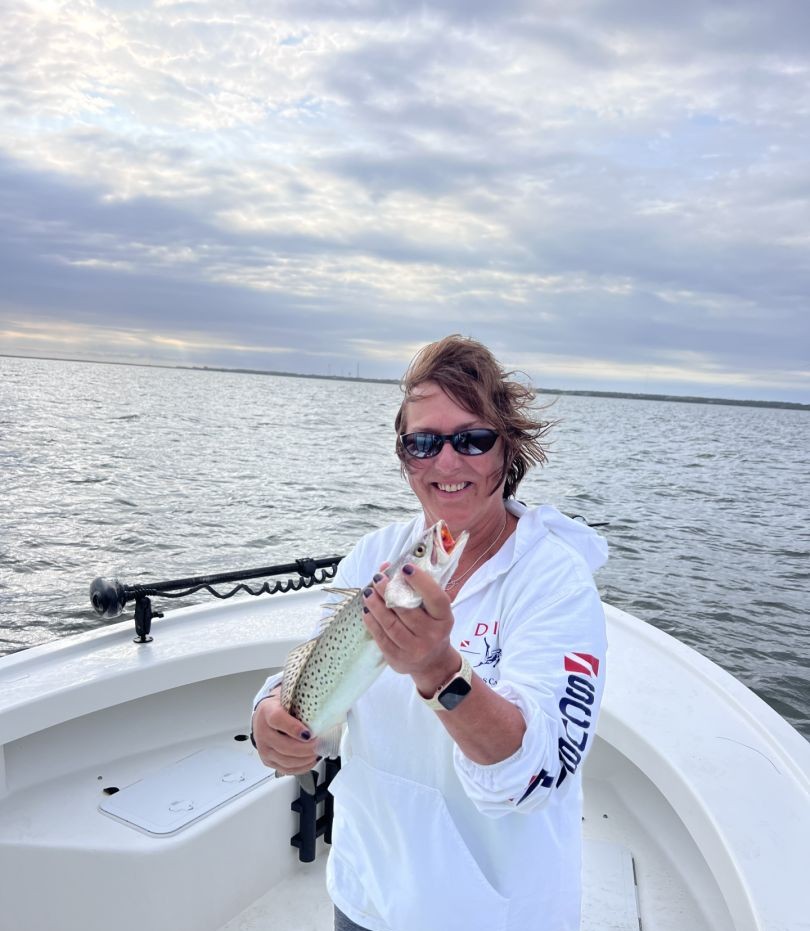
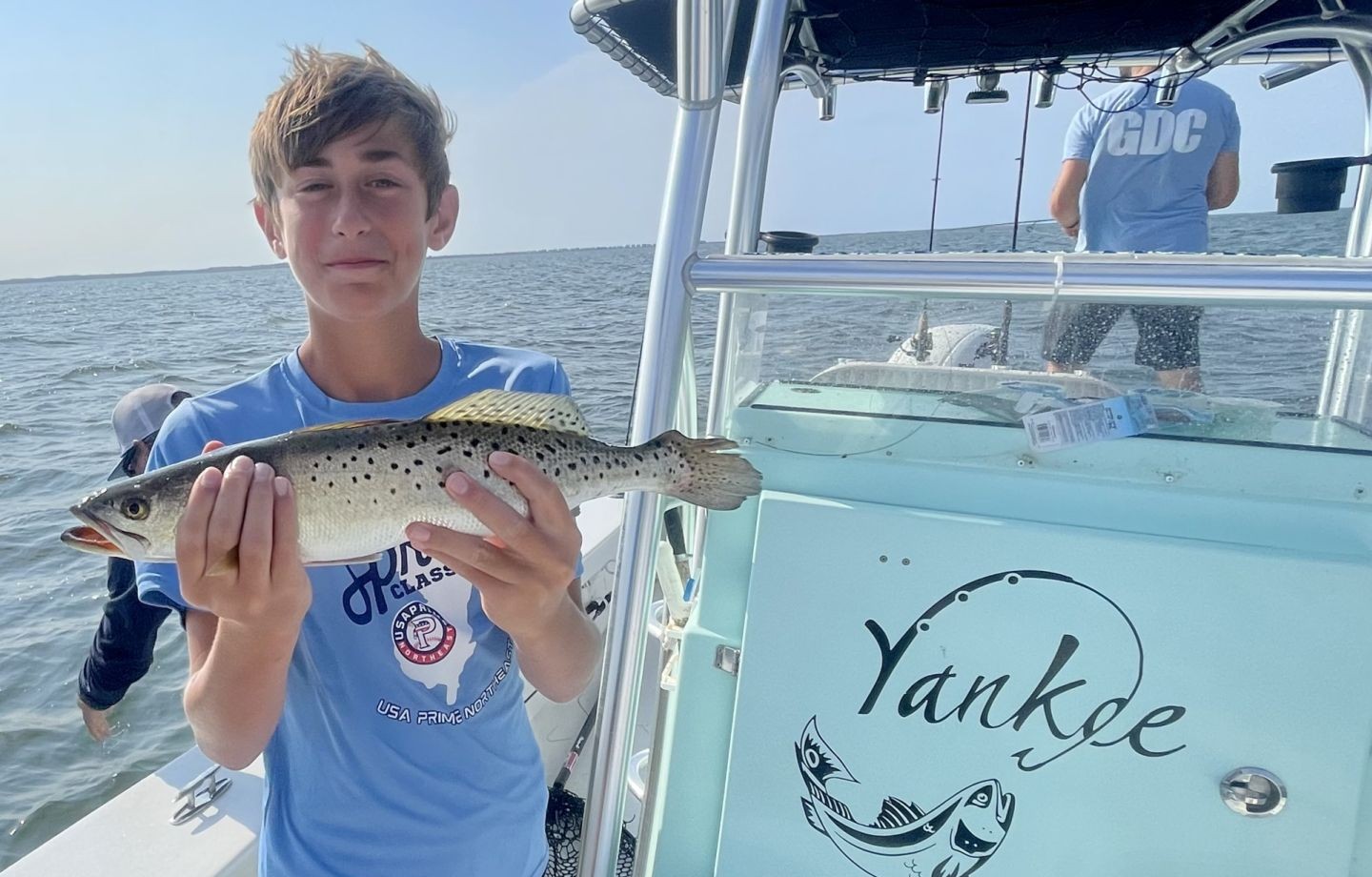
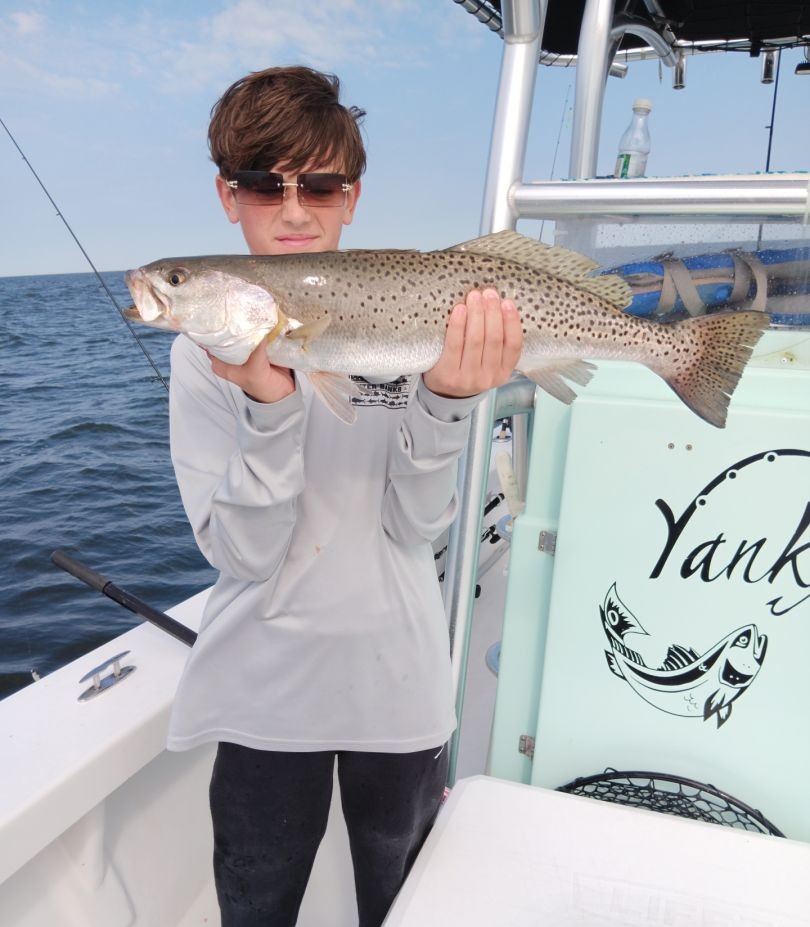
Sea Trout, or Speckled Trout as locals call them, are the bread and butter of inshore fishing around Hatteras. These beautiful fish with their distinctive spotted pattern typically run 1-4 pounds, though keeper-sized fish over 15 inches are what we're after. They love grass flats, channel edges, and drop-offs, especially during moving tides. What makes Trout so special is their willingness to eat artificial lures – they'll hit soft plastics, topwater plugs, and spoons with equal enthusiasm. Peak season runs from spring through fall, with some of the best action happening in the cooler months.
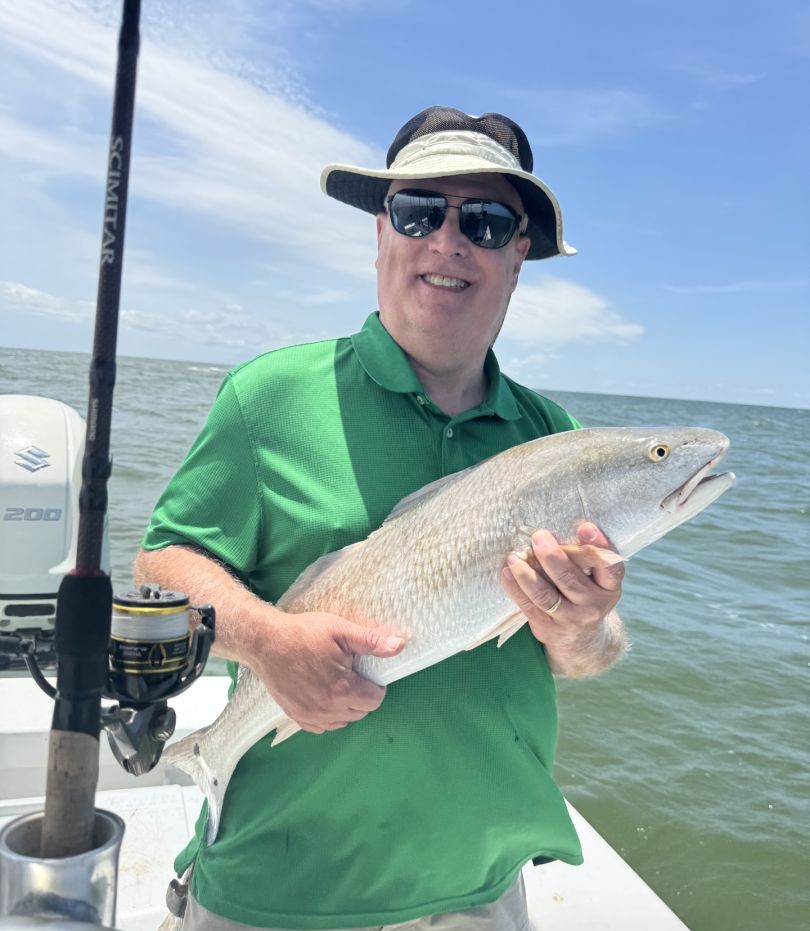
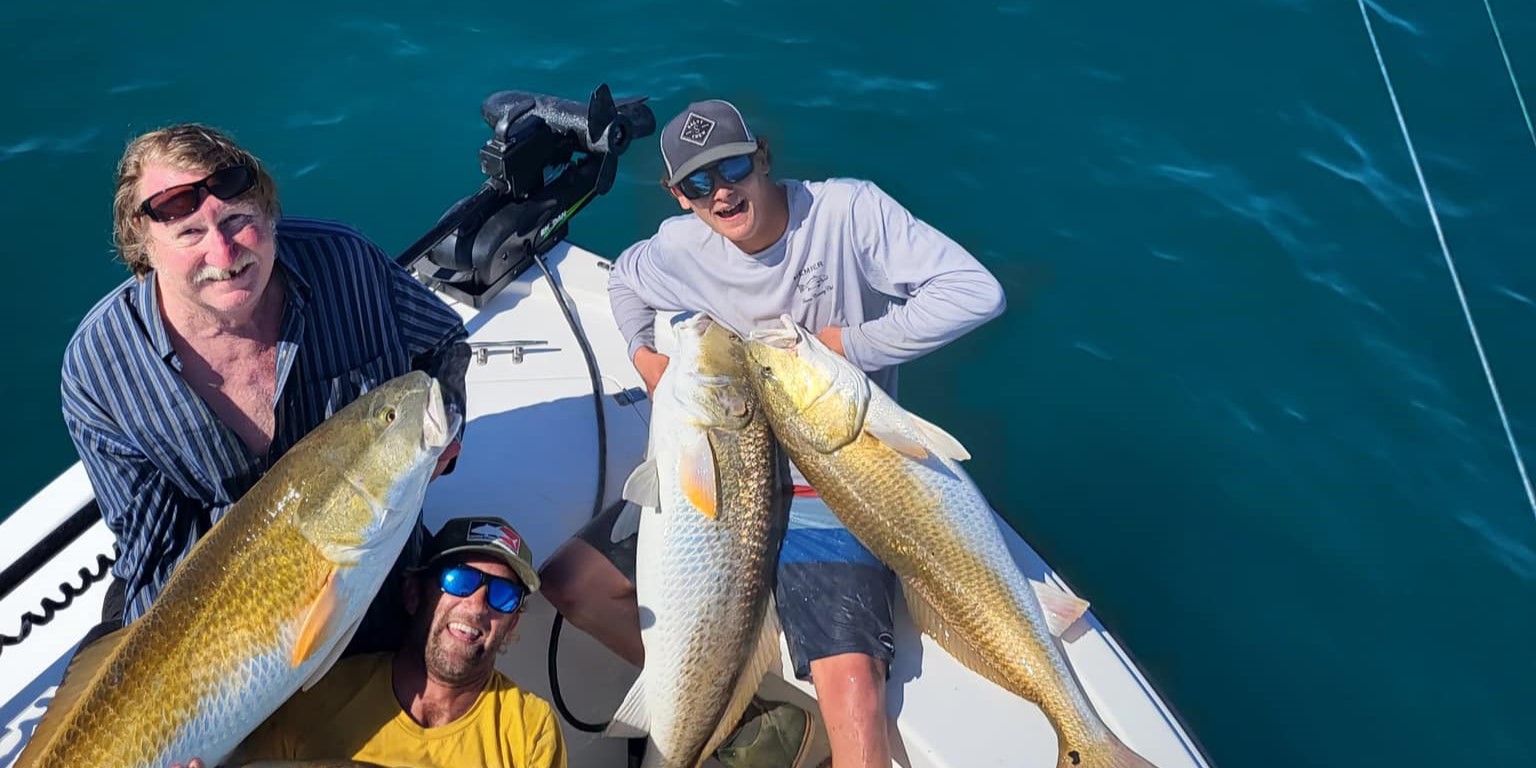
Redfish are the crown jewel of inshore fishing, and Hatteras waters produce some real bruisers. These copper-colored fighters typically range from 18-27 inches in the slot, though oversized bulls over 27 inches provide heart-stopping battles before mandatory release. Reds are year-round residents but really turn on during the fall months when they school up for their spawning runs. What makes them so popular is their aggressive feeding behavior and bulldogging fight – they'll make long, powerful runs that test your drag and your skills.
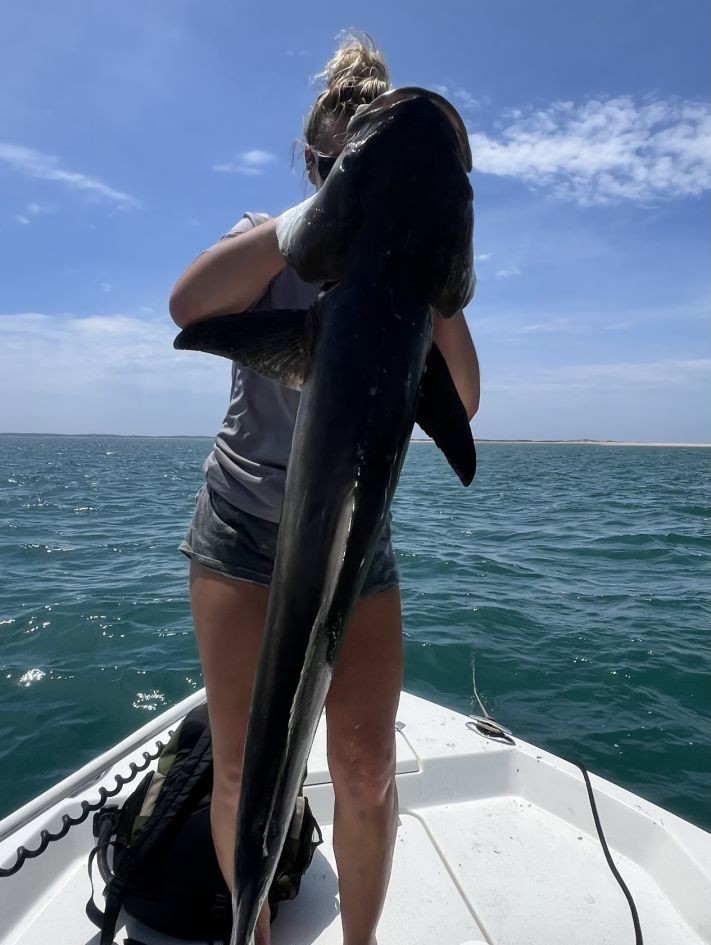
Cobia are the wildcards of our inshore scene – when they show up, everything else takes a backseat. These brown sharks (as some folks call them) can range from 20-50+ pounds and provide some of the most exciting fishing you'll find in North Carolina waters. They're curious fish that will often follow the boat, giving you sight-fishing opportunities that get your heart racing. Cobia are most common from late spring through early fall, and they're known for their powerful runs and head-shaking fights. Landing one is always a highlight of any fishing trip.
Time to Book Your Spot
Half-day trips are perfect for getting a real taste of what Hatteras inshore fishing is all about without the full-day commitment. You'll be fishing
 5.0(2 Reviews)
 Private Trip
 Inshore Fishing
 Hatteras


 Half-day inshore fishing targeting redfish, cobia, and flounder