Full Day Redfish And Shark Surf Fishing
When you're ready to step up your surf fishing game and test your skills against some of the Gulf's most challenging species, this 8-hour adventure on Bolivar Peninsula delivers exactly what serious anglers are looking for. You'll be working the surf zone with experienced local guides who know these waters like the back of their hand, targeting hard-fighting redfish and multiple shark species that cruise these productive shorelines. This isn't a trip for beginners – we're talking intermediate to advanced techniques, powerful fish, and the kind of action that keeps you coming back for more. With all gear, bait, and expert instruction included, you'll focus on what matters most: hooking up with fish that'll put your drag to the test.
What to Expect on the Water
Your full day starts early when the conditions are prime and the fish are most active. Bolivar Peninsula offers some of the most consistent surf fishing along the Texas coast, with miles of fishable shoreline and structure that holds both reds and sharks year-round. Your guide will read the water conditions, identify the best spots based on current, bait movement, and recent fish activity. You'll be working different zones throughout the day – from the first gut behind the breakers where redfish love to ambush prey, to deeper cuts and channels where bigger sharks patrol. The beauty of this fishery is its variety – you might have a bull red strip line off your reel one moment, then hook into a blacktip shark the next. Weather and tides play a huge role here, so your guide will adjust tactics and locations to keep you on fish all day long.
Surf Casting & Tackle Setup
Surf fishing for powerful species requires the right approach, and that's where having a seasoned guide makes all the difference. You'll be using heavy surf rods paired with high-capacity reels that can handle long casts and serious fish. The technique here isn't just about bombing casts as far as possible – it's about reading the surf, identifying fish-holding structure, and presenting baits where predators expect to find an easy meal. Your guide will walk you through proper surf casting form, how to work with wind and current, and the art of keeping your bait in the strike zone. For redfish, you'll often be working closer to shore in the wash and first trough, while shark fishing means getting baits out to deeper water where these apex predators cruise. Circle hooks are the standard for both species – they improve hookup ratios and make catch-and-release much safer for the fish.
Top Catches This Season
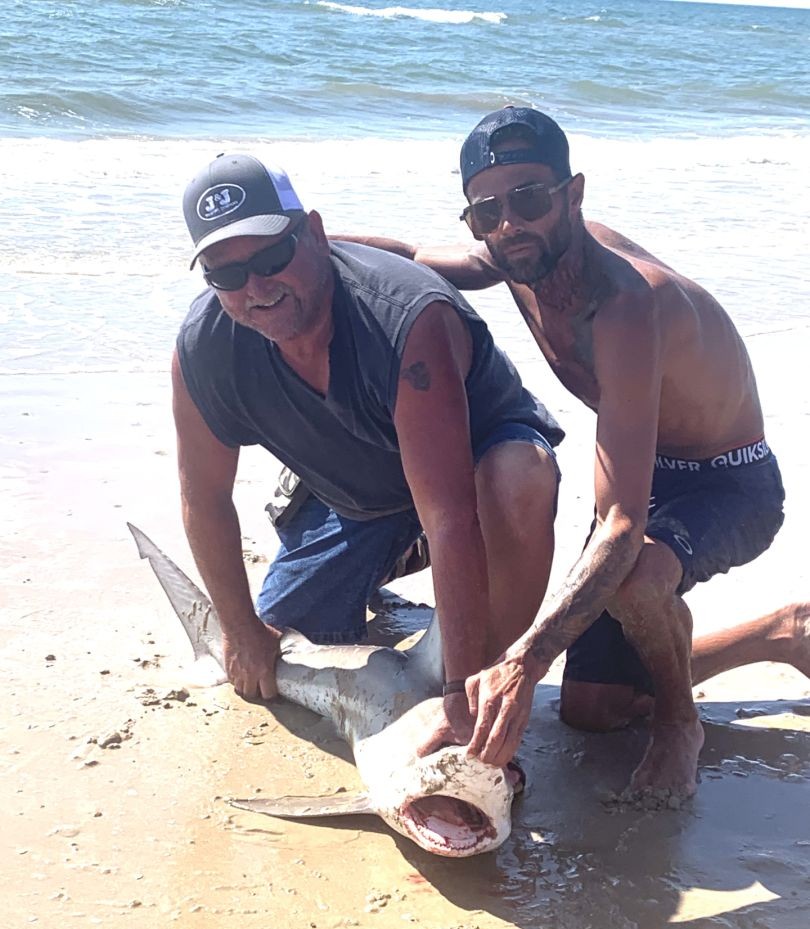
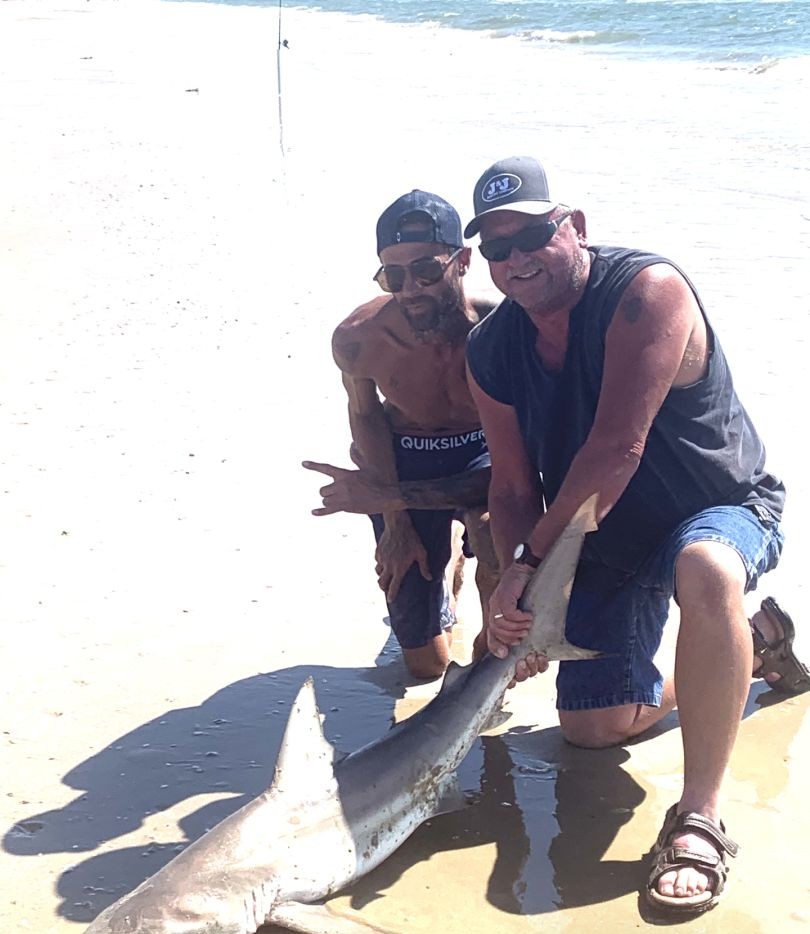
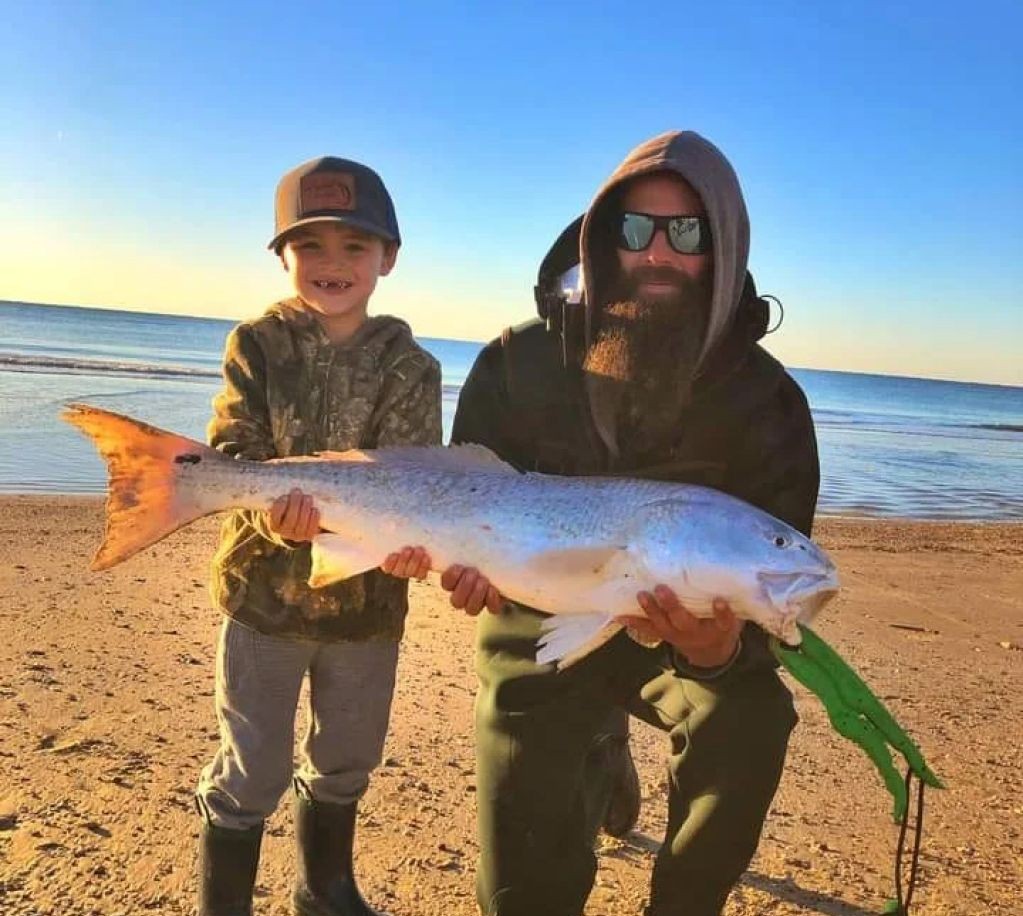
Redfish are the bread and butter of this fishery, and Bolivar Peninsula serves up some genuine monsters. These copper-colored bruisers typically run 20-35 inches here, with plenty of oversized bull reds that'll peel drag like you wouldn't believe. They're aggressive feeders that hit fresh cut bait, live shrimp, and crab with authority. What makes reds so special is their fight – they're not just strong, they're smart. They'll use the current and structure to their advantage, making powerful runs parallel to the beach. Bonnethead sharks are often the first shark species you'll encounter, and while they're smaller than their cousins, they're scrappy fighters that hit baits aggressively. Blacktip sharks bring aerial acrobatics to the mix – these guys love to jump when hooked, putting on a show that never gets old. Tiger sharks and bull sharks represent the apex predators of this system, and when one of these giants picks up your bait, you know you're in for the fight of a lifetime. Bulls especially are known for their raw power and stubborn nature, while tigers bring size and an unpredictable fighting style that keeps even experienced anglers on their toes.
Species You'll Want to Hook
Redfish are active year-round along Bolivar Peninsula, but fall and spring offer peak action when these fish are feeding heavily before and after spawning. They're ambush predators that use the surf's natural turbulence to their advantage, often positioning themselves in troughs and cuts where baitfish get disoriented. What makes redfish so exciting to target is their explosive strike and bulldogging fight – they don't jump, but they use every ounce of their strength to stay deep and find structure. The satisfaction of landing a slot red or releasing a massive bull red is what keeps surf anglers coming back.
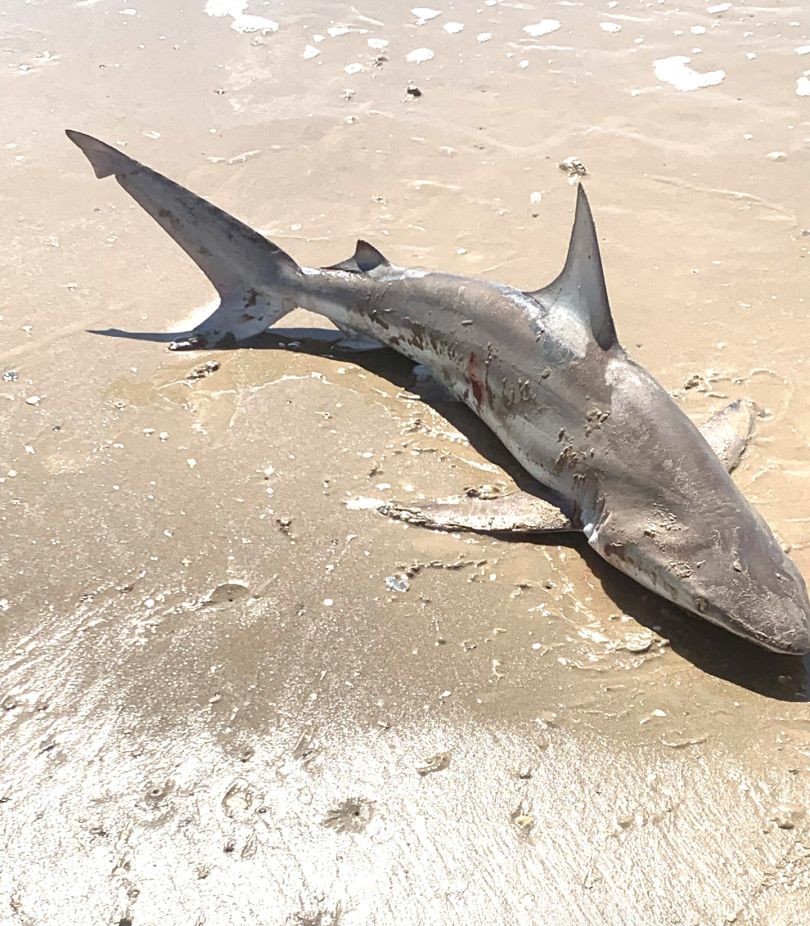
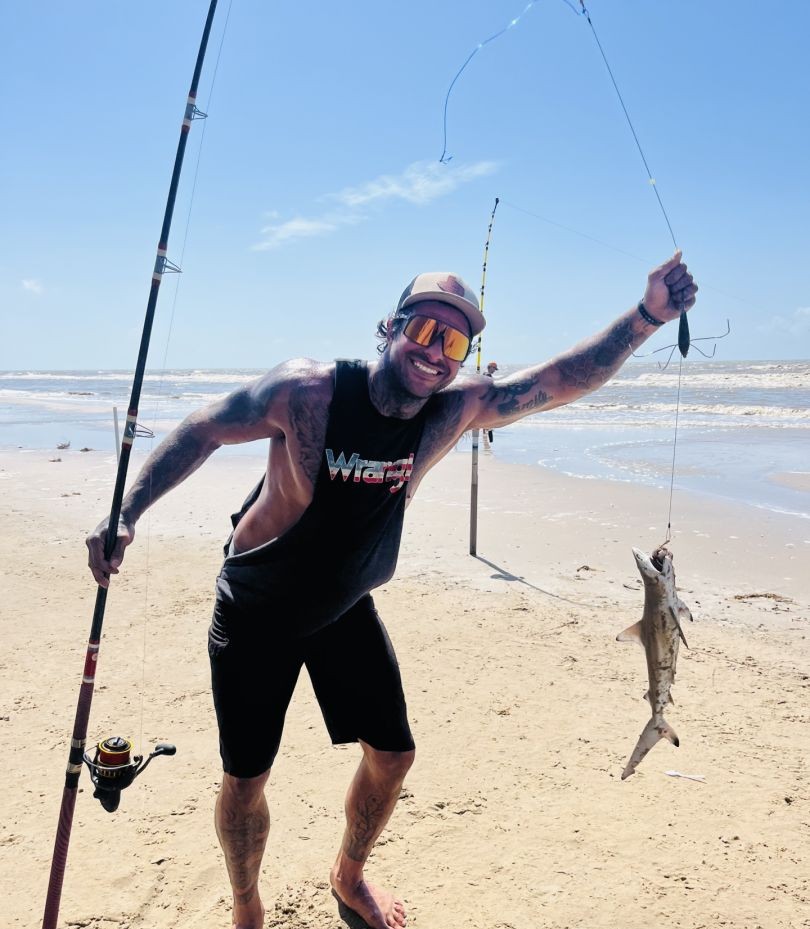
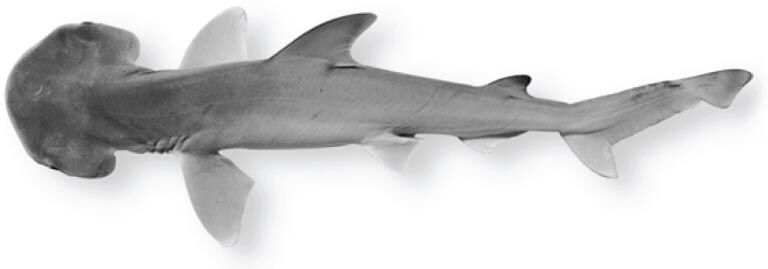
Bonnethead sharks are the most common shark species you'll encounter, typically ranging 2-4 feet and active throughout the warmer months. They're actually more closely related to hammerheads than other shark species, and they're one of the few sharks that's actually omnivorous – they eat seagrass along with crabs and small fish. Their smaller size makes them perfect for practicing shark handling techniques, and they fight surprisingly hard for their size with quick runs and sharp direction changes.
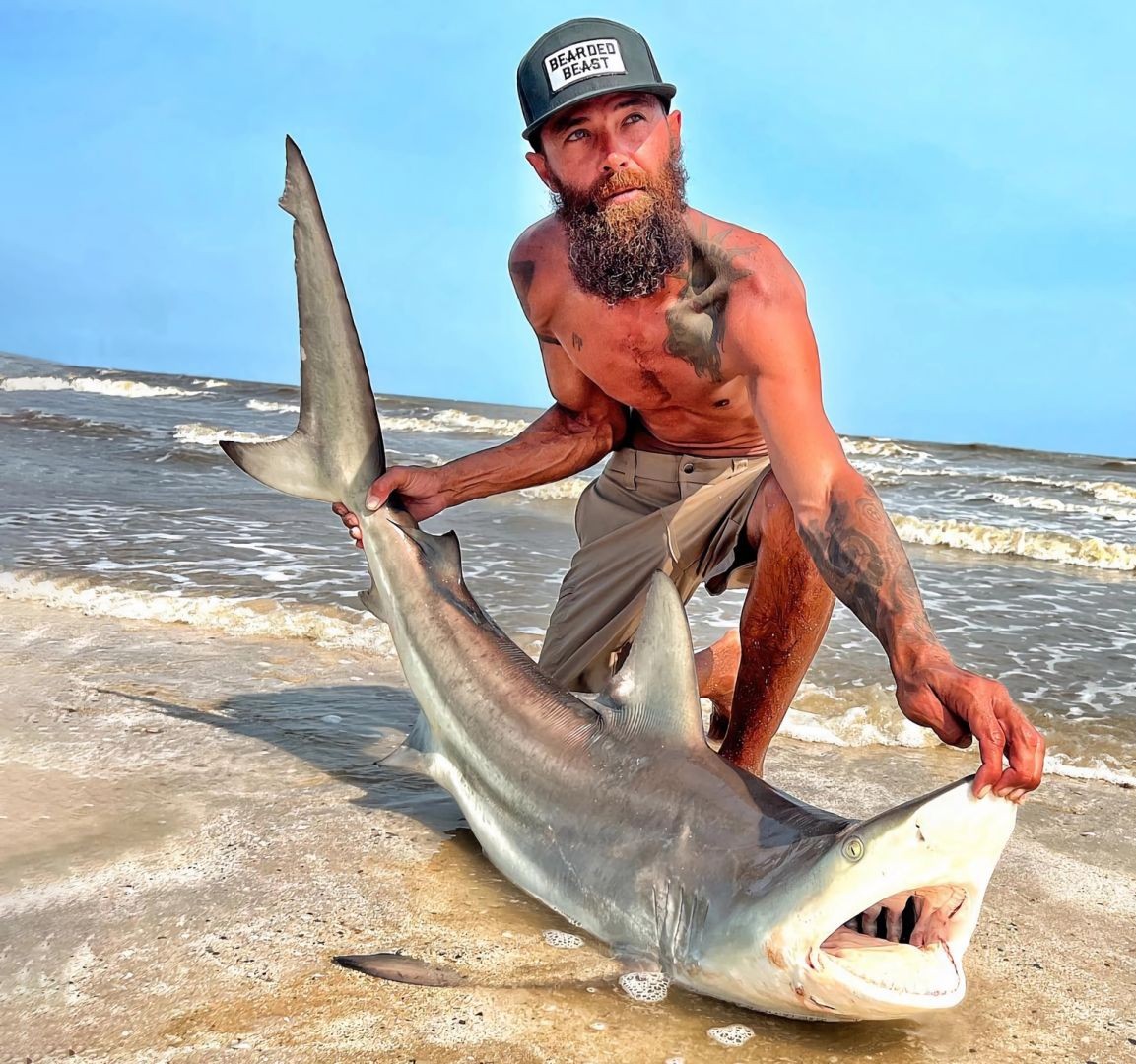
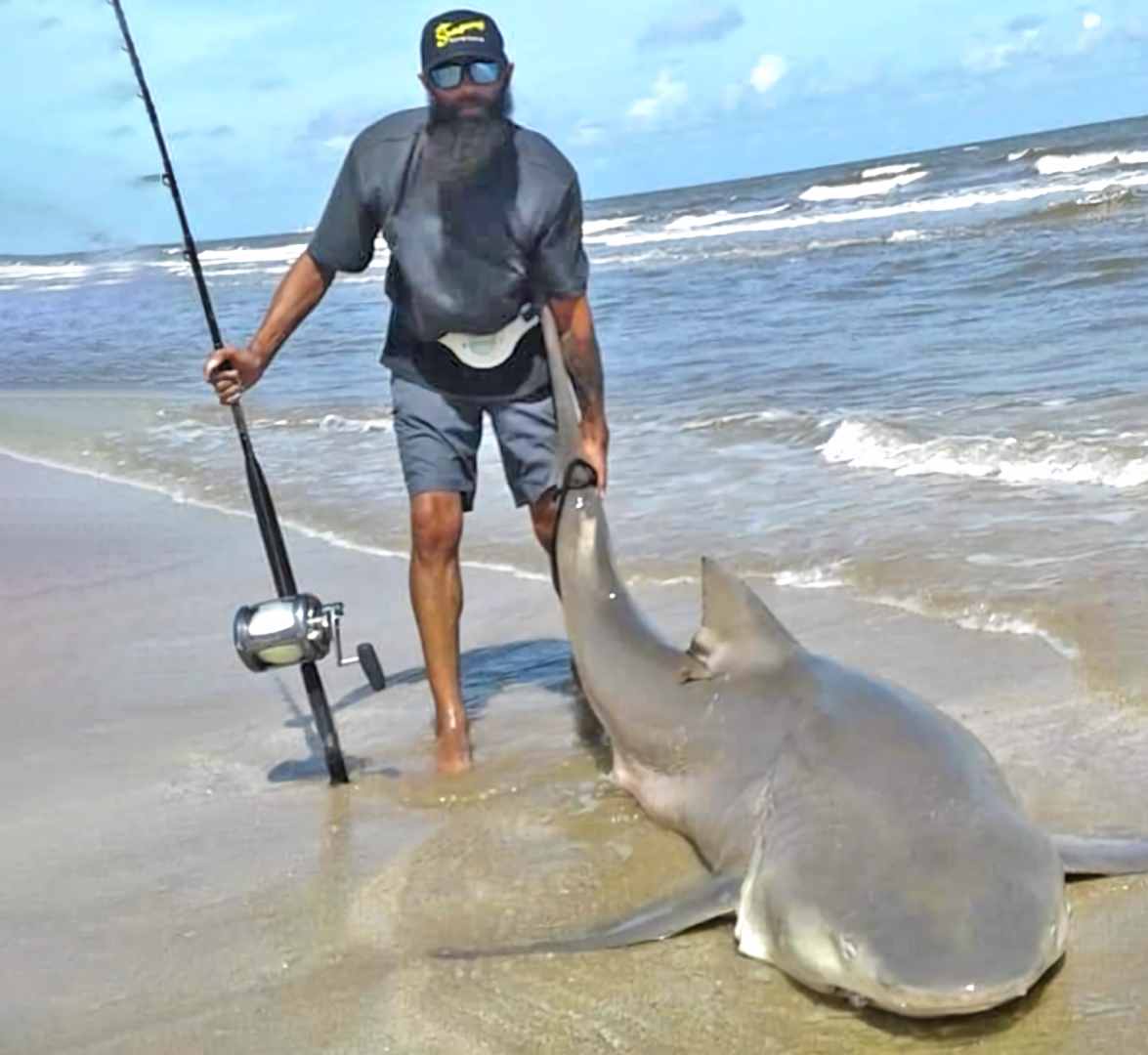
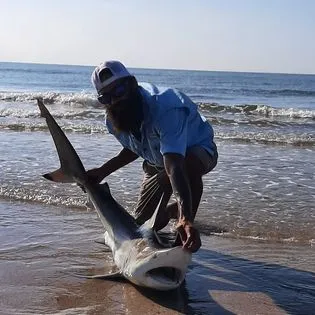
Blacktip sharks are the acrobats of the shark world, known for their spectacular jumps when hooked. They typically run 3-6 feet along this coast and are most active during spring and fall migrations. These sharks are built for speed, and when one hits your bait, you'll know it immediately. Their aerial displays are legendary – multiple jumps and tail walks that create memories lasting long after you release them back to fight another day.
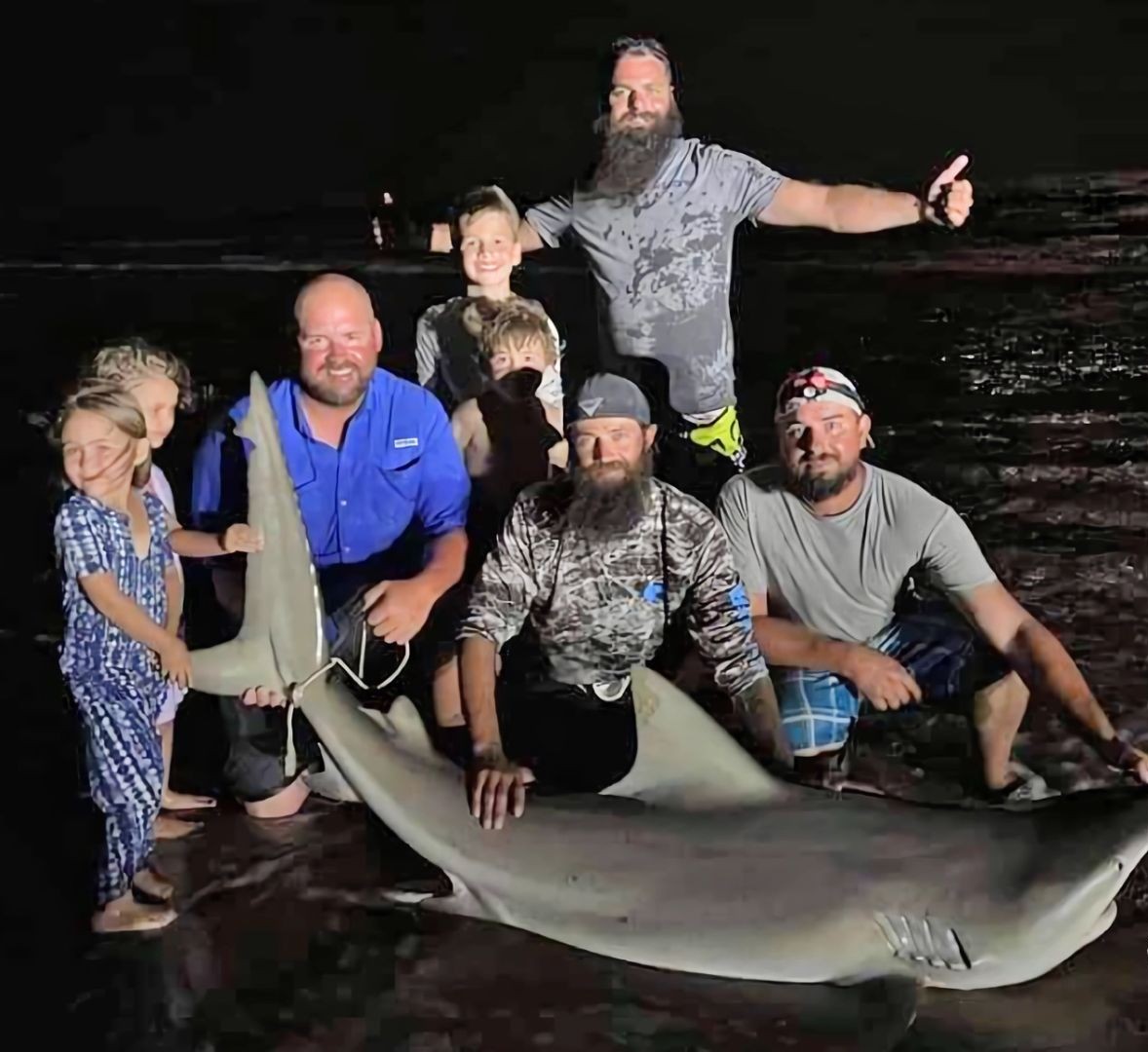
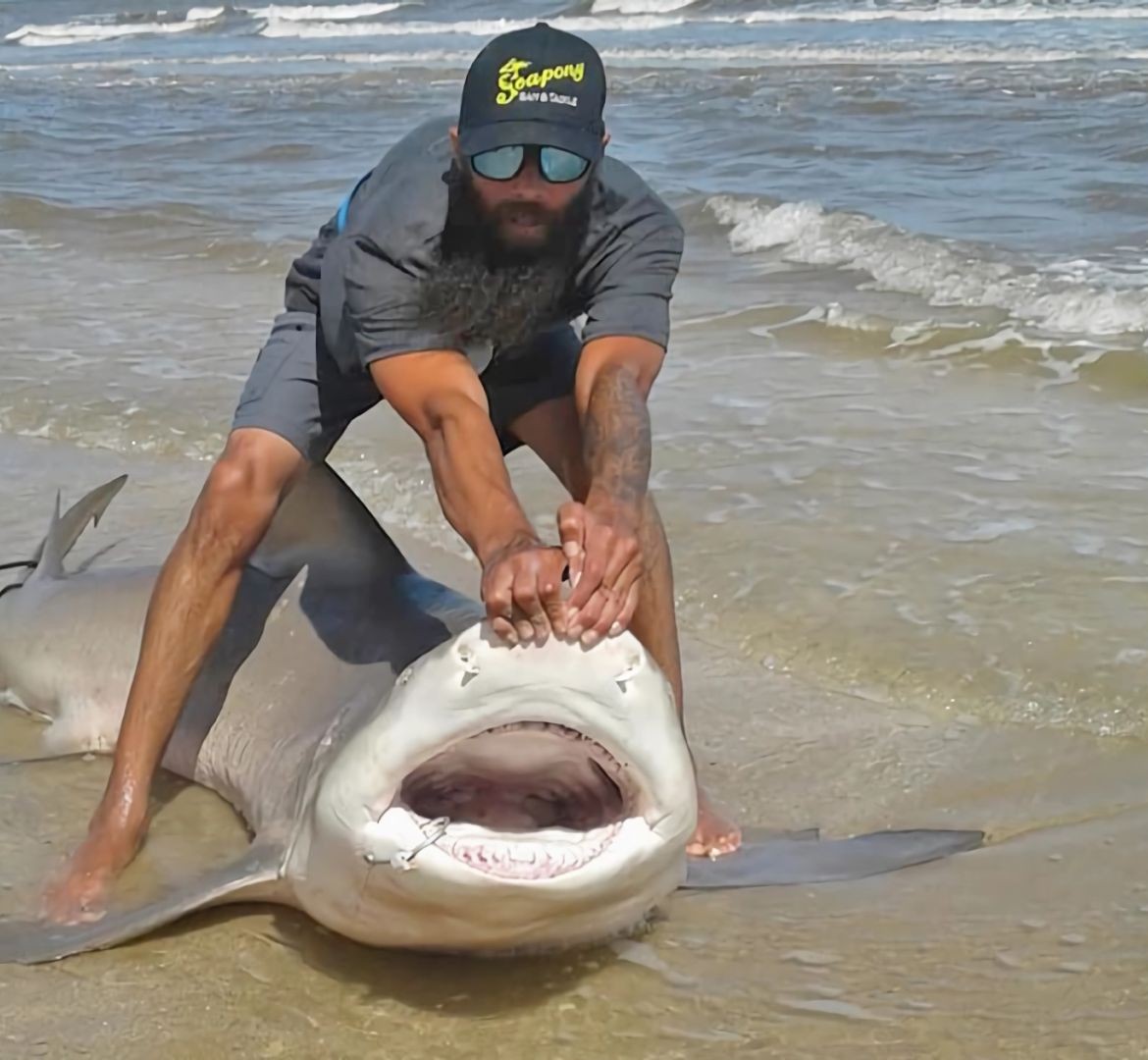
Tiger sharks represent the ultimate challenge in surf fishing, with specimens reaching 8-12 feet not uncommon in these waters. They're most active during summer months and are known for their incredible power and endurance. Tigers have a reputation for eating just about anything, making them less picky about bait selection, but their size and strength mean every aspect of your tackle and technique needs to be perfect. Landing a tiger shark from the surf is a bucket-list achievement that few anglers ever accomplish.
Bull sharks are perhaps the most respected adversaries in surf fishing, combining size, strength, and an aggressive nature that makes every hookup an epic battle. They're active year-round but peak during summer months, often moving into surprisingly
 Private Trip
 Shore Fishing
 Bolivar Peninsula
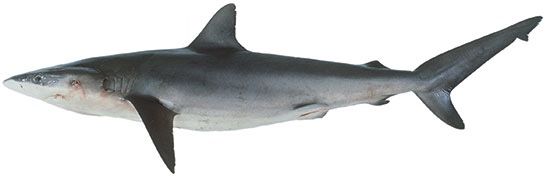


 Eight-hour guided surf fishing targeting redfish and sharks from shore