Full Day Texas Flats Fishing Adventure
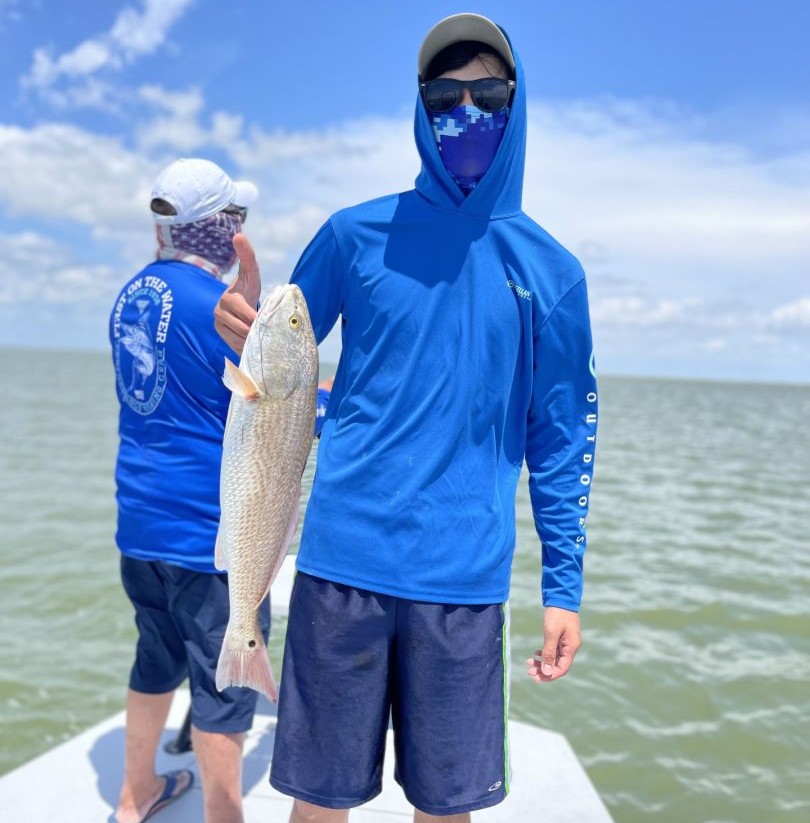
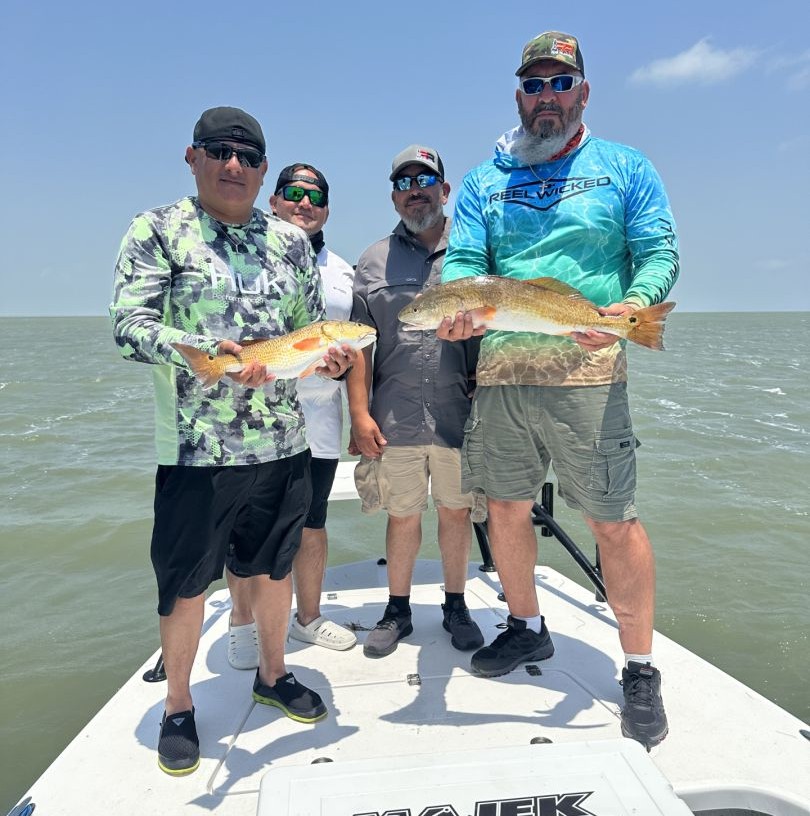
Captain Jerry knows these Texas flats like the back of his hand, and he's ready to put you on some of the Gulf Coast's most sought-after species. This isn't your typical half-day rush job – we're talking a proper 10-hour fishing marathon that'll have you working everything from shallow grass flats to deeper structure where the big fish hang out. You'll be targeting redfish, sheepshead, black drum, snook, and speckled trout using techniques that actually work in these waters. With a midday break back at the marina for lunch, you'll have time to refuel before the afternoon bite kicks in. Jerry's been guiding these waters for years, and his repeat customers will tell you – this guy knows how to put fish in the boat.
What to Expect on the Water
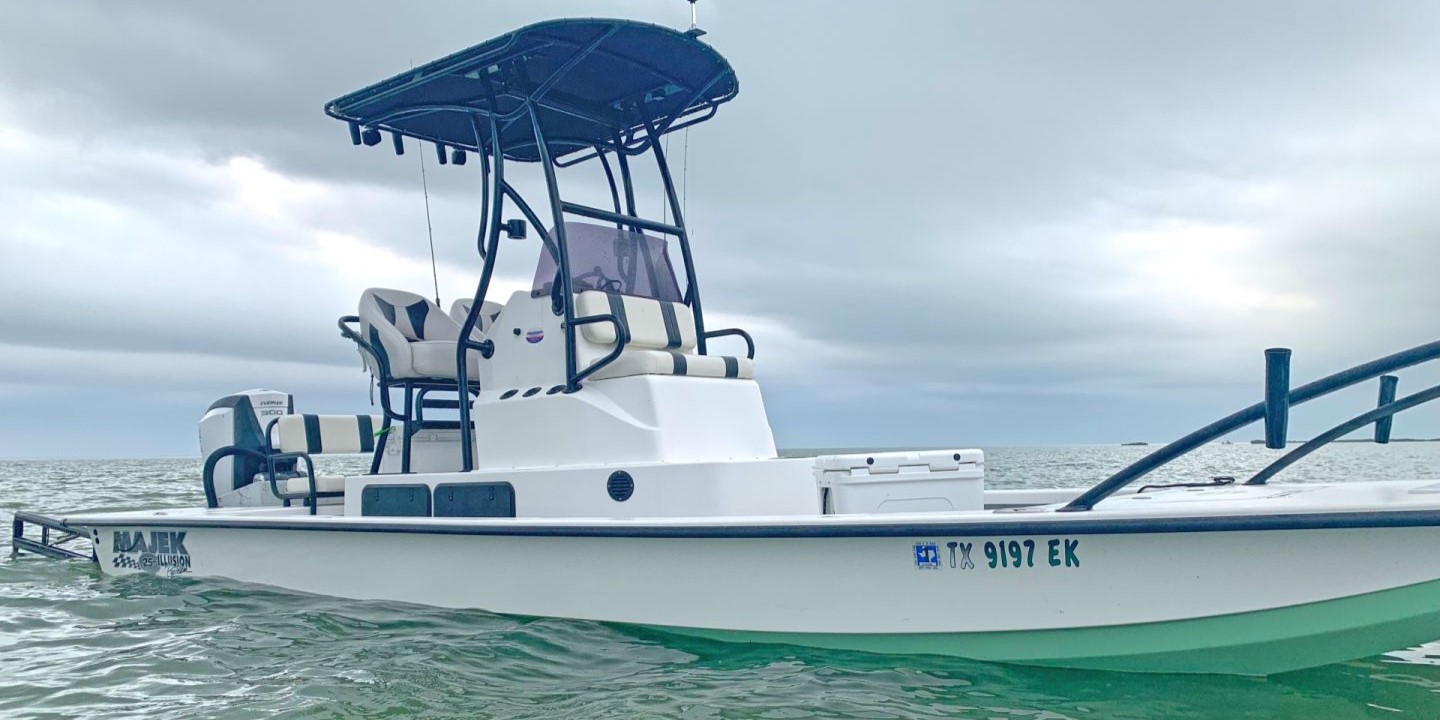
Your day starts early, but trust me, it's worth every minute of lost sleep. Captain Jerry runs a tight ship with all the gear you'll need, from light tackle setups to spinning reels that can handle whatever decides to grab your bait. The flats around Texas are absolutely loaded with structure – oyster bars, grass beds, and drop-offs that hold fish year-round. You'll spend the morning working different spots depending on tides and conditions, then head back to the marina around noon for a proper lunch break. This isn't just a fuel stop – it's a chance to grab some real food and talk through the afternoon game plan. The second half of the day often produces the biggest fish, especially when the afternoon winds calm down and the fish start moving up shallow. Jerry's boat is set up specifically for flats fishing, with a shallow draft that gets you into places the bigger boats can't reach.
Light Tackle & Spinning Techniques
We're talking about fishing the way it's supposed to be done – with gear that lets you actually feel the fight. Jerry sets his clients up with spinning reels spooled with 12-15 pound test, perfect for the species we're targeting. Light tackle doesn't mean wimpy tackle – it means smart tackle that gives fish a fair chance while still having enough backbone to turn a big red away from structure. You'll be throwing everything from live shrimp under popping corks to soft plastics worked along grass edges. The key to success on these flats is reading the water and understanding how these fish move with the tides. Jerry will teach you to spot nervous water, work a topwater plug properly, and feel the difference between a redfish bite and a trout tap. Spinning gear gives you the versatility to go from throwing topwater plugs at first light to dropping live bait in deeper holes when the sun gets high.
Species You'll Want to Hook
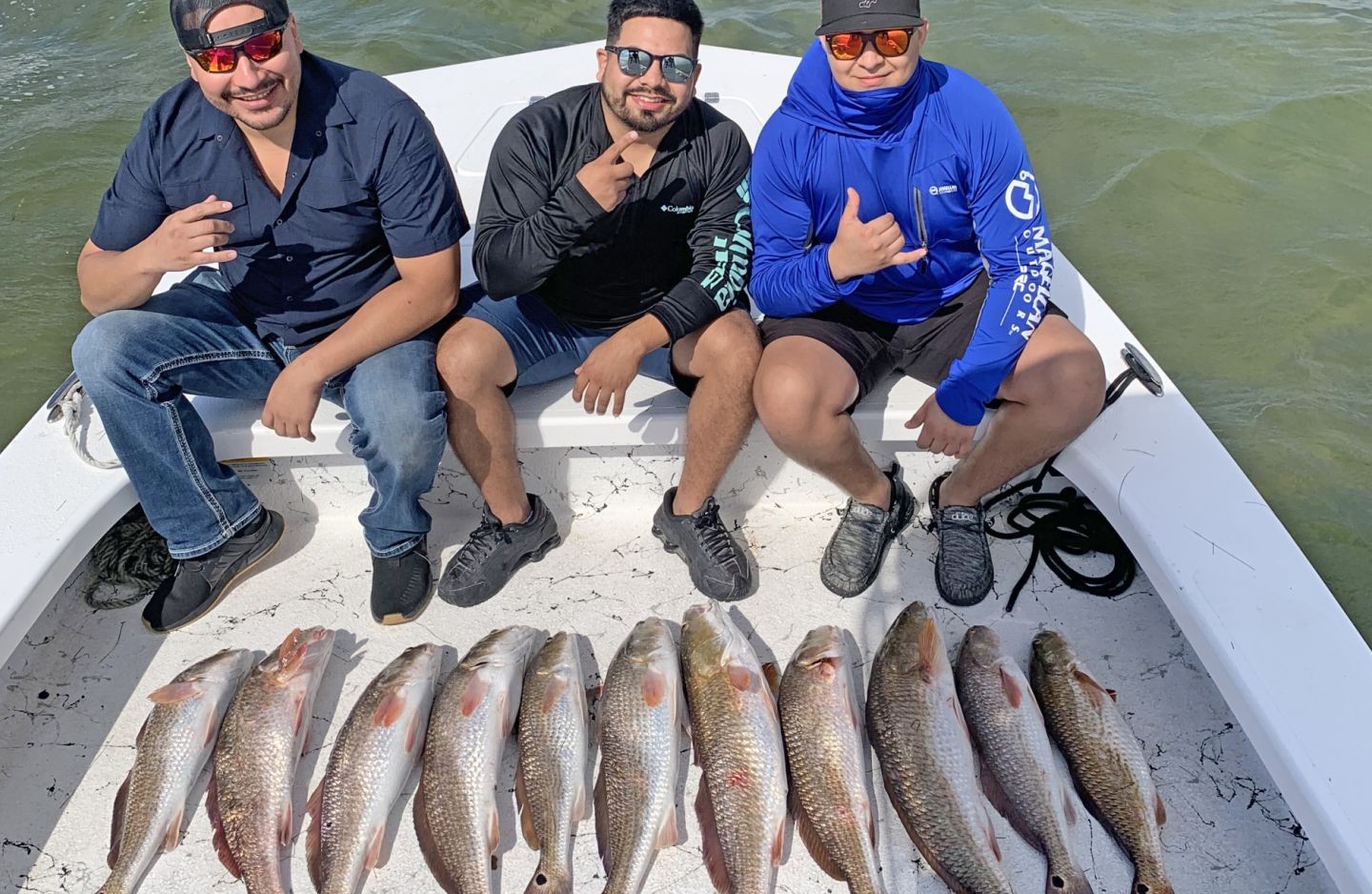
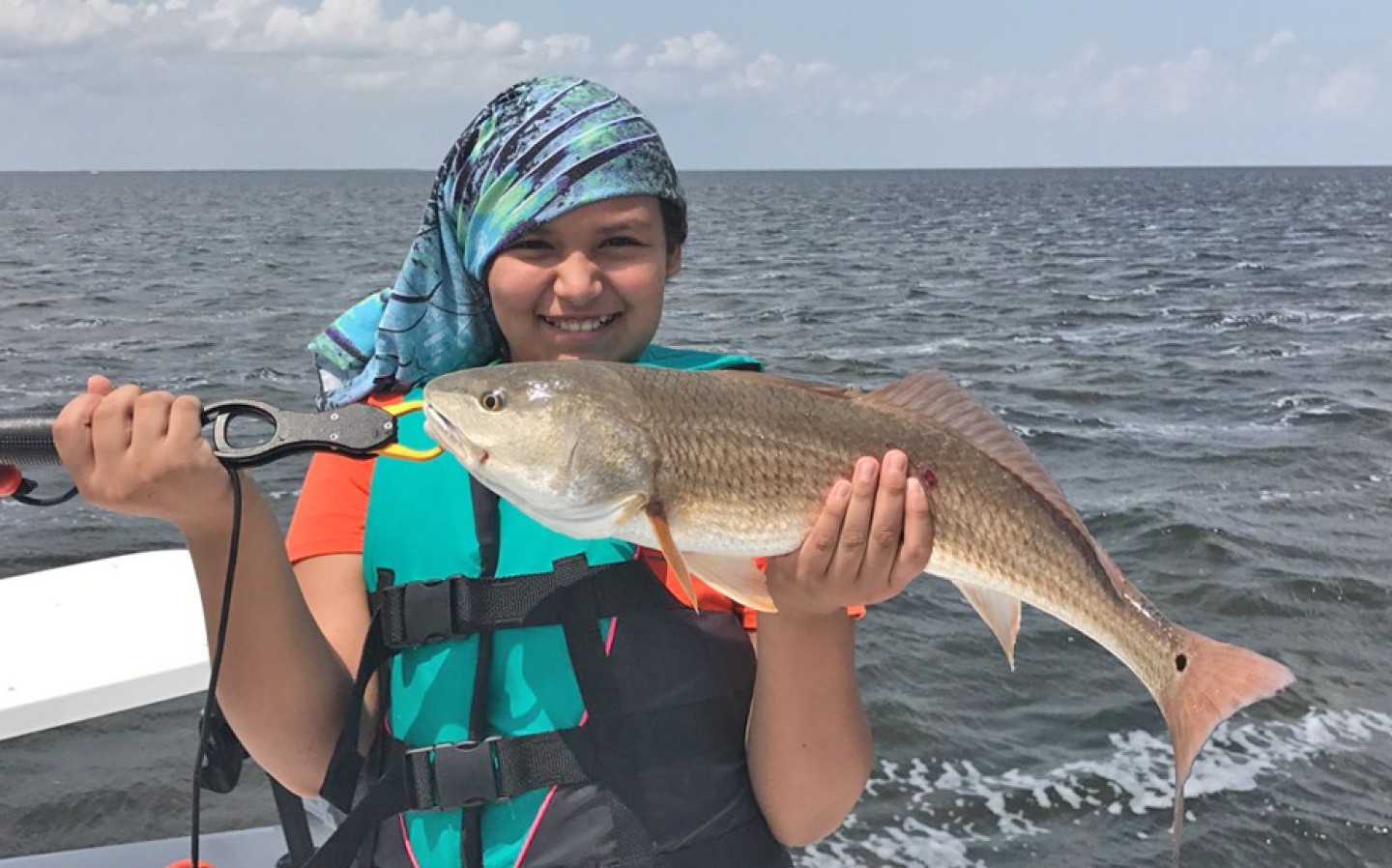
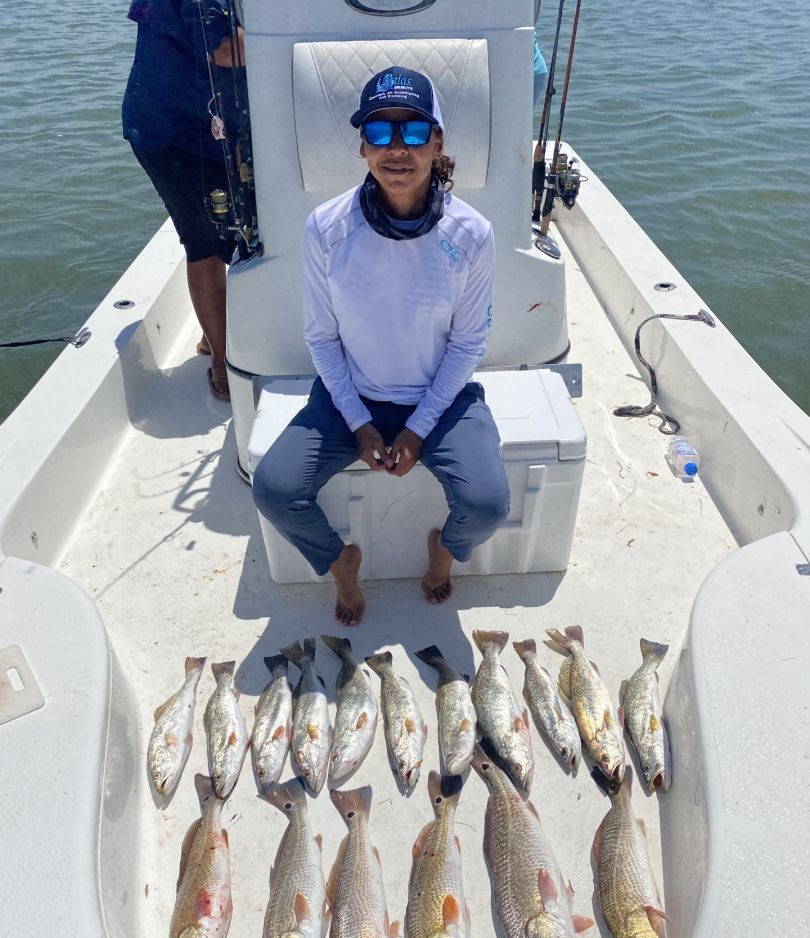
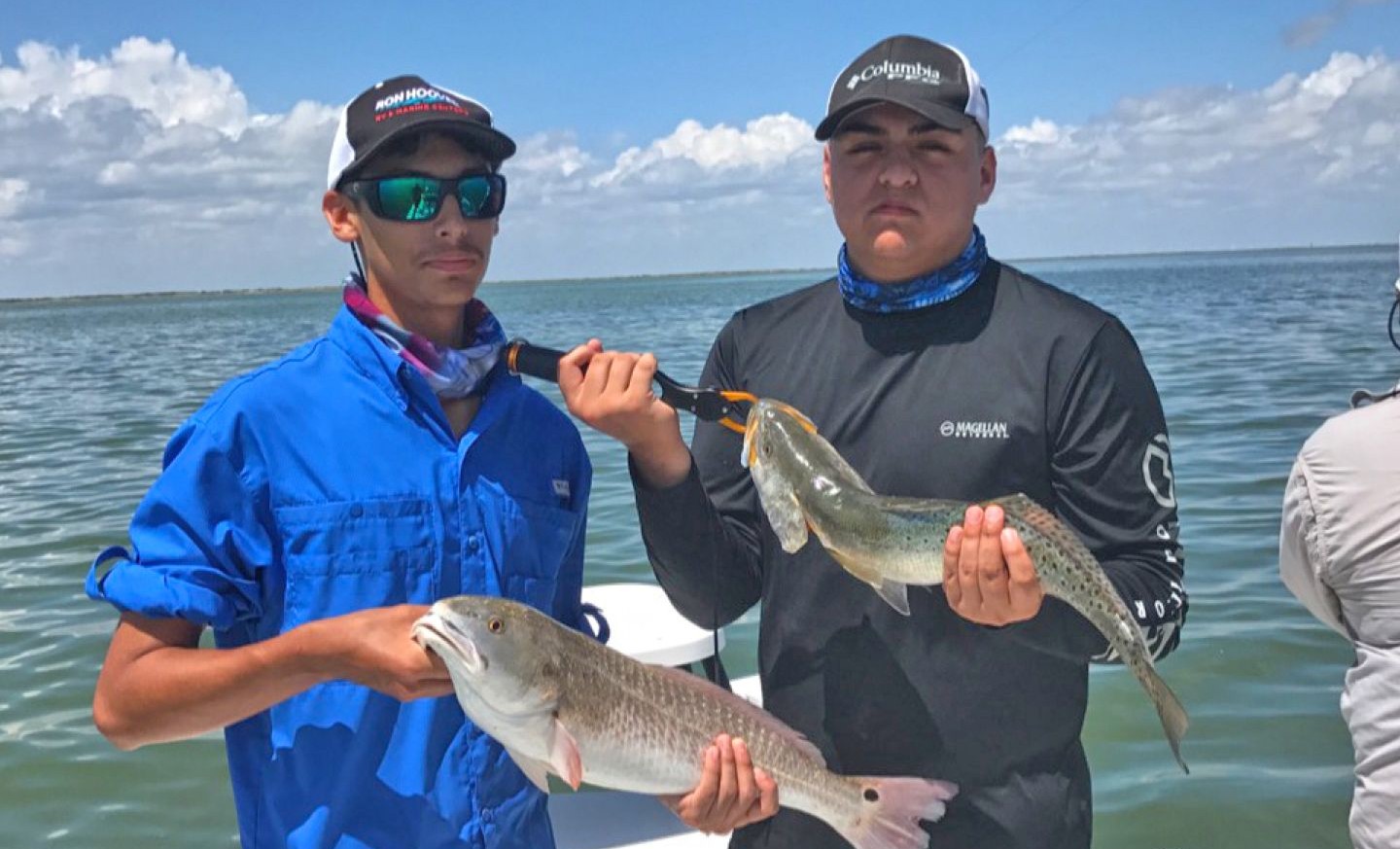
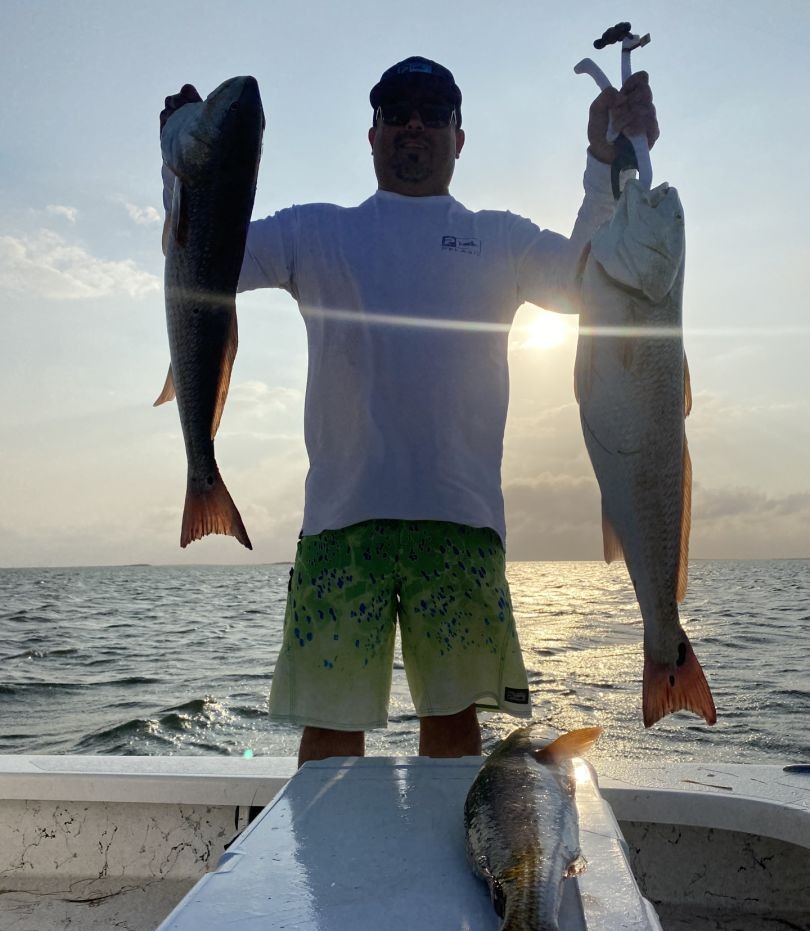
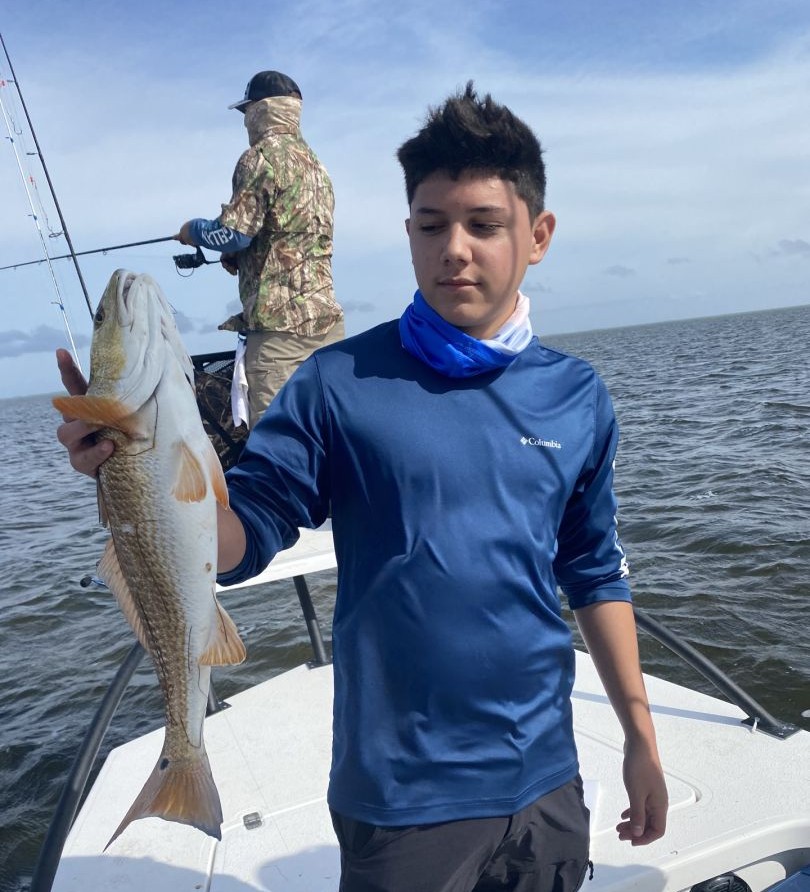
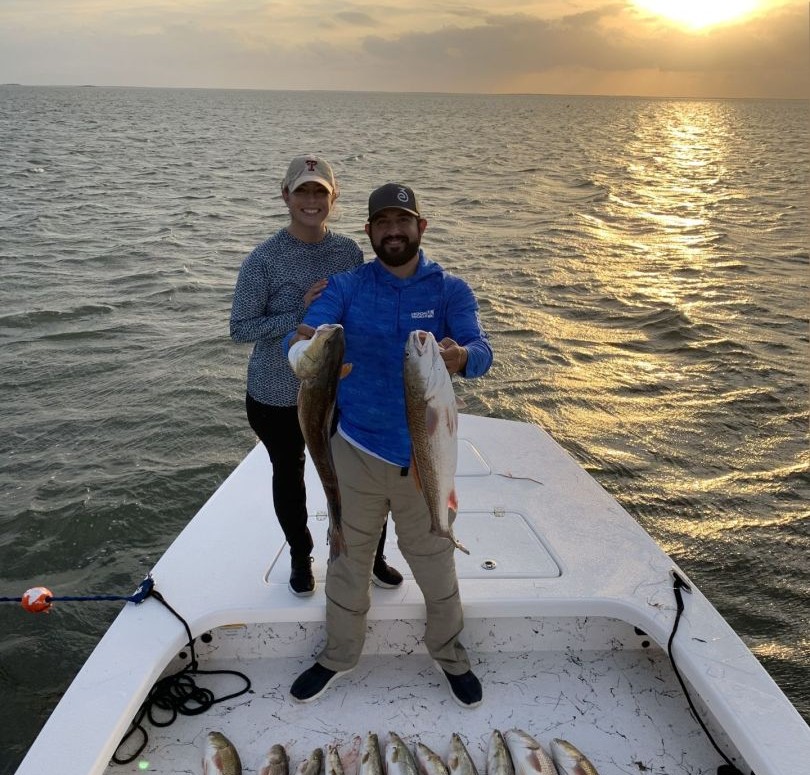
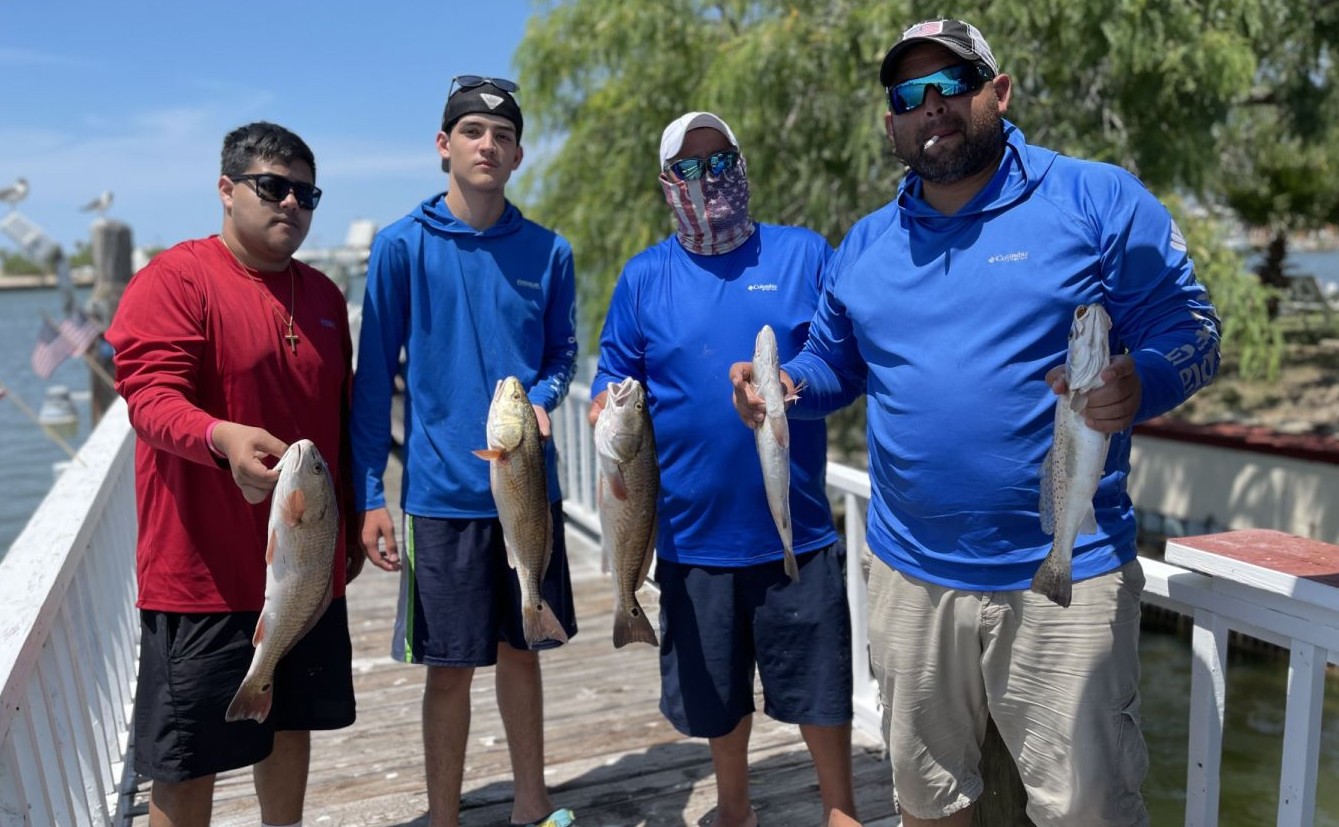
Redfish are the bread and butter of Texas flats fishing, and for good reason. These copper-colored bruisers range from schoolie rats around 18 inches up to bull reds pushing 40-plus pounds. They're most active during moving tides, especially early morning and late afternoon when they push up into skinny water to feed on crabs and shrimp. What makes reds so special is their attitude – they'll eat topwater plugs with explosive strikes, but they'll also sip a live shrimp so gently you barely feel the take. Fall and spring are prime time, but Jerry finds them year-round if you know where to look.
Sheepshead might be the most underrated fish in Texas waters. These black-and-white striped convicts hang around structure like dock pilings, bridge supports, and oyster reefs. They've got human-like teeth designed for crushing barnacles and crabs, which means they're notorious bait stealers. But hook a good sheepshead – we're talking 3-4 pounds – and you'll understand why locals target them specifically. They're excellent table fare and fight harder than most people expect. Winter months are prime sheepshead time when they school up around deeper structure.
Black drum are the heavyweights of the flats, with fish over 30 pounds common in Texas waters. They're bottom feeders that love crab and shrimp, often found in the same areas as redfish but usually in slightly deeper water. Big drum are patient fighters that use their weight and broad sides to wear you down. They're most active during cooler months, and finding a school of drum can make your entire trip. These fish have excellent hearing and will spook easily in shallow water, so stealth is key.
Snook are the glamour species of Texas flats fishing. These silver-sided predators with the distinctive black lateral line are ambush feeders that hang around structure waiting for baitfish to get careless. They're extremely structure-oriented, so you'll find them around docks, mangroves, and bridge pilings. Snook are temperature sensitive and most active when water temps are in the 70s and 80s. They hit topwater plugs with authority and make blistering runs that test your drag system. A good snook will jump, run, and generally make you work for every inch of line you gain back.
Speckled trout are probably the most popular inshore species in Texas, and Captain Jerry's waters hold some real quality fish. Specks are schooling fish that relate to grass beds, drop-offs, and areas with good baitfish populations. They're most active during low-light periods and overcast days. A good trout will run 2-4 pounds, with trophy fish pushing 6-8 pounds. They're excellent table fare and relatively easy to clean, making them perfect for anglers who want to take fish home. Trout fishing is typically best in spring and fall when water temperatures are moderate.
Time to Book Your Spot
Look, Captain Jerry's calendar fills up fast, especially during peak fishing months. This 10-hour trip gives you the best shot at experiencing everything Texas flats fishing has to offer – from the early morning topwater bite to the afternoon deep-water action. You're getting a full day with one of the area's most
 Private Trip
 Flats/Shallows Fishing
 South Padre Island, TX


 10-hour full day trip targeting redfish and sheepshead