Marco Island Inshore Fishing Charter Adventures
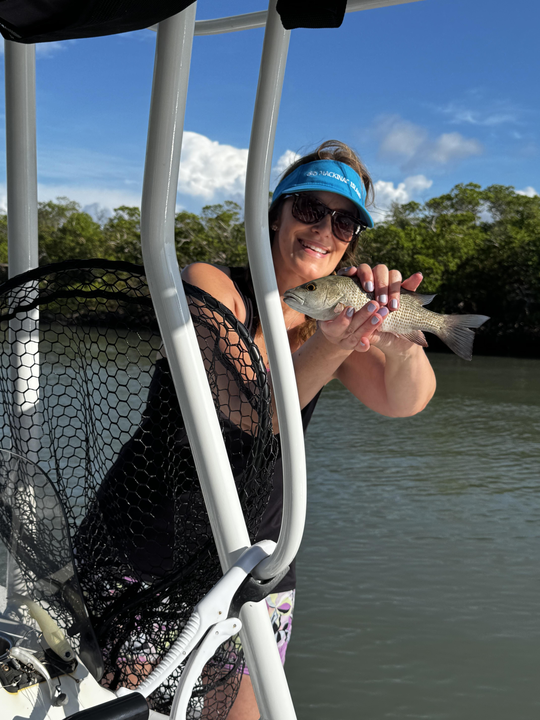
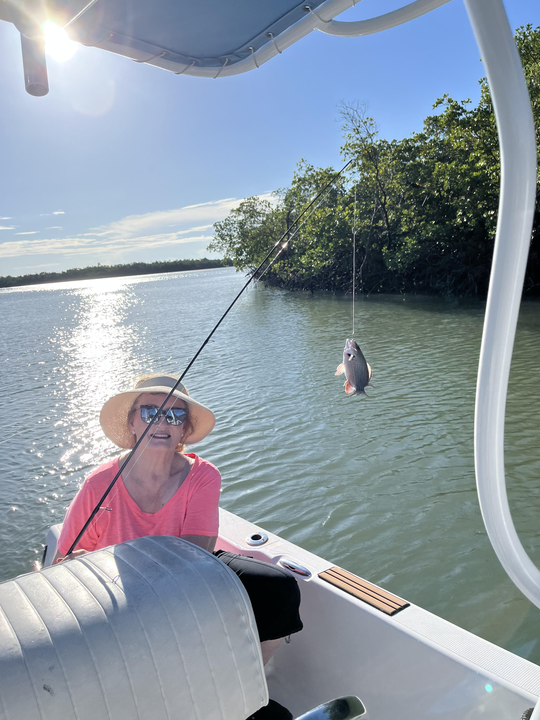
Looking for some serious fish action without the big-water drama? This inshore fishing charter around Marco Island puts you right where the fish live—in those shallow, fishy spots where snook ambush bait, redfish cruise the flats, and sea trout hang out like they own the place. Whether you want to get out there at first light or catch the afternoon bite, we've got 2, 4, and 8-hour options that'll fit your schedule and your fishing appetite. You'll be working the mangroves, oyster bars, and backcountry creeks that make Southwest Florida fishing legendary.
What to Expect on the Water
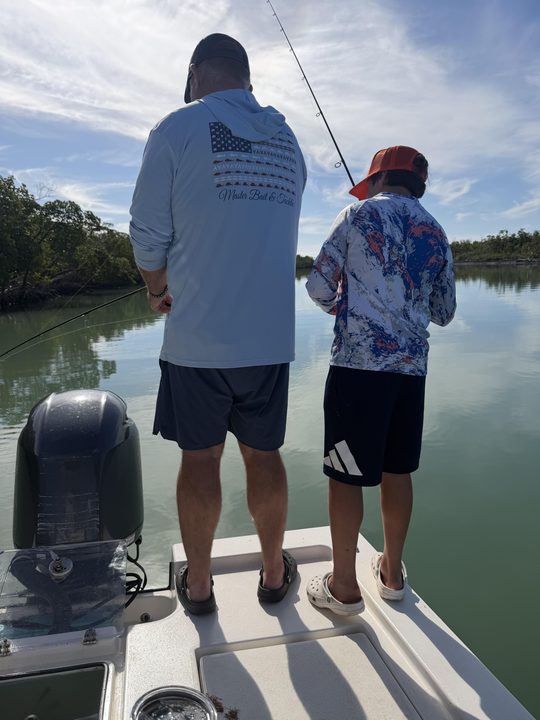
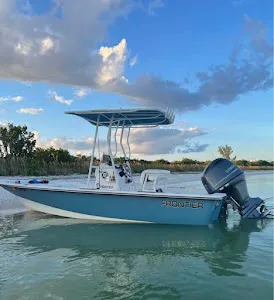
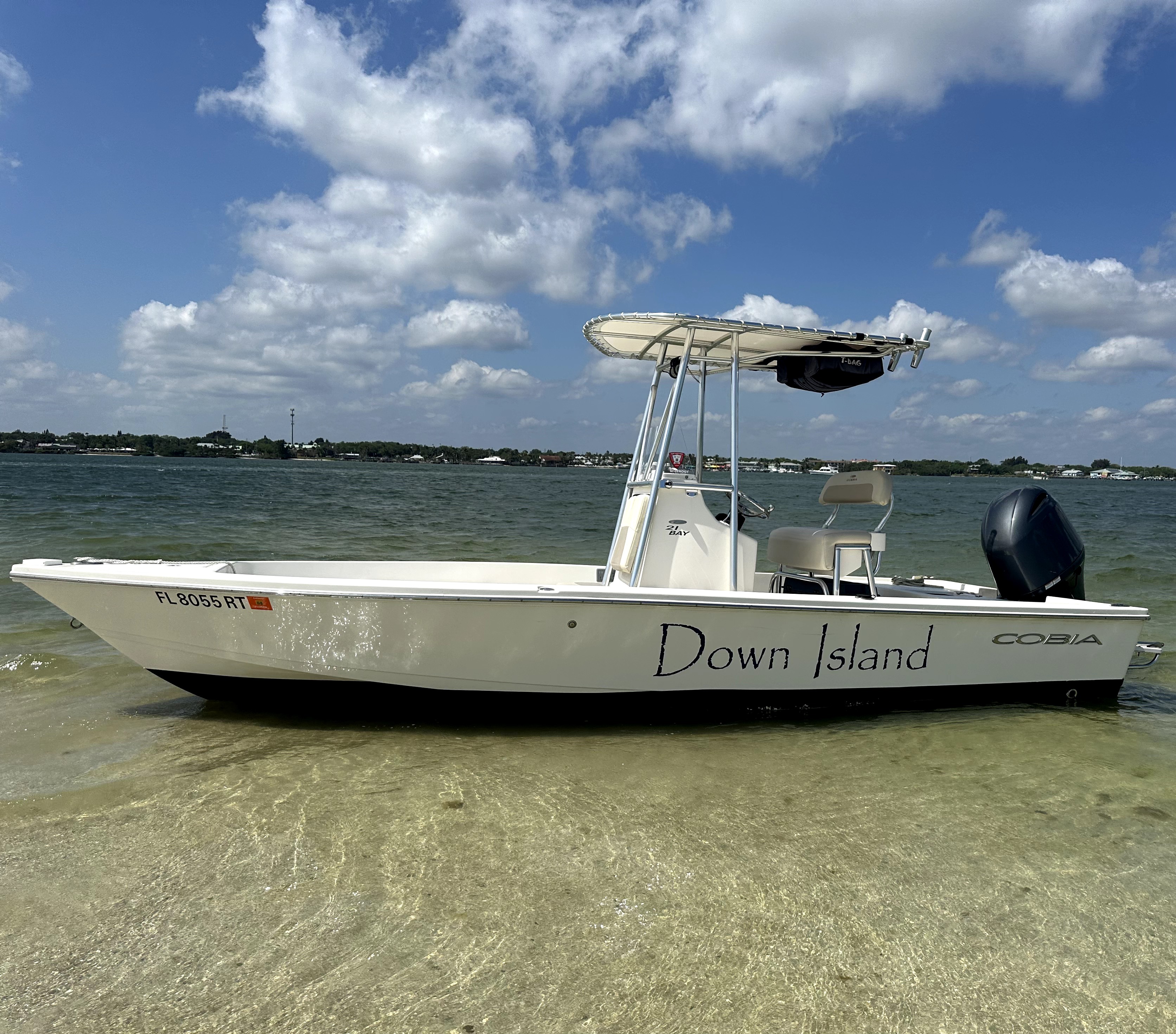
This isn't your typical head-boat experience where you're shoulder-to-shoulder with strangers. With just four anglers max, you get personalized attention and plenty of elbow room to work your technique. We'll be running light tackle—perfect for feeling every head shake and tail slap these inshore species throw at you. The boat's set up for serious fishing with live wells full of pinfish, shrimp, and whatever bait's working that day, plus a selection of proven artificials for when you want to throw something with some action. Morning trips catch those prime feeding windows when the water's moving and fish are actively hunting. Afternoon charters give you that golden hour magic when redfish start tailing in skinny water and snook slide out from under the mangroves looking for an easy meal. The backwaters around Marco stay protected even when it's blowing outside, so we can fish comfortably while offshore boats are getting beat up.
Light Tackle Techniques
We're talking about finesse fishing here—using the right bait in the right spot with just enough weight to get down but not so much that it spooks these shallow-water fish. You'll be pitching live shrimp under mangrove overhangs where snook like to sulk, drifting the grass flats with pinfish for sea trout, and working oyster bars where redfish come to feed. The tackle's matched perfectly to the fish we're after—spinning reels loaded with 20-pound braid for the backbone you need when a big snook tries to wrap you around a mangrove root, but with 20-pound fluorocarbon leaders that won't spook fish in clear water. If you're into artificials, we'll have you throwing soft plastics, topwater plugs, and spoons depending on what's working. The key to inshore success is reading the water—knowing where fish hold based on tide, time of day, and season. You'll learn to spot the subtle signs that separate fish-holding water from empty water, like bait activity, current breaks, and structure that isn't always obvious from the surface.
Top Catches This Season
Florida Pompano are the ultimate light-tackle fighter, and Marco's waters have some of the most consistent pomps in Southwest Florida. These chrome bullets typically run 2-4 pounds but fight way above their weight class with long, screaming runs that'll test your drag settings. Peak season runs from fall through early spring when they move through in schools, feeding on sand fleas and small crabs along the beaches and passes. What makes pompano special isn't just the fight—they're hands-down one of the best eating fish in these waters, with firm, white meat that's perfect for the grill. Snook are the signature game fish of Southwest Florida, and Marco's mangrove shorelines are snook heaven. These fish are ambush predators that lurk under overhanging branches and dock pilings, waiting to explode on unsuspecting bait fish. They're notorious for their gill-rattling jumps and their ability to find every piece of structure in the water when they're hooked. Slot-size snook typically run 24-28 inches, but the big breeding females—which are catch-and-release only—can push 40 inches and 20 pounds. Summer months bring the most consistent action, though they bite year-round if you know where to find them.
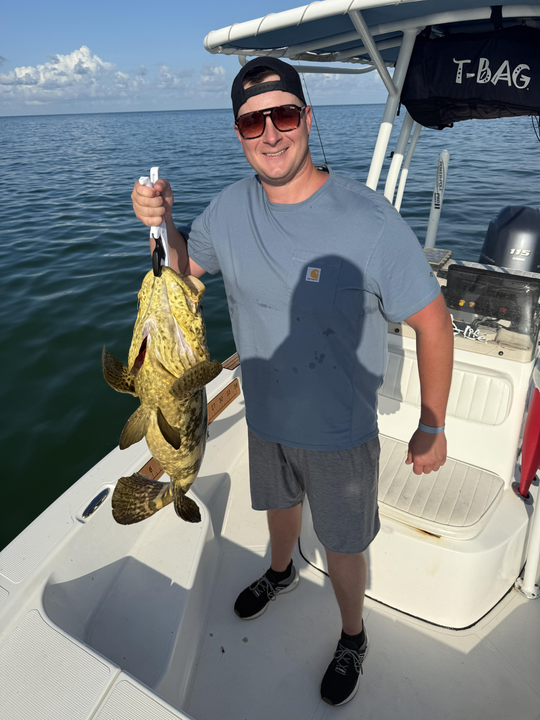
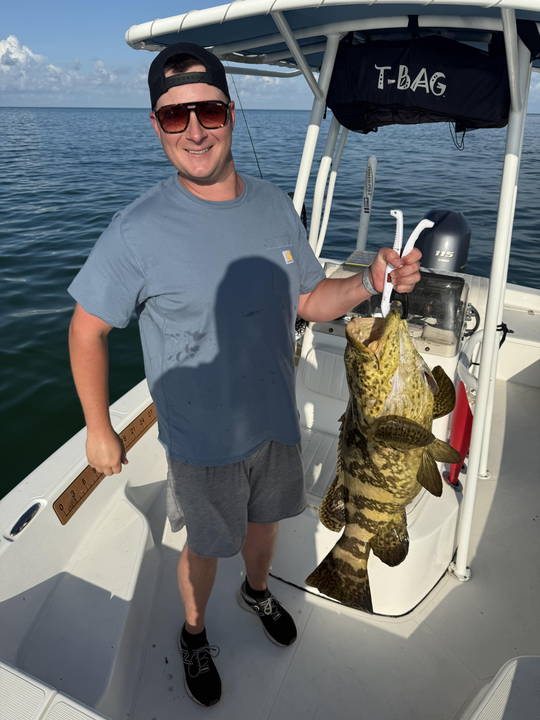
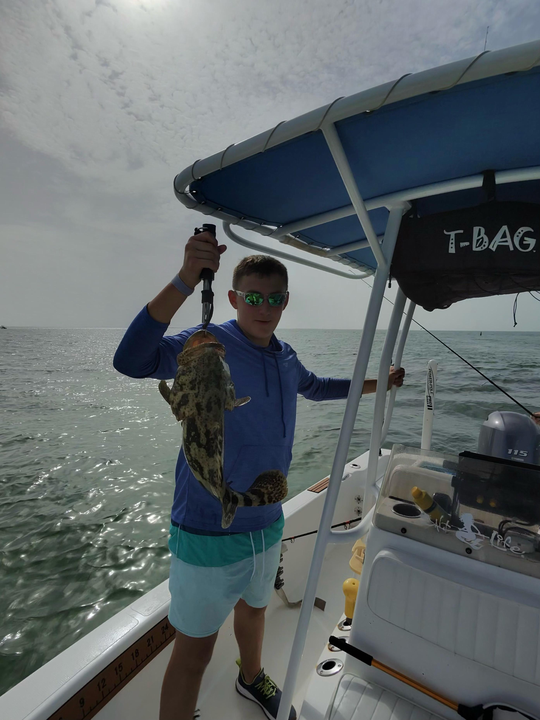
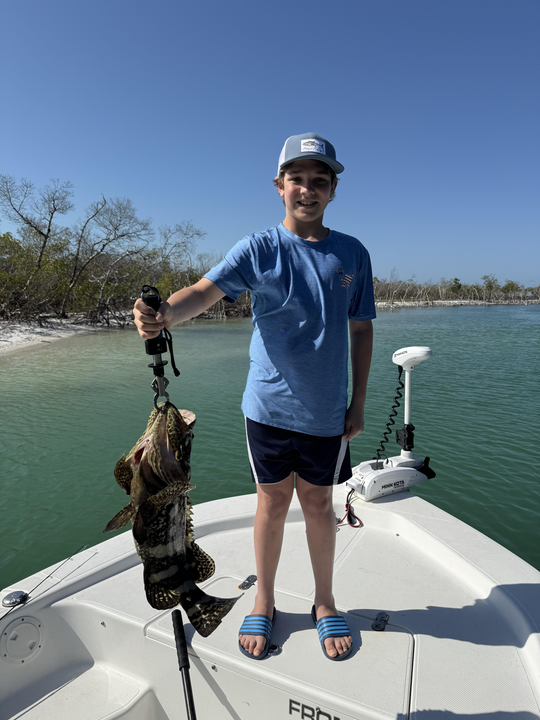
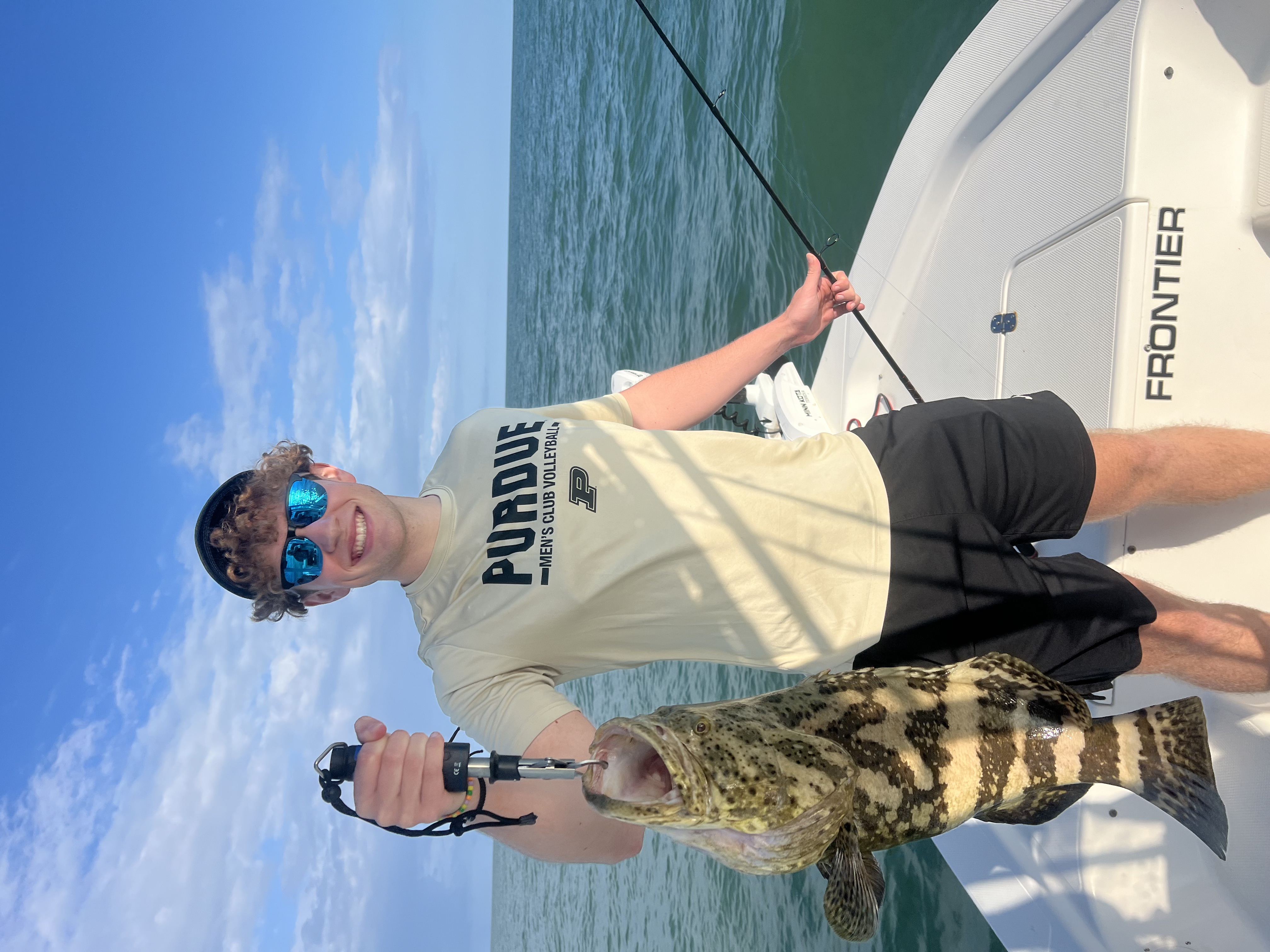
Goliath Grouper encounters are pure adrenaline—these prehistoric-looking giants can weigh several hundred pounds and will absolutely school you on what real fish power feels like. While they're catch-and-release only, hooking into a goliath is a bucket-list experience that'll leave your arms shaking. They hang around structure like bridge pilings, deep holes, and wrecks, and when one decides to eat your bait, you better hold on tight. The initial run usually lasts about 10 seconds before they try to get back to their hole, and if you can't stop them, it's game over. Sea Trout might not be the biggest fish in the bay, but they make up for it with consistent action and beautiful spotted flanks that flash silver in the sun. These fish school up over grass beds and sand holes, especially during moving tides. Spring and fall offer the best numbers, with fish averaging 14-18 inches and the occasional "gator" trout pushing 20-plus inches. They're suckers for live shrimp and soft plastic jigs, and once you find a school, you can usually stay busy for a while. Redfish are the bread-and-butter species of inshore fishing—they're always hungry, fight hard, and show up in a variety of habitats from shallow flats to deep mangrove creeks. Marco's reds typically run 18-27 inches, with their copper-bronze sides and distinctive black spots making them one of the most beautiful fish in these waters. They're notorious for their bulldogging fights and their ability to use their broad tails to stay pinned to the bottom. Fall and winter offer prime redfish action when they school up in large numbers, but you can catch them year-round if you know their patterns.
Time to Book Your Spot
Peak season fishing around Marco Island means the fish are active, the weather's prime, and the bite windows are long and productive. Whether you're a seasoned angler looking to dial in your light-tackle
 Private Trip
 Inshore Fishing
 Marco Island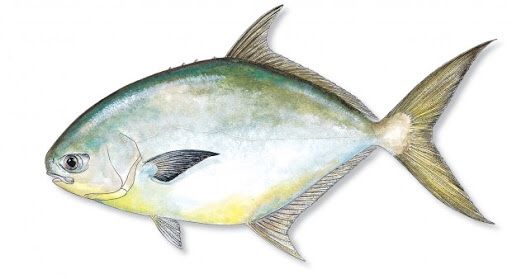


 Private inshore charter targeting snook, redfish, and sea trout