Is it Better to Fix Your Drift or Position to Catch More Trout?
Learn when to fix your trout fishing drift and when to change position. Improve line control, manage conflicting currents, and reach feeding trout.
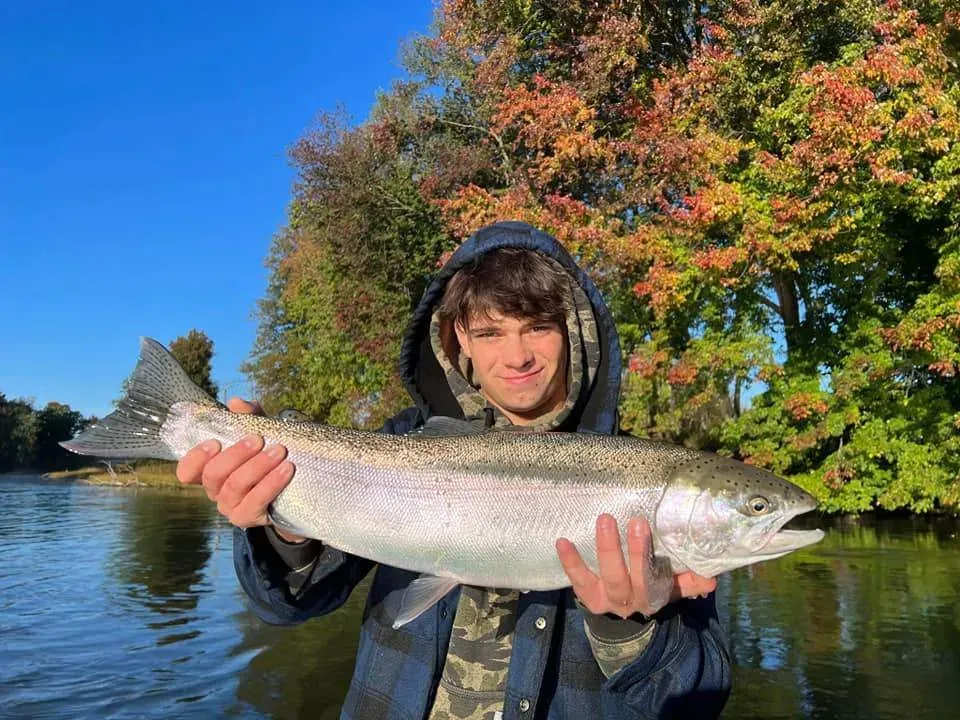


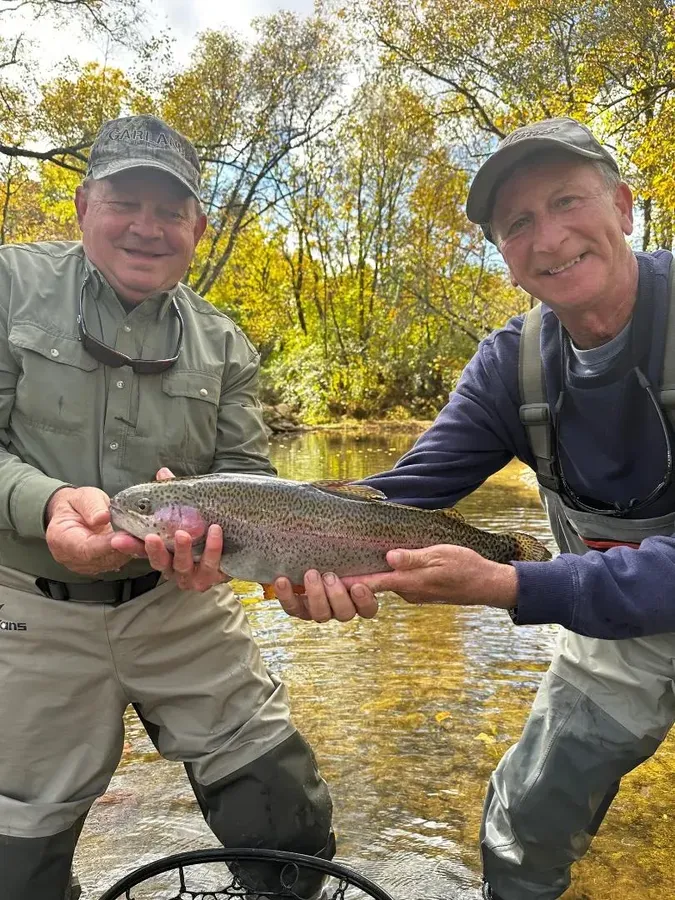
When trout keep refusing a presentation, most anglers' instinct is to fix the drift.
Mend again, adjust the depth, change the weight. Sometimes that works. Other times, you're trying to solve a problem that starts with where you're standing.
Your position determines which water you can reach, how your line crosses the current, and how naturally your fly travels through a trout's feeding lane.
A better drift won't always compensate for a poor angle, just as a better position won't fix a fly that's dragging. Here's how to identify what's going wrong, fine-tune your drift, and recognize when changing your position will give you a better shot at the trout you're targeting.
How to Tell If Your Trout Fishing Drift or Position Is the Problem
Before changing flies or abandoning a productive run, examine how your presentation behaves through the water.
Repeated refusals don't automatically mean trout have rejected your fly pattern.
Your drift may be introducing unnatural movement, your fly may be missing the feeding zone, or your position could be limiting the presentation. Identifying which variable is responsible before making another cast is where things get tricky.
Signs Your Drift Is the Problem
Pay attention to the fly's speed, trajectory, and depth as it moves through different currents. A presentation that looks natural at the start can become ineffective halfway through the drift, particularly when the line crosses water moving at different speeds.
Look for these specific signs to identify where your drift is going wrong:
Your fly accelerates or swings across the current: If the fly moves faster than the surrounding drift or begins pulling sideways, drag may be influencing its path. Check how your line interacts with the current before changing flies.
Your indicator or sighter moves out of sync with the target current: An indicator that outruns the foam or bubbles right beside it or a sighter that straightens abruptly can reveal unwanted tension. Surface water moves faster than water near the bottom, so an indicator edging slightly ahead of a nymph is normal. Account for turbulence, depth, and rig configuration before treating the movement as definitive evidence of drag.
Your fly passes above the feeding zone: If trout are holding deeper than your presentation, a clean drift alone may not be enough. Evaluate your fly depth, weight, and time spent in the target zone.
The drift deteriorates halfway through the run: A fly can travel naturally through one current seam and lose its presentation as it enters another. If the first part of the drift looks right but the fly swings or accelerates later, identify where that change occurs.
These observations help distinguish a drift-control problem from an issue with depth or fly placement. They also give you a specific variable to test rather than encouraging repeated casts with the same presentation.
Signs Your Position Is the Problem
Sometimes, the limitation isn't how you're managing the line but the angle from which you're fishing. Your position affects the water you can reach, the amount of line exposed to conflicting currents, and where your fly enters the feeding lane.
If your presentation continues to fail despite reasonable adjustments, look for these signs that your position may be working against you:
Your line repeatedly crosses conflicting currents: If you cannot maintain a natural presentation despite adjusting your line control, your casting angle may be working against you.
You can reach the feeding lane only with an awkward, extended cast: Excess line can make it harder to control the drift and detect subtle takes. Consider whether a different position would give you a shorter, more manageable presentation.
Your fly enters the productive water too late: If the fly spends most of its drift crossing unproductive water before reaching the target, the entry angle may be the problem rather than the fly itself.
Trout become wary as you approach or cast: Fish that stop feeding, move off, or react to your presence may be responding to your silhouette, wading disturbance, or line passing overhead. A more discreet approach may matter more than another presentation adjustment.
The important distinction is whether you can correct the problem from your current position. If the fly is moving unnaturally because of poor line control, work on the drift. If your position consistently forces the line across conflicting currents or prevents the fly from entering the target water cleanly, consider changing your position.
How to Diagnose the Problem Before Recasting
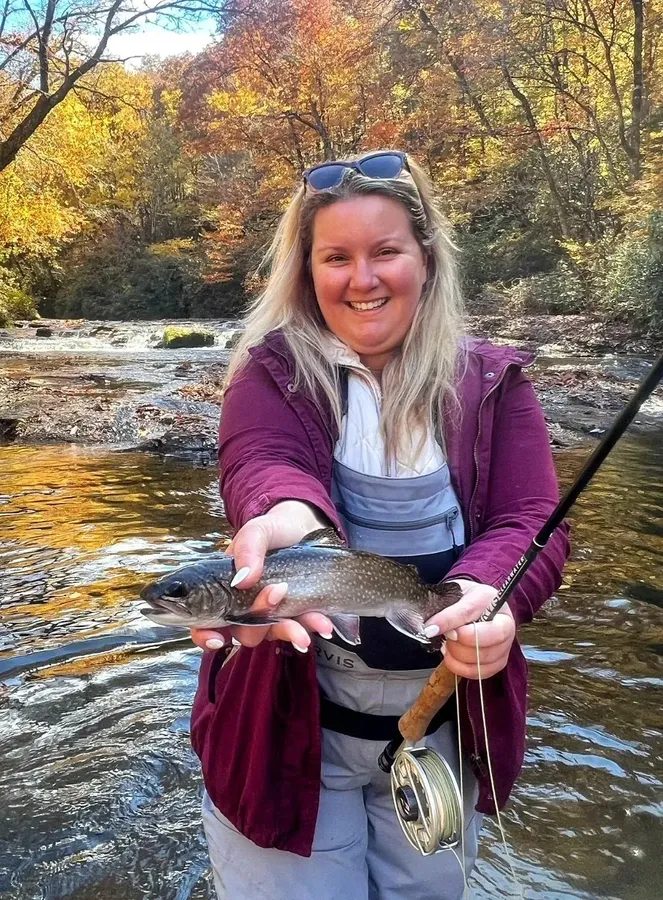
Change one variable at a time. If the fly accelerates across a seam, adjust your line control and observe whether its movement improves.
If it passes above the feeding zone, test a depth adjustment. If the presentation remains compromised because of the angle or distance, change your position and repeat the drift.
Pay particular attention to where the presentation breaks down. The point at which a fly starts dragging, loses depth, or swings out of the feeding lane often provides a more useful clue than the absence of a strike alone. The goal here is to identify whether the limiting factor is drift control, depth, or access to the target water.
Once you know which one is failing, you can make a deliberate adjustment instead of spending another series of casts troubleshooting the wrong problem.
How Current Seams and Conflicting Currents Affect Your Trout Fishing Drift
A trout stream rarely moves at a uniform speed from bank to bank. Fast chutes, slower edges, submerged rocks, and deeper pools create overlapping currents that influence how the fly and line travel. For experienced anglers, the challenge isn't simply finding a current seam; it's managing the difference between the water carrying the fly and the water pulling on the line.
Understanding these current interactions explains why a drift can look right initially but becomes difficult to control farther downstream.
Why Your Fly and Fly Line Move at Different Speeds
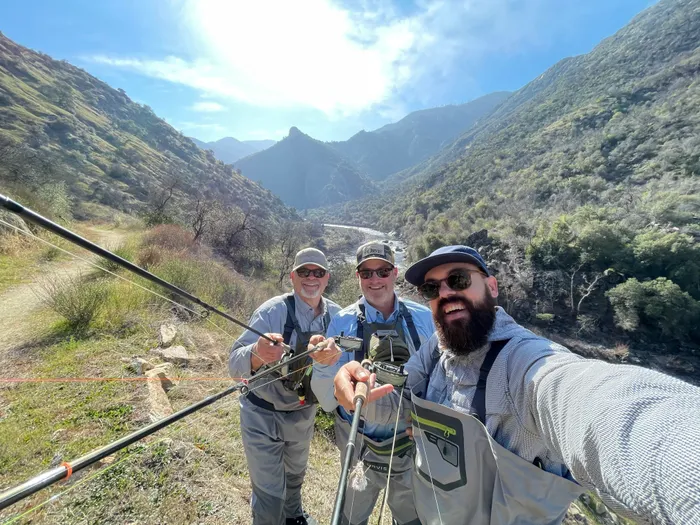
The fly line often travels through surface currents that move faster or slower than the water carrying your fly.
When these currents pull the line in different directions, they create tension that can accelerate the fly, lift it out of the feeding zone, or swing it away from its intended path.
This is especially noticeable when nymphing across a seam separating fast riffle water from a slower feeding lane. Your fly might be tracking naturally near the bottom while the line above it gets swept downstream. Eventually, that tension transfers to the leader and changes the fly's movement.
Watch for a few telltale signs:
The line bows downstream: A belly forming in the line can indicate that faster surface current is pulling it away from the fly's path.
The fly starts swinging across the seam: Tension may be pulling the presentation sideways instead of allowing it to travel naturally through the target lane.
The drift speeds up near the end: The fly may be entering a faster current, or the line may be tightening as it travels farther downstream.
These signs aren't conclusive on their own, but they help identify where current interaction may be compromising the presentation.
Fishing the Edge Between Fast and Slow Water
Current seams can hold feeding trout because they provide access to drifting food without forcing fish to fight the strongest current. However, the most visible seam isn't always the most productive one. The key is identifying where trout are holding and how they're intercepting food.
A trout tucked behind a boulder may feed along the edge of faster water, while a fish in a broad run may hold along a subtle change in current speed. Your fly needs to reach that feeding lane at the right depth without being pulled off course.
Before casting, assess the direction and speed of the currents around your target. Landing your line in water that moves at the same speed as your fly, with a reach cast or by standing where the line falls on the slower side of the seam, can reduce drag, while a shorter drift can help keep your fly in a narrow feeding lane. If the line repeatedly pulls your fly away from the target, consider changing your position rather than relying on another mend. Doing this can help you present the fly through the productive water, not simply across the most obvious current boundary.
When Mending Can or Cannot Fix Drag
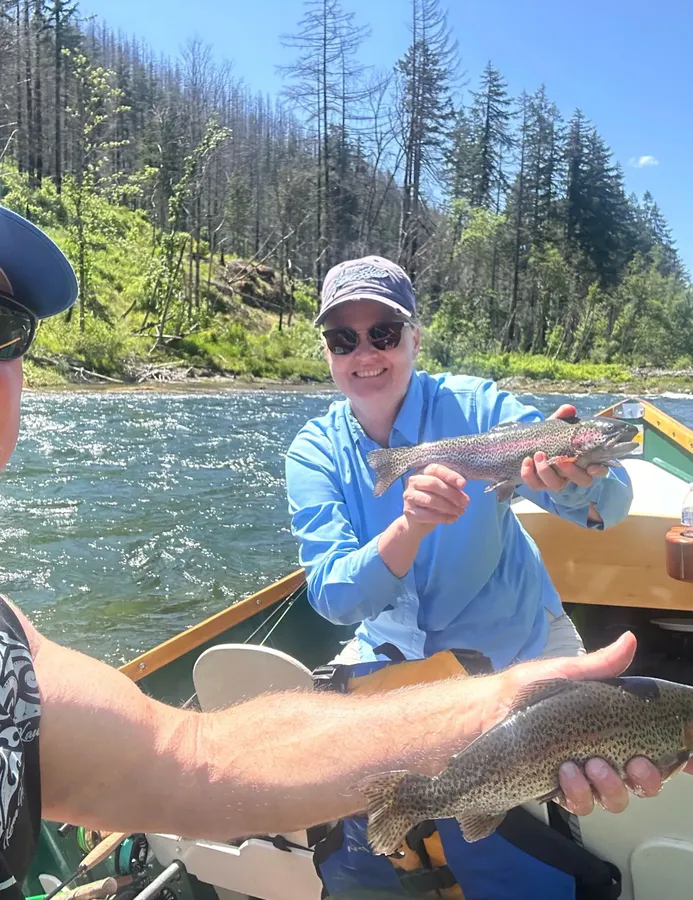
Mending changes the position of your fly line on the water to reduce unwanted tension. An upstream mend can help when faster surface current pulls the line downstream ahead of the fly.
A downstream mend may be useful in certain presentations when line placement or current direction requires a different correction. However, mending isn't a universal fix.
If your line repeatedly crosses several currents moving at different speeds, one mend may correct one section while creating tension elsewhere. Large or poorly timed mends can also disturb the presentation, pull the fly out of the feeding zone, or introduce excess slack that makes detecting a take difficult. Before adding another mend, check whether the line placement is the actual problem. If the fly starts naturally and then swings at the same point on every drift, experiment with where the line lands or shorten the drift.
If the current geometry makes a clean presentation difficult from your position, changing your position may be more effective than repeatedly correcting the line after it lands.
Adjusting Drift Length Across Multiple Current Speeds
A longer drift isn't automatically more productive. As the fly travels farther, the line encounters more changes in current speed and direction, increasing the chances of drag or loss of control.
Instead of trying to carry one presentation through an entire run, focus on the section where trout are most likely to feed. Make the cast so the fly enters that lane with enough time to settle into the intended depth, then maintain control while it passes through the target water.
Shortening the drift can be particularly effective when fishing narrow seams, pockets behind boulders, or sections where a faster current quickly pulls the line out of position. Once the fly leaves the productive lane, recasting often provides better control than allowing it to swing through increasingly unsuitable water.
How to Fix Your Trout Fishing Drift Without Changing Position
Before moving to another section of the river, make sure your current position isn't being undermined by a correctable presentation issue. Small adjustments to line placement, fly depth, and casting angle can improve a drift without requiring you to abandon productive water.
Adjust your casting angle: If your line lands across multiple current speeds, change the angle to reduce how much line is exposed to conflicting flows. This can help the fly track naturally for longer.
Fine-tune fly depth: When a nymph consistently passes above the feeding zone, adjust its weight or depth rather than repeatedly changing your position. What you want to do is reach the target water without compromising the drift.
Control excess slack: Slack can help prevent drag, but too much makes it difficult to detect subtle takes and manage the presentation. Find a balance that allows the fly to drift naturally while keeping you connected.
Shorten the presentation: If the drift deteriorates at a predictable point, concentrate on the productive section instead of forcing the fly through the entire run.
After each adjustment, watch whether the specific problem improves. If the fly still swings out of the feeding lane, repeatedly misses the target, or becomes difficult to control, it's time to consider whether your position is the limiting factor.
When to Change Your Position to Catch More Trout
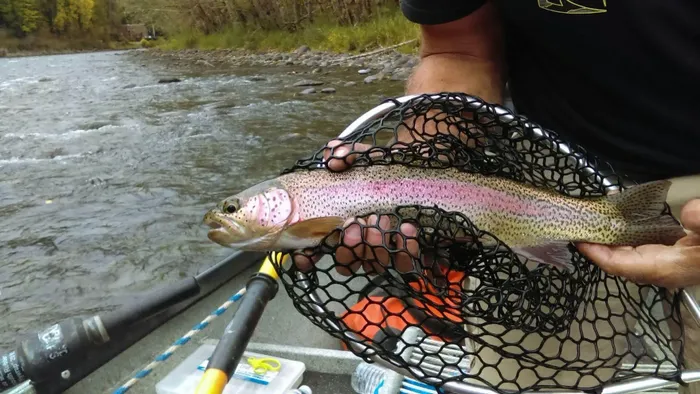
Sometimes, better line management isn't enough. If your current position repeatedly forces an awkward cast or exposes too much line to conflicting currents, moving a few steps along the bank, or farther downstream of the fish, may improve your presentation.
Before relocating, consider what the new position needs to accomplish. Moving upstream might give you better access to a feeding lane, while shifting downstream could improve your casting angle across a particular seam. The right choice depends on the current, the target water, and the direction from which you can present the fly most naturally.
Distance matters, too. In clear or shallow water, approaching too closely can alert trout to your presence. Where possible, use available cover and maintain a low profile rather than wading directly toward the fish.
Think of repositioning as a way to solve a specific presentation limitation, not simply as a response to an unproductive cast. If a different angle provides cleaner access to the feeding lane, reduces line exposure, or allows you to stay farther from wary fish, moving can be more effective than continuing to refine the same presentation.
You Might Also Like: How to Teach Trout Fishing to New Anglers
Trout Fishing Scenarios: Should You Fix Your Drift or Move?
The following situations show how to apply these adjustments when the cause isn't immediately obvious.
Your nymph swings out of a current seam despite repeated mends: Check where the line begins to pull the fly sideways. If the problem starts as the line crosses faster water, try changing its placement. If the same swing persists, approach the seam from another angle.
Trout refuse a clean drift through a productive feeding lane: If the fly reaches the correct depth and moves naturally, don't assume the problem is your position. Reassess the presentation and fly choice before making a larger change.
A trout spooks before your fly reaches the target: Repeated casts from the same exposed position are unlikely to help. Back away, reduce your profile, and look for an approach that keeps your line and movements out of the fish's immediate field of view.
In each case, identify the variable that's failing before deciding what to change. A controlled adjustment is more useful than abandoning productive water or repeating a presentation that isn't working.
Final Thoughts
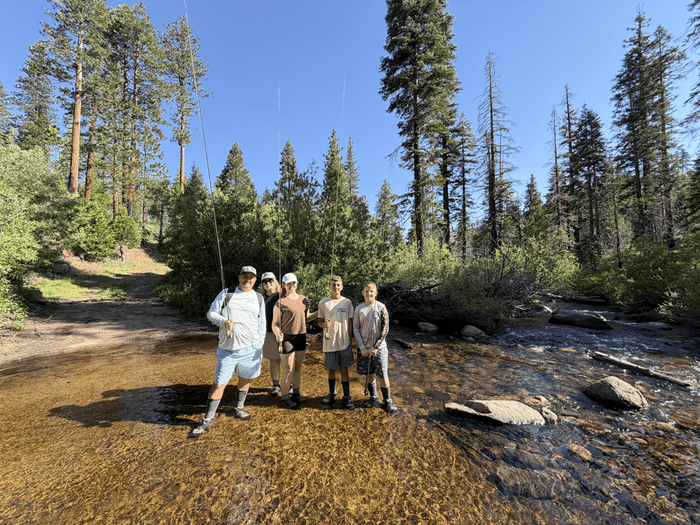
The decision comes down to identifying what's preventing your fly from reaching trout naturally.
If the problem is drag, depth, or line control, adjust your presentation first. If your position repeatedly exposes the line to conflicting currents or prevents you from reaching the feeding lane, reposition.
Rather than repeating casts and making several changes at once, observe where the presentation fails and test one correction. Experienced anglers know that productive water deserves patience, but not every unproductive cast calls for another mend. Sometimes, the most effective adjustment is simply to fish the same water from a better position.
Knowing where to stand is often the hardest part to learn on your own. A local guide reads the water every day and can show you where trout hold and how to approach them. Find a trout fishing guide on Guidesly and book your next trip.