Beginner’s Guide to Casting Techniques
Learn overhead, sidearm, flipping, and pitching casting techniques with beginner-friendly tips to improve accuracy, control, and confidence while fishing.
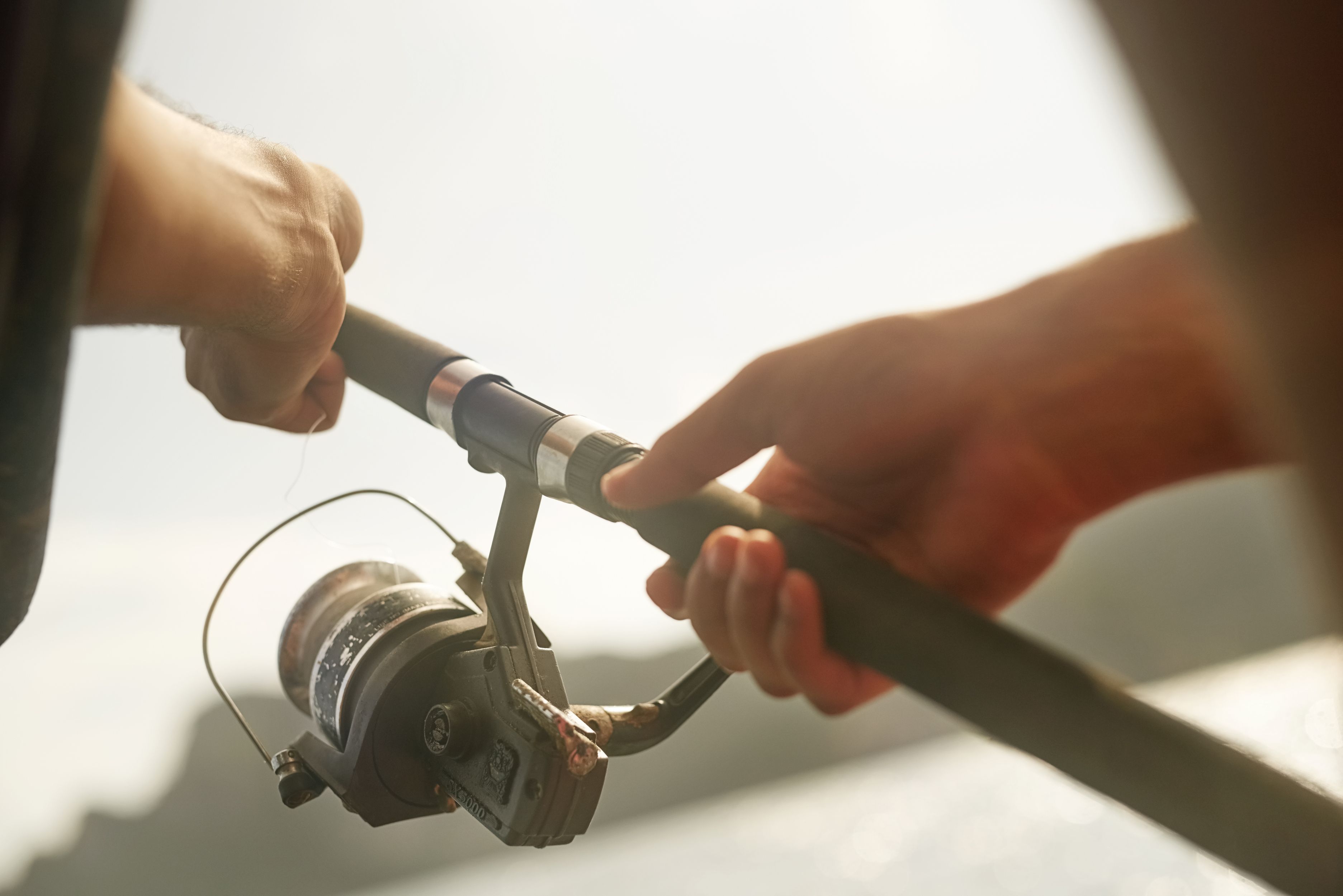


Casting is the core skill behind every successful fishing trip. It controls where a lure or bait lands and how naturally it moves through the water. Strong casting technique improves distance, accuracy, and line control while reducing tangles and wasted time. For beginners, learning proper form early builds confidence and leads to more consistent results on the water. Understanding how rods load, lines release, and lures enter the water helps anglers fish more efficiently in different conditions. Key casting techniques for beginners include overhead, sidearm, flipping, and pitching, each suited to specific situations. These fishing casting tips explain how to cast a fishing line smoothly, adapt to open water or heavy cover, and improve casting accuracy. Mastering these skills allows anglers to choose the best casts for fishing in a wide range of environments.
Why Casting Technique Is a Core Skill for Anglers
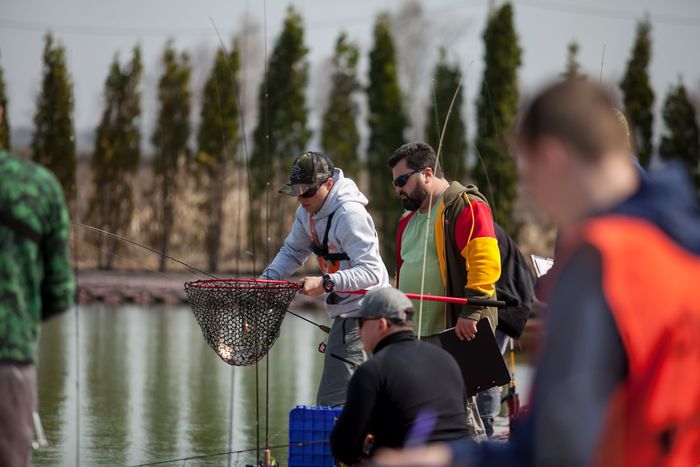
Casting is the process of using a rod and reel to deliver a lure or bait to a specific location in the water. It plays a direct role in angling success because fish often hold in precise zones such as structure, depth changes, or feeding lanes. Reaching these areas consistently requires more than strength. It requires control, timing, and awareness of how the rod and line work together.
Good casting leads to precise lure placement, which increases the chances of triggering a strike. Accurate casts allow anglers to present baits naturally without spooking fish, while proper line release helps maintain steady casting distance. Strong technique also supports efficient line control, making it easier to detect bites and manage retrieves. By improving casting accuracy tips and reducing backlash, anglers spend less time fixing mistakes and more time fishing productively.
Casting Basics Every Beginner Should Know
Strong casting starts with understanding how equipment, lure weight, and surroundings work together. Mastering these basics helps beginners cast more smoothly, improve control, and avoid common mistakes that slow progress on the water.
Understand Your Rod and Reel Setup
Spinning reels are beginner-friendly because the line releases easily from a fixed spool, helping reduce tangles and improve casting distance.
Baitcasting reels provide greater power and accuracy but require better thumb control and timing.
Key setup points:
- Spinning reels release line freely, making them easier for beginners to control distance, accuracy, and reduce tangles while casting.
- Baitcasting reels offer better precision and power but require thumb control, timing, and practice to prevent backlashes.
- A comfortable grip and relaxed wrist position reduce fatigue and help maintain consistent casting motion over long fishing sessions.
Line, Lure, and Weight Fundamentals
Lure weight directly affects how well the rod loads during a cast. Using the correct weight improves distance, accuracy, and line control.
Important considerations:
- Lure weight affects rod loading, casting distance, accuracy, and how smoothly the line releases during each cast.
- Using lures outside the rod’s weight range can cause poor control, short casts, or excessive strain on equipment.
- Line diameter influences casting performance, with thinner lines offering smoother release and improved distance in most situations.
Safety and Environment Awareness
Safe casting starts with awareness of your surroundings. A clear casting zone helps prevent accidents and lost gear.
Best safety practices:
- Check behind and around you before every cast
- Maintain space from other anglers and boats
- Watch for docks, rocks, and submerged hazards
- Controlled motion helps avoid backlashes and minimize snags
Core Fishing Casting Techniques Every Beginner Should Learn
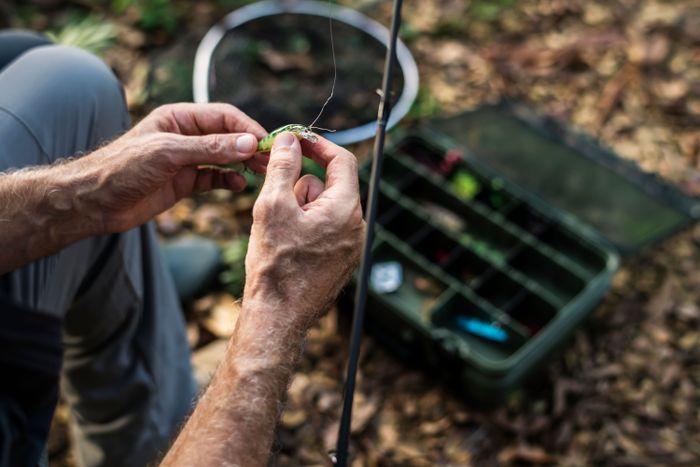
Mastering multiple casting styles allows anglers to adapt to changing water conditions, improve accuracy, and maintain better line control. Below are the essential casting techniques every beginner should learn to fish confidently in open water, tight spaces, and around heavy cover.
1. Overhead Cast: Foundation of All Casting
The overhead cast is the most commonly used fishing cast and the starting point for beginners. It builds distance, timing, and accuracy while teaching proper rod loading and smooth line release.
What Is the Overhead Cast
The overhead cast uses a forward rod motion to send the lure toward a target in a controlled arc. Proper technique depends on rod angle, steady motion, and correct release timing.
Key technique points:
- Rod starts behind the shoulder at a moderate upward angle
- Smooth forward motion loads the rod using the lure’s weight
- Line releases as the rod tip passes eye level for a clean trajectory
- Focus on rhythm instead of power for better control
This approach makes overhead casting fishing one of the best basic casts to learn early.
When to Use It
The overhead cast works best in open water where there is clear space behind and above the angler.
Ideal situations include:
- Long-distance casting from shore, boats, or piers
- Open freshwater areas targeting bass or trout
- Saltwater flats, near-surface schools, and offshore structure
- Conditions requiring accurate lure placement at range
Common Mistakes and Fixes
Small errors can reduce accuracy and create line problems, especially for beginners. Common issues and corrections:
- Overpowering the cast: Using too much force reduces rod control and timing. Slow the motion and allow the rod to load naturally before releasing.
- Early line release: Releasing too soon sends the lure upward instead of forward. Release the line when the rod tip passes eye level.
- Late line release: Holding the line too long drives the lure downward and shortens the distance. Practice controlled half-power casts to dial in timing.
- Rigid wrist: A stiff wrist limits rod loading and energy transfer. Relax the wrist to improve power flow and casting efficiency.
- Poor follow-through: Stopping the motion abruptly affects accuracy and distance. Finish the cast with the rod tip pointed toward the target.
2. Sidearm Cast: Precision Casting Under Cover
The sidearm cast is designed for situations where overhead casting is not practical. It helps anglers place lures accurately while keeping the cast low and controlled.
What Is the Sidearm Cast
The sidearm cast uses a horizontal rod motion rather than a vertical swing. This technique keeps the lure traveling close to the water’s surface, reducing splash and improving accuracy.
Key technique points:
- Rod stays parallel to the water during the casting motion
- Smooth sideways acceleration loads the rod properly
- Line releases as the rod points toward the target
- Wrist control helps guide the lure on a low trajectory
Sidearm casting is especially useful when overhead space is limited.
When to Use It
The sidearm cast performs best in areas with obstacles or strong wind, where overhead casts lose accuracy.
Ideal situations include:
- Fishing under docks, trees, or low-hanging branches
- Casting near shorelines with limited vertical clearance
- Windy conditions where lower casts stay more controlled
- Situations requiring quiet lure entry
Common Mistakes and Fixes
Errors often come from rushing the motion or losing control of the rod angle. Here are the most common issues and how to correct them:
- Rod tip rises too high: Excess vertical movement disrupts a low, controlled casting trajectory. Keep the rod parallel to the water throughout the cast.
- Lure slaps the water: Inconsistent release timing causes a hard, uneven entry. Release the line slightly later to create a smoother entry.
- Wide casting arc: An overextended swing reduces control and accuracy. Shorten the motion and tighten the rod path.
- Wind drift errors: Wind pushes the lure off target during flight. Aim slightly into the wind and lower the cast to reduce drift.
- Jerky wrist motion: Inconsistent wrist movement affects accuracy and distance. Maintain a smooth, steady wrist motion through the cast.
3. Flipping and Pitching: Advanced Short Range Casts
Flipping and pitching are must-know casting techniques for bass fishing and situations involving heavy cover. These casts focus on precision, control, and quiet lure entry rather than distance. Anglers use them to place baits directly into tight areas where fish hold close to structure. Mastering both techniques improves efficiency, reduces wasted casts, and increases strike opportunities around docks, vegetation, and submerged cover.
What Is Flipping
Flipping is a low-power drop cast used at very close range. The angler lowers the lure into heavy cover using controlled line movement instead of a full casting motion. This flipping fishing technique allows for repeated presentations without reeling in after every cast. It is a core part of cover casting basics and one of the most effective bass fishing casts when fish are holding tight to structure.
Key characteristics of flipping:
- Minimal rod movement for quiet lure entry
- Constant line control for immediate strike detection
- Best suited for distances within a few rod lengths
What Is Pitching
Pitching uses slightly more power than flipping and sends the lure farther with a smooth underhand motion. It allows anglers to reach short to mid-range targets while keeping the presentation controlled and quiet. Pitching works well for near-shore fish targets and situations where flipping distance is not enough.
Key characteristics of pitching:
- Underhand swing using controlled rod loading
- More distance than flipping with similar accuracy
- Smooth release timing for soft lure entry
Step-by-Step Technique Breakdowns
Clean mechanics matter more than power for both casts. A repeatable setup helps control lure entry, maintain line tension, and keep presentations quiet around cover.
Flipping
Flipping is a close-range casting method designed for quiet, precise lure placement in heavy cover. It relies on controlled line movement rather than rod power, allowing repeated presentations without reeling in between casts.
Steps to perform flipping:
- Set your stance: Stand square to the target with feet shoulder-width apart and knees slightly bent for balance.
- Prepare the line: Pull out a fixed length of line and hold it lightly with your free hand.
- Position the rod: Keep the rod tip low and aimed toward the target opening.
- Guide the lure: Swing the lure forward gently while feeding line smoothly by hand.
- Finish the drop: Stop the lure softly, maintain tension, and be ready to set the hook.
Pitching
Pitching is a short-range, underhand cast that allows slightly more distance than flipping while keeping presentations accurate and quiet. It works well for targets just beyond flipping range, near shore, or cover.
Steps to perform pitching:
- Set your stance: Face the target at a slight angle with a stable, balanced posture.
- Position the lure: Let the lure hang at a consistent length below the rod tip.
- Load the rod: Lower the rod tip slightly, then swing underhand to load the rod smoothly.
- Release the line: Release at the forward point of the swing to keep the lure low and controlled.
- Control the spool: Feather the spool lightly and stop it just before the lure touches the water.
When to Use Each
Flipping is best used in thick cover where fish are holding close, and repeated, precise drops are needed. Pitching works better when targets are slightly farther away, but still require accuracy and quiet entry. Choosing the right technique depends on distance, cover density, and fish behavior.
- Flipping: Best for thick vegetation, brush piles, and tight cover where fish hold very close to structure.
- Flipping: Ideal for repeated short-range presentations requiring quiet lure entry and constant line control.
- Pitching: Used when targets are slightly farther away but still demand accurate and controlled placement.
- Pitching: Works well for dock edges, shade lines, and near-shore cover beyond flipping range.
Common Mistakes and Fixes
Flipping and pitching rely on precision and control. Minor errors can cause noise, missed targets, or lost opportunities around cover. Here are the most common issues and how to correct them:
- Excessive splash: Fast or uncontrolled motion causes the lure to hit the water too hard. Slow down and guide the lure gently into the target zone.
- Poor line control: Slack line reduces sensitivity and bite detection. Maintain light tension throughout the presentation.
- Overextending distance: Casting beyond the effective range reduces accuracy and control. Keep targets within short-range limits.
- Rushing presentations: Moving too quickly leads to missed entry points and poor accuracy. Reset calmly before each cast.
- Inconsistent lure placement: Prioritizing speed over precision causes missed targets. Aim for exact entry points on every presentation.
Practice Drills to Sharpen Your Casting Skills
Regular practice is one of the most effective ways to improve casting control and consistency. Practice casting drills allow anglers to focus on timing, rod loading, and line release without the pressure of fishing conditions. Off-water casting practice helps identify mistakes early and improves fishing cast accuracy before stepping onto the water.
Backyard drills without water are ideal for refining mechanics. Using a rubber practice plug or hookless lure allows safe, repeated casting in an open space. Target casting with objects such as flags, hoops, buckets, or buoys helps develop precise lure placement and repeatable motion from different angles and distances.
Progressive distance control drills teach anglers how to adjust power smoothly. Starting with short casts and gradually increasing distance helps maintain accuracy and prevents overpowering. Focusing on rhythm rather than force builds confidence and leads to more consistent results on the water.
Choosing the Right Gear for Smooth, Accurate Casting
The right gear setup directly affects casting distance, accuracy, and consistency. Here are the key gear tips that help rods, reels, and line work together for smoother casts and better control with less effort.
Rod selection
- Rod length, power, and action influence how efficiently the rod loads and releases energy during a cast.
- Medium to medium-heavy rods with moderate to fast action offer better control for beginners.
- A balanced rod reduces fatigue and supports consistent casting motion.
Reel choice - Spinning reels are easier for beginners and help reduce tangles and casting errors.
- Baitcasting reels provide better precision but require spool control and practice.
- Proper reel adjustment improves line release and casting efficiency.
Line and lure matching - Lighter lines improve casting distance and smoother release in open water.
- Heavier lines offer better control when fishing around cover.
- Using lure weights within the rod’s rating ensures proper rod loading and accuracy.
Real World Casting Applications by Fishing Scenario
Casting technique should match the fishing environment and target species. The table below shows which casts work best in common fishing situations.
Fishing Scenario | Best Casting Technique | Why It Works |
Open lakes and ponds | Overhead cast | Covers water efficiently and allows long, accurate casts |
Rivers and streams | Sidearm cast | Keeps lures low and avoids overhanging obstacles |
Heavy vegetation or shallow cover | Flipping | Allows quiet, precise lure placement close to structure |
Dock pilings and shade lines | Pitching | Provides controlled short-range accuracy with minimal splash |
Windy freshwater or coastal areas | Sidearm cast | Maintains control and reduces wind interference |
Saltwater flats and nearshore zones | Overhead cast | Reaches distant targets with consistent accuracy |
Bass fishing around structure | Flipping and pitching | Targets high percentage areas with stealth and control |
Trout fishing in moving water | Overhead or sidearm cast | Improves presentation while managing current flow |
Inshore saltwater species | Pitching | Creates soft entries near cover without spooking fish |
Conclusion
A strong casting technique is the foundation of effective fishing, especially for beginners, building confidence on the water. Understanding how and when to use overhead, sidearm, flipping, and pitching casts improves accuracy, line control, and presentation in different conditions. Consistent practice and proper gear selection help reduce mistakes and increase strike opportunities across freshwater and saltwater environments. Learning these techniques becomes even more valuable when paired with real on-the-water experience, and connecting with local experts through Guidesly can help anglers apply casting skills more effectively in their specific fishing locations.
FAQs
1. What casting style should beginners learn first?
Beginners should practice with a spinning reel because it releases line, reduces tangles, builds confidence faster, and allows focus on timing rather than spool control.
2. How can I improve casting accuracy quickly?
Casting accuracy improves when anglers slow down, use smoother rod acceleration, match lure weight to rod rating, and aim for controlled placement instead of distance.
3. How does wind affect fishing casts?
Wind affects casting by pushing the line and lure off target, so lower-trajectory casts and adjusted aiming angles help maintain control and consistent presentation placement.
4. Why practice casting without water?
Practicing without water helps anglers isolate mechanics, build muscle memory, and correct timing errors without distractions, leading to smoother casts during actual fishing trips and outings.
5. Does rod length impact casting performance?
Short rods offer better accuracy in tight spaces, while longer rods increase casting distance, so rod length should match the fishing environment and target presentation needs.
6. How can anglers improve line control while casting?
Improving line control starts with proper reel adjustment, relaxed grip, and consistent follow-through, which together reduce slack, improve sensitivity, and prevent casting problems.
7. Where should beginners practice casting safely?
Beginners should practice casting on grass using rubber plugs, clear open spaces, and visual targets to simulate real scenarios safely and effectively during learning sessions.
8. Is casting accuracy more important than distance?
Accuracy matters more than distance because placing a lure precisely near fish holding areas increases strike chances and reduces wasted casts in most freshwater situations.
9. How long does it take to develop good casting skills?
Casting skill develops gradually through repetition, patience, and observation, so progress improves when anglers practice consistently rather than focusing on quick results or shortcuts early.
10. Can better casting reduce fatigue while fishing?
Better casting reduces fatigue by using efficient mechanics, balanced gear, and smoother motion, allowing anglers to fish longer with improved comfort and fewer repetitive strains.