How to Fish a Jighead with Live Bait: Techniques, Rigs, and Tips
Learn how to fish a jighead with live bait like shrimp and minnows, choose the right weight, improve presentation, and troubleshoot missed strikes and snags.


A live shrimp can look perfect in the baitwell but become far less convincing once it is on a jighead. It spins during the retrieve, sinks too quickly into rocks, or drifts above the fish instead of through the strike zone. Even when fish take the bait, poor hook exposure can turn promising bites into missed hookups.
The solution isn't always a different bait or a heavier jighead. Sometimes the problem is how the bait is rigged. Other times, it's the angle of the drift, the amount of line bow, or the speed at which the jighead moves through the water.
Fishing a jighead with live bait comes down to controlling depth, preserving natural movement, and detecting strikes. Whether you're targeting redfish with shrimp or walleye with minnows, the right rig and retrieve depend on the conditions.
Here's how to make the right adjustments based on the conditions rather than relying on a single rig or retrieve.
How to Determine Whether a Jighead Is the Right Choice for Live Bait
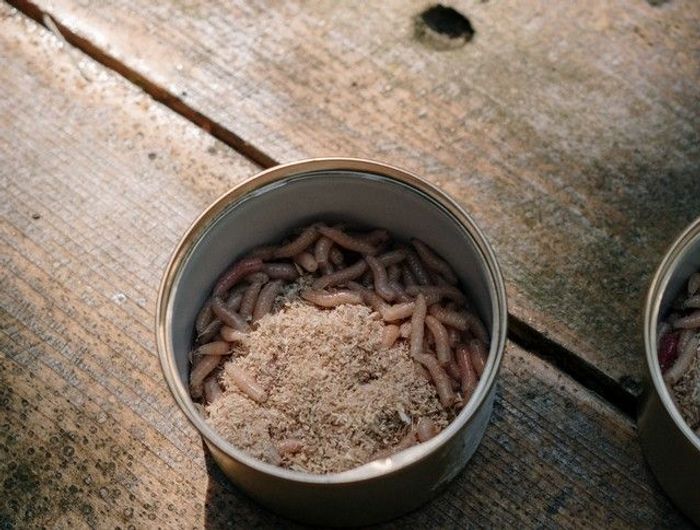
A jighead works best when you need to control how deep your live bait travels and guide it through a specific part of the water column. But it isn't always the best option.
The decision depends on where fish are holding, how quickly the current moves, and whether the bait needs to stay near the bottom or drift freely.
Consider the following factors before choosing your rig.
When a Jighead Is a Good Choice
A jighead gives you more control over depth and presentation when fish are holding near the bottom or feeding along predictable current paths. It's particularly useful in these situations:
When fish are holding near the bottom: A jighead helps you bring live shrimp or minnows down to fish along channel edges, drop-offs, and bridge pilings, where an unweighted bait might drift too high.
When current carries bait past waiting predators: The added weight helps you keep your bait in the feeding zone as it moves through a current seam. You'll still need to account for line bow and drift speed to avoid pulling the bait away from the fish.
When you're casting around structure: A compact jighead rig makes it easier to place live bait near likely ambush points and control its descent, particularly when fish are holding close to cover.
When Another Live-Bait Rig May Work Better
If the weight keeps pulling your bait away from feeding fish or makes it difficult to present the bait naturally, another rig may be more effective.
When fish are suspended above the bottom: A float rig can keep live bait at a more consistent depth, helping you target fish without repeatedly letting the bait sink below them.
When fish are feeding on a natural drift: In shallow water or mild current, a free-lined bait can move more freely without the added weight of a jighead restricting its presentation.
When the bottom is heavily snagged: Around dense rocks or other obstructions, a float or higher presentation can reduce repeated snags and keep your bait above the most troublesome cover.
The question is whether a jighead helps you keep live bait in the strike zone while preserving its natural movement. If the bait keeps sinking below suspended fish or dragging through snags, reconsider the rig before making further adjustments.
Once you've established that a jighead suits the conditions, the next step is choosing a weight that reaches the target depth without compromising the presentation.
How to Choose the Right Jighead Weight
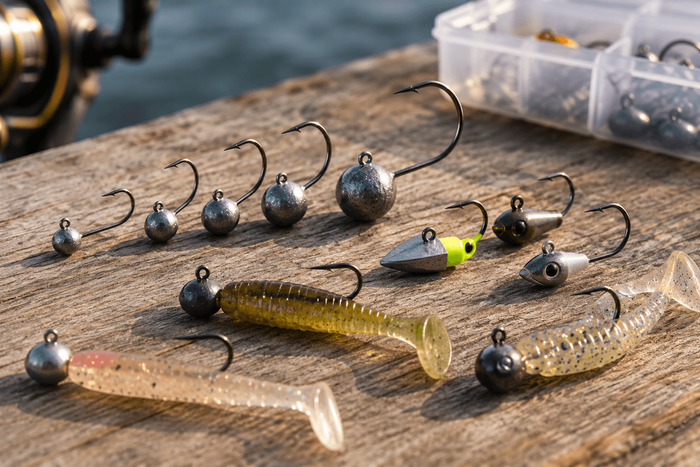
Choosing jighead weight is less about finding a universal number and more about controlling the bait under the conditions you're fishing.
A head that works on a shallow grass flat might be useless in a deep channel with a strong tidal flow.
Wind, line diameter, cast distance, and boat drift can also affect how quickly the jighead sinks and how well you can feel it.
Match the Weight to Depth and Current
For many shallow-to-moderate inshore situations, 1/8- to 3/8-ounce jigheads are a reasonable starting range, not a fixed rule. You may need a lighter head in shallow, calm water or a heavier one when current and depth prevent you from reaching the target zone.
Fishing Conditions | Suggested Jighead | Considerations |
Shallow flats with little current | Lightweight | The bait should reach the intended depth without dropping abruptly into grass or mud. |
Moderate current around creek mouths | Middle range weight jighead | The bait should travel through the current seam instead of sweeping past it too high in the water. |
Deeper channels or stronger tidal flow | Increase the jighead weight as needed | You should retain control over depth without constantly dragging the jighead across the bottom. |
Rocky or snag-prone structure | Start light enough to reduce unnecessary bottom contact | The bait should reach fish-holding areas without repeatedly wedging into cover. |
Remember: The right choice depends on the target depth, current, bait size, tackle, and presentation.
How to Tell if Your Jighead is Too Light
A jighead that is too light may never reach the fish, even when you're casting into the correct area. You might feel the bait swinging through the current without knowing whether it's passing above the bottom or moving outside the strike zone.
Before increasing weight, check whether excessive line bow is the real problem. A long cast across fast-moving water can make a properly weighted jighead difficult to track. Try a more up-current cast, reduce unnecessary slack, or reposition the boat so the line enters the water at a better angle.
If the bait still can't reach the desired depth, move up one weight at a time.
How to Tell if Your Jighead is Too Heavy
A heavy jighead can plow into soft bottom, wedge between rocks, or make the bait drop so abruptly that it no longer follows the intended drift.
This is especially frustrating around bridge pilings, oyster beds, and rocky channel edges. More weight may improve contact with the bottom, but constant contact is not the same as a natural presentation.
Try a lighter head and a more controlled retrieve. The goal is to reach the feeding zone without spending most of the drift dragging the hook through cover.
For more on managing bottom contact around structure, check out this guide to bottom fishing.
How to Rig Live Shrimp on a Jighead Without Making It Spin
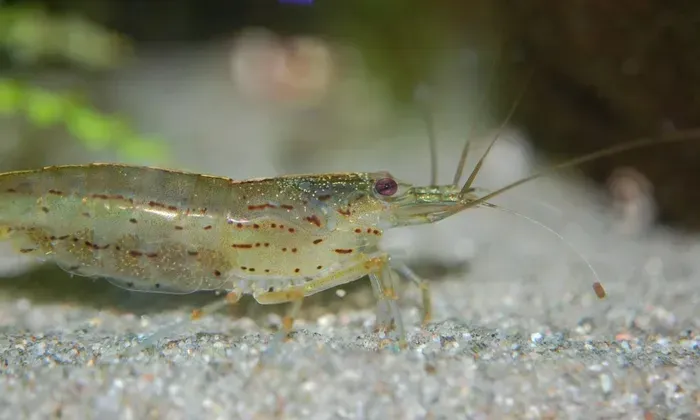
Live shrimp are effective bait for inshore species such as redfish, speckled trout, and flounder, but the way you rig them affects how they move through the water.
If the shrimp sits crookedly on the jighead, it can roll or spin during the retrieve, twisting your leader and creating an unnatural presentation.
Step 1: Match the Hook to the Shrimp
The jighead needs to complement both the size of the shrimp and the way you plan to fish it. A hook that's too large can weigh down a small shrimp, while one that's too small may leave insufficient clearance for a solid hookup.
Look for a setup that lets the shrimp sit straight against the jighead, with enough of the hook gap exposed to avoid obstructing the point. The bait should also fit the hook shank without bunching up or bending sharply around it.
Step 2: Rig the Shrimp Straight Along the Hook
For a common threaded jighead setup, start at the tail end of the shrimp and guide the hook through the body toward the head, bringing the point out through the upper side. The exact entry and exit points depend on the jighead's design and the size of the bait.
The goal is to keep the shrimp aligned with the hook rather than allowing its body to fold or twist around the shank. Avoid pushing the hook through the middle of the body, which can leave the bait poorly balanced. Also make sure to handle live shrimp carefully and avoid unnecessary damage that could shorten their useful time on the hook.
Step 3: Test the Presentation Before Casting
Lower the rig beside the boat or pier and watch how the shrimp falls and moves. If it rolls onto its side or spins during a short retrieve, check the alignment and hook placement before casting again.
A quick test can save you from repeatedly fishing with a poorly presented bait. If the shrimp tracks straight but still produces few bites, investigate its depth, retrieve speed, and position relative to the current before changing the rig.
When Should You Change the Shrimp Rigging Method?
The way you hook a shrimp should reflect how you intend to fish it. A threaded jighead setup can provide a secure, compact presentation for casting or working near structure. Other live-bait rigs may allow more freedom of movement when the goal is to drift shrimp naturally through shallow water.
Expert tip: Don't switch methods simply because one has worked elsewhere. Consider whether your current setup keeps the bait straight, reaches the strike zone, and holds up through the cast and retrieve.
Three Ways to Fish a Jighead with Live Bait
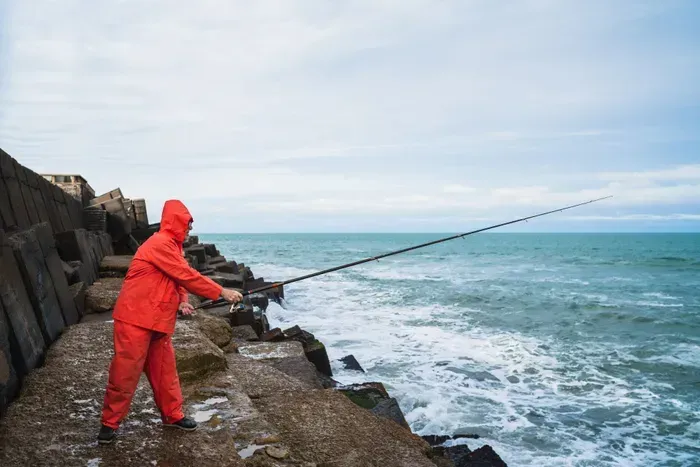
The best retrieve depends on where the fish are holding.
Instead of repeating the same lift-and-drop motion everywhere, choose a presentation that keeps the bait in the right part of the water column.
The following three approaches cover common inshore situations, from drifting live shrimp through moving water to working structure and targeting fish above the bottom.
1. Drift a Live Shrimp Through a Current Seam
Tidal drains, creek mouths, and channel edges can funnel shrimp and small baitfish into areas where predators wait for an easy meal. The challenge is getting your bait into that flow without letting it sweep past the fish too quickly.
Start with a cast across or slightly up-current of the target. Allow the jighead to sink, then follow the drift with the rod while maintaining enough line control to track the bait.
Pay attention to three things:
Line angle: A large downstream bow can make it difficult to distinguish a strike from the jighead contacting the bottom. Adjust your casting angle or position to improve contact with the rig.
Drift speed: If your bait races through the feeding zone, adjust your position, cast angle, or jighead weight before making the retrieve more aggressive.
Depth: A bait drifting above the fish may never draw attention, even when its movement looks natural. Adjust the sink time and weight to bring it closer to the depth where fish are feeding.
If the fish are concentrated along one edge of the current, work your drift through that lane instead of casting randomly across the entire area.
When targeting redfish, compare the bait you're using with the prey available in the area. This redfish fishing guide offers additional context on approaching these fish and choosing suitable bait.
2. Work the Jighead Along the Bottom Without Dragging It
Bottom-oriented presentations can be effective around channel edges, docks, bridge pilings, and other structure. But there's a difference between letting a jighead touch bottom and dragging it continuously across the substrate.
Cast beyond the immediate target, allow the jighead to descend, and use short, controlled lifts to move the bait through the area. Let it settle briefly when appropriate, then lift again before it becomes wedged in the structure.
The objective is to maintain control of the jighead without dragging it continuously through the substrate. When fishing around rocks, bridge pilings, or other structure, focus on these three adjustments:
Control bottom contact: Use short, deliberate lifts to move the bait over the bottom rather than dragging it continuously across rocks or letting it settle into gaps.
Maintain contact with the rig: Keep line slack to a minimum and adjust your casting angle to account for current and line bow. This makes it easier to distinguish a strike from the jighead touching the bottom.
Work the edges of structure: When fish are holding beside pilings or along channel edges, guide the bait past the structure instead of dropping it directly into cover where it is more likely to snag.
3. Swim the Bait Above the Bottom When Fish Are Suspended
Not every fish feeding near structures stays on the bottom. Speckled trout and other inshore predators may feed higher in the water column when shrimp or baitfish are moving through the area.
In those conditions, repeatedly bouncing a jighead along the bottom can take your bait away from the fish. Instead, allow the jighead to sink to the intended depth, then retrieve slowly enough to maintain control without dragging it along the substrate. Use small rod movements when needed rather than forcing a sharp upward snap with every turn of the reel.
Here's how you can watch how the bait moves through the water:
If it sinks below the feeding fish, shorten the countdown or try a lighter jighead.
If the current lifts it out of the target zone, adjust the weight or casting angle.
If fish follow without striking, vary the retrieve speed or add a brief pause before changing the bait entirely.
A float can be a better option when you need to keep live bait at a relatively consistent depth for an extended period. The bait itself matters, too. Inshore anglers can use live shrimp or small baitfish, depending on the target species and available forage. In freshwater, small fish like minnows are a common choice for jighead fishing. The goal remains the same: match your bait and presentation to where the fish are feeding.
Fishing a Jighead with Live Minnows in Freshwater
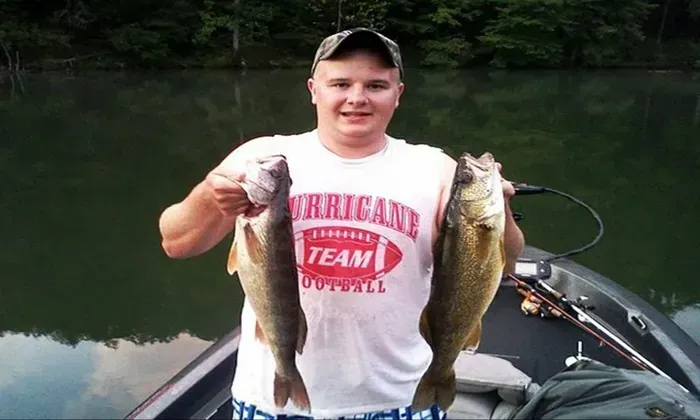
Freshwater anglers use jigheads with different types of natural bait, depending on the species they're targeting and where fish are holding.
Minnows are common for walleye and crappie, while worms and leeches can also be used with suitable jighead setups. It is important to match the bait and hook to the target species, then choosing a weight and retrieve that keep the bait in the feeding zone.
Match the Jighead to the Bait
The bait's size and shape should influence your hook choice, while depth and current determine how much weight you need. A jighead that's suitable for a small minnow may not work as well with a larger bait, and an oversized hook can restrict movement or leave the bait poorly positioned.
For minnows: Choose a hook that fits the bait without unnecessarily restricting its movement or covering the hook point.
For worms: Use a hook size that suits the target fish, keeping enough of the worm free to move naturally rather than bunching the entire bait around the hook.
For leeches: Avoid threading the entire bait tightly onto the hook. A secure placement that allows the leech to move naturally is generally preferable.
Once you've chosen the bait, adjust the jighead weight to the conditions. A lighter head may work in shallow water or a slow drift, while deeper water and stronger current may require more weight. Before increasing weight, check whether line bow, casting angle, or boat drift is affecting your control.
Adjust the Retrieve to Where Fish Are Holding
Different freshwater species occupy different parts of the water column, so the same retrieve won't work equally well in every situation. Pay attention to fish location, current, and bottom structure before deciding how aggressively to work the jighead.
When fish are holding near the bottom: Use controlled lifts and pauses to move the bait through the target zone. This approach can work for walleye fish around channel edges and drop-offs.
When fish are suspended near cover: When fishing for crappie, around brush piles, submerged trees, and similar structures, keep the jighead near their depth rather than repeatedly letting it fall to the bottom.
When current affects your presentation: Adjust your casting angle and jighead weight to maintain control over the bait's path. A heavier head may help you reach deeper water, but excessive weight can pull the bait out of the intended feeding zone.
If the bite slows, change one variable at a time. Adjust the depth, slow down the retrieve, or try a different bait before assuming the fish have moved.
How to Fine-Tune Your Live-Bait Jighead Presentation
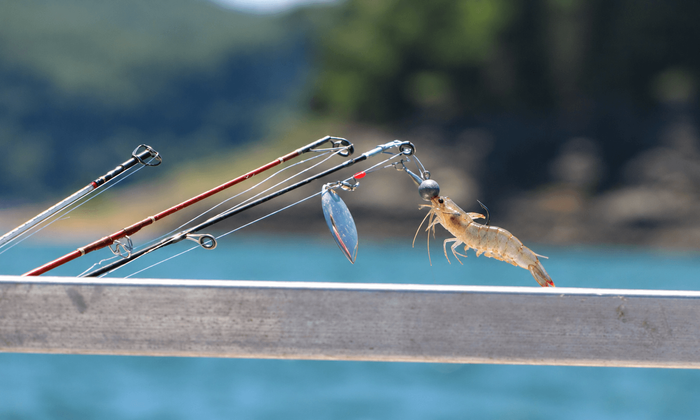
Once you've chosen the right bait, jighead weight, and retrieve, pay attention to how the setup performs in the water.
The bait's movement, your ability to track its depth, and the number of bites you convert into hookups can each reveal a different problem. Check these factors in order, making one adjustment at a time so you can identify what actually improves your presentation.
Check the Bait Before Changing Your Retrieve
Start by making sure the bait itself is in good condition and rigged correctly. If a live shrimp spins during the retrieve, check whether it's sitting straight on the jighead. If it tracks naturally but dies quickly, review your hook placement and how you're handling and storing the bait between casts.
There's little value in changing your retrieve to compensate for bait that isn't moving naturally in the first place.
Make Sure the Bait Is Reaching the Strike Zone
Even a well-rigged bait won't produce if it repeatedly passes above the fish or gets dragged through cover. Watch how the jighead moves through the water and adjust your setup based on what you observe.
If the jighead keeps snagging: Reduce unnecessary bottom contact with shorter, controlled lifts or change your casting angle to avoid dropping directly into rocks and dense cover.
If you struggle to track the jighead: Check line bow, slack, and drift speed before adding weight. These factors can affect your feel for the rig even when the jighead itself is heavy enough.
If fish follow the bait without striking: Adjust the depth or retrieve speed first. The bait may be moving outside the feeding zone or passing through it too quickly.
Work on Your Hookup Rate
If you're getting bites but failing to land fish, inspect the hook before changing the bait or presentation. A dull point, insufficient hook-gap clearance, or bait covering the point can prevent a solid hookup. Re-rig the bait if necessary and maintain enough line contact to detect subtle strikes.
Your response should also match the hook design. If you're working with a conventional J-hook, take up slack before applying a controlled sweep. When using a circle hook, steady pressure while reeling is generally preferable to an aggressive snap.
You Might Also Like: 9 Reasons Why You’re Not Catching Fish
Bring Your Live-Bait Jigging Skills to the Water
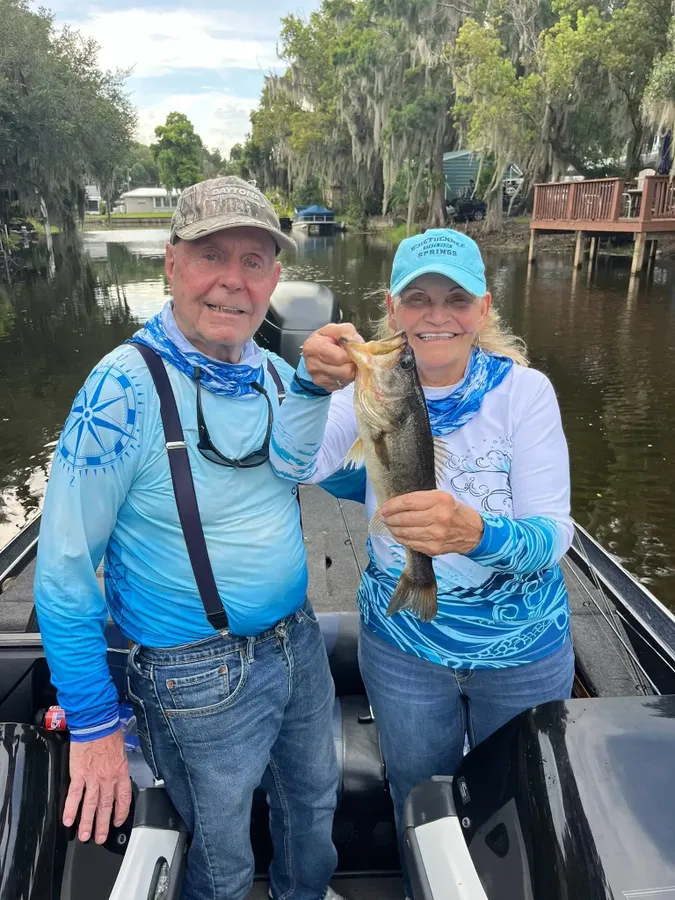
Successful live-bait fishing comes down to choosing the right weight, maintaining natural bait movement, and keeping your presentation in the strike zone.
Small adjustments to your rig, retrieve, and depth can make a real difference when fish are reluctant to bite or holding close to the structure.
Local conditions can change how fish respond to live bait, even when you're targeting a familiar species. Explore fishing guides on Guidesly to connect with experienced guides who understand local waters, seasonal patterns, and effective presentations for your target species. Whether you're working inshore structure or targeting freshwater fish around deeper cover, their on-the-water knowledge can help you fine-tune your approach.