The Ultimate Guide to Catching Redfish
Learn how to catch redfish year-round with tips on hotspots, baits, gear, and techniques. Perfect for anglers wanting better redfish success on every trip.
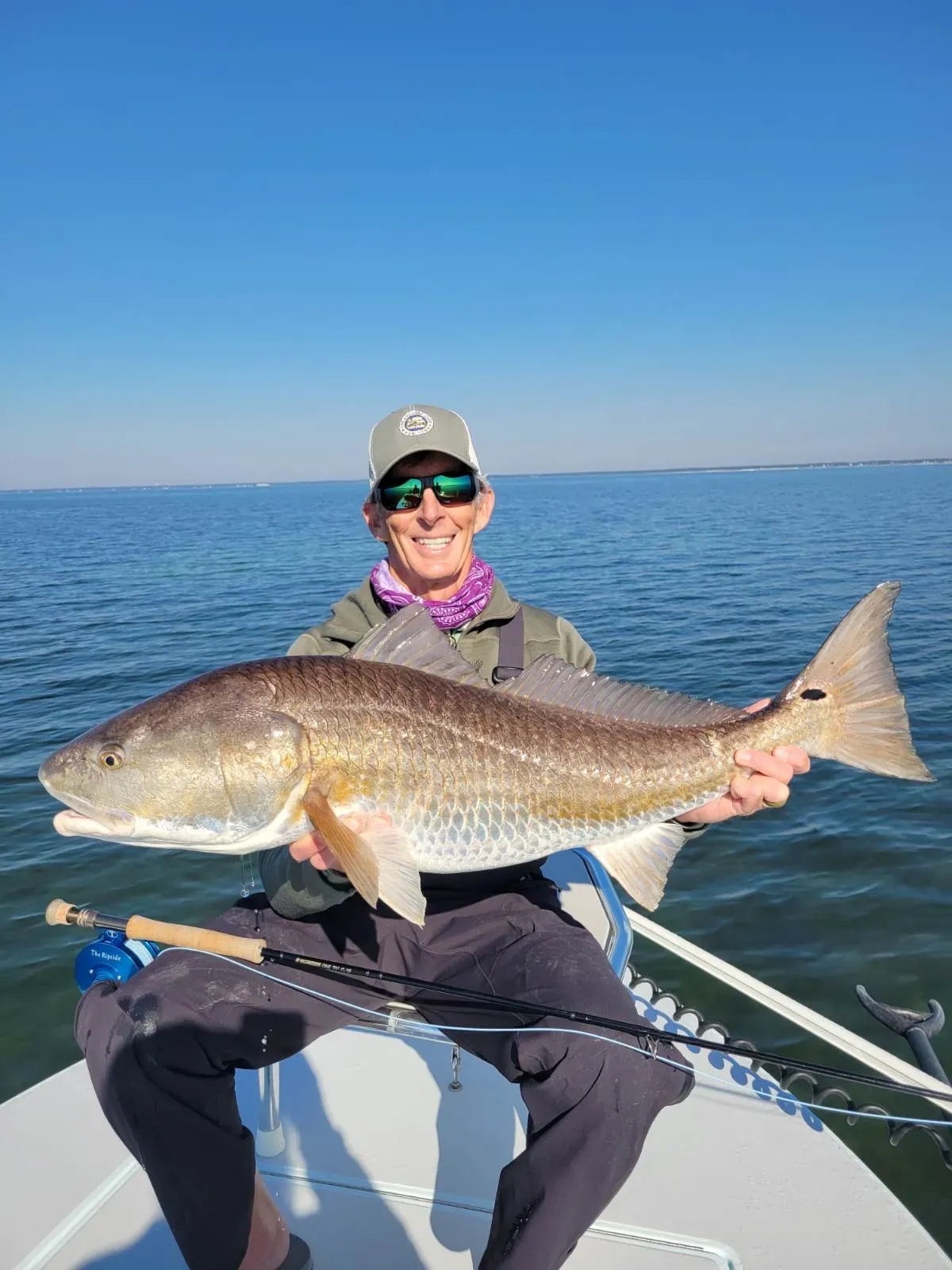


Catching redfish is one of the most exciting parts of inshore fishing because their behavior shifts constantly with changing tides, temperatures, and feeding conditions. These fish move through marshes, grass flats, oyster beds, and deeper channels as they follow bait, adjusting to changes in salinity as fresh water mixes with coastal waters. Redfish often feed aggressively in shallow water during warm periods and settle into deeper, more stable zones when conditions cool. Understanding how clarity, current strength, habitat structure, and weather patterns influence their movement helps anglers present baits naturally and stay connected to active fish year-round.
Foundations for Targeting Redfish (Water, Weather & Movement Basics)
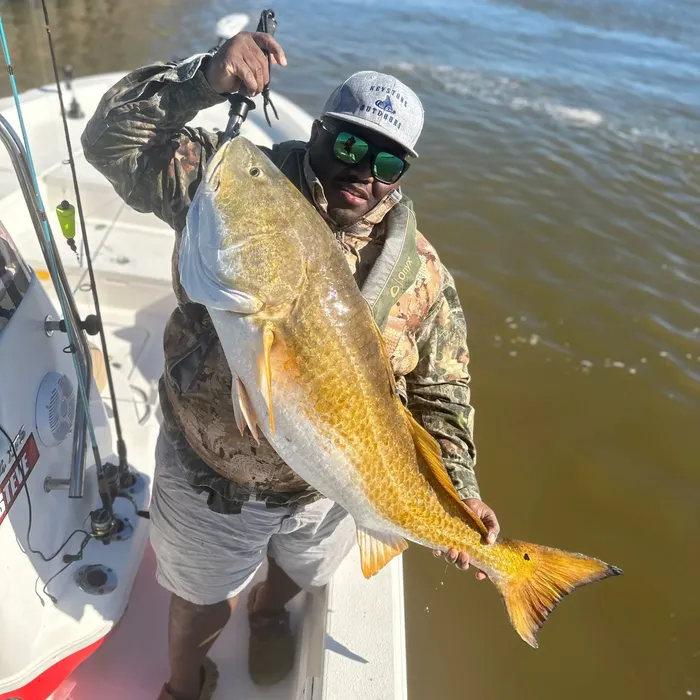
Redfish respond directly to changes in tide, temperature, and clarity. Understanding these environmental triggers helps you predict where they move, how they feed, and which approach works best in any season. Before you start targeting redfish, it helps to understand the three environmental cues that control their movement and feeding.
1. Tides
Tides dictate how redfish travel, feed, and stage throughout the day, making tidal movement one of the most powerful predictors of where hungry reds will appear. Understanding incoming and outgoing flow helps you time your casts, read current seams, and target the most active feeding lanes.
Why it matters: Incoming tides push bait into flats and creeks, while outgoing tides funnel prey through narrow cuts — both create prime ambush zones for redfish.
How it changes the approach: Fish incoming for shallow sight-casting opportunities; fish outgoing to target channels, ledges, and drains where reds wait to strike.
Where to look: Tide transitions around oyster bars, marsh points, grass edges, and creek mouths often hold cruising or tailing reds.
Rigs & presentation: Use popping corks or soft plastics on incoming water; switch to jigs, shrimp, or crabs along drains during outgoing flow.
Signs to watch: Visible bait movement, tailing fish, and smooth current seams indicate active feeding zones worth working.
2. Temperature
Water temperature controls redfish metabolism, feeding aggression, and seasonal migration patterns, making it essential to track even small shifts. Understanding how reds respond to warming and cooling water helps you predict depth changes, bait behavior, and retrieve speed for more consistent hook-ups.
Why it matters: Redfish thrive in warm water, with peak activity often in the 70–85°F range, though they adapt to wide seasonal swings.
How it changes the approach: Warm temperatures support fast retrieves on flats; cold snaps push reds to deeper edges or sun-warmed pockets.
Where to look by season: Spring/fall offer ideal mid-temperature zones; winter pushes fish deep or into warm shallows; summer moves them to shaded or grassy areas.
Bait & retrieve adjustments: Slow baits in cooler temps; speed up with smaller, lively profiles as water warms.
Watch for rapid change: Sudden drops after weather fronts can stall feeding — shift focus to areas with stable thermal pockets.
3. Clarity
Water clarity influences how redfish hunt, how visible your lure becomes, and how close you need to present the bait. Clear water, stained water, and muddy water each call for different lure profiles, colors, and retrieve styles, making clarity one of the most overlooked redfish triggers.
Why it matters: Clear water favors visual feeding; stained water forces reds to rely on vibration, scent, and lateral-line detection.
How it changes the approach: Subtle, natural baits work best in clear water; brighter, noisier, larger-profile lures stand out in stained or muddy conditions.
Where to look: After rain or wind, creek mouths and flats muddy quickly — target the transition zones where clear and stained water meet.
Rigs & color choices: Clear water is equal to translucent, natural colors. Turbid water → chartreuse, gold, dark silhouettes, rattling jigs, or scented baits.
Behavioral signs: In clear water, reds tail or cruise visibly; in murkier water, they strike fast and hard, following vibration more than sight.
These three cues shape nearly every movement redfish make. When you recognize them, predicting their behavior becomes easier, and your approach stays effective across seasons and conditions.
Understanding Redfish Behavior & Habitat
Understandingredfish behavior starts with recognizing how they use different habitats. Redfish shift between grass flats, marsh edges, oyster beds, and deeper channels based on tides, temperature, and food availability, helping anglers predict feeding zones and choose the most effective approach.
1. Mud Flats
Behavior: Fish tail, cruise slowly, and root through soft bottom searching for crustaceans, making their backs and tails clearly visible in very shallow water.
Best tide & time: Incoming to mid tide pushes bait onto flats; early morning and late afternoon offer lower light and calmer conditions.
Depth range: Extremely shallow water, usually between 6 and 18 inches, where fish feel safe and actively forage.
Feeding preference: Small crabs, shrimp, and occasional baitfish disturbed from the mud during tidal movement.
2. Marsh Edges
Behavior: Fish patrol along grass lines, waiting for rising water to flood the marsh and flush prey from vegetation.
Best tide & time: Mid to high tide during warm, stable weather when water covers grass edges consistently.
Depth range: Typically 1 to 3 feet, just enough depth for fish to move comfortably along structure.
Feeding preference: Shrimp, mullet, and juvenile crabs washed out of marsh grass.
3. Oyster Beds
Behavior: Fish hold tight to hard structure, crushing crustaceans and striking stunned bait pushed by current.
Best tide & time: Productive during all tide stages, but strongest when water is actively moving across the beds.
Depth range: Usually 2 to 4 feet, allowing fish to stay close to oysters without exposing themselves.
Feeding preference: Crabs, shrimp, and small fish hiding among shells.
4. Tidal Creeks
Behavior: Fish move through creek mouths and drains, following bait being pulled out by outgoing water.
Best tide & time: Falling tide, especially after rain when runoff increases bait movement.
Depth range: Around 2 to 6 feet, depending on creek size and tide stage.
Feeding preference: Shrimp, small minnows, and mud minnows swept by current.
5. Sand and Grass Flats
Behavior: Fish often school together, cruising flats in groups while searching visually for prey.
Best tide & time: Incoming tide on clear, bright days when visibility helps fish locate bait.
Depth range: Commonly 1 to 3 feet, shallow enough for feeding but deep enough for movement.
Feeding preference: Baitfish and shrimp moving across sandy or grassy bottom.
6. Channels and Deep Cuts
Behavior: Fish rest, stage, or feed in deeper water during temperature drops or extreme low tides.
Best tide & time: Winter months, low tide periods, and midday when the water warms slightly.
Depth range: From 6 feet to well over 12 feet, offering temperature stability and protection.
Feeding preference: Cut bait and slow-moving prey that drift naturally through deeper water.
7. Jetties and Rock Structure
Behavior: Fish position along current seams, using rocks to break the flow and ambush passing prey.
Best tide & time: Strong tidal movement, especially during morning hours when bait is active.
Depth range: Roughly 4 to 10 feet, depending on structure height and tide.
Feeding preference: Mullet, menhaden, and shrimp are carried by moving water.
Seasonal Patterns & Hotspots
Redfish movement shifts with each season, creating predictable feeding zones. Identifying the right redfish hotspots for spring, summer, fall, and winter helps anglers decide where to fish, how deep to target, and which techniques work best in changing conditions.
1. Spring
Best locations: Grass flats, marsh edges, and shallow ponds that warm quickly and attract early-season bait.
Depth range: Mostly shallow water between 1 and 3 feet, where fish feed actively as temperatures rise.
Recommended technique: Slow rolling soft plastics and sight casting to visible fish moving across flats.
Best baits and lures: Shrimp imitations, paddle tail plastics, and weedless jerkbaits worked naturally.
2. Summer
Best locations: Oyster bars, deeper grass pockets, and jetties that provide structure and cooler water.
Depth range: Commonly 2 to 6 feet, with fish shifting deeper during peak daytime heat.
Recommended technique: Early morning topwater presentations, switching to bottom rigs during midday.
Best baits and lures: Flathead grey mullet, menhaden, cut bait, and surface walking topwater plugs.
3. Fall
Best locations: Flooded marshes, open flats, and sand to grass transition zones holding migrating bait.
Depth range: Usually 1 to 4 feet, as fish spread out and feed aggressively before winter.
Recommended technique: Sight casting, popping corks, and covering water while cruising flats.
Best baits and lures: Crabs, shrimp, gold spoons, and soft plastics that imitate fleeing prey.
4. Winter
Best locations: Deep channels, holes, and river bends where water temperatures remain more stable.
Depth range: Typically 6 feet to 12 feet or deeper, depending on cold front severity.
Recommended technique: Slow jigging and bottom rig presentations with minimal movement.
Best baits and lures: Cut shrimp, slow-sinking jigs, and scented baits fished patiently.
5. Transitional Tides
Best locations: Drains, creek mouths, and current seams where bait is pushed by moving water.
Depth range: Ranges from 2 to 8 feet, depending on tide strength and location.
Recommended technique: Jigheads worked along current lines and cork rigs suspended above bait flow.
Best baits and lures: Live minnows, shrimp, and vibration-based lures that trigger reaction strikes.
Gear & Tackle Essentials
Choosing the right redfish gear ensures every cast counts. Rod strength, reel capacity, line type, and rig selection all influence how effectively you present bait, fight fish, and adapt to the changing conditions redfish thrive in throughout the year.
Spinning
Rod recommendation: A 7 to 7-foot-6-inch medium or medium-heavy fast-action rod provides sensitivity for light bites and enough backbone for solid hooksets.
Reel type and features: A 3000 to 4000 size spinning reel with a smooth drag system and corrosion-resistant components handles long runs and saltwater exposure.
Line setup: Ten to twenty-pound braided main line paired with a twenty to thirty-pound fluorocarbon leader offers casting distance and abrasion resistance.
Best use scenario: Ideal for flats, marsh edges, and oyster bars where versatility and quick lure changes matter most.
Baitcasting
Rod recommendation: A 7-foot medium-heavy fast-action rod delivers accuracy and control when casting heavier lures using baitcasting gear.
Reel type and features: Low-profile baitcasting reel with a strong drag system and adjustable braking for precise, controlled casts.
Line setup: Twenty to thirty-pound braid combined with a twenty-five to forty-pound fluorocarbon leader for added strength near cover.
Best use scenario: Best for accurate casting around tight structures such as jetties, mangroves, and dock lines.
Fly Fishing
Rod recommendation: An eight-to-nine-weight rod with medium-fast action balances power and finesse for saltwater presentations.
Reel type and features: Large arbor saltwater reel with sealed drag for smooth line pickup and protection from sand and salt.
Line setup: Floating fly line paired with a twenty to thirty-pound leader for stealth and proper fly turnover.
Best use scenario: Perfect for shallow flats and sight casting to tailing redfish in clear conditions.
Heavy Structure Fishing
Rod recommendation: A 7-foot heavy power rod built to pull fish away from thick cover.
Reel type and features: High-line capacity spinning or baitcasting reel with durable gears and strong drag pressure.
Line setup: Thirty to forty-pound braided line matched with a forty-pound leader for maximum abrasion resistance.
Best use scenario: Designed for fishing jetties, rock piles, and dense oyster reefs where break-offs are common.
Deep Water and Winter Setup
Rod recommendation: A 7 foot 6 inch medium heavy rod that offers leverage and sensitivity in deeper water.
Reel type and features: High torque reel with a powerful drag to handle slower, heavier winter fish.
Line setup: Twenty to thirty-pound braid paired with a longer fluorocarbon leader for natural presentation.
Best use scenario: Best suited for deep channels, drop-offs, and cold-season redfish holding areas.
Best Baits & Lures for Redfish
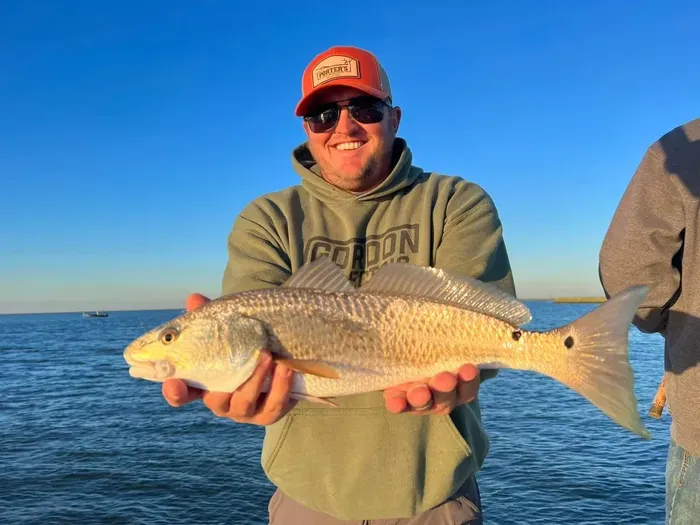
The upcoming section explains how to choose the best bait for redfish based on water clarity and depth. You’ll see which live bait, cut bait, and artificial options work best in different conditions to match natural feeding behavior.
Fresh Water
Live bait: Shrimp works well in cleaner freshwater areas where redfish rely heavily on sight.
Artificial lure: Soft plastics imitate natural movement and remain visible in clearer conditions.
Why it works: Clear water makes it easier for redfish to visually track and strike natural-looking presentations.
Murky Water
Live bait: Mullet produces a strong scent and movement that stands out in low visibility.
Artificial lure: Vibration lures create noise and thump that fish can detect without relying on sight.
Why it works: Extra vibration and scent help redfish locate bait when water clarity is poor.
Shallow Flats
Live bait: Crabs match what redfish commonly root for on shallow flats.
Artificial lure: Weedless jerkbaits allow clean presentations over grass and mud without snagging.
Why it works: These baits closely match natural forage found in skinny water feeding zones.
Deeper Areas
Live bait: Cut bait releases scent that draws fish from a distance in deeper water.
Artificial lure: Heavy jigheads get lures down quickly and maintain bottom contact.
Why it works: Heavier presentations reach holding zones where redfish rest and feed below the surface.
Redfish Techniques and Presentation Skills
Understanding the core fishing techniques helps anglers choose approaches that fit different conditions and skill levels. Knowing how each method works builds confidence and enables you to adapt to various environments, equipment styles, and fishing goals.
1. Fly Fishing
Fly fishing is a popular technique for targeting redfish on shallow flats where sight casting is possible. Lightweight flies mimic shrimp or small baitfish, making this method effective when redfish feed visually in clear, calm conditions.
2. Ice Fishing
Redfish do not live in environments suitable for ice fishing, but this technique remains an important part of Guidesly’s broader fishing knowledge base. Understanding cold-weather fish behaviour can still help anglers relate to how temperature affects movement in any species.
3. Spin Fishing (Spinning)
Spin fishing is one of the most versatile techniques for redfish. Spinning setups allow longer casts, precise lure control, and easy adaptation to changing water depth, clarity, and speed, making it ideal for both beginners and experienced anglers.
4. Spearfishing
Spearfishing is generally not used for redfish due to regulations and habitat considerations, but it remains a listed Guidesly technique. Knowing where spearfishing applies helps anglers understand ethical boundaries and species-specific rules in inshore environments.
5. Trolling
Trolling can be effective in deeper channels or open bay systems where redfish travel along predictable routes. Slow trolling with natural bait or diving lures helps cover water efficiently and locate fish during transitional or low-visibility conditions.
How Redfish React to Pressure and Feeding Competition?
Redfish respond noticeably to pressure, and understanding redfish behavior under pressure helps you adapt your approach before they become wary. When boat noise increases or casts land too close, redfish often shift from open feeding lanes into quieter pockets where they feel less exposed. They settle near grass edges, softer bottom transitions, or subtle structure that offers both safety and steady access to food. Approaching slowly, reducing noise, and placing your casts with greater precision keep the fish comfortable enough to remain in view rather than slide deeper or disappear altogether.
Competition creates the opposite effect. When several redfish feed near each other, they strike more quickly to avoid losing an easy meal. This urgency often appears during tide changes or when bait schools tighten. If a fish misses your bait, keep the movement steady because redfish commonly circle back when the presentation stays calm and natural. Reading both pressure and competition helps you respond at the right moment.
Conservation, Regulations, and Ethical Handling
Healthy redfish fisheries depend on three things: strong conservation practices, following proper regulations, and handling fish responsibly. This section explains how anglers can support long-term sustainability through smart decisions on the water, awareness of local rules, and gentle release methods.
Conservation: Protecting Redfish and Their Habitat
Protecting redfish begins with understanding how fragile their habitats are and how easily daily fishing activity affects them. Conservation ensures healthy populations, stable fisheries, and reliable redfish opportunities for future anglers.
Do:
Support conservation by keeping only what you need and releasing the rest
Respect sensitive areas such as grass flats, marsh edges, and oyster zones
Reduce noise and movement in shallow water to limit unnecessary disruption
Use gear that minimizes injury, including circle hooks and smooth drags
Avoid:
Damaging shallow habitat with boats or anchors
Leaving behind trash, fishing line, or discarded bait
Ignoring signs of fish stress caused by heat or overcrowding
Regulations: Understanding Legal Requirements
Regulations are designed to protect redfish populations by setting clear limits on harvest, size, and seasonal rules. Understanding these requirements helps every angler fish responsibly, stay compliant, and support long-term fishery stability.
Do:
Check size limits, slot limits, and bag limits before every trip
Review updated regional rules since redfish management changes with seasons
Follow reporting requirements when applicable in certain fisheries
Avoid:
Assuming regulations remain the same year to year
Keeping oversize or undersize fish that fall outside the legal slot
Transporting or storing fish without knowing the current possession rules
Ethical Handling: Ensuring Redfish Survival After Release
Ethical handling focuses on giving redfish the best chance of survival after release. Proper support, minimal stress, and thoughtful handling techniques help keep each fish healthy and ready to swim away strongly.
Do:
Keep the fish wet and supported horizontally during handling
Limit air exposure by preparing tools before the fish is landed
Remove hooks gently and revive the fish until it swims away confidently
Avoid:
Squeezing the fish or holding it vertically by the jaw
Dragging fish across dry surfaces
Rushing the release without checking that the fish has regained balance
Booking a Local Redfish Guide

Preparing for a redfish charter is easier when you follow a simple step process. These steps help you choose the right timing, communicate your goals, understand expectations, and ensure your guided trip is smooth, productive, and well aligned with your skill level.
Step 1: Choose your ideal season: Pick trip dates that align with natural redfish activity patterns to increase the likelihood of consistent movement and feeding.
Step 2: Define your fishing goals: Decide if you want technique practice, larger fish, or general learning so the guide can plan an appropriate trip.
Step 3: Share your experience level: Be clear about your background so the guide can adjust teaching pace, gear choices, and trip difficulty comfortably.
Step 4: Prepare essentials in advance: Pack weather-ready clothing, sun protection, hydration, and personal items to stay comfortable throughout the trip.
Step 5: Confirm timing details: Select a start time and duration that match tide movement and seasonal conditions for better on-water success.
Step 6: Communicate preferred techniques: Tell the guide whether you prefer live bait, artificial lures, or sight fishing to refine the overall plan.
Step 7: Review basic safety information: Understand boat procedures, equipment location, and communication expectations to ensure a safe and confident experience.
Conclusion
Redfish offer one of the most rewarding inshore fishing experiences, and success comes from understanding seasonal behavior, choosing the right gear, presenting baits naturally, and reading each environment with intention. When you combine these skills with responsible handling and conservation awareness, every trip becomes more productive and sustainable. Whether you are refining your technique or exploring new locations, fishing with purpose helps you connect more deeply with the water and the species you pursue. If you want helpful guidance, local knowledge, and a captain who truly understands redfish waters, you can easily find experienced professionals on Guidesly who are ready to plan a great trip with you.
FAQs
1. What time of day are redfish most active?
Redfish often feed strongest at sunrise or sunset when temperatures stabilize, bait becomes more active, and light levels make hunting easier in shallow or transitional water zones.
2. Do redfish bite during cold fronts?
Redfish still bite during cold fronts but move slower and stay deeper. Using slower presentations and placing baits close to structure helps encourage strikes in colder conditions.
3. Can redfish see color when chasing lures?
Redfish detect color contrasts well, especially in clear water. Bright or high contrast colors help in stained conditions, while natural tones work better when visibility is higher.
4. Are redfish sensitive to strong scents?
Yes, redfish rely heavily on scent in murky or low visibility water. Scented lures or natural bait can increase attraction when sight feeding becomes less effective in challenging conditions.
5. How far do redfish travel in a single tide cycle?
Redfish can move significant distances while following bait and shifting water levels. They often travel between shallow feeding zones and deeper resting areas depending on tidal movement.
6. Do lunar phases affect redfish feeding?
Lunar phases influence tidal strength, which directly impacts feeding activity. Stronger tide flow created during new and full moons often increases redfish movement and improves bite consistency.
7. Can redfish be targeted on foot instead of by boat?
Yes, redfish can be successfully targeted by wading shorelines, marsh edges, and flats. Quiet movement allows closer positioning and accurate casting to shallow cruising or tailing fish.
8. Do redfish prefer moving water or still water?
Redfish usually prefer moving water because current carries bait and improves feeding lanes. Still water reduces activity, so targeting areas with flow increases chances of finding active fish.
9. How do weather changes affect redfish noise sensitivity?
Calm, clear conditions make redfish more sensitive to noise and sudden movement. Windy or slightly stained conditions reduce caution, allowing closer approaches and less delicate presentations.
10. What size leader is ideal when fishing near structure?
When fishing around oyster beds, rocks, or tight cover, using a stronger leader between 25 and 40 pounds helps prevent abrasion damage and reduces breakoffs during stronger redfish runs.