Inshore Diving vs. Scuba Diving in Florida: Two Ways to Explore the Same Water
Explore the difference between inshore, shore, and scuba diving in Florida, including shallow reefs, Florida Keys dive sites, wrecks, marine life, and more.
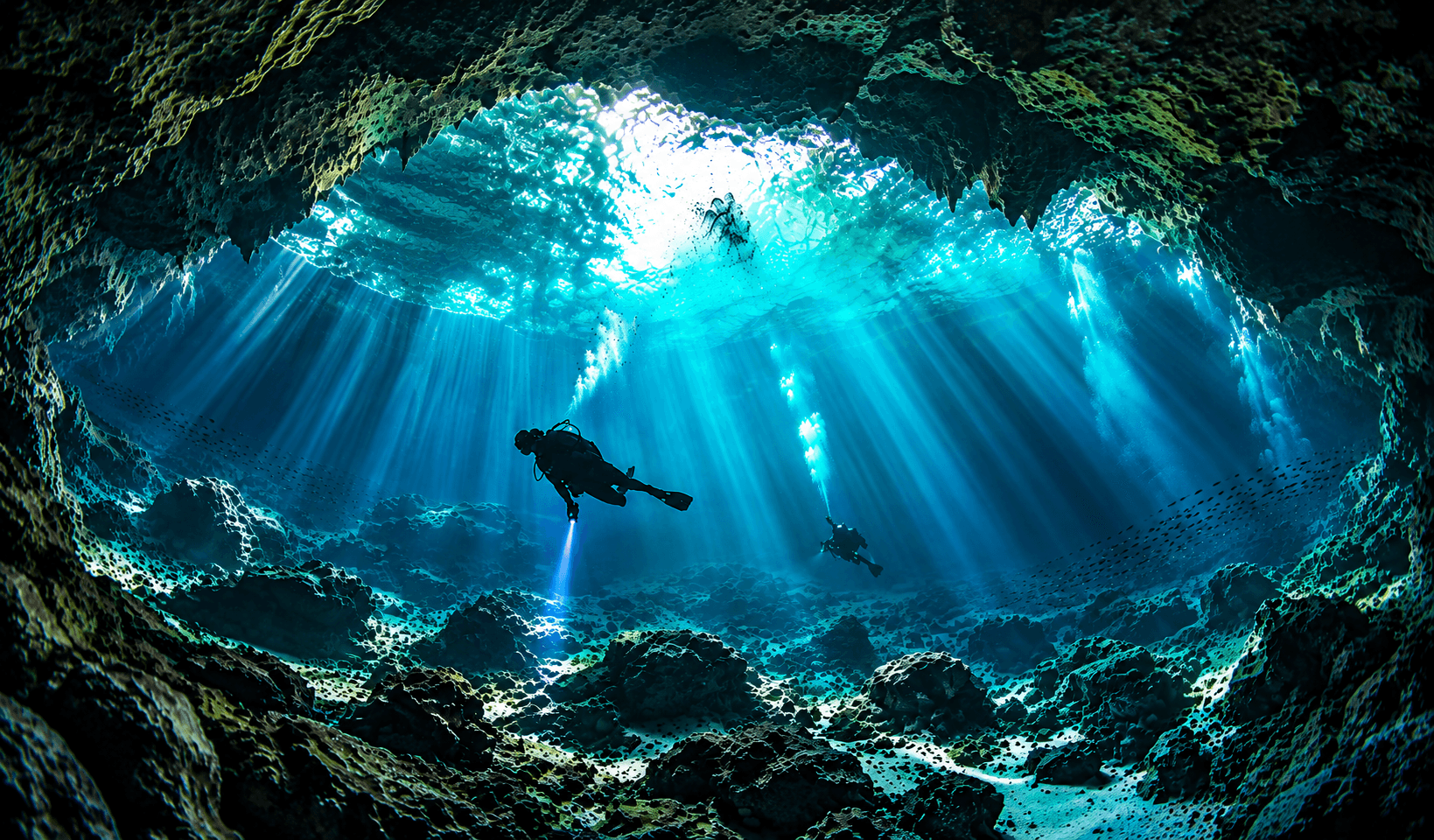


Florida has no shortage of ways to get underwater. There are shallow coastal sites, coral reefs, springs, wrecks, seagrass beds, mangrove edges, and offshore dive sites spread across the state. That variety also means that “diving in Florida” can describe very different experiences.
Two terms that often get mixed together are inshore diving and scuba diving. They are not really opposites and scuba diving can even take place inshore. The bigger difference is that inshore describes where the dive happens, while scuba describes how the diver breathes underwater.
That distinction matters when choosing a Florida dive trip. A shallow coastal dive using scuba equipment can be an inshore scuba dive. A deeper reef or wreck trip farther offshore is also scuba diving, but it comes with a different environment, logistics, depth, and skill requirements.
Florida offers both, so it is important to understand the difference and choose accordingly.
What Is Inshore Diving?
Inshore diving generally means exploring underwater areas relatively close to the coast; inside bays, nearshore waters, lagoons, inlets, reefs close to land, or other sheltered coastal areas. There is no single depth that officially defines an “inshore dive.” The term is primarily about location rather than a specific depth or piece of equipment. An inshore site might be a shallow reef, rocky bottom, artificial reef, seagrass area, spring-fed coastal environment, or another underwater feature accessible without traveling far offshore.
Depending on the site, inshore diving can involve:
Scuba equipment
Snorkeling equipment
Shore entries
Small-boat trips
Guided dives
Training or checkout dives
Wildlife observation
Underwater photography
This is why searching for an “inshore dive” does not automatically mean searching for a beginner dive or a shallow dive. The actual experience depends on the location, conditions, depth, current, and operator. Florida's coastline creates plenty of opportunities for this type of exploration. The state has extensive shallow-water environments, while areas such as the Florida Keys combine nearshore habitats with larger reef systems.
What Is Scuba Diving?
Scuba diving refers to the equipment and method used to breathe underwater. SCUBA stands for Self-Contained Underwater Breathing Apparatus. Instead of relying on a snorkel or returning to the surface for every breath, a scuba diver carries a tank of compressed breathing gas and uses a regulator to breathe underwater. That extra air supply allows divers to stay below the surface for much longer and explore environments that cannot be experienced comfortably while snorkeling.
Scuba diving in Florida can mean many things, including:
Inshore diving
Offshore reef diving
Wreck diving
Drift diving
Spring diving
Underwater photography
Certification and training dives
Florida is particularly well known for its reef and wreck diving. The Florida Keys National Marine Sanctuary protects extensive coral reefs, seagrass habitats, mangroves, and maritime heritage sites, including shipwrecks.
So, inshore diving and scuba diving are not two completely separate activities. One describes the setting. The other describes the breathing system.
Inshore Diving vs. Scuba Diving: What's the Major Difference?
The easiest way to understand the distinction is to look at what each term actually describes.
Feature | Inshore Diving | Scuba Diving |
Describes | Location | Equipment and diving method |
Typical setting | Nearshore waters, bays, coastal areas | Any suitable underwater environment |
Equipment | Depends on the activity | Scuba tank, regulator, BCD and associated gear |
Depth | Often shallow, but varies | Varies widely by site and certification |
Boat required | Not always | Depends on the dive site |
Certification | Depends on the activity | Generally required for recreational certified dives |
That last point is the important one. A shallow reef scuba trip in the Florida Keys can be both inshore and scuba diving. A deep wreck trip farther offshore is scuba diving but would not usually be described as an inshore dive.
Why Florida Works Well for Scuba and Inshore Diving
Florida is a good place to experience both inshore and scuba diving because its underwater environments vary widely across the state. There are shallow coastal areas close to shore, extensive coral reefs, shipwrecks, seagrass habitats, and freshwater springs, so diving does not look the same everywhere.
The Florida Keys are a good example. The Florida Keys National Marine Sanctuary protects 4,539 square miles of water, including coral reefs, seagrass meadows, mangrove habitats, and maritime heritage sites. It is also home to more than 6,000 marine species. That means a dive in the Keys could take place over a shallow reef close to shore, while another trip could head farther offshore to explore a deeper reef or shipwreck. Both are scuba diving if they involve scuba equipment, but the location and underwater experience can be very different.
And the variety extends beyond the Keys. Florida also has freshwater springs and diving sites along both its Atlantic and Gulf coasts, giving divers plenty of environments to explore across the state.
What Can Be Seen on an Inshore Dive?
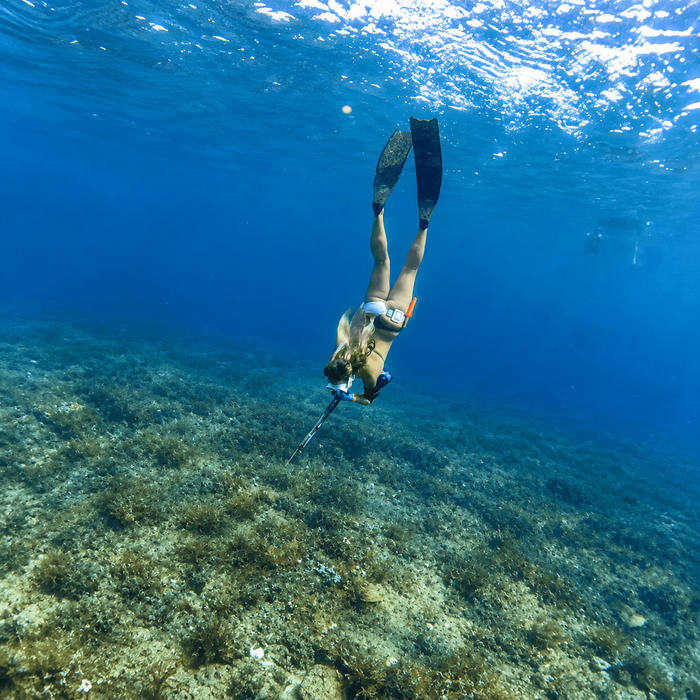
Shallow water does not necessarily mean less to see. Inshore areas can be productive habitats for fish, rays, sea turtles, crustaceans, seagrass communities, and other marine life.
The exact species depend heavily on the region and habitat. In Florida's coastal waters, the bottom might consist of sand, rock, seagrass, artificial reef structures, coral, or a combination of habitats. The shallow environment can also create better access to natural light, which makes some sites particularly interesting for underwater photography. Another advantage is simply the pace.
Because an inshore site may be shallower and closer to shore, the trip can involve less time traveling to the dive location and more time actually exploring. That is not universal, though. Conditions, boat routes, and the particular site still determine how long a trip takes.
What Makes Scuba Diving Different from Inshore Diving?
Scuba opens up a much larger portion of Florida's underwater environment. With an independent air supply, divers can remain underwater while exploring reefs, walls, wrecks, structures, and deeper sections of a site. The Florida Keys are especially well suited to this. NOAA notes that the sanctuary includes everything from shallow coral reefs to historical shipwrecks accessible to scuba divers.
But that does not mean deeper is automatically better. Depth changes the dive in practical ways. Air consumption, bottom time, buoyancy, pressure, currents, surface conditions, and certification requirements can all become more important as a dive gets deeper or more technically demanding. The right site depends on the diver's experience and the conditions on the day.
Inshore Diving Vs. Shore Diving
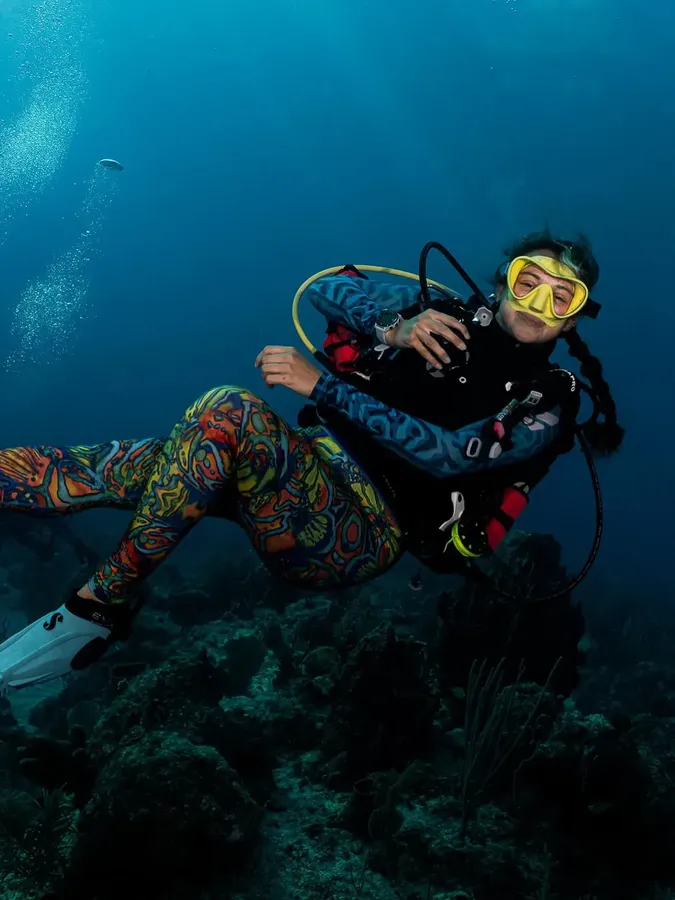
Inshore diving and shore diving can sound like the same thing, but they describe two different aspects of a dive.
Inshore diving refers to where the dive takes place, usually in coastal waters relatively close to land. Shore diving refers to how the dive is accessed, with divers entering the water directly from the beach, shoreline, or another land-based entry point. That means an inshore dive does not necessarily start from the shore. A dive boat can travel a short distance from the coast to reach a shallow reef, artificial reef, rocky area, or other underwater site. The site can still be considered inshore even though the dive begins from a boat.
Shore diving, on the other hand, eliminates the need for a boat. Divers enter the water directly from land and swim or walk to the dive site. Depending on the location, this can provide access to shallow reefs, rock formations, jetties, seagrass areas, and other coastal habitats. The distinction becomes important when planning a Florida diving trip. Two sites can be at a similar depth and distance from the coast but offer very different experiences based on how they are accessed.
Florida has plenty of shallow reef sites where these different types of diving come together. These dives can offer relatively easy access to marine life and underwater habitats without necessarily requiring the depth or distance associated with offshore diving.
Popular Inshore and Scuba Diving Locations in Florida
Florida's diving opportunities stretch far beyond the Keys. Here are some popular spots to consider:
Florida Keys
The Keys are one of the state's best-known areas for reef diving. The Florida Keys National Marine Sanctuary protects the only living coral barrier reef in the continental United States, along with extensive seagrass and mangrove habitats. Key Largo, Islamorada, Marathon, and Key West all provide access to different underwater environments.
Key Largo
Key Largo is one of the most recognized scuba diving destinations in the Florida Keys, with access to coral reefs, wrecks, and underwater attractions within the Florida Keys National Marine Sanctuary. One of the area's best-known underwater attractions is the Christ of the Abyss, a submerged bronze statue located at Key Largo's Molasses Reef. The surrounding reef system is home to a variety of tropical marine life, making Key Largo a popular choice for divers interested in both underwater scenery and marine wildlife.
For divers looking for a guided experience, a good option is to explore scuba diving packages in Key Largo.
Central Florida Springs
Florida's diving story isn't limited to saltwater. The state is also known for its freshwater springs, where clear water creates an entirely different underwater environment. Scuba diving opportunities in Florida include spring-fed rivers and freshwater caves, although cave and cavern diving require appropriate training and experience.
South Florida
South Florida adds another combination of coastal reefs, wrecks, artificial reefs, and shore-accessible sites. The state's Atlantic coast has numerous diving locations around areas such as Fort Lauderdale, Pompano Beach, and Palm Beach.
The important takeaway is that “Florida scuba diving” is not one particular experience. The environment can change considerably depending on where the dive takes place.
Marine Life You Can See While Diving in Florida
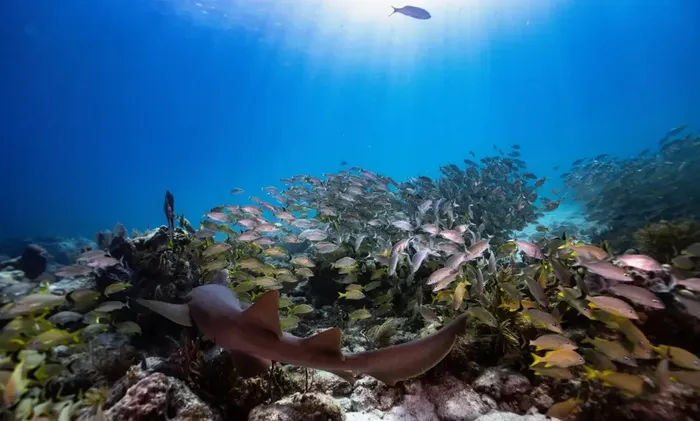
One of the biggest draws of scuba diving in Florida is the marine life around its reefs and wrecks. Depending on the location, depth, and conditions, divers may encounter yellowtail snapper, parrotfish, yellow tang, angelfish, green moray eels, and Caribbean reef sharks while exploring the underwater environment.
The Florida Keys offer particularly diverse reef habitats. Sites such as Alligator Reef, Rocky Top, Molasses Reef, Pickles Reef, and French Reef can put divers around coral formations and the fish and other marine life that use them as habitat. A good dive isn't only about reaching a particular depth; taking time to observe the reef and identify its inhabitants can make a shallow or deeper dive equally interesting.
Beginner Scuba Diving in Florida: What to Know Before You Go
For beginners, the most important factor is not whether a dive is inshore or offshore. What matters is the type of dive, the depth, water conditions, and whether the trip is designed for certified divers or beginners.
Florida has several options for people who are new to scuba diving. An introductory scuba experience can provide basic instruction before moving into open water, while a certification course involves more extensive training.
Shallow water can be appealing for newer divers because it may provide a more comfortable environment for learning basic skills and getting used to scuba equipment. However, shallow does not automatically mean easy. Visibility, currents, waves, water temperature, and entry conditions can all affect the difficulty of a dive.
Anyone booking a Florida scuba diving trip should check the operator's certification and experience requirements before confirming.
Scuba Diving in Florida for Experienced Divers
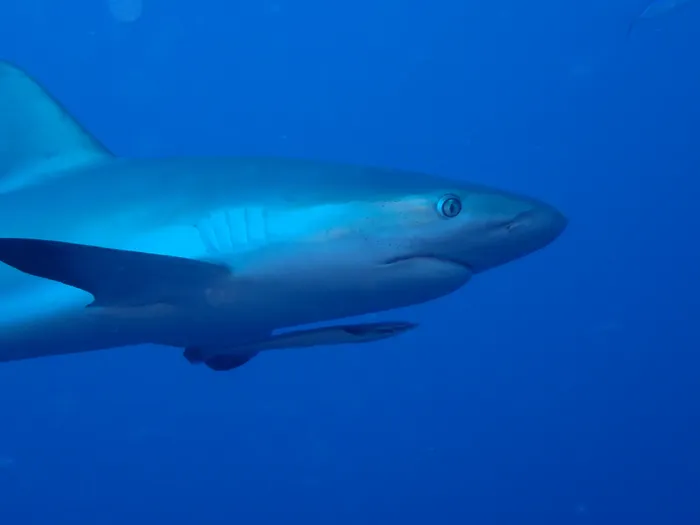
Certified and experienced divers have more options when exploring Florida's underwater sites.
A diver might choose a shallow reef for underwater photography, a deeper reef for a longer exploration at depth, or a shipwreck for a completely different type of dive.
Florida Keys offer all three types of environments, with dive sites varying in depth, structure, and conditions. For example, deeper reef diving in the Florida Keys can include sites around Islamorada and Key Largo, with dive locations selected according to conditions and the experience level of the divers. Explore deeper reef scuba diving in the Florida Keys on Guidesly.
Certain depths and specialized environments may require additional training or certification. For divers looking to build those skills, Advanced Open Water certification in Key Largo covers skills such as navigation, buoyancy, wreck diving, and night diving. Divers should always choose a site that matches their current certification and experience.
Florida Diving Conditions: What Can Affect a Dive?
Florida's warm climate allows for diving throughout much of the year, but conditions can vary considerably from one day to another. Visibility, wind, waves, currents, water temperature, and weather can all affect a Florida scuba diving trip. Conditions can also differ between the Atlantic coast, Gulf Coast, Florida Keys, and freshwater springs. This is particularly important for boat-based diving. A dive operator may adjust the planned site depending on sea conditions, visibility, currents, or the experience level of the group.
The Florida Keys National Marine Sanctuary recommends checking current marine conditions before heading out, since conditions can change quickly. Florida Keys National Marine Sanctuary. Checking conditions before a dive is therefore an important part of planning, whether the trip involves a shallow inshore reef or a deeper offshore site.
Responsible Diving Practices for Florida Reefs
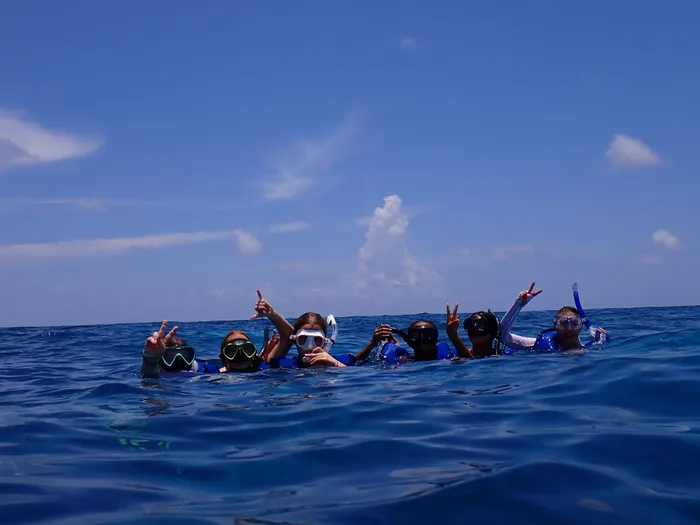
Responsible diving is especially important around Florida's coral reefs and other sensitive marine habitats.
Divers can damage coral by touching it, standing or kneeling on it, dragging equipment across it, or allowing fins to repeatedly strike the reef. Florida's Coral Reef recommends maintaining good buoyancy and avoiding physical contact with coral and other marine life. The Florida Keys National Marine Sanctuary also has protected areas with specific rules for activities around coral reefs. In Sanctuary Preservation Areas, for example, touching or standing on coral is prohibited, while mooring buoys help reduce damage caused by boat anchors.
Good buoyancy control is therefore useful for more than making a dive easier. It also helps divers move around reefs without damaging the habitat. These practices apply whether the dive is a few feet below the surface or takes place on a deeper reef.
Inshore Diving vs. Scuba Diving in Florida: Choosing the Right Pick
When choosing a Florida diving trip, consider more than the label. The following details give a better idea of what the actual experience will involve:
Dive location: Is the site inshore, offshore, or freshwater?
Depth: How deep will the dive go?
Access: Does the trip start from shore or require a boat?
Certification: Does the site or operator require scuba certification?
Experience level: Is the trip designed for beginners, certified divers, or more experienced divers?
Marine life: What type of reef, wreck, or habitat can be explored?
Conditions: What is the expected visibility, currents, waves, and water temperature?
Equipment: Is scuba gear provided, or does the diver need to bring their own?
For divers looking to explore Florida's reefs, coastal waters, and underwater sites, Guidesly connects divers with local operators offering experiences ranging from shallow reef and reef diving to wreck diving, certification experiences, and private charters.
Explore Scuba Diving Trips in Florida on Guidesly
Florida's underwater world looks different from one dive site to the next. One trip might take you over a shallow reef, while another heads farther out to explore a wreck or deeper reef.
Ready to see what is below the surface? Explore scuba diving trips in Florida on Guidesly and find a dive that fits your experience and the kind of underwater adventure you're looking for.

