Mastering the Reef: Essential Chumming and Free-Line Techniques for Yellowtail Snapper
Learn expert chumming, free-line rigs, reef reading, and tackle tips to catch more yellowtail snapper in Islamorada. Proven techniques and pro fishing advice.
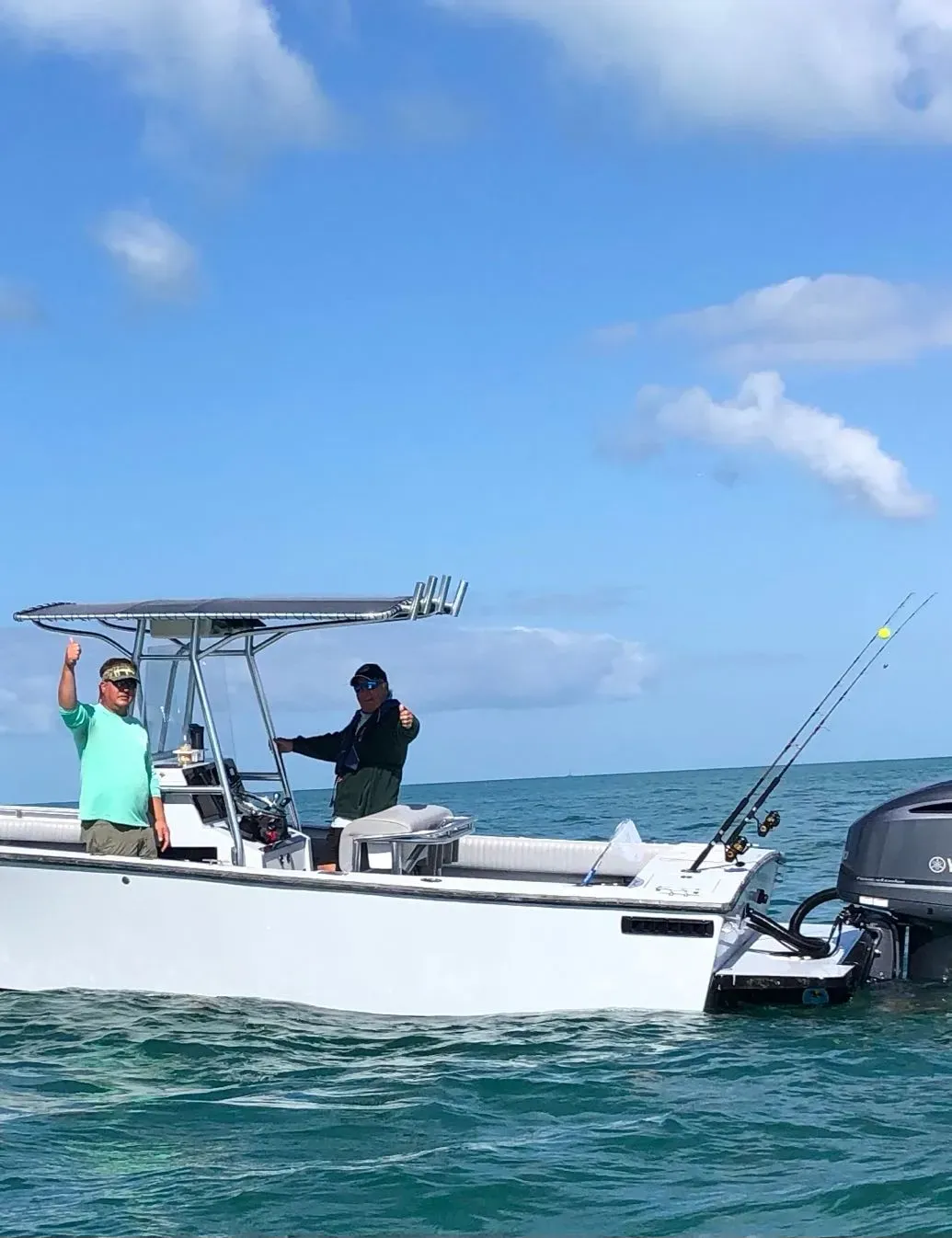


There’s nothing quite like watching a bright flash of yellowtail snapper rise through a perfectly drifting chum slick, especially when the water in Islamorada is so clear you can see every movement beneath your boat. This is the kind of fishing moment anglers chase simple, thrilling, and wildly addictive. With its vibrant reefs, steady currents, and year-round action, Islamorada has earned its reputation as the go-to destination for yellowtail snapper fishing in the Florida Keys.
Anglers come here for one reason: the yellowtail bite is fast, consistent, and incredibly fun when you get your chumming and free-line technique dialed in. Searches like yellowtail snapper Islamorada, chumming for yellowtail, or best bait for yellowtail snapper all lead to the same truth, this place offers some of the most rewarding reef fishing anywhere on the East Coast.
Mastering yellowtail fishing isn’t about luck. It’s about reading the current, building a clean chum slick, choosing the right leader size, letting your bait drift naturally, and understanding how yellowtail behave on the reef. Once those elements come together, the bite can be nonstop, turning an ordinary trip into one you’ll talk about long after the fillets hit the pan.
So, if you’re ready to step up your reef-fishing game and experience Islamorada the way seasoned locals do, it’s time to dive deep into the techniques that make yellowtail snapper such an exciting and rewarding target.
Quick Facts & 2025 Regulations: What Every Yellowtail Angler Must Know Before Dropping a Line
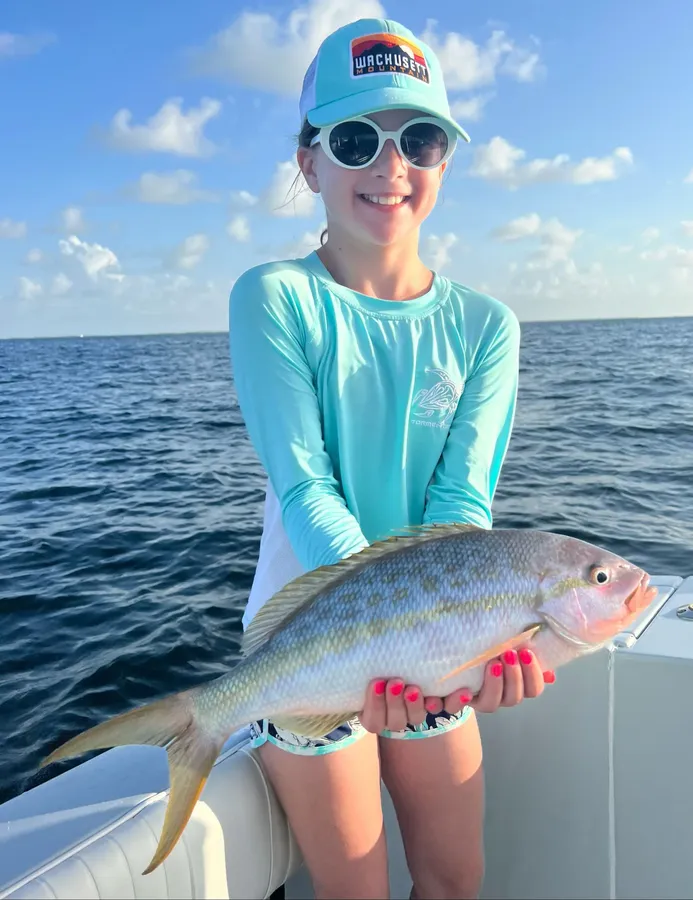
Before you start chumming the water and free-lining baits into the current, it helps to know a few essential details that can make or break a successful yellowtail snapper Islamorada trip. The Florida Keys are famous for their steady snapper action, but staying informed about the latest rules and the fish themselves keeps your trip productive, legal, and hassle-free.
Here are some fast, high-value facts every angler should know for 2025:
- Species: Yellowtail Snapper (Ocyurus chrysurus)
- Habitat: Shallow patch reefs, ledges, and clear-water reef edges throughout Islamorada
- Best Methods: Chumming, free-lining small cut bait, ultra-light leaders
- Bag Limit (Reef Fish Aggregate): Typically 10 per angler, combined with other snapper species
- Minimum Size: 12 inches total length
- Season: Generally open year-round, though closures or updates may occur; always verify before your trip
- License Requirements: Florida fishing license + any applicable reef fish angler requirements
Regulations can shift with environmental changes and annual assessments, so it’s smart to check the latest updates from FWC or NOAA before heading offshore. Staying compliant ensures a stress-free day on the water and keeps Islamorada’s legendary yellowtail fishery thriving for generations.
Gear Checklist: The Tools You Need to Outsmart Yellowtail on the Reef
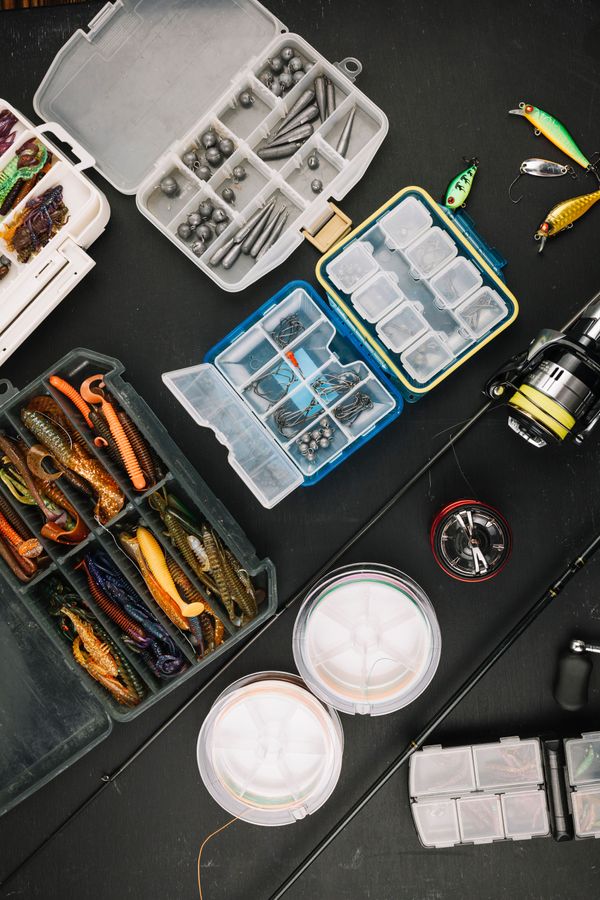
When the water is crystal clear and yellowtail snapper are acting shy, the right gear becomes your biggest advantage. In Islamorada’s reef zone, every detail from your rod action to your leader strength can determine whether you fill the cooler or watch fish steal your bait all day.
Here’s the ultimate yellowtail snapper fishing gear checklist tailored for chumming and free-lining:
- Rods: Medium-light spinning rods (7–7.5 ft) with fast action for detecting subtle yellowtail bites and maintaining natural bait drift.
- Reels: 3000–4000 size spinning reels with smooth drag to handle quick yellowtail runs without breaking light leaders.
- Main Line: 10–15 lb braided line for sensitivity and long, effortless casts into a chum slick.
- Leader Material: 12–20 lb fluorocarbon for clear-water conditions; lighter leaders help when fish are extra line-shy.
- Hooks: Small 1–2/0 circle or J-hooks that hide easily inside cut bait and allow for natural free-line presentation.
- Terminal Tackle: Small swivels, light weights (optional), and dehookers for safe, quick releases when necessary.
With the right setup, your bait drifts perfectly, your presentations stay unnoticed, and yellowtail snapper can’t resist the bite.
Chumming Fundamentals: Why It Works, How to Do It Right & Proven Chum Recipes
Few moments in reef fishing are as exciting as watching a cloud of yellowtail snapper rise straight up your chum slick, their neon tails flashing as they feed confidently behind your boat. In Islamorada, chumming isn’t just a technique; it’s the secret weapon that turns scattered fish into a hungry school and makes free-lining irresistibly effective. When anglers search for phrases like best chum for yellowtail, yellowtail snapper Islamorada chumming, or how to chum for yellowtail snapper, they’re really looking for one thing: a reliable way to bring fish right to the boat.
Why Chumming Works
Yellowtail snapper are natural grazers. A steady chum slick mimics an endless stream of easy food drifting with the current. Once the fish rise into that slick, they become more aggressive, less cautious, and far more willing to strike a naturally drifting bait. Chumming helps keep them close, visible, and constantly feeding.
How to Chum Properly
Effective chumming is all about control, consistency, and current:
- Use a mesh chum bag hung off the stern; let it rest just at the surface so the slick spreads naturally.
- Start with a frozen block of ground chum and let it slowly thaw to create a steady, slow flow.
- Avoid shaking or dumping chum too quickly. Overfeeding makes yellowtail stop chasing baits.
- Position your boat so the slick flows directly over the reef edge or structure where yellowtail gather.
- Watch the water behind your boat; when fish rise closer, lighten your leader or adjust your bait size.
Proven Chum Recipes for Yellowtail Snapper
<iframe width="560" height="315" src="https://www.youtube.com/embed/QLyRnyBnyfM?si=01cd50-RIm-zVkGM&start=336" title="YouTube video player" frameborder="0" allow="accelerometer; autoplay; clipboard-write; encrypted-media; gyroscope; picture-in-picture; web-share" referrerpolicy="strict-origin-when-cross-origin" allowfullscreen></iframe>
A successful yellowtail session in Islamorada often comes down to having the right chum mix, one that spreads slowly, stays consistent, and keeps fish climbing into your slick. Here are some of the most trusted, high-performing chum recipes used by Keys captains:
- Classic Ground Fish Chum: A frozen mix of ground ballyhoo, sardine oil, and menhaden creates a thick scent trail. Add rolled oats for texture to help the chum release slowly in the current.
- Oat-Based Sticky Chum: Rolled oats + seawater + finely chopped baitfish. This mixture is perfect for clear-water yellowtail because it creates a subtle, cloudy trail without overfeeding the school.
- Cut-Bait Boost Mix: A handful of pea-sized squid chunks, ballyhoo cubes, or sardine bits tossed every few minutes keeps yellowtail fired up and competing for food.
- Sandball Chum (Yellowtail Candy): Mix sand + oats + ground chum + small bait chunks into tennis-ball-sized clumps. Drop them behind the boat and let them drift naturally, perfect for keeping fish high in the slick.
- Flake Chum (For Finicky Fish): Finely shaved fish scraps or thin flakes of ballyhoo that drift slowly and stay suspended. Great for spooky or line-shy yellowtail.
- Homemade Menhaden Oil Cloud: A bucket of seawater mixed with a splash of menhaden oil is poured lightly into the current to create a wide, long-lasting scent column.
- Chum Ball with Cat Food Mix: A favorite among Florida Keys locals, mix dry cat food, oatmeal, and ground ballyhoo. The oils in the cat food help spread scent farther down-current.
- Frozen Chum Pops: Freeze your oats + fish-oil mixture into softball-sized blocks. Hang one in a mesh bag when the bite slows to re-ignite the yellowtail frenzy.
These powerful recipes help maintain a steady slick, keep fish climbing to the surface, and make your free-line baits look natural and irresistible, the perfect foundation for an unforgettable yellowtail snapper bite in Islamorada.
Free-Line Presentation: Rigs That Disappear in the Slick & Hooking Techniques Yellowtail Can’t Resist
If there’s one skill that separates an average reef angler from a true yellowtail snapper Islamorada master, it’s the art of the free-line. When the current is right, and your chum slick is flowing perfectly, a well-presented free-line bait becomes almost impossible for yellowtail to ignore. The goal is simple: make your bait drift so naturally that the fish can’t tell it apart from the chum they’re already eating.
A great free-line setup begins with keeping your rig as invisible and lightweight as possible. Yellowtail have razor-sharp eyesight, especially in the crystal-clear water of the Florida Keys, so your presentation must look effortless, subtle, and natural.
Essential Free-Line Rigs for Yellowtail Snapper
- Naked Hook Rig: Just a small 1–2/0 hook tied directly to 12–20 lb fluorocarbon leader. No weight, no swivel, perfect for ultra-finicky yellowtail.
- Stealth Swivel Rig: Add a micro-swivel between braid and leader to reduce line twist without spooking fish. Ideal when the current is stronger, and you need smoother drift control.
- Split-Shot Variant (Only When Necessary): A tiny, almost weightless split shot placed 3–4 feet above the hook. Use sparingly when your bait struggles to get down in fast-moving current.
- Long-Leader Drift Rig: A 20–25 ft fluorocarbon leader for extremely clear conditions. More distance between hook and swivel = more natural bait presentations.
Perfect Hooking Techniques for Natural Drift
- Tail Hooking (Fast Drift): Hook bait near the tail so it swims naturally with the current. Great for ballyhoo strips and silversides.
- Nose Hooking (Slow Drift or Chunk Bait): Prevents spinning and keeps the bait’s drift smooth and natural.
- Half-Hitch Method (For Long Strips): Adds security to long ballyhoo strips so they stay intact during long drifts.
Once your bait disappears into the chum slick, allow it to drift freely, no tension, no jerks, just a smooth, natural glide. When the line suddenly speeds up or twitches, resist the urge to set the hook aggressively. Simply lift the rod tip, reel tight, and let the yellowtail hook itself. This calm, controlled technique is what experienced Islamorada anglers rely on to land snapper after snapper with unmatched precision.
Spot Selection & Reading the Reef: How to Find High-Percentage Yellowtail Zones in Islamorada
The fastest way to turn a slow day into a rod-bending yellowtail frenzy is knowing exactly where to anchor and how to read the reef. Islamorada’s waters are full of life, but the best yellowtail snapper spots share one thing in common: structure + current = feeding opportunity. Anglers searching for the best yellowtail spots in Islamorada, reef fishing locations, or how to find yellowtail snapper are really looking for this formula.
Yellowtail thrive along reef edges, patch reefs, drop-offs, and sandy lanes where the current pushes food naturally. To get the most out of your location:
- Look for Hard Bottom & Ledges: Yellowtail love hanging just above structure like coral heads, shallow patches, and limestone ridges.
- Anchor Up-Current: The key is placing your boat far enough up-current so your chum slick drifts directly over the structure, not beside it.
- Watch the Water Color: A clean green-to-blue transition line often indicates stronger current flow, which helps build a longer, clearer chum trail.
- Use Your Electronics Wisely: Side-scan and down-imaging help locate mid-column fish schools, bait clouds, and promising bottom contours.
- Avoid Heavy Boat Pressure: Move away from crowded reefs; yellowtail feed higher and more confidently when not spooked by multiple boats.
Once you learn to read the reef and position correctly, you’ll see yellowtail rising into your chum slick like clockwork, turning good days into unforgettable ones.
Tides, Timing & Seasonal Patterns: When Yellowtail Snapper Feed Hardest in Islamorada
If you’ve ever wondered why some days the yellowtail snapper explode into your chum slick and other days they stay deep and cautious, the answer is almost always timing and tides. Islamorada’s yellowtail bite is heavily influenced by water movement, sun angle, and seasonal shifts, key factors anglers search for under the best time to fish yellowtail, yellowtail tides, and Islamorada fishing seasons.
Incoming and outgoing tides both work well, as long as there’s a steady current. Yellowtail feed more aggressively when the chum can drift long and clean, pulling fish higher into the slick.
Here’s what matters most:
- Ideal Current: Moderate flow is too slow, and the slick dies too fast, and your bait drifts unnaturally.
- Time of Day: Early mornings and late afternoons often spark the strongest surface bite.
- Seasonal Peaks: Spring and summer bring warmer water and larger schools, while fall offers consistent action with fewer crowds.
- Water Clarity: Clear water = lighter leaders and stealthier presentations.
Dial in the right timing, and your yellowtail bite becomes predictable, steady, and incredibly exciting.
Boat Positioning, Anchor vs. Drift & Crew Roles: The Secret Behind a Perfect Yellowtail Slick
A flawless yellowtail snapper Islamorada setup starts long before your bait hits the water. Boat position determines how your chum slick forms, how your bait drifts, and whether yellowtail rise to feed or vanish into the reef. Master this step, and the bite becomes almost automatic.
Below is a clear, detailed comparison to help you choose the right approach for conditions:
Factor | Anchoring (Traditional Yellowtail Method) | Drifting (Situational Approach) |
Best For | Building a stable, consistent chum slick | Covering water when fish are scattered |
Current Conditions | Moderate current; slick flows directly over structure | Light current or shifting tides |
Boat Control | Secure, predictable; maintains exact position | Requires constant attention and adjustments |
Chum Effectiveness | Excellent creates a long, defined slick | Minimal chum drifts away quickly |
Yellowtail Behavior | Fish rise higher and feed aggressively in the slick | Fish stay deeper; less surface activity |
Setup Time | Longer requires careful anchoring up-current | Faster drop lines and start moving |
Bait Presentation | Natural free-line drift directly through chum | Can look unnatural if speed varies |
Ideal Situations | Clear water, steady current, reef edges | Searching new areas, weak current days |
Key Crew Roles for a Successful Yellowtail Drift or Anchor Setup
- Helmsman: Manages the position, anchor line, and ensures the slick flows over the structure.
- Chummer: Oversees the chum bag, supplements cut bait, and monitors fish movement in the slick.
- Anglers: Free-line with spacing to avoid tangles; communicate bites to adjust leader weight or drift speed.
- Spotter: Watches for rising fish, water color changes, and predator activity.
With the right position and teamwork, your yellowtail bite becomes smoother, stronger, and far more productive.
Common Problems & Quick Fixes
Frustrated by tangles, missed strikes, or bait drifting unnaturally? Yellowtail snapper fishing often comes with small but annoying challenges that can shut down your bite fast. The good news is that most issues have quick, simple fixes. Here are the most common problems anglers face and the fastest ways to correct them on the water.
Common Problems & Quick Fixes
- Bait Spinning: Reduce bait size, switch to a smaller hook, or re-hook through the nose or tail so it drifts naturally without twisting.
- Bite Shuts Down in Clear Water: Downsize to 12–15 lb fluorocarbon, use smaller #2 or #4 hooks, and keep movements subtle to avoid spooking fish.
- Weak Chum Line: Mash chum finer, reposition your bucket slightly up-current, and stir periodically to maintain a consistent scent trail.
- Free-line Tangles: Manage slack by momentarily closing the bail, keep line tight to the drift, and choose a smooth-drag reel for cleaner flow.
- Shark or Predator Cut-offs: Reel aggressively, reduce fight time, and shift the boat 50–100 yards away to escape heavy predator activity.
- Break-offs at the Boat: Loosen your drag, angle the rod sideways, and guide the fish with the current instead of lifting directly upward.
- Bait Drifting Too Fast in Heavy Current: Add a tiny split shot, trim bait for better aerodynamics, or adjust drift angle to achieve a controlled, natural movement.
Advanced tactics (live bait, light tackle, switching leaders)

Want to outsmart pressured yellowtail snapper when the reef gets tough? Mastering a few advanced tactics can turn slow days into steady action, especially in clear water or during heavy fishing pressure. Small adjustments in bait, tackle, and leader choice make a massive difference in how naturally your offering drifts.
Live Bait Mastery
Live pilchards, silversides, and small pinfish can trigger aggressive strikes when cut bait fails. Keep them lively, hook lightly through the nose, and let them drift naturally with minimal tension. In ultra-clear conditions, live bait often outperforms everything else due to its irresistible movement.
Light Tackle Advantage
Switching to lighter gear, think 10–12 lb fluorocarbon, #4–#6 hooks, and smaller spinning reels helps create a near-invisible presentation. Yellowtail are especially wary in bright, calm seas, and lighter tackle allows your bait to match the current perfectly without creating drag.
Leader Switching for Conditions
Smart anglers carry multiple leader strengths to adapt fast. Drop to 10–12 lb fluoro when fish get spooky, or bump up to 20 lb when predators like sharks or kingfish are nearby. Matching your leader to visibility and current flow instantly improves your bite rate and reduces break-offs.
Conservation & Safety Reminders
Reeling in trophy yellowtail is thrilling, but keeping the reef healthy and your crew safe matters even more. Responsible fishing ensures that Islamorada’s world-class yellowtail snapper fishery stays productive for generations, especially with rising pressure and changing ocean conditions.
Respect bag limits, size regulations, and no-take zones to avoid unnecessary depletion. Handle fish gently, wet your hands before touching them, and release undersized snapper quickly to boost survival rates. Stay alert around sharp coral heads, sudden swells, and strong currents that can shift your drift. Keep knives, chum grinders, and hooks secured, and always use gloves when handling chum blocks. By putting conservation and safety first, every trip becomes more rewarding for you and for the reef.
Quick cleaning & cook tip
Hooking a perfect yellowtail is only half the reward; the real magic begins when it hits your fillet board and pan. Fresh-caught yellowtail snapper from Islamorada is famous for its mild, sweet flavor, and cleaning it right ensures every bite tastes ocean-fresh.
Start by making a clean cut behind the gill plate, glide your knife along the backbone, and remove the fillet in one smooth pass. Trim the rib cage, skin if preferred, and rinse lightly with cold saltwater, never freshwater. For cooking, keep it simple: a light citrus marinade, a sprinkle of sea salt, and a quick pan-sear or grill bring out its natural sweetness. Yellowtail shines brightest when treated gently and cooked fresh.
Conclusion: Master the Reef and Hook More Yellowtail in Islamorada
Catching yellowtail snapper in Islamorada is as much about skill and strategy as it is about patience and observation. From building the perfect chum slick to free-lining baits naturally, understanding tides, reading the reef, and choosing the right gear, every detail boosts your chances of a successful day on the water. Respecting regulations and practicing safe, sustainable fishing ensures these vibrant reefs stay productive for years to come. Ready to elevate your next yellowtail trip? Explore expert tips, charter options, and local insights at Guidesly.com and turn your fishing dreams into reality.
FAQs
What is the minimum size and bag limit for yellowtail snapper?
Yellowtail snapper must measure at least 12 inches total length, and the recreational bag limit is ten per angler per day within the snapper aggregate limit.
Do I need any special license or registration?
Yes. A Florida saltwater fishing license is required, and anglers fishing from a private boat must also register as a State Reef Fish Angler.
When is the best time of year to catch bigger “flag” yellowtail in the Keys?
Spring through fall offers the largest schools and trophy “flag” yellowtail, although fish can be caught year-round depending on reef activity and water conditions.
What depth works best for yellowtail snapper around reefs?
Keeper-sized yellowtail are commonly found between 30–120 feet, with deeper reef edges often holding larger fish that prefer cooler, more structured environments.
Should I always chum when fishing yellowtail?
Chumming significantly increases bite rates. A steady, well-placed chum slick attracts yellowtail from the reef, keeps them feeding, and makes free-line bait presentations more effective.
What bait works best: live, cut, or frozen?
Live bait such as pilchards or small pinfish, fresh-cut bait such as ballyhoo or sardines, and well-prepared frozen bait all trigger aggressive yellowtail strikes when presented naturally.
Do I need light tackle and small hooks for yellowtail in clear water?
Yes. Light tackle, 10–20 lb fluorocarbon leaders, and small #1–#4 hooks are essential, especially in clear water where yellowtail can easily detect unnatural presentations.
Can I catch yellowtail snapper drift-fishing (without anchoring)?
Absolutely. Drift-fishing works well when reefs are scattered or fish are spread out, but maintaining natural bait drift and monitoring boat position are critical for success.
What to do if sharks or predators start stealing my catch?
Reel quickly, shorten fight time, and reposition the boat 50–100 yards if necessary. Using lighter tackle also reduces predation risk and improves hook-up success.
How can I be sure I’m fishing sustainably and legally?
Follow current size and bag limits, avoid restricted areas, practice catch-and-release for undersized fish, and minimize reef impact to protect both the ecosystem and future fisheries.