Surf Fishing in Rough Water: How to Keep Your Sinker, Line, and Bait in Place
From choosing Sputnik sinkers to managing line drag and securing bait, learn how to keep your surf fishing setup under control in strong waves and currents.
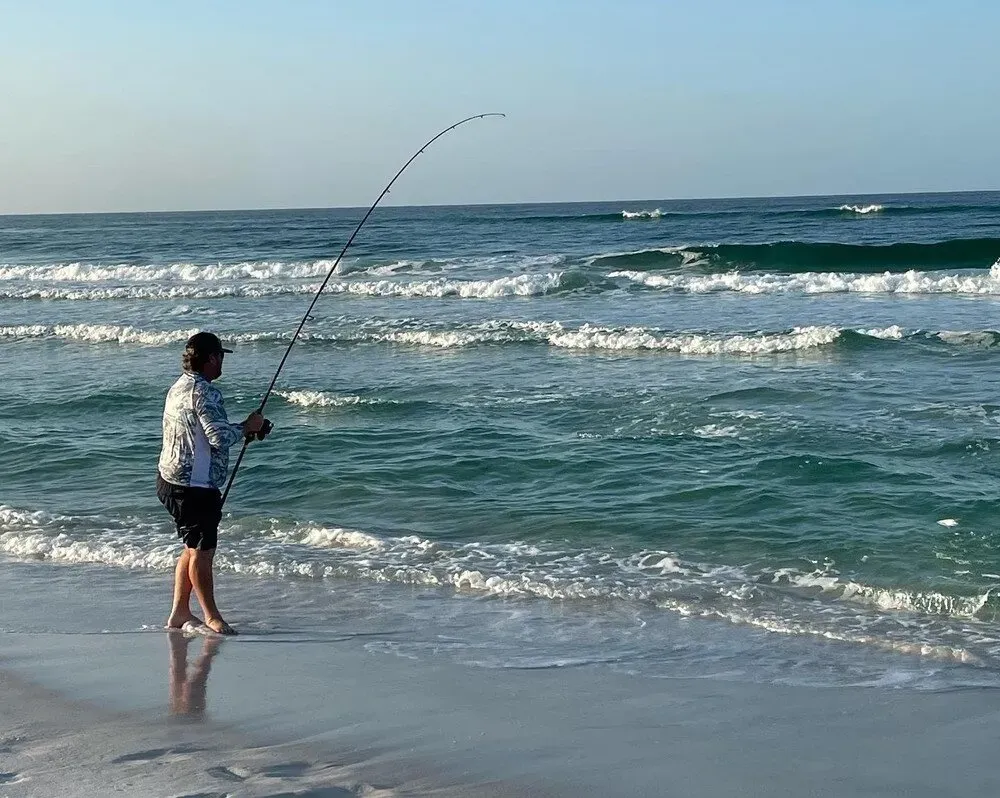


A sinker that holds perfectly well on a calm day can become a real headache when the surf picks up. Waves push it across the sand, currents pull your line sideways, and before long, your bait is nowhere near where you cast it.
Adding more weight might seem like the obvious fix, but it doesn't always solve the problem. A sinker with the wrong shape can keep rolling, while excess line drag can pull even a reasonably well-anchored rig out of position. Then there's the bait itself, which can move around or get stripped off the hook even when the sinker stays put.
The trick is to get all three working together: your sinker, your rig, and your bait. Here's how to adjust each one so you can maintain a better presentation when fishing in rough water.
What Makes Your Surf Fishing Rig Move in Rough Water?
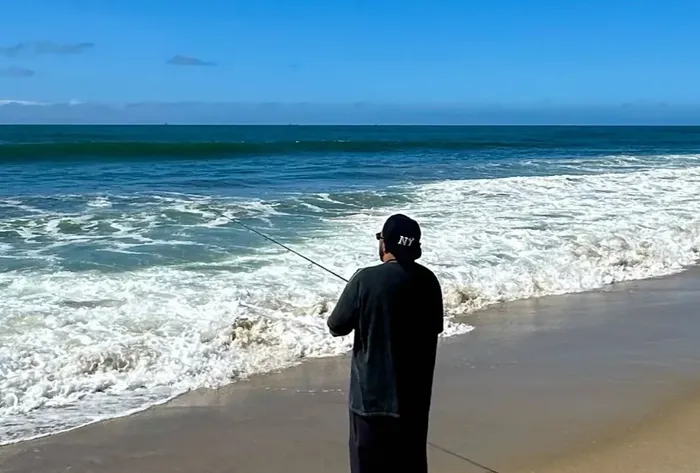
When you're surf fishing in rough water, several things can affect where your rig ends up. Sometimes, your sinker keeps rolling across the bottom.
Other times, it stays put, but your fishing line gets pulled sideways, or your bait keeps shifting with the current.
Each of these problems has a different cause, so simply changing your sinker weight won't always solve the issue. Here are four things that can work against your setup when the surf picks up.
1. Wave Surge and Backwash
Every breaking wave pushes water toward the beach (the swash), and as that water retreats (the backwash), it creates another force pulling in the opposite direction. This repeated movement can make it difficult for your sinker to stay anchored.
When you're fishing on a sandy bottom, sinkers that don't have enough grip can roll or bounce with each passing wave. Even if a sinker settles initially, repeated surges can keep shifting it from its original position. This becomes more noticeable when you're fishing close to the breaking waves, where water movement is more turbulent.
2. Strong Longshore Currents
Not all the water movement comes directly towards or away from the shore. Longshore currents travel parallel to the beach and can gradually pull your fishing line and rig sideways. They form when waves reach the beach at an angle.
This creates a problem even when your sinker is heavy enough to reach the bottom. As more of your line gets exposed to moving water, the current creates resistance that can pull against the sinker. Before long, your rig may drift several feet from where you originally cast it.
3. Too Much Line Drag
Your sinker isn't the only part of your setup that water can push around. The fishing line itself creates resistance as waves and currents move against it.
A long section of line sitting in the water gives the current more surface area to work against. Line diameter, the amount of line exposed to moving water, and the direction you're fishing can all affect how much drag your setup experiences. Even thinner braided lines can catch moving water when there's a large bow in the line.
When this resistance becomes too strong, it can gradually pull your sinker out of position, even if the weight initially held at the bottom.
4. Your Bait Can Move Even When the Sinker Holds
Here's something worth remembering; keeping your sinker in place doesn't necessarily mean your bait is staying where you want it.
Your sinker might be firmly anchored, but the leader connecting it to your hook can still move with the current. A longer leader gives your bait more room to swing and move around, while strong water movement can make that movement even more pronounced.
This isn't always a bad thing. Some fish respond well to naturally moving bait. However, when you're trying to keep your presentation in a specific spot, excessive movement can take your bait away from the area you're targeting.
Choosing the Right Sinker to Hold Bottom in Rough Surf

Not all sinkers behave the same way once they hit the bottom. Some are designed to dig into soft sand, while others use wire grips or wider bodies to resist the push and pull of moving water.
Choosing the right design for the conditions can make a noticeable difference in how well your rig holds its position. Pay attention to how your sinker behaves after it lands. If it rolls with each wave, you may need a design that grips the sand better; if it stays put but your rig still drifts, line drag could be the bigger problem. This distinction will help you choose the right sinker instead of simply increasing its weight. What you want is a sinker that offers enough grip for the conditions without making your rig unnecessarily difficult to cast or retrieve.
Here are some options worth considering.
1. Pyramid Sinkers for Moderate Surf
Pyramid sinkers are a common choice for surf fishing because their pointed ends and flat sides help them dig into sandy bottoms. Once they settle, the edges can provide enough resistance to keep your rig in place through moderate wave action and relatively light currents.
They're a good starting point when the surf isn't particularly aggressive. However, depending on the current strength, sinker weight, and bottom conditions, a pyramid sinker can lose its grip and begin rolling along the bottom.
If you're constantly reeling in to reposition a pyramid sinker, switching to a design with better anchoring features may be more effective.
2. Sputnik and Breakaway Sinkers for Strong Currents
When a conventional pyramid sinker can't hold its position, consider a sputnik or breakaway sinker. These have wire arms that dig into the sand and act like small anchors, helping prevent your rig from rolling or drifting with the current.
The biggest advantage is their holding power. Instead of relying entirely on the sinker's weight and body shape, the wire arms provide additional grip. This can help you hold bottom without continually moving up to heavier conventional weights.
Many sputnik designs also have arms that fold back when you retrieve the rig. This allows the sinker to release from the sand instead of making you fight against its full anchoring force throughout the retrieve.
They're especially useful when you're fishing in strong currents or dealing with repeated wave action that keeps dislodging ordinary sinkers.
3. Storm and Frog-Tongue Sinkers for Extra Holding Power
There are a couple of other designs worth knowing about when fishing in challenging conditions.
Storm or Hatteras sinkers: These are a modified pyramid with a longer, rounded point that digs into the sand more easily. Many anglers find they hold better than a standard pyramid and are easier to retrieve than a frog tongue. Their effectiveness depends on their exact shape and the conditions you’re fishing in.
Frog-tongue or wedge sinkers: These have a broad, often concave body that digs deep into the sand and resists being pulled free. They’re a popular choice for big baits in strong surf, but the trade-off is that they can be hard to retrieve. How well they hold depends on the bottom composition and the sinker’s design.
Both designs offer alternatives to conventional pyramid weights, but their performance depends on the seabed and the strength and direction of the current.
How to Choose the Right Sinker Weight for Rough Surf
Once you've settled on a sinker design, you'll need to choose an appropriate weight for the conditions. The right choice depends on wave action, current strength, and the type of bottom you're fishing.
Start with your rod's recommended casting-weight range, keeping in mind that the total casting load includes both the sinker and bait. If your rig keeps moving, consider whether the sinker needs more weight or whether a design with better grip would be more effective.
Also account for line drag. A large bow in your fishing line can pull against the sinker, making it harder to hold position even when you're using a suitably weighted setup.
It's important to find a combination of sinker shape and weight that holds bottom without compromising your casting or fishing performance.
You Might Also Like: Ways to Add Weight to Your Hooks
Keeping Your Bait in the Strike Zone in Rough Surf
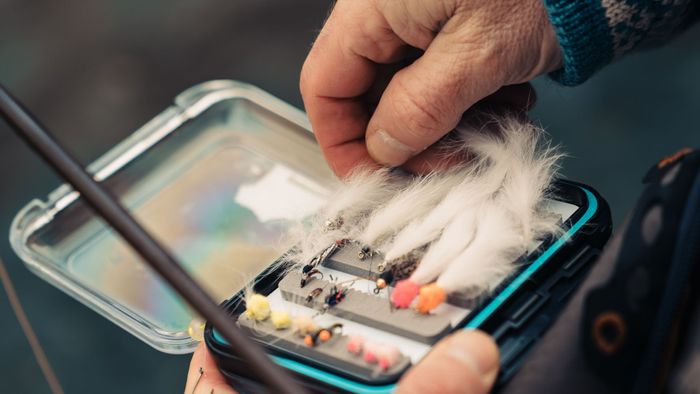
Getting your sinker to hold bottom is only half the job. Your bait also needs to stay within the area you're targeting instead of swinging around with every passing wave.
Even a well-anchored rig can struggle with this when the leader is too long or the bait catches too much water. Here are a few adjustments that can help you maintain better bait presentation.
1. Adjust Your Leader Length
A long leader gives your bait more room to move with the current. While this can create a natural presentation in calmer conditions, it can make bait placement harder to control when the surf picks up.
Consider shortening your leader if the bait keeps swinging too far from the sinker. This keeps it closer to your anchored setup and limits how far it can move around. However, don't make it unnecessarily short. Your bait still needs enough freedom to move naturally and attract fish.
2. Choose Bait That Can Handle Wave Action
Soft baits can become difficult to manage when repeated waves and currents pull against them. Shrimp and other delicate baits may tear or come loose if they're poorly secured.
When conditions get rough, consider using firmer bait cuts or tougher bait options that can withstand repeated water movement. Cut bait with a firm texture, for example, can be easier to keep on the hook than particularly soft or loosely prepared pieces.
3. Secure Your Bait Properly
Even if your bait is suitable for rough conditions, it won't stay in place if it's loosely attached to the hook. Bait elastic, sometimes called bait thread, is useful for wrapping soft bait securely around the hook.
Wrap it tightly enough to hold the bait together without completely covering the hook point. You should also avoid oversized bait pieces that catch excessive water and make your presentation harder to control.
Check your bait periodically, especially after strong waves or when you suspect smaller fish are picking at it. A bait that's been stripped down or damaged won't offer the presentation you intended.
How to Keep Your Fishing Line Under Control in Strong Currents
Your bait can be secured properly and your sinker can hold the bottom, but excessive line drag can still pull the entire setup out of position. The amount of line exposed to moving water, its diameter, and how you position your rod all influence this.
1. Keep Excess Line Out of the Water
After casting, reel in enough slack to maintain contact with your rig. A large bow in the line gives waves and currents more surface area to push against, increasing the chances of your setup drifting.
However, avoid tightening the line so much that you're pulling the sinker towards shore. With wire-arm sinkers like a Sputnik, take up slack until the wires bite into the bottom, then stop. You want to maintain contact without disturbing your bait presentation.
2. Choose a Suitable Line Diameter
Thicker lines generally create more resistance in moving water. If you're using a heavier line than your target species and fishing conditions require, consider a thinner alternative.
A braided line offers high strength relative to its diameter, which can help reduce resistance in moving water. However, its limited stretch means sudden pulls from waves can transfer more directly to your rig. Monofilament offers more stretch, which can help absorb those surges. Neither is automatically better; your choice depends on the surf, target species, and fishing setup.
3. Adjust Your Rod Position
Where practical, position your rod to keep more line clear of the breaking waves. You can also experiment with your casting direction to reduce the amount of sideways pressure from longshore currents.
The aim is to limit unnecessary drag without disturbing the bait presentation you've worked to establish.
What to Do When Your Surf Fishing Rig Still Won't Hold
Sometimes, even after changing your sinker, adjusting your leader, and managing your line, the setup continues to move. Rather than repeatedly changing everything at once, identify which part of your rig is causing the problem.
Your sinker keeps rolling: Try a sinker with better grip for the bottom conditions. Check whether its weight and design are suitable for the current.
Your entire rig drifts sideways: Look at the amount of line exposed to the current and adjust your rod position or casting direction.
Your sinker holds, but your bait keeps moving: Check whether the bait is swinging beyond your target area. If it is, experiment with a shorter leader or a rig configuration that gives you better control over bait placement.
Your bait keeps coming off the hook: Check how it's attached, use bait elastic where appropriate, and consider a firmer bait option.
Nothing seems to hold: The current or wave action may simply be too strong for your setup. Try a more sheltered section of the beach or consider a controlled drifting presentation instead of forcing an anchored one.
You don't always have to fight the water to catch fish. Sometimes, changing your position or allowing your bait to move naturally with the current is a better approach. The important thing is knowing whether your setup is doing what you intended it to do.
Conclusion
Surf fishing in rough water takes more than adding a heavier sinker. You need a setup that can handle wave surge, resist strong currents, and keep your bait where fish are likely to find it.
Choosing the right sinker shape and weight, managing excess line, and securing your bait properly can make a noticeable difference. If your rig keeps shifting, look at what's causing the movement before changing your entire setup. Sometimes a different sinker will solve the problem; other times, adjusting your line or leader will give you better control. And when conditions are simply too rough, moving to a more sheltered stretch of beach may be the better call.
Looking to sharpen your surf fishing skills or explore new fishing spots? Find experienced local guides and book your next fishing experience through Guidesly.