How to Read Tides for Saltwater Fishing Success
Learn how to read tide charts for saltwater fishing success. Understand tide timing, moving water, and fish feeding behavior to catch more fish.
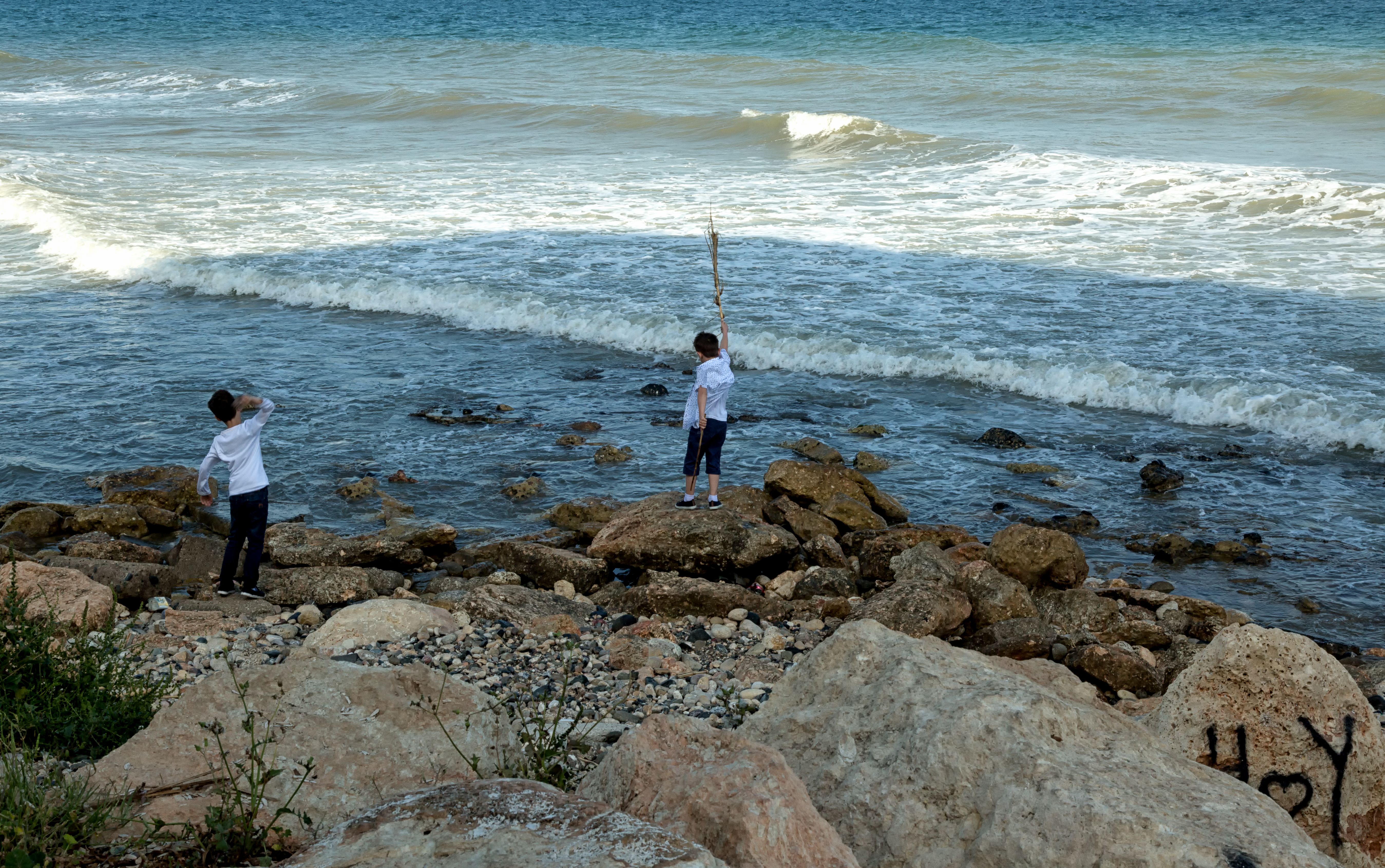

Tidal knowledge is one of the biggest differences between anglers who guess and anglers who consistently catch fish. In saltwater fishing, success is not just about bait or gear. It starts with understanding how the ocean moves. Tide charts for fishing reveal when water rises, falls, and flows, which directly controls where fish feed and travel. Learning to read tide tables helps anglers plan trips around moving water instead of fishing at random times. Tides push baitfish, stir nutrients, and trigger feeding windows that smart anglers take advantage of. When you understand the connection between tides and fish activity, your decisions become intentional and strategic. This guide focuses on explaining tidal charts, timing, and fish behavior in a clear, practical way. By the end, you will know exactly when and where to fish using tide data.
What Are Tides & Why They Matter for Saltwater Fishing
Tides are the natural rise and fall of ocean water caused by the gravitational pull of the moon and, to a lesser extent, the sun. As the Earth rotates, most coastal areas experience semidiurnal patterns, meaning two high tides and two low tides each day. These predictable water movements create constant changes in depth, current speed, and shoreline access. For saltwater anglers, tides act like a daily schedule that controls when fish become active. Understanding how tides work helps anglers move beyond luck and start fishing with purpose.
Each tidal cycle includes several phases that directly influence fish movement and tide behavior. High tide brings deeper water closer to shore, allowing fish to push into flats and structure in search of food. Low tide concentrates fish into channels, drop-offs, and deeper areas. Incoming, or flood, tides carry fresh water, nutrients, and plankton toward shore, attracting baitfish and triggering feeding activity. Outgoing, or ebb, tides pull bait back toward deeper water, creating natural feeding lanes. Slack tide is the brief pause between movements, often producing slower action.
How to Read Tidal Charts Like a Pro Angler
Tidal charts turn ocean movement into clear data that anglers can use to plan better trips. Once you understand what the numbers and symbols mean, you can predict water movement, feeding windows, and where fish are most likely to hold.
What a Tide Chart Shows
A tide chart displays the exact times of high and low tides for a specific location and date. It also shows tide height, which indicates how much water will rise or fall during each cycle. Higher tide ranges usually create stronger currents and better feeding activity.
Common chart symbols make reading easier. The letter H represents high tide, while L marks low tide. Numbers next to each tide show water height, usually measured in feet or meters. Curved lines illustrate how water rises and falls between tide changes.
Step-by-Step Guide to Reading a Tide Chart
Reading a tide chart becomes simple when broken into clear steps. This process helps anglers quickly identify the best fishing windows instead of guessing when fish might be active.
Step 1: Location and date selection: Choose your exact fishing spot and date since tide times and water movement vary by location daily.
Step 2: Identify tide changes: Find upcoming high and low tides to understand when water direction shifts and triggers feeding activity.
Step 3: Calculate tide range: Subtract low tide height from high tide height to estimate current strength and potential fish movement.
Step 4: Mark feeding windows: Focus on two hours before and after each tide change when moving water creates prime feeding conditions.
A simple visual tide chart example should be added here during publishing to help readers match theory with real data.
Tools & Apps for Real-Time Tides
Modern tools make checking tides quick and accurate. These apps provide live updates, forecasts, and location-based tide charts that help anglers plan trips with confidence.
Tides4Fishing: Best for daily tide planning. Offers location-based tide charts, feeding times, and moon phase information in one place.
Windy: Useful for weather and tide analysis. Shows wind direction, currents, and visual tide height data to help read changing conditions.
NOAA Tides: Best source for official tide data. Provides reliable tide tables with accurate coastal station readings.
How Tides Influence Fish Feeding Behavior
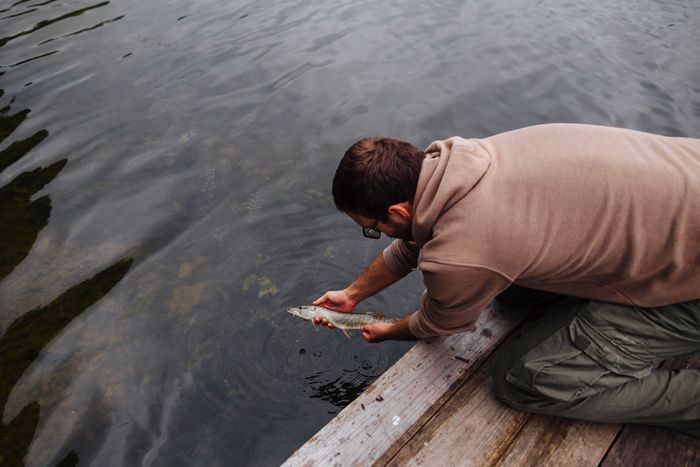
Tides play a major role in when saltwater fish feed and move. As water flows, it creates feeding opportunities by moving food, increasing oxygen levels, and positioning bait where predators can hunt efficiently.
Fish feed more actively during moving water because currents stir up nutrients, plankton, and small organisms from the bottom. This movement attracts baitfish, which then draw larger predators into feeding zones. Increased water flow also raises oxygen levels, making fish more comfortable and aggressive. Understanding this relationship helps anglers target the best tides for fishing instead of relying on luck.
Incoming (Flood) vs. Outgoing (Ebb) Tides
Different tide directions influence fish behavior in distinct ways. Knowing how flood and ebb tides affect bait movement helps anglers choose the right locations and timing. Here are the main differences between incoming and outgoing tides and how each affects fish behavior and positioning.
Tide Type | Water Movement | Fish Behavior |
|---|---|---|
Flood Tide | Water moves toward the shore | Baitfish are pushed into shallow flats and structure, drawing predators closer |
Ebb Tide | Water pulls away from the shore | Bait is carried outward, concentrating fish in channels, points, and drop-offs |
Slack Tide Nuances
Slack tide occurs during the short transition between moving tides and often behaves differently from flood or ebb periods. These are the key things anglers should know about slack tide and why it behaves differently from other periods of moving water.
Water movement slows significantly, reducing current-driven feeding activity
Fish may pause feeding but remain holding near structure or depth changes
Bites can be inconsistent, but patient anglers may still find resting fish
Best used as a repositioning or scouting period rather than peak fishing time
Best Fishing Times Based on Tide Movement
Understanding tide movement helps anglers pinpoint the most productive fishing periods. When tide changes align with structure, daylight, and seasonal patterns, fish become more active, feeding increases, and time on the water is used far more effectively.
Optimal Fishing Windows
Here are the time periods when tide movement creates the strongest feeding opportunities. These windows focus on moving water, which drives bait and predator activity.
The most productive window is two hours before and two hours after a tide change, creating a four-hour prime feeding period
Moving water during this window increases current, oxygen, and bait movement
Early morning and late afternoon tides often amplify feeding activity due to lower light and cooler water
How Tides Shape Fish Position Around Structure

Fish position themselves around structure based on how tides move water and bait. Channels, drop-offs, and flats become feeding zones only during specific tide stages. Incoming tides allow fish to move onto shallow flats and structure as rising water carries bait inward. Outgoing tides pull bait back toward deeper water, positioning fish along channel edges and drop-offs where food funnels through tighter paths.
Areas where the current slows, or breaks create natural ambush points. Jetty edges, inlet mouths, bridge pilings, and points give fish a place to hold with minimal effort while waiting for bait to pass. Targeting these structures during active tide movement greatly increases the chances of consistent strikes.
Seasonal Tide Patterns
Seasonal tide patterns influence feeding intensity, current strength, and overall fish behavior throughout the year. Understanding these differences helps anglers plan trips around the most productive conditions.
Spring tides: Feature a larger tide range that creates stronger currents and triggers more aggressive feeding behavior.
Neap tides: Produce a smaller tide range with reduced water movement, often resulting in slower activity and more selective bites.
Tidal Strategy by Target Species
Different saltwater fish species respond to tide movement in predictable but distinct ways. Understanding how each species uses water depth, current, and structure during changing tides helps anglers choose better locations and fine-tune presentations. Here are the most effective tidal strategies for common saltwater species and how to fish them:
Redfish: Prefer rising water and move onto flooded flats and grass edges. Natural drifting baits and soft plastics worked slowly with the current produce the best results.
Speckled trout: Feed best on incoming tides while holding near shallow structure and sand pockets. Light jigs and suspending lures worked along current seams are most effective.
Flounder: Favor falling water and position along channel edges and sandy drop-offs. Bottom-bouncing baits with slow, controlled movement trigger strikes.
Bluefish: Respond to strong tide movement and hold near inlets and current breaks. Fast-retrieved lures that track straight through moving water work best.
Mackerel: Become active during stronger, active tides in open water and along tide rips. Flashy lures that mimic fleeing baitfish draw aggressive strikes.
Common Tide Fishing Mistakes to Avoid
Many anglers struggle with tide-based fishing because of a few common planning mistakes. Understanding these errors helps improve timing, location choice, and overall results when using tide charts for fishing.
Fishing only high or low tide: Many anglers focus only on tide peaks and miss the most productive moving water. Fish feed best during rising or falling tides, not stagnant periods.
Ignoring tide height and range: Tide time alone is not enough. Small tide ranges create weak currents, while larger ranges increase fish movement, tide activity, and feeding response.
Overlooking local structure: Tides interact differently with channels, flats, and points. Always match the tide stage with the structure instead of fishing the same spot all day.
Forgetting weather influence: Wind and pressure can alter current flow and water levels. Combine tide data with weather conditions for more accurate planning.
Staying too long during slack tide: Slack tide often produces slower action. Use this time to reposition, retie gear, or scout new areas rather than forcing bites.
Avoiding these mistakes helps anglers fish smarter, reduce wasted time, and consistently target active fish.
Quick Tide Fishing Cheat Sheet
A quick reference like this helps anglers make better tide-based decisions on the water. These points summarize how tide movement affects fish location, feeding behavior, and timing.
Focus on moving water instead of the stationary high or low tide
Fish two hours before and two hours after each tide change
Use incoming tides to target shallow flats and structure
Use outgoing tides to fish channels, points, and drop-offs
Adjust lure weight and presentation to match current strength
Use Slack Tide for repositioning, scouting, or resetting gear
This cheat sheet works best when paired with local tide charts and real-time observation.
Conclusion
Understanding how tides work gives anglers a clear advantage in saltwater fishing. When tide charts, timing, and water movement are used correctly, fishing becomes more intentional and productive. Tides influence bait movement, fish positioning, and feeding windows, making them one of the most important planning tools for coastal anglers. By focusing on moving water, matching tide stages to structure, and adjusting presentations to current strength, anglers can reduce guesswork and fish more efficiently. To take your tide knowledge further and apply it with confidence, explore expert resources, fishing tips, and guided trips available on Guidesly, where local insight helps turn planning into success on the water.
FAQs
1. How far in advance should I check tide charts before a fishing trip?
Checking tide charts three to five days ahead allows anglers to plan around favorable tide ranges while adjusting for weather changes closer to the trip.
2. Do tides affect shore fishing differently from boat fishing?
Yes, shore anglers depend more on tide height and access, while boat anglers can follow fish movement across channels and deeper water.
3. Can tides impact water clarity during saltwater fishing?
Tide movement can change clarity by stirring sediment or flushing cleaner water, which affects lure visibility and the fish's willingness to strike.
4. Are tides more important than moon phases for fishing success?
Tides often have a more direct daily impact on fish location and feeding, while moon phases influence tide strength over longer cycles.
5. Do tides matter the same in all saltwater locations?
Tide influence varies by region, with estuaries and inlets experiencing stronger effects than open coastlines with minimal structure.
6. Can artificial lures work well during strong tidal currents?
Artificial lures work effectively in strong currents when weighted properly and designed to maintain action without spinning or drifting unnaturally.
7. How do tides influence fish behavior in deep water?
In deeper water, tides affect current direction and speed, which controls how bait moves along ledges, reefs, and underwater structure.
8. Should beginners avoid fishing during extreme tides?
Beginners may find moderate tides easier to manage, as extreme currents require advanced positioning, precise casting, and heavier tackle control.
9. Do tides affect night fishing differently than daytime fishing?
At night, tides still control fish movement, but reduced light shifts feeding closer to structure and shoreline areas during active water flow.
10. Can tide knowledge help reduce wasted fishing time?
Yes, understanding tide patterns helps anglers avoid inactive periods and focus effort during times when fish are naturally positioned to feed.