Surf Fishing Techniques: Catching Fish from the Shore
Essential surf fishing techniques with the right gear, bait, and surf conditions to target saltwater species effectively and improve your success.




Surf fishing allows anglers to target saltwater species directly from the shoreline, using natural wave movement, tidal changes, and nearshore structure to their advantage. Productive surf fishing comes from understanding how fish behave along beaches, where they feed, and how conditions such as tides, currents, and water clarity influence their movement. The right combination of gear, bait, and timing helps anglers reach deeper troughs, sandbars, and feeding lanes where fish naturally gather. Whether the goal is catching surfperch, striped bass, or other inshore species, effective surf fishing depends on reading the shoreline and adapting to changing surf conditions. With careful observation and the proper setup, shore anglers can consistently find fish along almost any coastal beach.
Why Surf Fishing Is a Valuable Approach for Shore Anglers
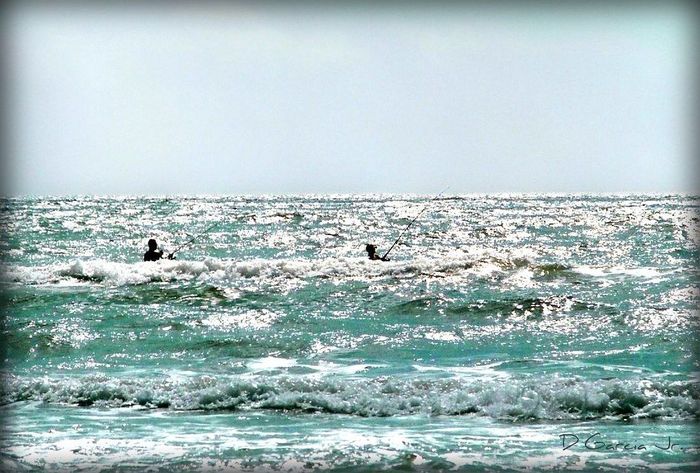
Surf fishing attracts anglers because it offers direct access to productive saltwater habitats without the need for a boat. Many species regularly move along beaches to feed, taking advantage of shifting tides, sandy troughs, and bait-rich currents. These natural features create predictable pathways where fish concentrate, making shoreline casting surprisingly effective.
Coastal areas provide a mix of shallow flats, deeper cuts, and sandbars that hold different species throughout the day. Anglers who learn to recognize these structures can reach active fish with simple, well-chosen setups. Surf fishing also allows flexibility in technique, equipment, and location, making it suitable for beginners and experienced anglers alike. Its accessibility and variety of target species make it one of the most rewarding saltwater styles.
Understanding Surf Conditions and When to Fish
Surf fishing depends on recognizing how tides, wave patterns, and beach structure influence fish behavior. Shorelines constantly shift, and these natural changes create feeding zones. Understanding these elements helps anglers identify productive areas, choose ideal conditions, and adjust tactics with greater accuracy.
Surf Conditions
Surf conditions guide how fish move along the shoreline, affecting feeding depth, current strength, and bait distribution. Observing waves, water clarity, and underwater structure helps locate active zones. Accurate reading of these elements improves casting decisions and overall surf fishing success.
Tide Movement: Rising and falling tides create strong currents that push baitfish into shallow areas. Predators follow these movements, making tides changes some of the most reliable surf fishing opportunities along many coastlines.
Wave Strength: Moderate waves stir up food and oxygenate the water without overwhelming fish. Excessively calm or rough surf reduces feeding activity, so balanced wave action often signals productive conditions worth targeting.
Sandbars: Sandbars form natural depth changes where predators patrol edges for bait. The troughs between bars often concentrate food, creating consistent pathways fish use throughout different tide stages.
Water Clarity: Slightly stained water gives fish cover while supporting active feeding. Extremely clear or muddy conditions reduce strike chances, making moderate visibility ideal for presenting bait or lures naturally.
Wind Direction: Onshore winds push bait and nutrients toward the beach, increasing nearshore feeding. Offshore winds often move bait deeper, reducing shoreline activity and requiring longer casts or different tactics.
When to Fish
Timing strongly influences surf fishing results. Fish respond to shifts in light, tide cycles, and daily temperature changes, creating windows of heightened feeding behavior. Recognizing these periods helps anglers focus their effort when fish naturally move shallow and actively search for food.
Incoming Tide: Rising water brings bait into the surf zone and encourages predators to move shallower. This period often delivers steady activity, especially when combined with noticeable current or structure.
Outgoing Tide: Water pulling back through troughs concentrates baitfish. Predators gather around these funnels, creating reliable opportunities for consistent strikes, especially near channels or deeper cuts.
Dawn: Low light and cooler temperatures trigger fish to feed close to shore. Many species patrol the surf line aggressively at first light, offering high catch potential for early anglers.
Dusk: Evening light encourages fish to move shallow again as temperatures drop. This window often mirrors dawn activity, making it one of the most productive times for shoreline bites.
Stable Weather: Predictable weather patterns keep bait movement steady, allowing fish to follow natural routines. Sudden changes disrupt feeding behavior, while consistent conditions support reliable surf fishing opportunities.
Essential Surf Fishing Gear and Setup
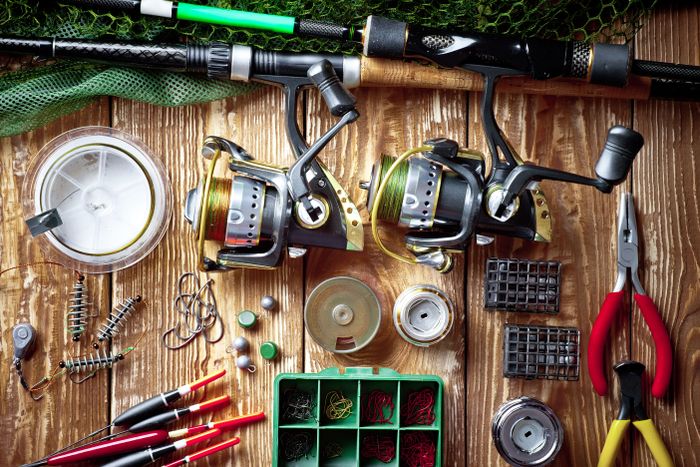
Surf fishing relies on gear that can handle long casts, shifting tides, and the abrasive nature of saltwater environments. Choosing the right rod, reel, line, and terminal tackle helps anglers reach productive zones and present bait naturally in moving surf. Each piece of equipment plays a specific role in improving distance, sensitivity, and control.
Rods, Reels, and Line
Effective surf gear must balance casting distance, strength, and sensitivity. Long rods help reach deeper water, while durable reels handle constant salt exposure. Proper line choice supports abrasion resistance and natural bait action, ensuring setups perform reliably in changing surf conditions.
Long Rods: Longer rods provide the leverage needed for far casts beyond the break. They help keep the line above crashing waves, improving control and bite detection in active surf zones.
Saltwater Reels: Salt-resistant reels ensure smooth performance despite continuous exposure. Strong drags and large spool capacity help anglers fight bigger inshore species commonly encountered along beaches.
Braided Line: Braid offers strength, thin diameter, and excellent sensitivity. It cuts through current easily and pairs well with leaders to maintain stealth in clear water.
Monofilament Line: Mono provides stretch that cushions sudden strikes and reduces breakoffs. It performs well in choppy surf because it naturally absorbs shock from waves.
Fluorocarbon Leaders: Fluorocarbon stays nearly invisible underwater and resists abrasion from sand and rocks. It helps present bait convincingly when targeting cautious or line-shy fish in clear surf.
Terminal Tackle Basics
Terminal tackle determines how bait behaves in moving water and how effectively anglers reach the strike zone. Proper sinkers, hooks, and rigs keep presentations stable, lifelike, and positioned within the areas where surf-feeding species naturally travel.
Pyramid Sinkers: Their shape anchors well in shifting waves, holding bait in place even during strong currents. Ideal for open sandy beaches where movement can easily displace lighter weights.
Circle Hooks: Circle hooks reduce gut hooking and increase safe releases. Their self-setting design helps anglers land fish efficiently while maintaining a natural bait presentation.
High-Low Rigs: This rig displays two baits at different depths, increasing visibility and coverage. It works well when locating feeding fish in variable surf zones.
Fish-Finder Rigs: Sliding sinker design lets fish take bait with minimal resistance. Effective for larger species that prefer natural movement before committing to a strike.
Swivels and Clips: These prevent line twist and allow easy changes between rigs. Essential when frequently switching sinker sizes or adjusting presentations based on surf conditions.
Bait, Lures, and Presentation for Surf Fishing
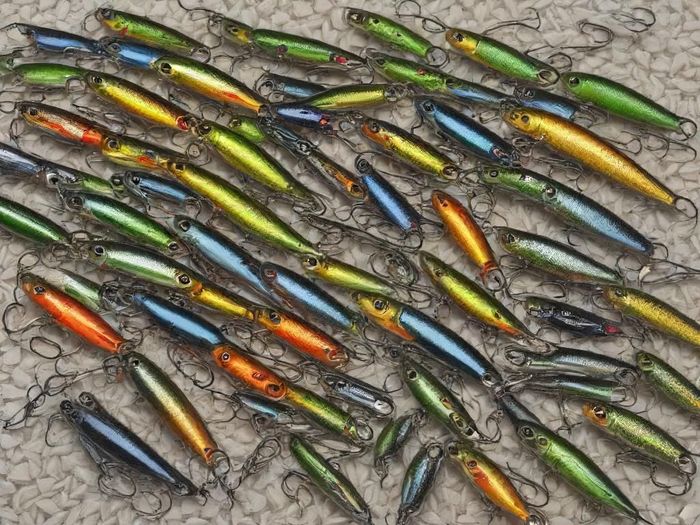
Surf-feeding fish rely heavily on scent, movement, and visibility when hunting along the shoreline. The right bait or lure must match what fish naturally eat in the surf zone. Presenting offerings in ways that resemble real prey increases strikes and attracts active predators.
Best Baits for Surf-Feeding Fish
Natural baits work exceptionally well because surf-feeding fish rely on scent and movement to locate prey in shifting water. These baits match what fish naturally hunt along beaches, helping anglers trigger more consistent strikes in troughs, rip channels, and sandbar edges.
Sand crabs: Primary shoreline forage eaten by surfperch, croakers, and striped bass. Their natural scent and soft shell trigger fast feeding reactions in shallow surf, especially during rising tides when waves wash crabs out of the sand.
Shrimp: Common coastal prey for most inshore predators. They release a strong scent trail that helps fish locate bait in cloudy or turbulent surf and work well along sandbar edges and calmer feeding pockets.
Marine worms: Bloodworms and lugworms imitate buried bottom prey consumed by bottom-feeding and cruising species. They release strong amino-acid scents that disperse through stirred sand, making them effective when the surf is murky, and fish rely more on smell than sight.
Cut bait: Pieces of mullet, anchovy, or sardine imitate injured prey drifting naturally with the current. Their oils spread through the water column, attracting larger predators like redfish and striped bass that track scent lanes in strong currents.
Small baitfish: Whole mullet or anchovies mimic active prey schooling near troughs and rip channels. Their natural movement stimulates the chase instinct of fast-swimming species and works best when fish are visibly feeding, or birds are working bait offshore.
Lures That Trigger Surf-Feeding Fish
Artificial lures help cover more water and imitate the behavior of fleeing or wounded prey. Surf-feeding fish often strike aggressively when motion or vibration signals vulnerability, making lures highly effective when fish actively hunt along wave breaks, deeper cuts, or bait-rich sandbar channels.
Spoons: Designed to target striped bass by producing flash and wobble that imitate panicked baitfish trying to escape predators. They are most effective for long casts into deeper troughs or channels where predatory fish travel and chase schools.
Soft plastics: Commonly used for striped seaperch, these lures produce a smooth swimming motion that imitates small fish or crustaceans moving steadily near the seabed. They perform best with slow retrieves along sand-bottom flats or shallow surf during calm to moderate conditions.
Bucktail jigs: Frequently used for striped bass, bucktails mimic small forage fish pushed by waves or current through their pulsing hair movement. They excel when fish hold along sandbar edges or drop-offs where depth control is important.
Metal jigs: Effective for species like black sea bass, metal jigs sink quickly and flash brightly, resembling wounded baitfish falling through current layers. They are best used when deeper-feeding fish remain below the breakers or concentrate near underwater structure.
Presentation Techniques That Attract Surf Fish
Surf-feeding fish respond strongly to prey that behaves naturally in moving water. The way bait or lures move through waves, settle in troughs, or drift in currents often determines whether fish commit to striking. Refined presentation increases realism and boosts catch rates.
1. Natural Drift
What it mimics: Prey carried effortlessly by surf movement, appearing natural and unforced as waves and currents move bait along feeding lanes, fish already patrol.
Fish reaction: Fish follow natural drift lines closely and strike as bait passes directly through their feeding path, especially when movement matches current speed and direction.
Best application: Most effective when waves sweep sideways across troughs or cuts, allowing bait to move naturally through channels formed by shifting sand and tide flow.
2. Slow Retrieve
What it mimics: Injured or cautious prey moving steadily through the water, appearing vulnerable but alive, which encourages predators to stalk before committing.
Fish reaction: Fish often trail the lure closely before striking during gradual movement, especially when speed remains consistent and does not trigger suspicion.
Best application: Best used in clear surf conditions where fish rely heavily on vision to track prey movement before deciding to strike.
3. Bottom Contact
What it mimics: Crabs or worms digging, crawling, or creeping along the sand, matching how natural bottom prey behaves in the surf zone.
Fish reaction: Bottom-feeding species detect vibration and scent near the substrate and respond aggressively when the bait stays within their feeding range.
Best application: Most effective when targeting species feeding tightly to sand, such as croakers or flounder, especially along trough edges and gentle slopes.
4. Pauses and Twitches
What it mimics: Weak or stunned baitfish fluttering irregularly, signaling injury and creating moments where prey appears easy to capture.
Fish reaction: Predators strike during these vulnerability cues, often attacking immediately after a pause when prey movement suddenly changes.
Best application: Works best when fish follow lures closely but hesitate to bite during steady retrieves without sudden movement changes.
Adjusting Weight
What it mimics: Prey holding position in current rather than drifting away unnaturally, maintaining a realistic presence within active feeding zones.
Fish reaction: Fish detect stable prey in predictable zones and strike confidently when the bait remains positioned instead of bouncing or washing out.
Best application: Critical when surf is strong and lighter weights wash out, ensuring bait stays in strike zones despite heavy current pressure.
Target Saltwater Species Commonly Found in the Surf Zone
Many saltwater species move into the surf zone to feed on crabs, worms, and small baitfish pushed by waves and tides. Understanding their behavior, preferred habitat, and feeding patterns helps anglers position baits more effectively and identify the most productive areas along the shoreline.
Species | Where They Are Found in the Surf | What They Feed On | Best Way to Catch Them |
|---|---|---|---|
Patrol deeper troughs, sandbar edges, and channels during tide movement | Baitfish, sand crabs, small crustaceans | Long-distance casting with spoons, bucktails, or natural drift presentations | |
Striped Seaperch | Stay close to sandy bottoms and gentle surf breaks | Small crustaceans, marine worms | Soft plastics or bait fished near bottom with light tackle |
Walleye Surfperch | Found in shallow troughs where waves stir sand | Sand crabs, clams, shrimp pieces | Natural baits presented in moving surf with steady bottom contact |
Black Seabass | Hold near rocky edges, jetties, or deeper cuts accessible from shore | Small fish, squid, crustaceans | Metal jigs or weighted baits worked near rocky structure |
Move along sandy beaches in groups, feeding in the wash zone | Sand crabs and small beach invertebrates | Light rigs with small baits cast into shallow rolling surf |
Common Mistakes to Avoid in Surf Fishing
Surf fishing conditions change constantly, and small mistakes can make the difference between reaching feeding fish or missing active zones entirely. Understanding common errors helps anglers adjust placement, weight, and timing so bait behaves naturally.
Ignoring Tides: Fishing without tracking tide movement often places bait in inactive water, while fish shift with rising or falling depths that guide their feeding patterns.
Casting Too Short: Many productive troughs and sandbar edges lie beyond the first wave break, causing short casts to miss areas where predatory fish cruise for prey.
Not Reading Wave Structure: Waves reveal underwater features like channels and cuts, and overlooking these signs prevents anglers from identifying natural pathways fish use for feeding.
Using Incorrect Weight: Too-light sinkers drift out of feeding lanes, while overly heavy weights restrict movement; both reduce natural presentation in shifting surf.
Staying in One Spot: Surf zones change quickly, and fish move with tides and bait, so remaining stationary limits chances of finding active, feeding schools.
Conclusion
Surf fishing becomes far more consistent when anglers understand how tides, wave patterns, and shoreline structure influence where fish feed. Matching the right gear, bait, and presentation to these changing conditions helps place offerings directly in the paths of actively feeding surf-zone species. With steady observation and thoughtful adjustments, any angler can turn dynamic beaches into reliable fishing opportunities. To explore more techniques, learn about surf-zone species, or connect with expert fishing guides who know local waters on Guidesly and take your surf fishing skills to the next level.
FAQs
1. What rod power is best for handling larger surf fish?
Medium-heavy power offers enough backbone to control strong fish while maintaining sensitivity for detecting subtle bites, especially when waves add extra resistance during fights.
2. Do artificial scents help when surf fishing?
Yes, scented gels or sprays enhance lures by adding a smell trail, helping fish locate offerings when water clarity decreases or surf conditions stir sediment.
3. Should I use a shock leader when casting heavy sinkers?
A shock leader prevents line breakage during forceful casts, especially with heavy weights. It also improves abrasion resistance near rough sand or rocks.
4. How far should I stand from the water while casting?
Standing slightly above the wash zone improves visibility, reduces wave interference, and helps maintain stable footing while still allowing long, controlled casts.
5. Are polarized sunglasses useful for surf fishing?
Yes, they reduce surface glare and help reveal troughs, sandbars, and fish movement beneath waves, providing better decisions about where to place casts.
6. What time of year offers the best surf fishing action?
Spring and fall typically bring migratory species close to shore, creating peak activity periods when bait abundance and comfortable temperatures align perfectly.
7. Can I surf fish effectively during windy conditions?
Yes, as long as wind direction supports casting and bait stability. Crosswinds help move bait naturally, while extreme onshore gusts complicate line control.
8. What’s the benefit of using circle hooks in the surf?
Circle hooks reduce deep hooking, improve landing rates on steady bites, and allow fish to self-hook as they move away with the bait.
9. Do brighter lure colors work better in rough surf?
Bright or contrasting colors stand out in turbulent water, helping predators detect movement faster when visibility drops due to choppy surf and stirred sand.
10. How often should I replace surf fishing line?
Salt exposure and abrasion weaken line over time. Replacing it every season maintains casting performance, prevents unexpected breakoffs, and ensures consistent overall reliability.