Why Do Mangrove Snapper Stop Biting After Chumming?
Learn why mangrove snapper ignore your bait and how to adjust chum, bait presentation, fishing depth, and positioning to improve your chances.
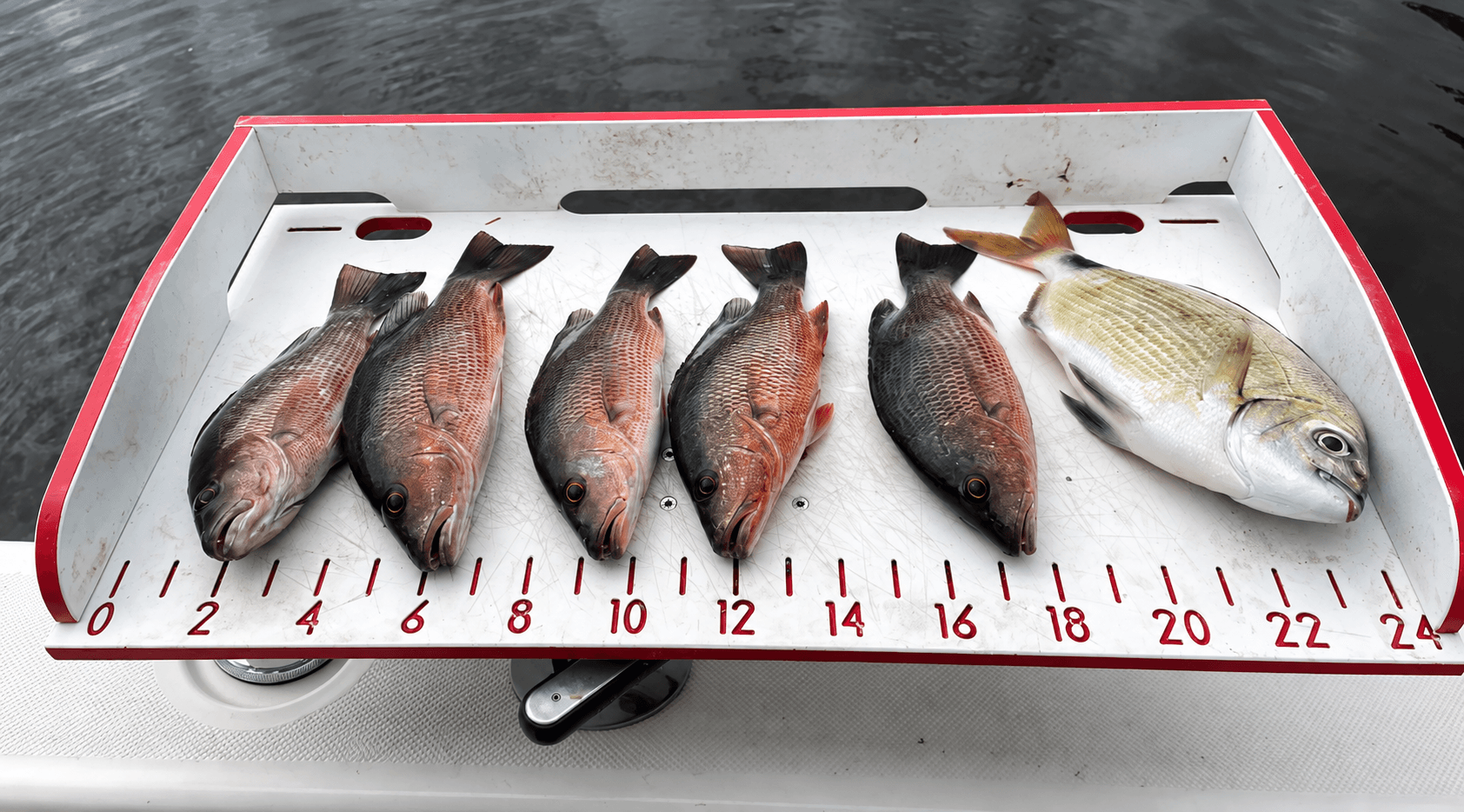


Ever had Mangrove Snapper (also known as the grey snapper) feeding around your chum slick, but refusing to take your bait? If you're dealing with mangrove snapper not biting, it can be confusing when the fish are right there, yet you aren't catching any.
Adding more chum might seem like the obvious solution, but that doesn't always help. Understanding how to chum for mangrove snapper is about more than throwing bait into the water. The fish could be eating loose bait instead of yours, feeding at a different depth, or following a current that carries your chum slick away from your fishing line.
So, why does mangrove snapper chumming sometimes stop producing bites? Let's look at what's causing the problem and what you can change to improve your bait presentation.
1. The Snapper Are Eating the Chum, Not Your Bait
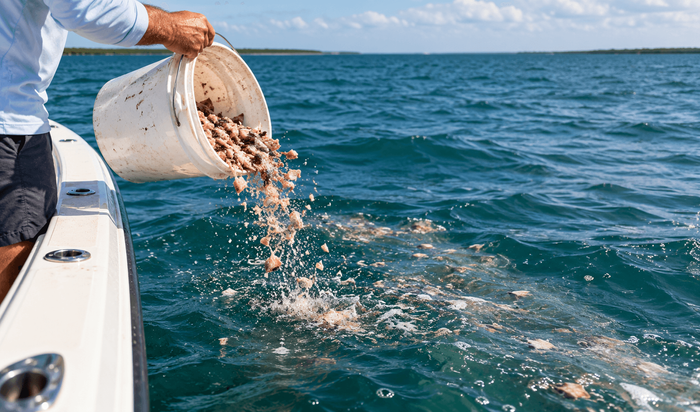
One possible reason for mangrove snapper not biting is that the fish have plenty of food to choose from.
When you throw chopped fish or shrimp into the water, snapper may grab those loose pieces before they reach your hook.
If your chum consists of small particles while your hook bait is a large chunk of fish, the difference might be enough to make your offering less appealing.
What to Do When You Notice Mangrove Snapper Not Biting?
Match your bait to the chum: If you're throwing small pieces of cut fish into the water, try a similarly sized piece on your hook. Mangrove Snapper can pick off small food particles easily, so a large chunk of bait may look out of place among the smaller pieces they're already eating.
Let your bait drift naturally: Allow your hook bait to travel with the current and follow the chum slick. This helps it blend in with the loose food instead of moving against the flow in a way that might make the fish wary.
Try a different bait: If cut fish isn't working, experiment with a small piece of fresh bait or a live shrimp. The snapper may be feeding selectively or responding better to a different food source. Changing the bait gives you a way to test whether the problem is what you're offering rather than where the fish are feeding.
The goal is to make your hook bait an easy, natural-looking option among the food already attracting the snapper.
2. Your Chum Slick is Drifting Away from Your Hook
A chum slick is the trail of food particles and scent that spreads through the water as the current carries chum away. It's an important part of mangrove fishing because it helps draw fish toward an area where you can present your bait.
But the chum and your hook bait might not be following the same path. The fish could be feeding farther downstream while your bait sits outside the feeding zone.
This can happen when the current changes direction or when your hook bait sinks to a different depth than the loose food.
What to Do When Your Chum Drifts Away from the Hook?
Watch which way the loose chum travels. If you're fishing from a boat, position your chum source upcurrent of the area where you want to fish, when conditions allow.
Then cast your bait so it follows the same flow. This gives the fish a better chance of encountering your hook bait while following the food trail. If the current changes, adjust your casting distance or bait position accordingly.
The important thing is to follow the food trail rather than assume the fish will gather directly beneath your boat.
3. You're Feeding Too Much Chum at Once
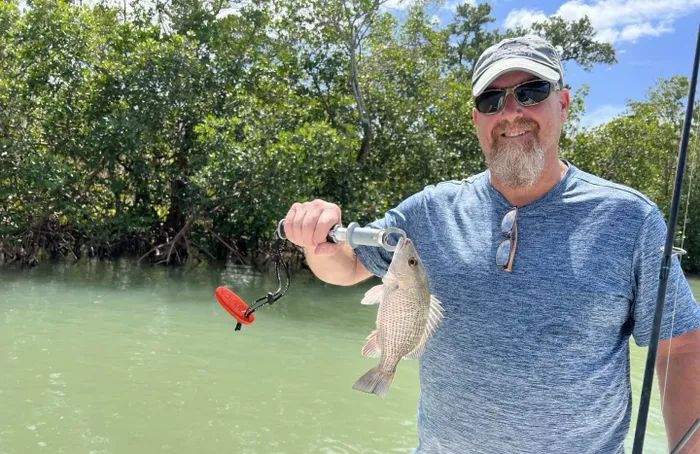
More chum doesn't necessarily mean more fish on the hook.
If you're constantly throwing large amounts of bait into the water, grey snappers may have plenty of loose food to eat without touching your offering. The aim should be to create a steady food trail, not give the fish so much free food that your hook bait becomes just another option among dozens of loose pieces.
How Much Chum Should You Use for Mangrove Snapper?
Start with small amounts of chum and let the current carry them through the fishing area. Add more gradually rather than dumping a large quantity into the water at once.
If the bites slow down, pause and observe before adding more. The fish might still be feeding, but your hook bait could be getting lost among the loose particles.
Smaller, consistent additions can help you maintain a food trail without overwhelming the area with free bait. The right amount depends on the current, water depth, and how actively the fish are feeding.
You Might Also Like: Hard-to-Catch Fish Species: Why Guides Matter More Than Ever
4. The Mangrove Snapper Have Moved Back Toward Structure
Mangrove Snapper often stay close to structures such as dock pilings, mangrove roots, reefs, and wrecks. These areas provide shelter and places to find food.
Chumming can draw fish away from their hiding places, but they don't have to stay in open water. If the food trail moves or the feeding activity changes, they may return to the structure.
If you're struggling to catch fish during mangrove fishing, consider whether the snapper have moved out of the area where you're presenting your bait.
Where Should You Fish When Mangrove Snapper Leave the Chum Slick?
Try moving your bait closer to the structure before abandoning the spot. Here's how:
Work the edges of pilings and shaded areas around the docks.
Experiment with different depths near reefs and wrecks.
Try the edges of submerged roots and nearby channels along mangrove shorelines
These locations provide cover and access to food, so presenting bait closer to them may put it back in the fish's path.
Keep enough control over your line to prevent hooked fish from reaching cover. If the snapper still aren't responding, try another nearby area where you can establish a new chum trail.
5. Your Bait Is at the Wrong Depth
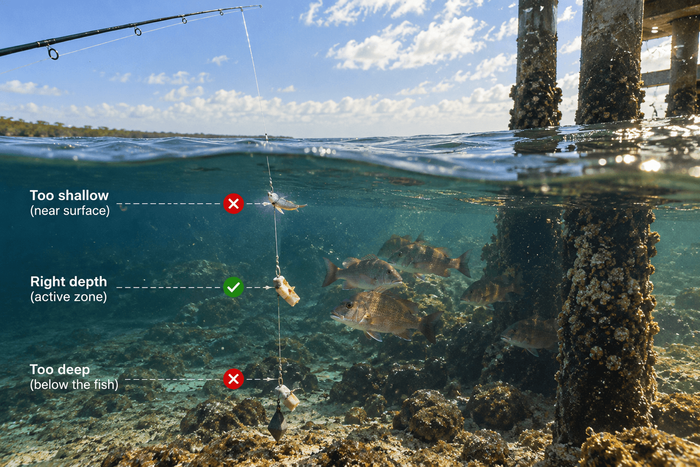
Mangrove Snapper don't always feed at the same depth throughout a fishing session.
They may move up to intercept food carried by the current or remain closer to the bottom around structure.
That means your chum may be attracting fish while your bait passes above or below them. For example, if loose baitfish pieces are drifting through the middle of the water column, a heavily weighted offering resting on the bottom may not be getting much attention. The opposite can happen when the snapper remain close to the seafloor.
What Depth Should You Fish for Mangrove Snapper?
Adjust your bait's depth before making major changes to your mangrove snapper fishing setup.
Start with a lightly weighted or free-lined bait if the current allows it to drift naturally. If that doesn't work, add enough weight to take the bait deeper into the feeding zone.
For deeper water, you may need a heavier setup to keep your bait where the fish are feeding. The goal here is to make your hook bait follow a similar path to the loose chum.
6. Why Do Mangrove Snapper Ignore Your Bait?
Mangrove Snapper can be cautious, particularly in clear water or around heavily fished structures. Even when they're feeding, they may ignore bait that looks unnatural.
Things like thick leader, an oversized hook, or bait that spins in the current can affect how naturally your offering moves. This is worth checking before changing your entire setup, especially if you can see fish following the chum but refusing to take your bait.
How Can You Make Your Bait More Appealing to Mangrove Snapper?
Use a suitable leader: Choose one strong enough for the fish and surrounding structure without making it unnecessarily heavy. A lighter leader may be less noticeable in clear water, although you still need enough strength to land the fish.
Choose the right hook size: A hook that suits your bait allows you to present it more naturally. An oversized hook can make a small bait look awkward.
Check your bait movement: If it spins or drags against the current, adjust the weight or how you attach it.
Give the bait time to drift: Repeatedly pulling it out of the feeding zone can prevent fish from approaching it naturally.
If you're deciding between cut bait and live bait for mangrove snapper, consider what the fish are already eating and how naturally each option moves in the current. Live bait can be useful when movement matters, but it isn't guaranteed to work better in every situation.
7. Does Tide Change Affect Mangrove Snapper Fishing?
A chum trail depends on moving water to carry food particles and scent through the area. When the current slows, strengthens, or changes direction, the feeding zone can shift.
A spot that produced steady bites earlier may become less productive as the tide changes. The fish could still be nearby, but the chum is likely no longer reaching them in the same way.
How should you adjust your fishing when the tide changes?
Watch how quickly the chum disperses and where it travels. If the current has shifted, adjust the position of your chum source or change where you present your bait.
During slack water, you may need to fish closer to the structure. When the current picks up, a little extra weight might help keep your bait in the target area.
There isn't one tide stage that guarantees a bite. Pay attention to how water movement affects the fish and your bait at that particular location.
So, What Should You Do When Mangrove Snapper Stop Biting?
When mangrove snapper stop taking your bait, changing everything at once makes it difficult to work out what's wrong. Start with what you can observe and make one adjustment at a time.
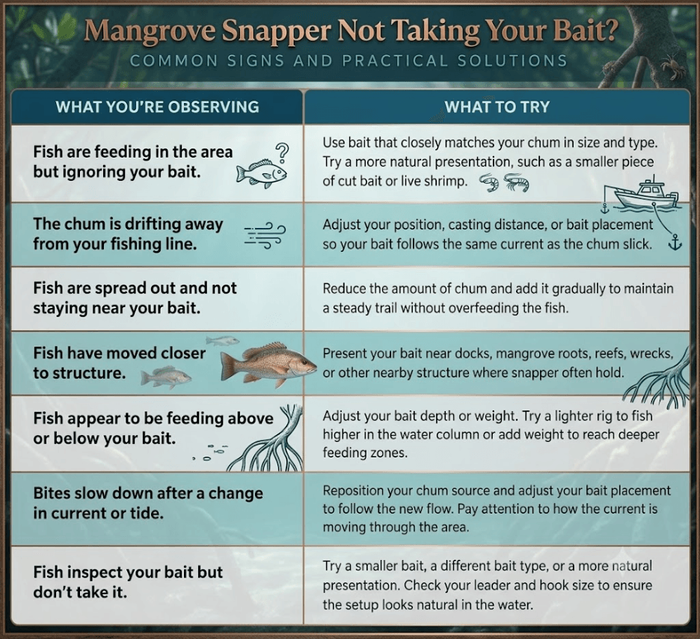
Give each adjustment a little time before moving to the next one. If the fish have disappeared from the feeding area and the bite doesn't return, look for another productive piece of structure rather than continuing to chum an unproductive spot.
How to Keep Mangrove Snapper Feeding After Chumming?
Successful chumming isn't about throwing the most food into the water. It's about creating a consistent trail that brings fish into an area where they can find your hook bait.
Keep these tips in mind on your next snapper fishing trip:
Start small: Introduce a little chum and add more gradually as needed.
Watch the current: Make sure your bait follows the same flow as the loose food.
Match the available food: Choose bait that resembles what the snapper are eating.
Experiment with depth: Fish may be feeding above or below your original presentation.
Pay attention to structure: If the fish move back toward cover, adjust your presentation or position.
Observe before adding more: If bites slow down, check what's happening in the water before throwing in another handful.
Also, check the fishing regulations for your location before chumming. Rules can differ by area and fishing method.
Catching Your Next Keeper-Size Mangrove Snapper
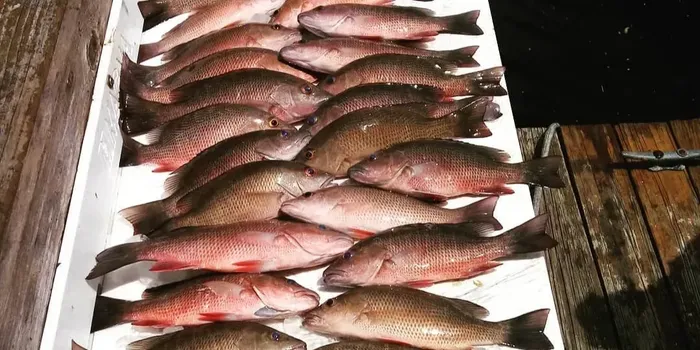
Mangrove Snapper can grow considerably larger than the smaller fish commonly caught around docks and inshore structures.
Their size varies by habitat, age, and local conditions, so don't assume every fish in a feeding school will be the same size. If you're trying to catch larger Mangrove Snapper, experiment with bait size, depth, and fishing around reefs, wrecks, or other substantial structures. These adjustments may improve your chances, but no single technique guarantees a particular fish size.
Before keeping your catch, check the applicable mangrove snapper size limit and bag limit for your fishing location. Regulations vary by jurisdiction, so consult the relevant fisheries authority before your trip.
Knowing where to fish can make all the difference when Mangrove Snapper stop biting. Find experienced local guides on Guidesly who know the area's structure, currents, and fishing conditions, and plan your next trip with more confidence.