How to Turn a Short Fishing Window into a Big Catch
Short on time? Learn how to catch more fish fast using smart prep, proven spots, and perfect timing. Ideal for anglers with limited fishing windows.
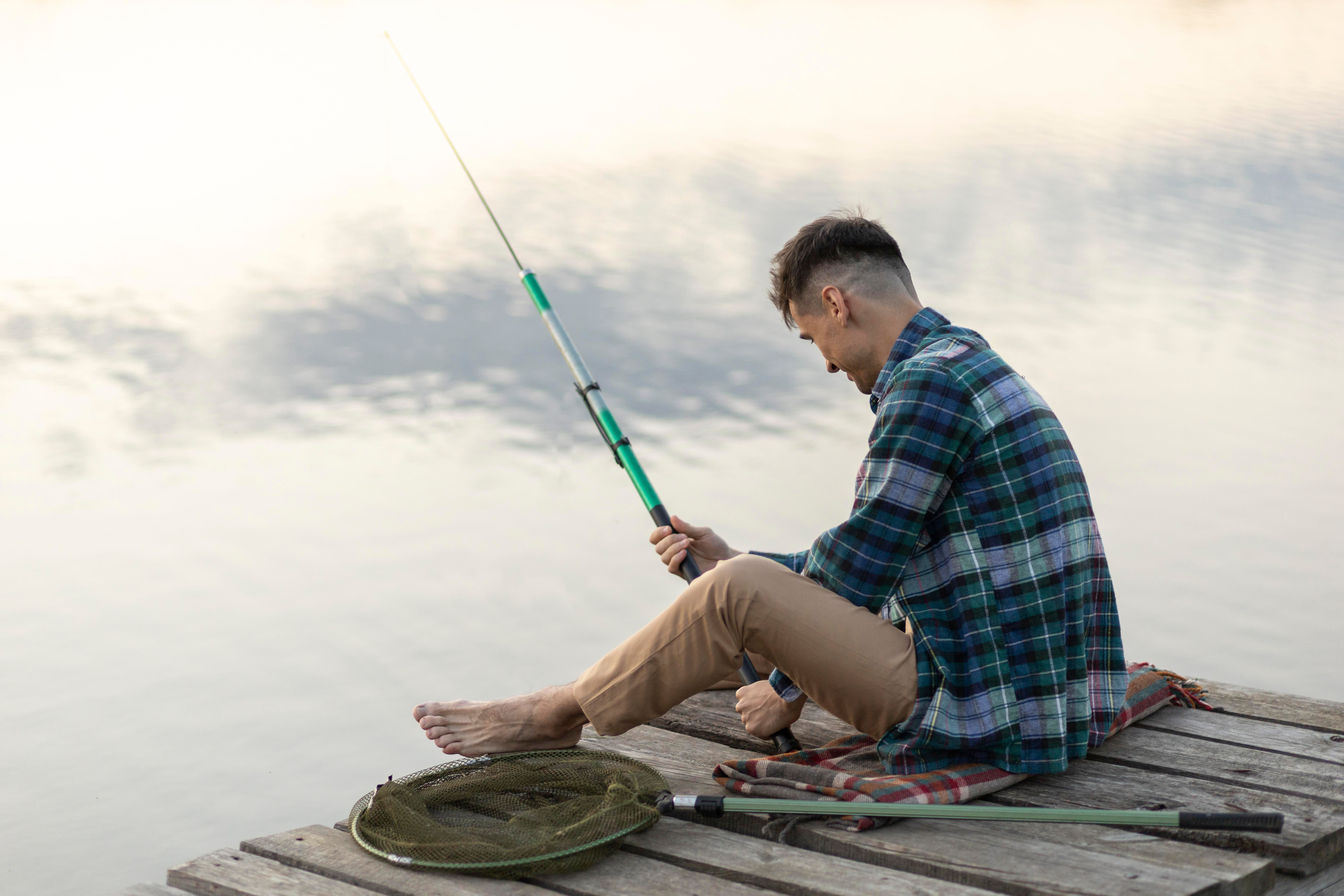


Fishing time keeps shrinking for many anglers. Work schedules, weather shifts, and travel plans often leave only a few precious hours on the water. That reality has changed how successful anglers think. Catching fish today is less about long days and more about smart choices made before the first cast. With the right prep, timing, and location, even a short session can deliver memorable results. Limited time fishing forces focus. Every decision matters, from gear selection to spot choice. Quick fishing success comes from cutting guesswork and fishing high-percentage water. This guide explains how to maximize a fishing trip when time is tight. You will learn how to prepare faster, locate fish quickly, and use techniques that trigger bites.
Understanding the Short Window Advantage
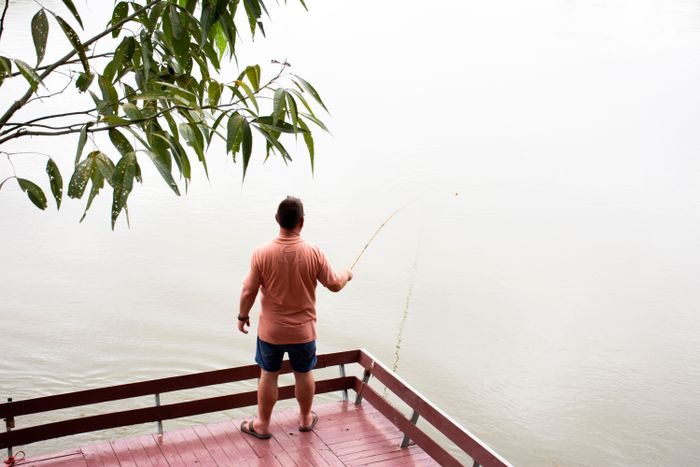
Fishing in a tight timeframe sharpens decision-making. When hours are limited, distractions disappear, and every move has purpose. A short fishing window forces anglers to rely on proven patterns instead of random experimentation. That pressure improves focus, speeds up adjustments, and reduces wasted casts. Many experienced anglers notice they fish cleaner and more confidently when time is tight. These limited-time fishing tips often lead to faster reads on water conditions and fish behavior.
Urgency also changes the mindset. Instead of waiting for bites, anglers hunt for them. This psychology explains why guides and tournament anglers thrive in short sessions. They plan ahead, trust their systems, and commit fully. That urgency rewards preparation and precision, turning brief outings into consistently productive trips.
Pre-Trip Preparation That Saves Hours on the Water
Time pressure rewards anglers who prepare before leaving home. Strong fishing trip preparation removes hesitation once you arrive and keeps momentum high. Instead of reacting to the water, decisions are already made. That urgency mindset helps anglers start fishing immediately, adjust faster, and avoid wasting prime minutes during short bite windows.
Travel Light and Pre-Rig Everything
Preparing ahead removes friction once you arrive and keeps every minute productive during short sessions.
Key advantages:
Faster setup and first cast
Fewer gear decisions on the water
Easier movement between spots
Reduced time wasted retying
Effective actions:
Carry only essential rods and tackle
Pre-rig rods for shallow, mid, and deep water
Use versatile rigs that work across conditions
Avoid overpacking specialty gear
Choose Confidence Lures That Trigger Fast Bites
Trusted lures deliver results faster when there is no time for trial and error.
Why confidence matters:
Better lure control and presentation
Faster pattern recognition
Higher hook-up ratios
Less hesitation between casts
Proven lure choices:
Compact soft plastics
Small spinnerbaits
Simple crankbaits
Multi-species reaction baits
Using Technology to Eliminate Guesswork
Modern anglers rely on data, not luck, to save time. Smart fishing apps help anglers plan before leaving home and avoid wasting casts on unproductive water. Instead of exploring blindly, technology helps find fishing spots fast by narrowing focus to proven locations that match current conditions.
Find High-Probability Water Before You Leave Home
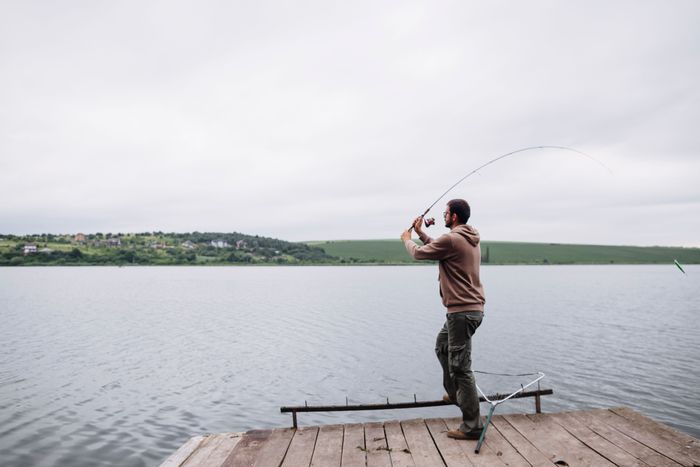
Planning ahead changes how short trips perform. Modern anglers pre-select locations using past success patterns, seasonal movements, and environmental data instead of searching on arrival. These are the key factors smart anglers review before heading out:
Historical Bite Data: Past catch records highlight productive zones during similar conditions, reducing guesswork and speeding up spot selection significantly.
Seasonal Fish Movement: Understanding migration and feeding cycles helps target areas fish naturally use during specific times of year.
Tide and Current Patterns: Water movement concentrates bait and fish, making tide timing critical for quick success in short windows.
Weather and Water Trends: Temperature shifts, wind direction, and clarity changes reveal where fish are most likely holding.
Community Reports and Local Knowledge
Shared information accelerates learning faster than solo trial and error. Community-driven platforms give anglers access to recent activity, local trends, and proven tactics. This collective knowledge replaces slow discovery with immediate direction and confidence. Here are the key benefits of using community intel and guided platforms:
Real-Time Fishing Reports: Provide up-to-date insight on active species, productive depths, and effective techniques, helping anglers avoid unproductive water during short fishing windows.
Local Pattern Recognition: Reveals location-specific behaviors shaped by pressure, structure, and seasonal changes that outsiders often miss when fishing unfamiliar waters.
Guide-Tested Strategies: Platforms featuring guide input eliminate guesswork by applying techniques refined through years of on-the-water experience and daily success patterns.
Reduced Trial-and-Error Time: Shared intel allows anglers to fish with purpose immediately, maximizing efficiency and increasing catch potential when time on the water is limited.
Locating Active Fish Fast
Finding fish quickly matters more than covering water endlessly. Knowing where to find fish fast comes from understanding how fish use structure and position themselves to feed. Smart fishing structure tips help anglers eliminate empty water and focus only on areas holding active fish.
Focus on Edge Habitats
Fish naturally gravitate toward transition zones because these areas concentrate food and provide quick access to safety. Edges create ambush points where predators can feed with minimal effort. Instead of fishing uniform water, targeting change increases bite potential fast. Productive edges include sand meeting gravel, defined weed lines, sharp drop-offs, and grass edges where depth or cover shifts suddenly.
Current, Cover, and Shade
Fish consistently position themselves where effort is low and feeding opportunity is high. Areas with current breaks, physical cover, and shade allow fish to conserve energy while staying close to moving bait.
Core locations:
River eddies and seam lines
Current breaks behind the structure
Submerged trees and brush
Docks, rocks, and shaded banks
Effective actions:
Fish downstream edges of current seams
Cast repeatedly to eddies holding bait
Target shade during bright or hot conditions
Work slowly before moving on
The One Percent Rule
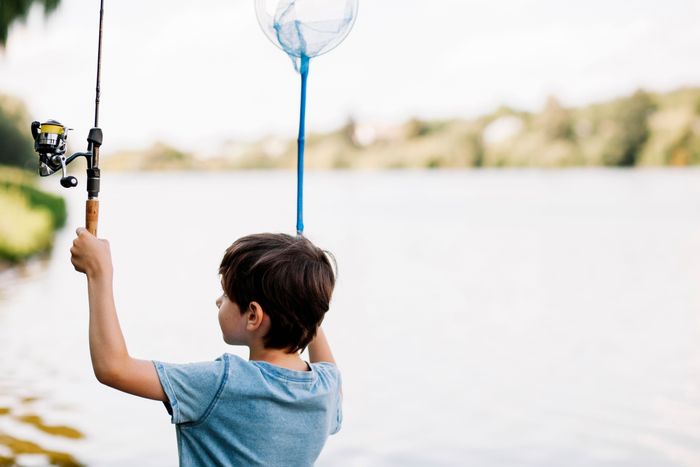
Most fish hold in a very small portion of the available water, often where food, cover, and depth changes intersect. Finding that productive zone matters more than covering large areas. A single bite usually signals you have located that high percentage spot, not a random fish.
Once a bite happens, slow down immediately. Fish the area thoroughly from multiple angles and depths. Assume more fish are nearby and let the spot fully play out before moving on.
High-Efficiency Fishing Techniques That Produce Quickly
Short sessions demand methods that create bites fast instead of slow experimentation. High-efficiency techniques focus on speed, precision, and adaptability to changing fish behavior. These approaches help anglers cover water smartly, adjust presentations quickly, and capitalize on active fish. Here are the key techniques that consistently produce results fast:
Power Fishing: Covers water fast using spinnerbaits or crankbaits to trigger reaction strikes when fish are active and spread out across large areas quickly today.
Finesse Fishing: Slows presentations with smaller baits to keep lures in strike zones longer during cold water, heavy pressure, or cautious feeding periods consistently.
Covering Depths: Tests the top, mid, and bottom water columns systematically to locate active fish quickly without wasting time on unproductive depth ranges during short sessions.
Adding Scent: Uses attractants to mask human odor and encourage fish to hold baits longer, increasing hook-up ratios during tough or slow conditions on the water.
Strategic Timing That Multiplies Results
Timing often matters more than lure choice or location. Knowing the best time to fish helps anglers align effort with peak activity instead of guessing. Smart fishing time windows allow short trips to hit feeding periods when fish are most willing to bite.
Daily Feeding Windows That Matter Most
Fish respond strongly to light changes and water temperature shifts throughout the day. Understanding these windows helps anglers plan trips around activity instead of inactivity.
Early morning bites peak as light increases and fish feed aggressively before pressure builds
Evening windows improve as light fades and predators move shallow to hunt
Midday can outperform mornings during colder seasons when the water warms slightly
Weather as a Shortcut to Success
Weather changes can instantly improve fishing when used correctly. Sunlight warms shallow water quickly, pulling fish closer to shore even in cool conditions. Wind stirs bait and oxygenates water, creating feeding lanes. Cloud cover extends low-light conditions, while pressure changes often trigger short feeding bursts anglers can capitalize on them fast.
Seasonal Positioning Awareness
Fish location shifts with seasons, making timing and depth selection critical for success.
Spring and fall push fish shallow as feeding activity increases
Summer requires targeting deeper or shaded areas during the heat
Winter often concentrates fish deeper, except during warm midday periods
Why Short Windows Are When Guides Matter Most
Limited fishing time magnifies every decision. Guides remove uncertainty by arriving with a clear plan, proven locations, and timing dialed in before the first cast. That preparation turns short sessions into productive ones. Instead of experimenting, anglers start fishing immediately, focusing only on water holding active fish. Fewer guesses mean more quality casts and faster results when minutes matter.
Guides also compress years of local experience into a few focused hours. They read conditions quickly, adjust fishing techniques on the fly, and recognize when a bite window is opening or closing. That efficiency is why short trips guided by experts often outperform longer unguided outings, especially during peak but limited fishing windows.
Quick-Reference Checklist for Short-Window Success
Fishing with limited time works best when decisions are simplified and repeatable. A clear routine removes hesitation, keeps momentum high, and helps anglers stay focused on high-percentage actions. This approach turns short trips into efficient, results-driven sessions. Here are the key steps every short-window plan should follow:
Pre-Rig Rods: Prepare rods at home for different depths and techniques so fishing starts immediately, eliminating wasted setup time during prime bite windows.
Confidence Spots: Select two or three proven locations before arrival, reducing exploration time and allowing full focus on water known to hold active fish.
Fish Edges First: Target transition zones like drop-offs, weed lines, and grass edges where fish naturally feed, increasing bite chances quickly.
Adjust Depth Fast: Change lure depth immediately after missed bites or inactivity to locate feeding fish without leaving productive areas too soon.
Move When the Bite Dies: Leave once activity slows and relocate quickly, maintaining efficiency and avoiding unproductive water during short fishing sessions.
Conclusion
Catching more fish with limited time comes down to smart choices, not longer trips. Short windows reward anglers who plan ahead, adapt quickly, and act with confidence once the bite starts. Preparation removes hesitation. Timing puts you on the water when fish are active. Local knowledge eliminates wasted effort. Together, these elements create consistent results even during brief outings. Fishing smarter means focusing on high-percentage water, proven techniques, and efficient movement. It is about making every cast count. When time is tight, expert guidance makes the difference. Book your next trip through Guidesly to connect with trusted local guides who turn short fishing windows into productive, memorable catches.
FAQs
How can beginners fish successfully with very limited time?
Beginners succeed by keeping setups simple, fishing familiar water, avoiding constant lure changes, and focusing on learning one technique well per trip.Is it better to fish alone or with others during short trips?
Fishing alone can be more efficient for short trips because decisions are faster, movement is quicker, and there is no need to coordinate gear or spots.Does fishing pressure affect short-window success?
High fishing pressure can reduce bite frequency, but short trips still work by focusing on subtle presentations, quiet approaches, and overlooked structure nearby.How important is lure color when fishing briefly?
Lure color matters less than presentation and location during short trips, as fish react more to movement, depth, and timing than perfect color matching.Can bank fishing be effective with limited time?
Bank fishing works well in short windows when anglers target access points near structure, depth changes, or current instead of walking long stretches aimlessly.Should anglers avoid new water when time is tight?
New water increases risk during short trips because unknown patterns take time to develop, while familiar areas allow quicker adjustments and better bite prediction.How does water clarity affect short fishing sessions?
Clear water often requires quieter presentations and longer casts, while stained water allows faster retrieves and closer approaches during limited fishing windows.Are artificial lures better than live bait for short trips?
Artificial lures often perform better in short trips because they save rigging time, allow faster coverage, and avoid the hassle of maintaining live bait.Does moon phase matter for limited fishing windows?
Moon phases influence feeding behavior, but short trips benefit more from daily conditions like light changes, weather shifts, and water movement than lunar cycles.How can anglers track improvement with short fishing trips?
Anglers track improvement by noting bite timing, location patterns, and successful techniques after each trip, building personal data that speeds future decisions.