4-Hour Private Night Fishing – Southern Utah Trout
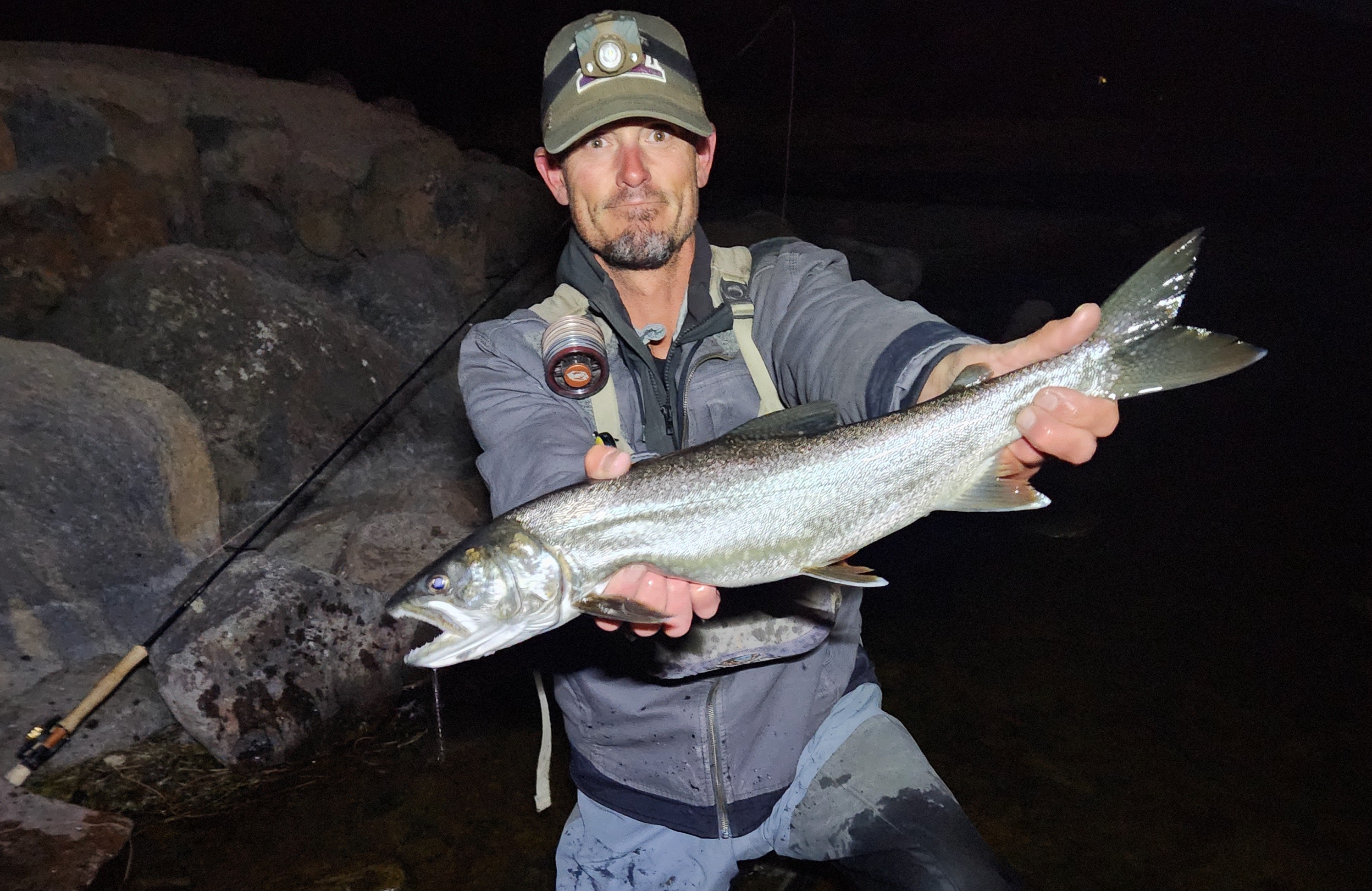
There's something magical about fishing when the sun goes down and the water comes alive. Our 4-hour private night fishing trip takes you into Southern Utah's prime trout waters, including the renowned Panguitch Lake, where the action really kicks off after dark. This isn't your typical daytime outing – we're talking about targeting trout during their most aggressive feeding periods when they move into the shallows and lose their daytime caution. You'll fish alongside expert Utah guides who know these waters like the back of their hand and can adapt the experience whether you're a first-timer or a seasoned angler looking to dial in your night game.
What to Expect on the Water
Night fishing is a completely different ball game, and that's exactly why anglers keep coming back for more. As the temperatures drop and darkness sets in, trout behavior shifts dramatically – they become bolder, more active, and venture into areas where they'd never show their faces during daylight hours. We'll hit some of the top-rated spots around Southern Utah, with Panguitch Lake being a customer favorite for its consistent action and quality fish. The trip starts between 7:00 PM in June and 9:00 PM in August, depending on the month, so we're always timing it right when the bite turns on. You'll want to arrive an hour early while there's still light to get rigged up and go over the game plan – trust me, trying to tie knots and sort tackle in the dark is no fun, even with headlamps.
Techniques & Night Tactics
Night fishing requires a totally different approach than your standard daytime techniques. We'll focus on slow presentations and subtle movements that mimic the natural forage trout are hunting after dark. Think soft hackles, streamers, and patterns that push water and create vibration rather than flashy attractor flies. The guides will have you dialed in on the right retrieves – often slower and more methodical than what works during the day. We'll be working structure, drop-offs, and shallow feeding areas where trout cruise looking for easy meals. Sound discipline becomes crucial since fish can hear everything in the quiet night air, so we'll cover the basics of moving quietly and making strategic casts. The gear stays simple but effective – we're not overcomplicating things when visibility is limited.
Target Species Breakdown
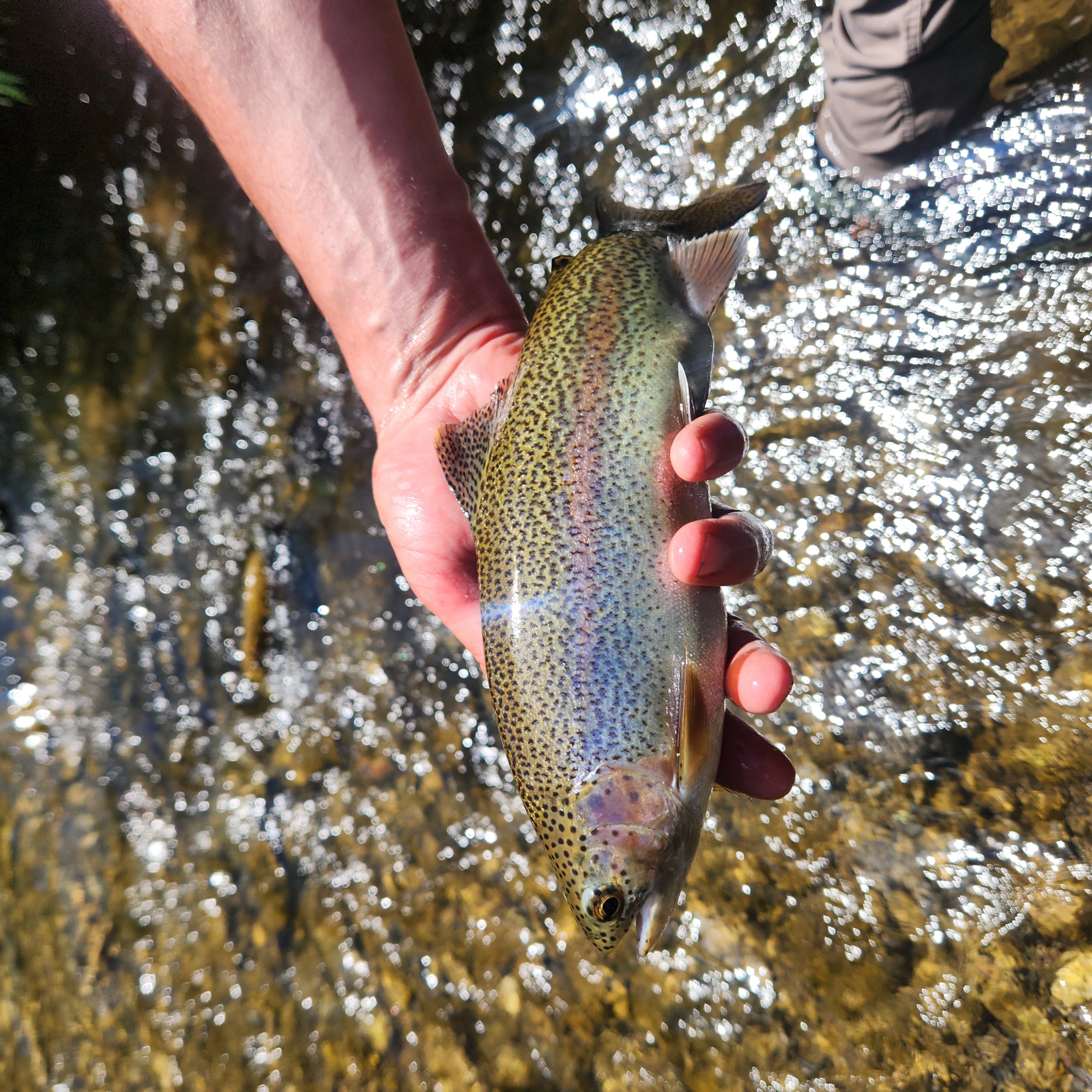
Rainbow Trout are absolute night warriors in these Southern Utah waters. They lose their daytime skittishness and become aggressive feeders, often moving into surprisingly shallow water to hunt. You'll find them averaging 14-18 inches, with some real bruisers pushing over 20. The best action typically happens in the first two hours after sunset when they're actively cruising and feeding. What makes rainbows so exciting at night is their willingness to chase down streamers and their explosive takes – you'll know when one grabs your fly.
Brown Trout are the ultimate night predators, and this is when the big ones come out to play. These fish become completely different animals after dark, abandoning their daytime hideouts to patrol open water and hunt aggressively. Southern Utah browns can reach impressive sizes, with fish over 24 inches being a real possibility on these trips. They're most active during the darkest hours and have a preference for larger meals, making them perfect targets for streamer fishing. Landing a hefty brown under the stars is what night fishing dreams are made of.
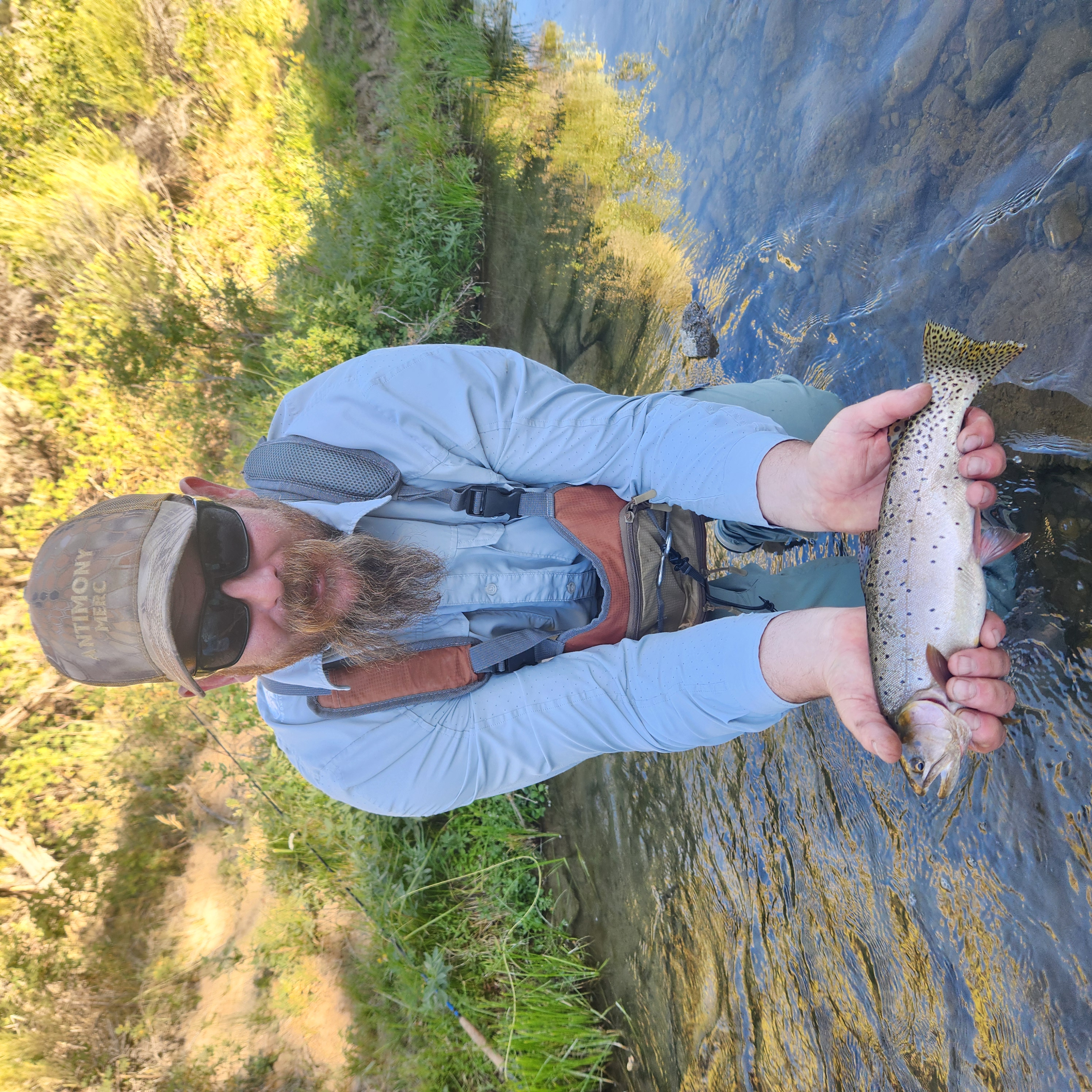
Cutthroat Trout bring their own unique energy to night fishing sessions. These native beauties are incredibly opportunistic feeders once the sun disappears, and they're known for their acrobatic fights that become even more dramatic in the darkness. Cuts typically run 12-16 inches in these waters, with their distinctive red slashes making them easy to identify even by headlamp. They're particularly active in the shoulder seasons and love to feed in the film, making them perfect targets for subsurface patterns worked just below the surface.
Brook Trout, while smaller than their cousins, are absolute gems to catch at night. These colorful chars become fearless after dark and will attack flies with surprising aggression for their size. Most brookies here run 8-14 inches, but what they lack in size they make up for in beauty and fighting spirit. They're particularly active in cooler water and tend to feed in schools, so when you find one, there are usually more nearby. Their willingness to hit dry flies even in low light makes them a blast to target during the evening hours.
Time to Book Your Spot
This world-class night fishing experience accommodates up to 2 anglers for $510, with the option to add more people at $90 each (up to 6 total). For larger groups, give us a call directly at 435-691-3233 and we'll work something out. The key to a successful trip is connecting with your guide after booking to nail down the exact start time and confirm conditions – these details matter when you're planning around sunset and optimal feeding windows. Southern Utah's night fishing scene is trending up as more anglers discover what they've been missing after dark, so don't wait to secure your dates. Whether you're looking to experience something completely new or add another dimension to your fly fishing skills, this trip delivers the goods. Book now and get ready to see why the best trout fishing often happens when most people are heading home.
 Private Trip
 River Fishing
 Utah
Utah


 Four-hour night fishing targeting active Southern Utah trout