Galveston Fishing | 25' Jetty/Channel Adventures
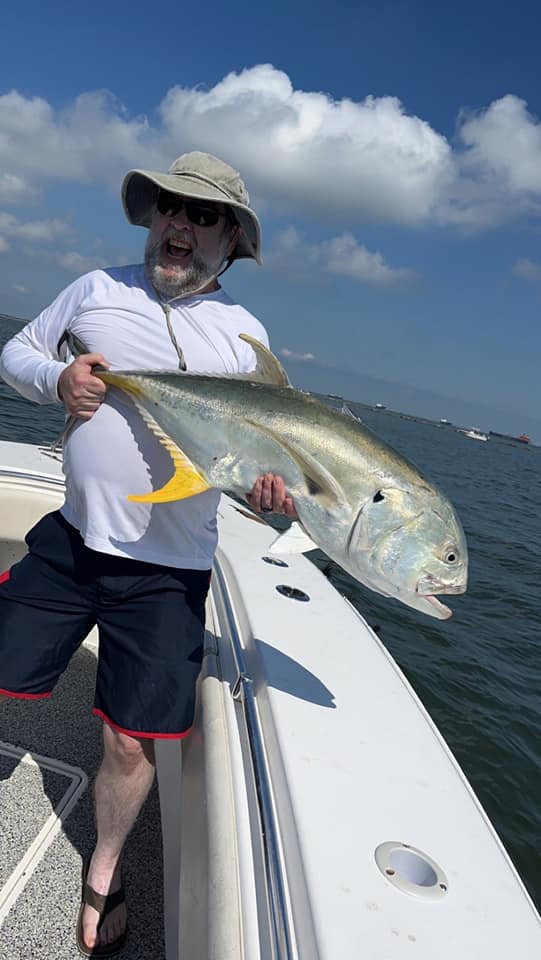
Looking for a solid introduction to Galveston's inshore fishing scene? This jetty and channel adventure aboard a well-equipped 25-footer is exactly what you need. Your captain knows these waters like the back of their hand and will put you on fish in the most productive spots around the island. Whether you're a first-timer or just want to get back to basics, this trip delivers consistent action without the long boat ride to blue water. The jetty-channel complex and nearby bay areas hold some of the Gulf Coast's most reliable fishing, and you'll be targeting everything from the famous Texas Slam species to tasty table fare that'll make your friends jealous.
What to Expect on the Water
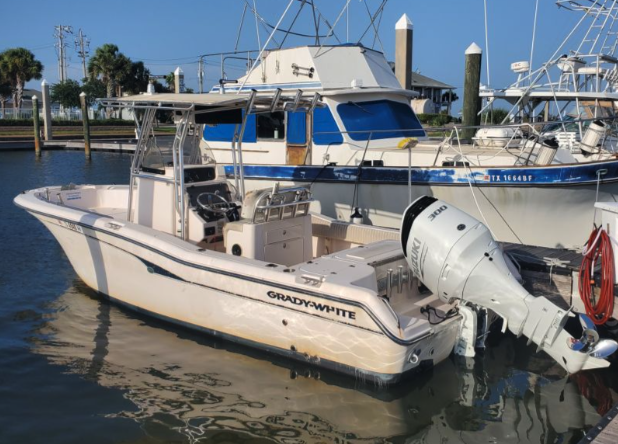
Your day starts with a quick briefing on the dock before heading out on a nimble 25-foot boat that's perfect for navigating Galveston's varied inshore structure. The captain will read the conditions and make the call on whether to work the jetty rocks, drift the channels, or slide into the back bay areas where the grass flats hold feeding fish. You'll spend your time casting to visible structure, working live bait around the rocks, or making precise presentations to shallow water redfish. The boat's size means you'll get into spots the bigger charter boats can't reach, giving you access to less pressured fish. With a maximum of three anglers, everyone gets plenty of rod time and personal attention from the captain. The intimate group size also means more flexibility in the day's plan – if the trout bite is hot in the bay, you can spend extra time there, or if the jetty is producing quality drum, that's where you'll focus your efforts.
Techniques and Tackle
All your fishing gear comes included, so you don't need to worry about rigging up or buying tackle. The captain will have rods spooled with appropriate line weights for the target species, ranging from lighter spinning setups for trout to heavier gear for the bigger drum and redfish around the rocks. Live bait is the name of the game here – expect to fish with live shrimp, finger mullet, and croaker depending on what's available and what the fish are eating. You'll learn to read the structure, from the granite blocks of the jetties to the drop-offs in the channels where baitfish congregate. The captain will show you how to present baits in the current, how to detect subtle bites from finicky trout, and when to set the hook on a big red that's just mouthing your shrimp. Artificial lures also play a role, especially soft plastics worked slowly along the bottom or topwater plugs when fish are feeding aggressively on the surface. Keep in mind there's a $30 fuel surcharge per motor, which covers the cost of getting to these prime fishing areas.
Species You'll Want to Hook
Spanish Mackerel are speed demons that'll test your drag and put a serious bend in your rod. These silvery rockets typically show up from late spring through early fall, often feeding in schools around the jetty tips and channel edges. They're suckers for fast-moving lures and small live baits, and when you find a school, the action can be non-stop. What makes them special is their aggressive strikes and blistering runs – they'll strip line off your reel before you know what hit. Plus, they're excellent table fare when prepared fresh, with firm white meat that's perfect for the grill.
Black Drum are the bulldogs of Galveston's inshore waters, and landing a big one is like arm-wrestling with a truck tire. These copper-colored bruisers love to hang around structure, especially the jetty rocks and channel markers. They're most active during cooler months and can be found year-round, though spring and fall produce the biggest fish. What gets anglers fired up about black drum is their pure pulling power – they don't jump, but they'll drag you around the boat with steady, determined runs. The bigger fish, called "bull drum," can exceed 40 pounds and provide a workout you won't forget.
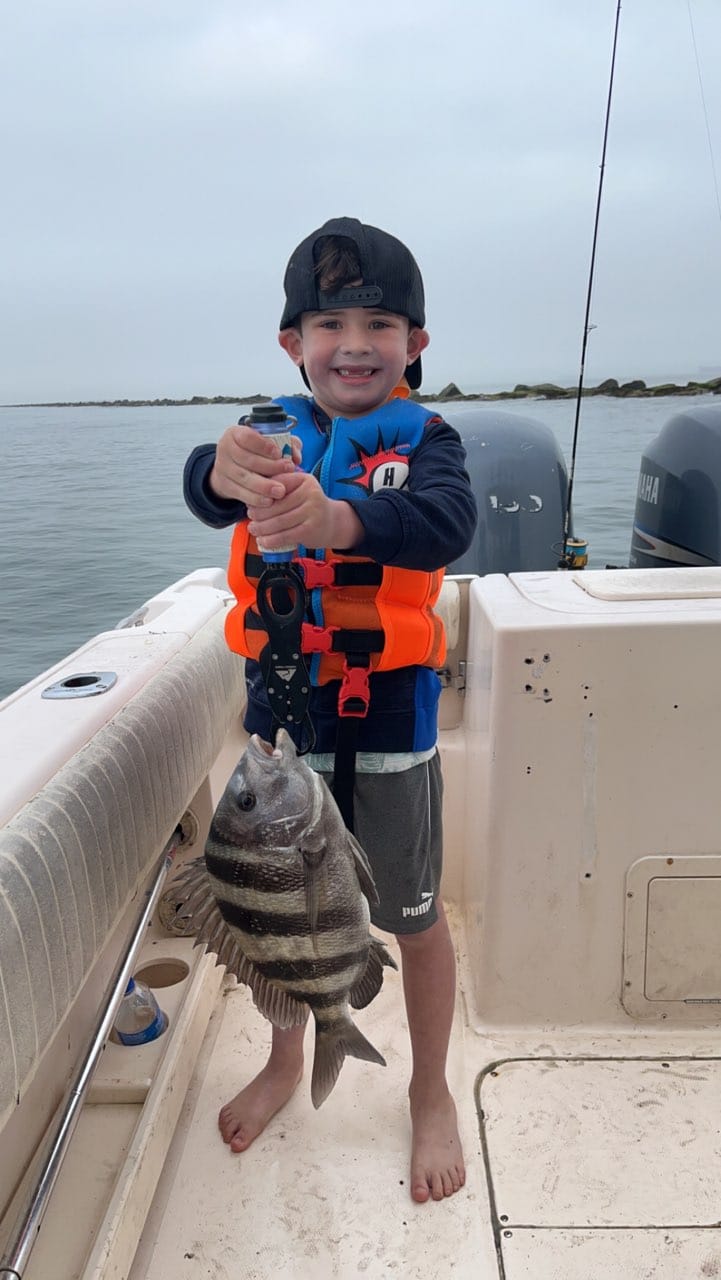
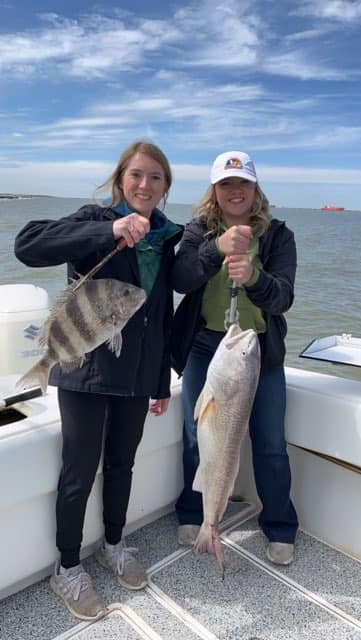
Sheepshead are the master thieves of the fishing world, famous for stealing bait with surgical precision. These black-and-white striped convicts live around the jetty rocks and pilings, using their human-like teeth to crush barnacles and crabs. They're most active in cooler water, making fall through early spring prime time. What makes sheepshead fishing addictive is the chess match – you need perfect bait presentation and lightning-fast reflexes to hook these bait stealers. When you do connect, they're surprisingly strong fighters, and their firm, flaky meat rivals any offshore fish for eating quality.
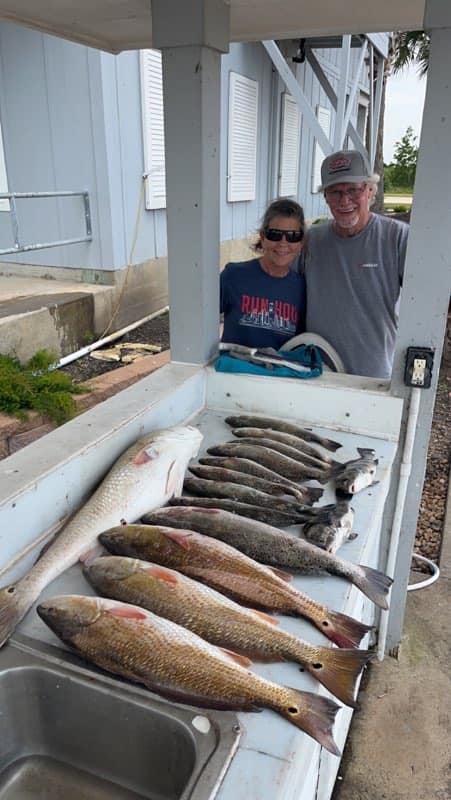
Sea Trout, specifically spotted seatrout, are the bread and butter of Galveston bay fishing and a key component of the Texas Slam. These greenish-silver beauties with distinctive black spots love grass flats, channel edges, and areas with good current flow. Spring and fall offer peak action, though you can catch them year-round. Trout are exciting because they're aggressive feeders that'll hit both live bait and artificials with authority. The bigger "gator trout" over five pounds are trophy fish that many anglers spend years trying to catch, and their distinctive croaking sound when you pull them from the water never gets old.
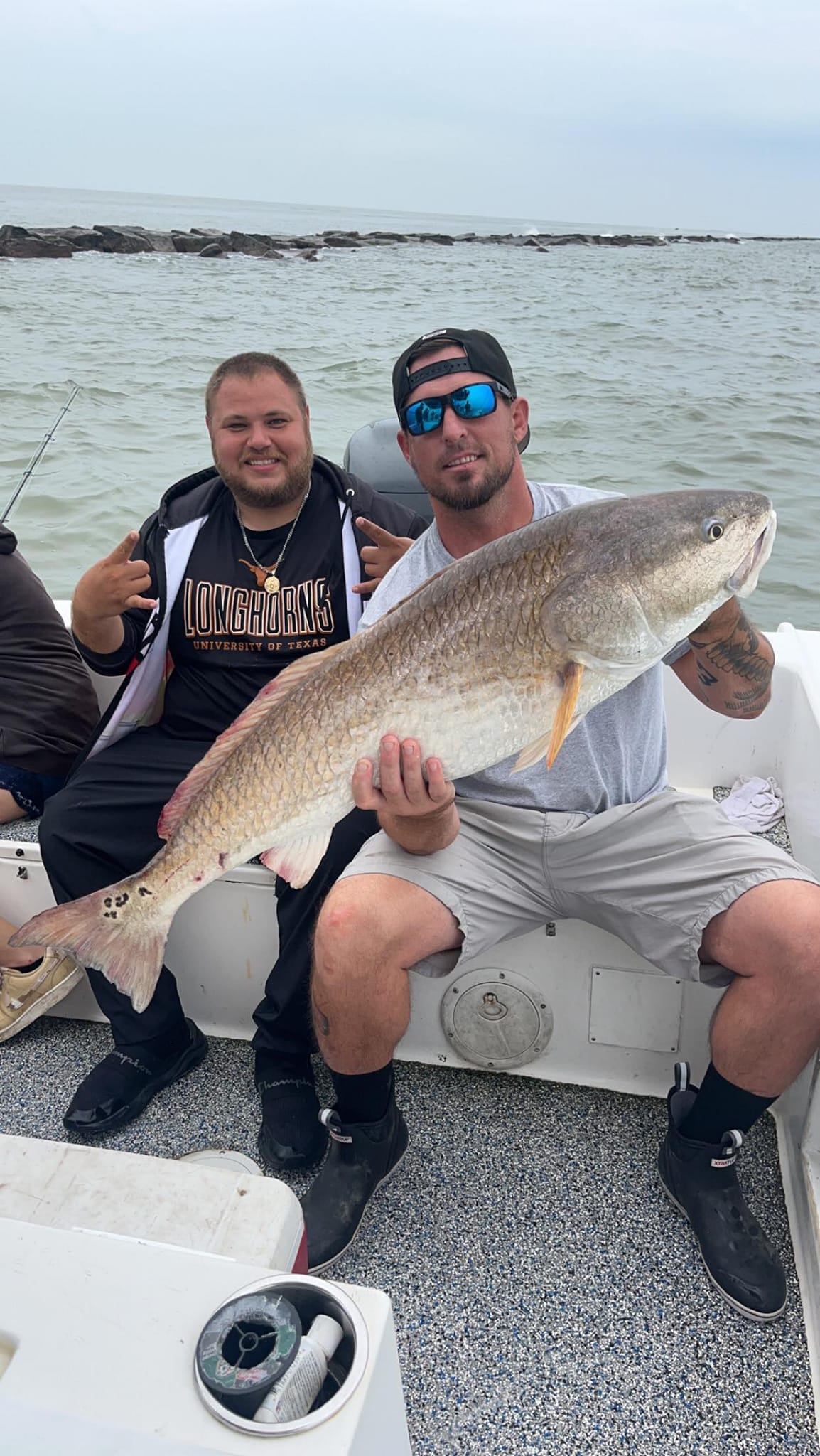
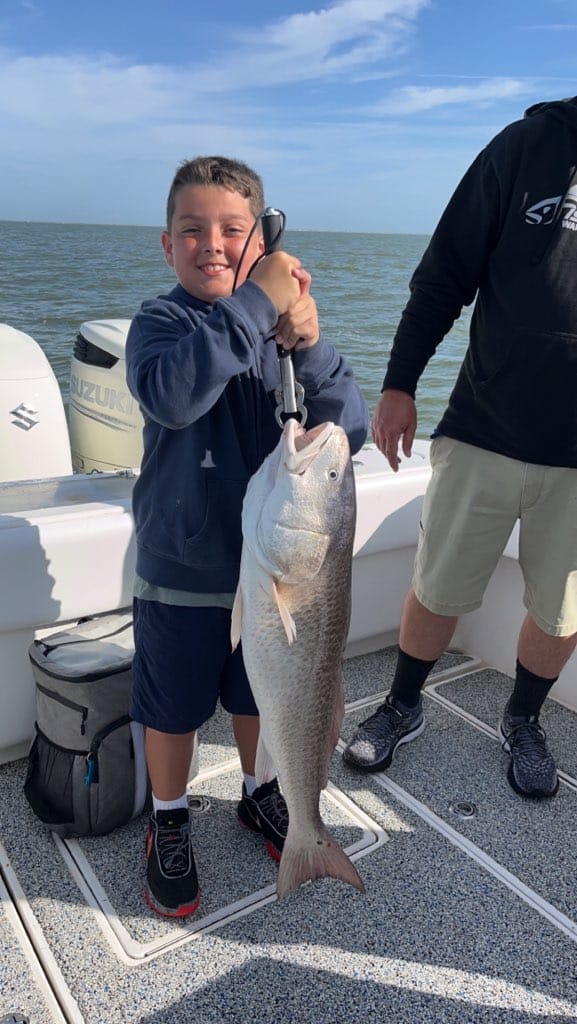
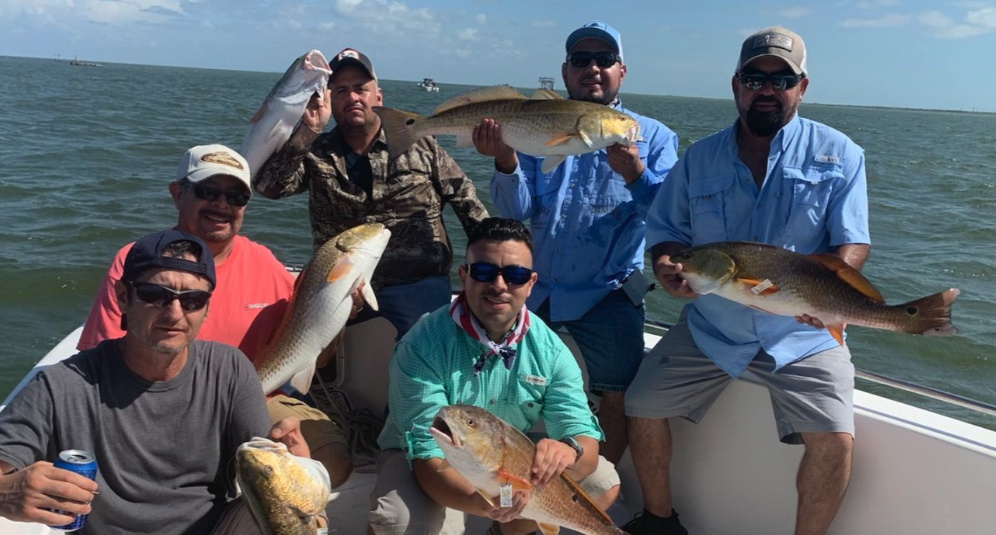
Redfish are the crown jewel of Texas inshore fishing and the most sought-after species in the Texas Slam. These bronze-backed fighters with distinctive black spots near their tails are built like linebackers and fight accordingly. Galveston's reds are available year-round, with fall producing the biggest fish as they stage for their offshore spawning runs. What makes redfish special is their combination of size, strength, and attitude – they'll make powerful runs, dig for the bottom, and generally do everything possible to break you off. Slot-sized fish between 20 and 28 inches are perfect for the dinner table, while the oversized "bull reds" provide pure sport before being released to spawn.
 Private Trip
 Inshore Fishing
 Galveston, TX, United States


 Target redfish, trout, and flounder in prime jetty spots