Fort Myers Fly Fishing Charter
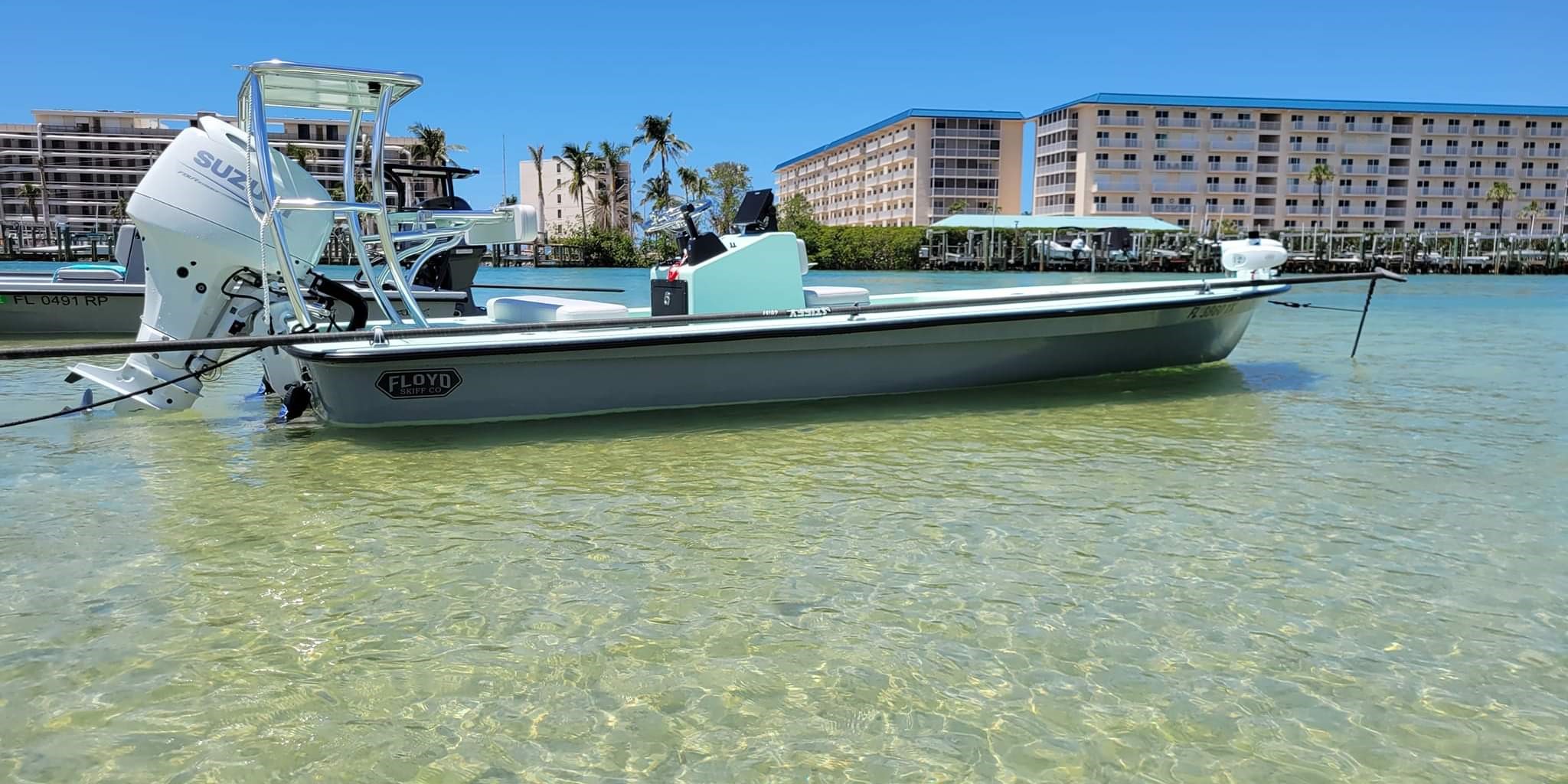
Captain Tommy's got something special waiting for you on the waters around Fort Myers. This isn't your typical fishing trip – we're talking serious fly fishing action targeting some of Southwest Florida's most prized gamefish. Starting at 7:00 AM sharp, you'll have five solid hours to work the flats, mangrove lines, and backcountry spots that make this area legendary among fly anglers. With space for just two anglers, this private charter gives you the personal attention and prime fishing spots that bigger boats simply can't offer.
What to Expect on the Water
Captain Tommy knows these waters like the back of his hand, and he's built his reputation on putting anglers onto fish while teaching proper fly fishing techniques. Whether you're new to the fly rod or you've been casting for years, he'll adjust the day to match your skill level and goals. The morning start gives you the best bite times when gamefish are most active and the water conditions are typically calm. You'll be fishing the shallow flats, oyster bars, and mangrove shorelines where Snook, Redfish, and Tarpon cruise looking for their next meal. The boat stays in close, working depths from two to eight feet where sight fishing opportunities are at their best. Your fishing license and bottled water are covered, but make sure to bring your own fly gear – this gives you the comfort of using tackle you know and trust.
Fly Fishing the Flats
Fort Myers fly fishing is all about precision casting and reading the water. You'll be working with floating lines and intermediate sinking tips depending on conditions and target species. Captain Tommy focuses heavily on sight fishing – spotting fish before you cast to them. This means you'll learn to identify wakes, pushes, and the subtle signs that give away a feeding fish. The typical setup involves 8 to 10 weight rods with leaders ranging from 12 to 16 feet, depending on water clarity and spookiness of the fish. Popular fly patterns include Clouser Minnows, shrimp patterns, and crab flies that imitate the natural forage these gamefish feed on. The key technique here is the strip set rather than a trout-style lift, since these saltwater species have much harder mouths. You'll also master the double haul cast to handle the wind that's always a factor in saltwater fly fishing.
Species You'll Want to Hook
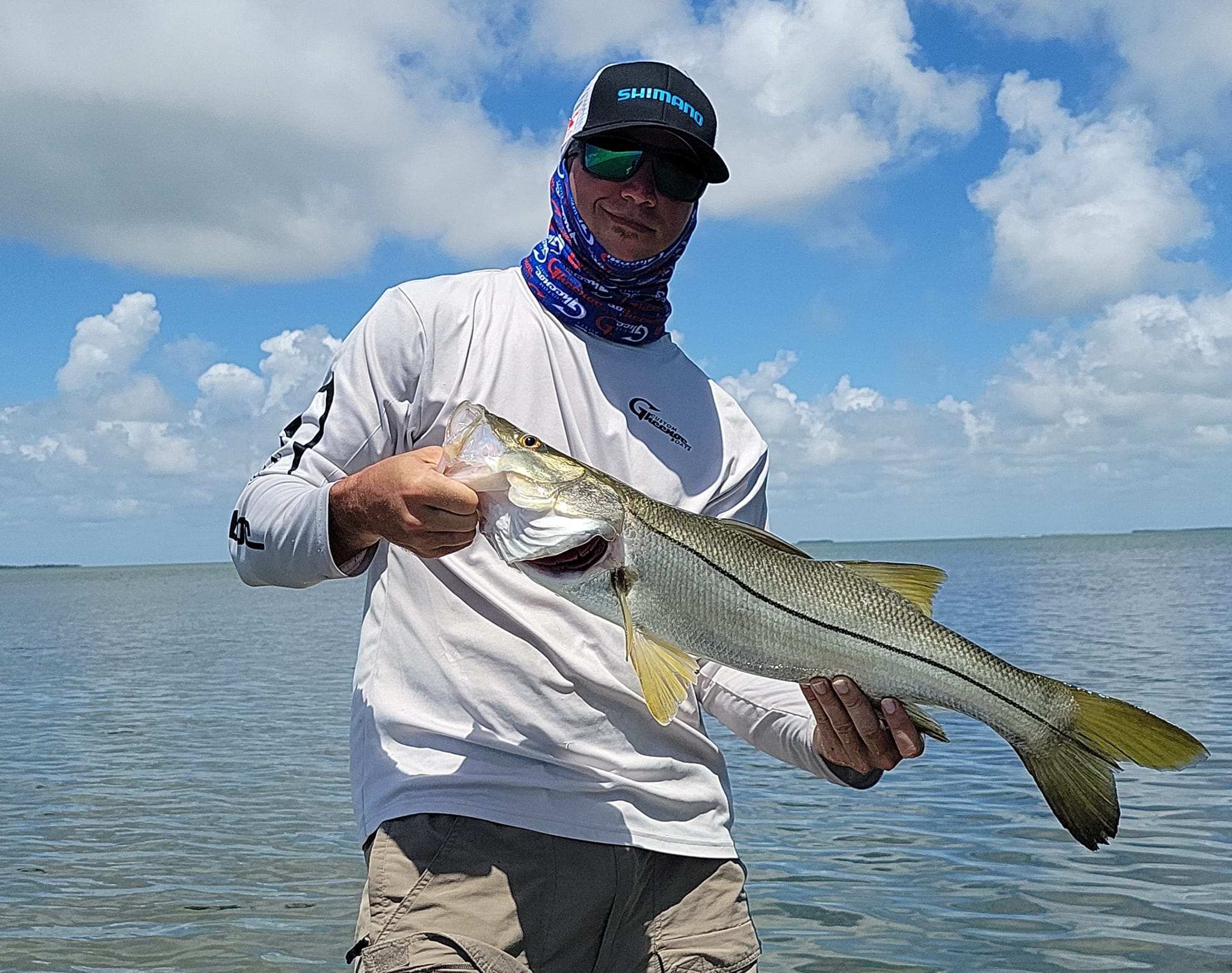
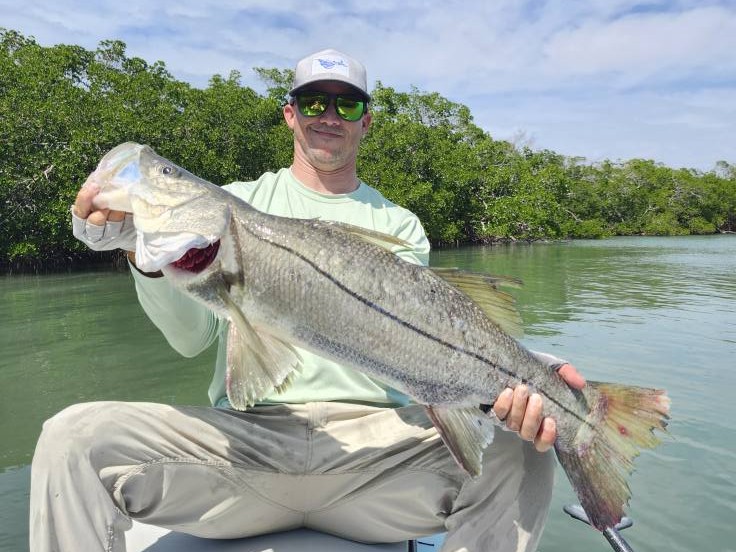
Snook are the crown jewel of Southwest Florida fly fishing, and Fort Myers has some of the best Snook fishing in the state. These ambush predators hang around structure – docks, mangrove overhangs, and oyster bars – waiting to crush baitfish. They're most active during the warmer months from April through October, with peak action in summer when they're in their spawning cycle. What makes Snook so special is their explosive strike and their ability to jump clear out of the water. They're also incredibly line-shy, making the fly fishing approach perfect for getting close without spooking them. A good Fort Myers Snook will run anywhere from 20 to 35 inches, with the occasional monster pushing over 40.
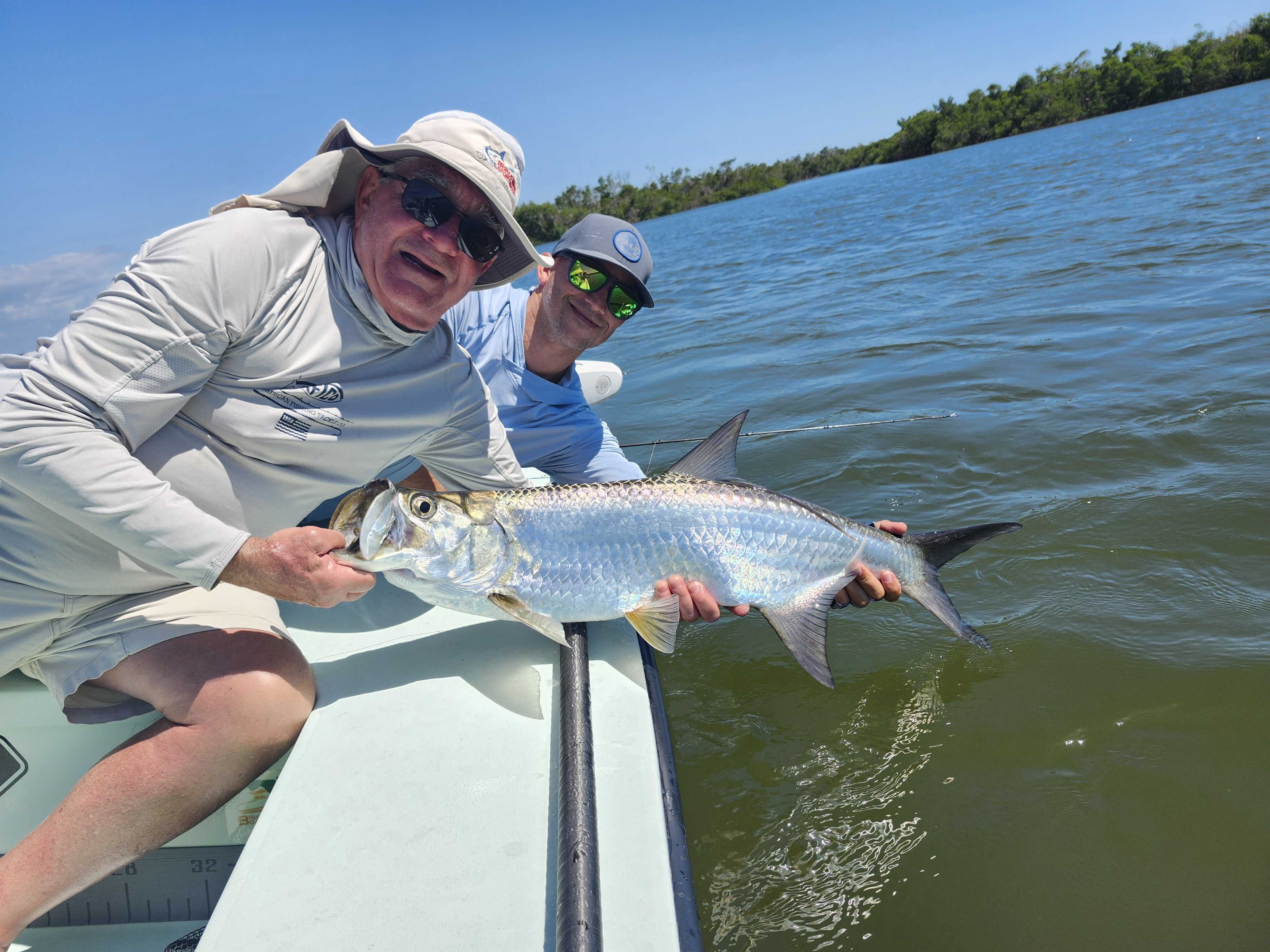
Tarpon fishing on fly is what legends are made of, and Fort Myers sits right in the heart of their migration route. From May through August, these silver kings move through the area in massive schools, giving fly anglers shots at fish ranging from juvenile "poons" in the 30 to 60 pound range up to giants over 150 pounds. Tarpon are famous for their aerial displays – once hooked, they'll jump repeatedly, shaking their heads violently to throw the hook. The key is keeping a tight line and bowing to the fish when it jumps. Landing a Tarpon on fly gear is considered one of the ultimate achievements in saltwater angling, and the waters around Fort Myers provide some of the most consistent opportunities in the world.
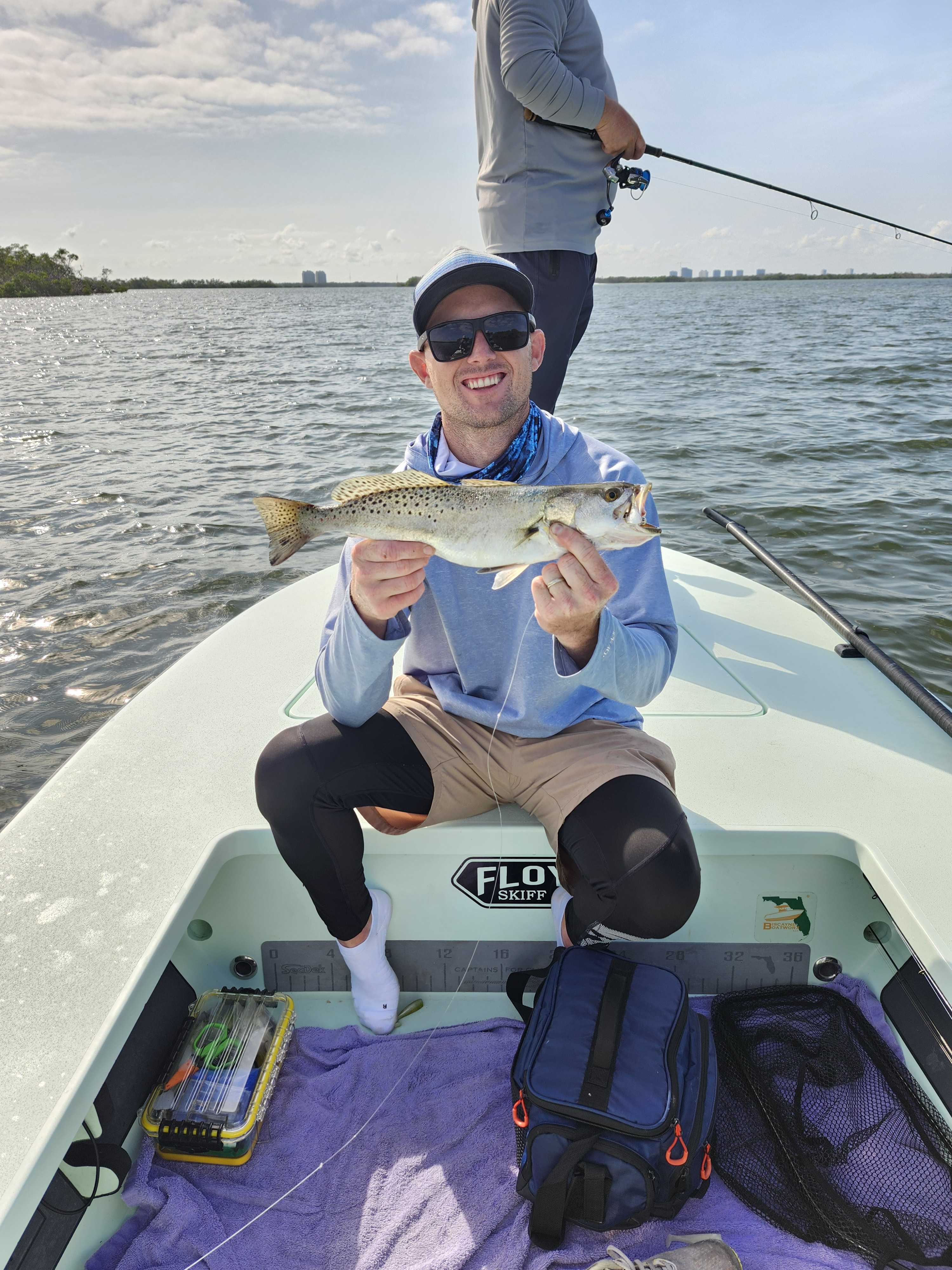
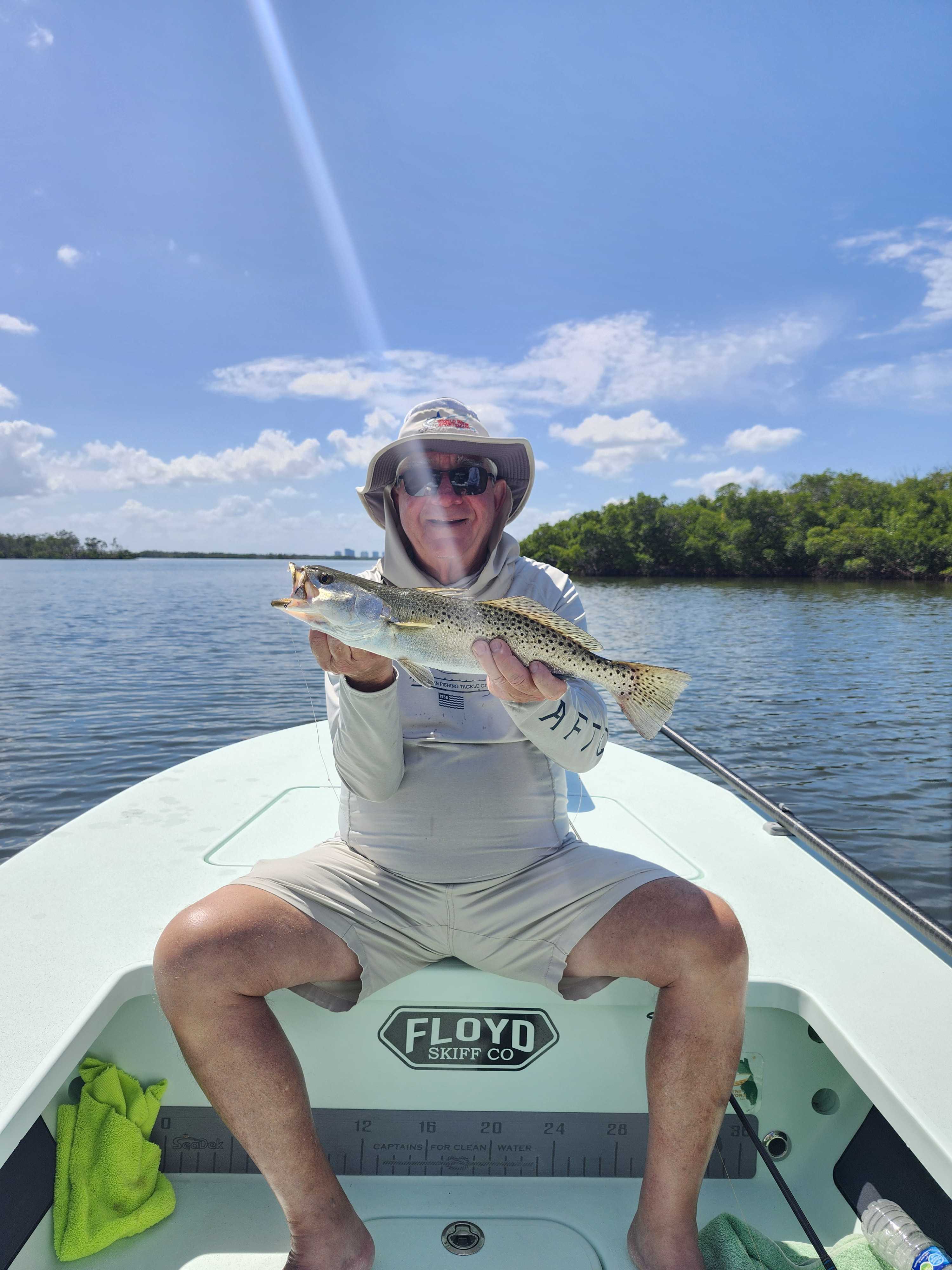
Sea Trout might not get the same headlines as Snook or Tarpon, but they're incredibly fun on light fly tackle and absolutely delicious on the dinner table. These spotted beauties cruise the grass flats year-round, feeding on shrimp and small baitfish. They're perfect for beginning fly anglers since they're less spooky than other species and more forgiving of casting mistakes. In Fort Myers, you'll find good numbers of keeper-size Trout in the 15 to 20 inch range, with the occasional "gator" Trout pushing over 24 inches. They're most active during the cooler months from November through March when they school up in deeper pockets of the flats.
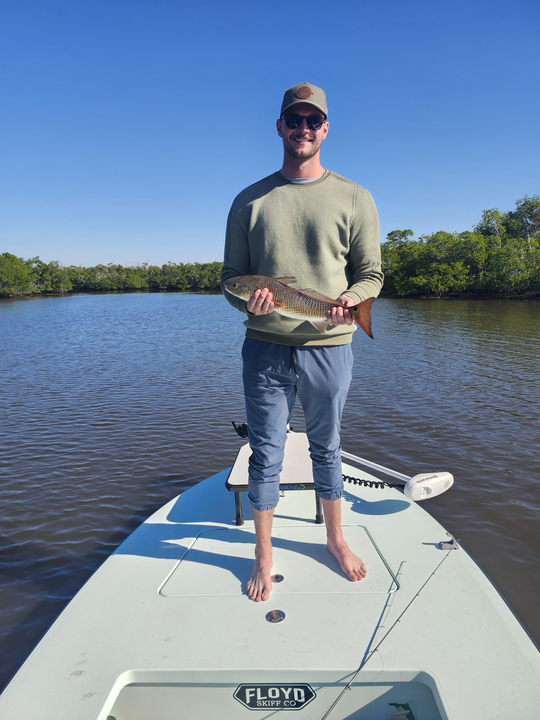
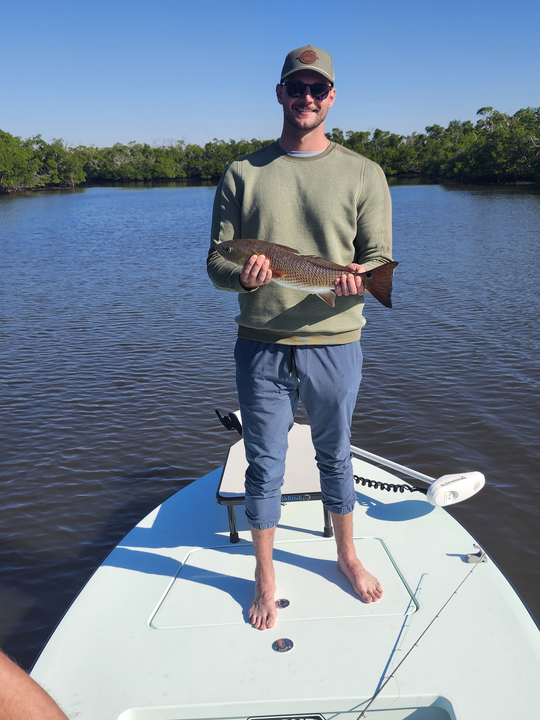
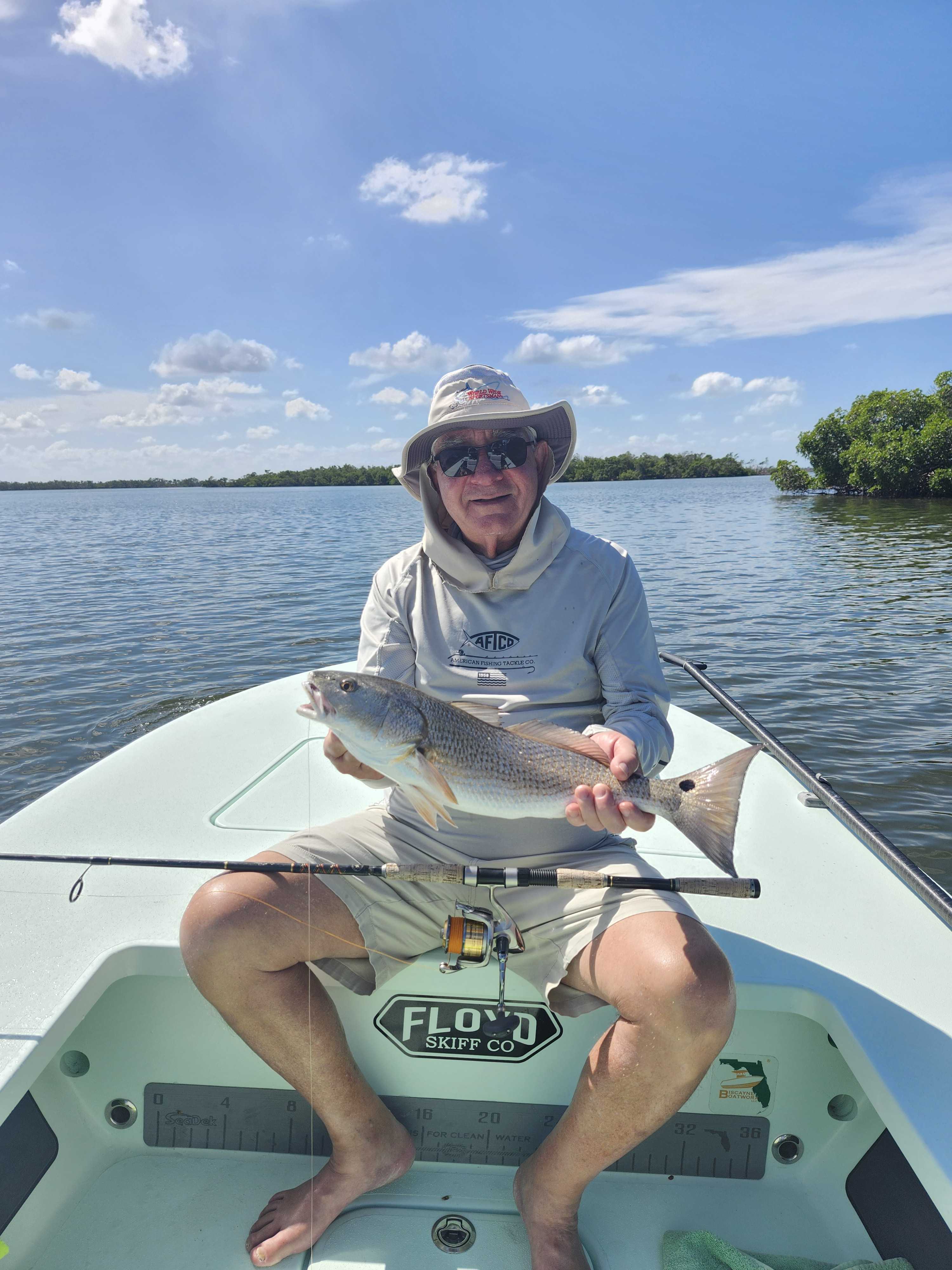
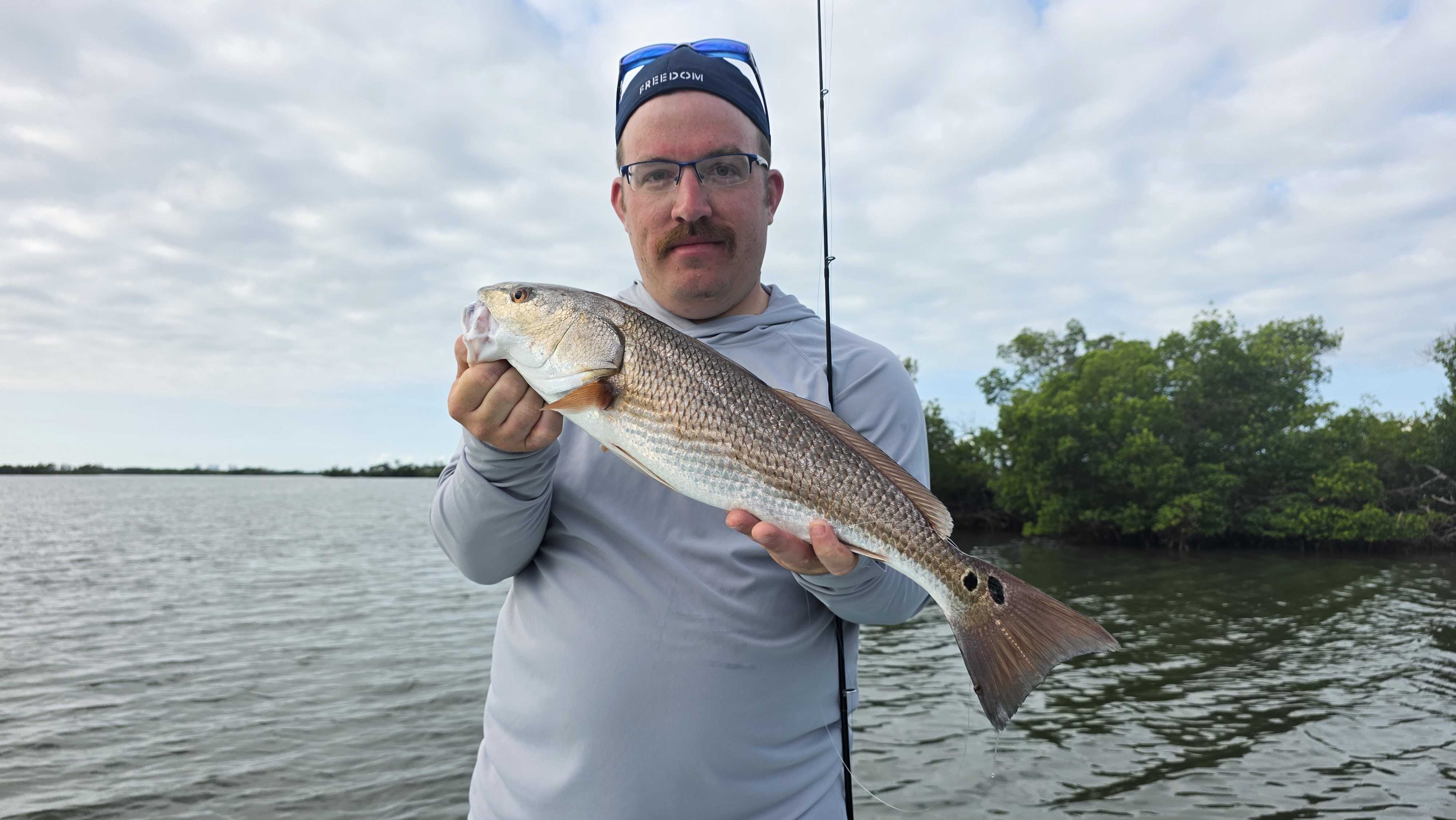
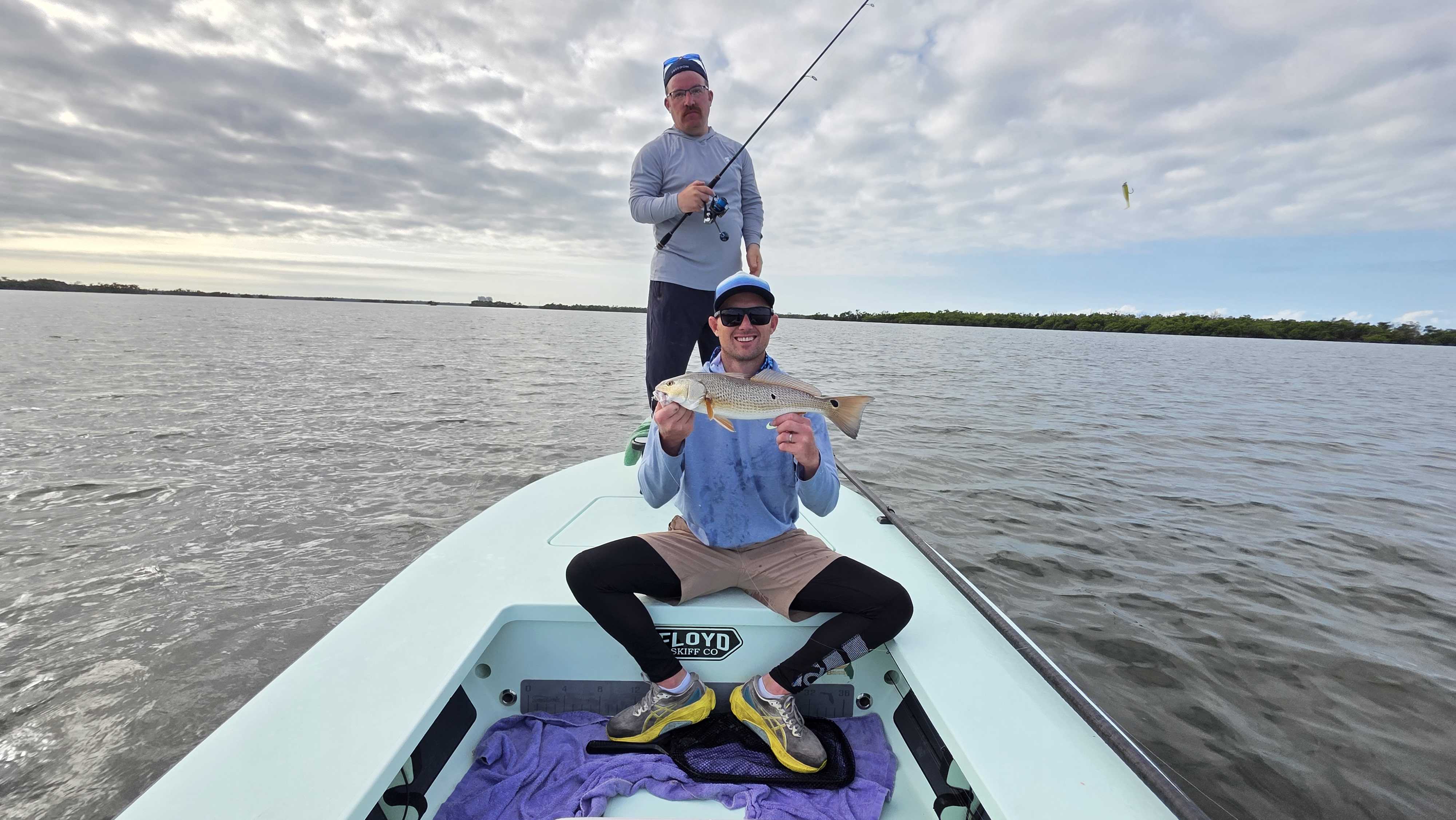
Redfish are arguably the most popular target for fly fishermen in Fort Myers, and for good reason. These copper-colored bulldogs are aggressive feeders that aren't easily spooked, making them ideal for sight fishing. You'll find them tailing in shallow water, pushing wakes across the flats, or cruising the mangrove shorelines. Redfish are available year-round in Fort Myers, but fall and winter provide the best opportunities for larger schools and bigger individual fish. A typical Fort Myers Red runs 22 to 28 inches, though you'll encounter plenty of oversized fish that require immediate release. What sets Redfish apart is their powerful runs and ability to use their broad tails to dig hard, making even average-size fish feel much larger on fly gear.
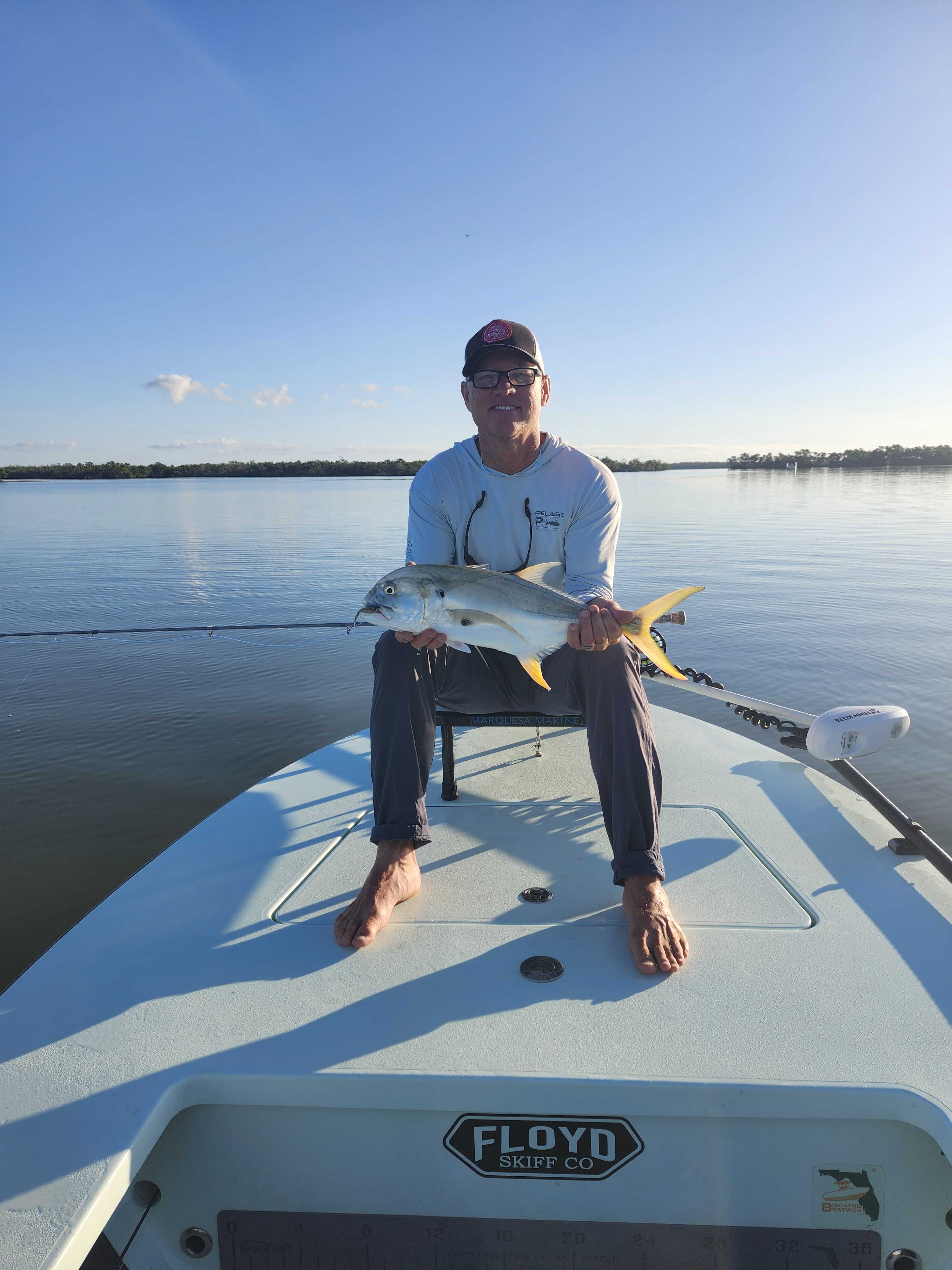
Crevalle Jack might not be the prettiest fish in the water, but they make up for it with raw power and aggression. These yellow-tinged fighters travel in schools and will absolutely demolish a well-presented fly. Jack fishing is fast and furious – when you find a school, you can often hook multiple fish before they move on. They're perfect for working on your fighting techniques since they pull incredibly hard for their size. Most Fort Myers Jacks range from 15 to 25 pounds, though larger specimens over 30 pounds show up regularly. They're most active during the warmer months and often feed aggressively on the surface, creating some of the most visual fishing you'll find in Southwest
 Private Trip
 Inshore Fishing
 Fort Myers, FL


 Private 5-hour fly fishing charter targeting multiple inshore species