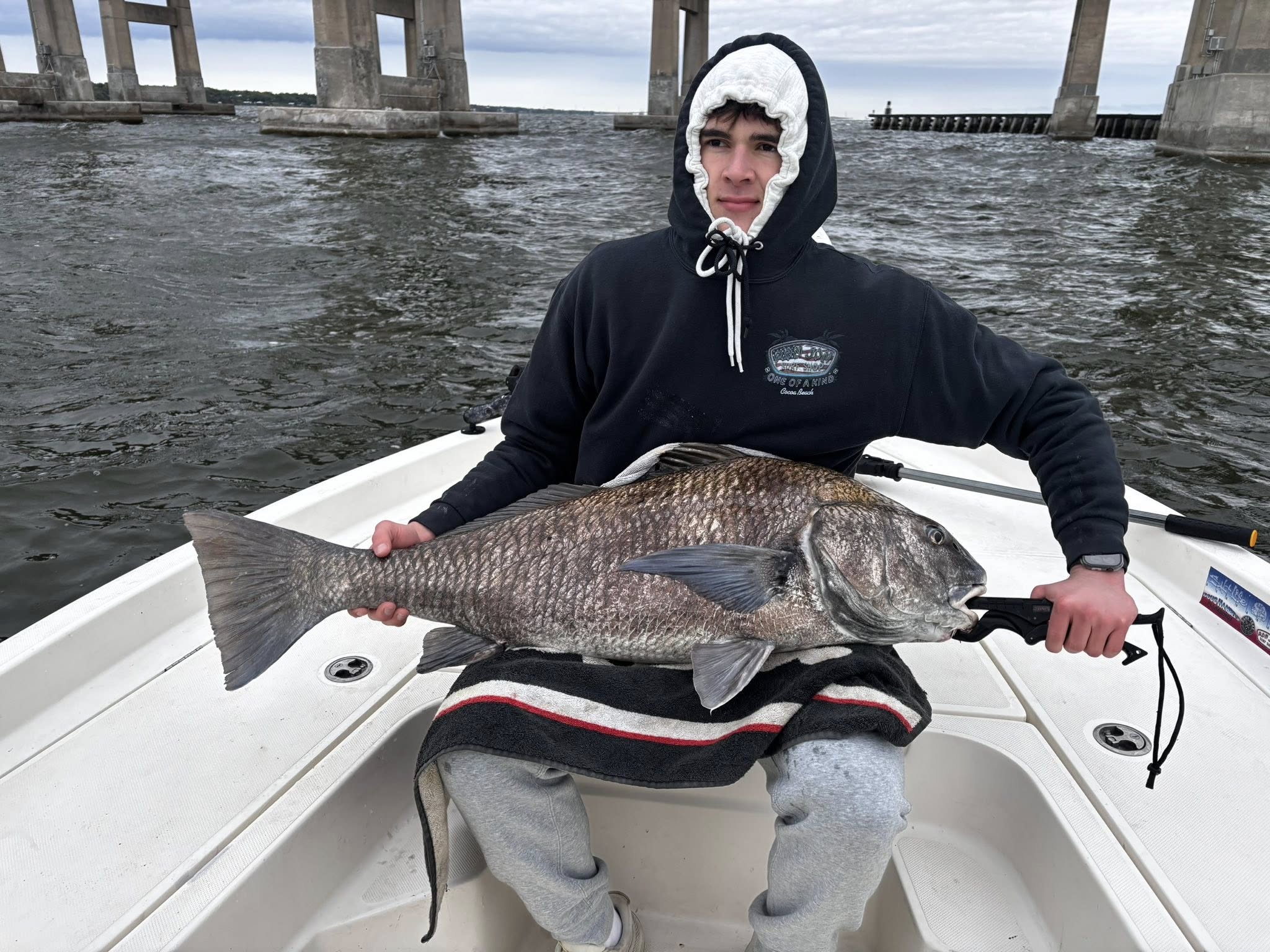
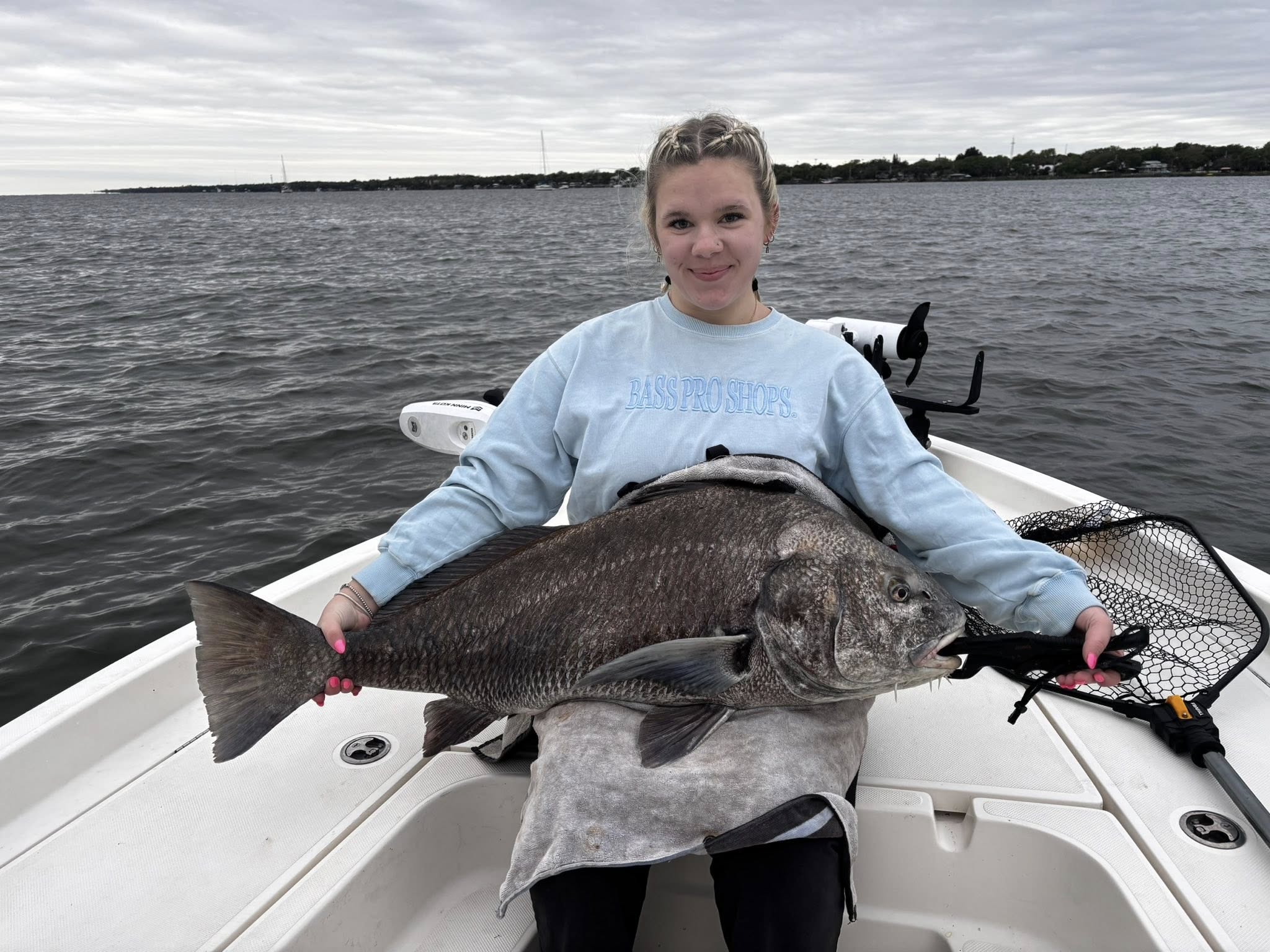
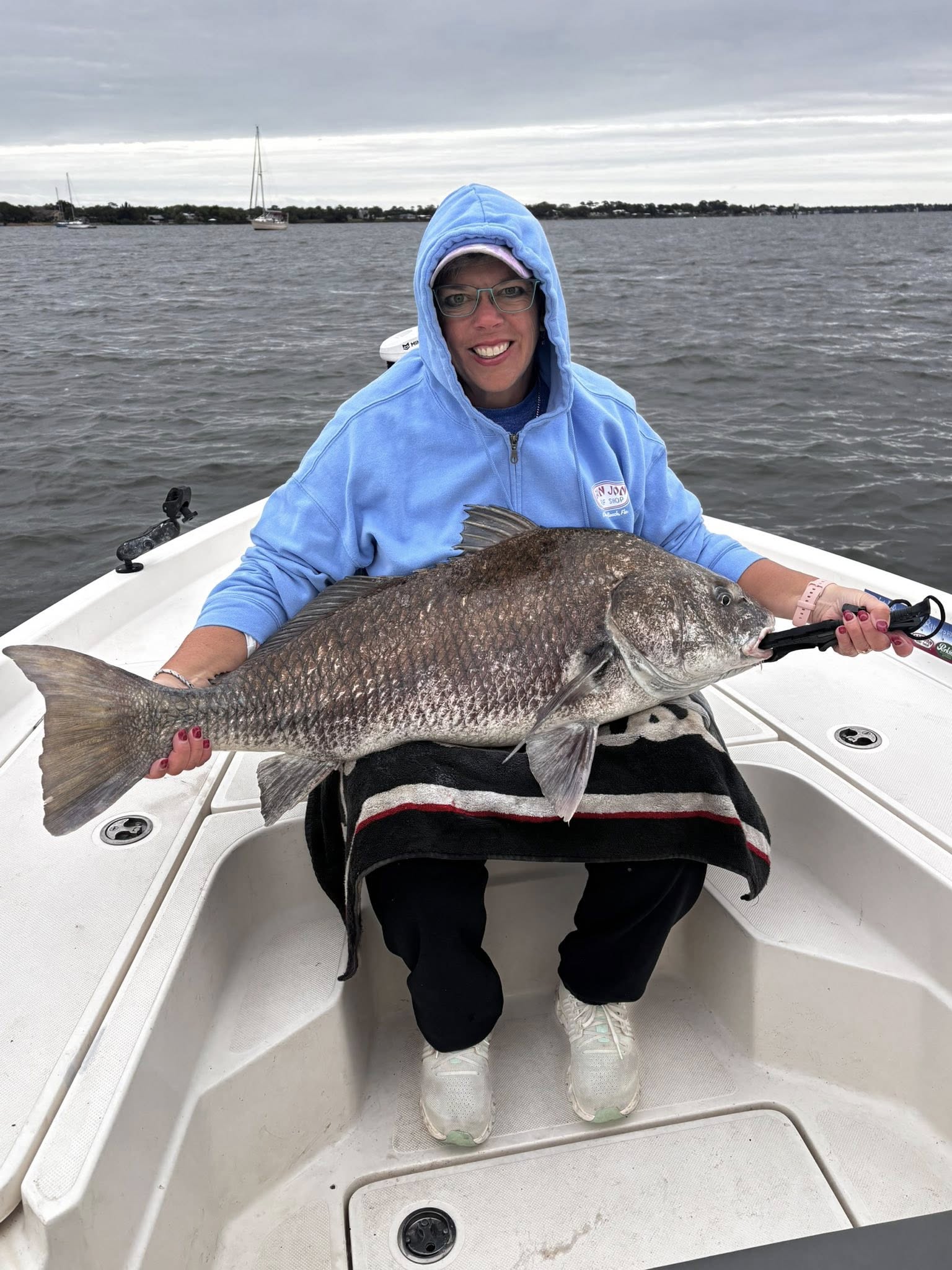
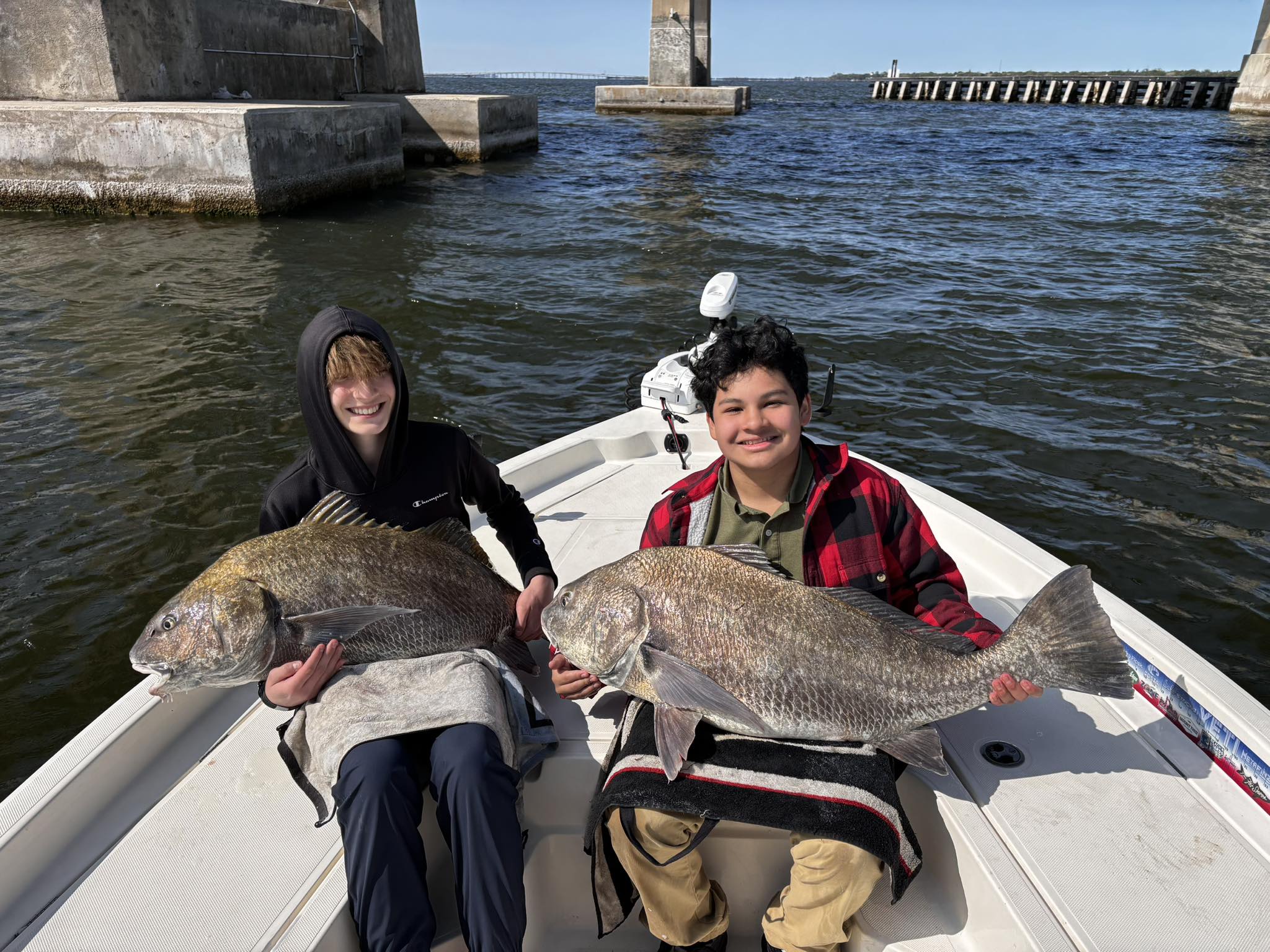
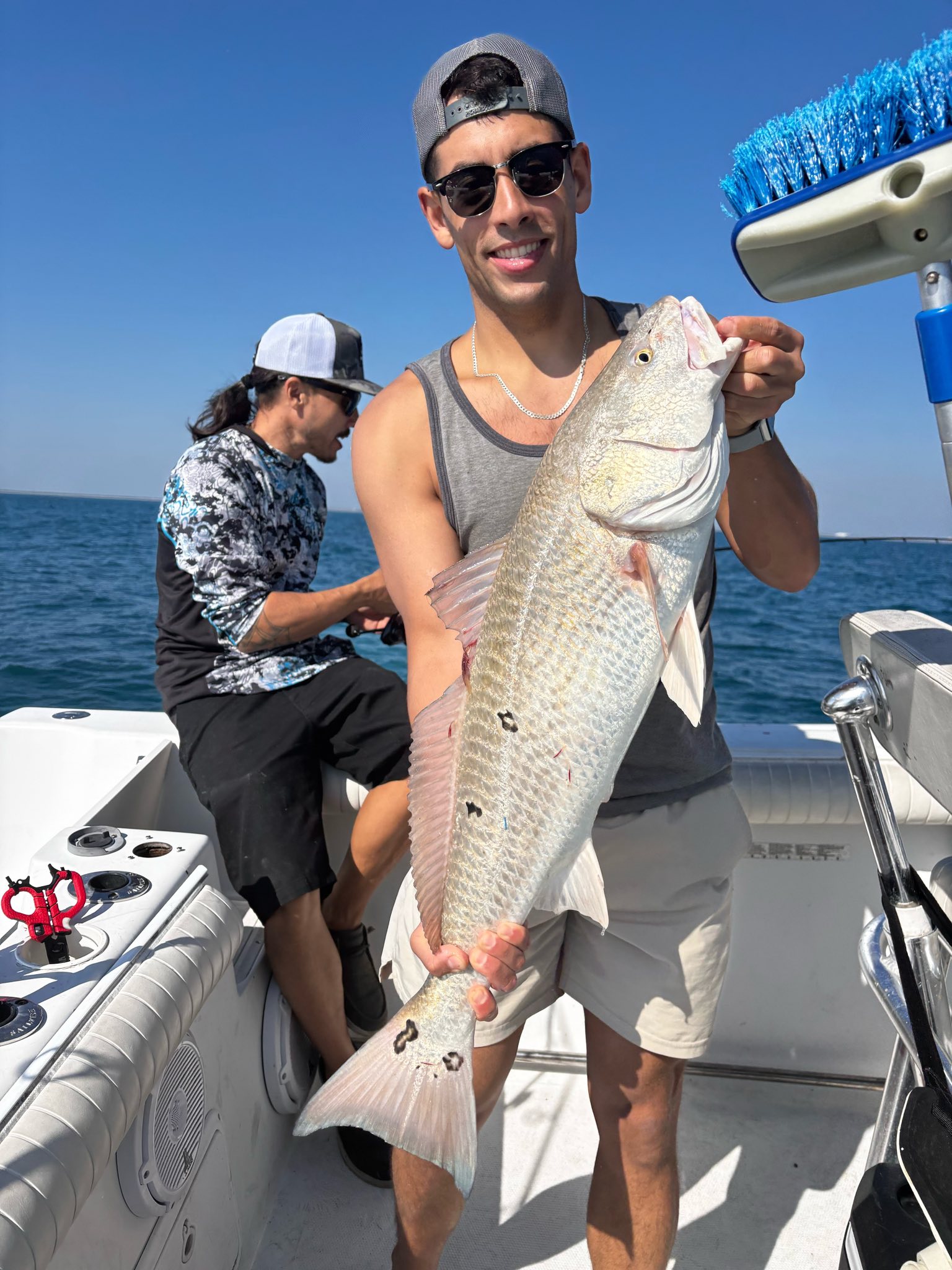
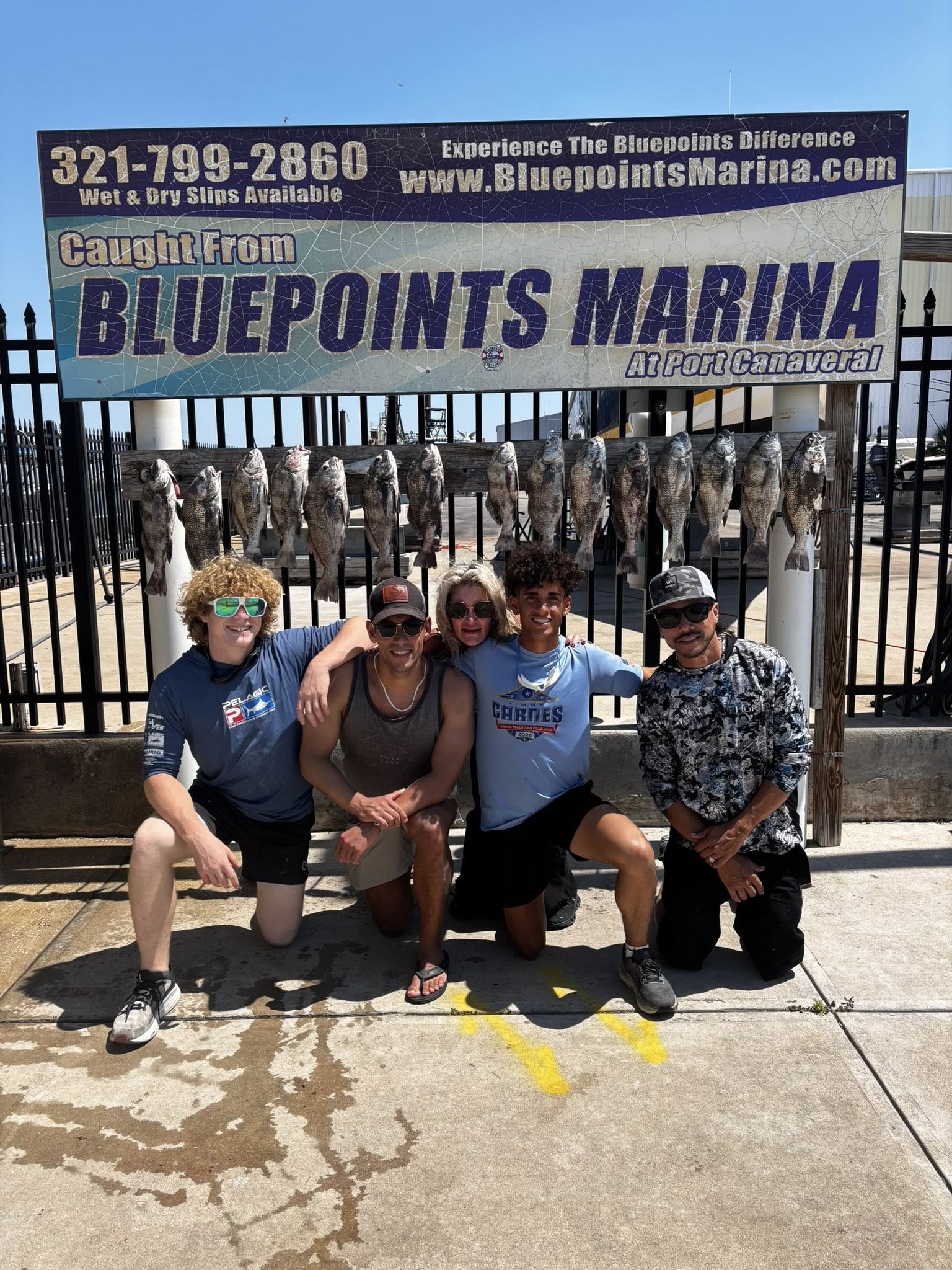
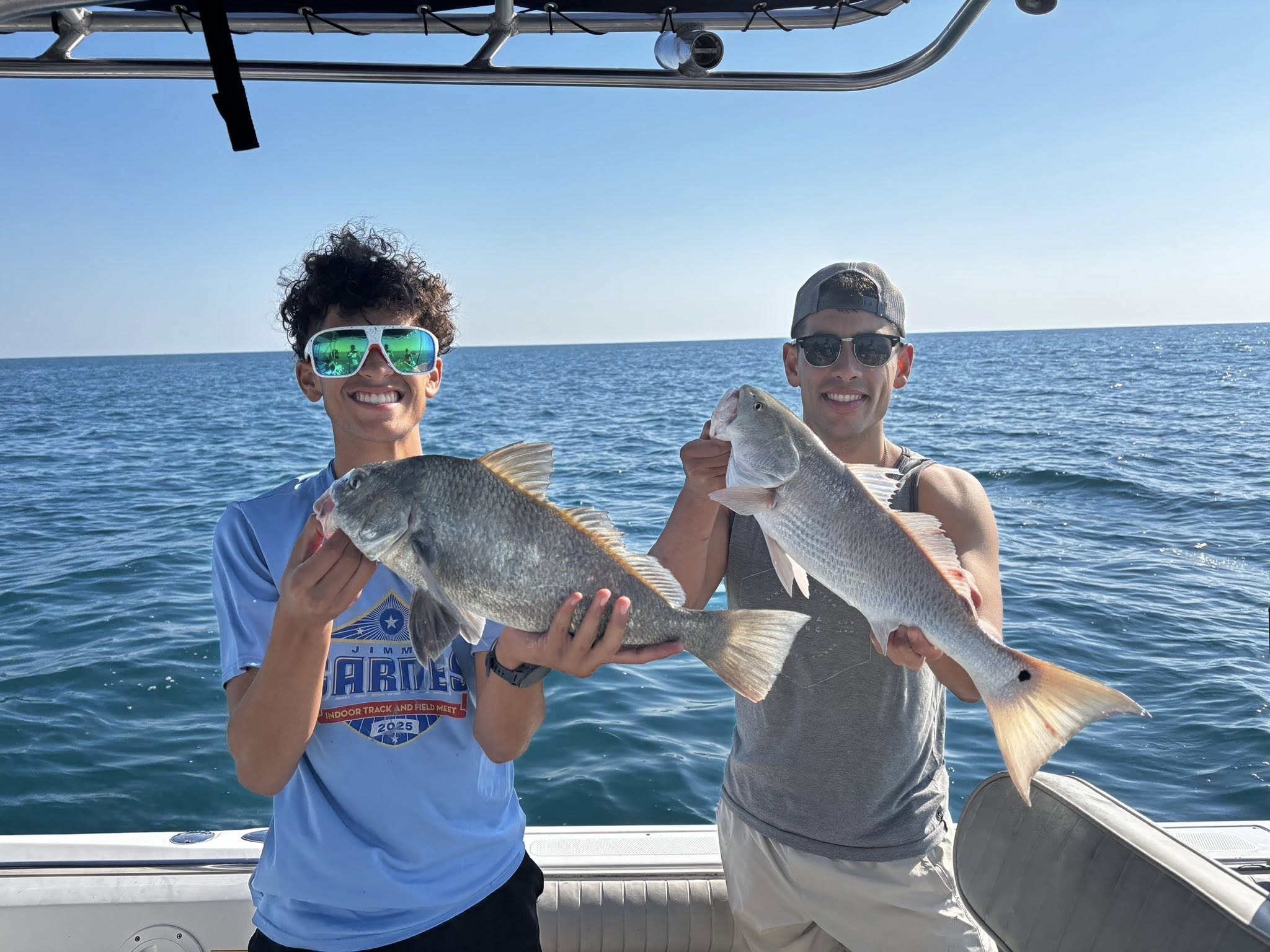
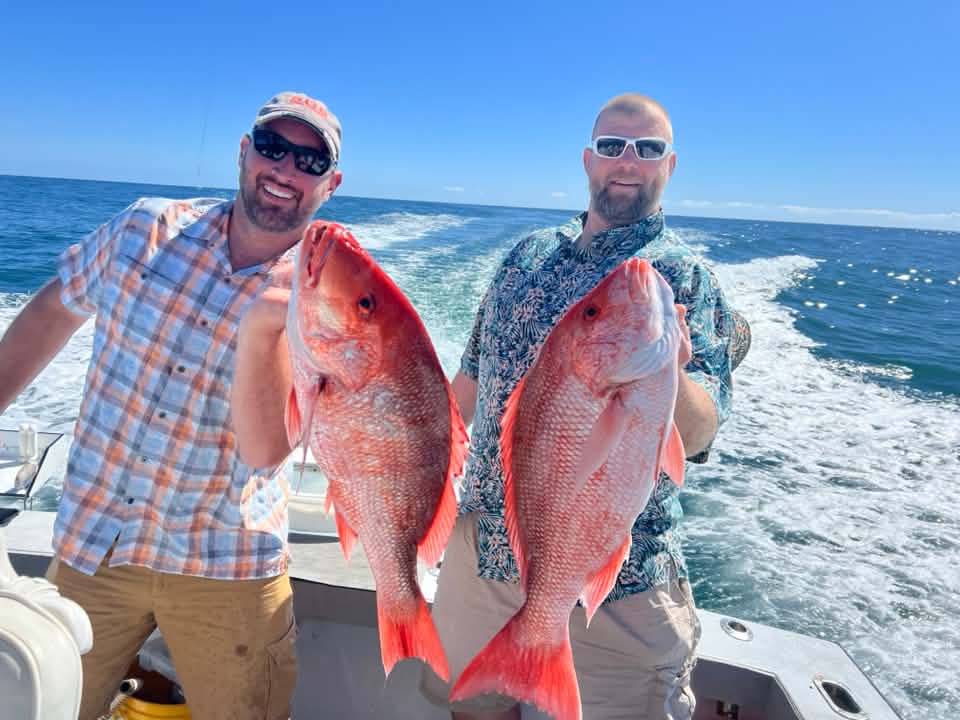
Full Day Inshore Fishing Trip - Port Canaveral
When you want to really dial in on Port Canaveral's inshore fishing, an 8-hour trip is where it's at. This isn't your quick morning run—it's a proper day on the water where we can hit multiple spots, adjust our game plan based on what the fish are telling us, and really work the productive areas around the Space Coast. You'll be targeting some of the area's top-rated species like Snook, Sheepshead, Pompano, Spanish Mackerel, and Jack Crevalle across flats, channels, and structure that holds fish year-round. With up to 6 anglers, there's plenty of room for the whole crew while keeping it comfortable enough that everyone gets their shots at hookups.
What to Expect on the Water
Port Canaveral's inshore waters offer some of the most diverse fishing on Florida's east coast, and with 8 hours, we're going to make the most of it. We'll start early to beat the crowds and work our way through different zones based on tides, weather, and what's been producing. The Banana River system, Mosquito Lagoon connections, and the vast network of spoil islands create perfect ambush points for predators. You'll see us move from shallow grass flats where Snook cruise the edges, to deeper channel drops where Sheepshead stack up on structure. The beauty of a full day trip is we're not rushed—if the bite gets hot in one area, we can stay and capitalize. If it slows down, we've got time to relocate and find where the action is. The boat comes loaded with everything you need: quality tackle matched to the species we're after, fresh bait, ice for your catch, and all required fishing licenses. Just bring your sun protection, snacks, and drinks to stay comfortable during the full day.
Techniques & Tactics
Inshore fishing here means adapting to what the conditions and fish behavior dictate. We'll be running both live bait and artificial presentations depending on what's working. For Snook around structure and mangrove edges, we'll pitch live shrimp or pilchards on circle hooks, letting them work naturally in the current. When Spanish Mackerel are schooled up, we'll switch to small spoons and jigs, casting into the frenzy and retrieving fast to trigger strikes. Sheepshead require a different approach entirely—we'll be using fiddler crabs and sand fleas around pilings and rocky areas, feeling for those subtle taps that signal a bite. The flats fishing involves sight casting to cruising fish, reading water color changes, and understanding how tide movement affects fish positioning. Pompano fishing means working the surf line and sandy bottoms with jigs tipped with shrimp, bouncing along the bottom where these tasty fish forage. With 8 hours, we have time to master each technique and really understand how these species behave in their environment.
Top Catches This Season
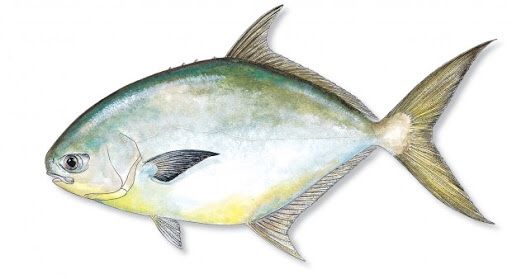
Spanish Mackerel are the speed demons of the inshore world, and Port Canaveral's waters hold some beauties. These fish typically run 1-3 pounds but fight way above their weight class with blistering runs and aerial acrobatics. Best action usually happens during cooler months from October through March when schools move through the area chasing baitfish. What makes them so fun is their aggressive nature—when you find a school, the action can be non-stop with multiple hookups. Florida Pompano are the gold standard for eating and Port Canaveral's sandy flats produce excellent fish from spring through fall. These silver torpedoes average 1-2 pounds but their powerful runs and excellent table fare make them a customer favorite. They're finicky feeders, so when we locate them, it's all about precise presentations and reading the subtle bites.
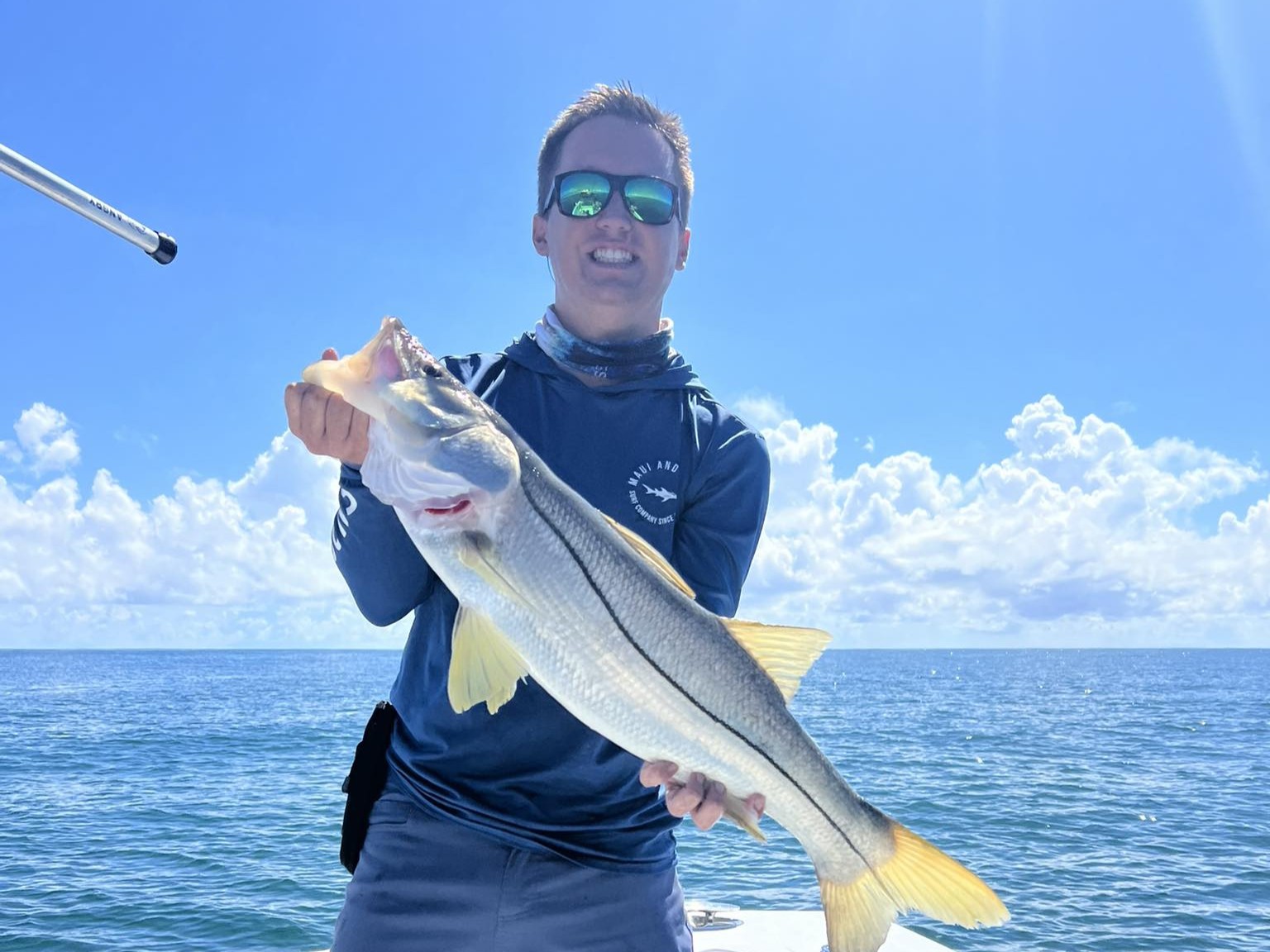
Snook are the crown jewel of inshore fishing, and the Space Coast holds some of the best populations in Florida. These ambush predators can range from schoolie-sized fish up to true giants over 30 inches. They're structure-oriented, lurking around docks, mangroves, and bridge pilings waiting to blast unsuspecting baitfish. What makes Snook special is their intelligence—they'll test your drag system and use every piece of cover to try breaking off. Best fishing typically runs from late spring through early fall when water temperatures are optimal. Sheepshead are the technical challenge that keeps experienced anglers coming back. These black-and-white striped fighters have incredible bait-stealing abilities and require patience and skill to hook consistently. They average 2-4 pounds around structure and their excellent eating quality makes them worth the effort. Crevalle Jack round out the lineup as the bulldozers of the bunch. These bruisers can exceed 10 pounds and will test both your tackle and your arms with powerful, sustained runs that make reels scream.
Time to Book Your Spot
A full day inshore trip gives you the complete Port Canaveral fishing experience without the rush. You'll learn different techniques, target multiple species, and have time to really appreciate what makes this area so special for inshore fishing. Whether you're an experienced angler looking to dial in your skills or a family wanting to spend quality time on the water, this trip delivers the variety and action that keeps people coming back. The combination of 321FISH LLC's local knowledge, quality equipment, and prime fishing grounds creates the perfect setup for a world-class day on the water. Book now to secure your date and get ready for 8 hours of some of the best inshore fishing Florida's Space Coast has to offer.
 Private Trip
 Inshore Fishing
 Port Canaveral, FL


 Eight-hour inshore trip targeting Snook, Sheepshead, and Spanish Mackerel