Everglades Inshore Fishing Charter - 4 Hours
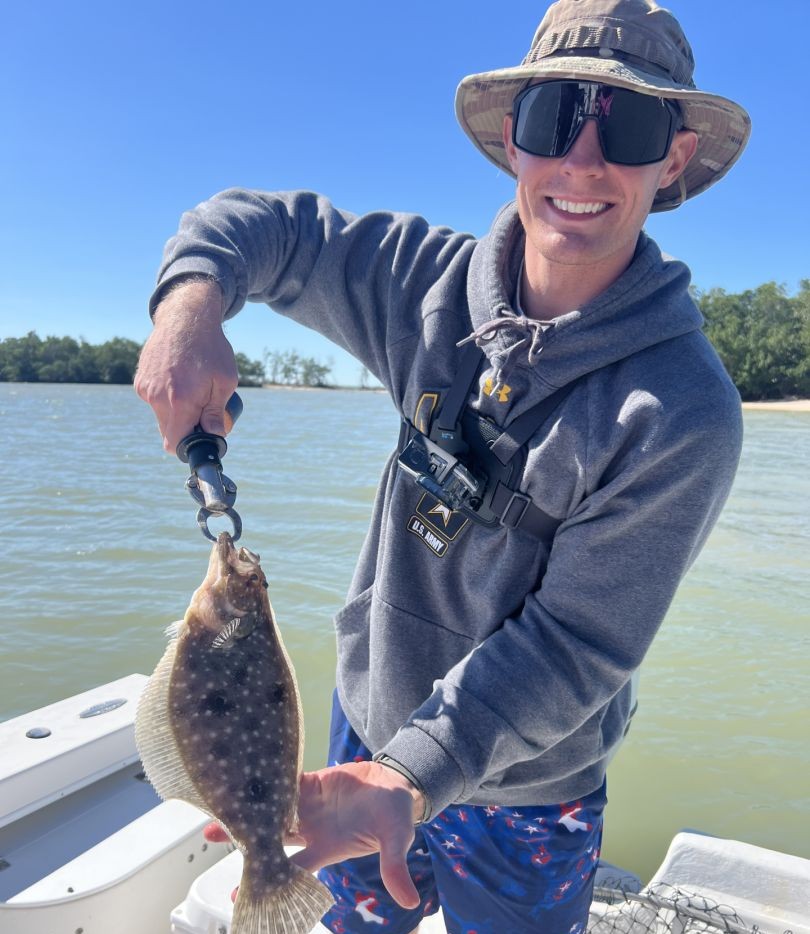
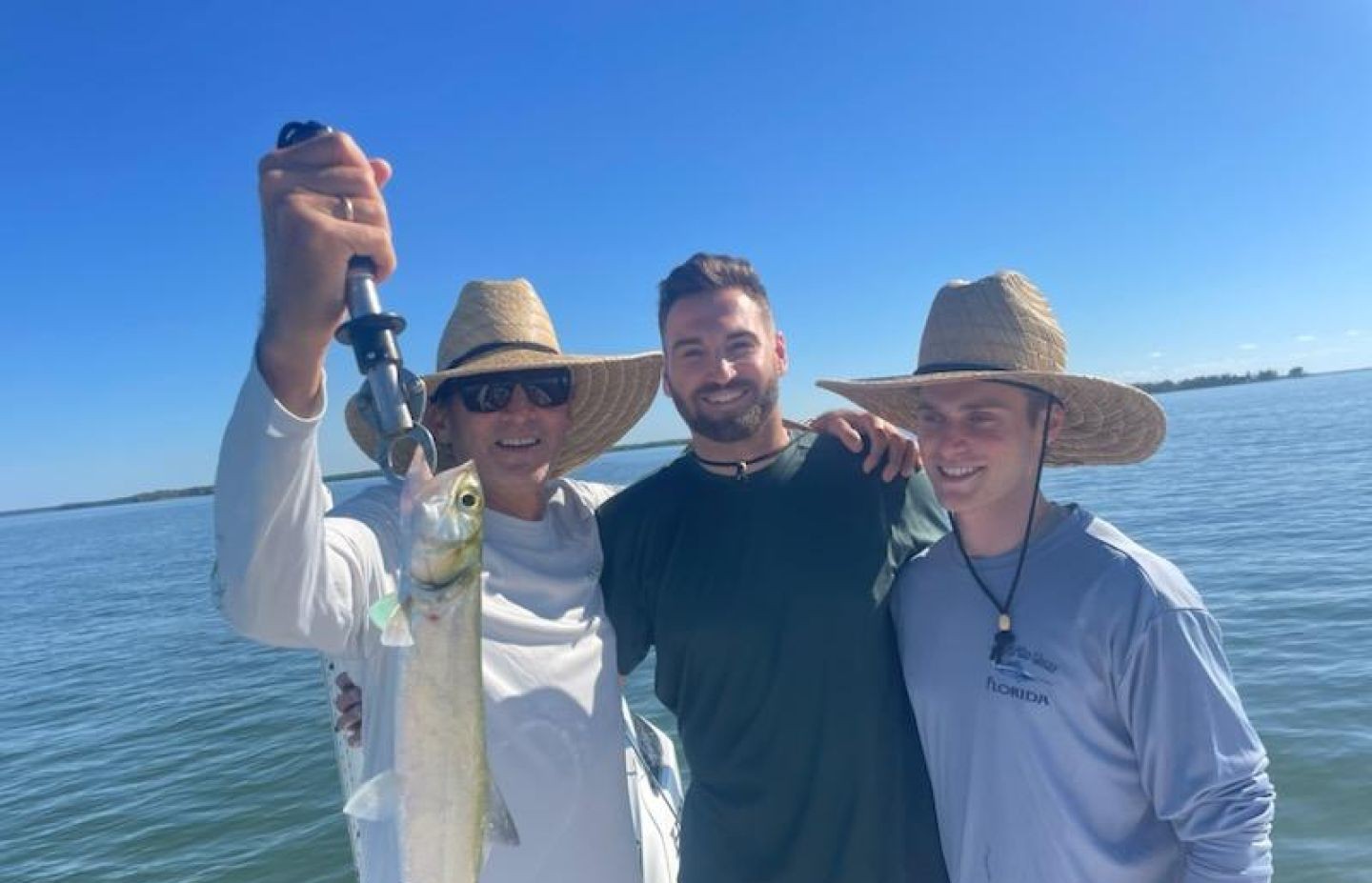
The Everglades isn't just another fishing spot—it's where serious anglers and newcomers alike discover what real inshore fishing feels like. This 4-hour charter with ARF Charters puts you right in the heart of Florida's most productive backcountry waters, where shallow flats meet mangrove shorelines and the fish are always moving. You'll work prime spots for redfish, snook, tarpon, and more while soaking up the wild beauty that makes the Everglades legendary. Whether you're an early bird who loves morning bite time or prefer the golden light of afternoon fishing, Captain Ariel and his crew know exactly where to put you on fish. With room for up to three anglers, this trip gives you plenty of elbow room to work your lines without feeling crowded.
What to Expect on the Water
Your half-day starts with a boat that's built for the Everglades—shallow draft, quiet, and equipped with everything you need to fish these unique waters properly. The backcountry here is all about reading the water, understanding tides, and knowing where fish stage throughout the day. You'll be sight fishing over grass flats, working mangrove edges, and maybe even getting some shots at fish cruising in skinny water. The guides move you around based on conditions, tides, and what's biting, so you're not stuck in one spot hoping for the best. Between casts, you'll notice how different this place feels—no crowds, no development, just endless maze of waterways that look the same as they did decades ago. The peace and quiet out here is something special, broken only by the splash of a tarpon or the drag screaming on a good redfish run.
Techniques & Tackle Setup
Inshore fishing in the Everglades is all about versatility and reading conditions. Your guide sets up light to medium spinning gear that can handle everything from schooling jacks to big tarpon rolling through the channels. Live bait like pilchards, pinfish, and shrimp work great here, especially around structure and during moving water. Artificial lures shine too—soft plastics, topwater plugs, and spoons can trigger aggressive strikes when fish are actively feeding. The key is matching your presentation to what you're seeing. Sight fishing requires good polarized glasses and the patience to wait for the right cast. When you're working mangrove shorelines, accuracy matters more than distance since fish hold tight to cover. Your captain handles boat positioning and works with wind and tide to give you clean shots at fish. The shallow water means quiet approaches and understanding how fish behavior changes with light, tide, and weather conditions throughout the day.
Customer Stories
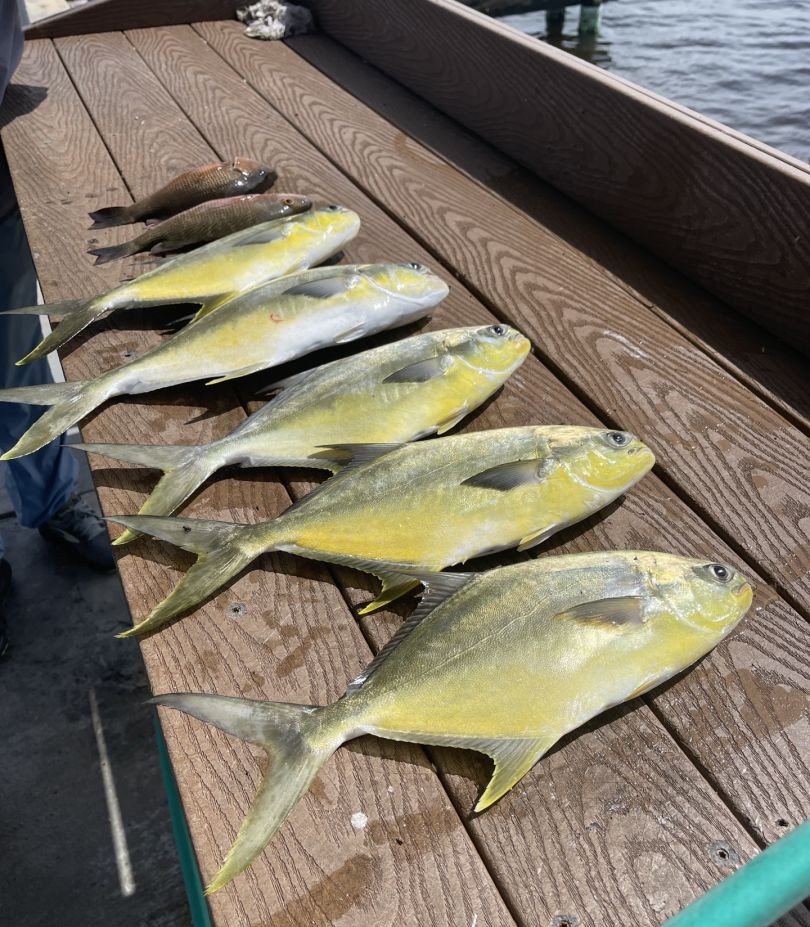
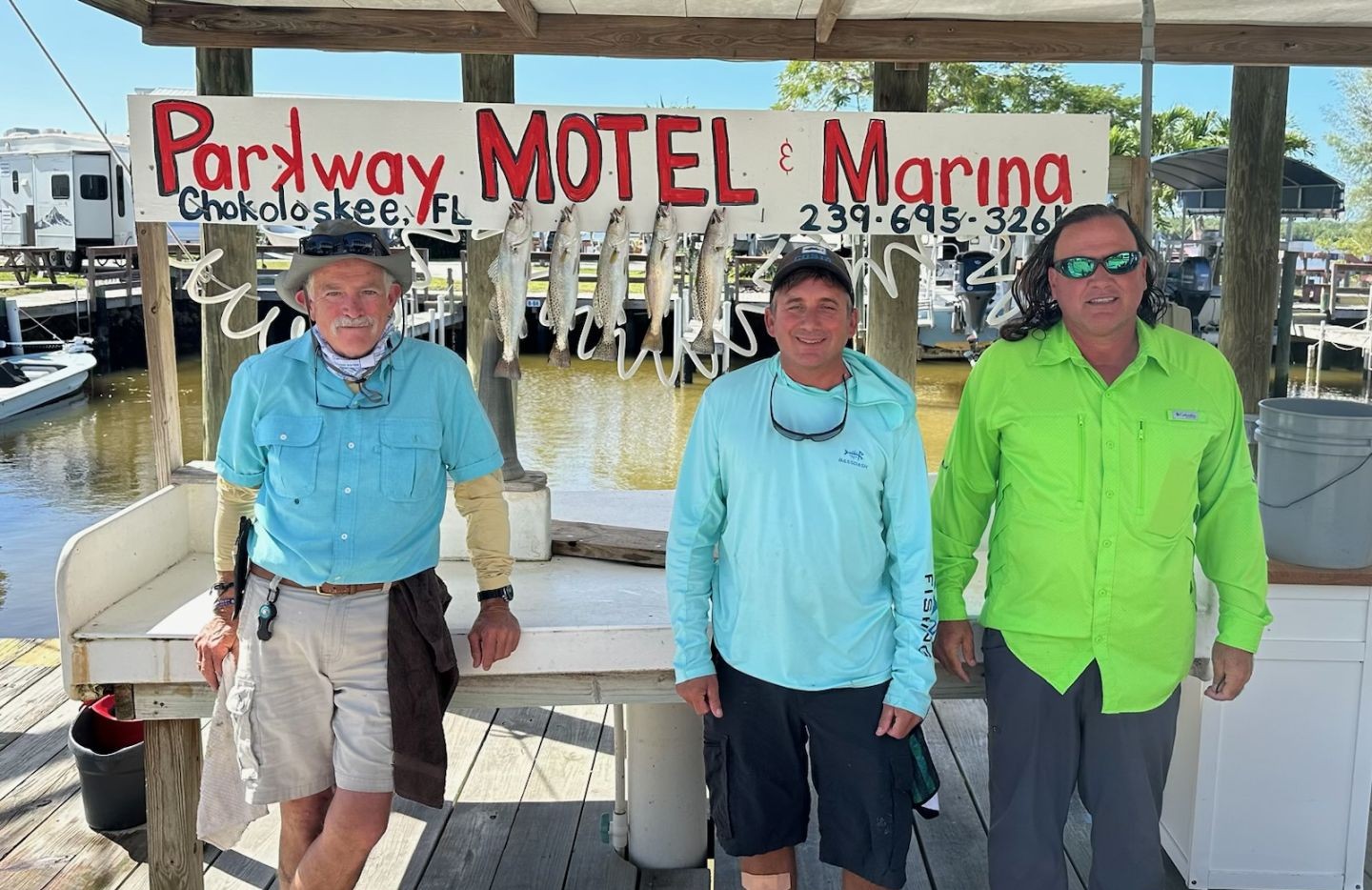
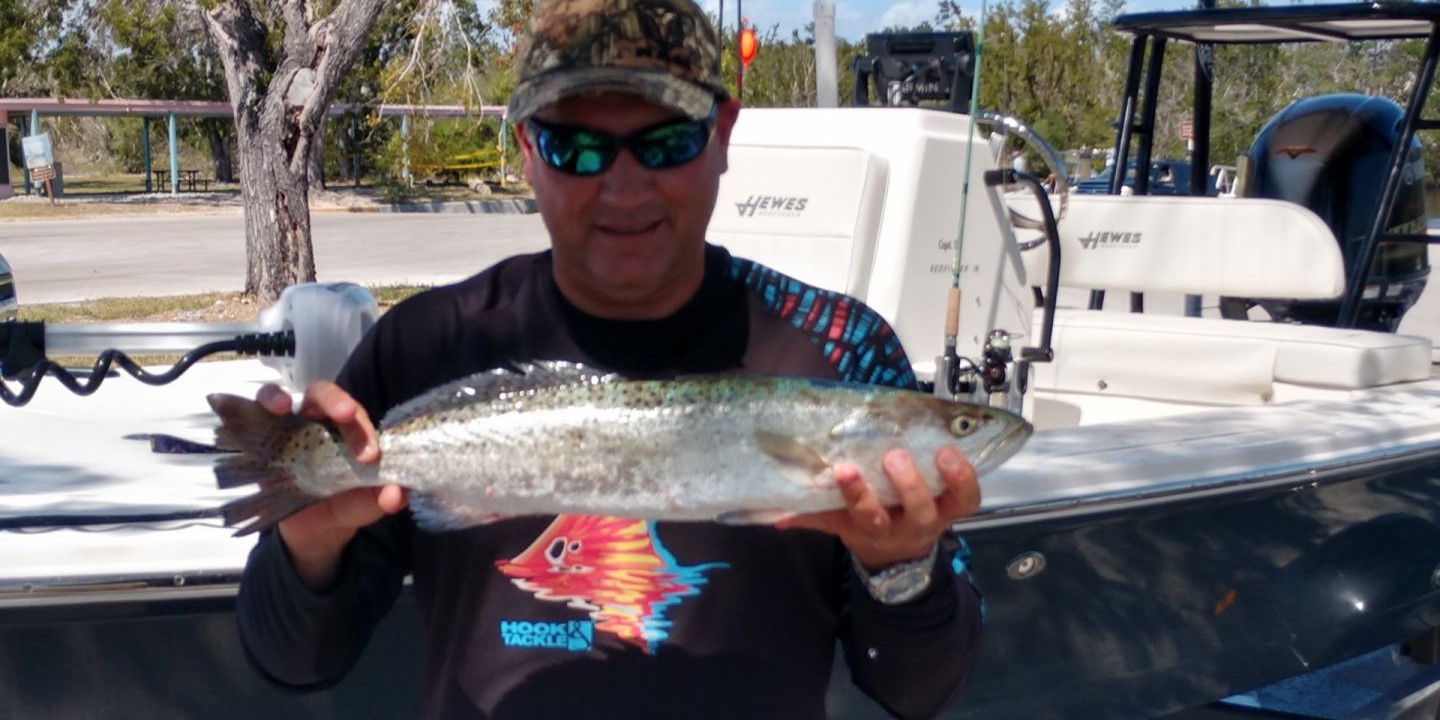
"Great charter to go on, captain ariel dj put us on multiple species of fish. He kept us moving spots to stay where the fish are biting. Did a great job keeping us away from the bugs. He cleaned our fish for us and gave us a local restaurant that cooked it for us. Awesome experience. Definitely recommend!" - Ryan
Species You'll Want to Hook
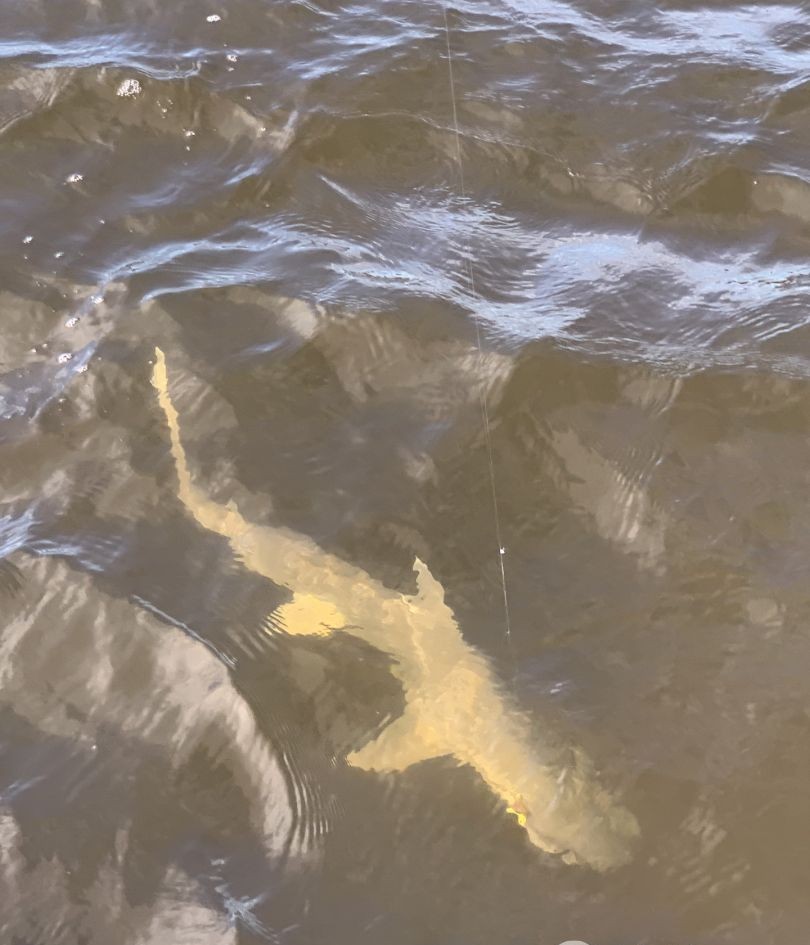
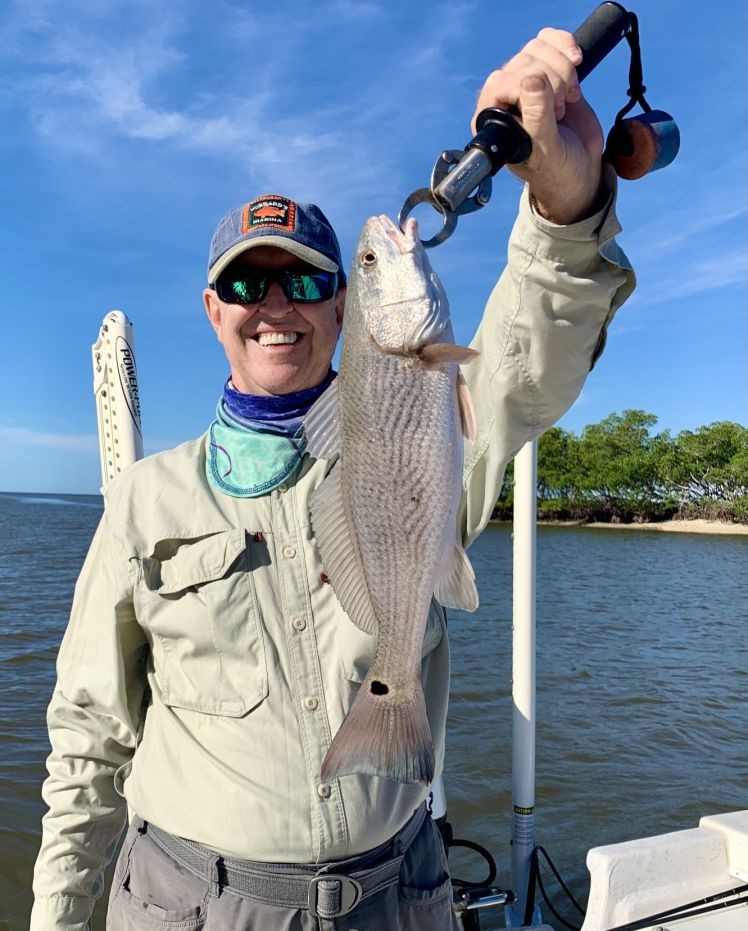
Redfish are the backbone of Everglades fishing and for good reason. These copper-colored fighters love the shallow grass flats and mangrove edges where they hunt for crabs and small baitfish. Reds here typically run 20 to 30 inches, with some real bulls pushing the slot limit. They're most active during moving water, especially on incoming tides when bait gets pushed into the shallows. What makes them special is how they fight—long, stubborn runs that test your drag and patience. Spring through fall gives you the most consistent action, but winter fishing can be outstanding when you find them staged up in deeper pockets.
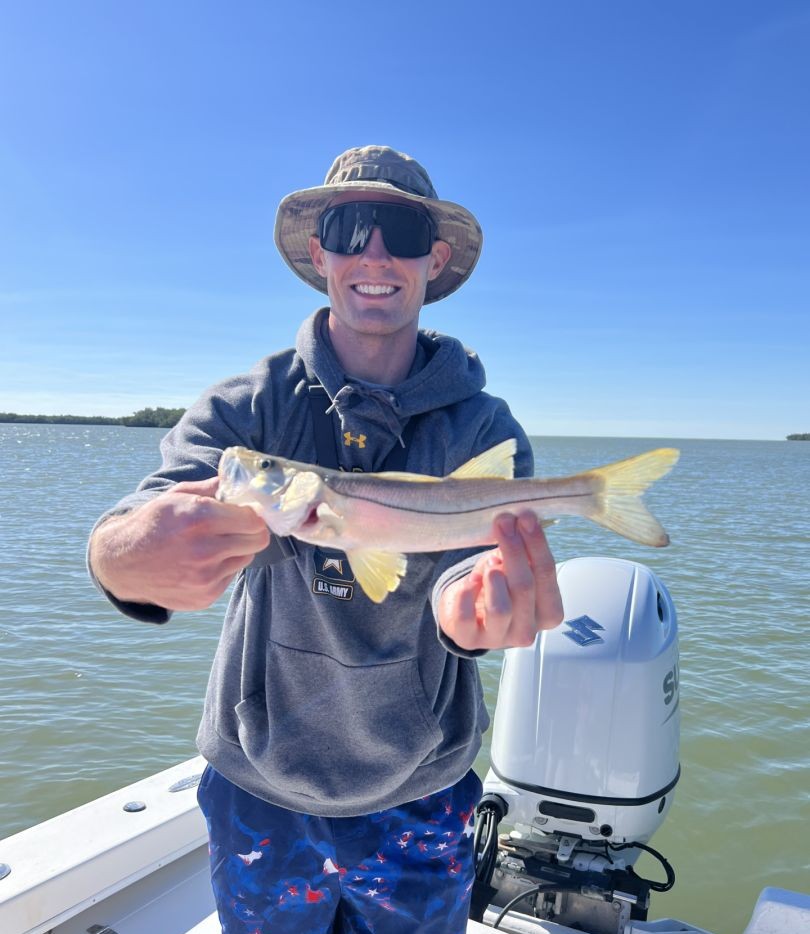
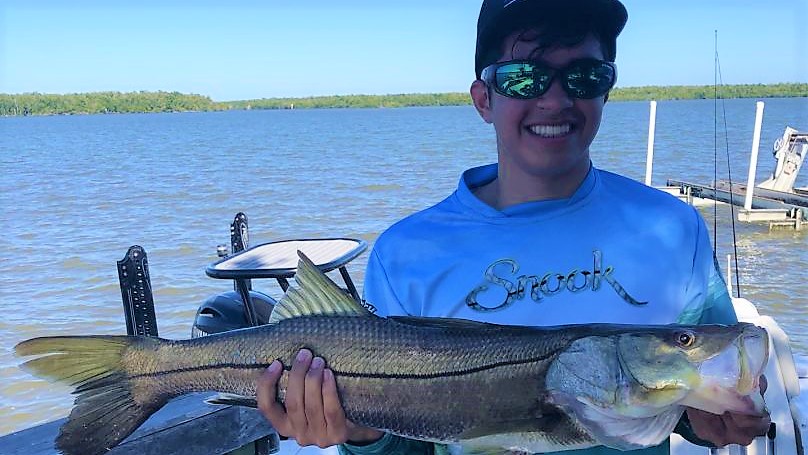
Snook are the ultimate ambush predator in these waters, and catching one never gets old. They stage around mangrove points, creek mouths, and anywhere current creates an easy feeding lane. These fish are smart and spooky, which makes hooking up even more satisfying. Snook here range from schoolie size up to genuine trophy fish over 30 inches. They're most active during dawn, dusk, and at night, but you can pick them up throughout the day if you work the right structure. Summer months bring the most consistent bite, while winter pushes them into deeper channels and warmer water refuges.
Tarpon turn every angler into a believer, and the Everglades has them year-round. From juvenile fish in the 10 to 40-pound range up to massive adults over 100 pounds, you never know what might roll up behind your bait. Baby tarpon live in the backcountry canals and creeks, while the big fish move through on migrations and when conditions are right. When a tarpon eats, everything changes—the jumps, the runs, the pure power makes every other fish feel tame by comparison. Peak season runs late spring through early fall, but resident fish provide action throughout the year.
Crevalle Jacks might not win beauty contests, but they'll give you a workout you won't forget. These aggressive feeders travel in schools and when you find them feeding, it's game on. Jacks hit hard, run strong, and never give up easy. They're perfect for testing your tackle and your technique since they'll expose any weakness in your setup. You'll find them around structure, in open water, and especially when baitfish are getting worked over. They're year-round residents that provide consistent action when other species are being finicky.
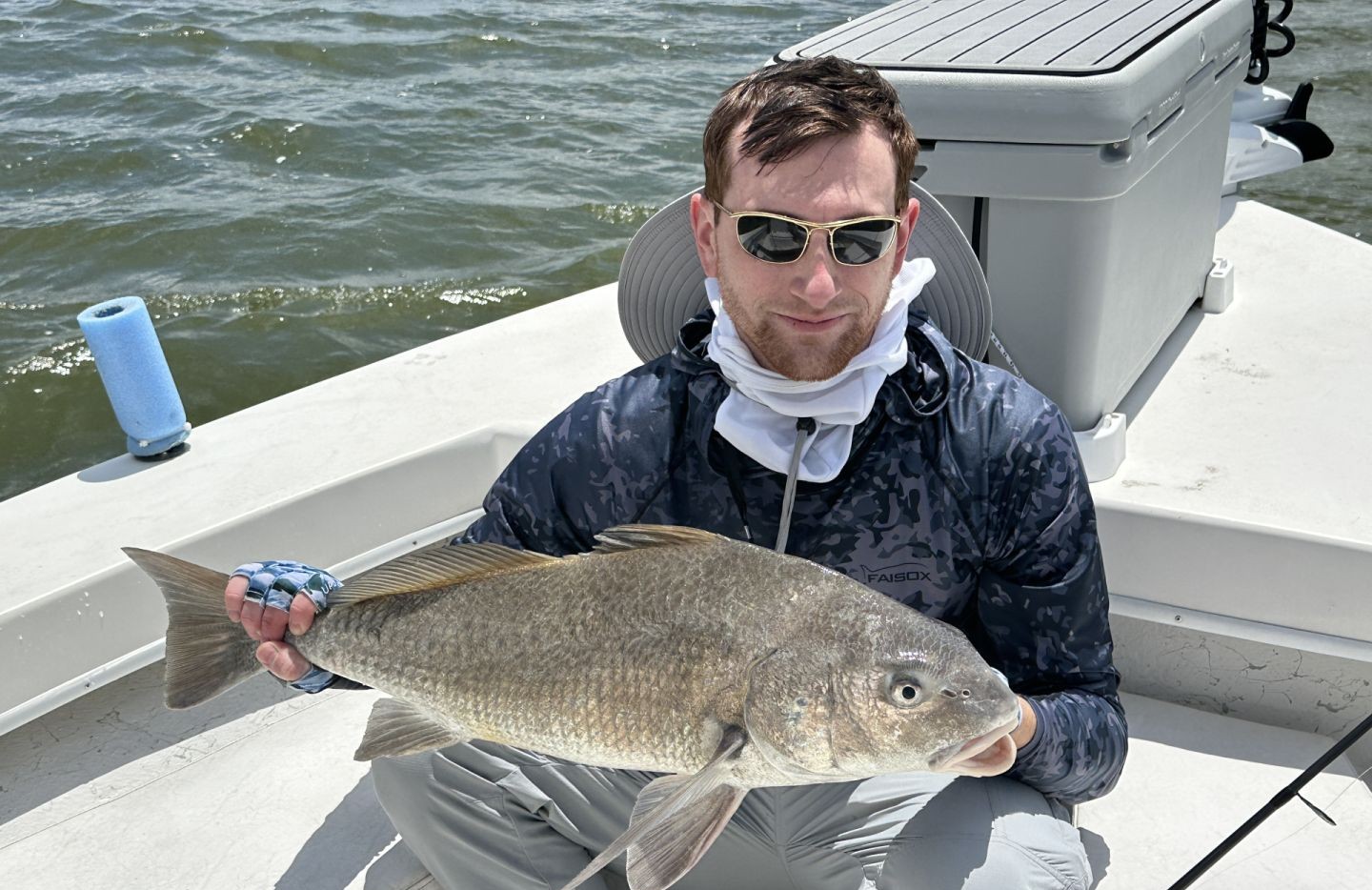
Black Drum are the heavyweights of the flats, and big ones will surprise you with their strength. These bottom feeders cruise the shallows looking for crabs and shellfish, often giving away their location by mudding up the water as they feed. Drum fights are all about power—they use their broad sides and strong shoulders to pull hard and steady. Spring brings the biggest fish as they move shallow for spawning, while smaller drum provide year-round action. When you
 5.0(1 Reviews)
 Private Trip
 Inshore Fishing
 Everglades


 Half-day fishing charter targeting Redfish, Tarpon, Snook, and Black Drum