Reef & Wreck Fishing – Snapper & Grouper
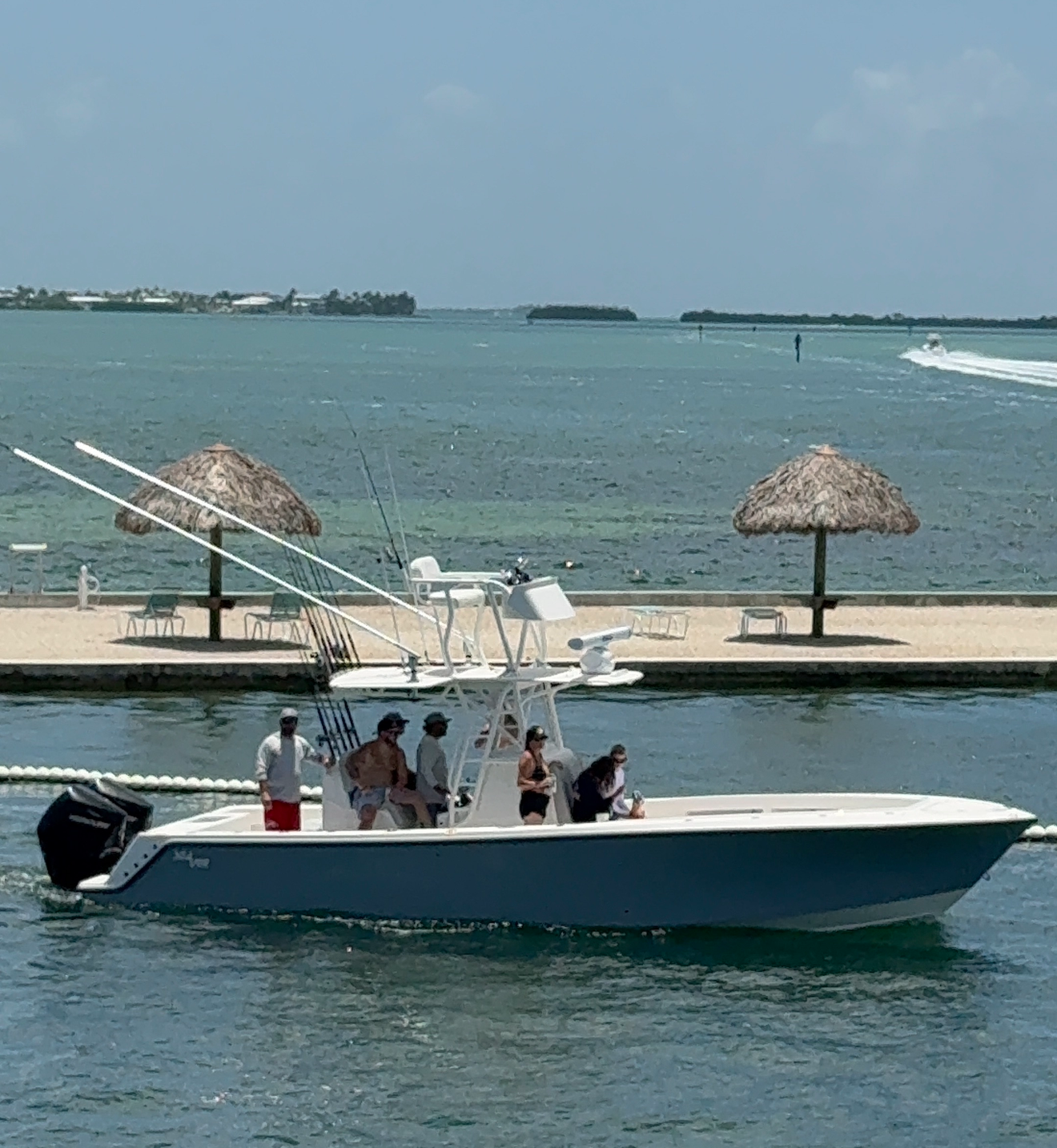
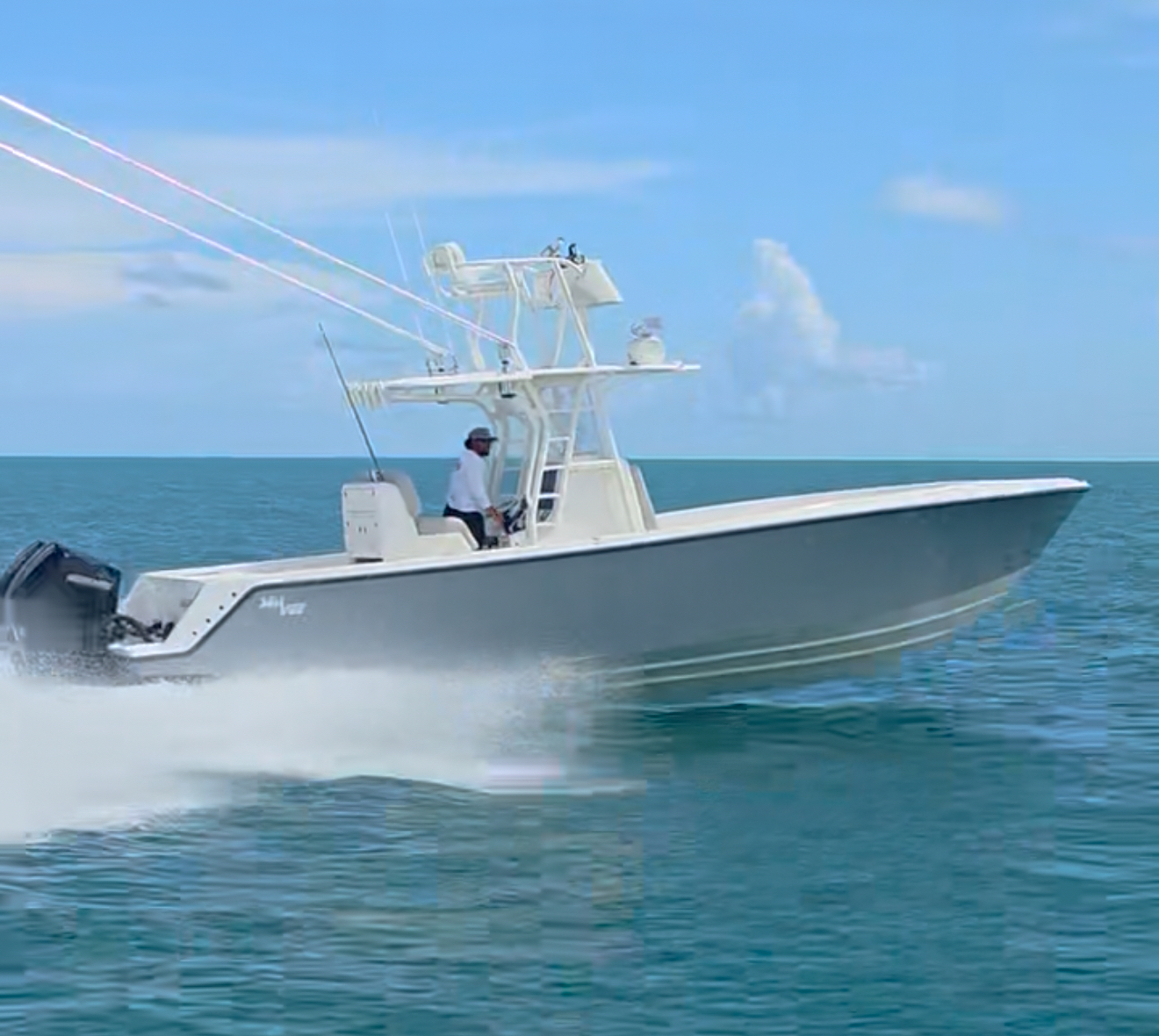
Picture this: you're cruising the crystal-clear waters around Cudjoe Key and the Lower Keys with Captain Jose, better known as "The Snapper Whisperer," at the helm of a brand-new 32' SeaVee. The morning sun hits your face as you approach some of the most productive reef and wreck fishing grounds in all of Florida. This isn't just another fishing charter – it's your chance to tangle with yellowtail snapper, mutton snapper, and hefty grouper that call these underwater structures home. Whether you're a seasoned angler or just getting your feet wet, Captain Jose knows exactly where the fish are biting and how to put you on them fast.
What to Expect on the Water
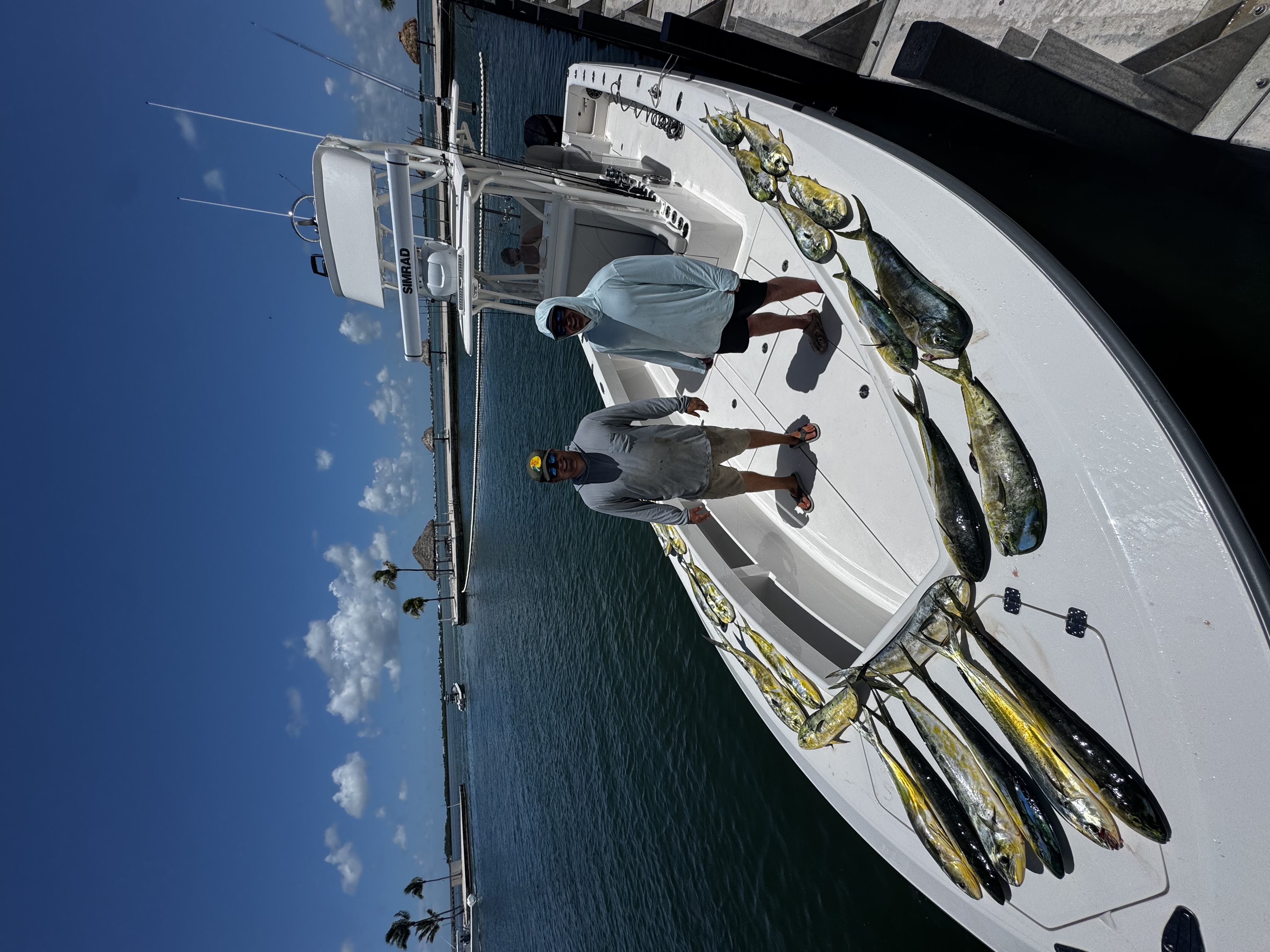
From the moment you step aboard, you'll notice this isn't your average fishing boat. The 32' SeaVee comes loaded with everything you need for a comfortable day on the water – shaded seating to escape the Florida sun, a JL sound system for those perfect fishing moments, Starlink Wi-Fi to share your catches in real-time, and even a private bathroom so you never have to cut your fishing short. Captain Jose provides all the gear, licenses, bait, and ice, which means you can focus on what matters most: landing fish. The boat's design makes it perfect for reef and wreck fishing, with plenty of space to move around and fight those bigger grouper without getting tangled up with other anglers. The ride out to the fishing grounds is smooth and quick, giving you more time with your line in the water where it counts.
Techniques and Tackle
Reef and wreck fishing in the Lower Keys is all about precision and knowing your structure. Captain Jose positions the boat over productive reefs and artificial wrecks where snapper and grouper congregate, using his GPS and fish finder to locate the sweet spots. The technique here is mostly bottom fishing with medium to heavy tackle – think circle hooks, sinkers heavy enough to reach the bottom in current, and fresh cut bait or live pilchards. For yellowtail snapper, you'll often fish with lighter tackle and smaller hooks, using a chum bag to bring them up in the water column where they're easier to catch. When targeting grouper around the wrecks, it's all about getting your bait down fast and being ready for that initial run when they grab it. Captain Jose will have you rigged up with the right setup for each spot, whether that's free-lining baits for snapper or dropping heavy jigs for grouper hiding in the structure.
Top Catches This Season
Red Grouper are the bread and butter of these reef systems, typically running 3-8 pounds with occasional monsters pushing 15-20 pounds. These fish are most active during the cooler months from October through April, when they move up onto the shallower reefs to feed. What makes red grouper so exciting to catch is their initial run – they'll grab your bait and immediately try to get back to their hole in the reef, so you've got to muscle them up fast. They're also fantastic eating, with firm white meat that's perfect for grilling or frying.
Cubera Snapper are the giants of the snapper world, and when you hook into one, you'll know it immediately. These bruisers can exceed 50 pounds and are most commonly caught around the deeper wrecks during summer months when they come in to spawn. Cubera are notorious for their powerful runs and ability to break you off in the structure, which makes landing one a real trophy achievement. They're primarily nocturnal feeders, so the best action often happens during dawn and dusk trips.
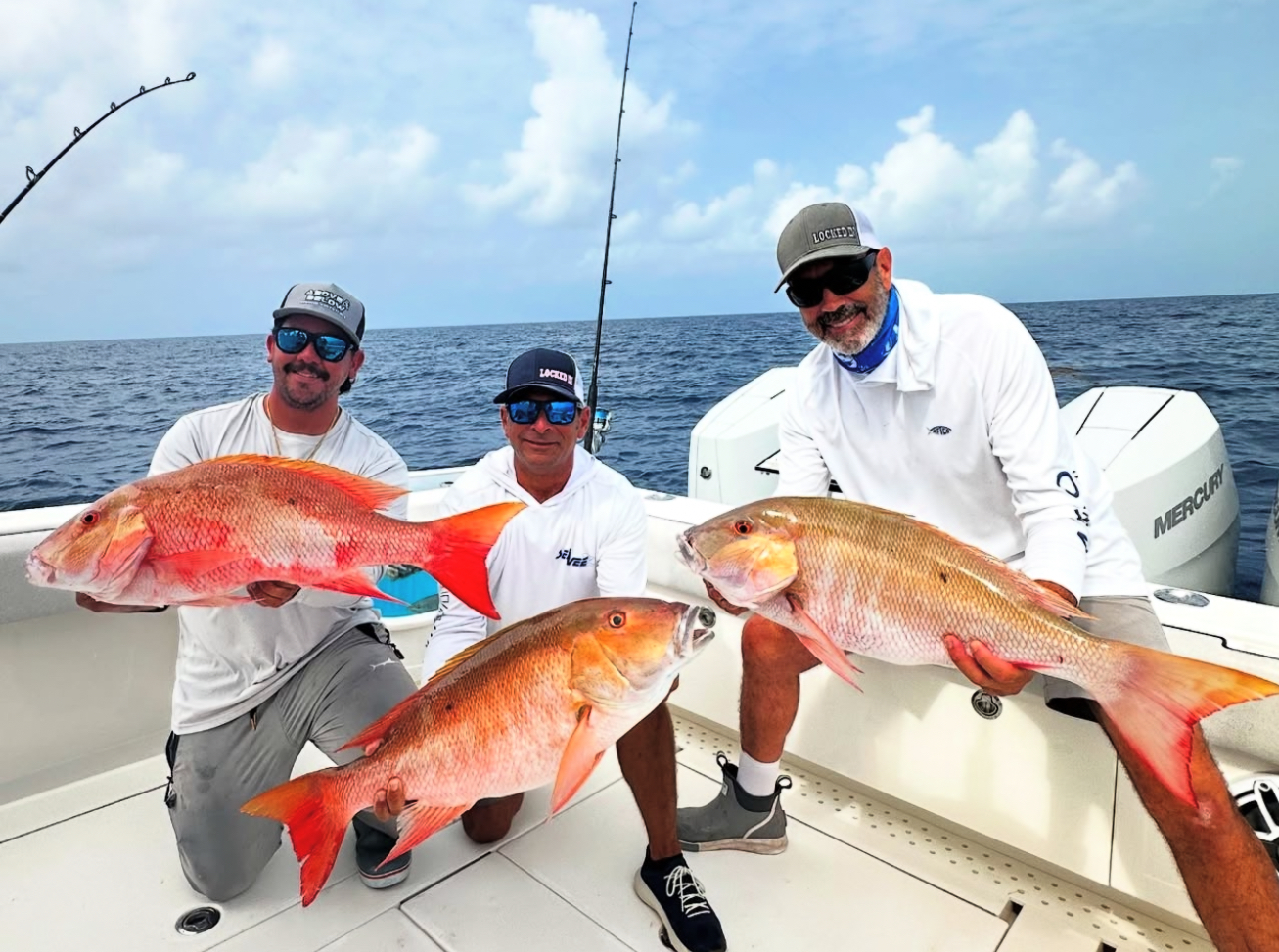
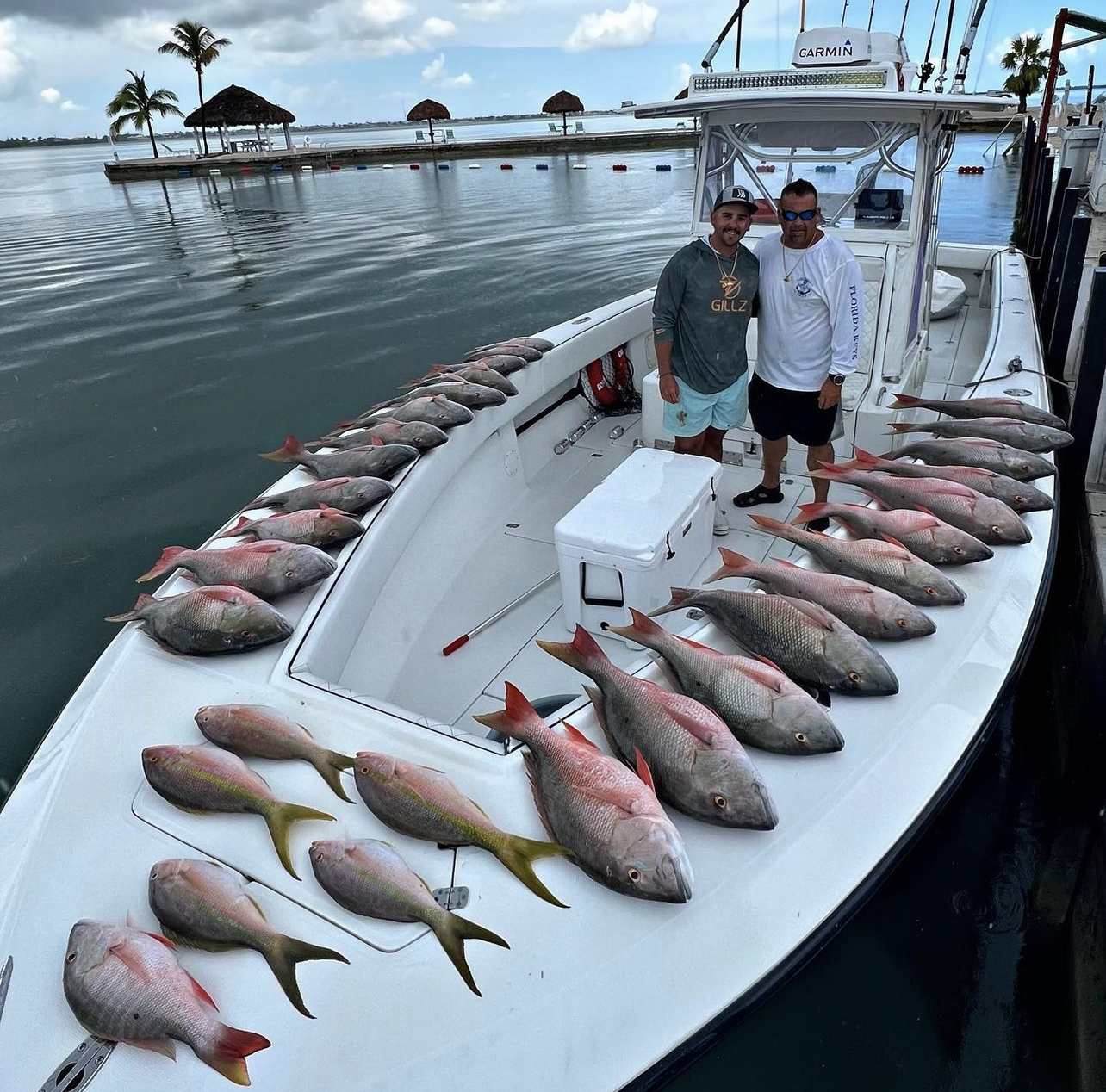
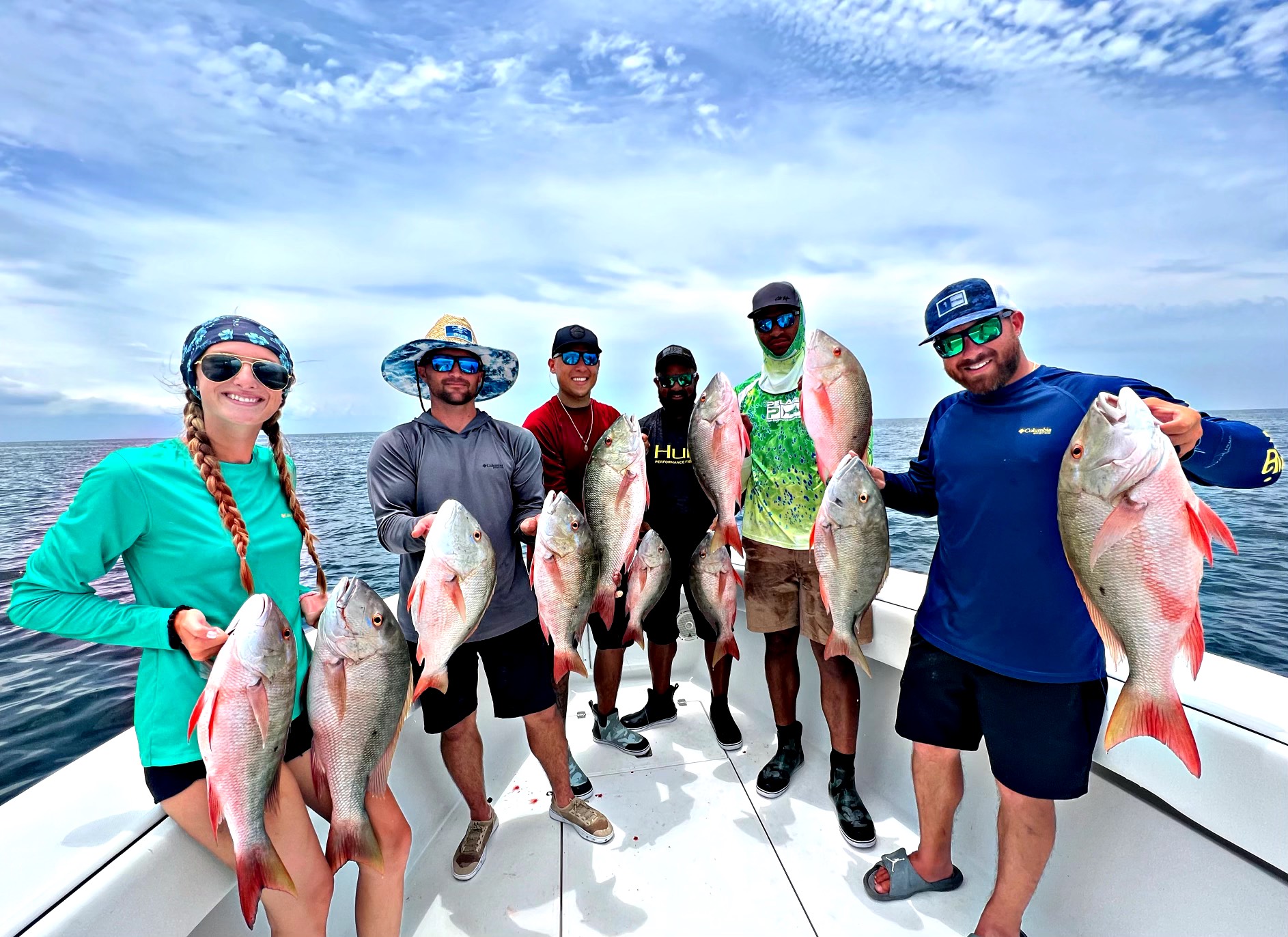
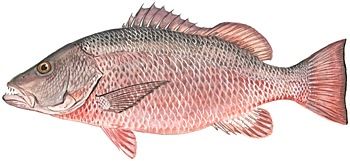
Mutton Snapper are Captain Jose's specialty – these beautiful fish with their distinctive red fins and black spot are abundant around the Lower Keys year-round. They typically range from 2-10 pounds, with the bigger ones being extremely wary and requiring finesse to catch. Muttons are known for their excellent table fare and sporty fight, often making long runs and testing your drag. They're most active during the warmer months and can be caught both on the bottom and suspended in the water column.
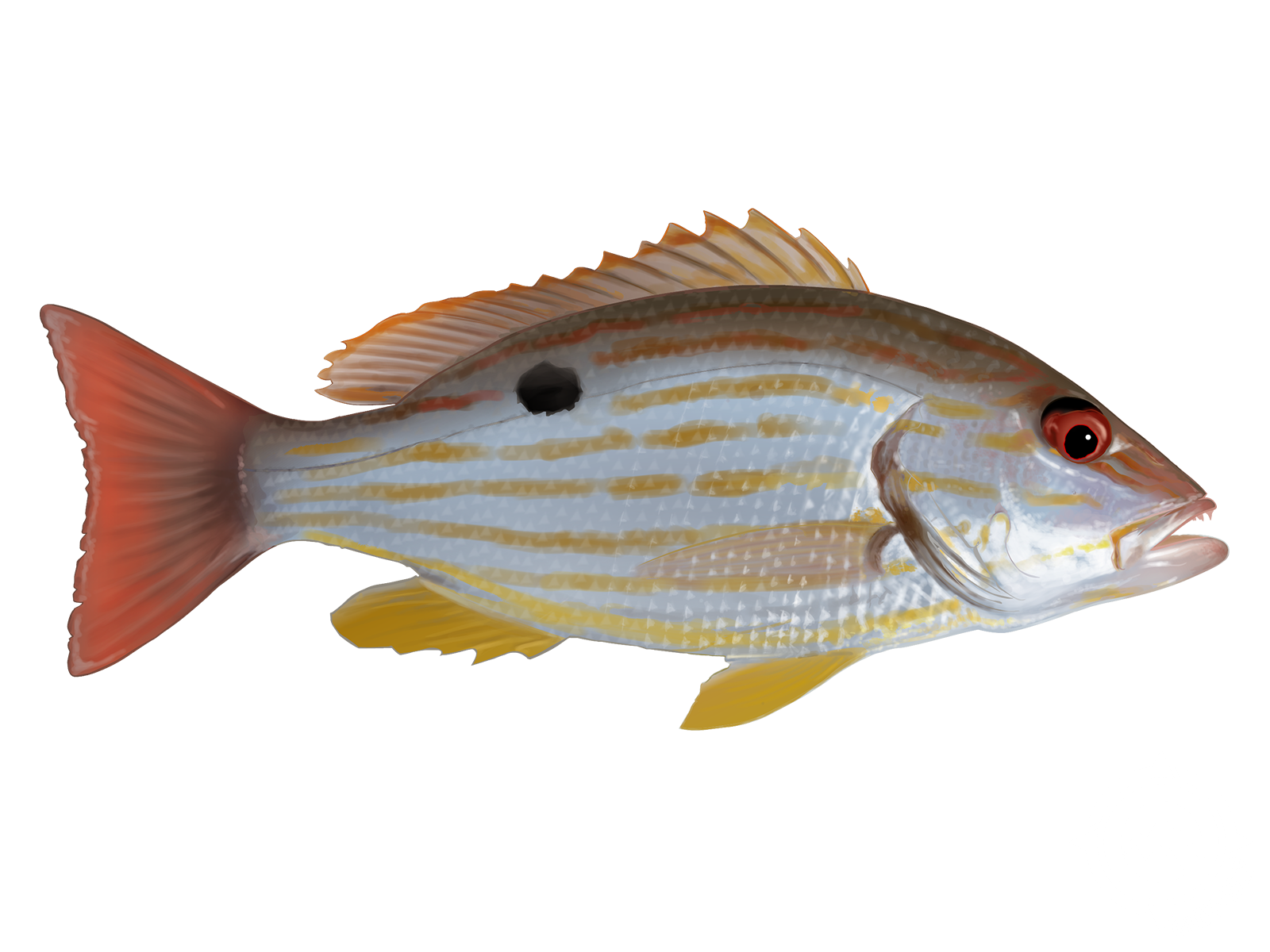
Lane Snapper might be smaller than their cousins, but they make up for it in numbers and fight. These colorful fish rarely exceed 2 pounds but are constant action, perfect for families with kids or anglers who love non-stop fishing. They're present year-round and are often the first fish to show up when you start chumming. Lane snapper are also excellent for the dinner table, and Captain Jose can show you the best way to fillet these smaller fish for maximum yield.
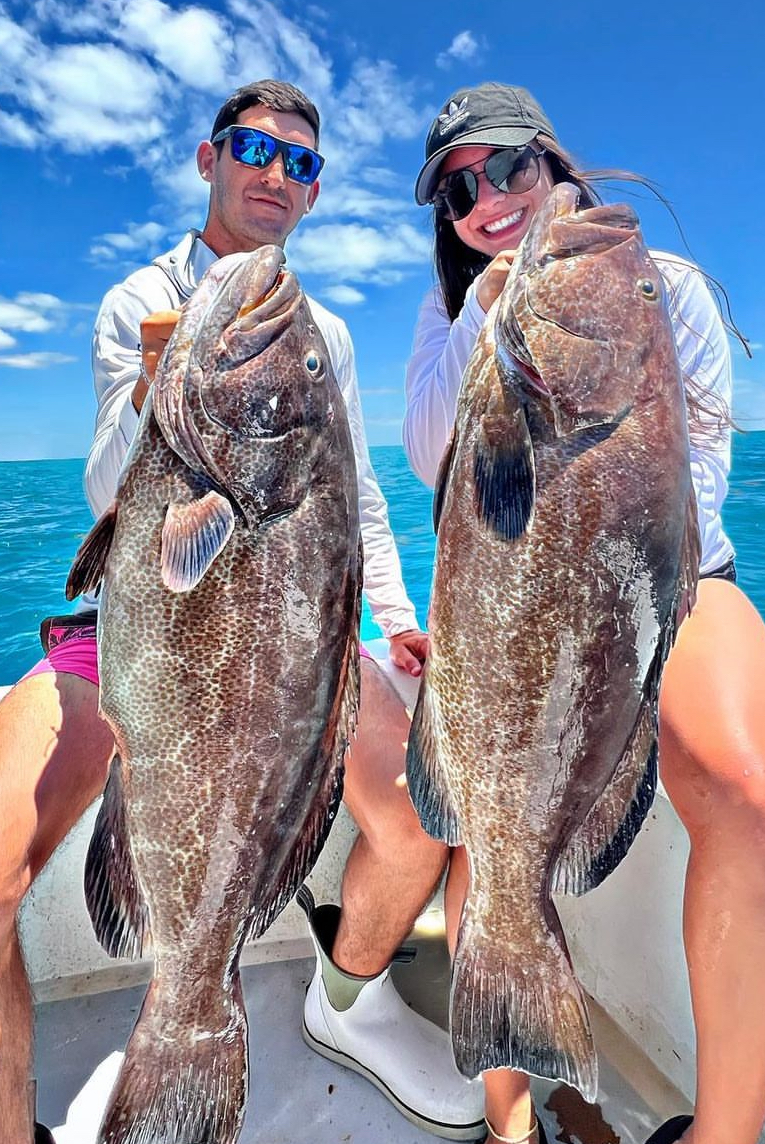
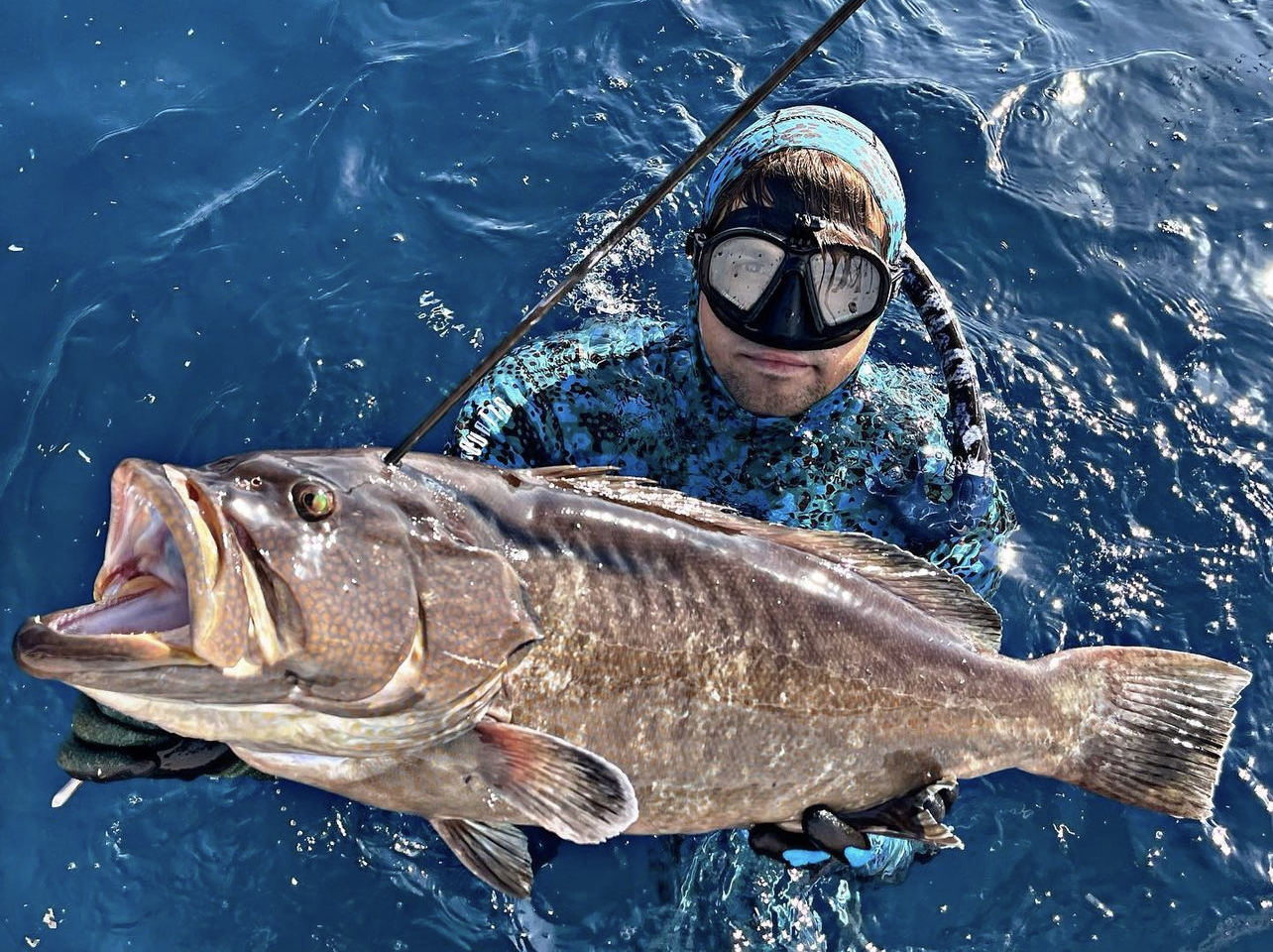
Black Grouper are the apex predators of these reef systems, often reaching 30+ pounds and providing the fight of a lifetime. These fish are more common during the spring and summer months and prefer the deeper wrecks and ledges. Black grouper are incredibly strong and smart – they'll use every piece of structure to try to break you off. Landing a big black grouper is considered the ultimate achievement on these fishing grounds, and their size makes them perfect for feeding a large group back at the dock.
Time to Book Your Spot
Captain Jose's reputation as "The Snapper Whisperer" didn't happen by accident – it comes from years of putting anglers on fish and making sure every trip is memorable. The combination of his local knowledge, top-rated equipment, and the productive waters around Cudjoe Key and the Lower Keys creates the perfect recipe for an outstanding fishing experience. Whether you're looking to fill the cooler with dinner, chase that trophy grouper, or just enjoy a day on the water with family and friends, this reef and wreck fishing adventure delivers. The brand-new SeaVee ensures comfort and safety, while Captain Jose's expertise guarantees you'll be fishing the right spots with the right techniques. Don't wait – the fish are biting, and your spot on this world-class fishing charter is just a booking away. Contact Above
 Private Trip
 Wrecks/Reefs Fishing
 undefined, undefined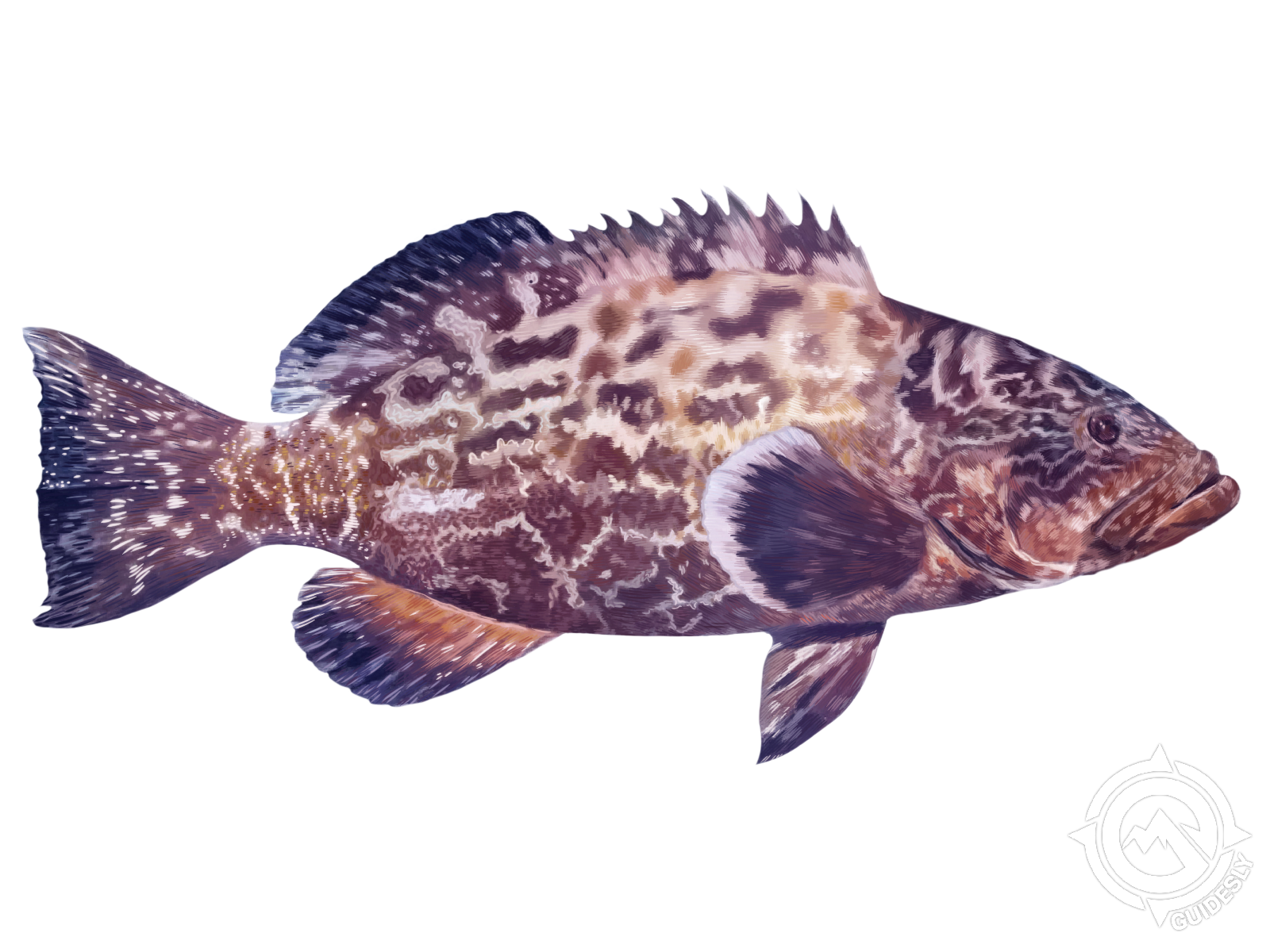


 Target snapper and grouper around Keys reefs and wrecks