Adirondack Canoe/Rowboat Fishing Trip
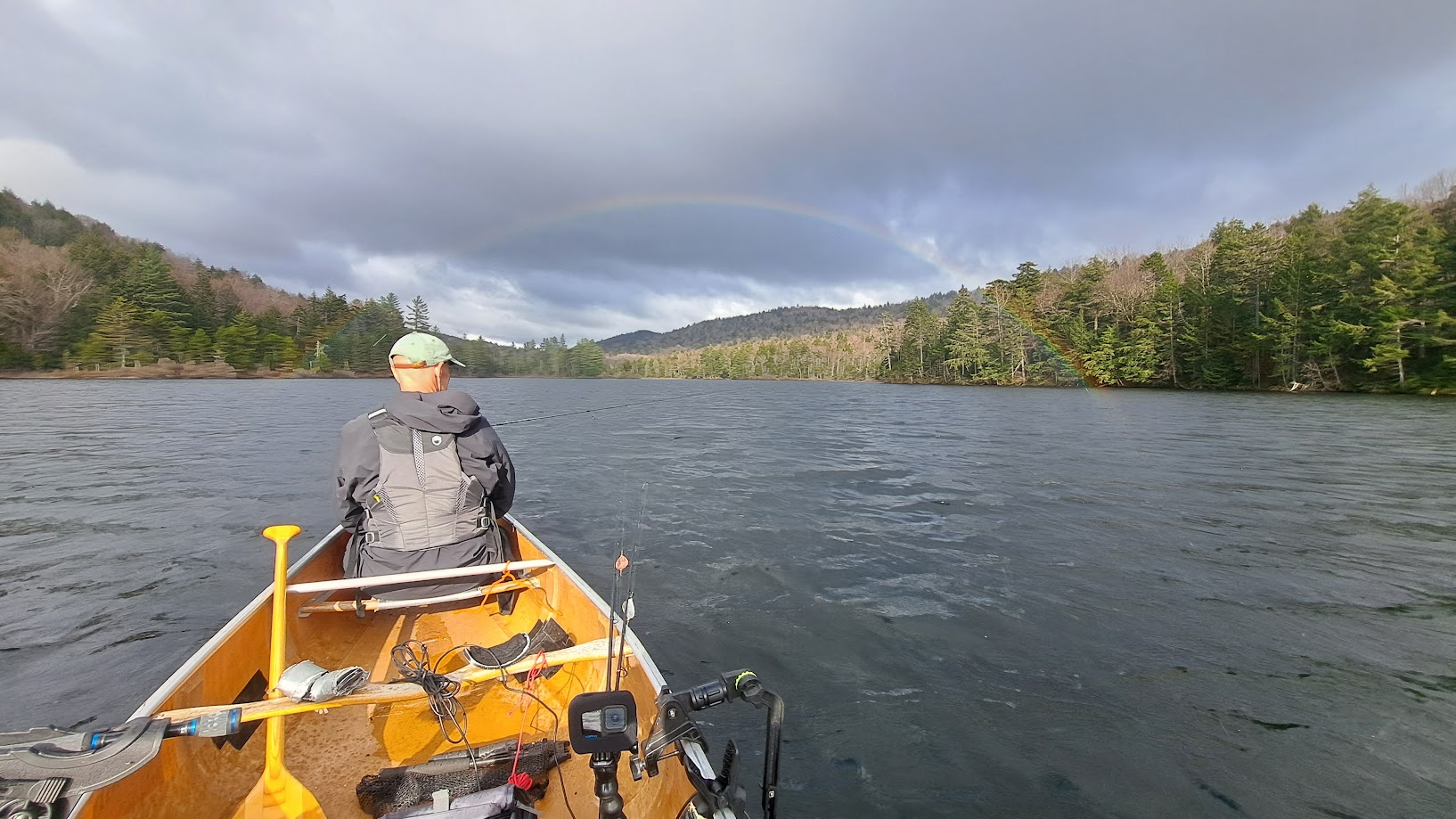
Picture yourself gliding across a mirror-still mountain pond at first light, rod in hand, surrounded by nothing but towering pines and the distant call of a loon. This isn't your typical guided fishing trip—it's a personalized adventure into some of the Adirondacks' most productive backcountry waters. With just you and your guide, you'll have the flexibility to chase whatever's biting, whether that's speckled brook trout in hidden beaver ponds or toothy northern pike cruising the weed lines of larger lakes. Every trip is different because every angler is different, and that's exactly how we like it.
What to Expect on the Water
Your day starts with a conversation about what gets you excited—are you hoping to land your first trophy pike, or do you dream about the perfect brook trout rising to a dry fly? Maybe you're curious about jigging for lake trout in the deeper waters, or you want to work the rocky shorelines for smallmouth bass. Whatever your fishing goals, we'll match them to the perfect water. The Adirondacks have over 3,000 lakes and ponds, and many of the best fishing spots can only be reached by paddle. We'll launch from secluded put-ins that most anglers never see, giving you access to waters where the fish haven't been pressured by weekend crowds. Expect plenty of casting time, strategic moves between productive spots, and shoreline breaks where you can stretch your legs and take in the wilderness around you. The pace is relaxed but purposeful—we're here to fish, but there's no rushing in the backcountry.
Gear Setup & Techniques
Don't worry about hauling a tackle box into the wilderness—we've got you covered with everything you need for a successful day. Your guide carries rods matched to the target species, from lightweight spinning setups perfect for brook trout to medium-heavy rigs that can handle a big pike's headshakes. We'll rig you up with the right lures and baits for the conditions, whether that's working spinnerbaits through submerged timber, drifting live bait along drop-offs, or casting topwater plugs during the morning bite. Techniques vary by season and species, but expect to learn some new tricks. Spring means working shallow bays where fish are staging post-spawn, summer calls for deeper presentations and early morning surface action, and fall fishing can be absolutely lights-out as fish feed aggressively before winter. The canoe or rowboat becomes your fishing platform, allowing us to position perfectly for each cast and move quietly between spots without spooking the fish.
Species You'll Want to Hook
Brook trout are the jewels of Adirondack waters, and catching one in their native habitat is something every angler should experience. These native char thrive in the region's cold, clean waters, showing off brilliant orange fins and spotted sides that look like living artwork. Spring and fall offer the best action, when brookies move into shallows and become aggressive feeders. Don't expect giants—most run 8 to 12 inches—but their fight in cold water is impressive, and they're absolutely beautiful fish. They're also incredibly spooky, which makes approaching them by canoe perfect since you can drift into casting range without the noise of a motor.
Northern pike are the region's apex predator, and hooking into a 30-plus-inch snake will get your heart pumping. These ambush hunters love weed lines, fallen timber, and shallow bays where they can surprise unsuspecting prey. Peak pike fishing runs from ice-out through early summer, when they're in relatively shallow water and aggressive. What makes pike special here is the setting—imagine fighting a fish that's all teeth and attitude while loons call in the background and you're surrounded by wilderness. They're also great for beginners since they're not overly picky about presentations, though they will test your drag when they make their signature head-shaking runs.
Lake trout represent the deep-water challenge, typically found in the region's larger, colder lakes where they patrol depths of 40 to 80 feet. Summer is prime time for lakers, when they hold in the thermocline and can be targeted with downriggers or heavy jigs. These are the trophy fish of the Adirondacks—20 to 30-pound fish are possible, and even smaller lakers put up a dogged, deep fight that will test your endurance. The technique is different from other species we target, involving more vertical presentations and patience, but the payoff is worth it when you feel that distinct lake trout headshake far below the boat.
Walleye fishing peaks during spring and fall when these tasty gamefish move into shallower water to feed. Adirondack walleye are known for their quality—they grow fat on the region's abundant forage and fight harder than their Midwest cousins. Dawn and dusk are magic hours for walleye, when they move up from deeper water to hunt in the shallows. They're also some of the best eating fish in these waters, with firm white meat that's perfect for a shore lunch if you decide to keep a few within regulations.
Rainbow trout bring West Coast flash to Adirondack waters, with their silver sides and acrobatic fights. While not native like their brook trout cousins, rainbows have found a home in many of the region's lakes and provide fantastic sport fishing. They're often found in similar water to lake trout but tend to stay shallower and are more willing to chase moving baits. Spring offers the best rainbow action as they recover from spawning and feed aggressively in the warming water.
Time to Book Your Spot
This top-rated backcountry fishing experience fills up fast, especially during prime seasons when the fish are most active. With just one angler per trip, you're getting a completely personalized adventure that most guides simply can't offer. Your gear is
 Private Trip
 Backcountry Fishing
 undefined, undefined


 Guided canoe fishing for Brook Trout, Bass, and Northern Pike