Extended Half Day Cape Cod Bay Fishing Adventure
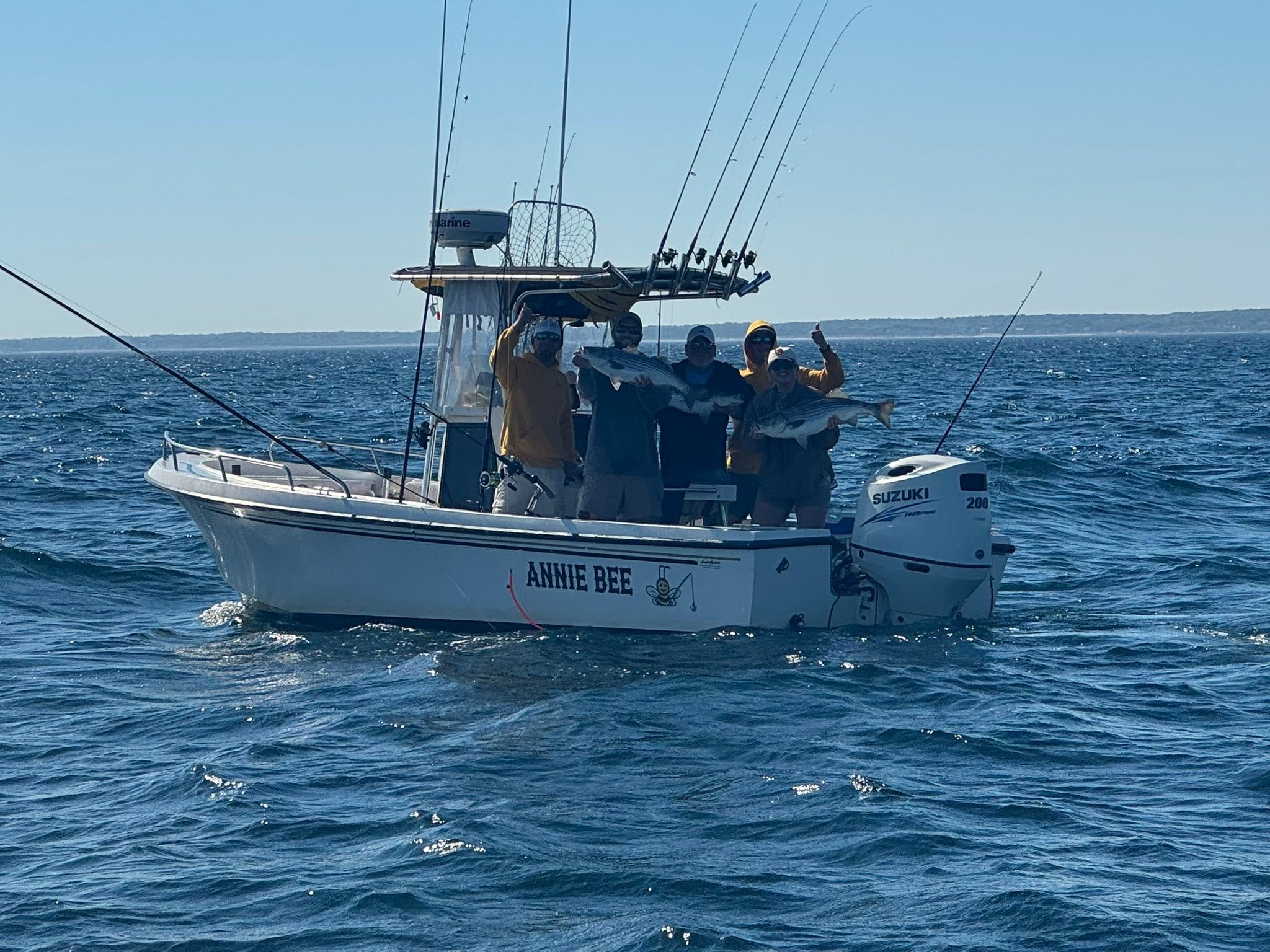
Cape Cod Bay delivers some of the Northeast's most consistent and diverse fishing action, and this six-hour charter with Annie Bee Sportfishing puts you right in the heart of it all. You'll be targeting a fantastic mix of species including Striped Bass, Bluefish, Flounder, Black Sea Bass, Bonito, and Mackerel across productive waters that have been feeding New England families for generations. The extended half-day format gives you real time to dial in on the bite and work multiple spots without feeling rushed. Whether you're a weekend warrior looking to fill the cooler or someone new to saltwater fishing wanting to learn the ropes, this trip strikes the perfect balance between action and instruction.
What to Expect on the Water
Your morning starts early – typically between 7:00 and 9:00 AM depending on tides and conditions – so make sure to touch base with the captain before booking to nail down your departure time. Cape Cod Bay's protected waters mean comfortable fishing even when the open ocean gets sloppy, making this a smart choice for anglers who want to avoid the washing machine effect of rough seas. The boat comes fully rigged with quality tackle, and the crew knows exactly where the fish are holding based on current conditions, bait movements, and seasonal patterns. You'll spend your six hours working different structures and depth changes throughout the bay, from sandy flats where flounder cruise to rocky areas that hold bass and sea bass. The beauty of this extended format is that you're not constantly watching the clock – there's time to move spots, try different techniques, and really get into a rhythm with whatever species are cooperating that day.
Techniques and Tackle Setup
Cape Cod Bay fishing calls for a versatile approach since you're dealing with multiple species and varying bottom conditions throughout the day. The crew typically sets up both light and medium spinning tackle, with options for bottom fishing when targeting flounder and black sea bass, plus casting and jigging setups for the more aggressive feeders like blues and stripers. Live bait like sea worms and squid work great for the bottom dwellers, while soft plastics, jigs, and small metal lures shine when the pelagic species are active. Don't be surprised if you're switching between techniques multiple times during the trip – that's just smart fishing in these waters. The boat's fish finder helps locate structure and bait schools, but reading the water surface for bird activity and bait splashes often tells the real story of where the action's happening. When the mackerel and bonito are running, things can get fast and furious with multiple hookups, so be ready to work quickly and follow the crew's lead on managing lines and landing fish.
Top Catches This Season
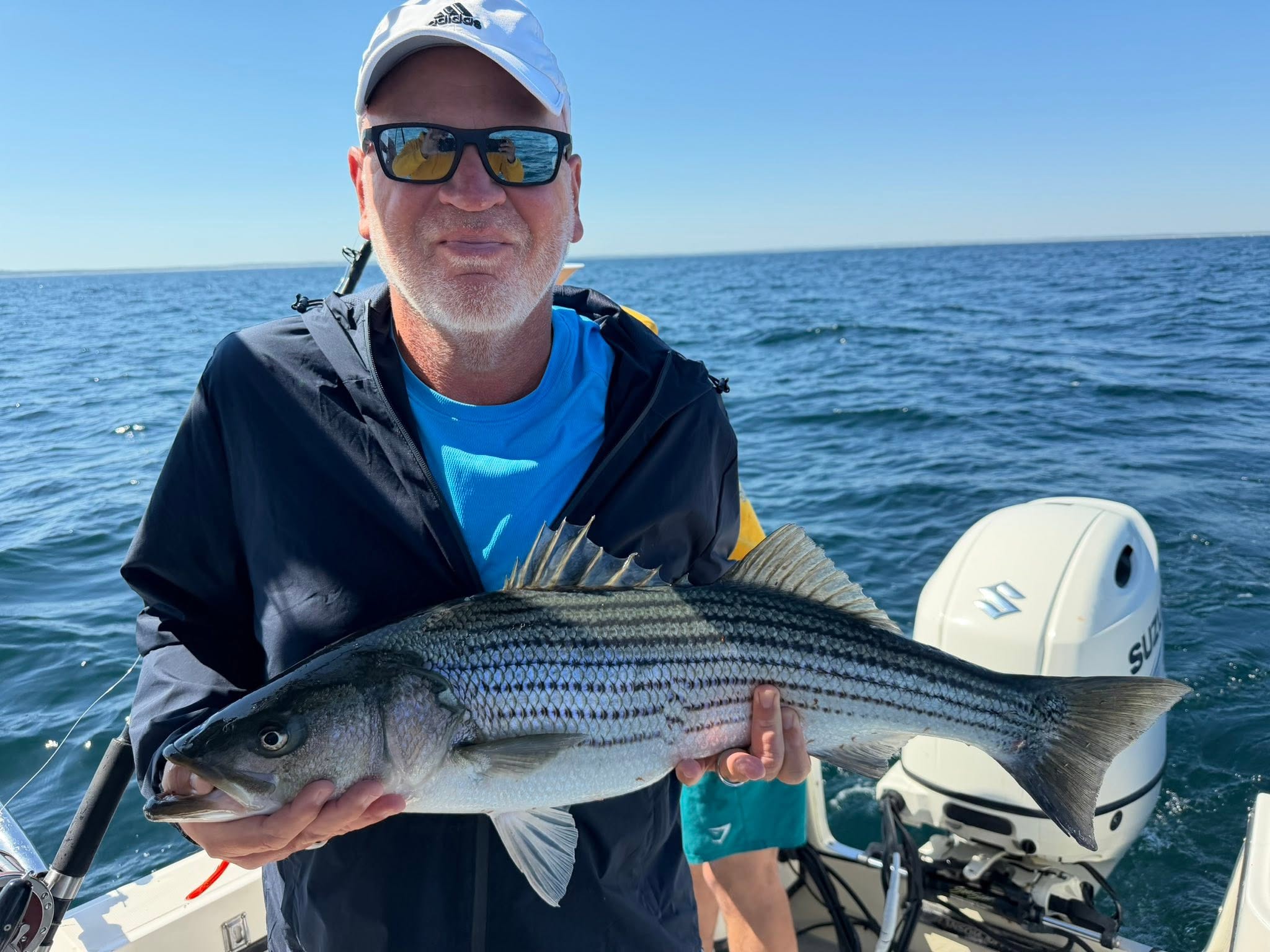
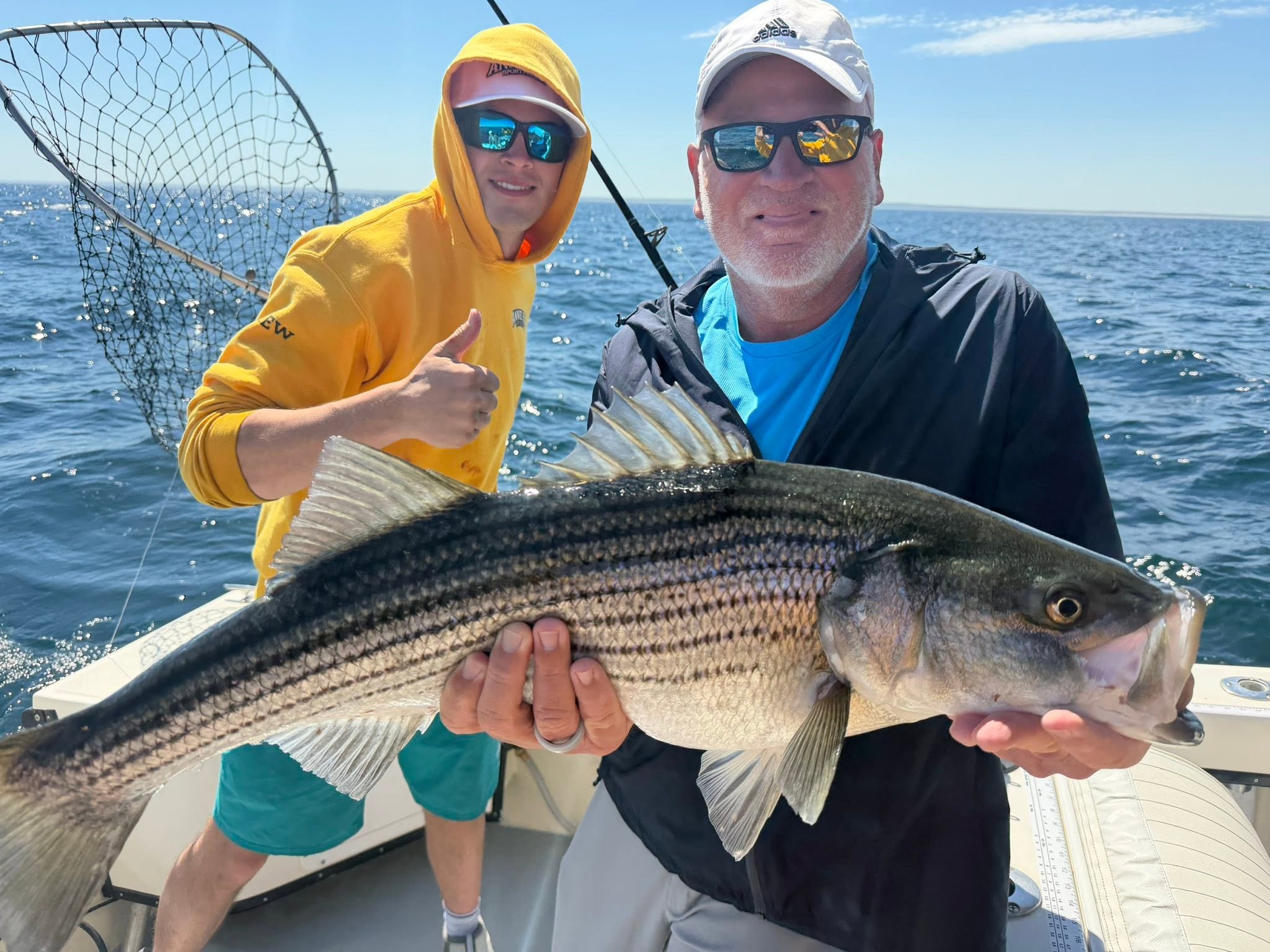
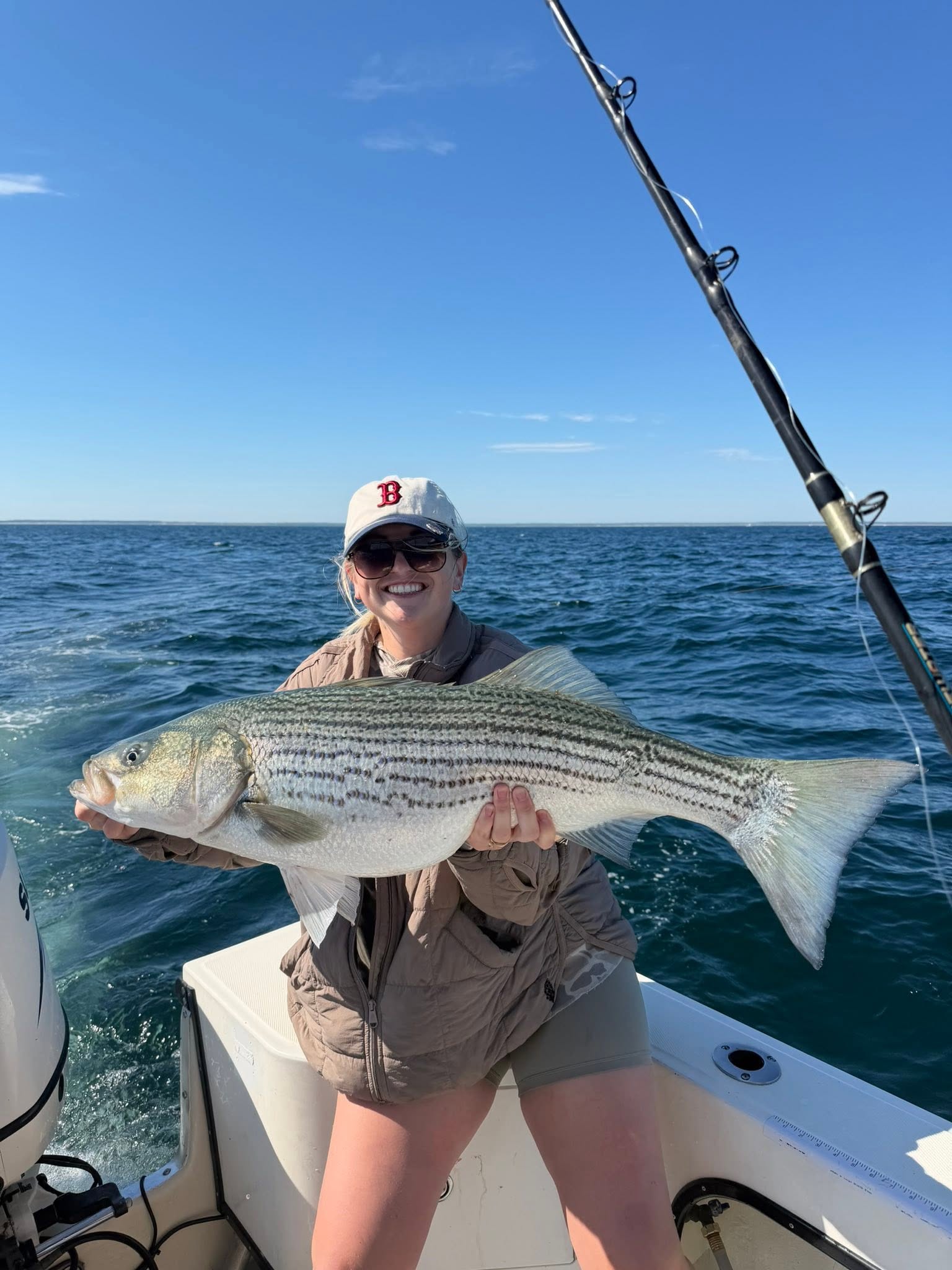
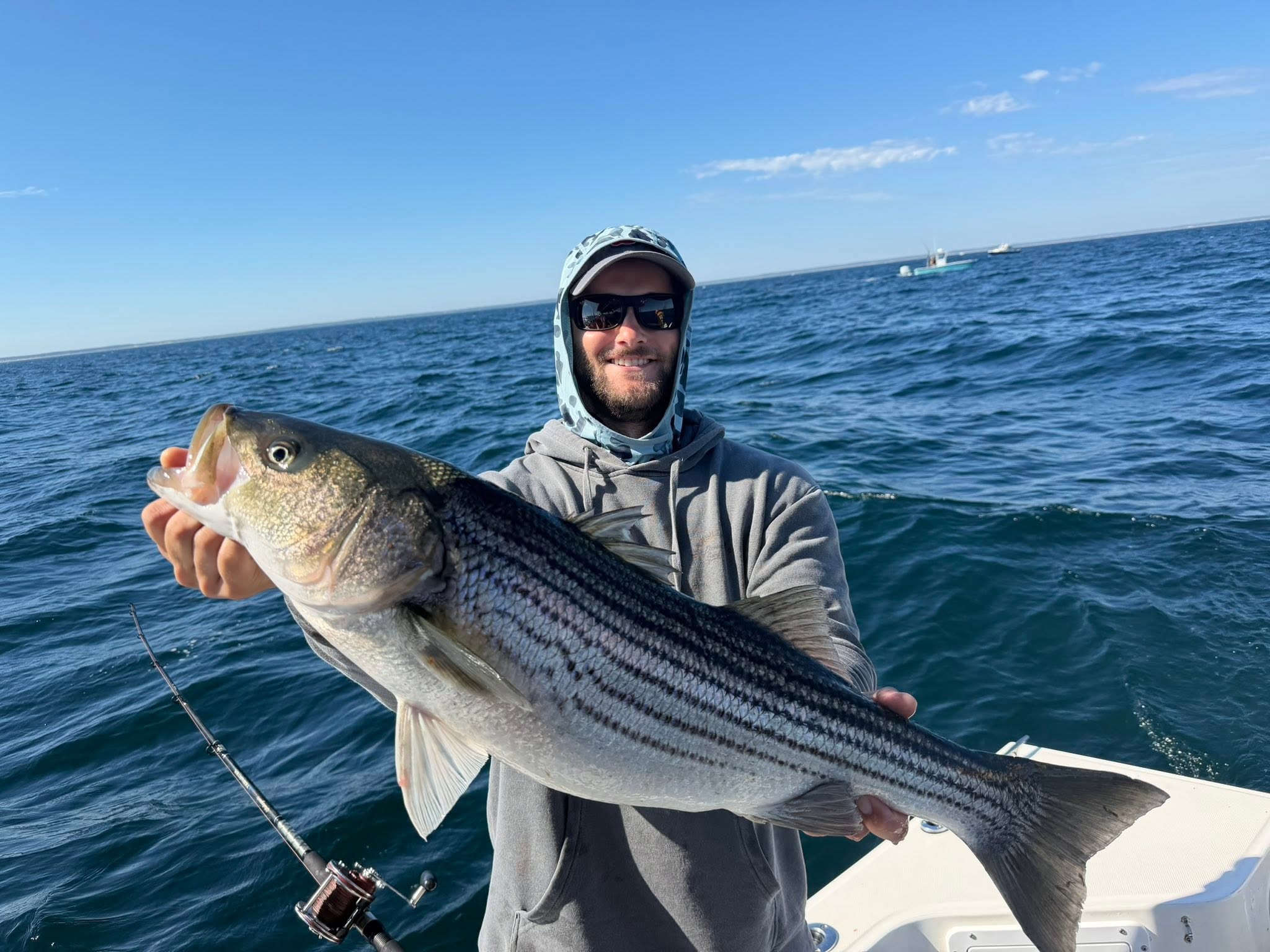
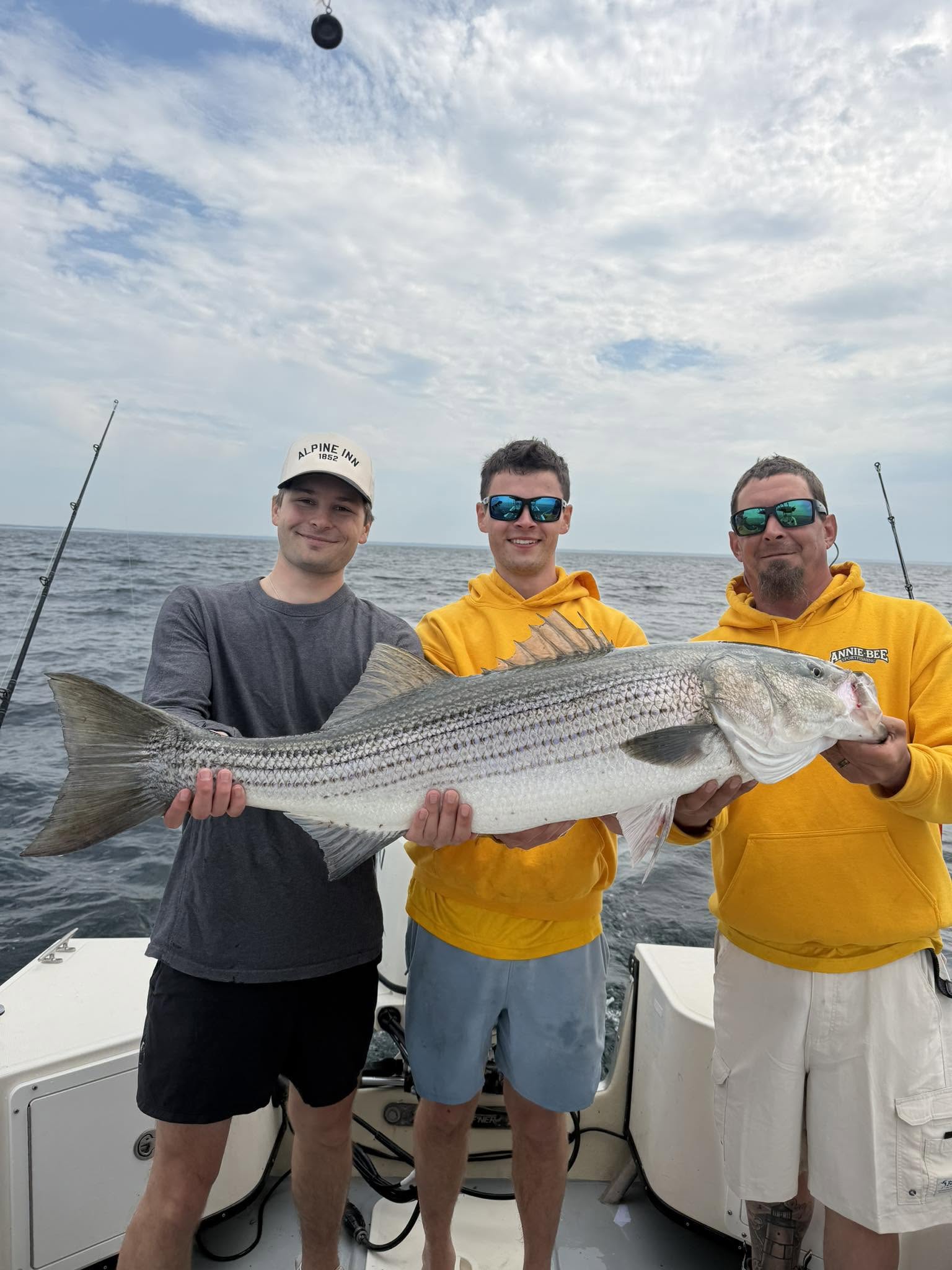
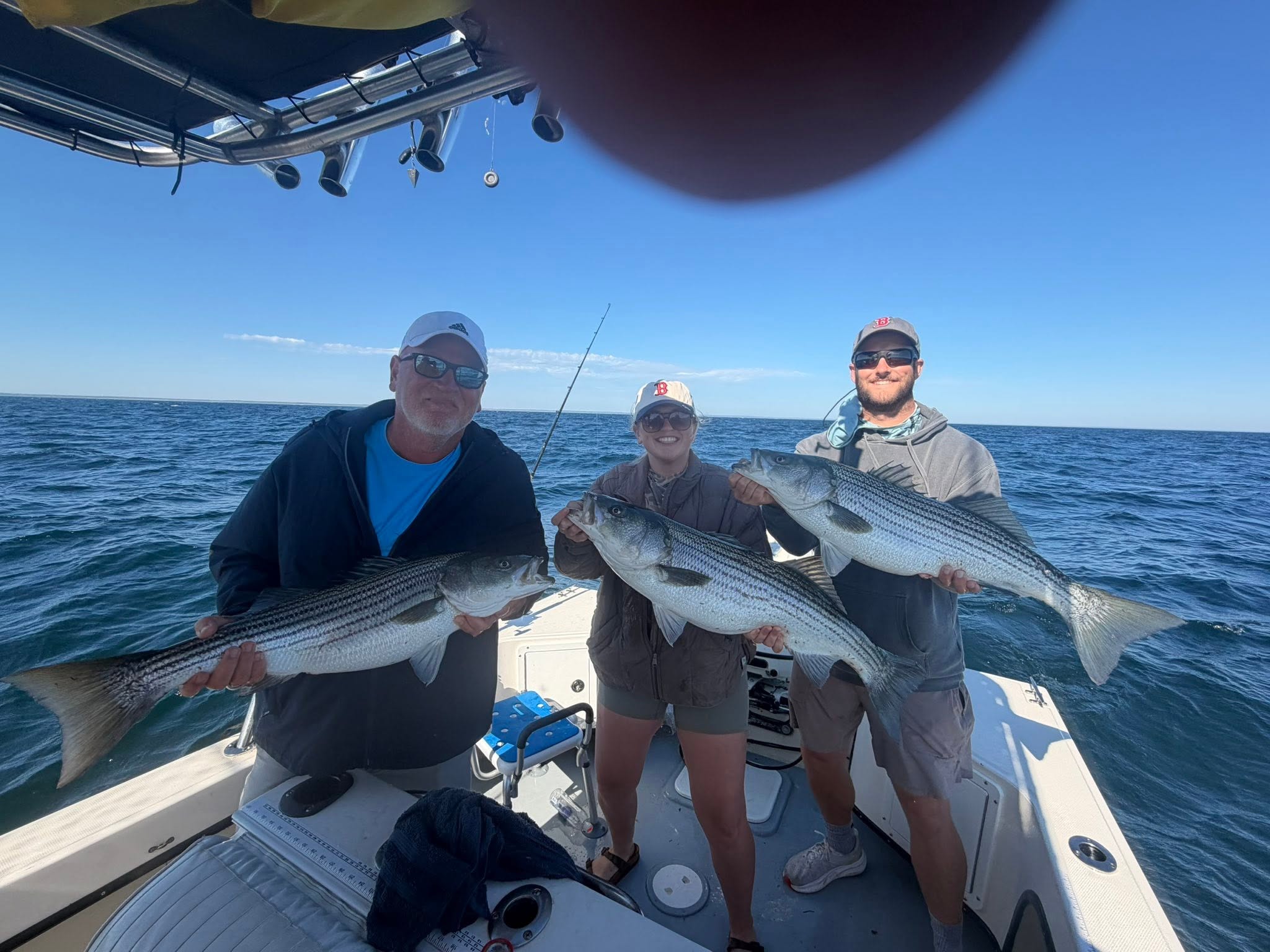
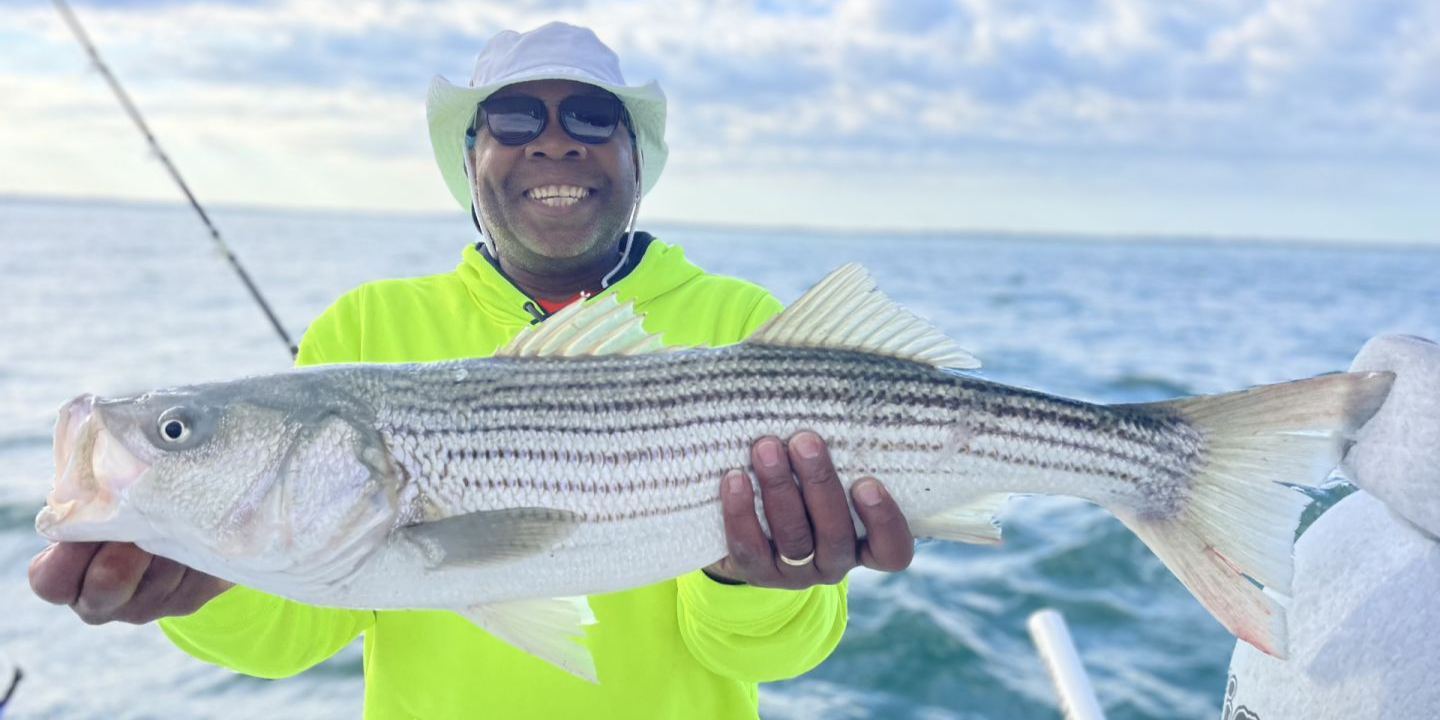
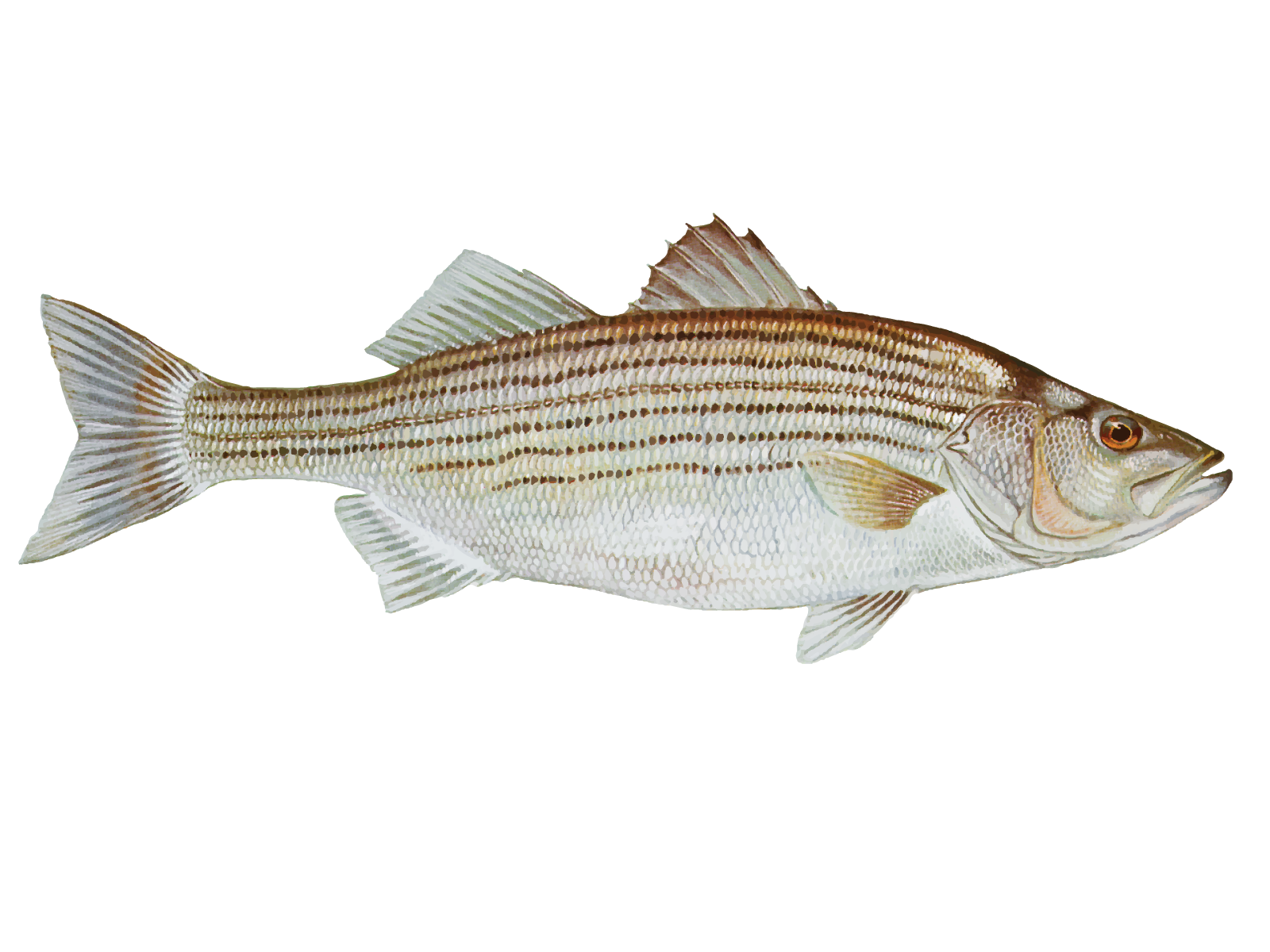
Striped Bass remain the crown jewel of Cape Cod Bay fishing, and for good reason. These silver-sided bruisers can show up anywhere from 20 to 40-plus pounds, with the bigger fish typically holding in deeper water around structure. Bass are most active during moving tides, especially the two hours before and after tide changes. What makes them so special here is their willingness to eat both live bait and artificials – you might catch one on a chunk of squid one minute and nail another on a swimming jig the next. Peak season runs from late spring through fall, with some of the year's best fishing happening right in the bay.
Bluefish bring the aggression factor that keeps things exciting when they move through in schools. These toothy predators average 3 to 8 pounds in the bay and fight way above their weight class. They're infamous for their feeding frenzies when they corner bait schools, creating surface explosions that'll get your heart pumping. Blues hit hard and run fast, making them perfect for anglers who want bent rods and screaming drags. Summer and early fall see the best bluefish action, and when they're around, you'll know it – the water looks like it's boiling with activity.
Black Sea Bass might be smaller than their striped cousins, but they're pure gold for both the table and the fight. These chunky bottom dwellers love rocky structure and typically run 1 to 3 pounds, though bigger ones definitely swim in these waters. They're curious fish that often travel in small groups, so finding one usually means finding several. Sea bass have a great season from late spring through early fall, and they're one of the most reliable species in the bay – when other fish are being finicky, the sea bass usually save the day.
Atlantic Bonito are the speed demons of Cape Cod Bay, and when they show up, it's game on. These mini-tunas average 3 to 6 pounds but fight like fish twice their size, making long runs and testing your drag system. They're highly seasonal, typically showing up in late summer and early fall when water temperatures are just right. Bonito are also fantastic table fare when handled properly, with firm, red meat that's perfect for grilling or sashimi if you're into that.
Atlantic Mackerel often get overlooked, but they're actually one of the most fun species to target in the bay. They school up in massive numbers and hit small jigs and flies with abandon, creating fast-paced action that's perfect for kids and beginning anglers. Mackerel typically run 1 to 2 pounds and are excellent both fresh and smoked. They're most abundant in spring and fall, often serving as the foundation of the bay's food chain and attracting the larger predator species that feed on them.
Time to Book Your Spot
This extended half-day format gives you the best of both worlds – enough time on the water to really get into the fish without committing to a full day trip. With only five anglers max, you'll get personalized attention from the crew and plenty of room to fish comfortably without crowded conditions. Cape Cod Bay's diverse fishery means something's always biting, and the extra two hours compared to standard half-day trips often makes the difference between
 Private Trip
 Offshore Fishing
 Barnstable Harbor, Massachusetts, USA


 Six-hour extended fishing trip targeting striped bass and mackerel