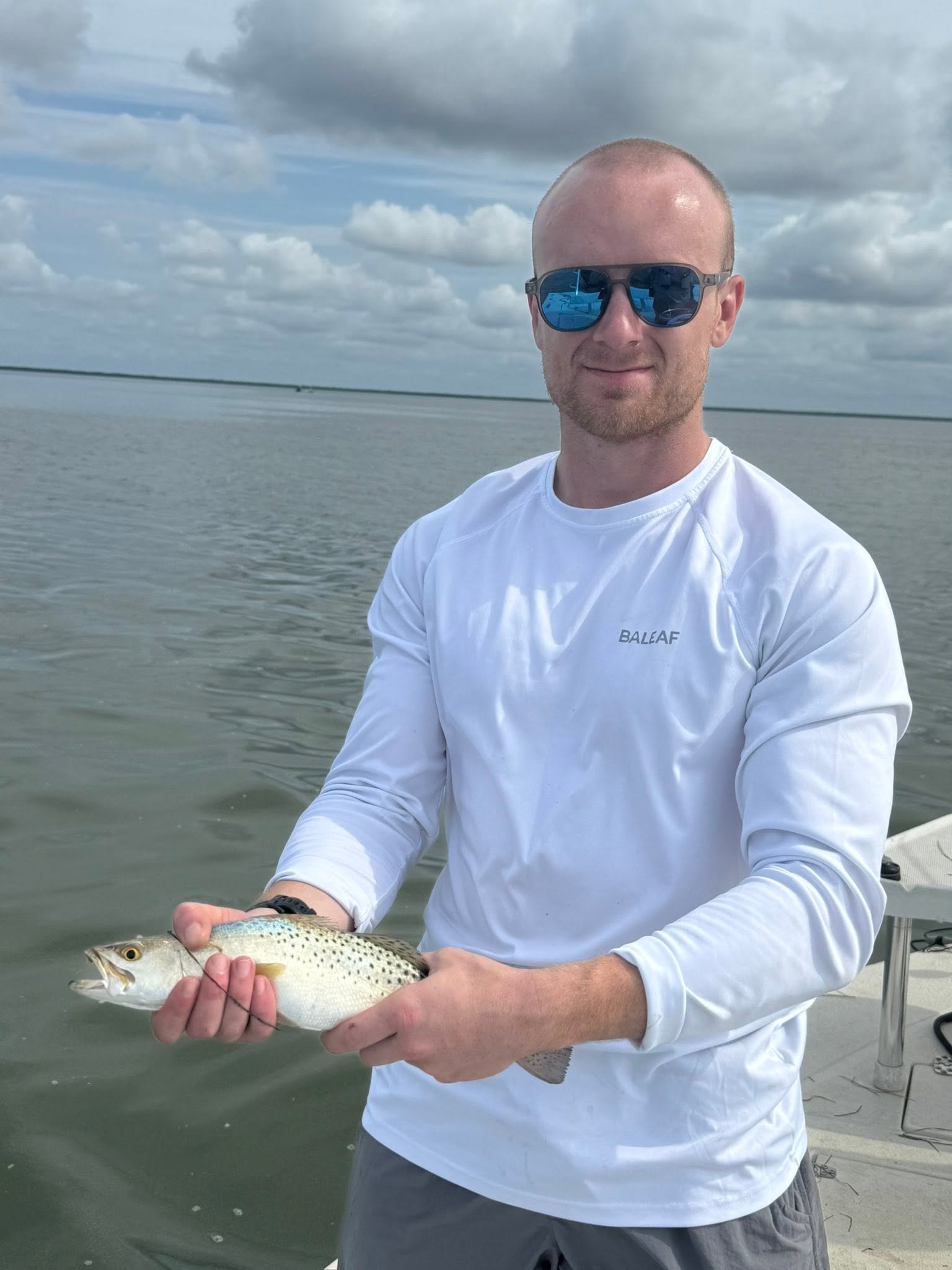
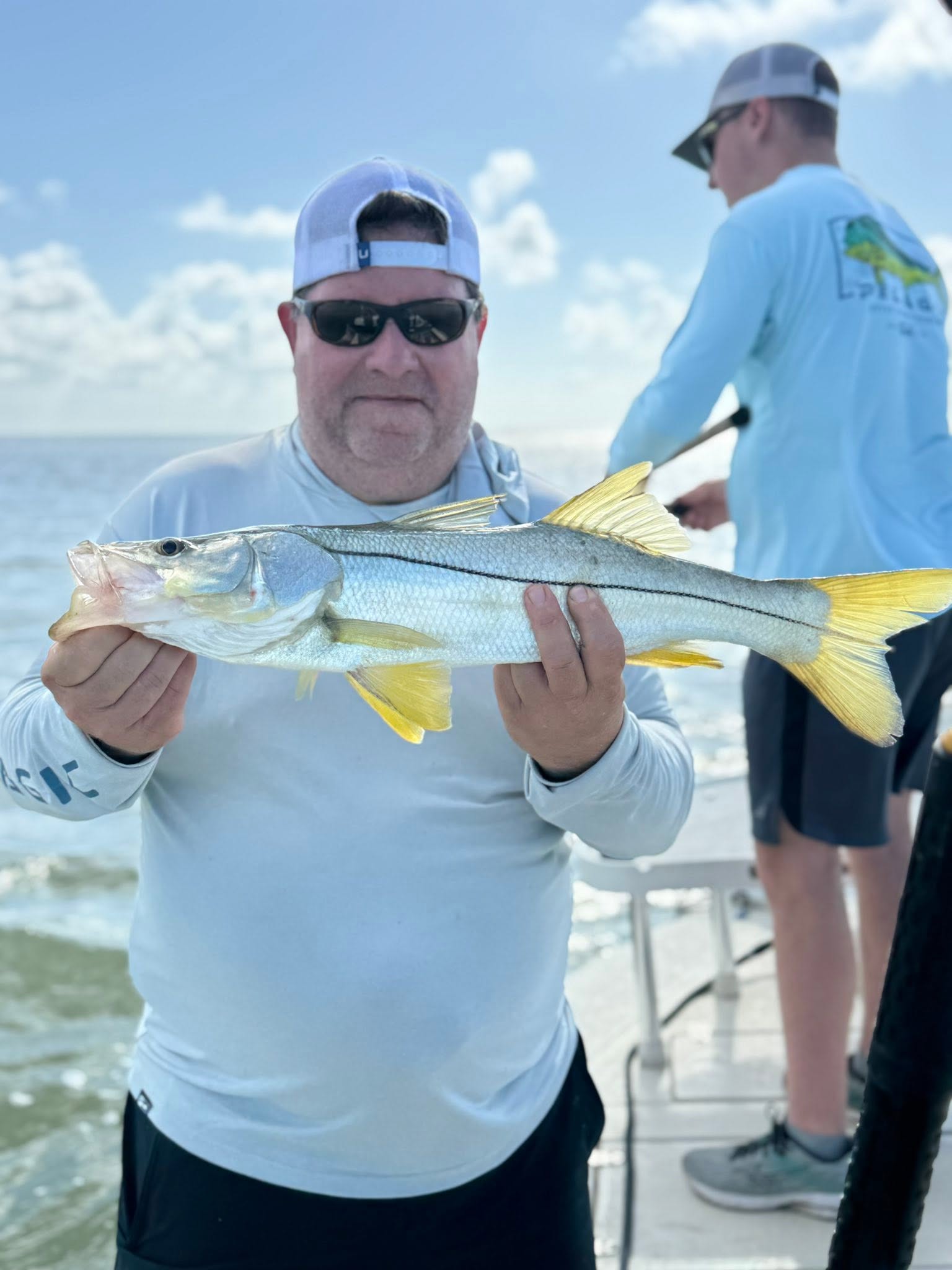
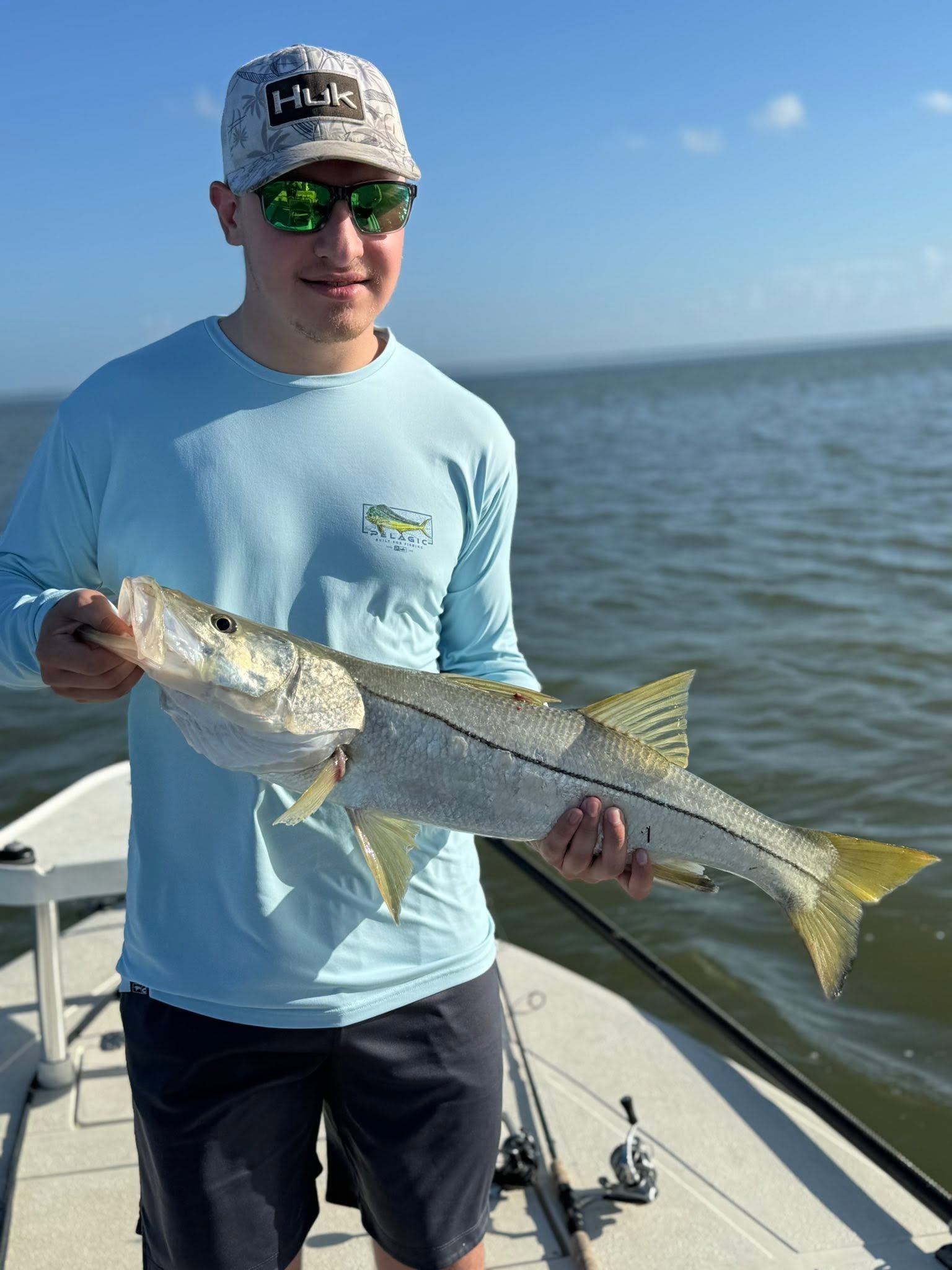
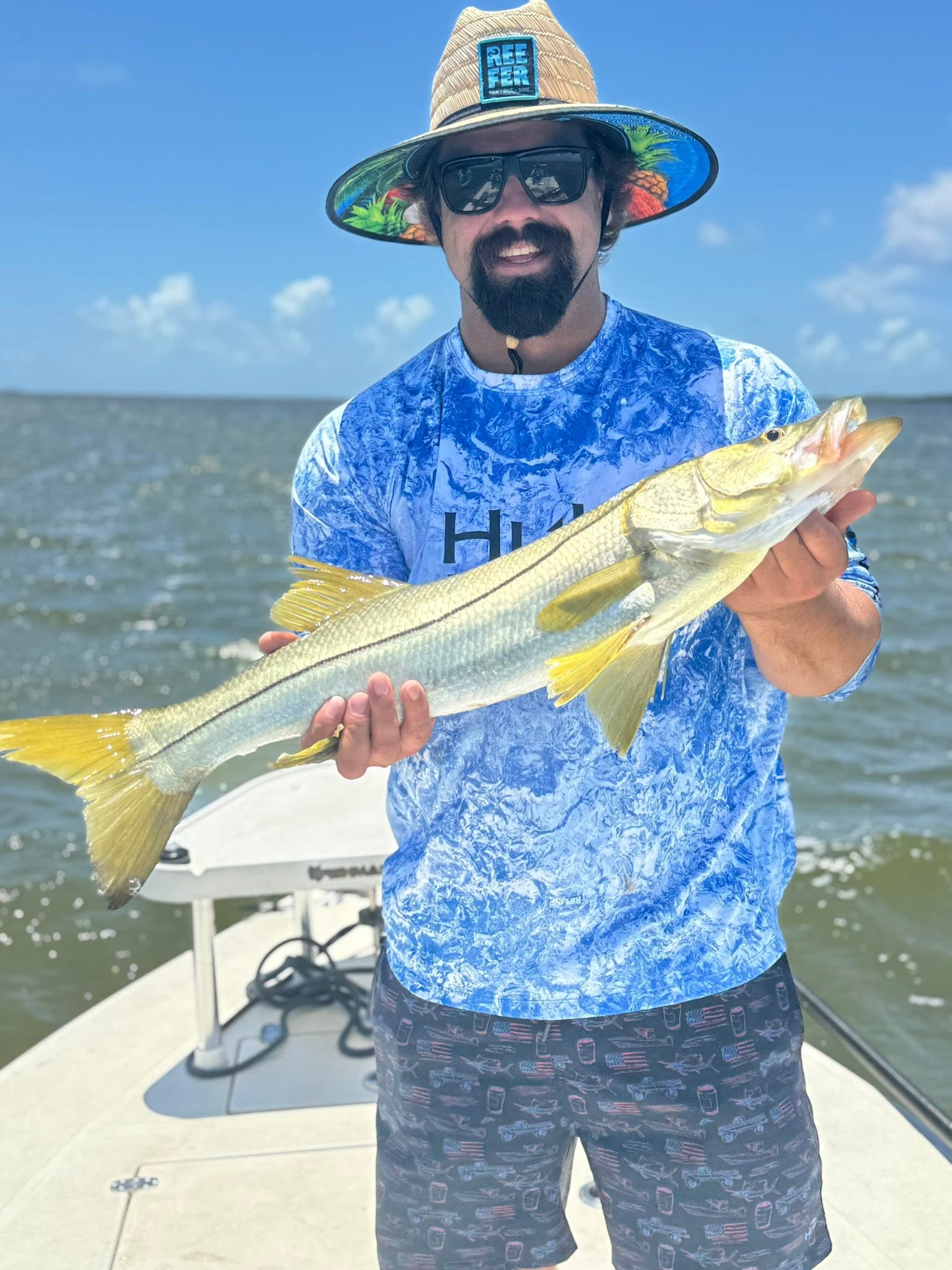
Key Largo Back Country Fishing 6 Hours
If you're looking to get away from the tourist boats and really dial into what makes Key Largo fishing special, this 6-hour back country charter is where you want to be. Back Bone Charters knows these shallow flats and mangrove cuts like the back of their hand, and with a full half-day on the water, you've got serious time to work the best spots. We're talking about protected waters where the fish haven't seen every lure in the tackle box, and your captain can adjust the game plan based on what's happening that day. Whether you're after that first bonefish on fly or hoping to wrestle with a tarpon that'll test your drag, this trip gives you the time and space to make it happen.
What to Expect on the Water
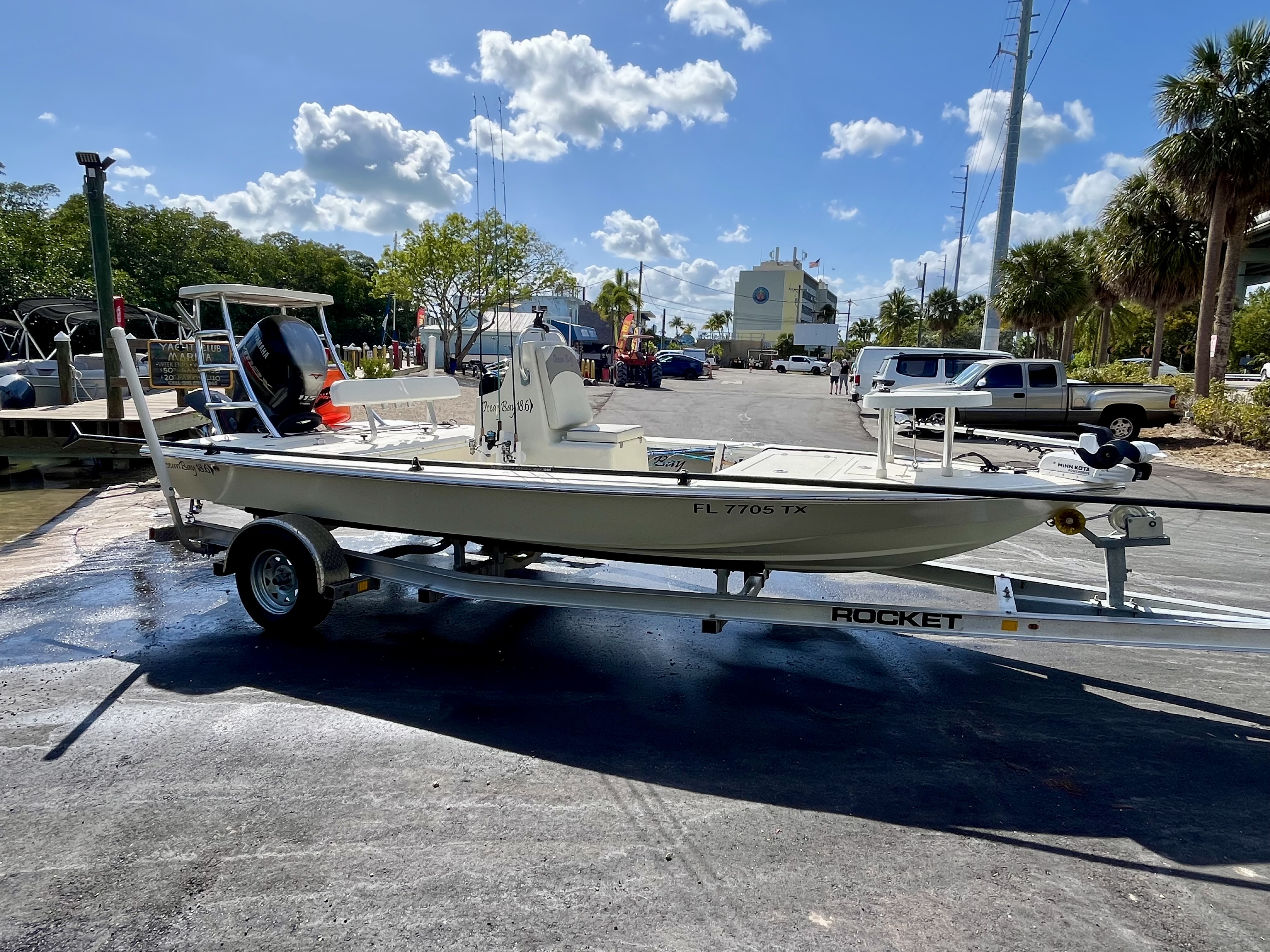
Six hours in the back country means your captain can really show you around. We'll start early to beat the heat and hit the prime feeding times when fish are most active. The beauty of this charter is the flexibility - if the snook aren't cooperating in the first spot, we've got time to run to three or four different areas until we find what's biting. You'll be fishing skinny water where sight fishing is king, so polarized sunglasses are a must. The flats here range from ankle-deep turtle grass beds perfect for tailing redfish to deeper potholes where tarpon like to hang out. Your guide will position the boat with the trolling motor, keeping things quiet so we don't spook fish in water so clear you can count their spots. This isn't about quantity - it's about quality fishing in some of the most beautiful water you'll ever see, with mangrove islands and crystal-clear flats stretching as far as you can see.
Techniques & Tackle Setup
Back country fishing is all about stealth and precision. Your captain will have the boat rigged with spinning gear loaded with 10-15 lb test for most situations, plus fly rods if that's your preference. We'll be working live shrimp under popping corks for trout and redfish, throwing topwater plugs at first light when the snook are aggressive, and switching to jigs or soft plastics when we need to work structure or deeper cuts. The key here is reading the water - your guide will teach you to spot nervous water, look for laid-up tarpon, and identify the subtle push of a redfish moving through shallow grass. Circle hooks are standard to protect the fishery, and we'll be using barbless hooks on some species. The tackle is matched to the fish size we're expecting, because a 100-pound tarpon on light gear is a completely different fight than the same fish on heavy tackle. Everything's provided, but if you've got a lucky lure or fly rod you can't fish without, bring it along.
Target Species
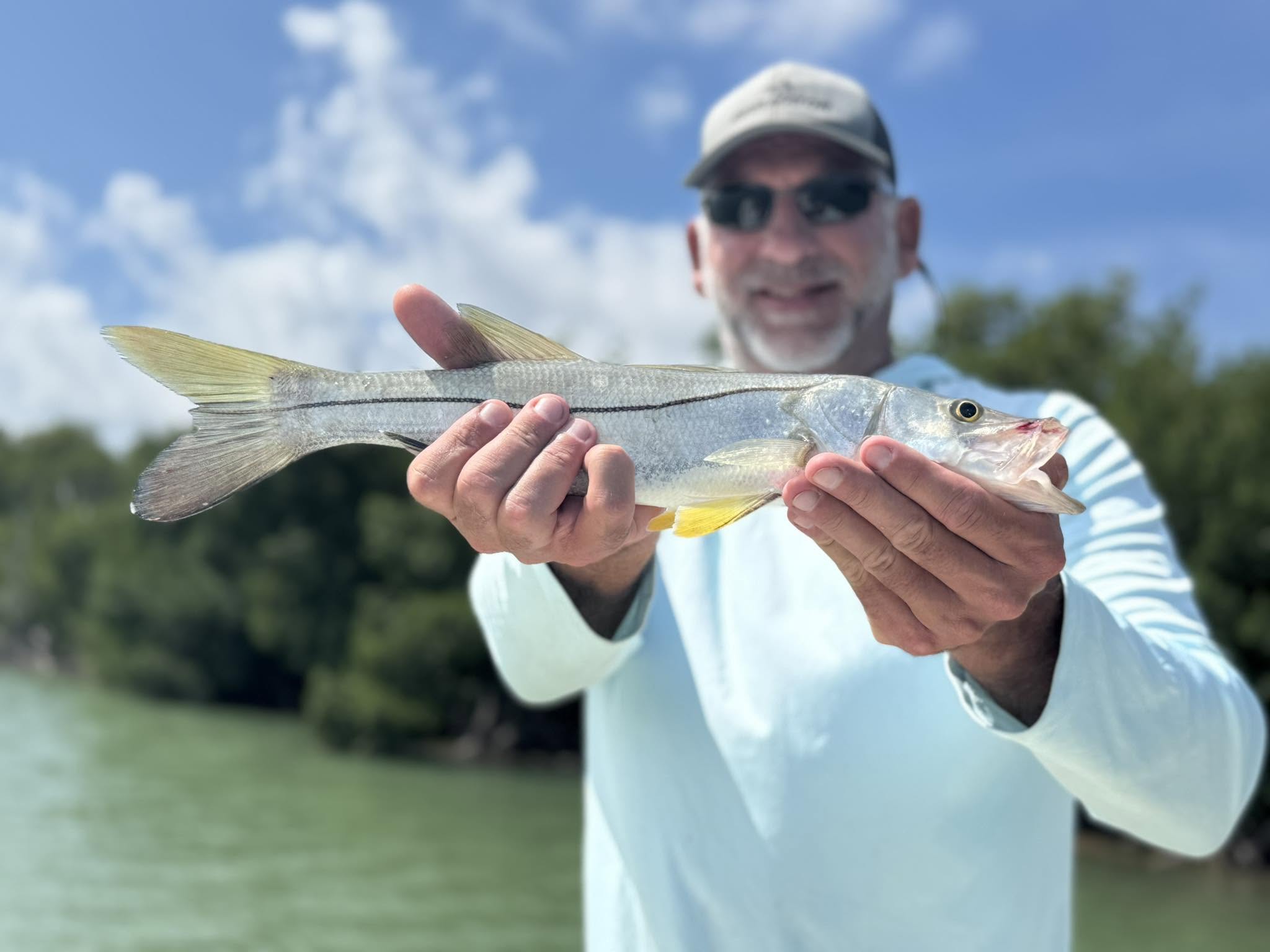
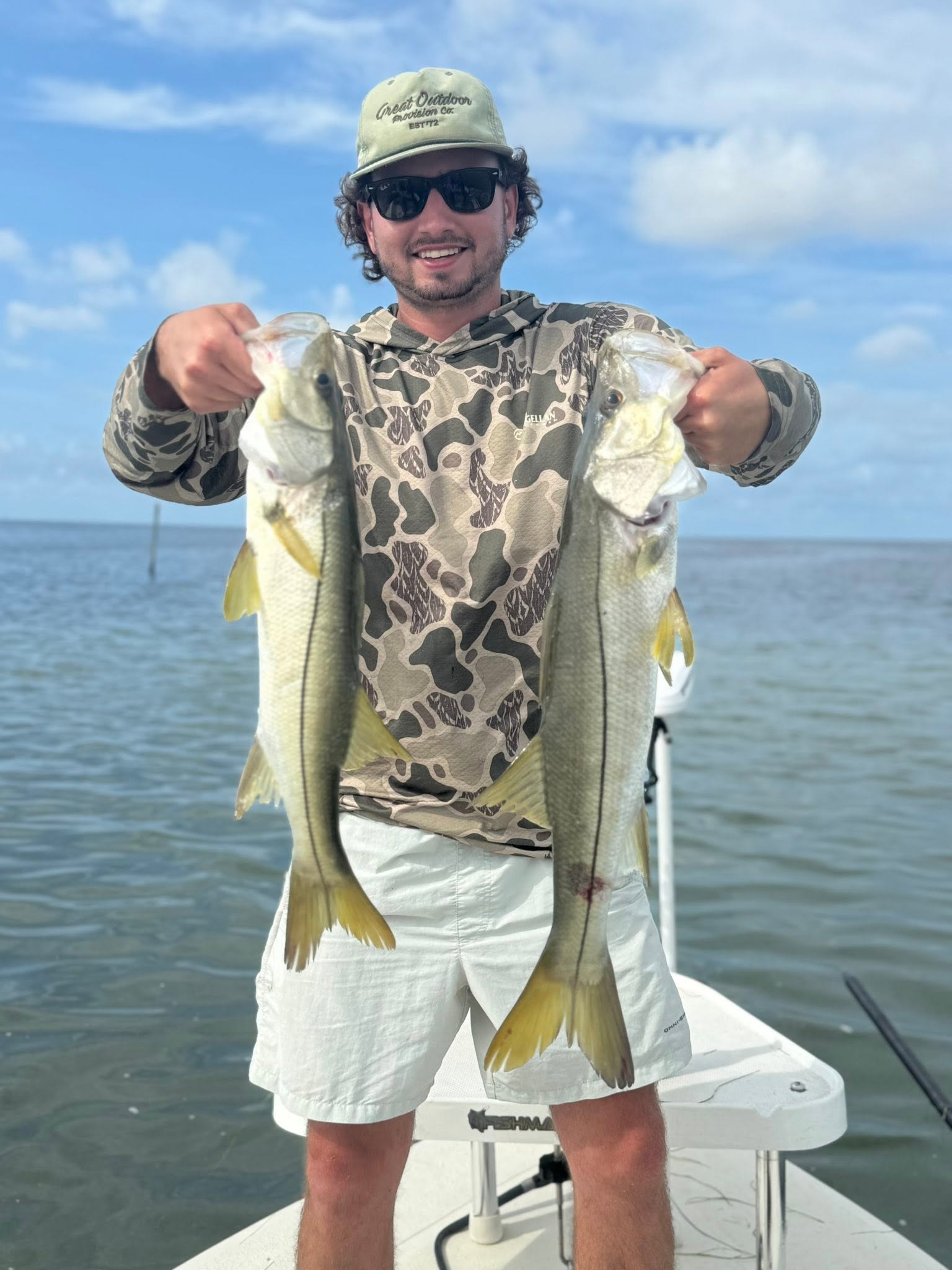
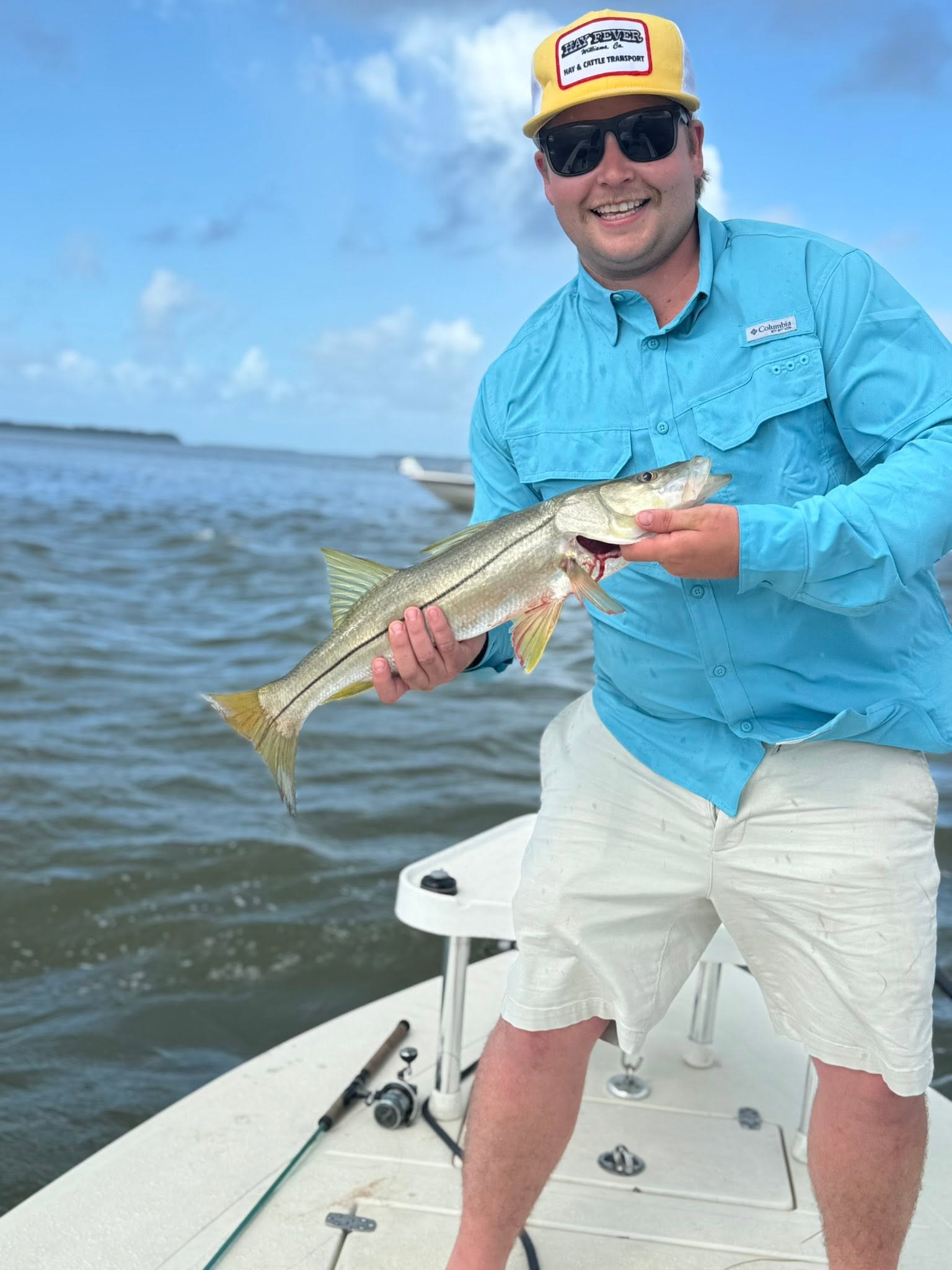
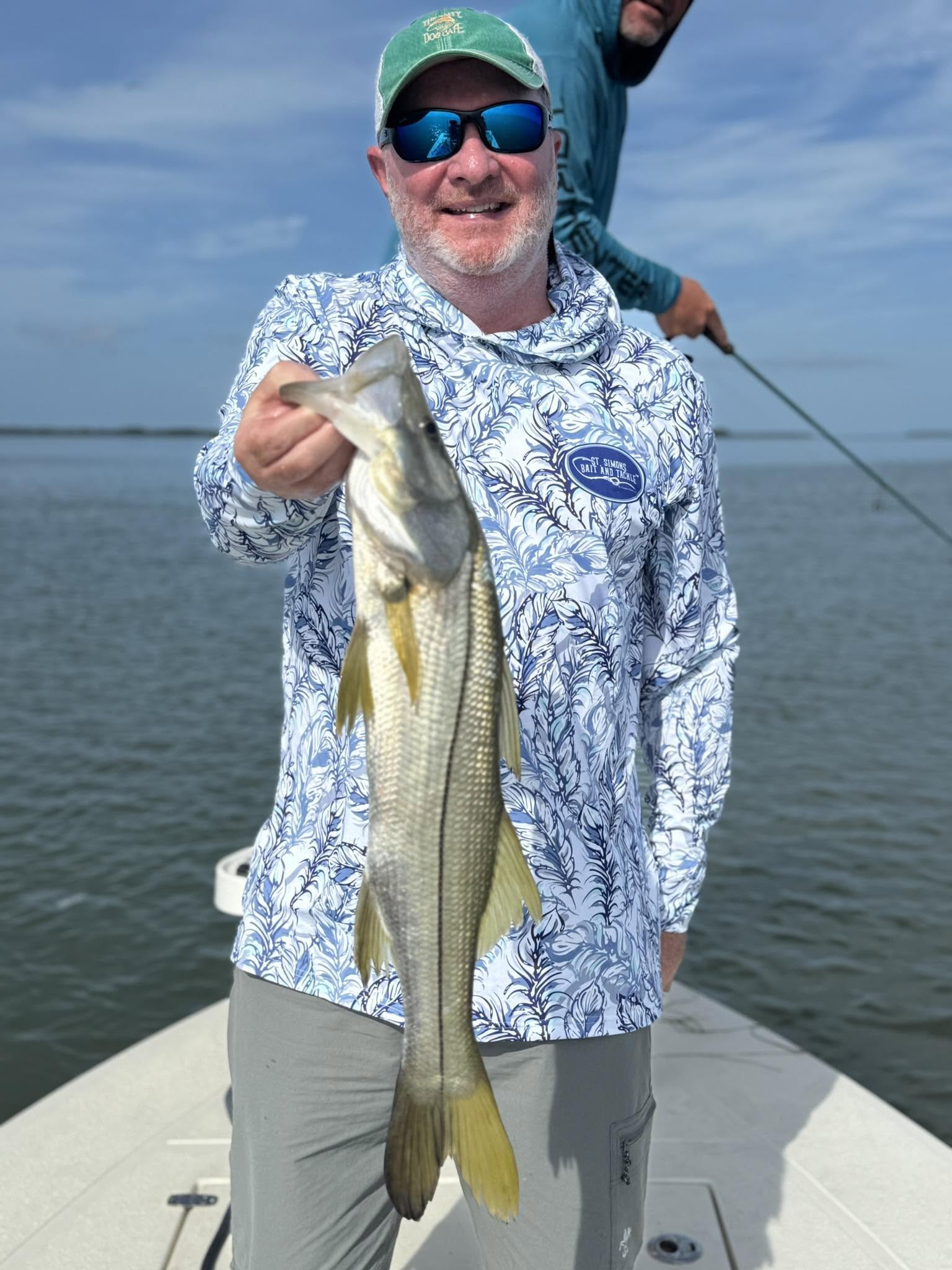
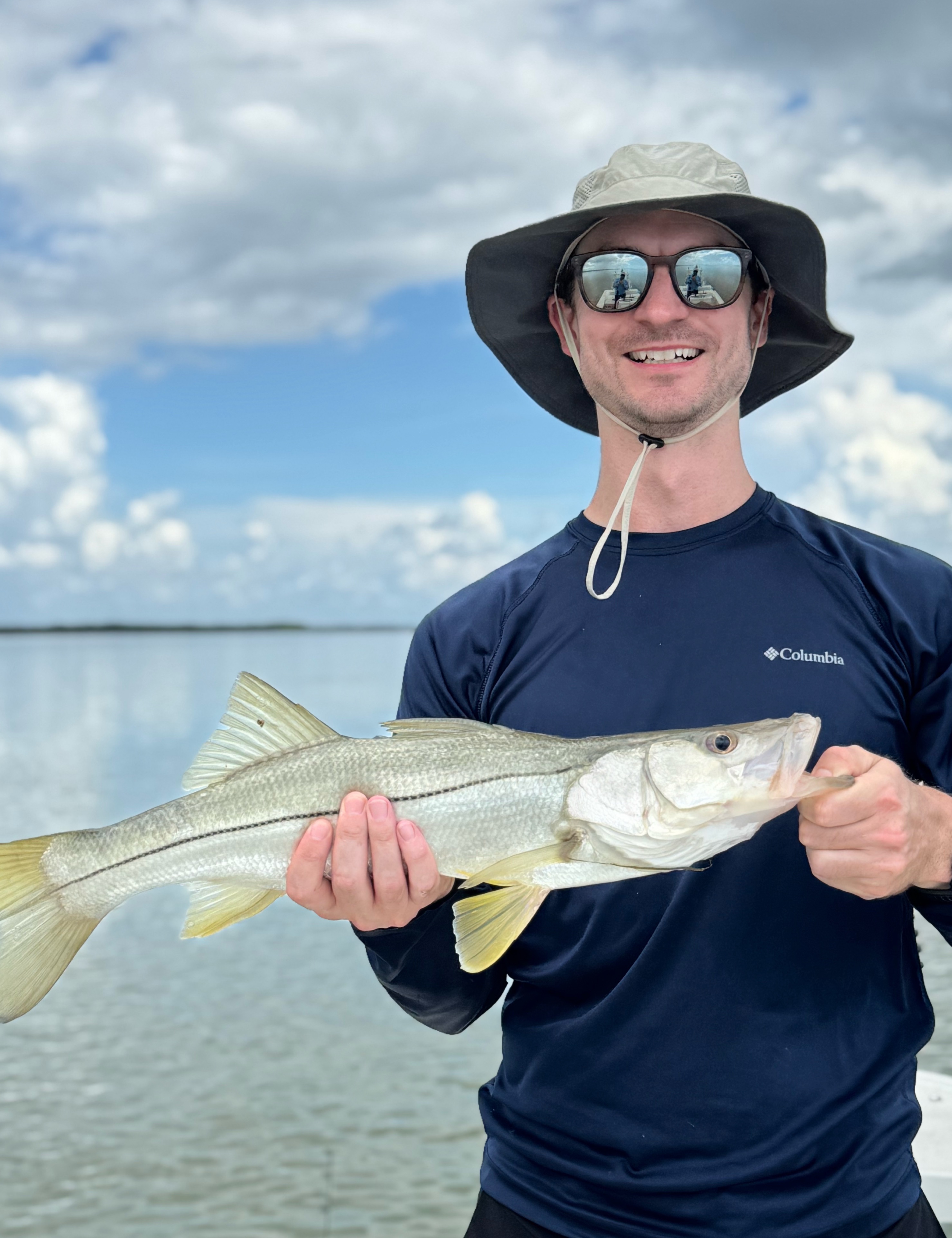
Snook are the kings of structure fishing here, and Key Largo's back country is loaded with the mangrove shorelines and creek mouths they love. These fish are ambush predators that sit in shade waiting for baitfish to get careless. Spring through fall is prime time, especially around the full moons when they're thinking about spawning. A good slot snook will run 24-32 inches and fight like they're twice that size, making blistering runs toward the nearest mangrove root they can wrap you around. What makes them special is how smart they are - you get one shot at a good fish before they shut down, so that first cast better count.
Tarpon in the back country are a different animal than the big rollers you see offshore. These fish range from 30-80 pounds and use the shallow water to their advantage, making impossible runs in water barely deep enough to cover their backs. They show up consistently from April through October, with peak action in late spring when the water warms up. The visual aspect is what hooks people - seeing a 6-foot silver fish cruising in 3 feet of water, getting a perfect cast in front of it, and watching it eat never gets old. Even a small tarpon will jump 6-8 times and test every knot on your rig.
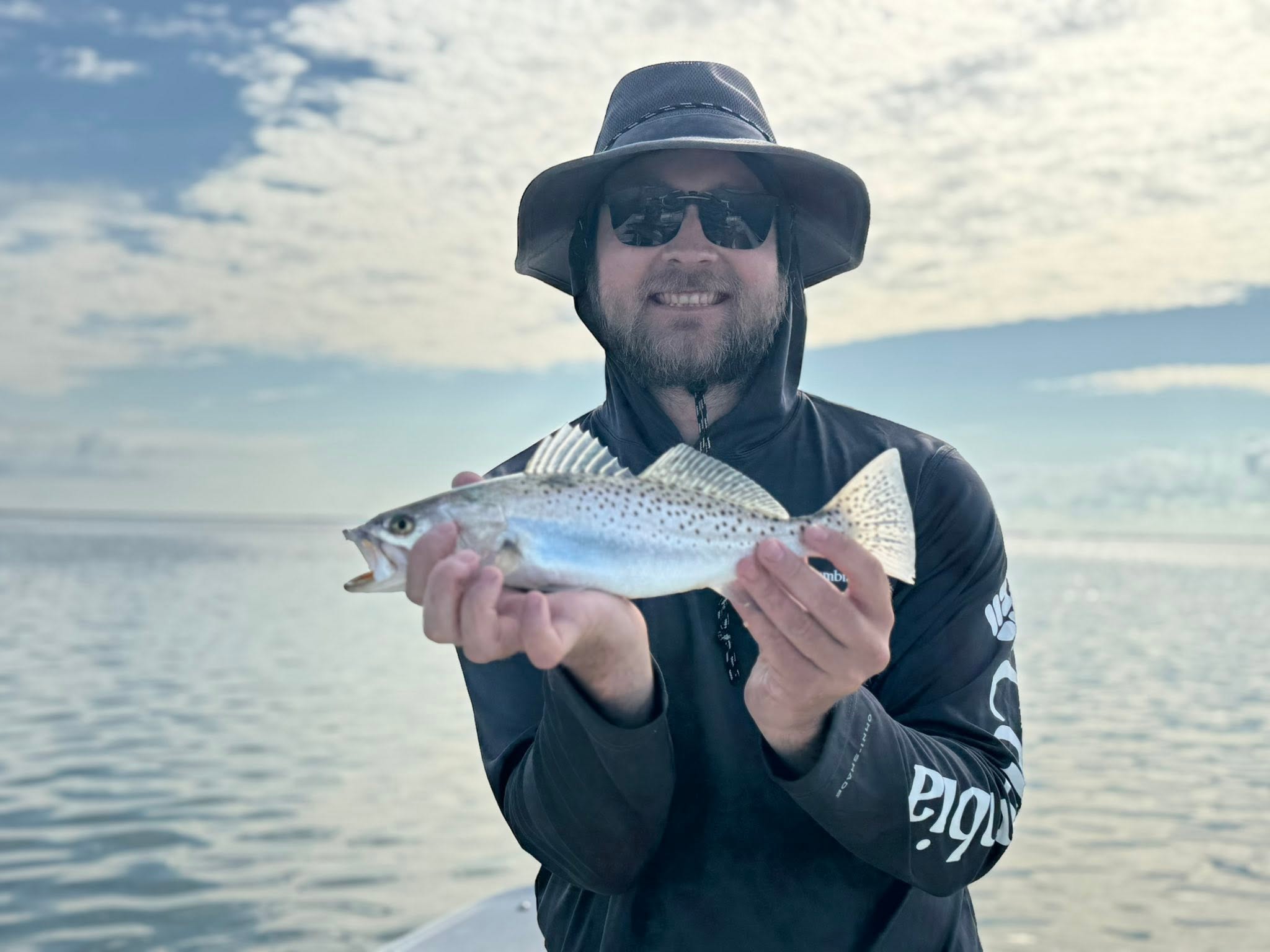
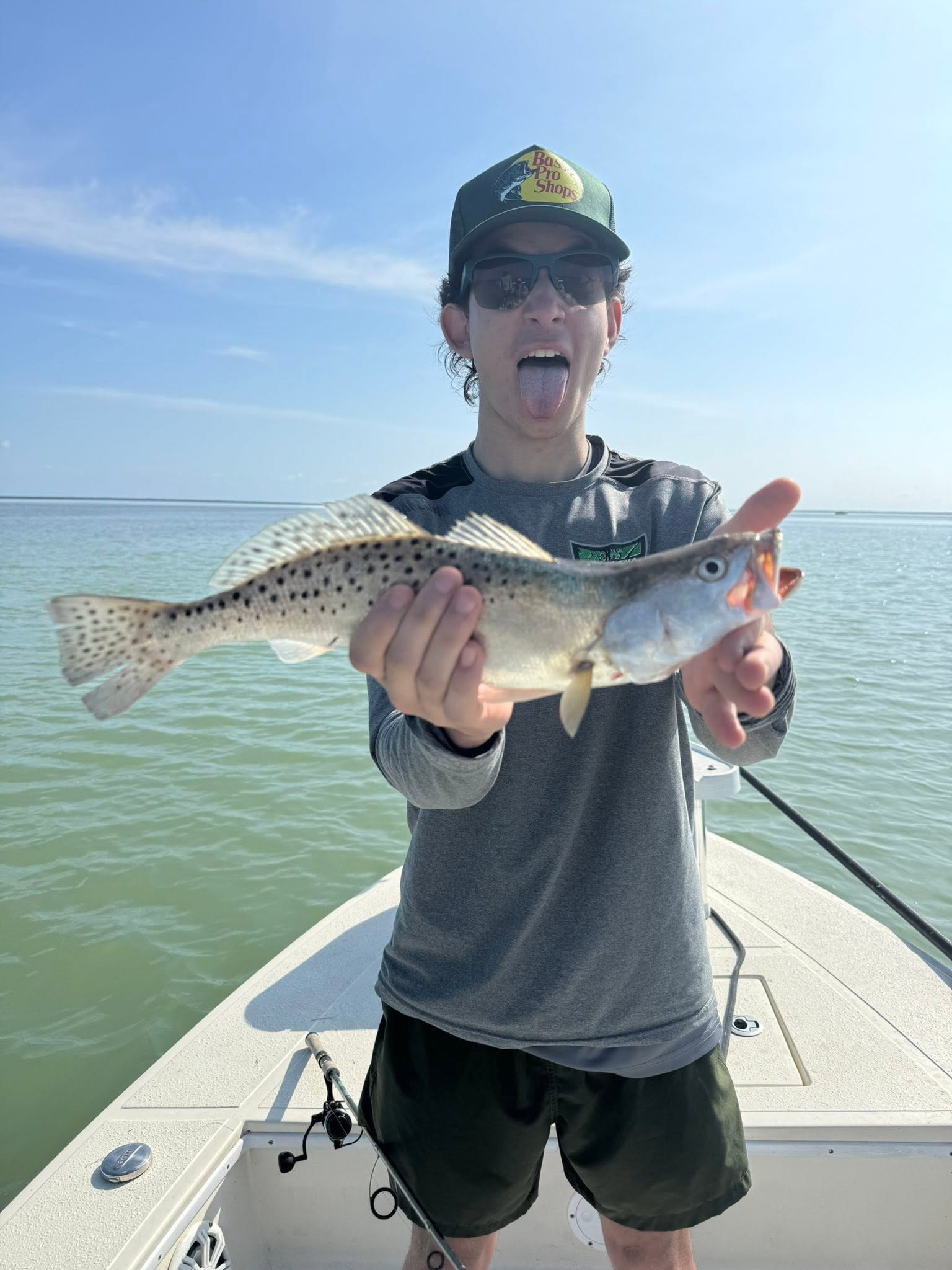
Redfish are the bread and butter of back country fishing because they're here year-round and always hungry. Key Largo reds average 18-27 inches, with bigger breeding fish moving through in fall and winter. They'll eat almost anything you throw at them, but the real fun is sight fishing to tailing fish in the shallows. When a red is rooting around in turtle grass with its tail sticking out of the water, you know exactly where to put your bait. These fish are bulldogs that use their broad shoulders to pull hard and steady, and they're perfect for beginners who want to feel a real fight without worrying about the fish jumping off.
Permit are the holy grail of flats fishing - spooky, selective, and absolutely gorgeous fish that will humble even experienced anglers. Key Largo's back country holds some of the most consistent permit fishing in the Keys, especially around the deeper sand flats and coral heads. These fish cruise in small groups or singles, their black-tipped dorsal and anal fins cutting the surface as they hunt for crabs. A permit eat is subtle - often just a slight direction change as they pick up your crab or shrimp. But when you hook one, you'll know immediately. They make screaming runs that can take 100 yards of line in seconds, and landing one is a legitimate bragging-rights accomplishment that many anglers chase for years.
Bonefish are what put the Keys on the flats fishing map, and these back country areas hold some beautiful fish in the 3-6 pound range. They travel in schools across the flats, heads down, tails up, rooting for shrimp and crabs in the soft bottom. The trick is getting close enough for a good cast without spooking the whole school. Bonefish have eyes like telescopes and will bolt at the first sign of trouble, taking every other fish in the area with them. When you hook one,
 Private Trip
 Backcountry Fishing
 Florida


 Six-hour private charter targeting redfish, snook, and tarpon