Key Largo Full Day Fishing with Back Bone Charters
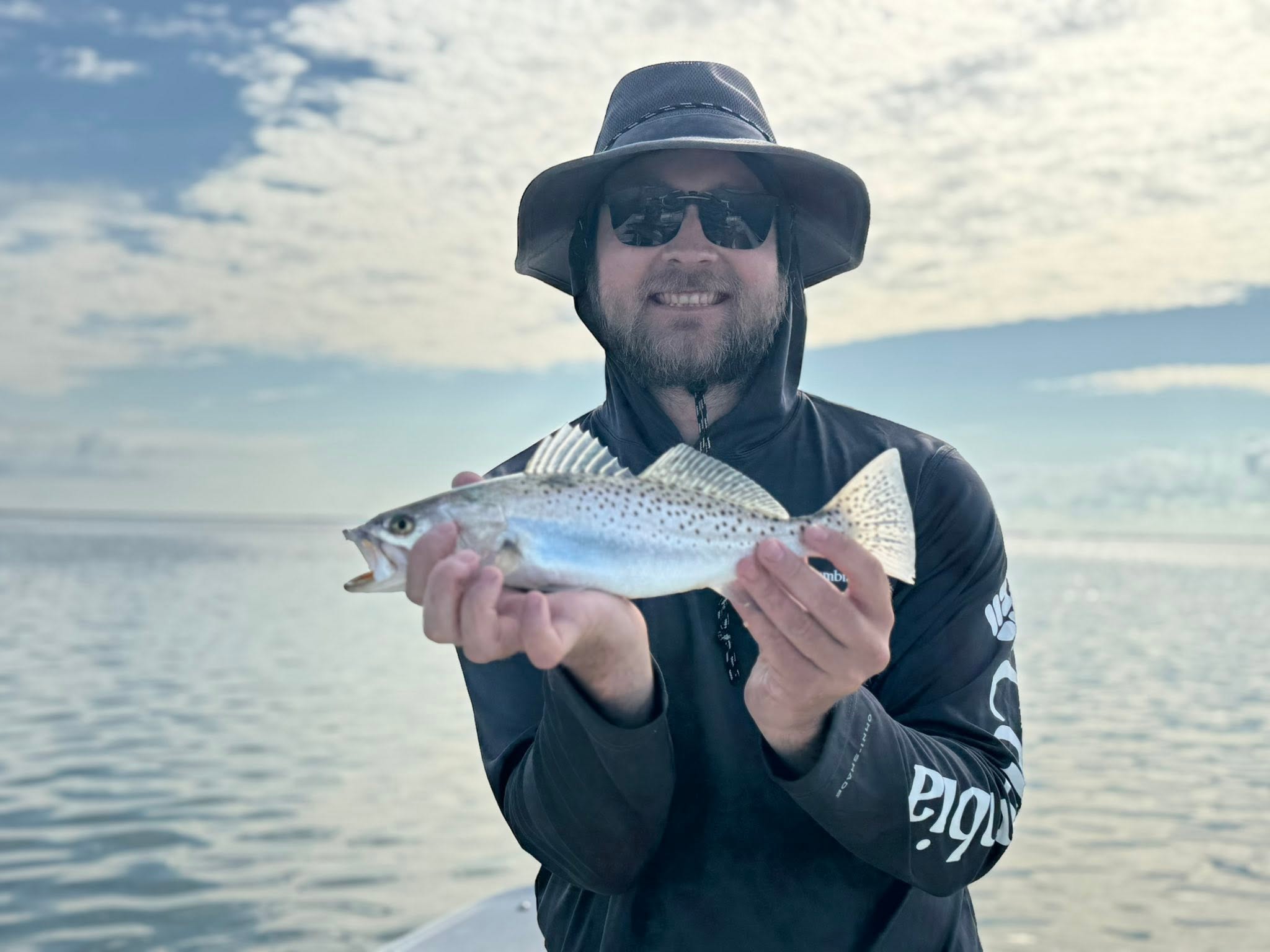
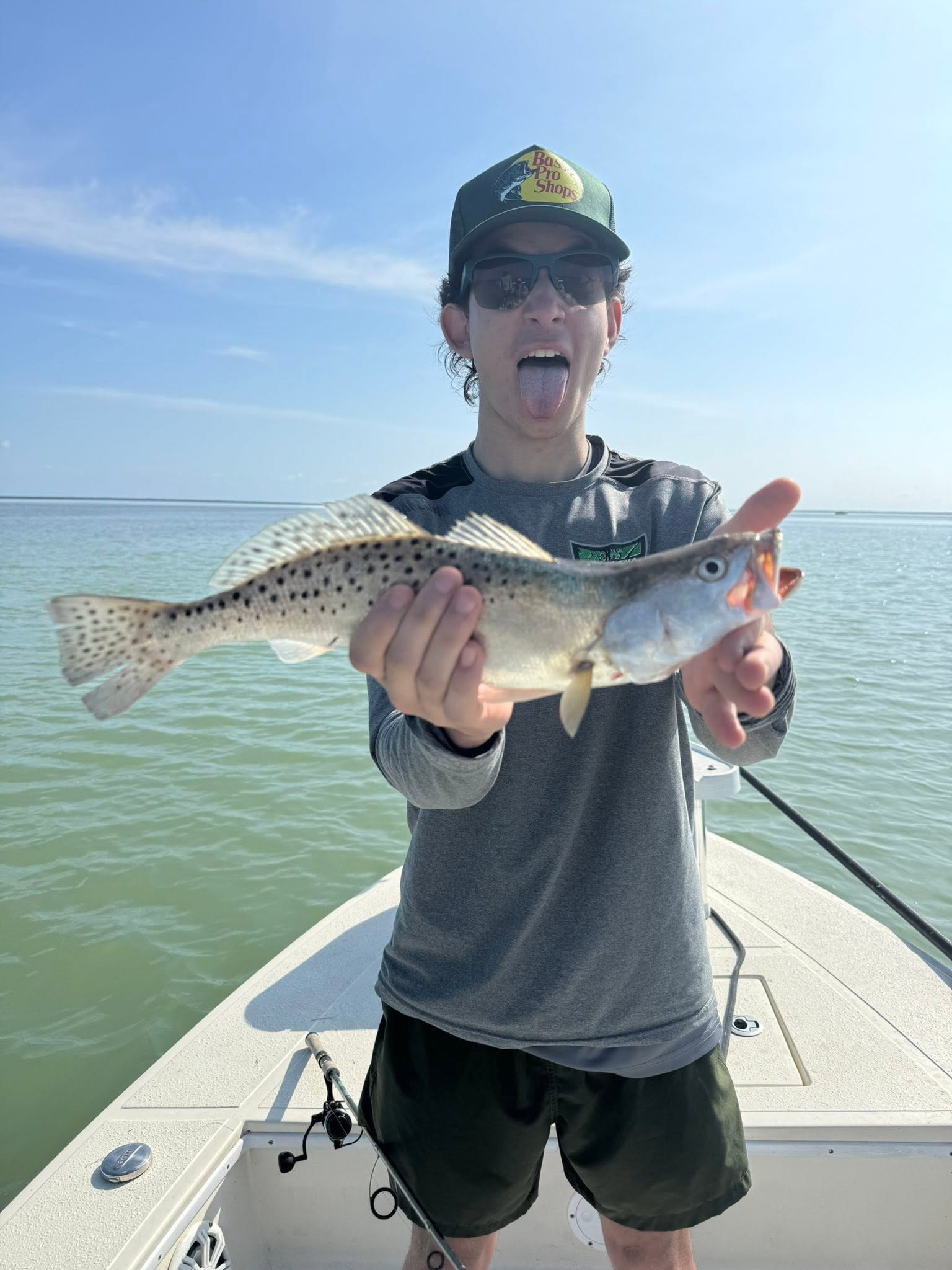
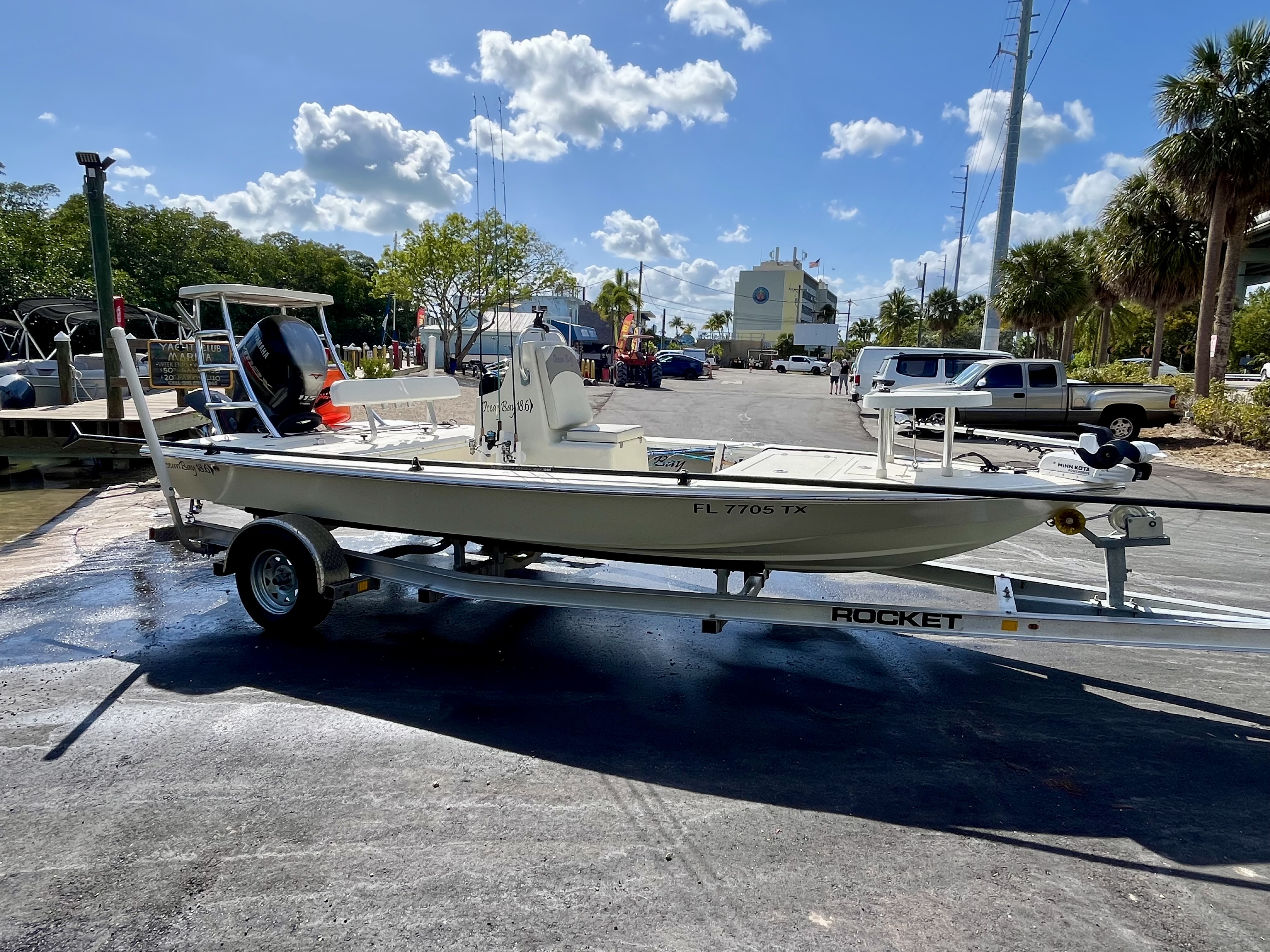
When you're serious about chasing the Florida Keys' legendary inshore species, there's no substitute for time on the water. This full-day fishing charter gives you eight solid hours to work Key Largo's most productive flats, mangrove cuts, and channels with a captain who knows every turtle grass bed and drop-off by heart. We're talking about a legitimate shot at the inshore grand slam – Tarpon, Bonefish, and Permit – plus primo Snook and Redfish action that'll keep your drag screaming. With just two anglers max, you get personalized instruction and plenty of casting room to dial in your technique. Your captain brings decades of local knowledge and all the gear you need, so you can focus on what matters: putting fish in the boat.
What to Expect on the Water
This isn't your typical half-day rush job where you hit one spot and call it good. Eight hours gives us the luxury of adapting to conditions, tides, and fish behavior as the day unfolds. We'll start early when the water's calm and the fish are active, working our way through different zones as the sun climbs higher. Your captain reads the water like a book – spotting nervous baitfish, watching for tailing fish, and positioning you for perfect presentations. The boat stays mobile, so if one flat goes quiet, we're already heading to the next hot spot. Expect to cover serious ground, from shallow turtle grass flats where Bonefish cruise to deeper channels where Tarpon roll. The beauty of a full day is having time to fine-tune your casting, work on different techniques, and really understand how these fish think in their home waters.
Techniques & Prime Spots
Key Largo's inshore fishing is all about sight casting and reading the water. We're running light tackle setups with spinning reels, throwing live shrimp, crabs, and small baitfish to fish we can actually see. The flats fishing here demands stealth and precision – your captain poles the boat into position while you scan for shadows, wakes, and tails. When we spot fish, it's game on with quick, accurate casts that don't spook the school. We'll work the famous flats around Tavernier Creek, Snake Creek, and the backwaters of Florida Bay where the water's gin-clear and fish have nowhere to hide. The mangrove shorelines come alive during moving water, especially around the bridges and cuts where ambush predators like Snook wait for easy meals. Your captain switches up presentations based on what's working – sometimes it's a perfectly placed live shrimp, other times it's working a jig through the grass beds or drifting baits along the mangrove edges.
Species You'll Want to Hook
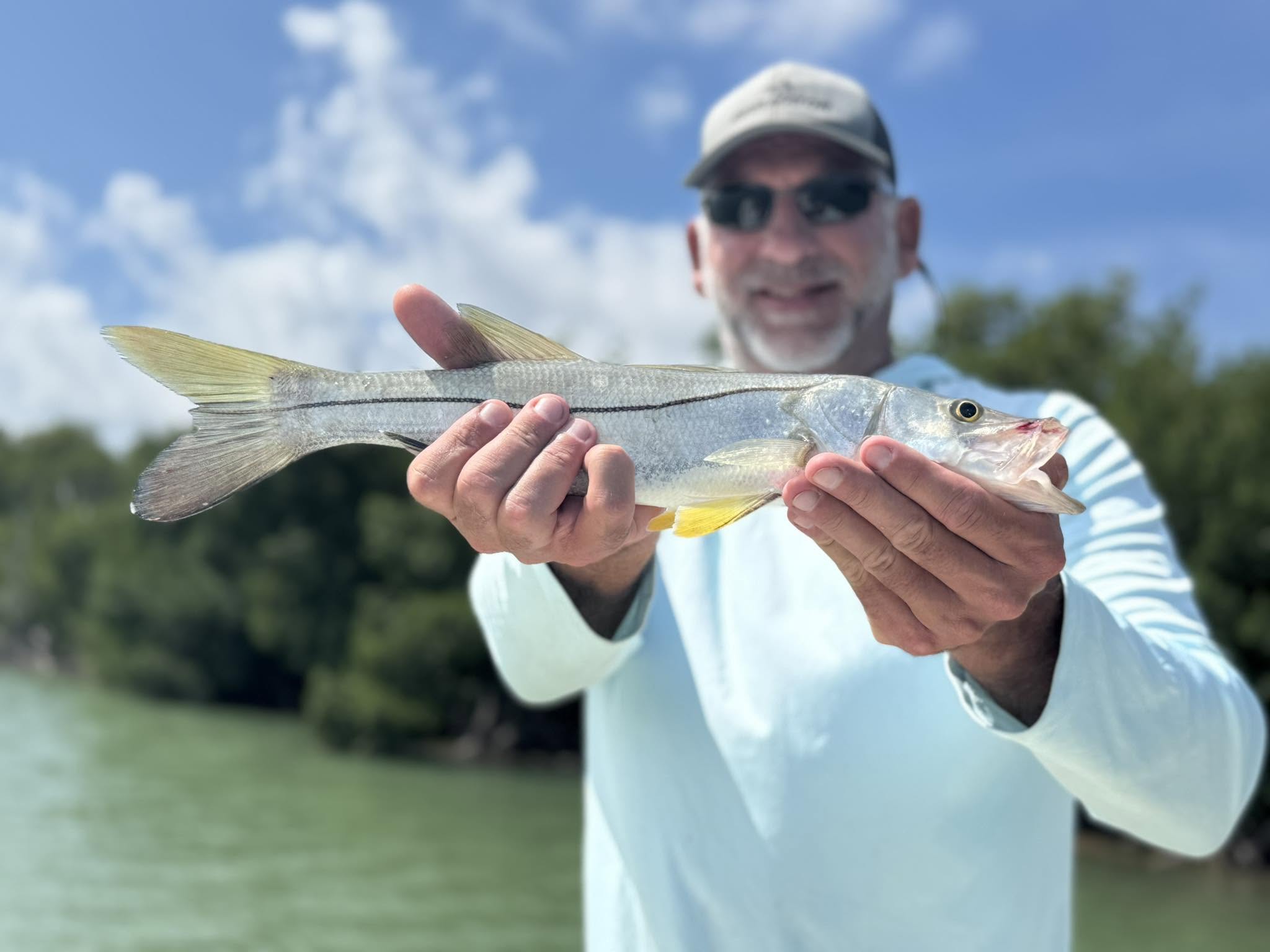
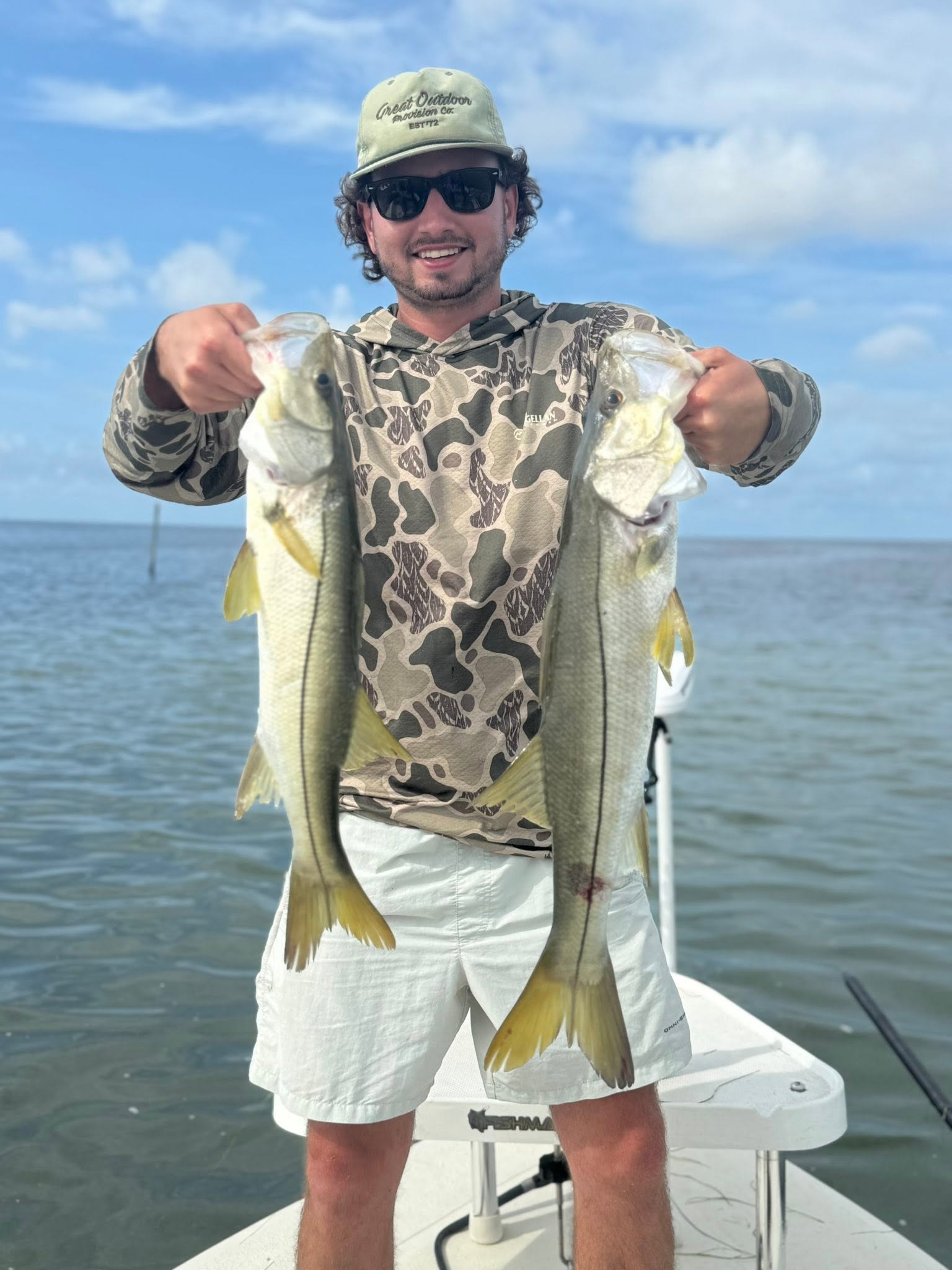
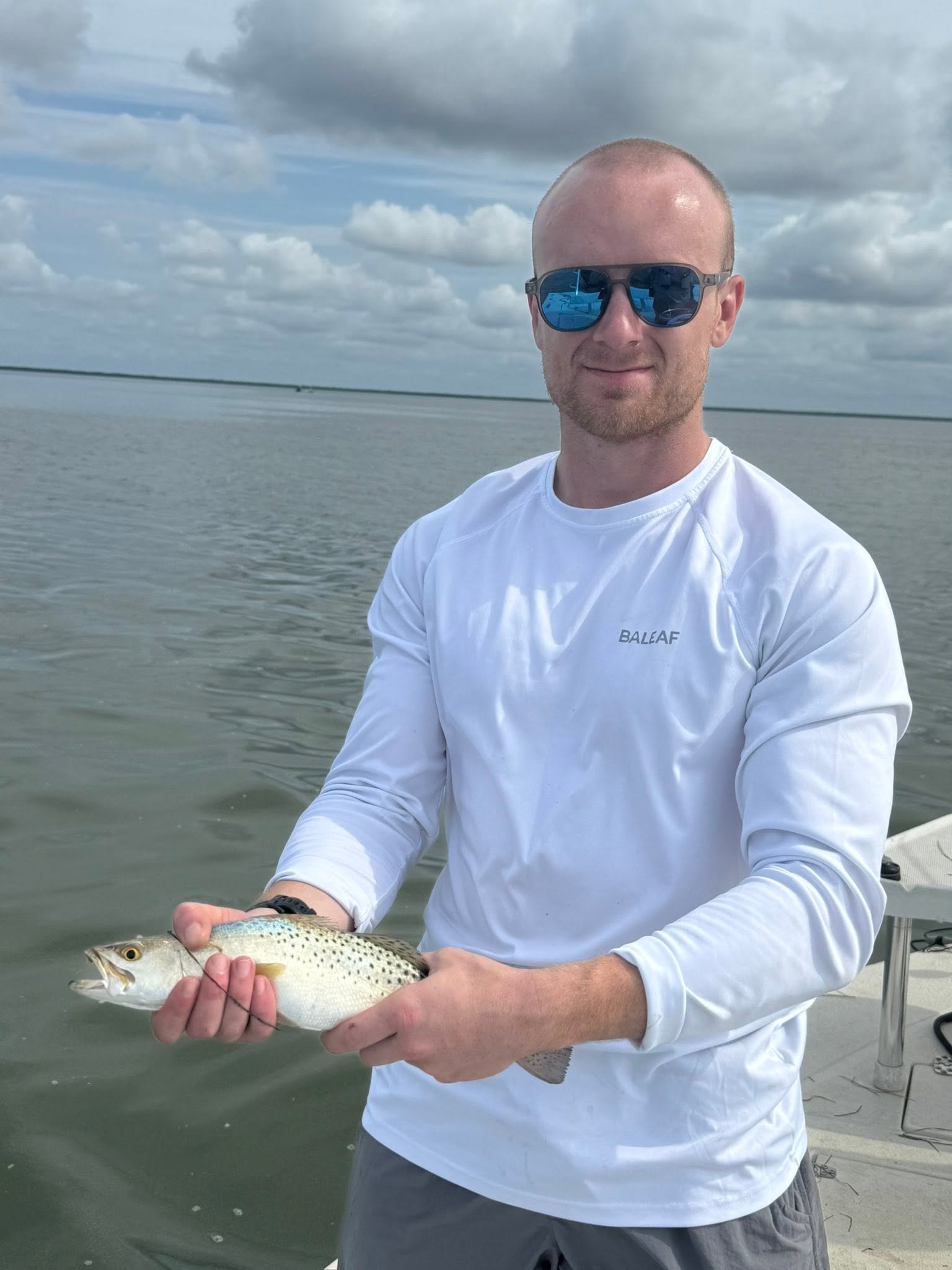
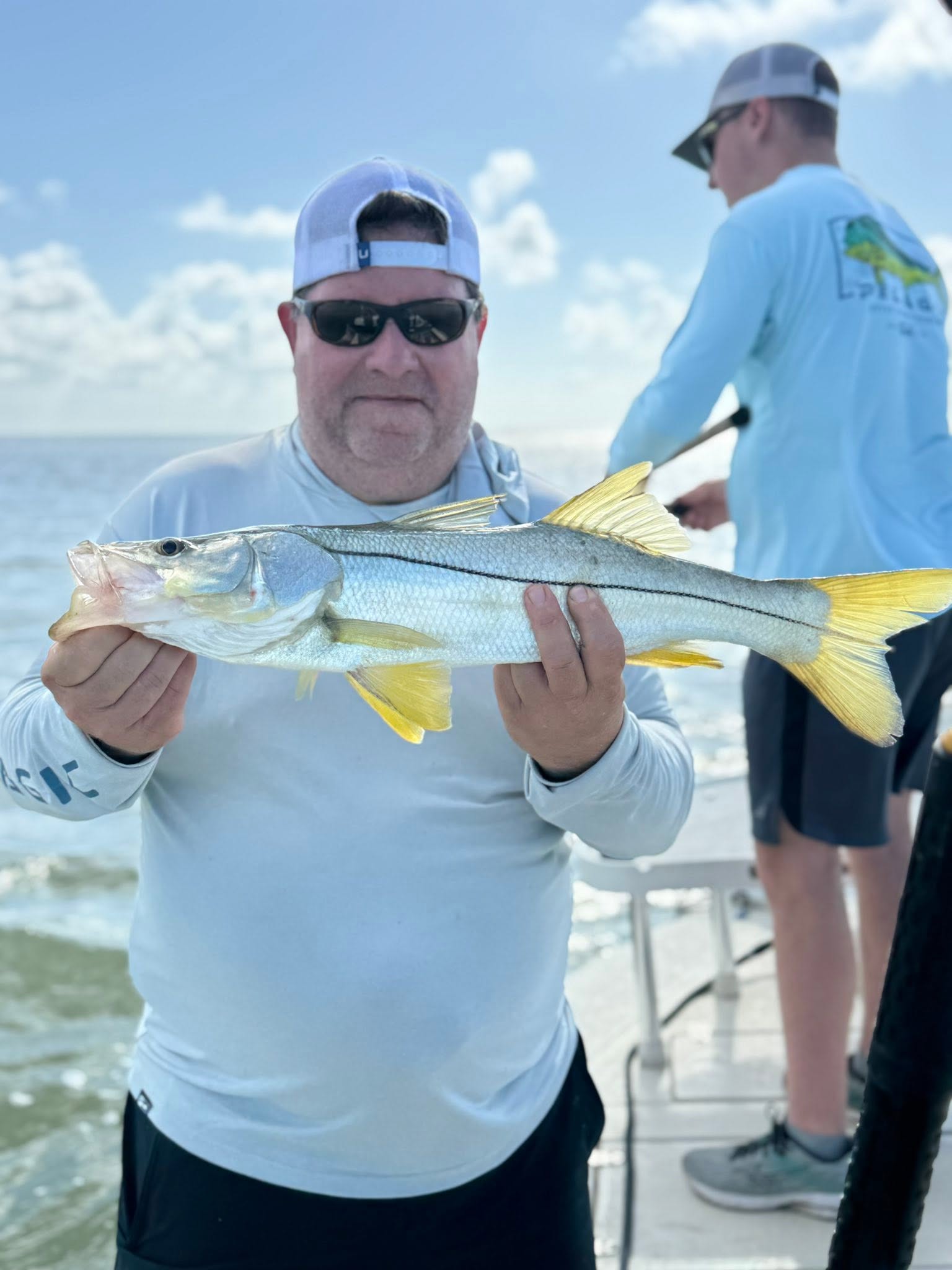
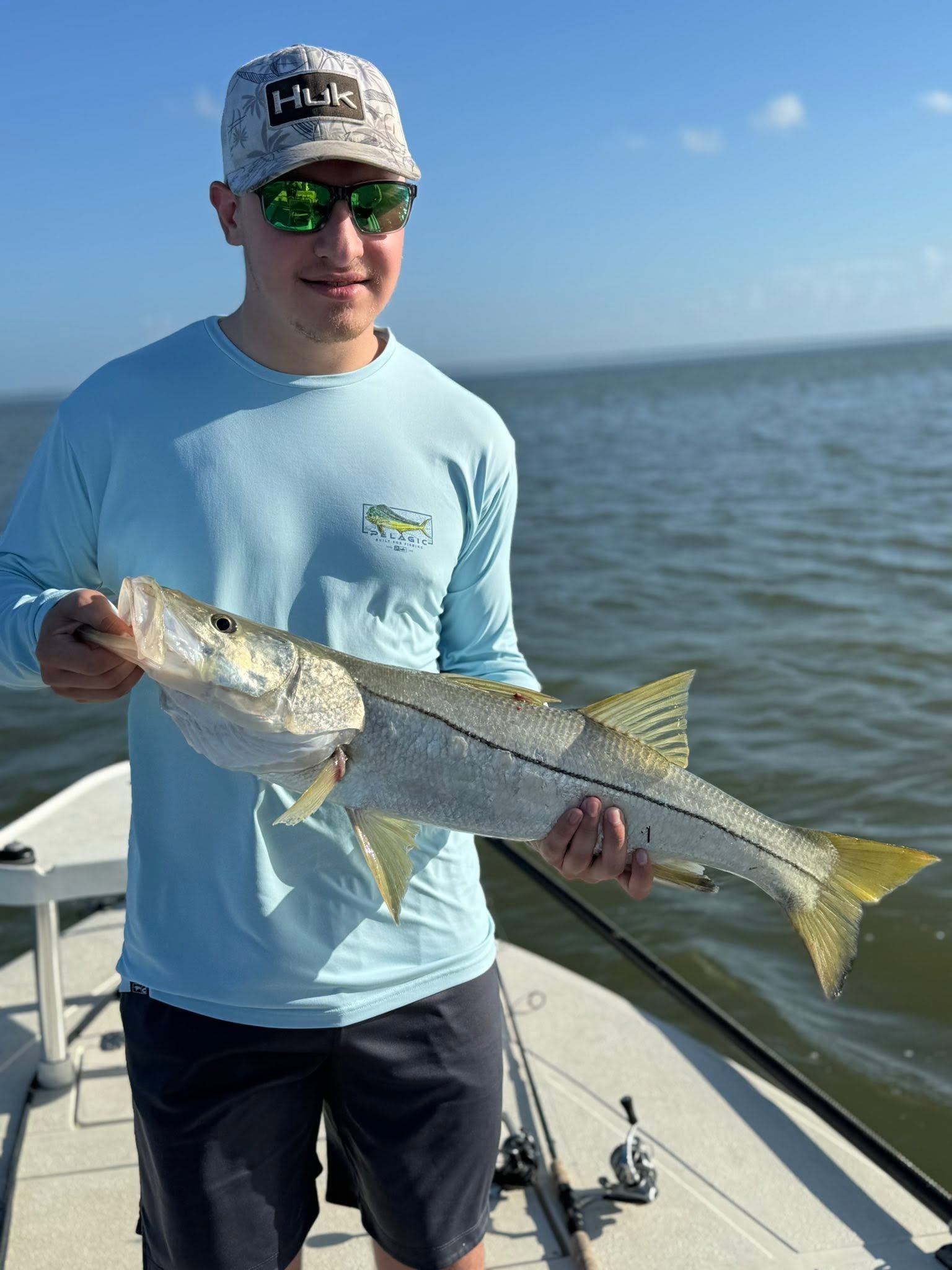
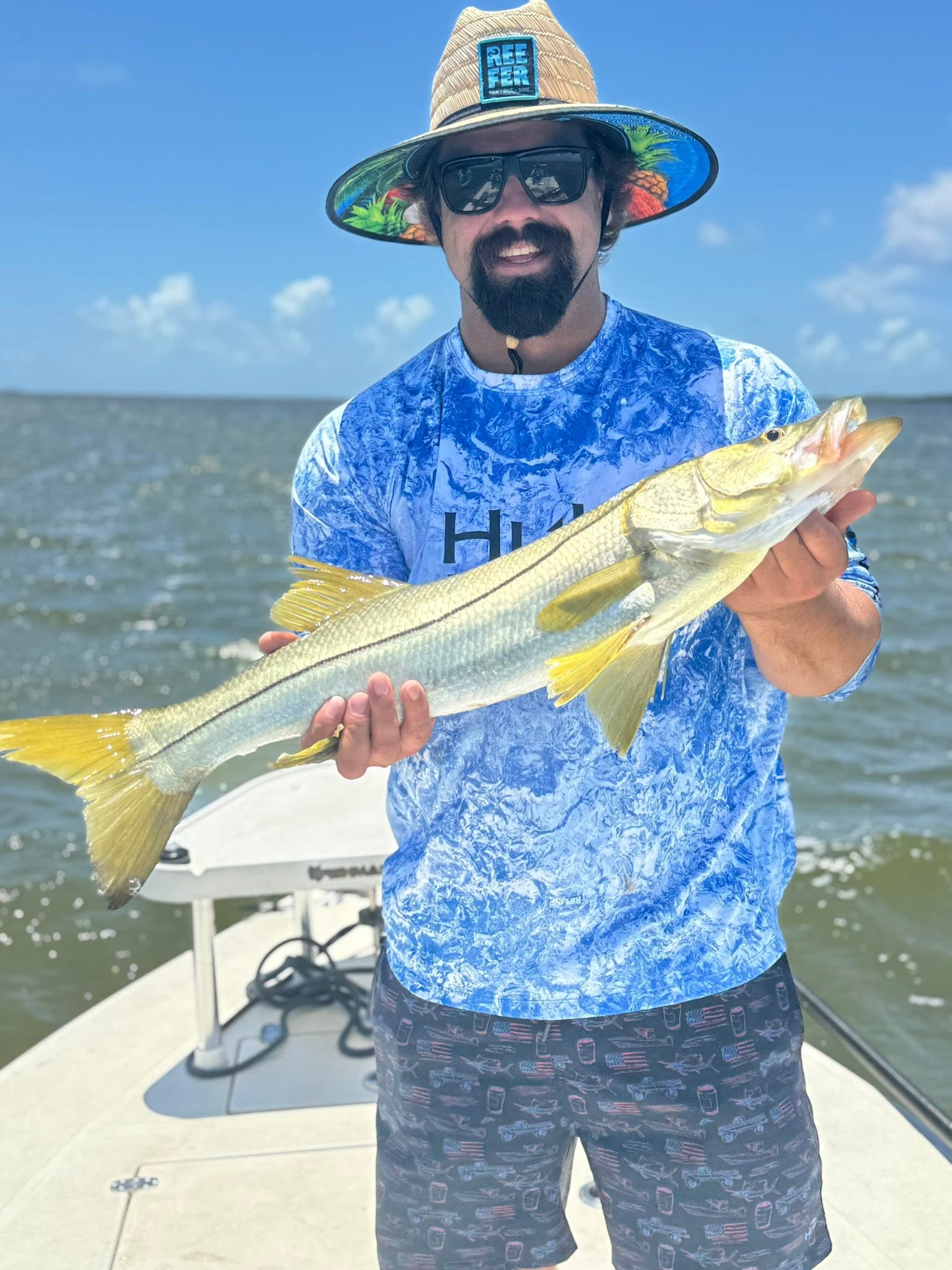
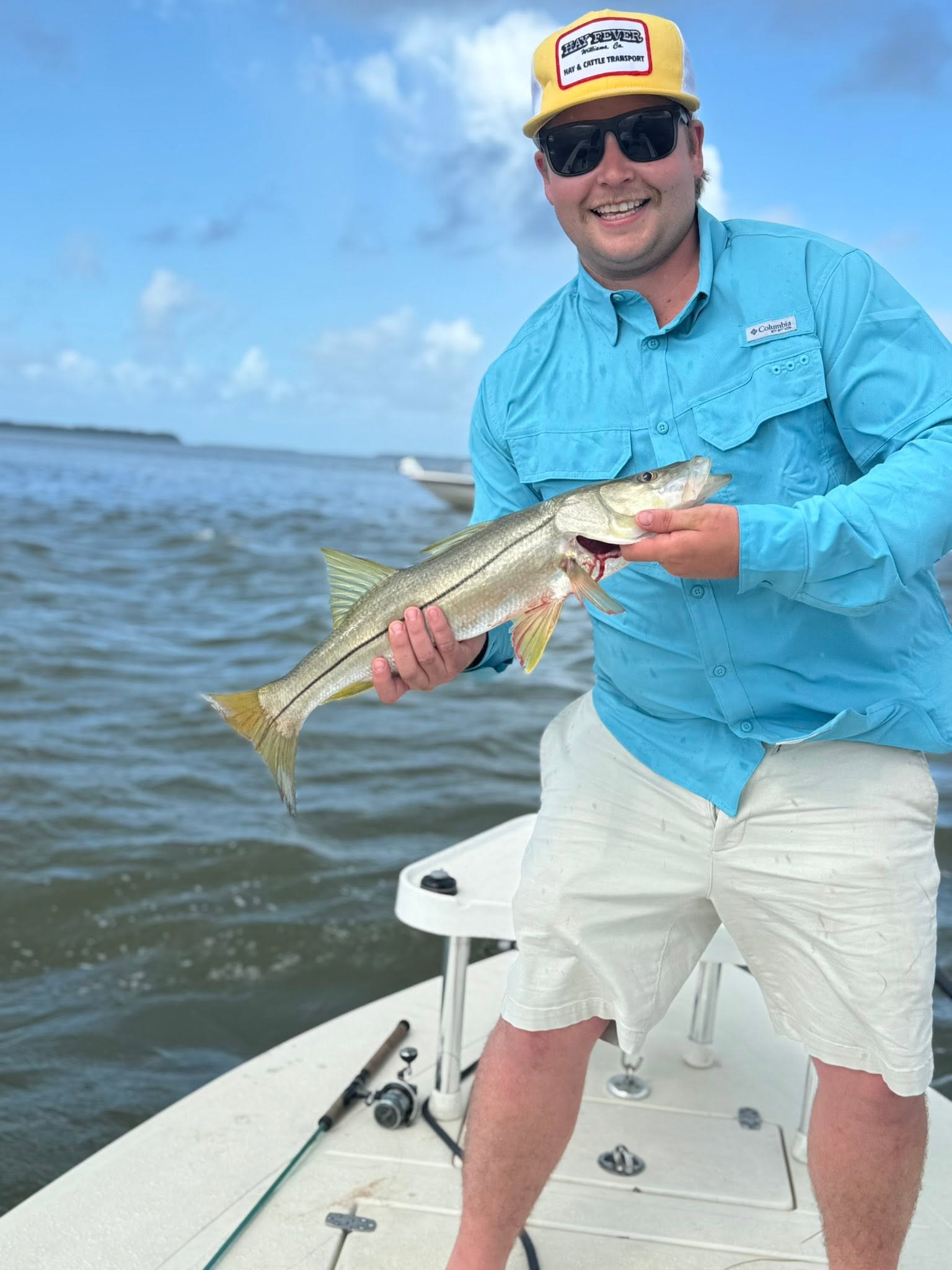
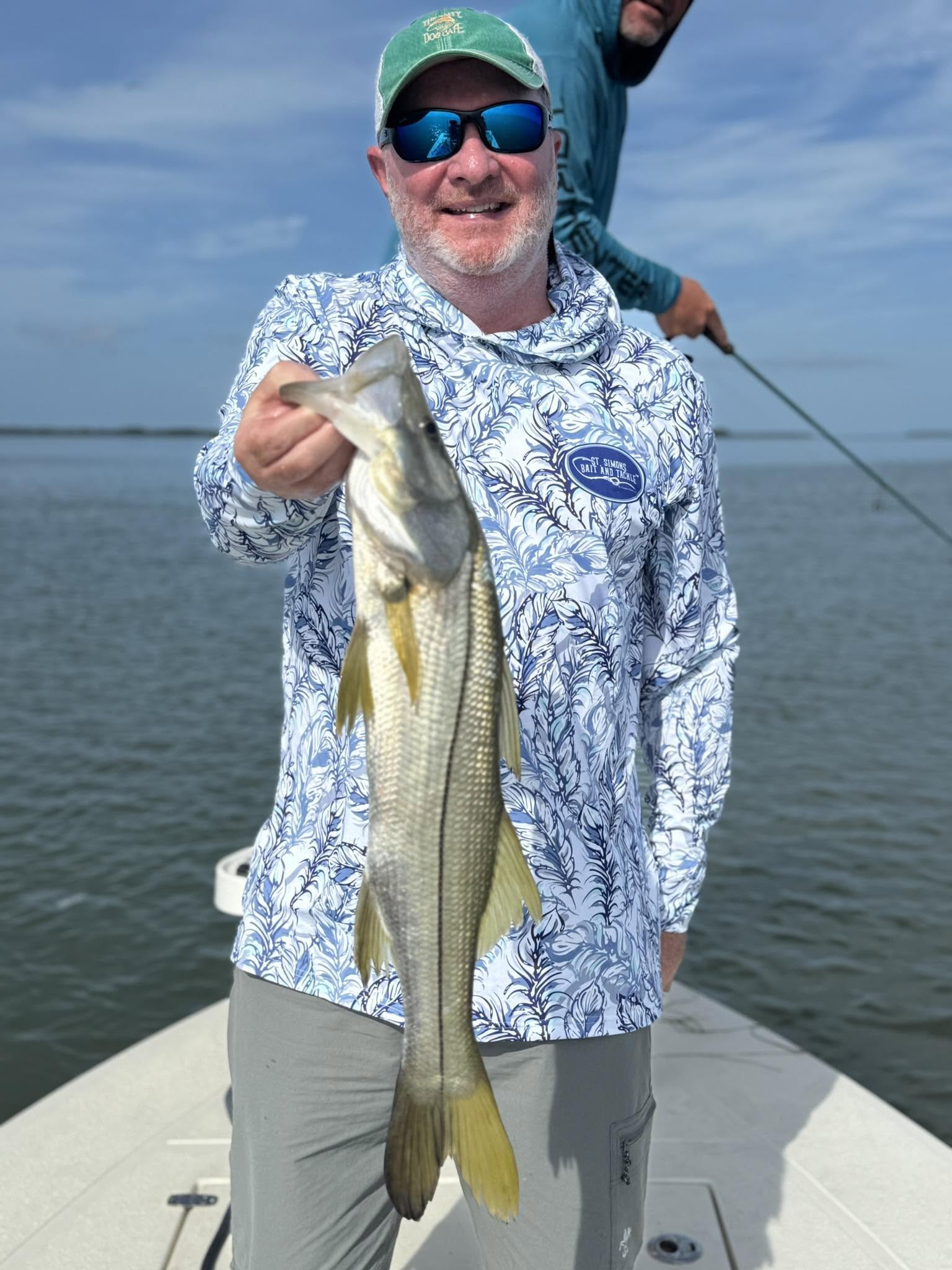
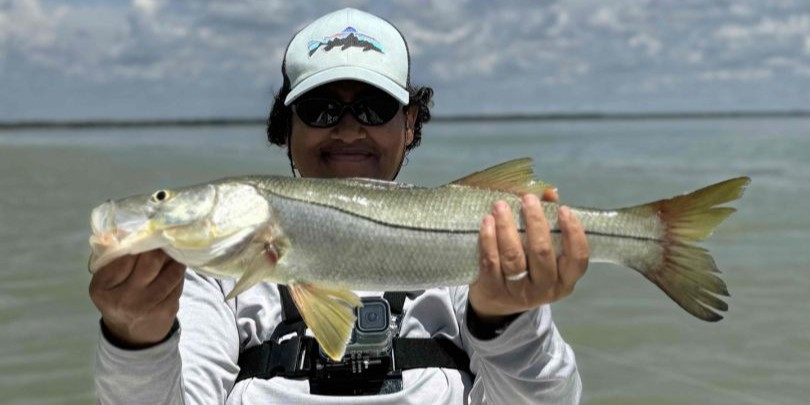
Snook are the bread and butter of Key Largo inshore fishing, and these ambush masters know how to use structure to their advantage. They lurk around docks, mangrove overhangs, and bridge pilings, exploding on baits with gill-rattling strikes that'll test your reflexes. Fall through spring offers the most consistent action when water temperatures hover in their comfort zone. What makes Snook special isn't just their aggressive nature – it's their unpredictability and the way they use every piece of cover to their advantage.
Tarpon fishing here is legendary for good reason. These silver kings range from juvenile fish in the 20-40 pound class to full-grown monsters pushing triple digits. Peak season runs from April through July when migrating schools fill the channels and flats. When a Tarpon eats your bait, everything changes – they launch skyward in a series of spectacular jumps that'll leave your arms aching and your heart pounding. The shallow water battles are pure chaos, with fish cartwheeling through the air just yards from the boat.
Redfish patrol these flats year-round, but fall and winter months offer the most reliable action when they school up in deeper grass beds and along mangrove edges. These copper-colored bulldogs don't jump like Tarpon, but they make up for it with raw power and determination. Watching a big Red's back and tail break the surface as it crushes a bait in two feet of water never gets old – it's pure visual fishing at its finest.
Permit are the holy grail of flats fishing, and Key Largo's clear waters give you legitimate shots at these notoriously spooky fish. They're most active during warmer months when they cruise the grass flats and sand holes looking for crabs and shrimp. Permit fishing separates the casual anglers from the obsessed – these fish demand perfect presentations and have an uncanny ability to detect the slightest imperfection in your approach. When everything aligns and a Permit actually eats your crab, you've just experienced one of fishing's ultimate achievements.
Bonefish are the ghosts of the flats, appearing and disappearing like silver phantoms across the turtle grass beds. Key Largo's Bones average 4-8 pounds with occasional doubles that'll make your reel sing. They're most cooperative during cooler months when they feed more aggressively in slightly deeper water. The challenge isn't just hooking them – it's spotting them first, making a cast they'll actually eat, and then holding on when they make their legendary runs across the flats.
Time to Book Your Spot
This full-day charter represents serious value for dedicated anglers who want to experience Key Largo inshore fishing at its absolute best. Eight hours with a top-rated captain, all gear included, and access to spots that shorter trips never reach – it's the kind of day that creates lifelong fishing memories. The two-angler limit ensures you get personalized attention and plenty of shots at fish without fighting for casting room. Whether you're chasing your first Tarpon, working toward an inshore slam, or just want steady action with multiple species, this trip delivers the goods. Book early because the best captains
 Private Trip
 Inshore Fishing
 Florida


 Full-day inshore fishing targeting Bonefish, Tarpon, and Permit species