Utah Fishing Guides | 8 Hour Uintas Overnight
Picture this: You're standing knee-deep in pristine alpine water, surrounded by the towering peaks of the Uintas, with your line cutting through crystal-clear mountain lakes that most folks never even know exist. This isn't your typical day trip – we're talking about a full 8-hour fishing adventure that stretches into an overnight camping experience, giving you the chance to fish prime evening hours and wake up to morning bite windows that'll have you grinning from ear to ear. As your guide, I've been working these high-country waters for years, and I can tell you there's nothing quite like the feeling of landing a hefty cutthroat as the sun dips behind granite peaks, knowing you've got a campfire and starlit sky waiting for you afterward.
What to Expect on the Water
This trip is all about getting you into the kind of fishing that makes for legendary stories back home. We're heading into the heart of the Uintas, where the lakes sit at elevations that keep the crowds thin and the fish aggressive. You'll be targeting some of Utah's most prized species – rainbow trout, brown trout, cutthroat trout, brook trout, and if we're lucky, some gorgeous Arctic grayling. The beauty of an 8-hour day is that we can hit multiple spots, adjusting our strategy based on what the fish are telling us. Morning might find us working the shallows with dry flies, while evening could have us trolling deeper water as the temperature drops and fish start feeding actively. Between fishing sessions, we'll set up camp at a spot I've been using for years – protected from wind, close to water, and with enough flat ground to get comfortable for the night. Don't worry about the logistics; I've got the camping gear dialed in, and you'll have everything you need to stay warm and fed while we're out there.
Techniques & High-Country Tactics
Fishing the Uintas requires a different approach than what you might be used to on lower-elevation waters. These alpine lakes and streams demand finesse, and that's where my local knowledge really pays off. We'll be using a mix of techniques depending on conditions – everything from sight fishing in the shallows to deep trolling when the fish are holding in thermoclines. I provide all the gear, including rods matched to the conditions, reels with smooth drags that won't fail when you hook into a big brown, and a tackle selection that's been fine-tuned through years of trial and error up here. The terrain itself is part of the challenge and the reward. We're talking about fishing in places where the water is so clear you can see bottom at 20 feet, where the silence is broken only by the sound of your line hitting the water and maybe an osprey calling from across the lake. The altitude means weather can change quickly, but that's also when some of the best fishing happens – right before a storm rolls in, these fish go absolutely crazy.
Top Catches This Season
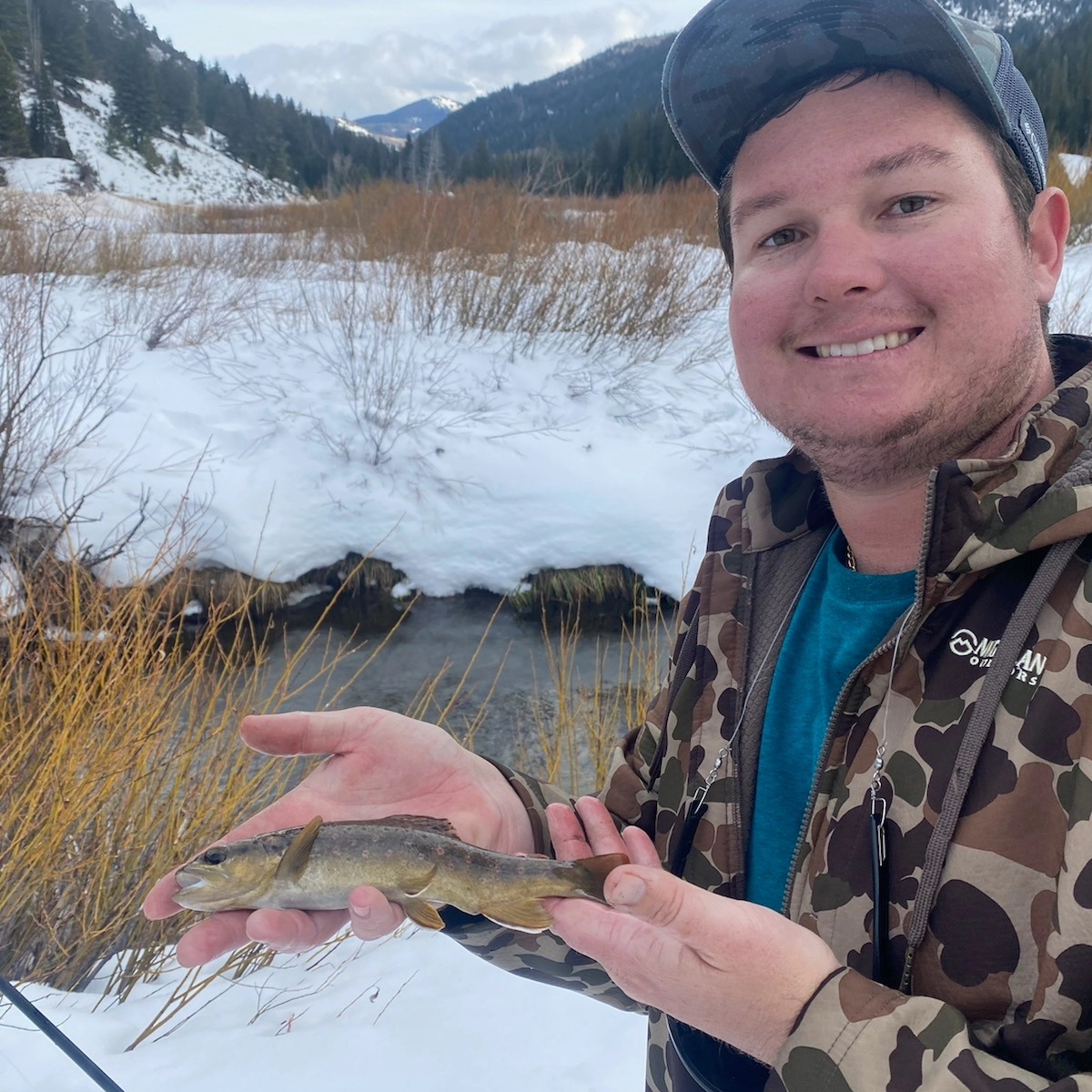
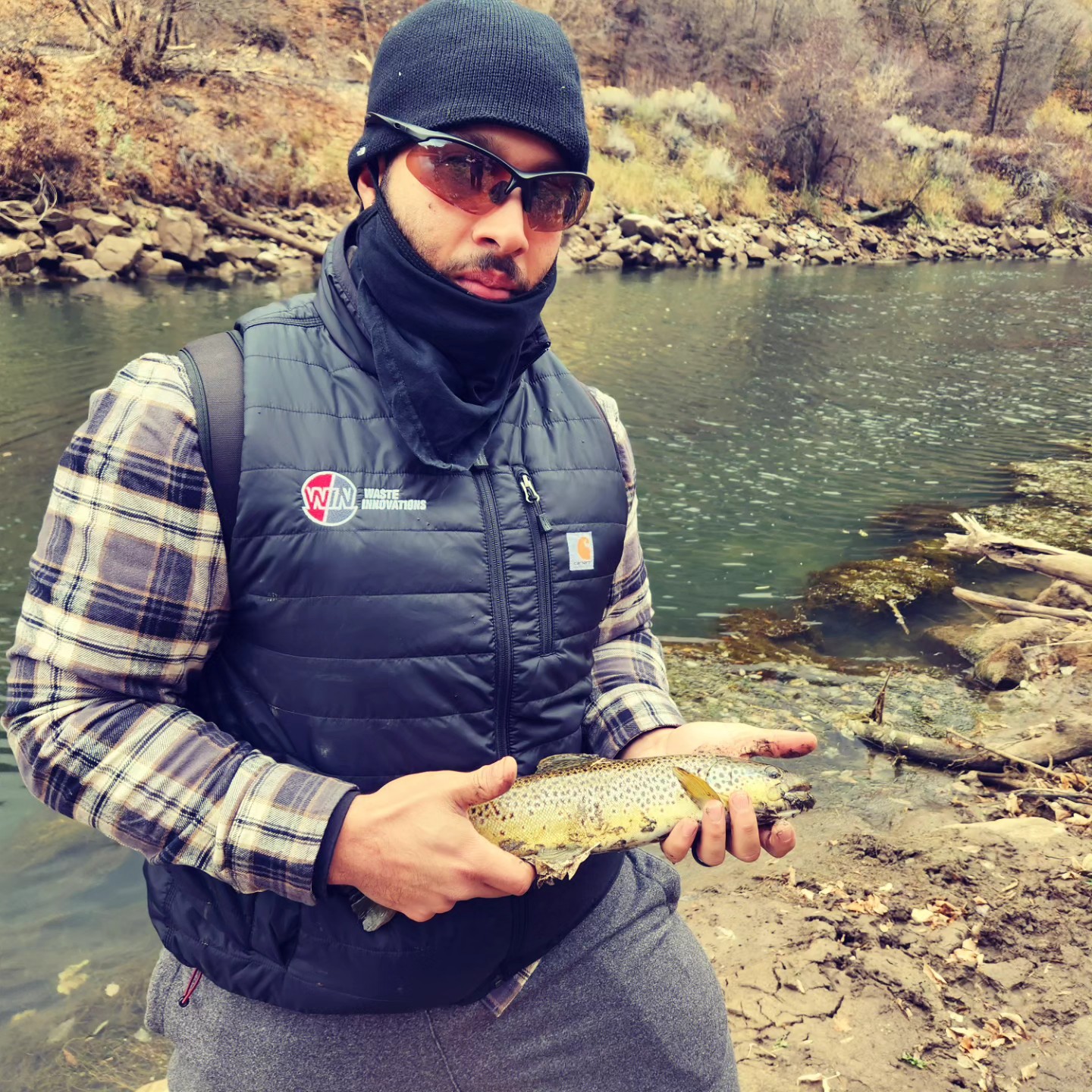
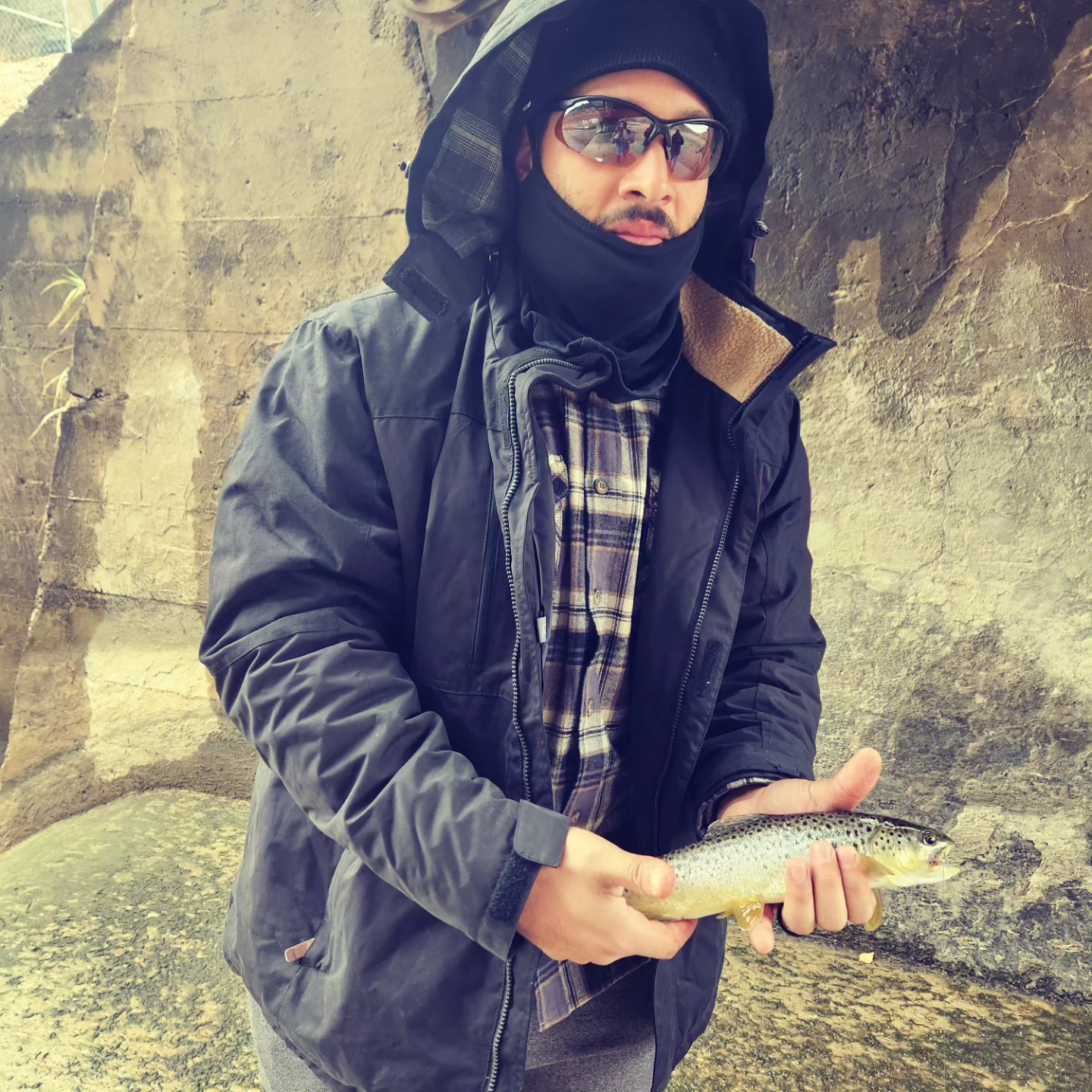
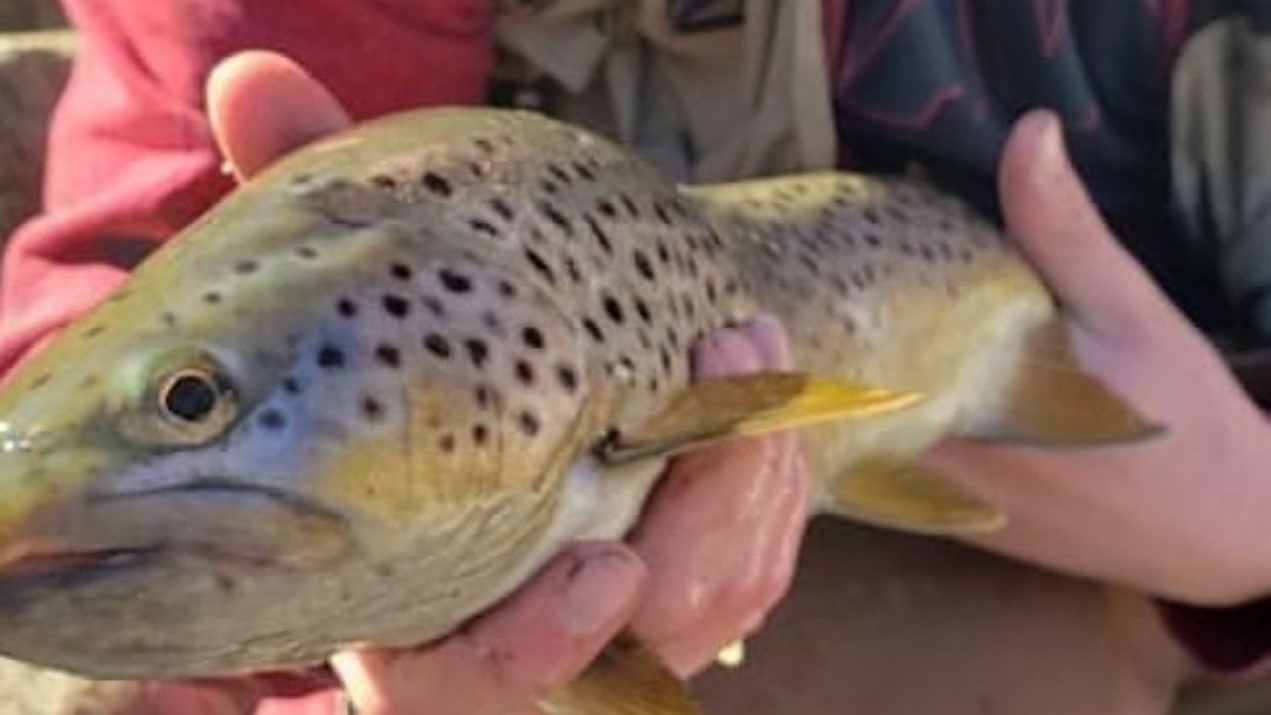
Rainbow trout in the Uintas are something special – these aren't your typical stocked fish. We're talking about robust, wild rainbows that have adapted to the high-country environment, developing deep shoulders and fighting abilities that'll test your drag system. They typically run anywhere from 12 to 18 inches, with some pushing well over 20. Best times to target them are during the evening rise when they're feeding on emerging midges and caddis. What makes these fish so exciting is their unpredictability – one minute they're sipping flies off the surface like they're in a fine dining restaurant, the next they're hammering streamers like they haven't eaten in weeks. Brown trout are the crafty veterans of these waters, often holding in the deepest, most challenging spots. They're notorious for following your lure or fly for what feels like forever before deciding whether to commit. When they do, though, you'll know it – browns fight dirty, using every rock, log, and drop-off to try and break you off. The biggest ones I've seen come out of these lakes push 24 inches and have the attitude to match their size.
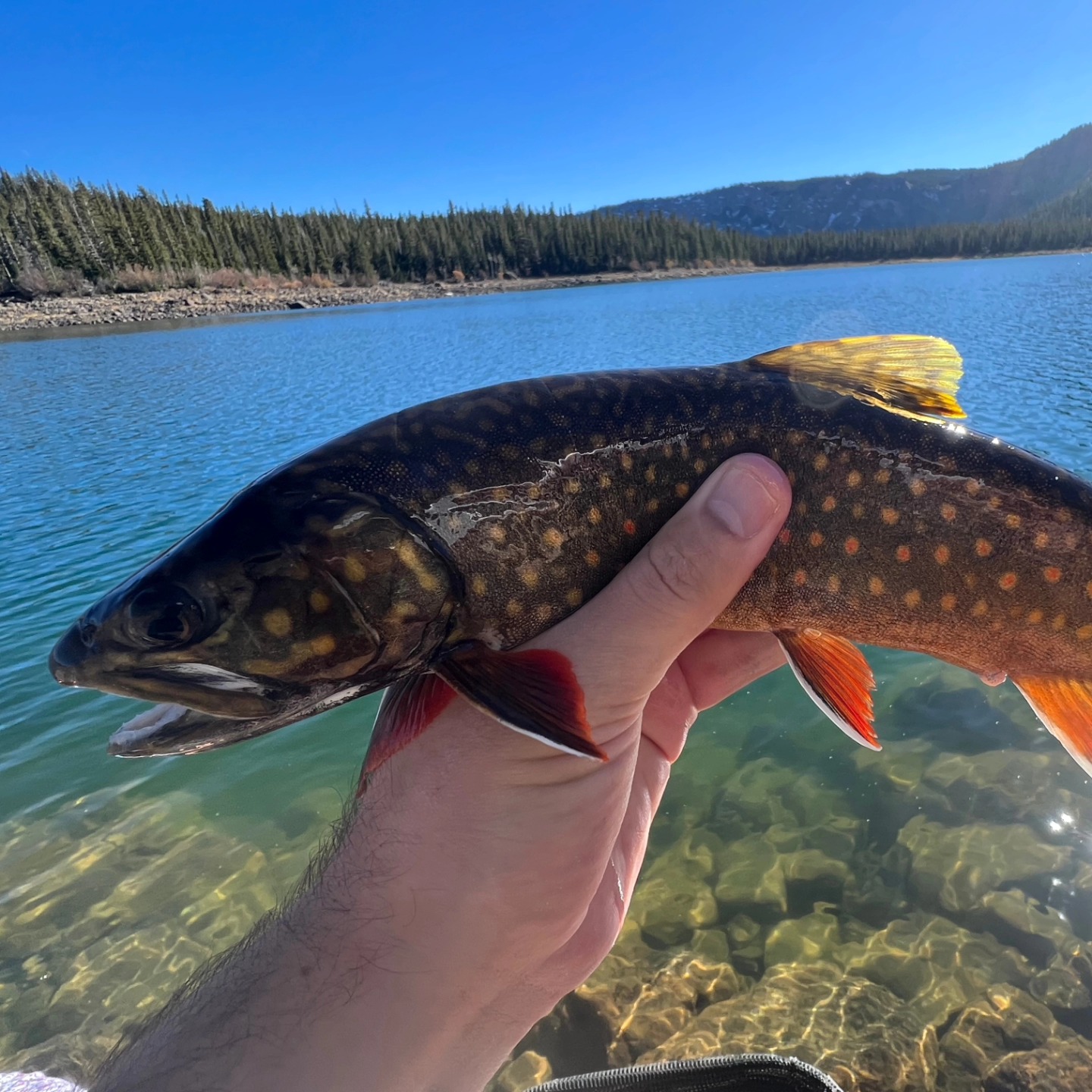
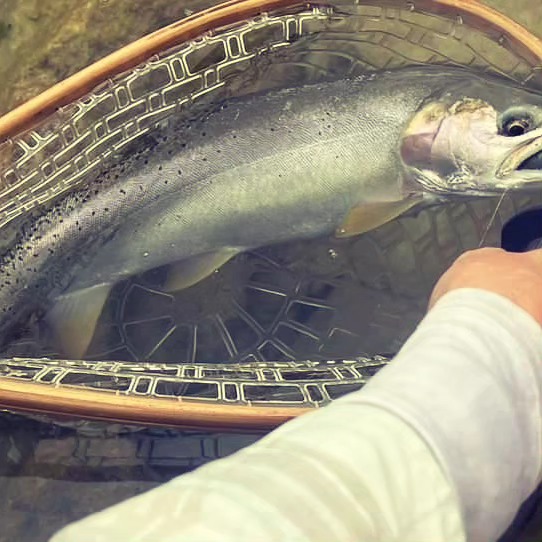
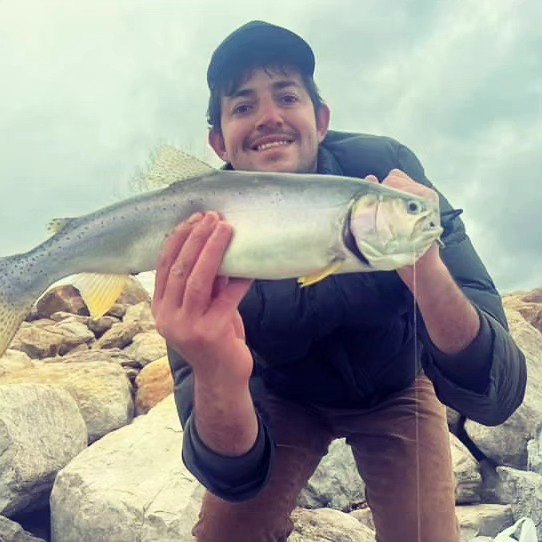
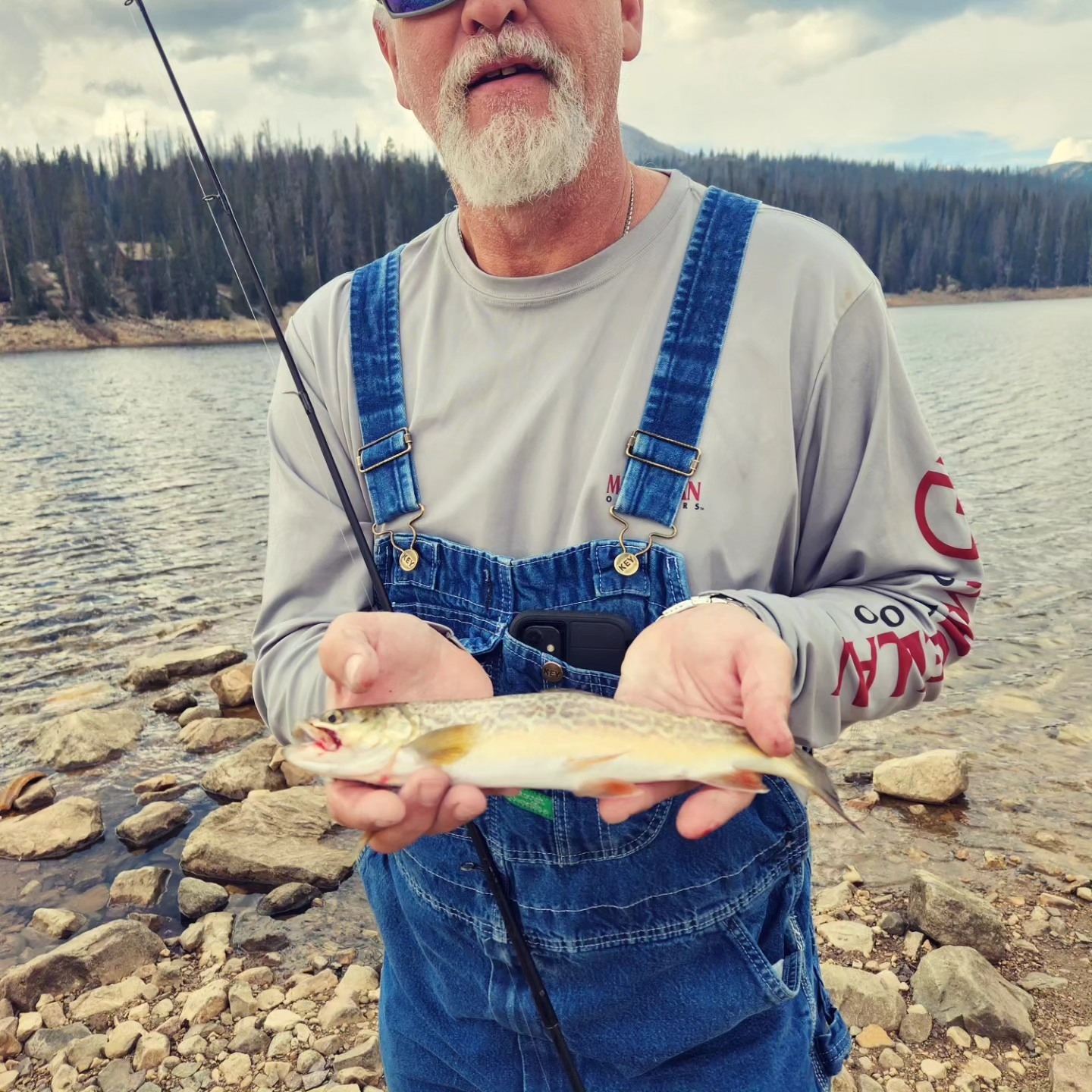
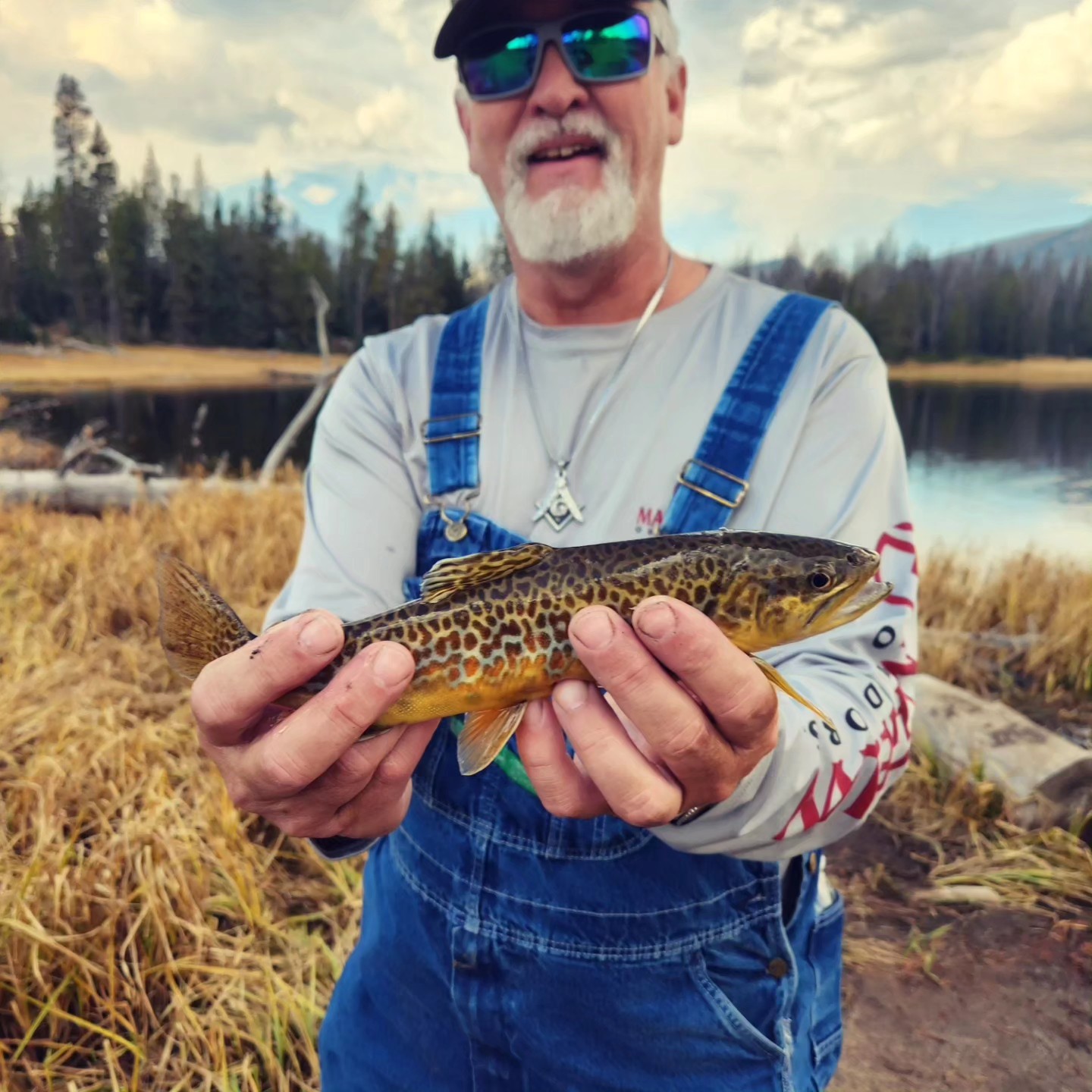
Cutthroat trout are the native royalty of the Uintas, and catching one feels like connecting with the original spirit of these mountains. They're aggressive feeders, especially during morning and evening hours, and they'll hit everything from tiny dry flies to large streamers. What I love about cutthroats is their willingness to come up from deep water to take a surface fly – you'll watch them rise from 15 feet down, and the anticipation as they climb toward your fly is pure magic. Brook trout, or "brookies" as we call them, are the beautiful rebels of the trout world. They're not native here, but they've made themselves at home in the smaller, more remote lakes where the water stays cold year-round. These fish are stunning – olive backs with vermiculated patterns and bellies that turn orange-red during spawning season. They're typically smaller than the other species, running 8 to 14 inches, but they make up for size with pure attitude.
Arctic grayling are the holy grail of high-country fishing in Utah. These fish are rare, beautiful, and absolutely unique with their sail-like dorsal fins and subtle purple and gold coloring. Finding grayling requires knowing exactly which lakes hold them – and that's information I guard carefully. They're surface feeders by nature, making them perfect targets for dry fly fishing. When you hook into a grayling, you're not just catching a fish, you're connecting with a piece of fishing history that most anglers never experience. They fight with a different style than trout – more jumping, more surface commotion, and they have a way of shaking the hook that keeps you on edge until they're in the net.
Time to Book Your Spot
Look, I could keep talking about the technical aspects of high-country fishing, but the real magic of this trip happens when you're out there experiencing it yourself.
 Private Trip
 Lakes/Reservoirs/Ponds Fishing
 Kamas, UT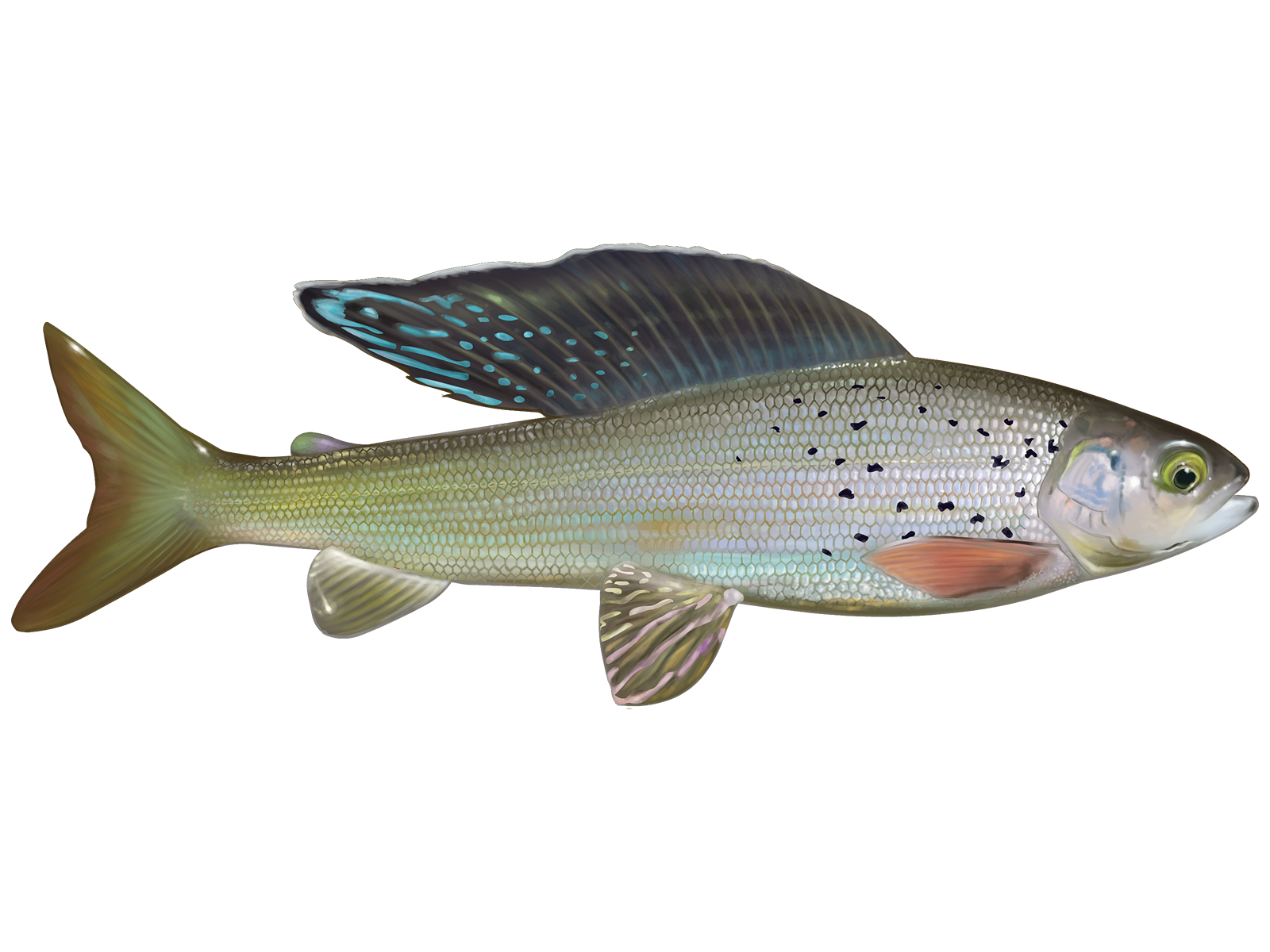


 Eight-hour guided fishing trip targeting brook, trout, and cutthroat