8-Hour Winter Fly Fishing in Utah's Backcountry
When most anglers pack away their gear for winter, the real fishing starts heating up on Utah's pristine waters. This full-day winter fly fishing adventure takes you deep into country where snow-covered peaks frame perfect pocket water and hungry trout are actively feeding below the ice. You'll spend eight solid hours working productive runs with a seasoned guide who knows exactly where fish hold during the colder months. Whether you're swinging streamers through deep pools or dead-drifting nymphs along undercut banks, this trip delivers the kind of fishing that keeps you coming back season after season.
What to Expect on the Water
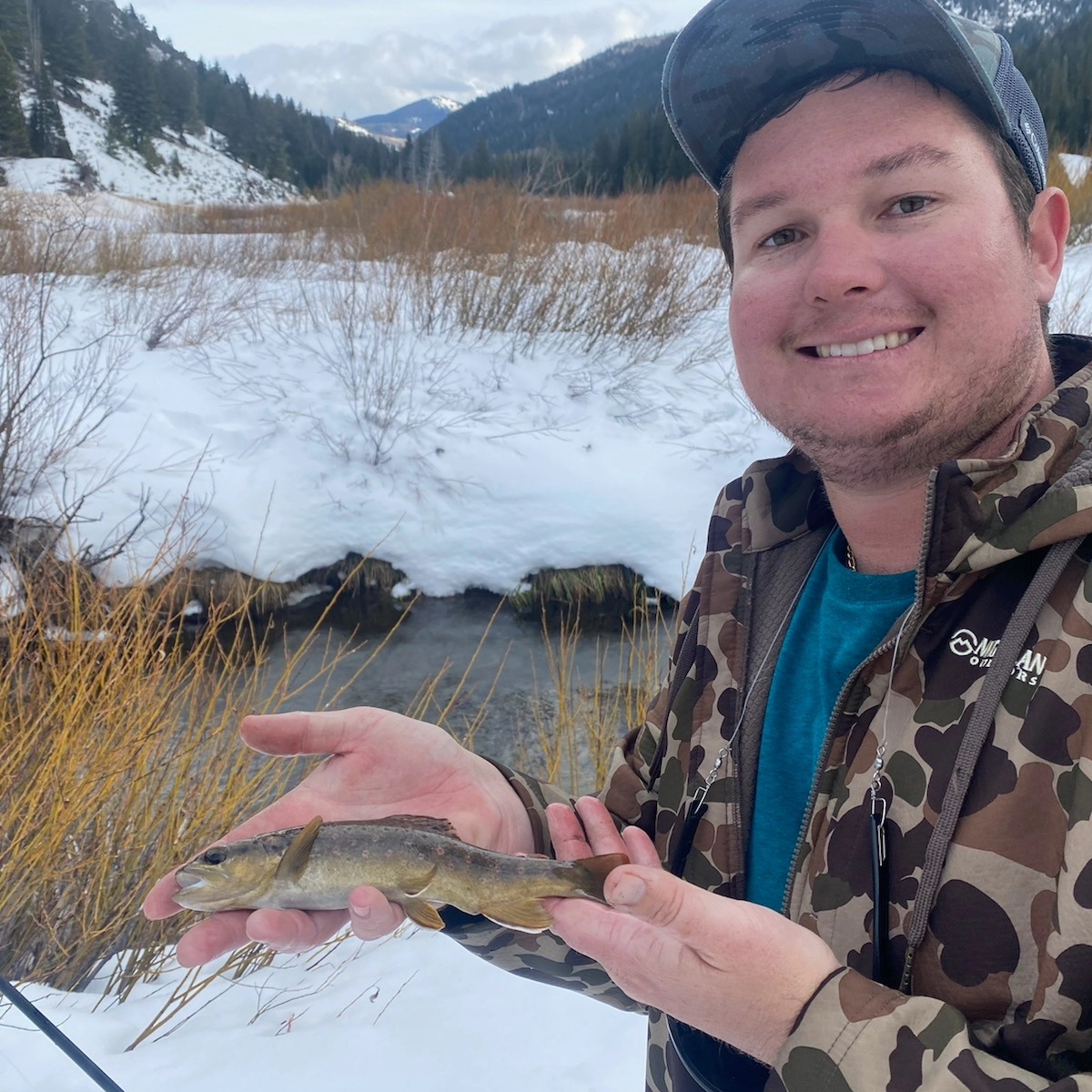
Your day starts early with gear prep and a detailed briefing on winter tactics that actually produce fish. We'll hit multiple stretches of river where warmer spring inputs create feeding lanes that trout can't resist. The scenery alone is worth the trip – imagine casting against a backdrop of snow-dusted conifers with elk tracks crossing muddy banks nearby. Winter fishing means smaller crowds and smarter fish, so we'll focus on technical presentations using weighted nymphs, midges, and the occasional streamer pattern. Water temps hover in that sweet spot where trout stay active but aren't spooked by heavy angler pressure. You'll learn to read winter water like a pro, identifying the subtle current breaks and depth changes that hold the best fish during cold-water months.
Techniques & Winter Gear
Winter fly fishing requires a different approach than your typical summer wade trip. We'll rig you with the right rod weight for cold-water conditions – usually a 5 or 6-weight that handles weighted rigs without losing sensitivity on subtle takes. Indicator fishing becomes crucial when water temps drop, so you'll master the art of high-sticking through pocket water and reading every twitch of your bobber. Layered wading gear keeps you comfortable during long stretches on the water, and we'll show you how to manage line freeze and ice buildup on your guides. The real skill comes in slowing down your presentation – winter trout won't chase flies like they do in warmer months, so every drift needs to be perfect. We'll work on mending techniques that keep your flies in the strike zone longer and adjust your indicator depth based on water conditions throughout the day.
Species You'll Want to Hook
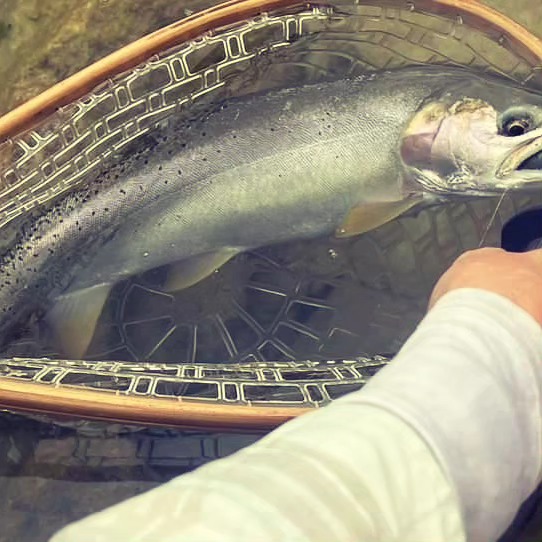
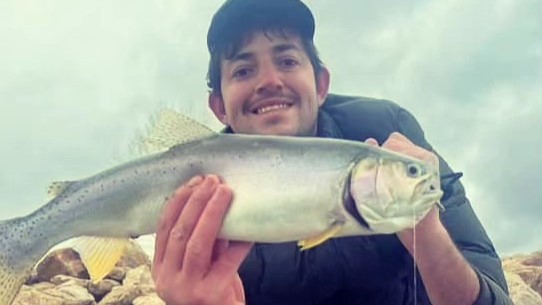
Rainbow Trout are the backbone of Utah's winter fishery, and these chrome-bright fighters stay aggressive even when water temps drop. Winter rainbows typically range from 14 to 20 inches, with their metabolism slowed just enough to make them selective about what they eat. They hold in deeper runs and tailouts where current brings steady food sources past their lies. The best part about hooking a winter rainbow is the fight – they use the heavy current to their advantage and make screaming runs that test your drag system. Look for them feeding on midges and small mayfly nymphs throughout the day, especially during the warmest afternoon hours.
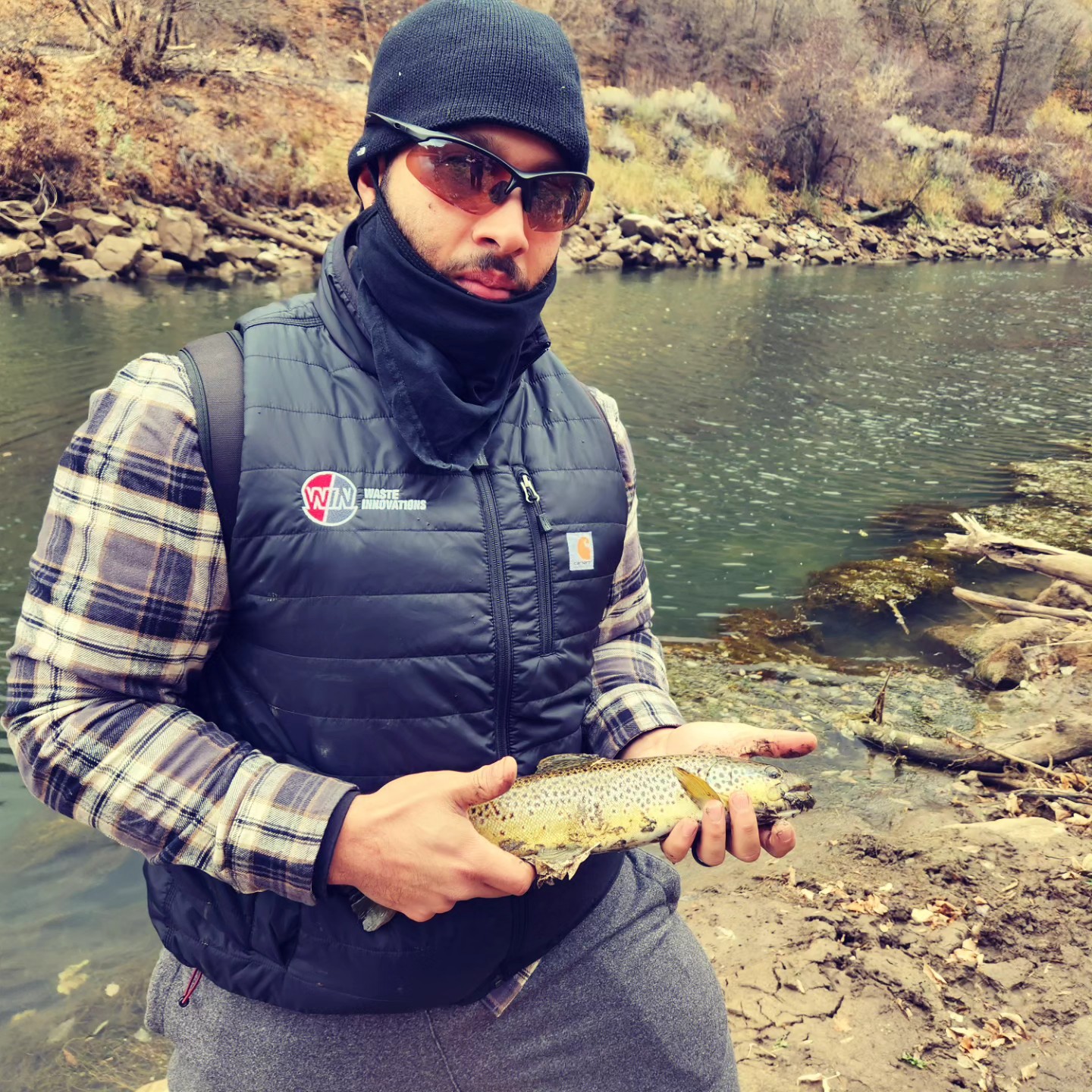
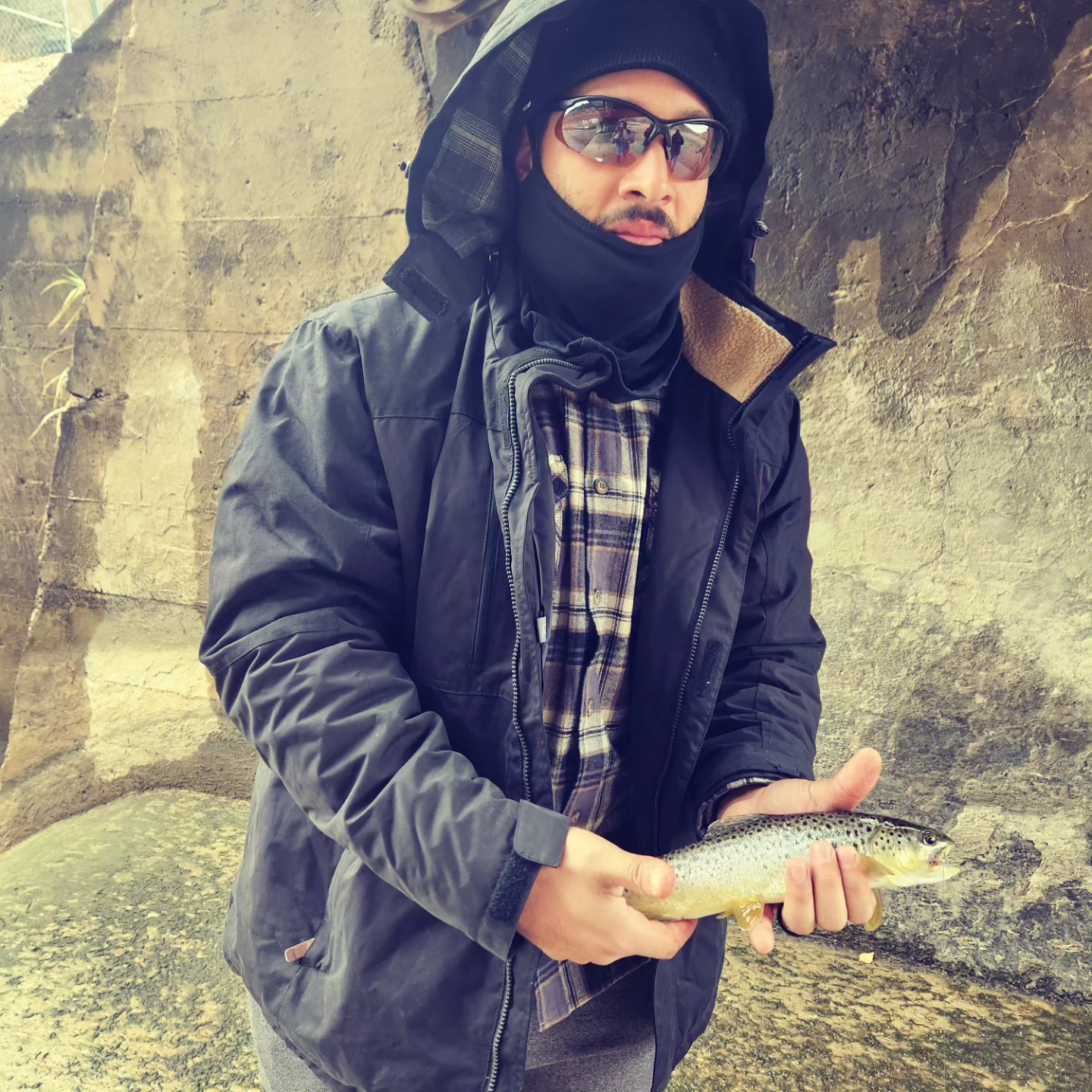
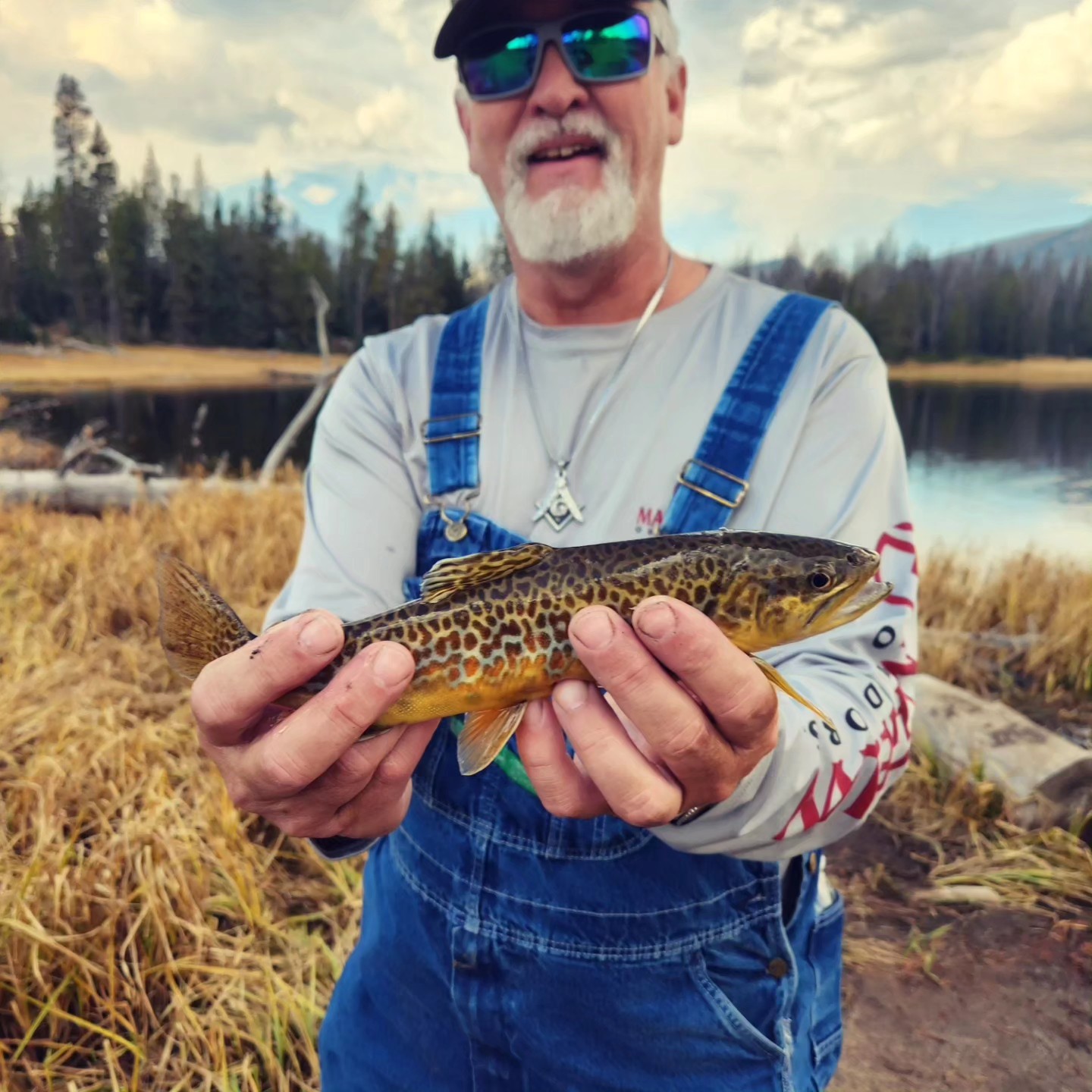
Brown Trout become incredibly opportunistic during winter months, often taking larger streamers and nymphs that summer fish would ignore. These predators grow fat feeding on sculpins and smaller fish that winter over in the same deep pools. Utah browns average 16 to 22 inches, with occasional fish pushing well over two feet. They're notorious for subtle takes – you'll feel more of a weight change than a sharp strike. Winter browns often hold tight to structure like fallen logs or undercut banks where they can ambush prey with minimal energy expenditure. The key is getting your flies deep and keeping them in the zone longer than you think necessary.
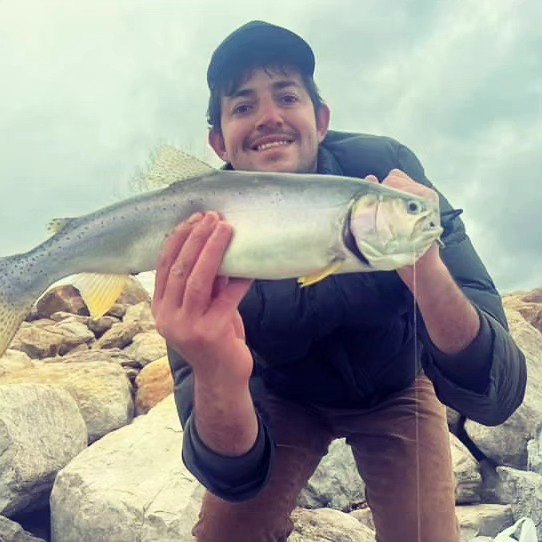
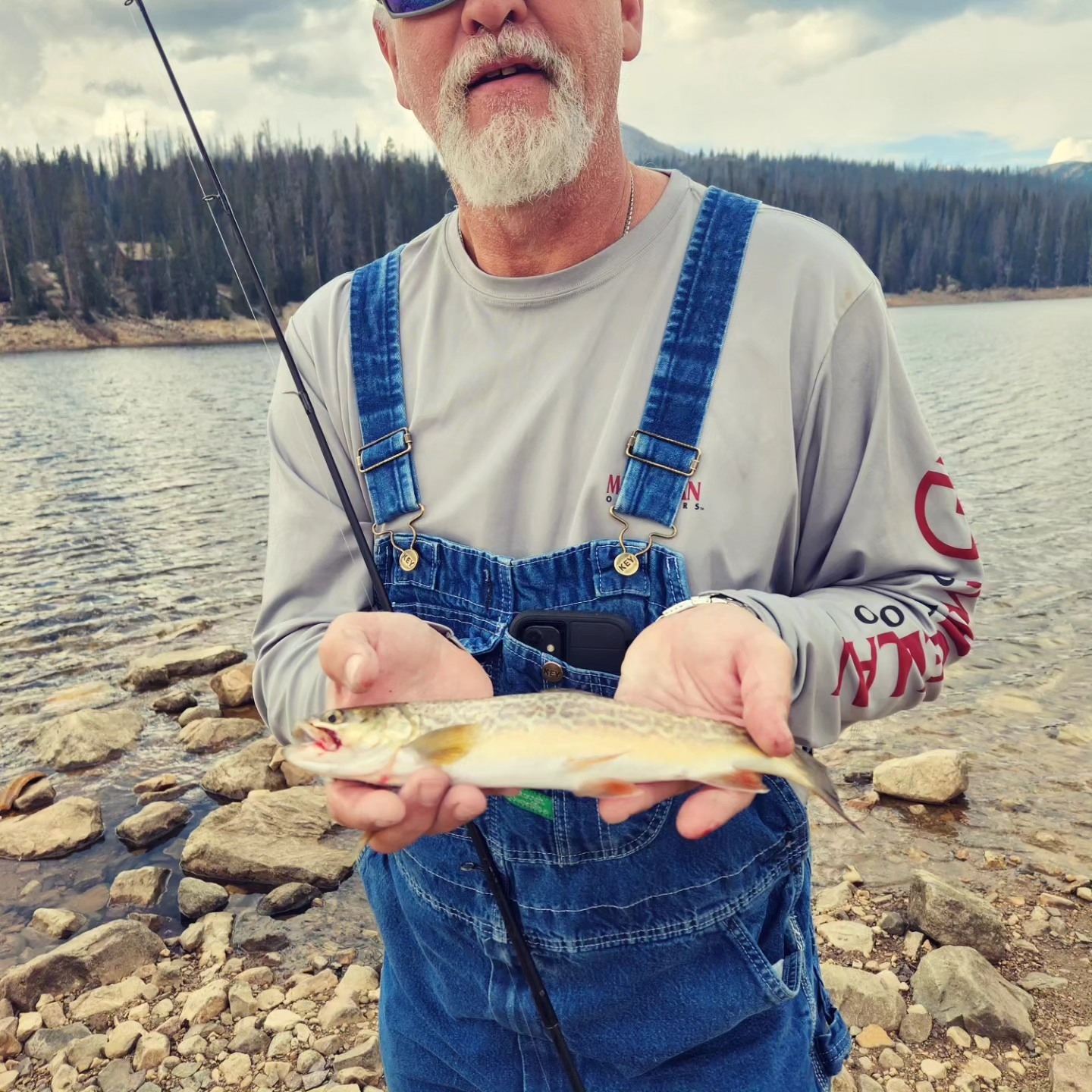
Cutthroat Trout represent the pure strain of Rocky Mountain fishing, and Utah's populations are some of the healthiest you'll find anywhere. These native beauties show their red slash markings prominently during winter months, making them easy to identify once you bring them to net. Cutthroats feed more aggressively than other species when water temps hover around 40 degrees, often rising to midges during warm winter afternoons. They typically run smaller than browns – 12 to 18 inches is standard – but their willingness to eat makes them perfect targets for anglers learning winter techniques. Their native intelligence means they spook easily, so stealth and accurate casting become essential skills.
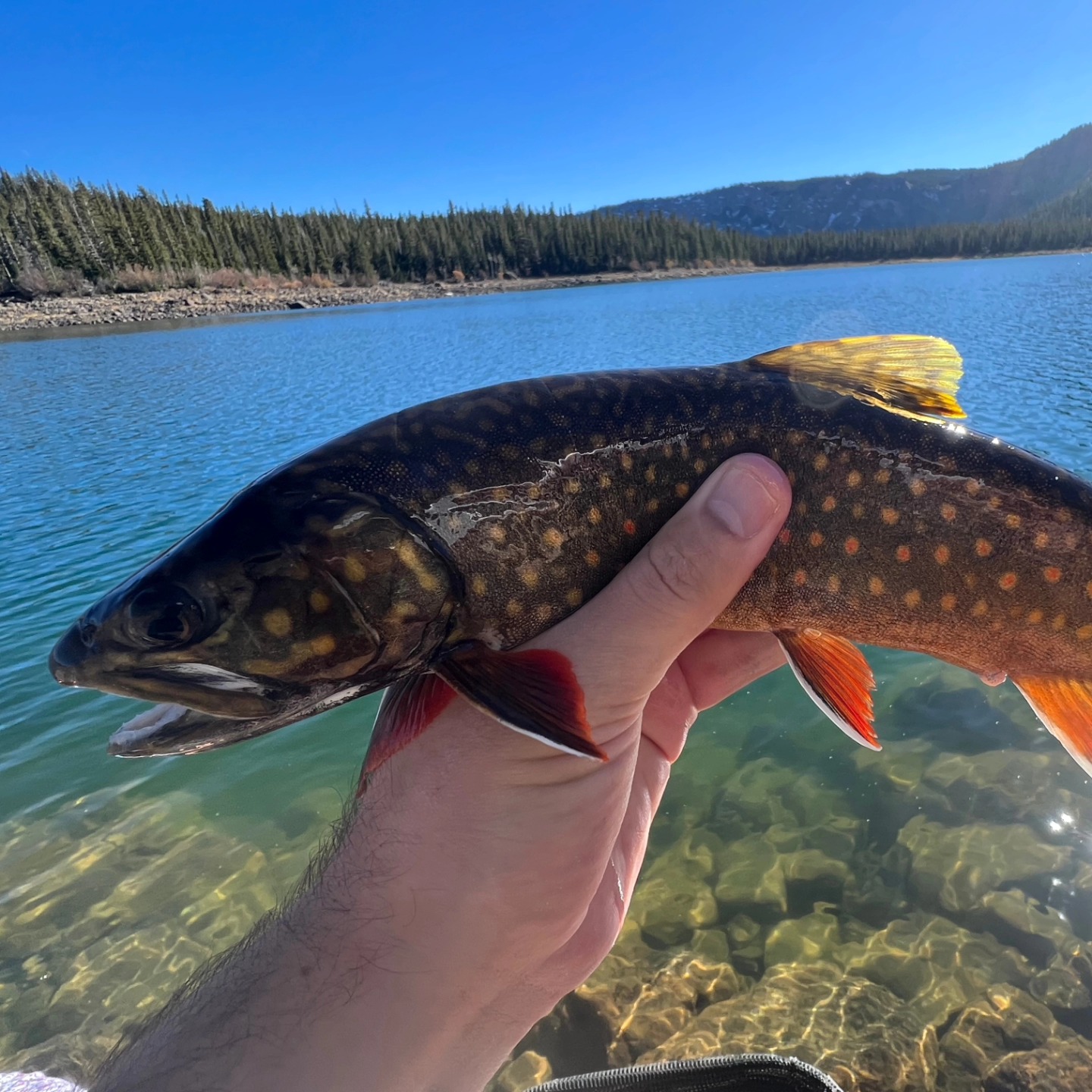
Brook Trout thrive in the coldest water you'll fish, often staying active when other species shut down completely. These char prefer the headwater sections where springs keep water temperatures stable throughout winter. Utah brookies typically measure 8 to 14 inches, but their vivid colors and aggressive strikes make them a favorite target species. They'll hit small nymphs, dry flies during midge hatches, and tiny streamers worked through deeper pockets. The best brook trout water requires some hiking, but reaching those remote pools where native fish have never seen heavy pressure makes every step worthwhile. They're incredibly photogenic with their olive backs and orange-red fins standing out against fresh snow.
Arctic Grayling offer a truly unique winter fishing opportunity that few anglers ever experience. These prehistoric-looking fish with their sail-like dorsal fins prefer the coldest, cleanest water in Utah's high-elevation systems. Grayling typically measure 10 to 16 inches and fight with a distinctive head-shaking style that's unlike any other freshwater species. They're incredibly selective feeders, often keying in on specific midge patterns or tiny mayfly nymphs. Winter grayling fishing requires patience and precision – these fish won't tolerate sloppy presentations or heavy-handed fighting techniques. Successfully landing an Arctic Grayling during winter conditions represents the pinnacle of technical fly fishing achievement.
Time to Book Your Spot
This eight-hour winter fly fishing adventure delivers the kind of authentic Utah angling that separates real fishermen from fair-weather casters. You'll learn techniques that work year-round while targeting species that most guides never even see. Winter fishing isn't for everyone, but anglers who embrace the challenge discover some of the most productive and peaceful fishing available anywhere. The combination of technical skill development
 Private Trip
 River Fishing
 Kamas, UT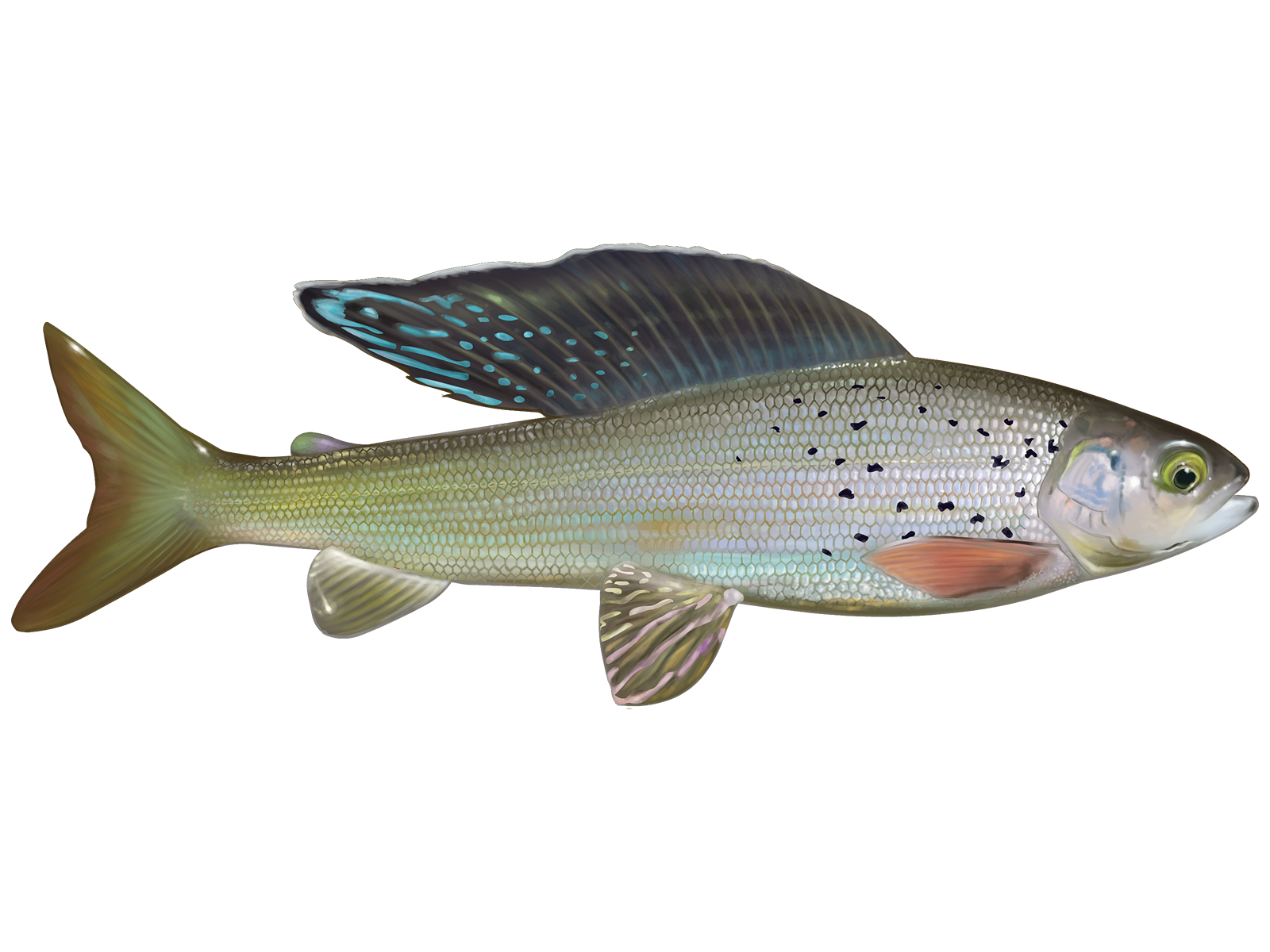


 Expert guides provide instruction for winter fly fishing adventures