2-Day Boulder Mountain Fishing Adventure
If you're looking for a real mountain fishing experience that'll test your skills and reward you with some of the finest trout in Utah, this 2-day Boulder Mountain trip is what you've been searching for. We're talking about pristine alpine waters where the fish are wild, feisty, and absolutely gorgeous. This isn't your typical day-trip fishing – it's a proper wilderness adventure where you'll camp under the stars and wake up to some of the best angling Utah has to offer. Boulder Mountain sits at elevation, which means cooler water temperatures year-round and trout that fight like they mean it. You'll be targeting trophy-sized fish in waters that see very little pressure, making this a top-rated choice for serious anglers who want to get away from the crowds.
What to Expect on the Water
Boulder Mountain is rugged country, and that's exactly what makes the fishing so special. We're working high-elevation lakes and streams that stay cold even in summer, creating perfect habitat for multiple trout species. The terrain varies from crystal-clear alpine lakes nestled between granite peaks to fast-moving streams that carve through meadows and timber. Weather can change quickly up here, so we always come prepared for anything – that's part of what makes this such a genuine mountain experience. You'll be fishing waters that range from technical spring creeks requiring delicate presentations to deeper lakes where you can really stretch your casting arm. The scenery alone is worth the trip, but when you add in the quality of fishing, it becomes something special. This is single-angler capacity, which means personalized attention and the ability to move at your own pace and focus on the techniques that interest you most.
Techniques & Gear Setup
Boulder Mountain fishing demands versatility in your approach. We'll be switching between dry fly fishing during hatches, nymphing the deeper pools and runs, and streamer fishing when the big browns and cutthroats are looking for a substantial meal. The high altitude means shorter growing seasons but incredibly rich aquatic insect life during peak times. We typically run 4-6 weight rods depending on conditions and target species, with longer leaders for the clear water. In the lakes, we'll employ everything from indicator nymphing to slow-trolling streamers along drop-offs. The streams require more technical skills – reading water, understanding current seams, and making precise casts in tight quarters. I provide all the flies and terminal tackle, but bring your favorite rod if you've got one that's served you well. Waders are essential given the cold water temperatures, and we'll spend time positioning ourselves for the best presentations rather than just casting randomly.
Species You'll Want to Hook
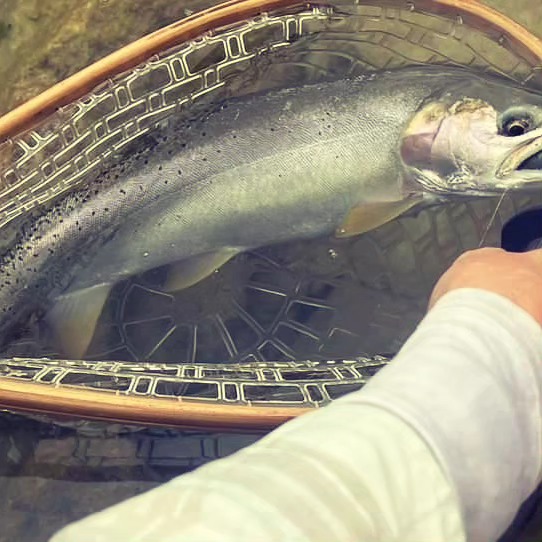
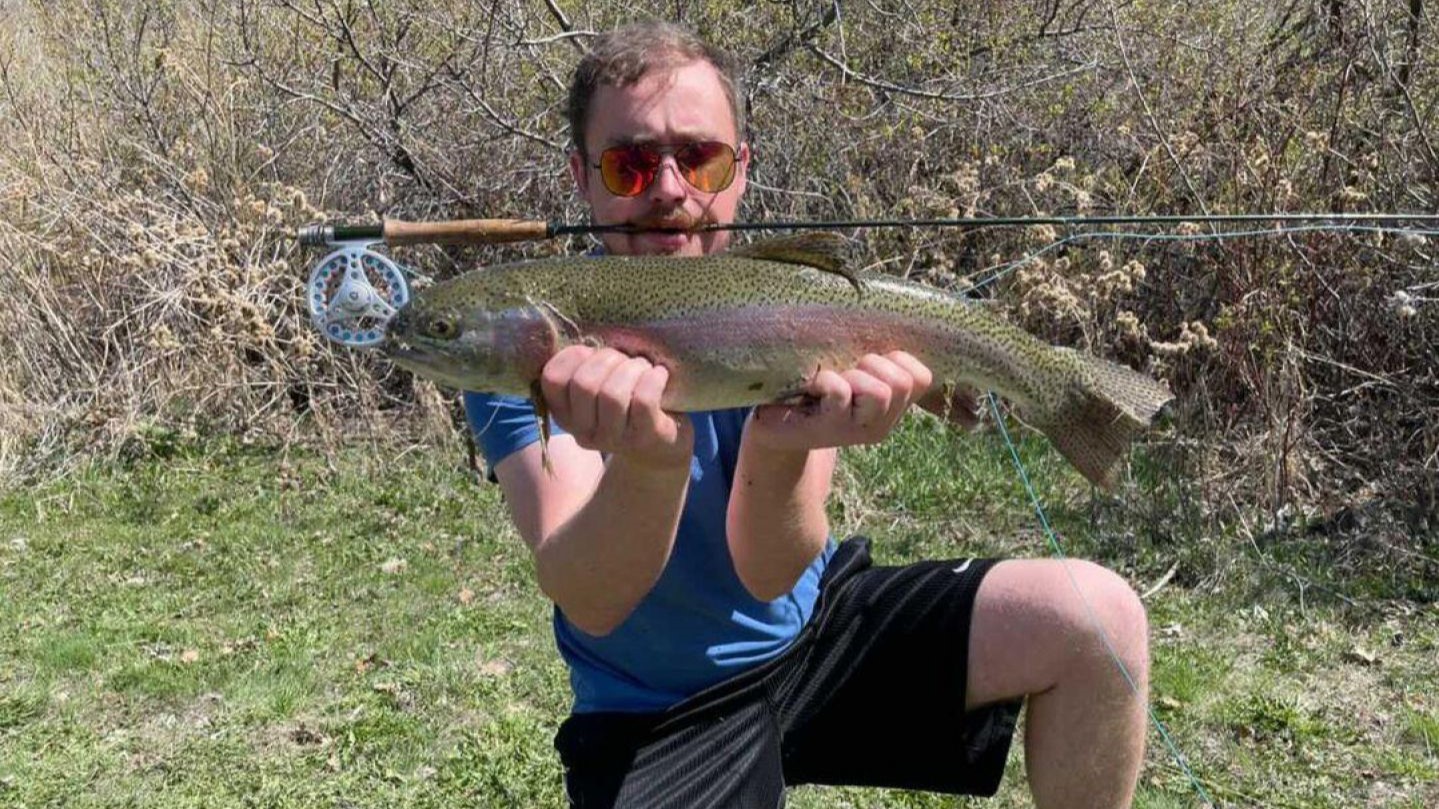
Rainbow trout in these waters are absolute rockets. They typically run 12-16 inches with some real bruisers pushing 18+ inches in the deeper lakes. What makes Boulder Mountain rainbows special is their incredible coloration – the high-altitude environment and clean water produce fish with vivid pink stripes and perfect proportions. They're most active during morning and evening hours, especially when there's insect activity on the surface. These fish will test your drag system and your knots, guaranteed.
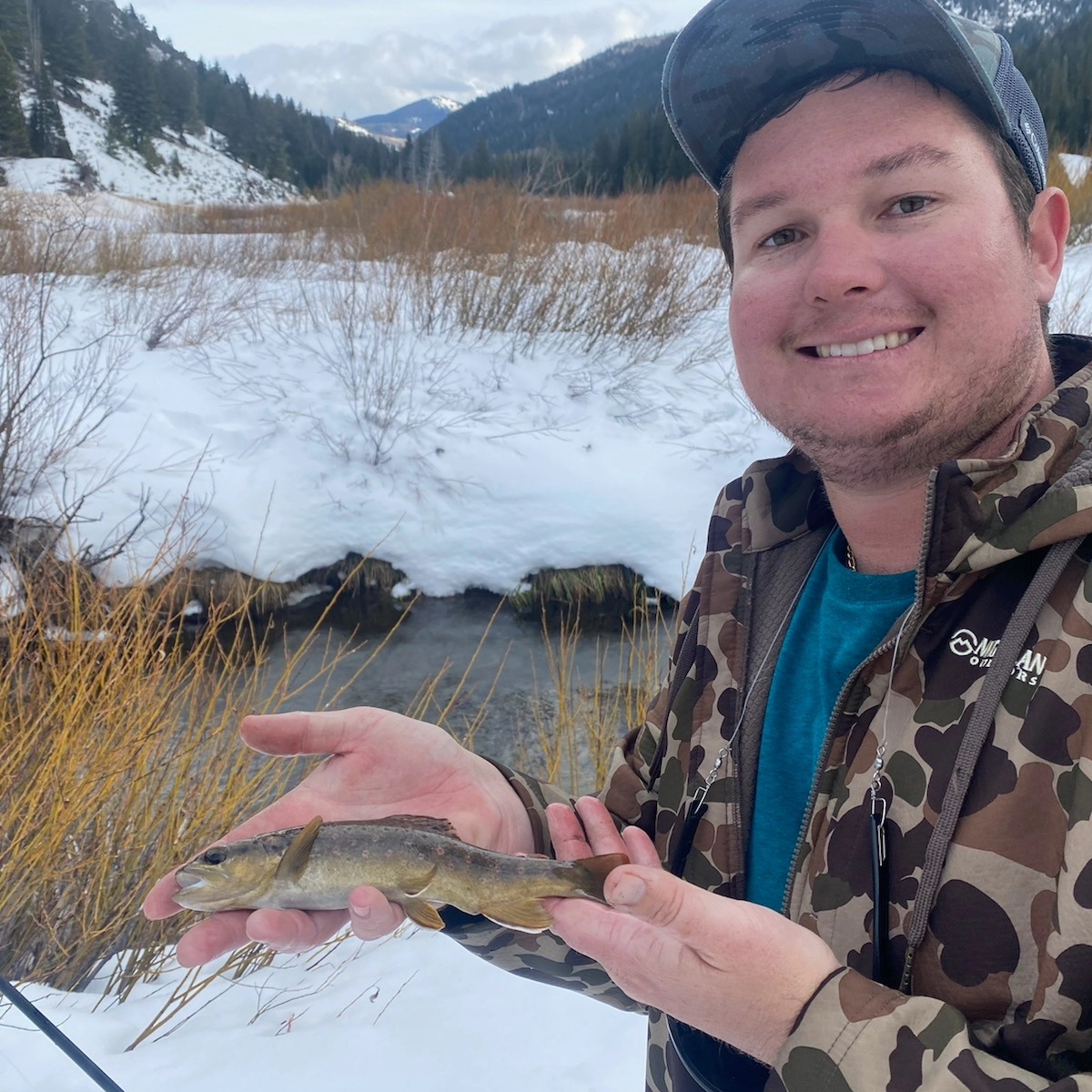
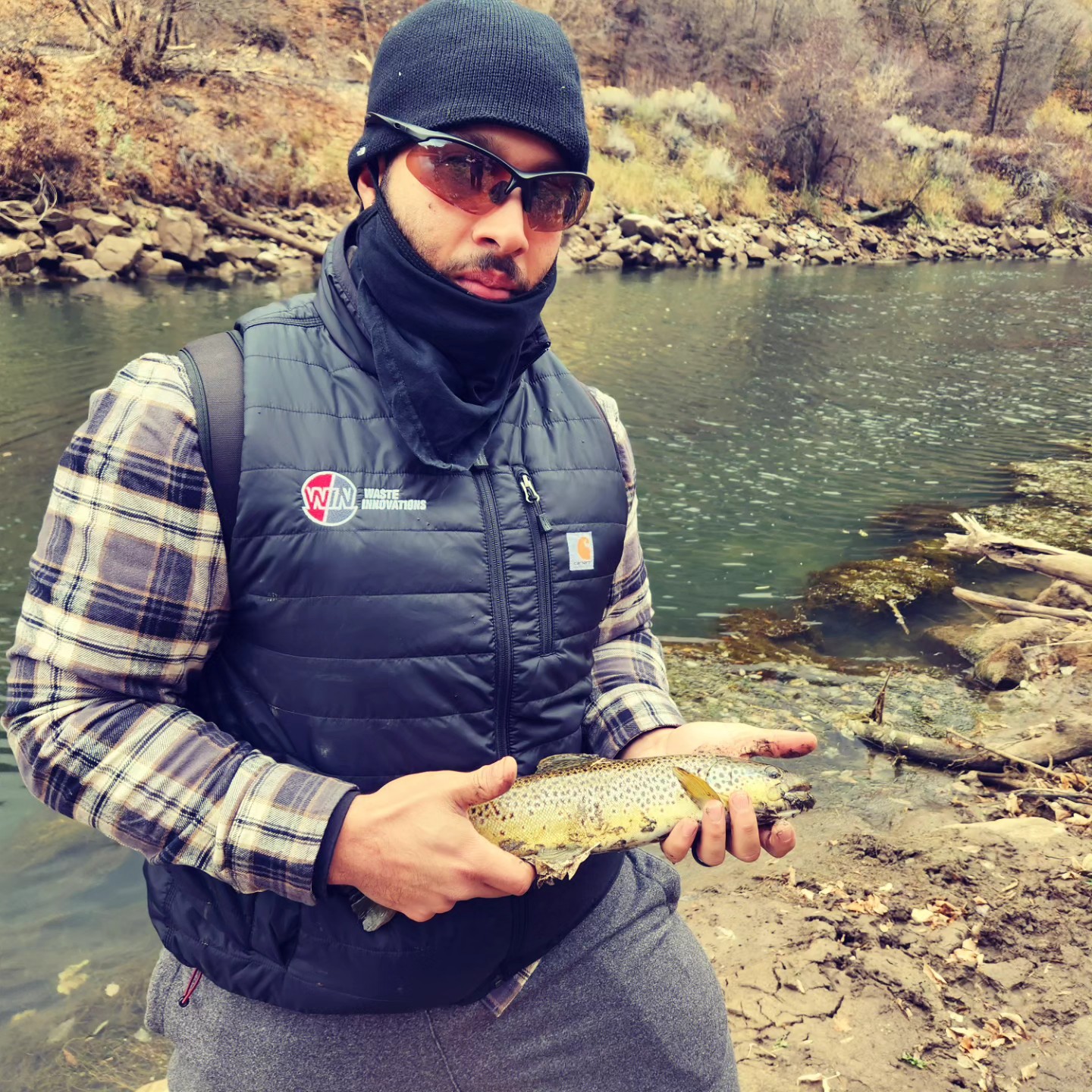
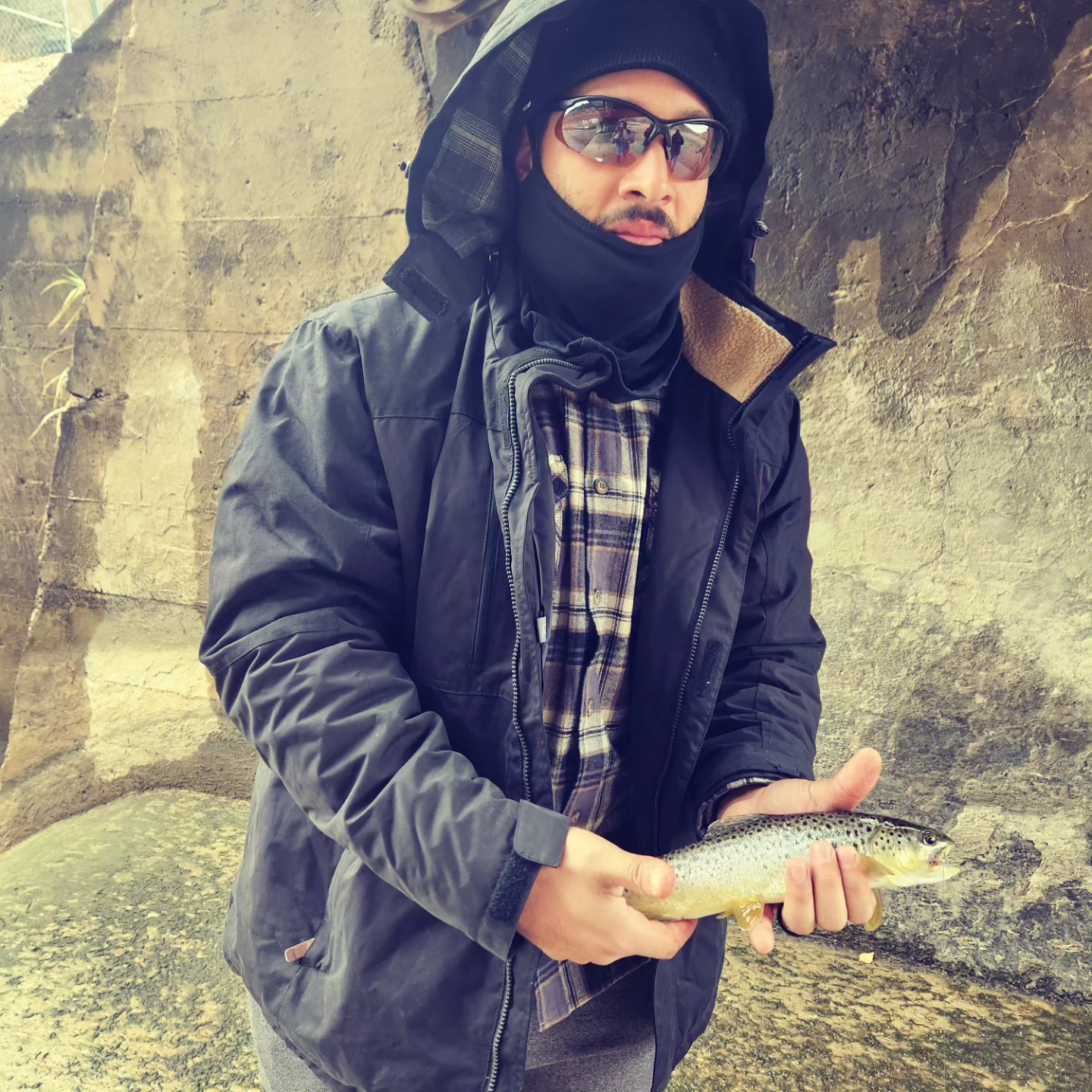
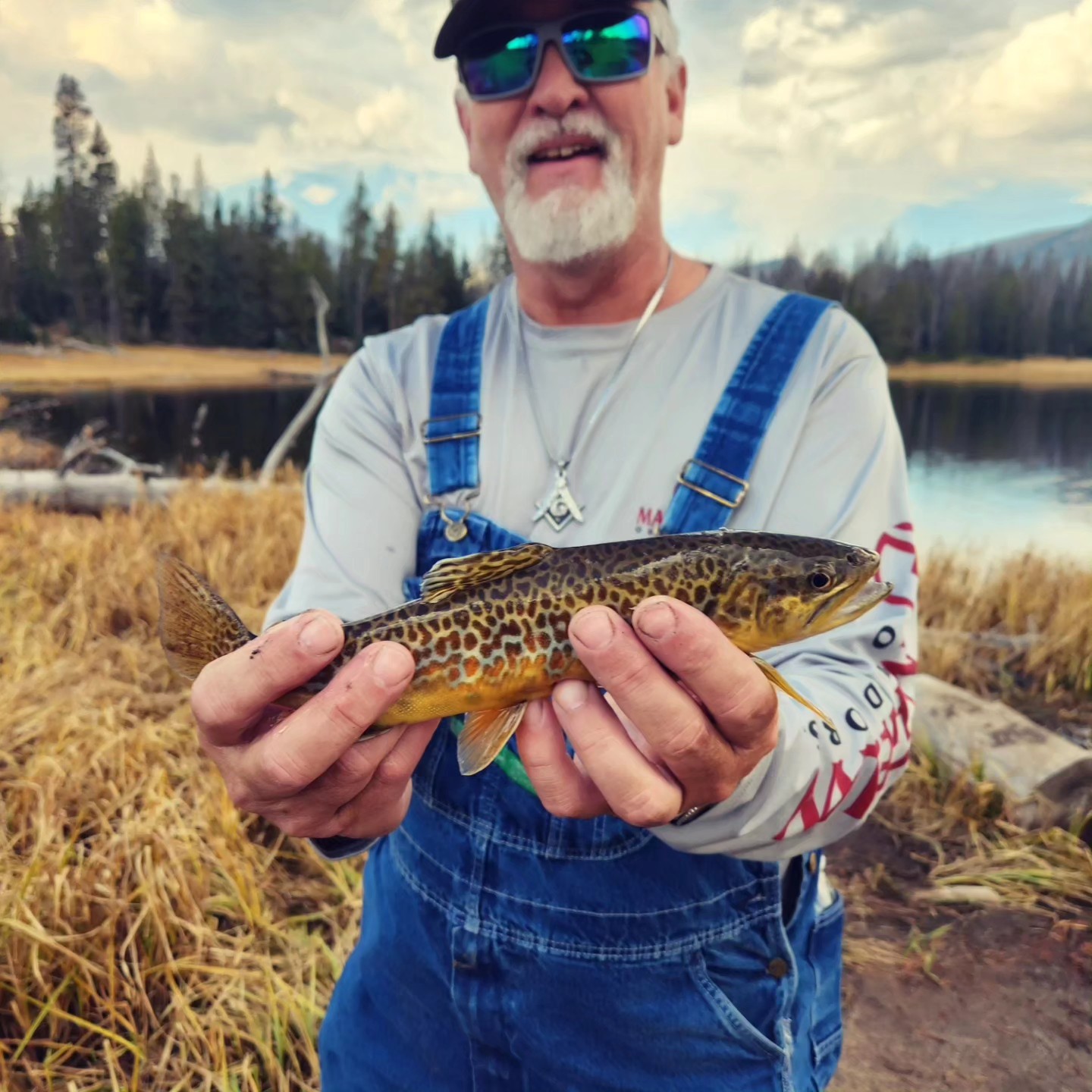
Brown trout are the apex predators up here, and they act like it. These are smart, aggressive fish that have learned to capitalize on the abundant food sources. Most browns we encounter are in the 14-18 inch range, but the potential for a true trophy exists in several of the deeper lakes. They're primarily ambush feeders, holding in structure and waiting for the right opportunity. Fall is prime time for browns as they become more aggressive heading into spawning season, but summer evenings can produce some memorable hookups when they move shallow to feed.
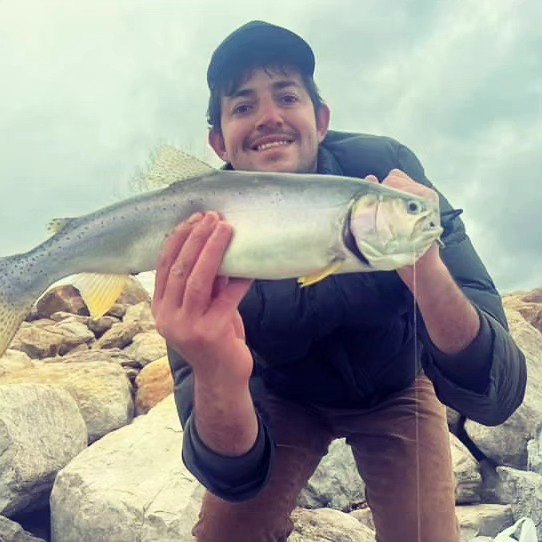
Cutthroat trout are native to this region and represent some of the finest wild trout fishing in the state. These fish have that classic cutthroat beauty – the distinctive red slash under their jaw and spots that extend well below the lateral line. They're typically more willing to take flies than browns but can be surprisingly selective during heavy hatches. Cutthroats in these waters average 13-16 inches and fight with a distinctive head-shaking style that keeps you honest. They're most active during stable weather periods and can provide consistent action throughout the day.
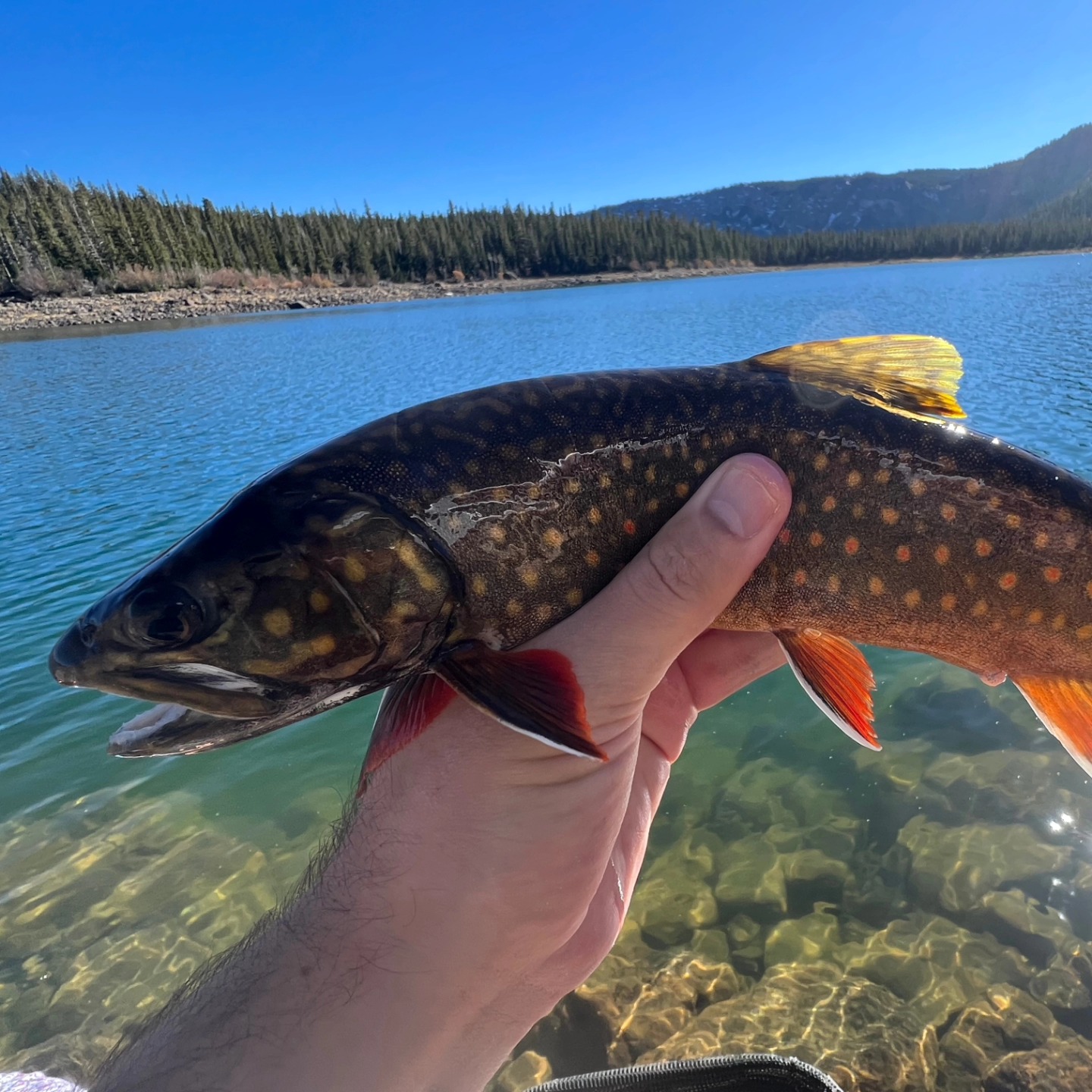
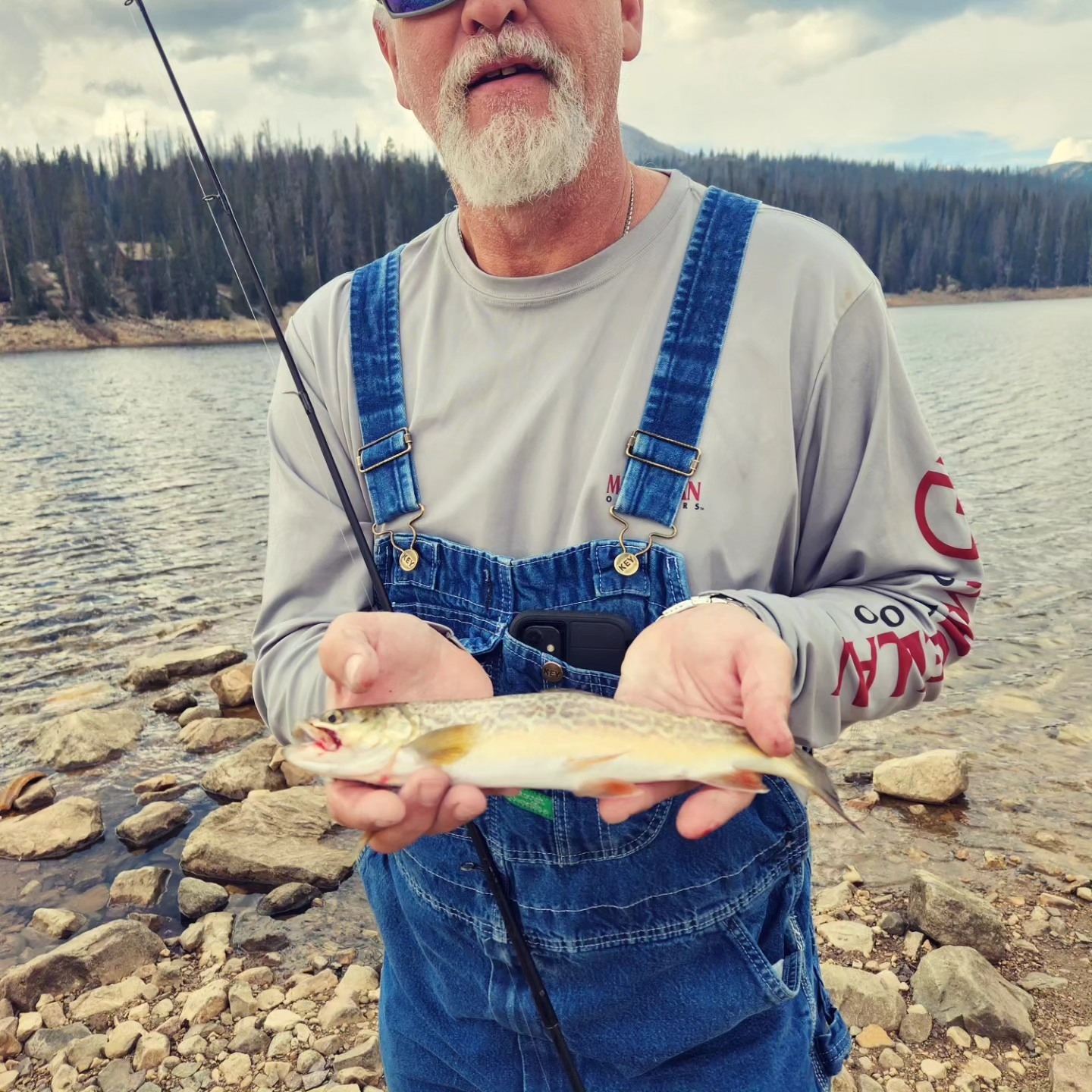
Brook trout might be transplants to Utah, but they've made themselves right at home in Boulder Mountain's cold, clear waters. These are some of the most beautiful fish you'll ever land – vibrant colors, white-edged fins, and that distinctive marbled pattern on their backs. Brooks tend to be more numerous but slightly smaller on average, typically running 10-14 inches. What they lack in size they make up for in enthusiasm – brookies are aggressive feeders and will often hit flies that other species ignore. They're particularly active during cooler parts of the day and can provide steady action when conditions aren't ideal for larger species.
Arctic grayling represent the crown jewel of Boulder Mountain angling. These fish are relatively rare in Utah waters, making every encounter special. Grayling are immediately recognizable by their large, sail-like dorsal fin and subtle but beautiful coloration. They're surface-oriented feeders, making them ideal targets for dry fly fishing during hatches. Most grayling run 12-15 inches, but their unique fighting style – lots of runs and jumps – makes them feel much larger. They're seasonal fish, most active during spring and fall when water temperatures are in their preferred range. Landing a grayling on Boulder Mountain is something many anglers never forget.
Time to Book Your Spot
This 2-day Boulder Mountain trip represents everything that makes mountain fishing special – wild fish, pristine waters, and the kind of scenery that reminds you why you started fishing in the first place. With single-angler capacity, you'll get personalized instruction and the flexibility to focus on whatever aspects of the fishing interest you most. Whether you're looking to improve your technique, target a specific species, or just enjoy two days of world-class angling, this trip delivers. The combination of multiple species, varied water
 Private Trip
 River Fishing
 Kamas, UT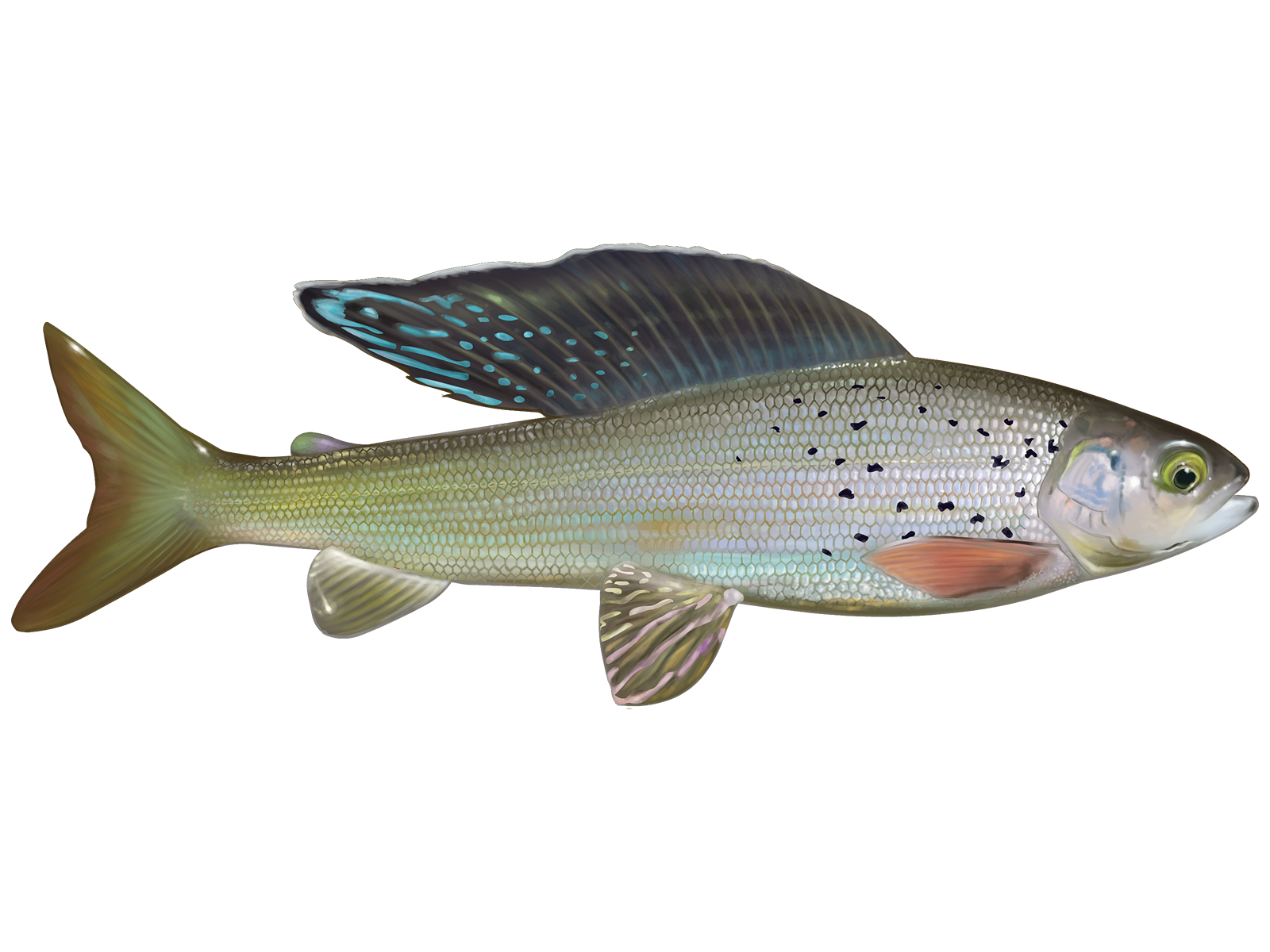


 Two-day overnight fishing adventure in Boulder Mountain's pristine wilderness