Crystal River Inshore Fishing Charter
Captain Phillip Henley knows Crystal River's backwaters like the back of his hand, and he's ready to put you on some serious fish. This 7-hour inshore charter targets the species that make Florida's Nature Coast legendary – redfish, snook, sheepshead, and bluefish. You'll fish the flats, work the mangrove shorelines, and hit the structure where these fish love to hang out. With everything included from rods to licenses, plus cleaning and filleting at the end, you just need to show up ready to fish. Whether you're new to saltwater angling or you've been chasing these species for years, Captain Phillip tailors the trip to your crew's skill level.
What to Expect on the Water
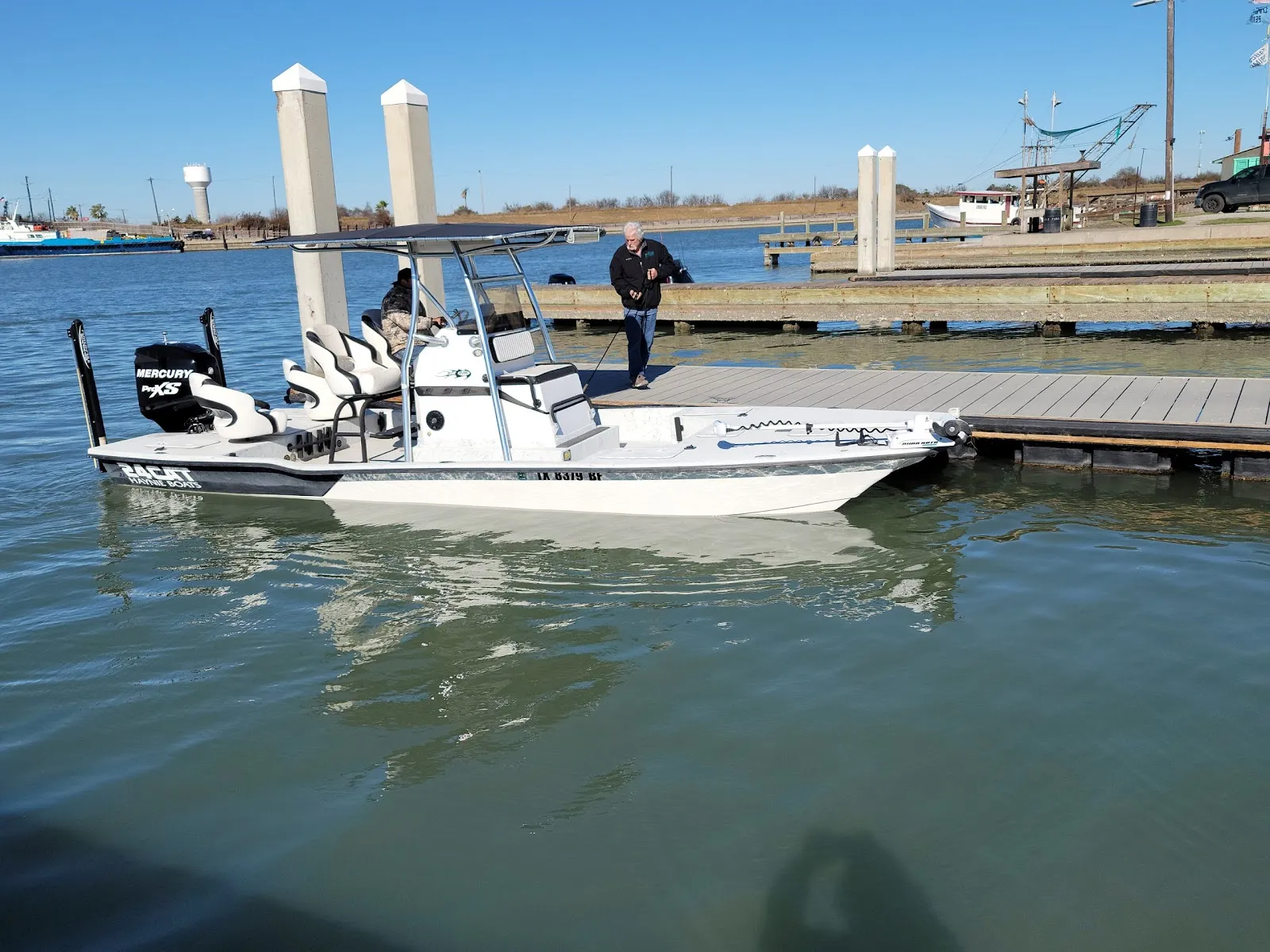
You'll launch early to make the most of your 7 hours on Crystal River's prime inshore waters. Captain Phillip runs a well-equipped boat that gets you to the fish quickly and comfortably. The day starts with a game plan based on tides, weather, and what's been biting lately. Crystal River's inshore fishery is famous for its variety – one minute you're sight-casting to tailing redfish on shallow flats, the next you're working live bait around docks for snook. The captain reads the water and adjusts tactics throughout the day. You'll fish everything from grass flats to oyster bars, mangrove creeks to channel edges. With only 2 anglers max, everyone gets plenty of rod time and personalized instruction. The pace stays relaxed but productive – this isn't a rush job, it's a full day focused on putting quality fish in the boat.
Techniques & Tackle Setup
Captain Phillip comes prepared with the right gear for Crystal River's inshore game. You'll fish with medium-action spinning rods spooled with braided line – perfect for the structure-heavy environment where these fish live. Live bait is king here, and the captain provides fresh shrimp, pinfish, and whatever's working best that week. Artificial lures get their turn too, especially topwater plugs for snook at dawn and dusk, and soft plastics for working the flats. The shallow water means you'll do plenty of sight fishing when conditions are right – watching redfish cruise the flats never gets old. Techniques vary with the target species and conditions. You might be free-lining live bait to snook around docks, bouncing jigs for sheepshead around structure, or working the grass beds with spoons for bluefish. Captain Phillip explains each technique as you go, so you leave knowing more about reading water and presenting baits effectively.
Species You'll Want to Hook
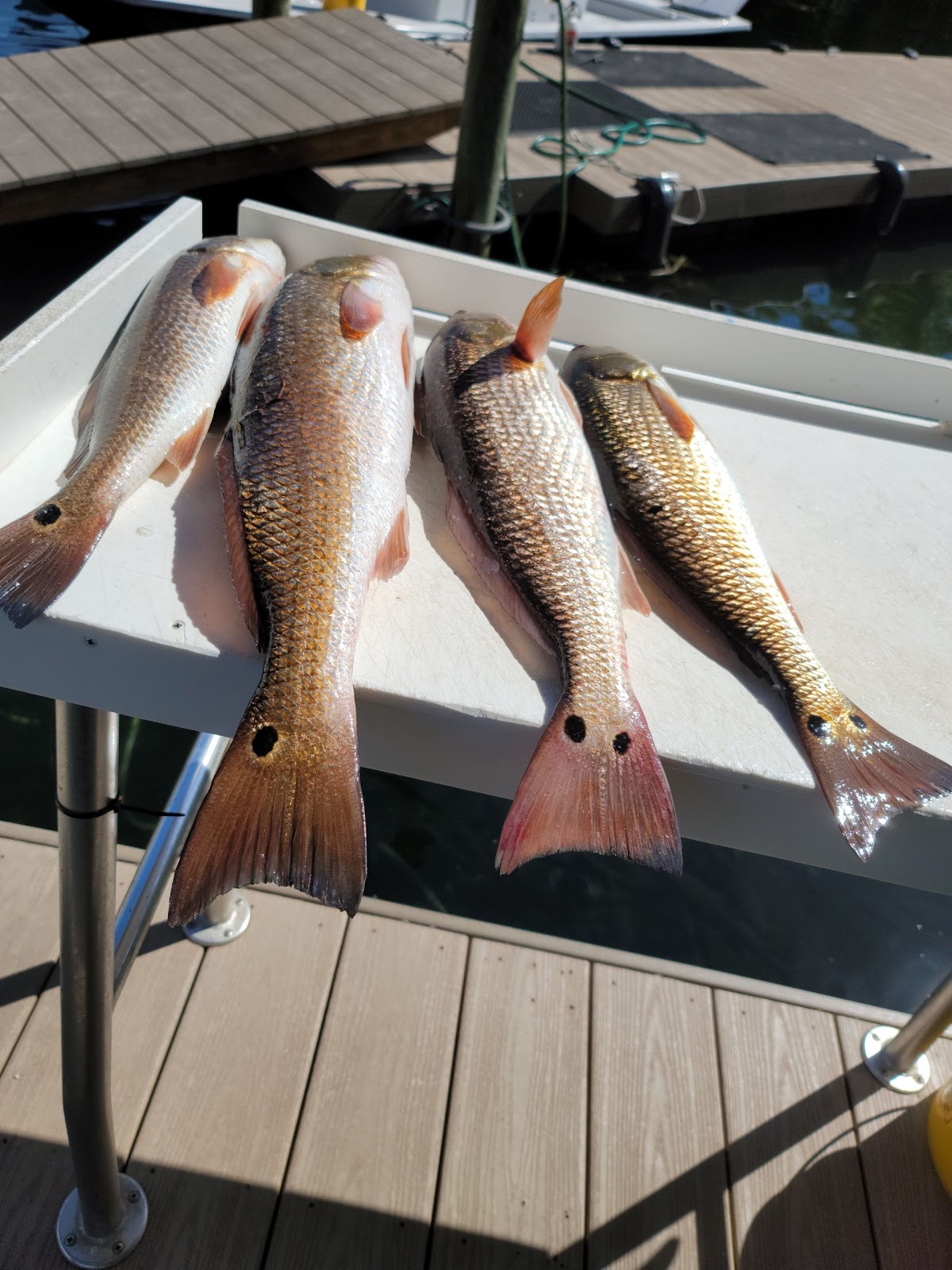
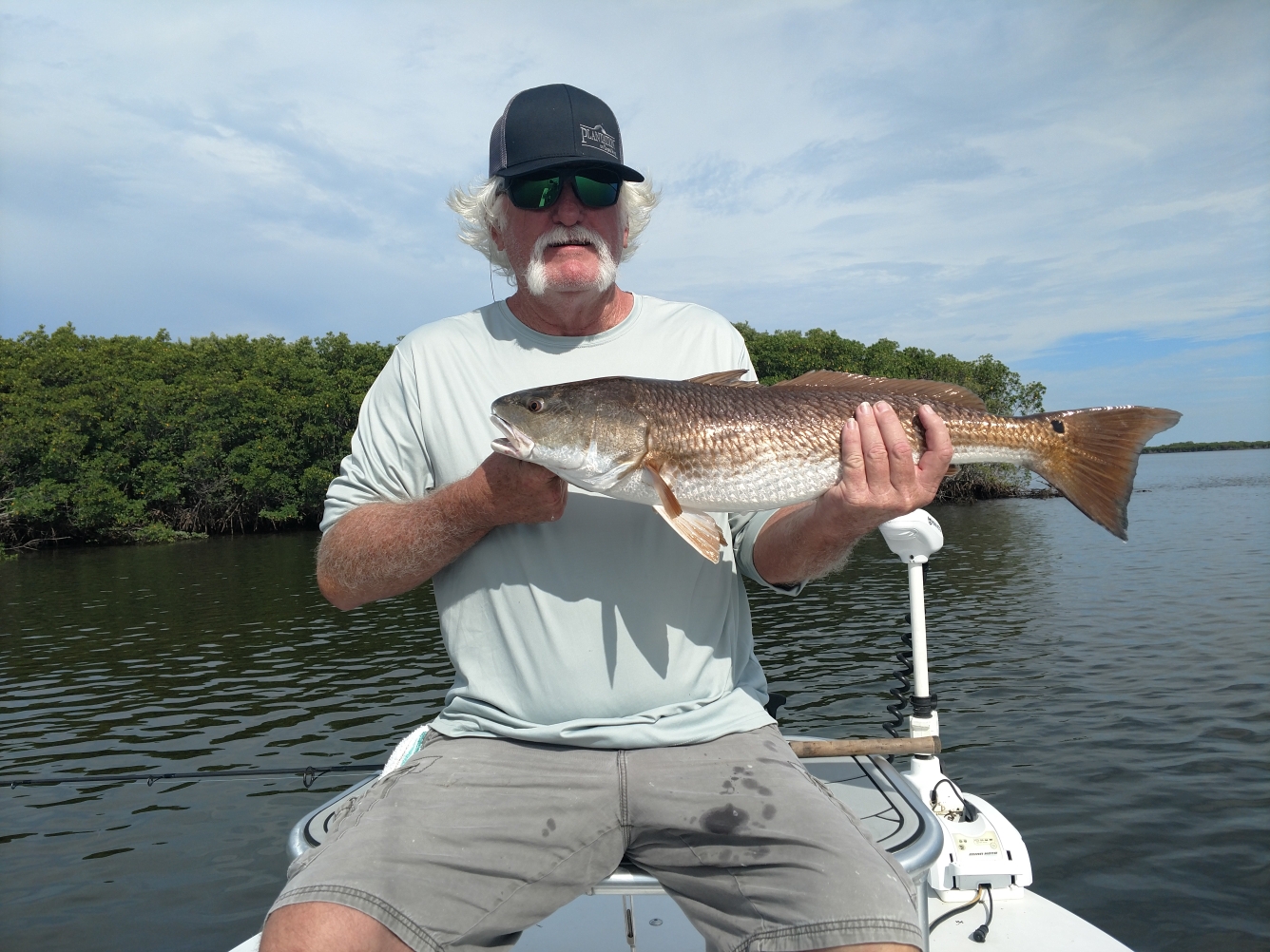
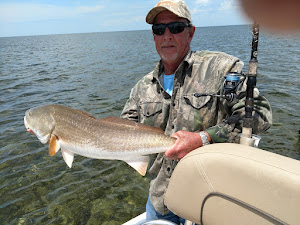
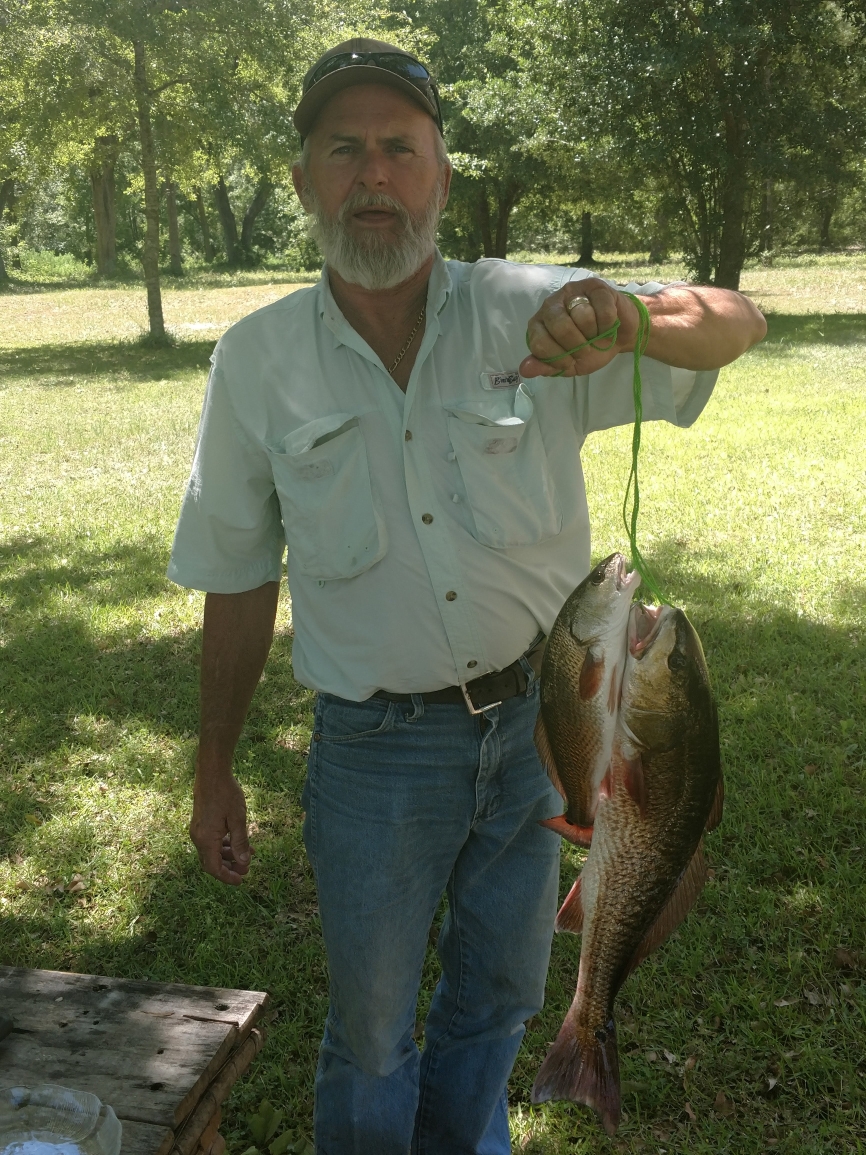
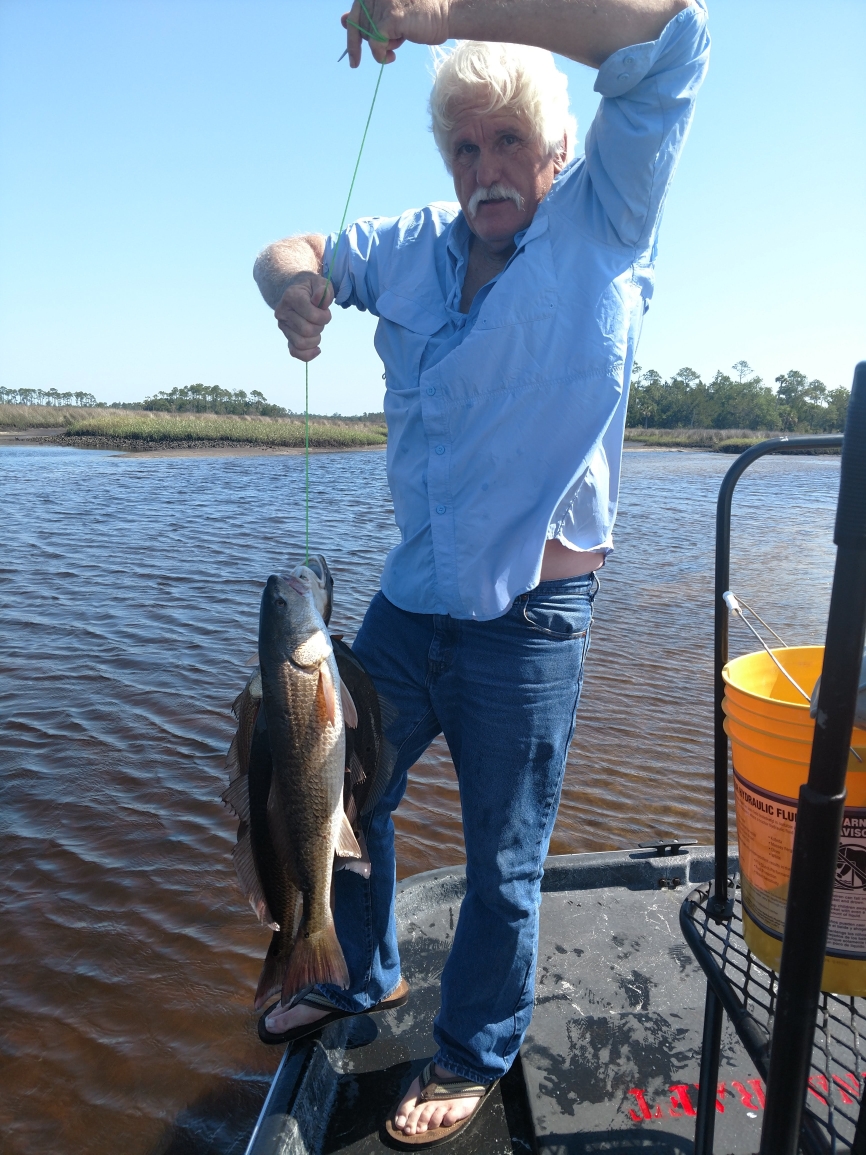
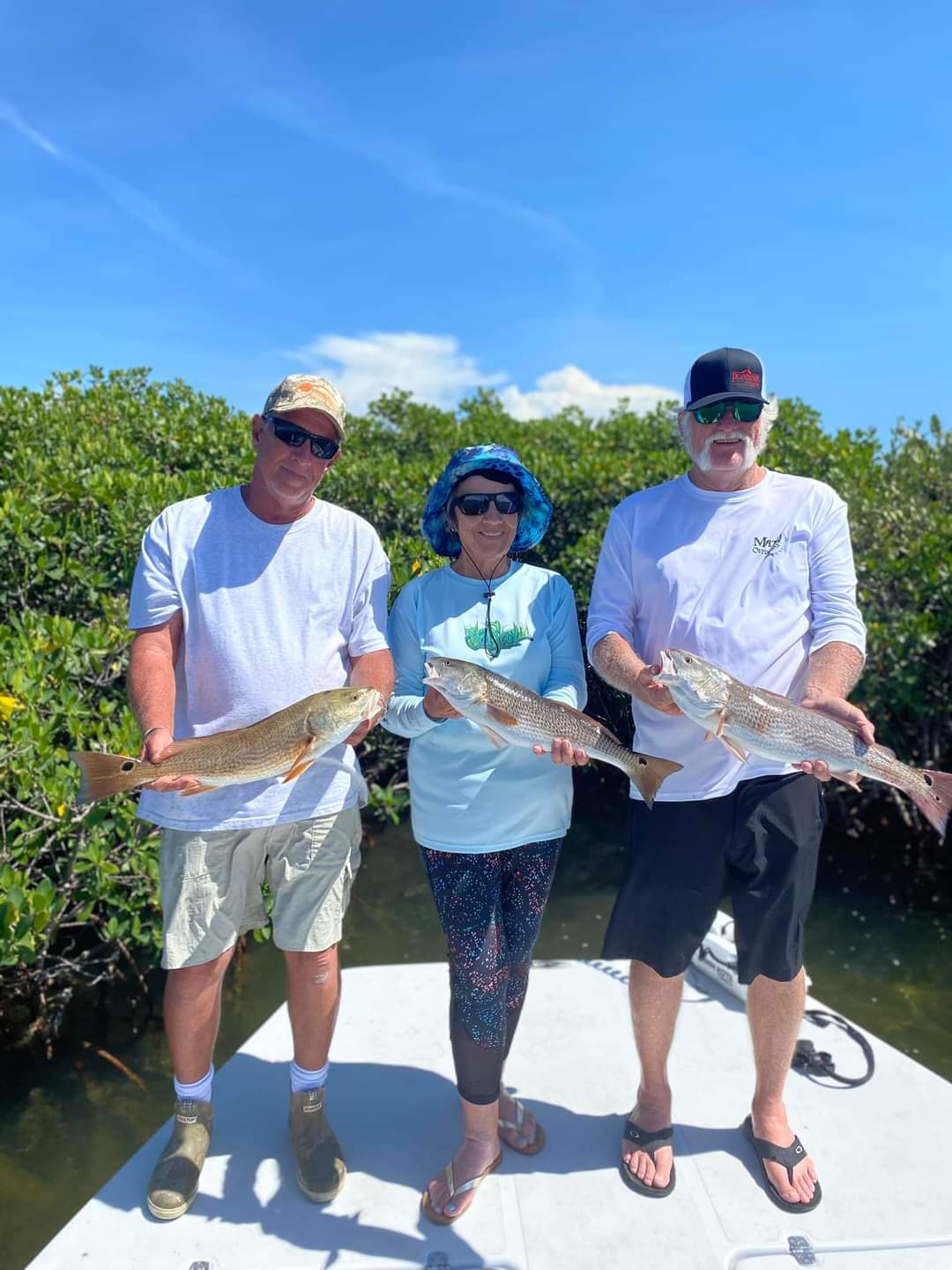
Redfish are the bread and butter of Crystal River inshore fishing, and for good reason. These copper-colored bruisers average 20-28 inches and fight like freight trains once hooked. They're most active during moving tides, especially around oyster bars and grass flats. Fall and spring offer the best action, but you can find reds year-round. What makes them special is their willingness to eat and their spectacular fights in shallow water – watching a red peel drag off a flat is pure adrenaline.
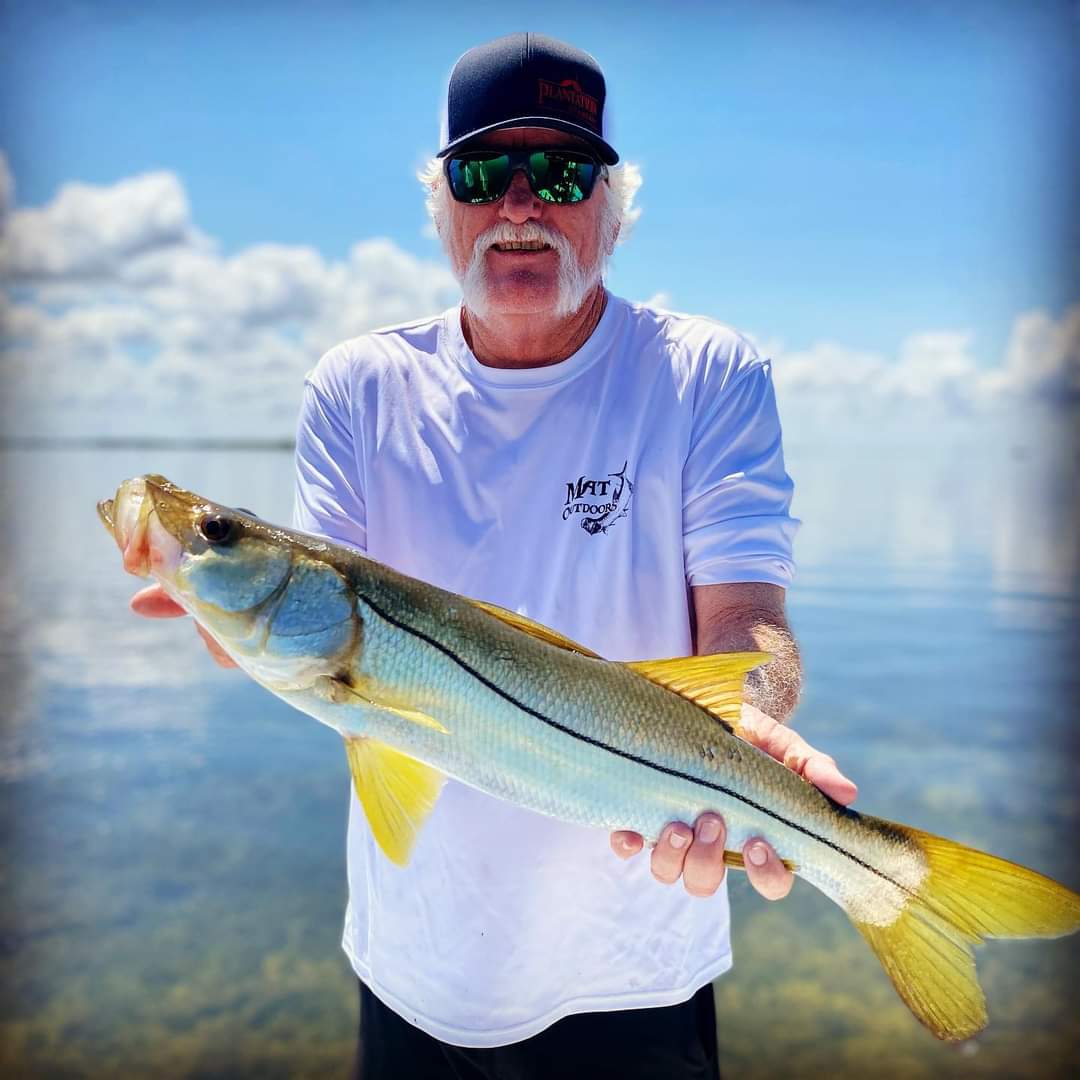
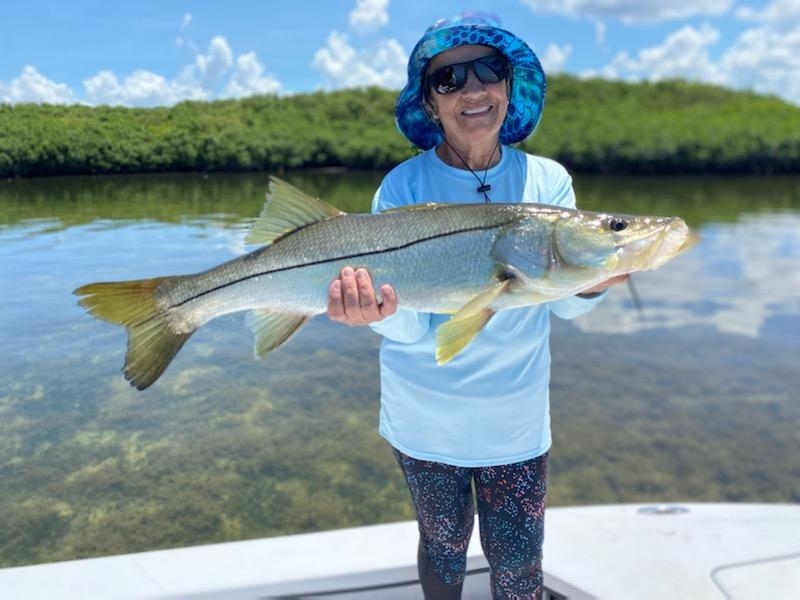
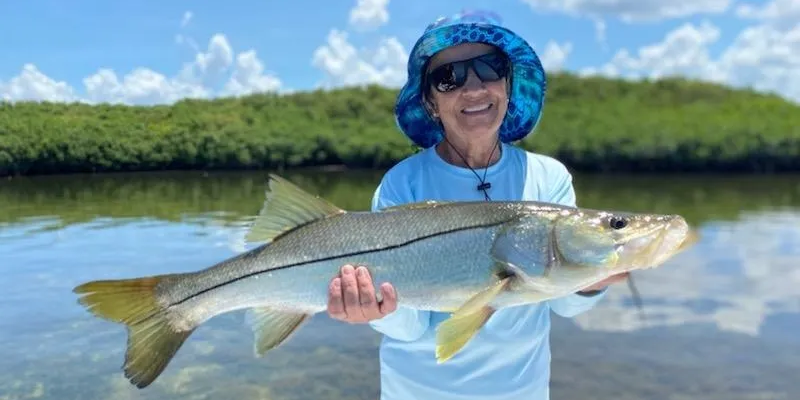
Snook bring the attitude that keeps anglers coming back for more. These line-siders are ambush predators that love structure – docks, mangrove overhangs, and creek mouths are prime spots. They're most active during warmer months and around dawn and dusk. Snook are notorious for their gill-rattling jumps and their ability to cut you off in structure. Landing a slot snook requires patience and skill, which is why they're such a prized catch among serious anglers.
Sheepshead might not win beauty contests, but they're crafty opponents that test your angling skills. These black-and-white striped fish hang around structure like dock pilings and rock piles, where they pick off crabs and barnacles. They're notorious bait thieves with their small mouths and quick bites. Winter months are prime time for sheepshead, and once you get the hang of detecting their subtle takes, you'll appreciate why they're called the freshwater bream of the salt. Plus, they're excellent table fare.
Bluefish add explosive action to any inshore trip. These aggressive predators travel in schools and attack bait with reckless abandon. When you find them, the action can be non-stop. They're most common during cooler months and can range from snapper blues under a pound to choppers pushing 5-10 pounds. Their razor-sharp teeth and powerful runs make them exciting on light tackle. They're also one of the best baits you can use for larger predators like big snook and tarpon.
Time to Book Your Spot
This Crystal River inshore charter delivers exactly what serious anglers want – quality fishing with an experienced captain who knows how to find and catch fish. Captain Phillip's local knowledge and 7-hour commitment mean you get the full inshore experience, from early morning topwater action to afternoon structure fishing. With all gear included and your catch cleaned at the end, you can focus entirely on fishing. The 2-angler limit ensures everyone gets personal attention and plenty of opportunities to improve their techniques. Crystal River's inshore waters are legendary for a reason – book your spot and find out why anglers keep coming back to fish with Bank to Buoy Fishing Charters.
 Private Trip
 Inshore Fishing
 Crystal River


 Seven-hour private charter targeting redfish, snook, and sheepshead