Ponce Inlet Offshore Fishing Adventures
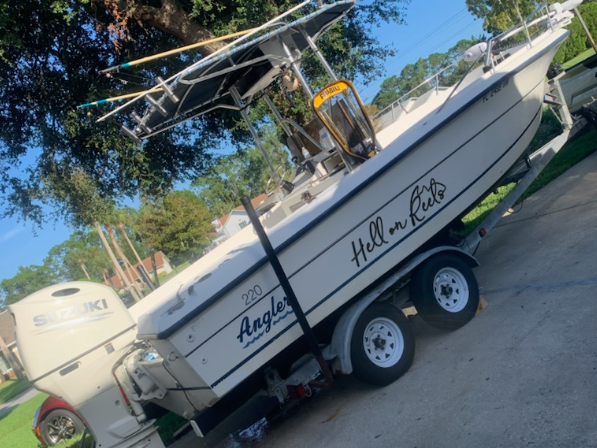
When you're looking for serious offshore action on Florida's east coast, Ponce Inlet delivers in spades. Beast Coast Fishing Charters runs private trips that put you right where the fish are biting, whether you've got four hours to burn or want to make a full day of it with a 12-hour marathon session. Captain knows these waters like the back of his hand, and with trips starting at 6 AM or 1 PM, you can pick the window that works best for your schedule. This isn't some cattle-boat operation either – we're talking just two anglers max, so you get personalized attention and more time with your rod in the water instead of waiting in line.
What to Expect on the Water
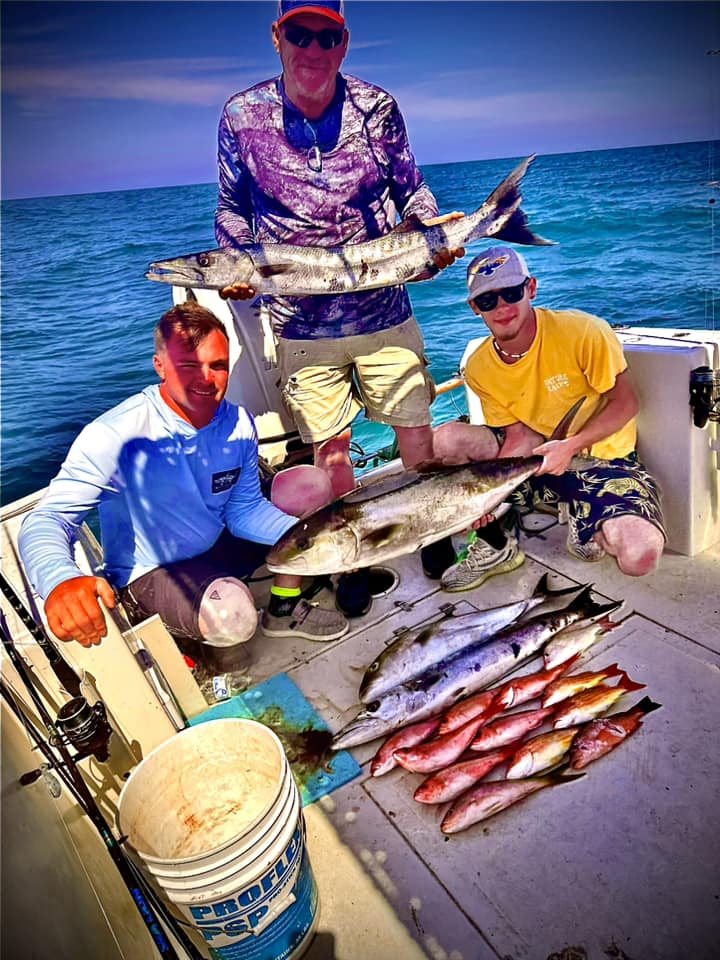
Your day kicks off from the famous Ponce Inlet, where you'll meet your captain and get the lowdown on conditions, target species, and game plan for the day. The boat heads out through the inlet – one of Florida's most reliable passages to blue water – and within minutes you're in prime fishing territory. Depending on what's running and where the bite is happening, you might find yourself working structure close to shore or pushing further offshore to deeper drop-offs and weed lines. The captain reads the water constantly, watching for bird activity, bait schools, and temperature breaks that signal where predators are lurking. You'll cover a lot of water throughout the trip, but that's the beauty of having a seasoned guide who knows when to stay put and when to make moves. The shorter trips focus on consistent action spots, while longer adventures give you the luxury of exploring multiple zones and really dialing in on specific species.
Tackle and Techniques
Beast Coast comes equipped with quality rods, reels, and all the terminal tackle you need to handle whatever's swimming in these waters. Live bait is king out here – expect to see pilchards, pinfish, and shrimp in the wells, along with artificial lures for covering water when the fish are scattered. Depending on conditions and target species, you'll be throwing everything from topwater plugs at sunrise to slow-trolling live baits along the edges. The captain adjusts techniques based on what's working – maybe it's sight fishing to cruising tarpon one day, or dropping baits in deeper holes for snook and reds the next. Circle hooks are standard for most presentations, especially when targeting larger species that need to be released healthy. If you've got your own lucky lures or preferred tackle, bring them along – most captains appreciate anglers who are engaged and want to learn new techniques.
Species You'll Want to Hook
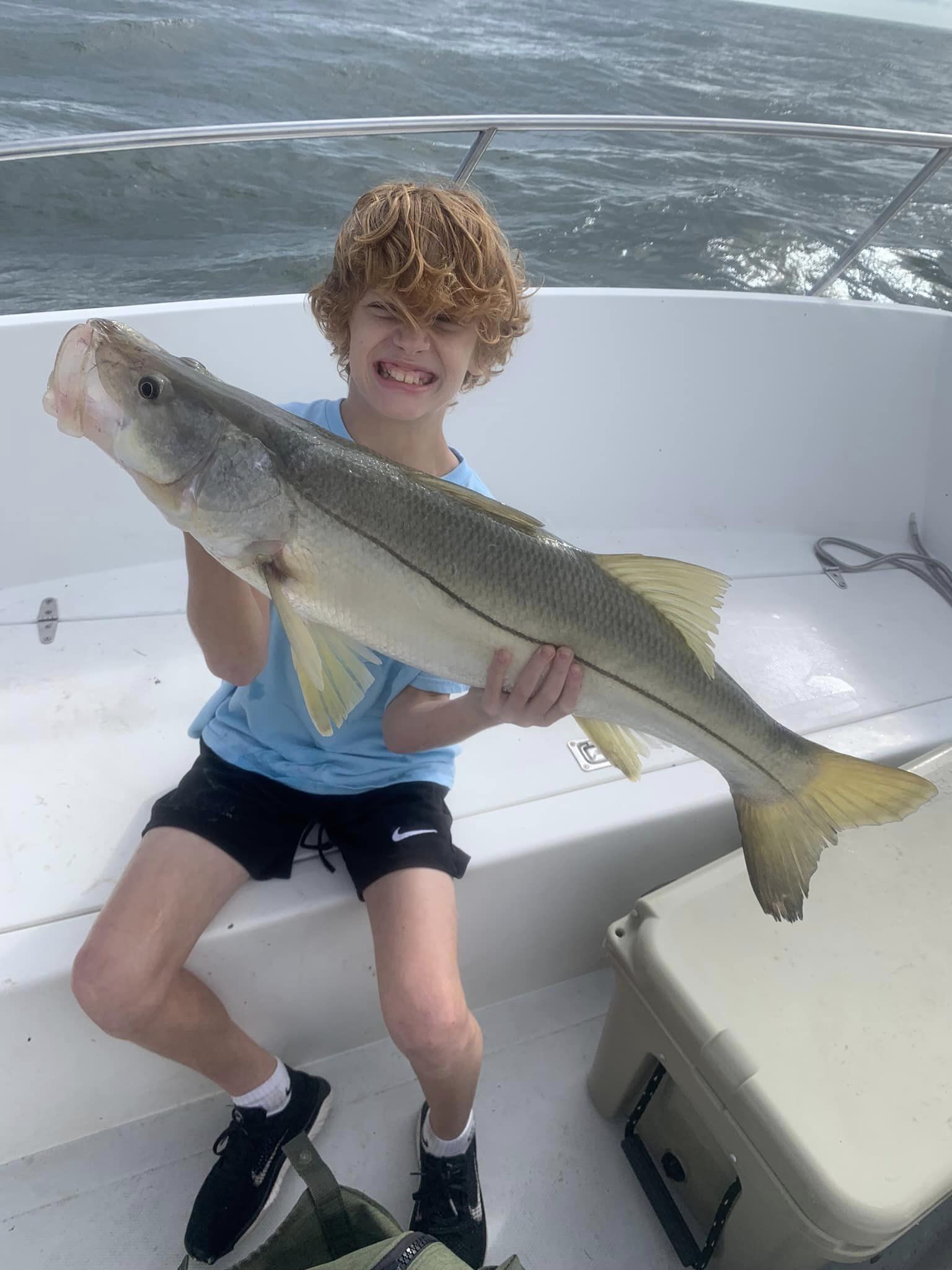
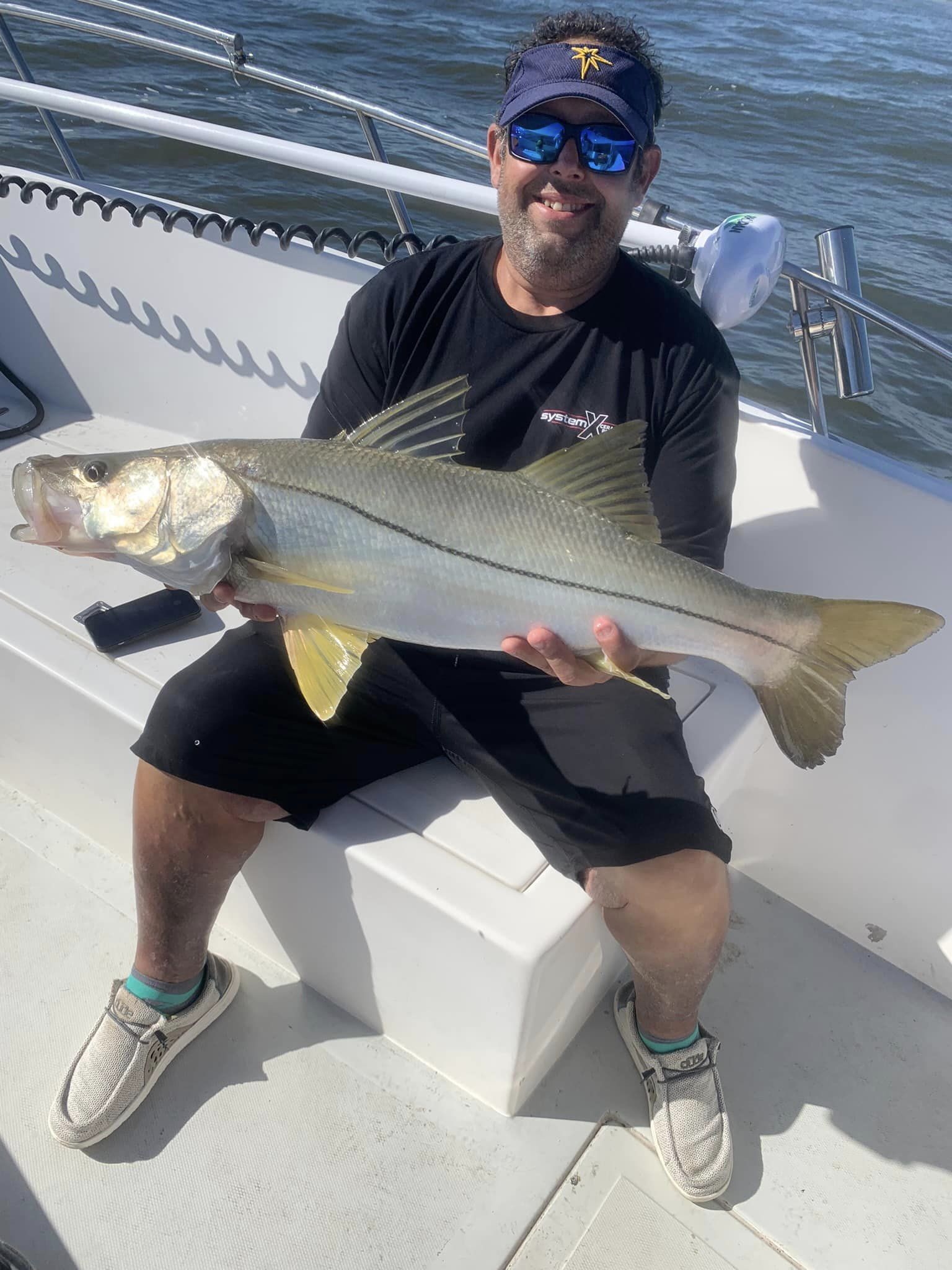
Snook are the bread and butter of Ponce Inlet fishing, and these fish have earned their reputation as one of Florida's premier gamefish. They're ambush predators that love structure – bridges, docks, mangrove shorelines, and offshore reefs all hold good numbers. Spring through fall offers the most consistent action, with fish ranging from schoolie-sized to true trophy specimens pushing 40+ inches. What makes snook so addictive is their explosive strike and bulldogging fight – they'll run straight for cover and test your drag system every time. The slot limit keeps things interesting too, so you need to know your measurements before you celebrate.
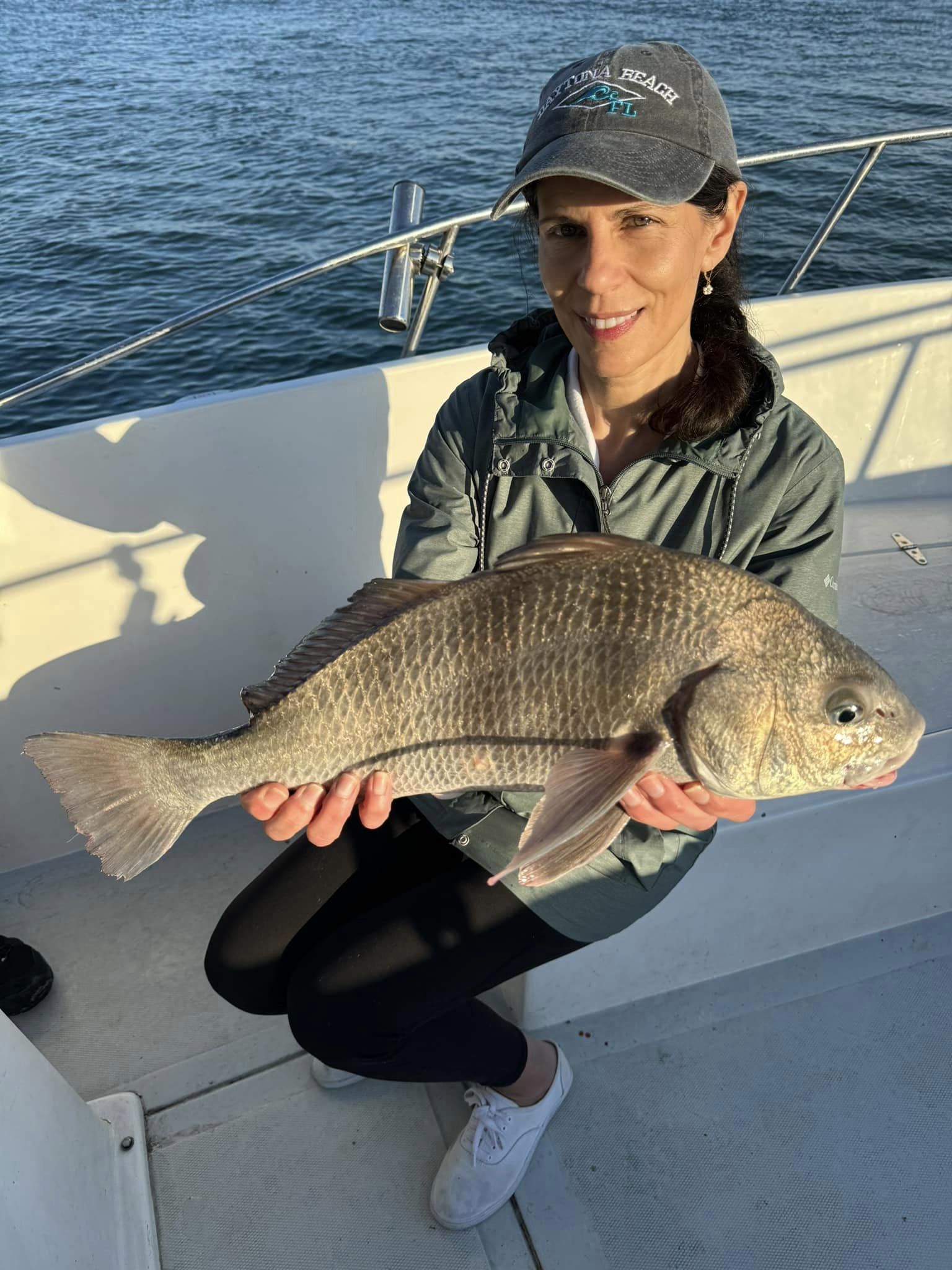
Black drum might not win beauty contests, but they'll definitely test your tackle and technique. These bottom-dwellers can reach impressive sizes – we're talking fish that can push 30, 40, even 50+ pounds in these waters. They're most active during cooler months, typically from fall through early spring, when they move into shallower areas to feed and spawn. What's cool about drum fishing is the subtlety required – they're not aggressive strikers like snook, so you need to feel for that telltale "thump-thump" as they mouth the bait. Once hooked, they use their broad sides and powerful tails to wage a grinding battle that'll leave your arms burning.
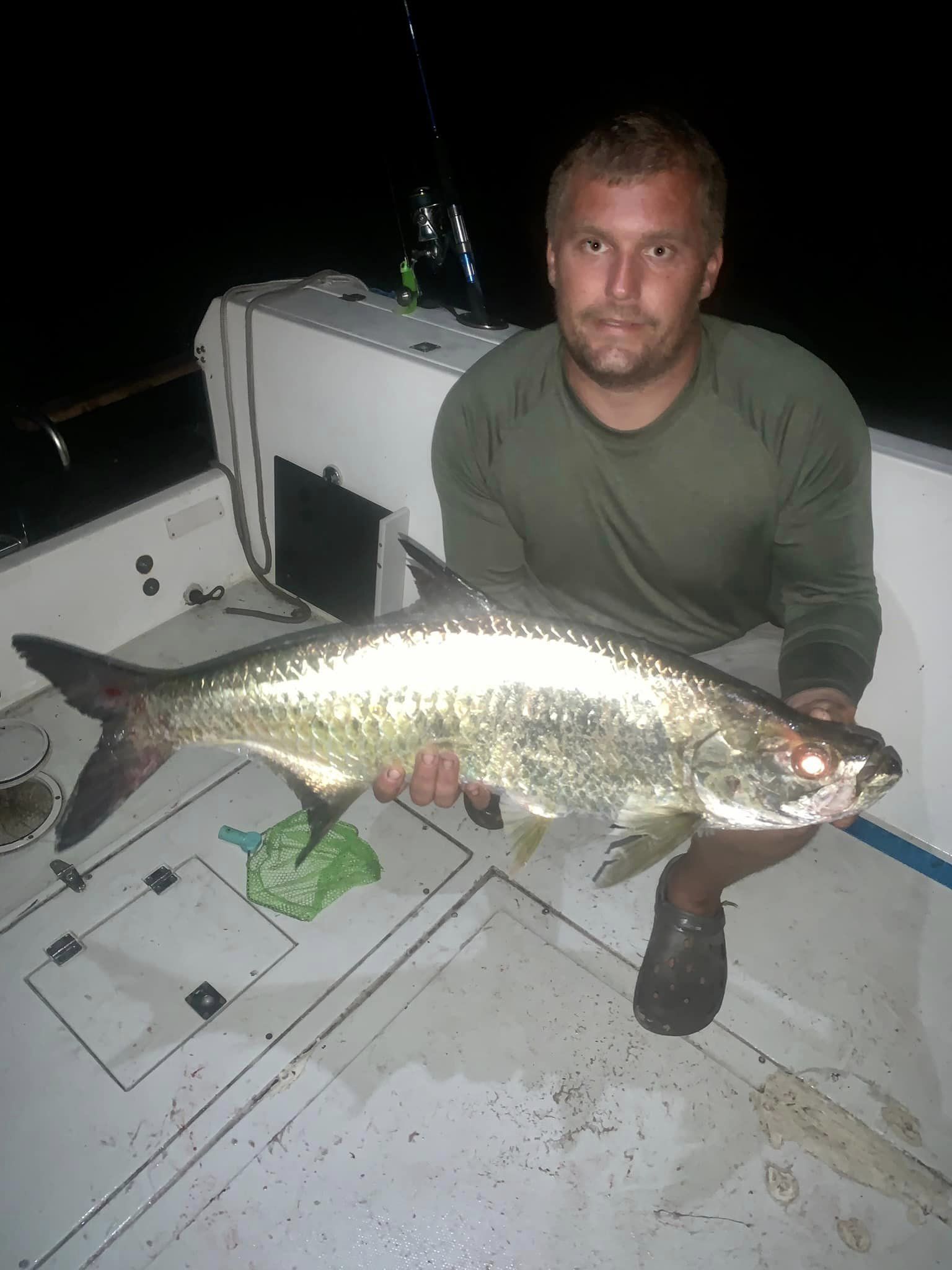
Tarpon fishing around Ponce Inlet is pure adrenaline, especially during their peak season from late spring through early fall. These silver kings can exceed 100 pounds and 6 feet in length, making them one of the most sought-after species in Florida waters. What sets tarpon apart is their aerial displays – when a big silver jumps and starts tailwalking across the surface, everything else becomes background noise. They're primarily catch-and-release fish, which means the focus is purely on the experience rather than the cooler. Tarpon have bony mouths that require sharp hooks and perfect hooksets, plus the endurance to battle a fish that might take 30 minutes or more to bring to the boat.
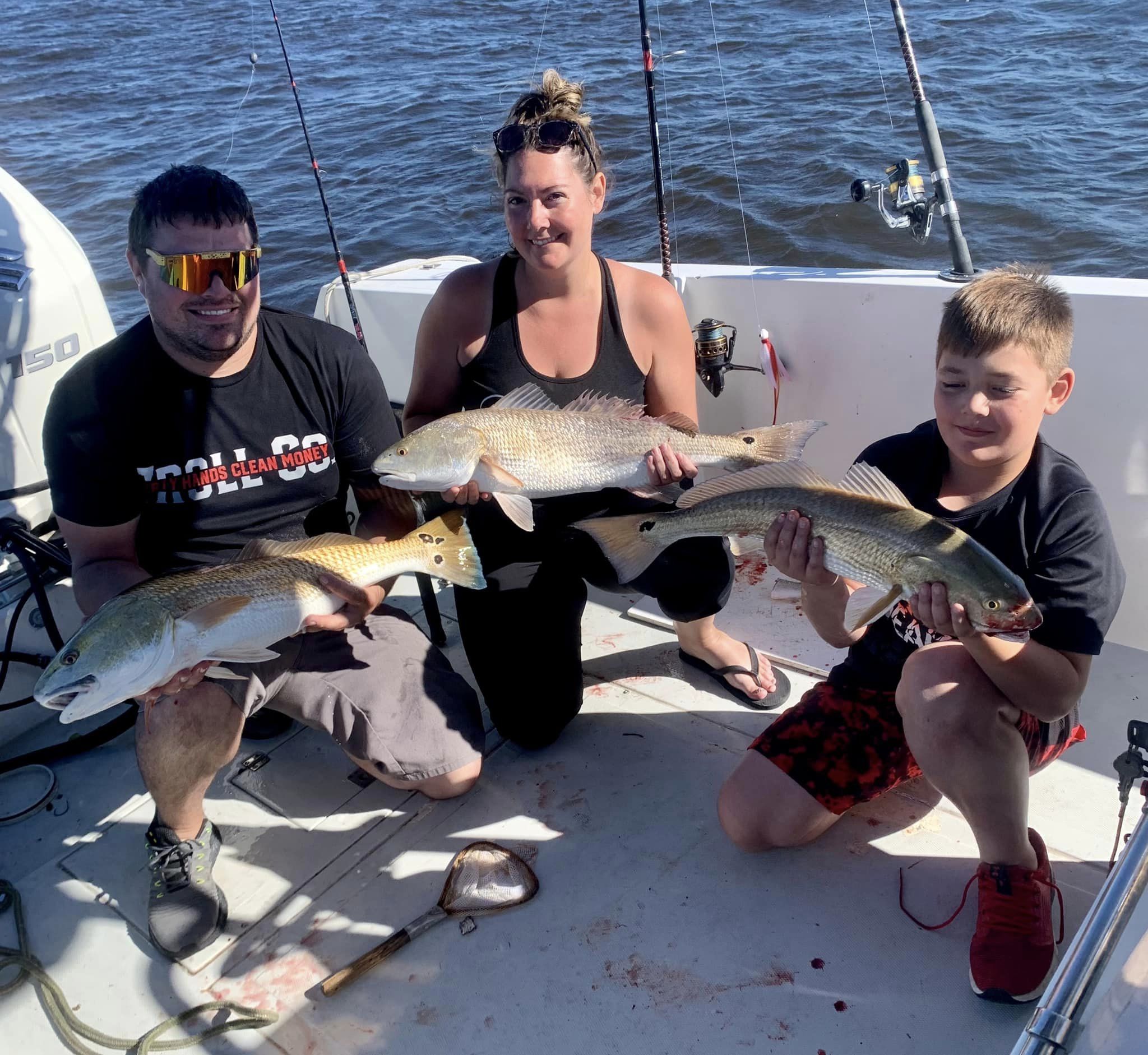
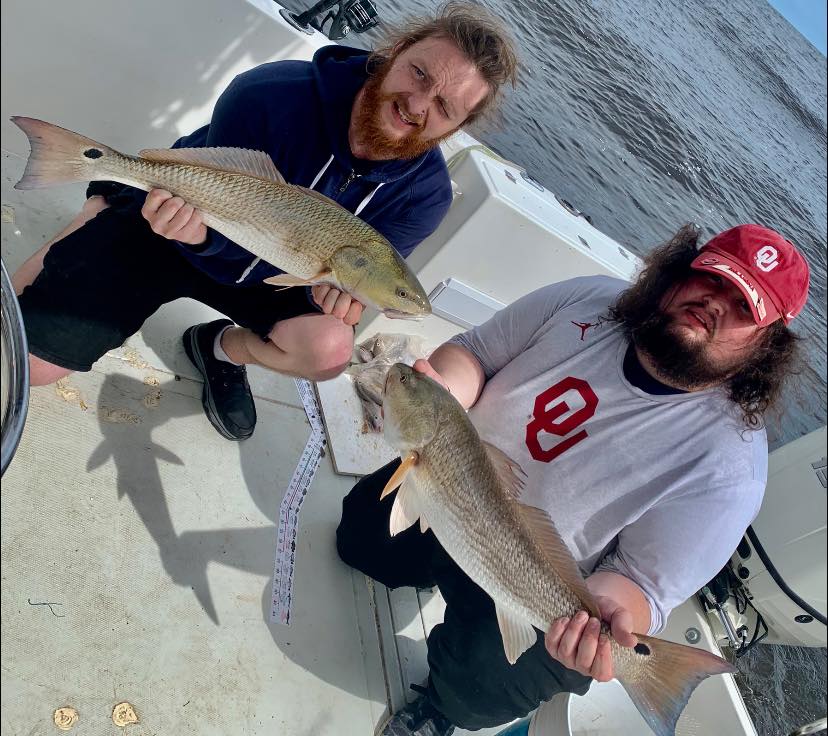
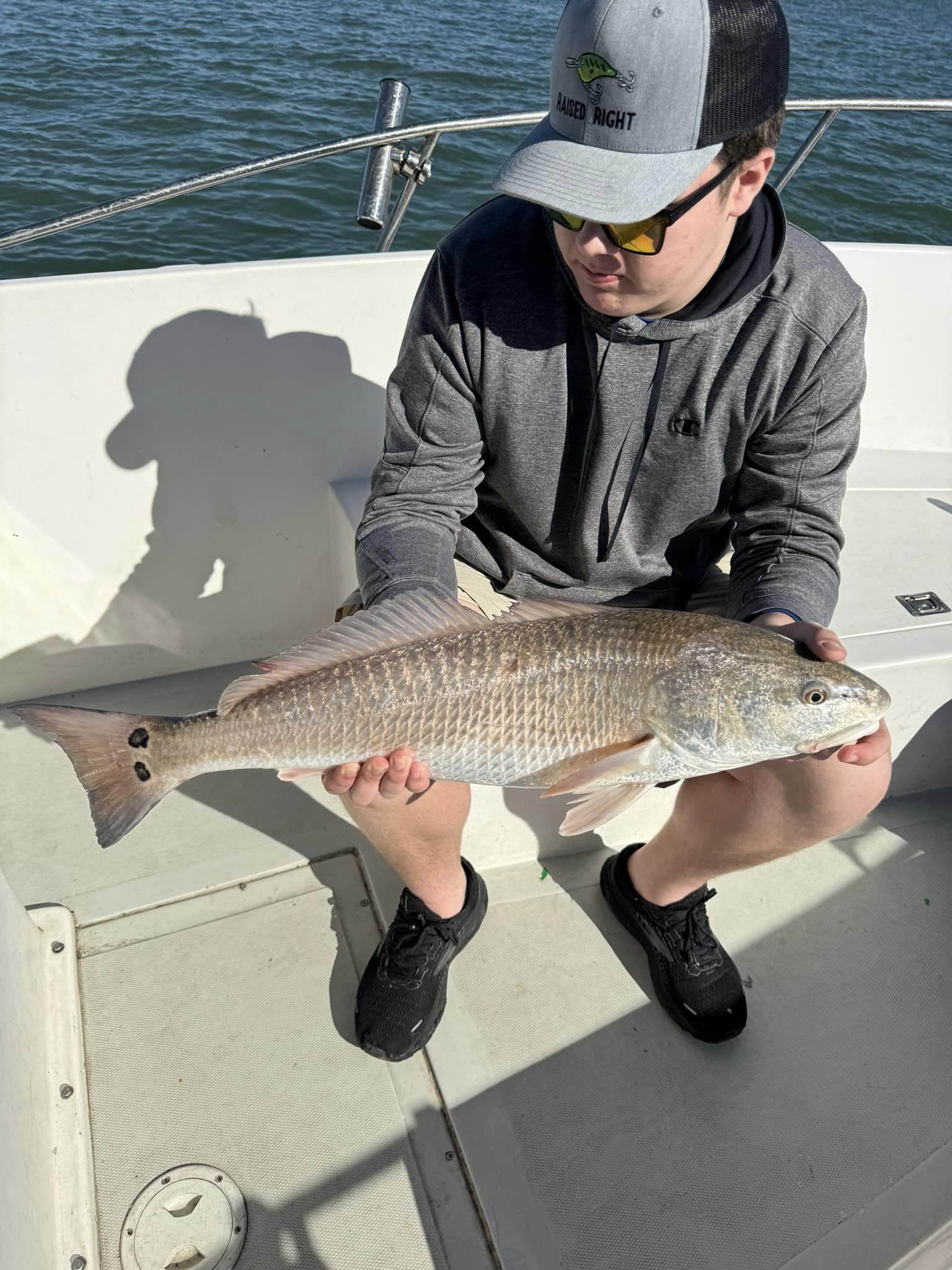
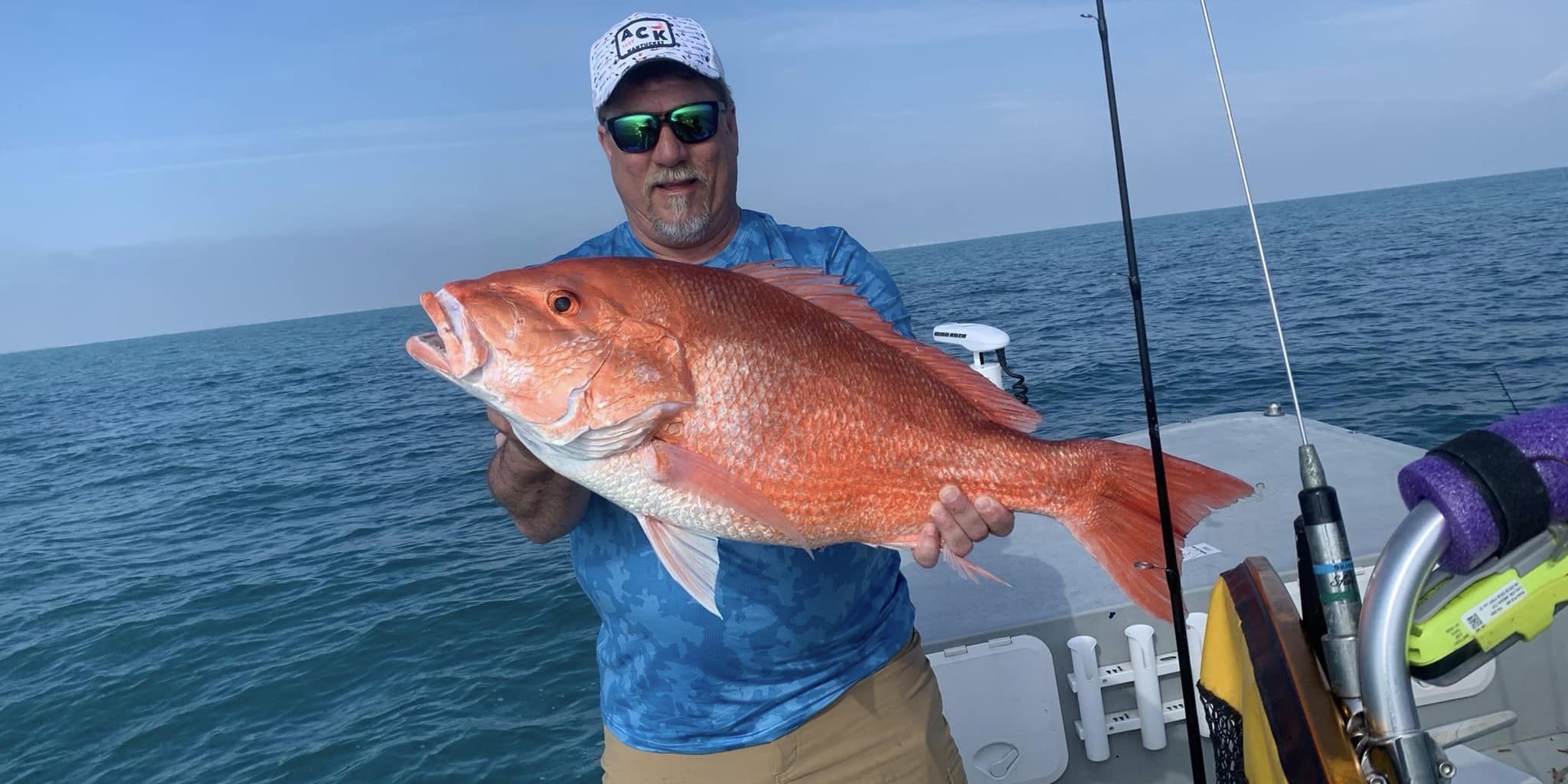
Redfish bring their own brand of excitement to Ponce Inlet waters, especially the bull reds that patrol offshore during their spawning runs. These copper-colored bruisers are most active from late summer through fall, when they form large schools in nearshore waters. Slot-sized reds in the 18-27 inch range provide excellent table fare, while the oversized bulls are pure sport fish that can weigh 30+ pounds. Reds are known for their strong, sustained runs and their ability to use grass beds and structure to their advantage. They're also one of the more forgiving species for newer anglers, as they tend to hold onto baits longer than more finicky fish.
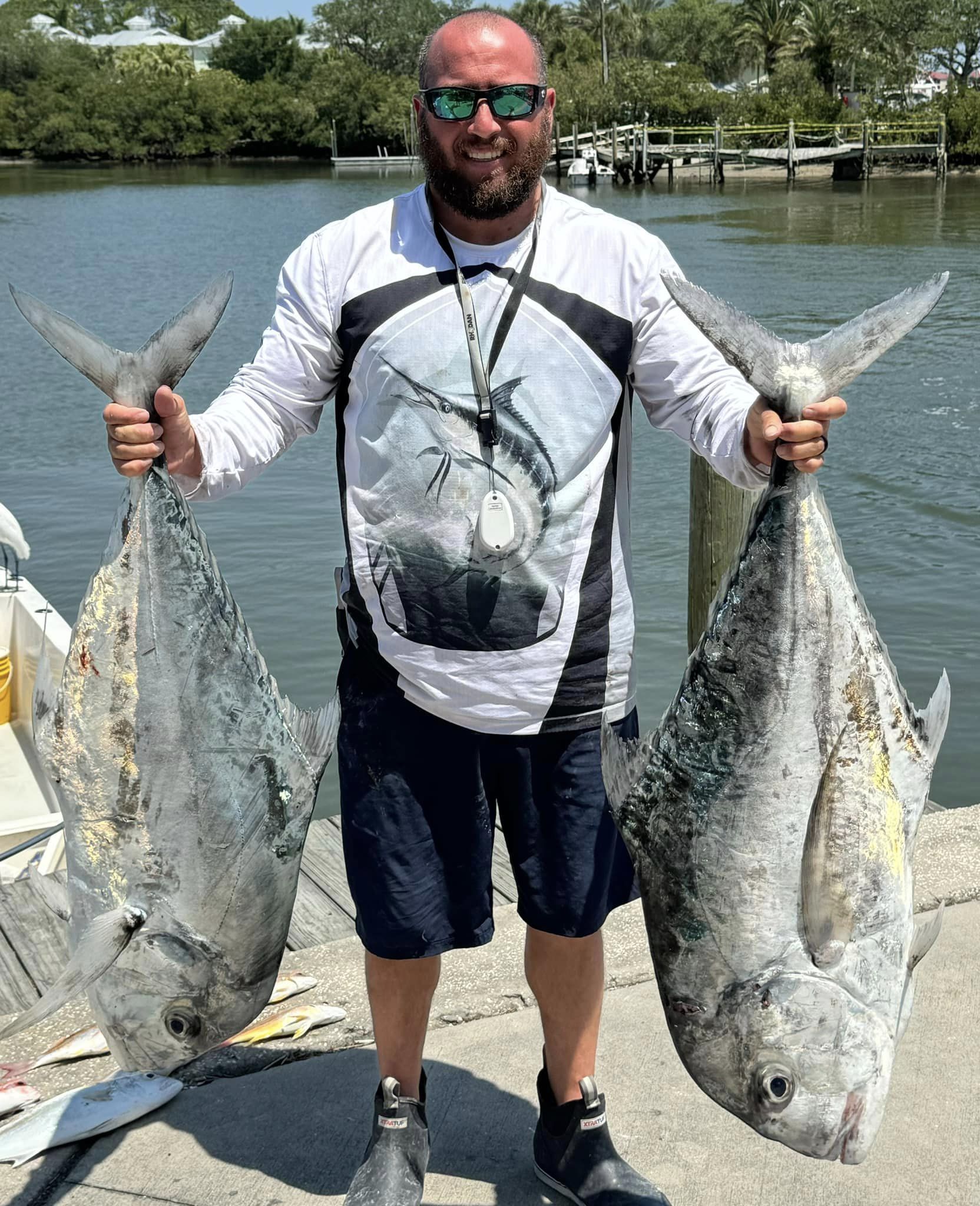
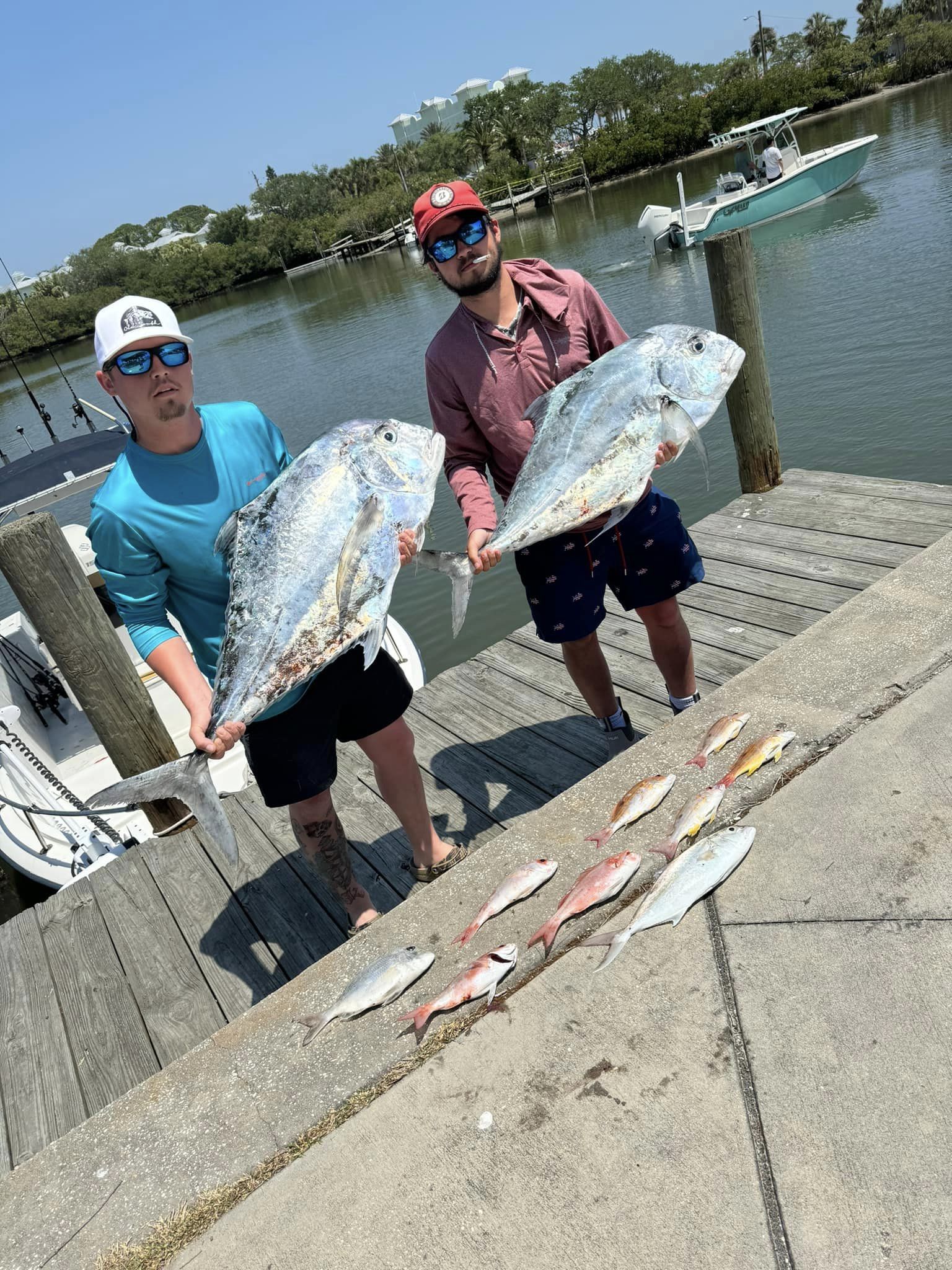
Crevalle jack might be the most underrated fighter in these waters – pound for pound, few fish can match their raw power and determination. These aggressive predators travel in schools and aren't shy about crushing topwater lures or live baits. Jack fishing is often fast and furious, with multiple hookups possible when you find an active school. They're built like submarines with oversized tails, and they use every bit of that design to peel line off your reel. While they're not typically kept for the table, jacks provide non-stop action and are perfect for keeping kids engaged or filling gaps between more targeted species.
Time to Book Your Spot
Ponce Inlet's
 Private Trip
 Offshore Fishing
 New Smyrna Beach, FL, United States


 Private offshore fishing trips from 4 to 12 hours available