Islamorada Inshore Fishing with Captain Juan Garcia
Ready to fish some of the most productive backcountry waters in the Florida Keys? Captain Juan Garcia's 6-hour guided inshore trip out of Islamorada puts you right in the heart of the action. This isn't your typical half-day rush job – we're talking about a real fishing trip with time to work the best spots, adjust tactics, and actually catch fish. The Islamorada backcountry is legendary for good reason, and Captain Garcia knows every creek, flat, and channel that holds fish. Whether you're swinging flies at rolling tarpon or working live bait around mangrove shorelines for snook, this trip gives you the hours needed to do it right.
What to Expect on the Water
This 6-hour charter strikes the perfect balance between having enough time to fish properly without wearing you out. Captain Garcia runs a tight ship but keeps things relaxed – he's not rushing between spots or checking his watch every five minutes. The backcountry around Islamorada offers incredible variety, from shallow grass flats where you can sight-fish cruising redfish to deeper channels where tarpon stage up during their migrations. You'll cover water methodically, with Garcia reading conditions and adjusting the game plan as needed. The boat handles skinny water beautifully, so you can get back into those productive spots where the big boats can't reach. Expect to fish multiple techniques throughout the day – live bait under the mangroves, artificials on the flats, and maybe some topwater action if conditions line up. Garcia provides quality tackle and knows when to switch things up if the bite slows down.
Techniques & Tackle Setup
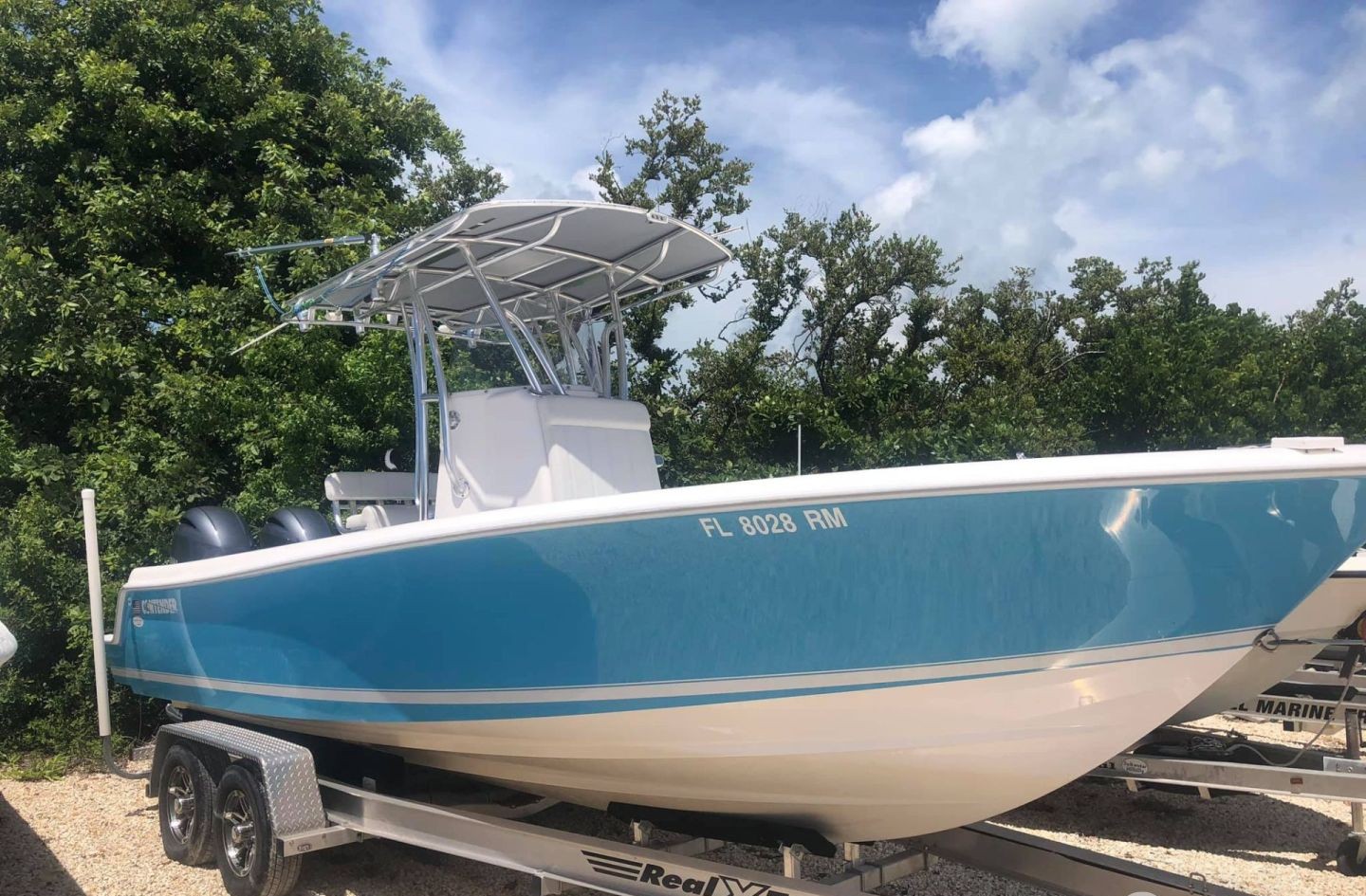
Captain Garcia comes prepared with a full arsenal of techniques depending on what the fish are doing. Live bait fishing around structure is a staple – pilchards and pinfish fished under mangroves and around docks where snook and redfish ambush prey. On the flats, you'll work with artificials like soft plastics, spoons, and topwater plugs that cover water effectively while staying quiet enough not to spook fish in shallow water. The tackle setup varies by target species and conditions, but expect medium to medium-heavy spinning gear that can handle everything from feisty sea trout to bruiser tarpon. Garcia's boat is rigged specifically for backcountry fishing with a shallow draft, quiet trolling motor, and elevated casting platform that gives you clean shots at fish. He carries a good selection of lures and has the local bait connections dialed in. Fly fishing is definitely an option if that's your preference – the sight fishing opportunities here are world-class when conditions cooperate. The key is staying versatile and letting the fish tell you what they want on any given day.
Species You'll Want to Hook
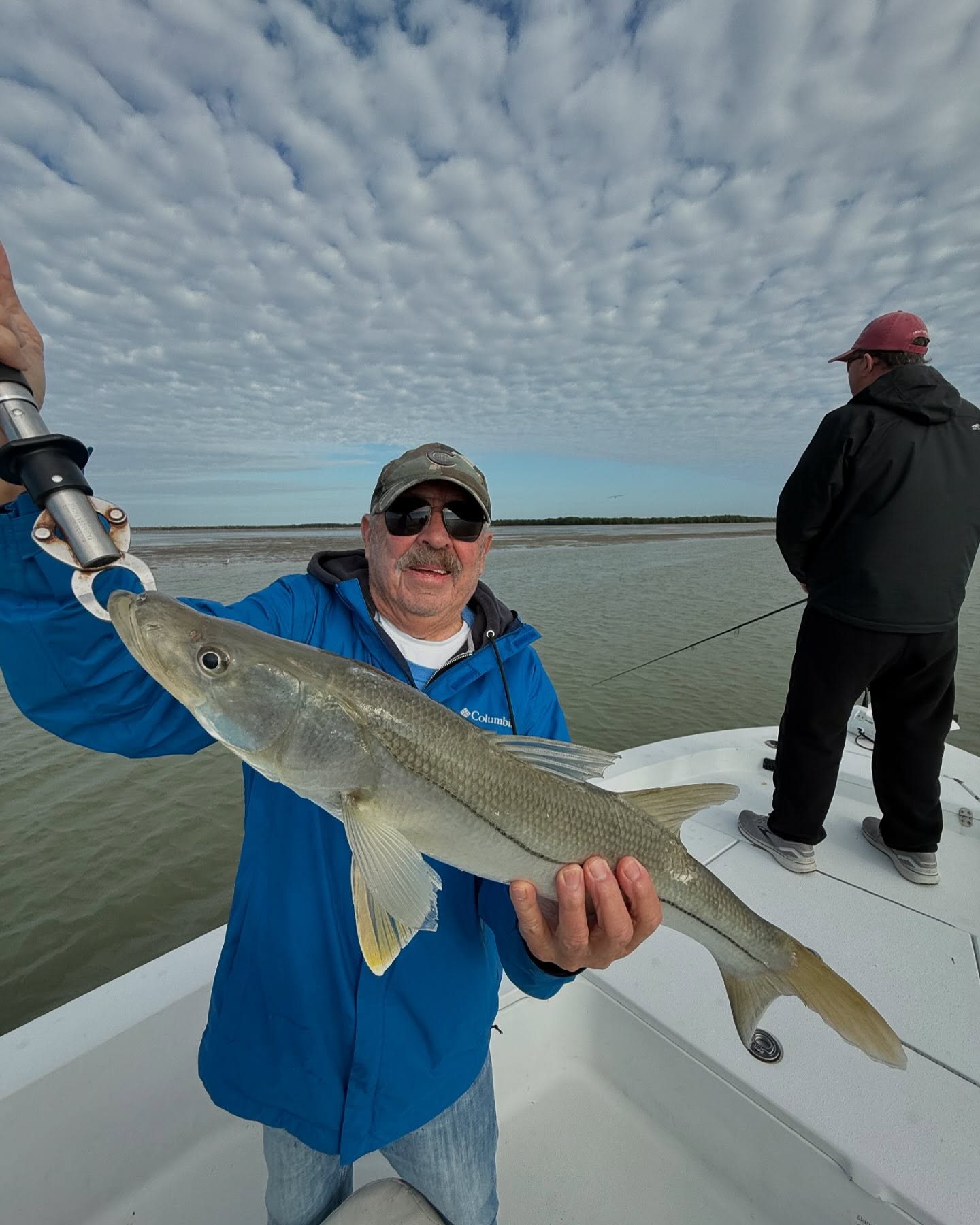
Snook are the kings of Islamorada's backcountry, and for good reason. These ambush predators hang tight to structure – mangroves, docks, bridge pilings – waiting to crush anything that swims by. They're most active during moving tides, especially around dawn and dusk, but can be caught throughout the day with the right approach. What makes snook so addictive is their explosive strike and bulldogging fight. They'll try to cut you off in the roots or wrap you around a piling, so you need to pressure them hard and fast. The slot-size fish here run 20 to 35 inches, with plenty of oversized bruisers mixed in that you'll have to release. Best months are late spring through early fall, though they're catchable year-round in South Florida.
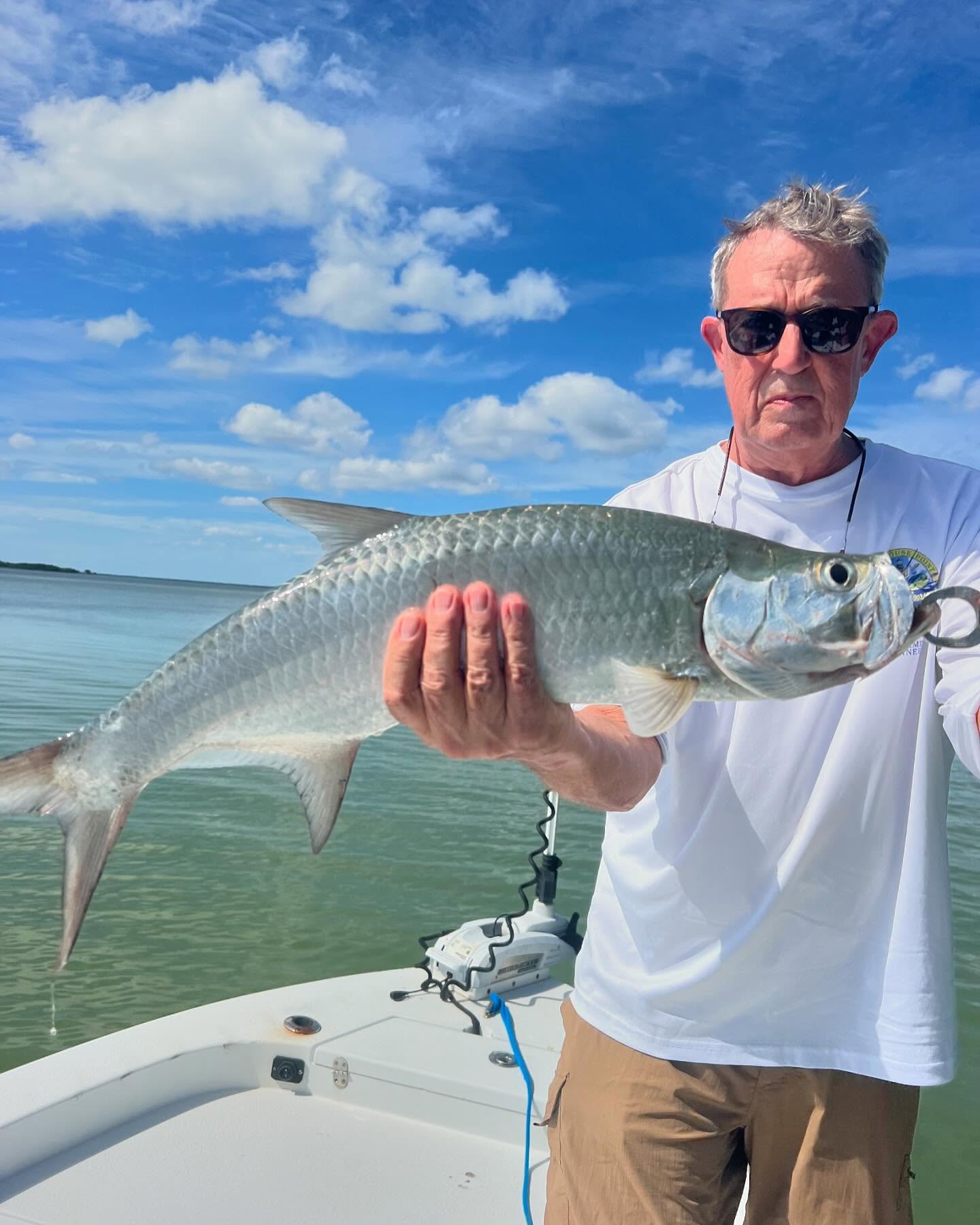
Tarpon fishing around Islamorada is legendary, and the backcountry holds fish from juveniles up to full-grown giants. The smaller fish, 20 to 60 pounds, are perfect for inshore tackle and put on aerial displays that'll leave you shaking. Larger fish push into the backcountry during their spring and summer migrations, offering shots at true trophy tarpon in skinny water. They're found over grass flats, in deeper channels, and around structure depending on tide and bait concentrations. Tarpon are notorious for their jumping ability – they'll go airborne immediately after the hookup, so you need to bow to the fish and manage your drag carefully. The fight can last 30 minutes or more on bigger fish. Peak season runs from April through July, but juveniles are around most of the year.
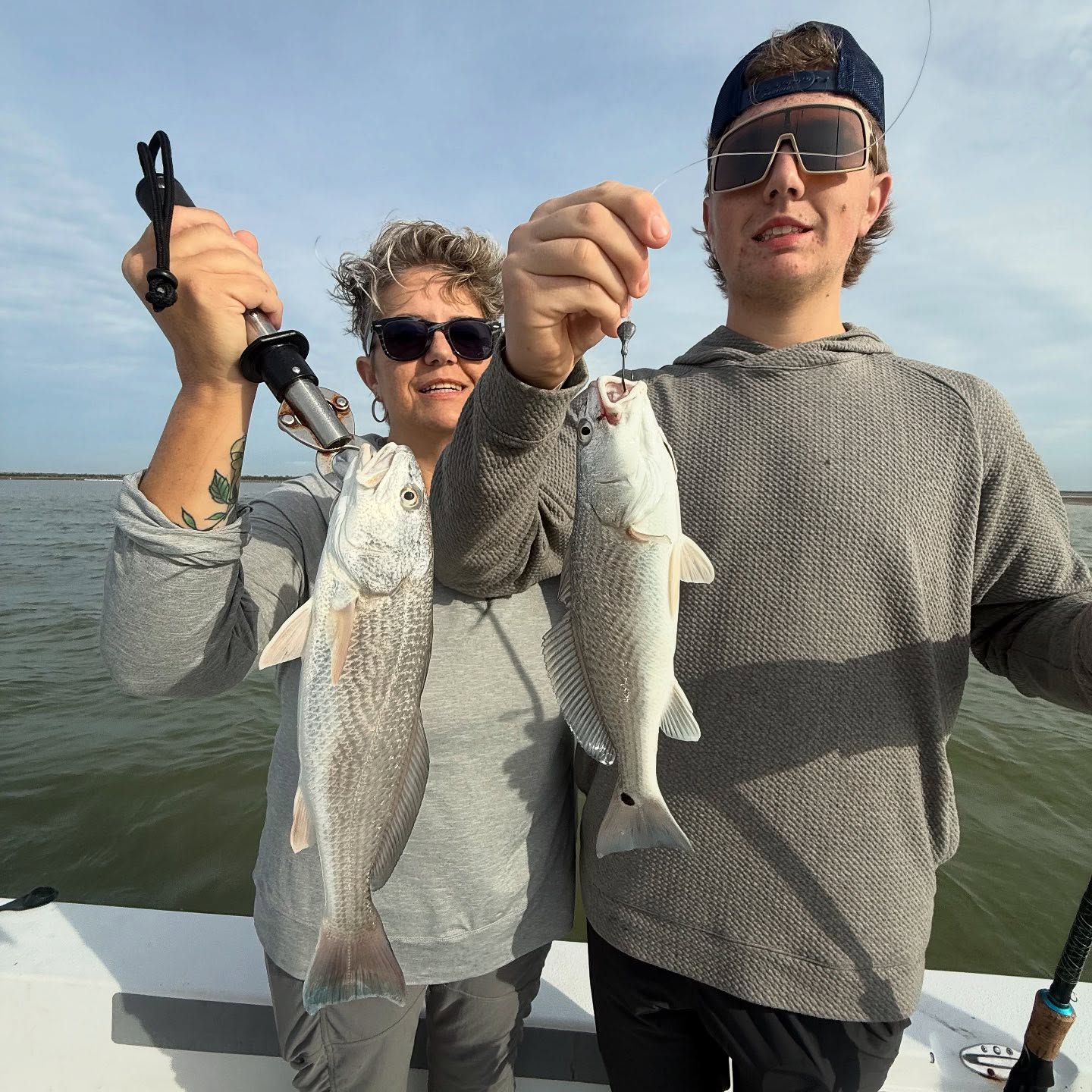
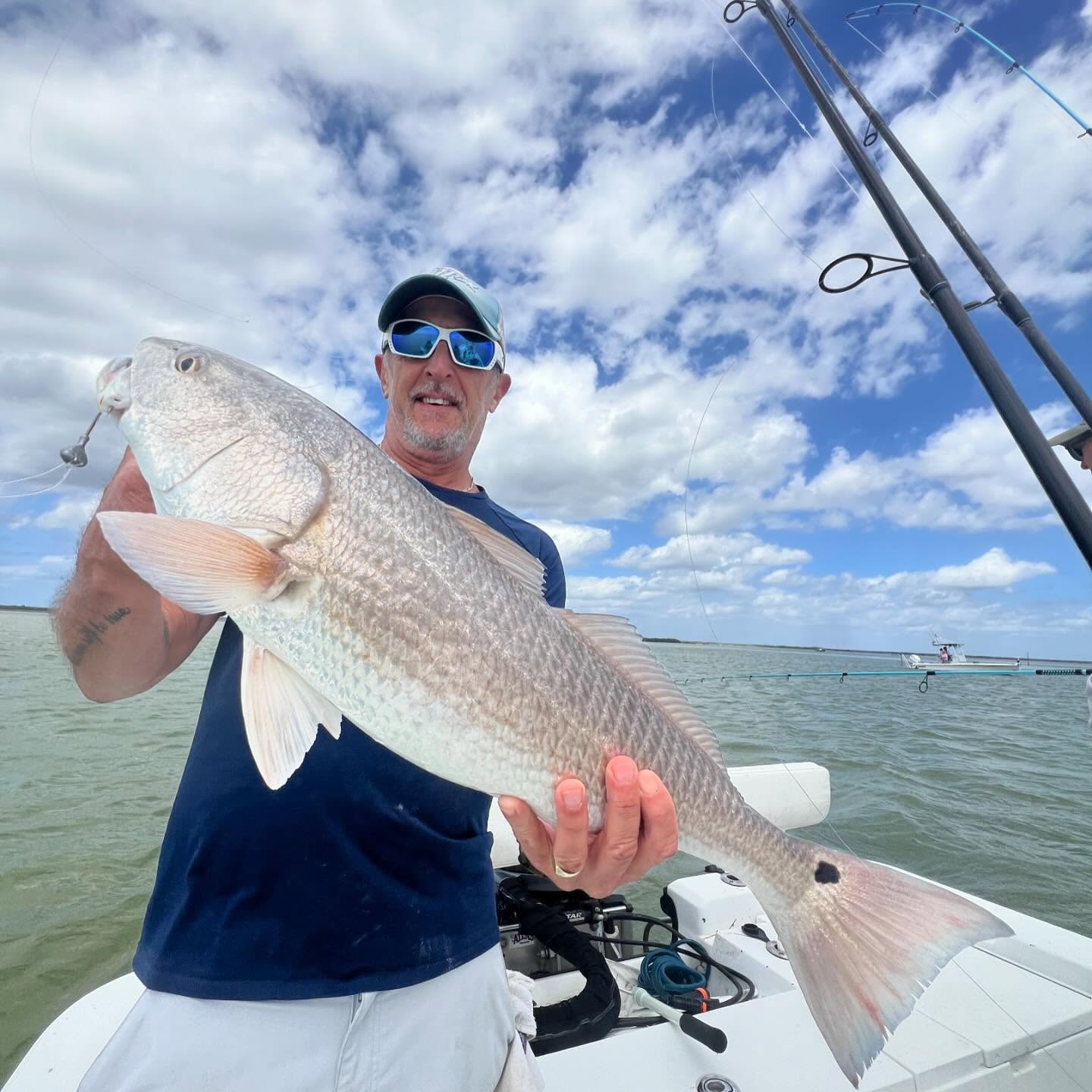
Redfish are the perfect backcountry species – they're aggressive, good-sized, and absolutely beautiful. These copper-colored fighters cruise the flats in small schools, tailing in shallow water while rooting for crabs and shrimp. Sight fishing for reds is pure addiction – you'll spot their backs or tails breaking the surface, make a careful cast, and watch them inhale your bait. They fight hard with strong runs and head shakes, using their broad sides to pull drag. Most fish here run 20 to 30 inches with good numbers of oversized bulls mixed in. Redfish are less seasonal than other species, making them reliable targets throughout the year. They're particularly active during cooler months when other species slow down.
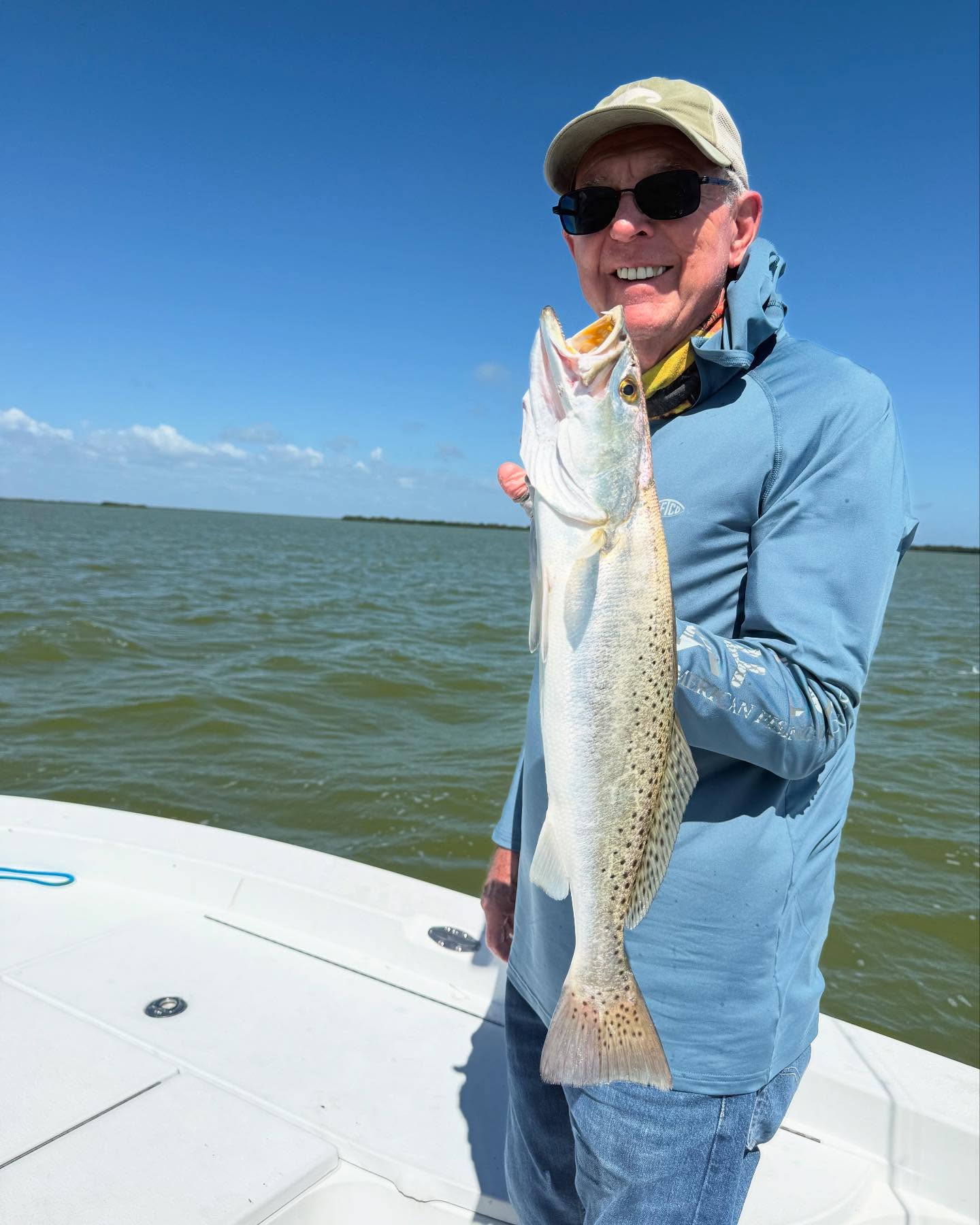
Sea trout are overlooked by many anglers, but they're scrappy fighters that bite aggressively and taste fantastic. They school up over grass flats and around structure, often providing fast action when other species are finicky. The speckled trout here average 15 to 20 inches with occasional gator trout pushing 5 pounds or more. They're suckers for live shrimp and soft plastics worked slowly along the bottom. Peak action is typically spring and fall, though they bite year-round in South Florida waters.
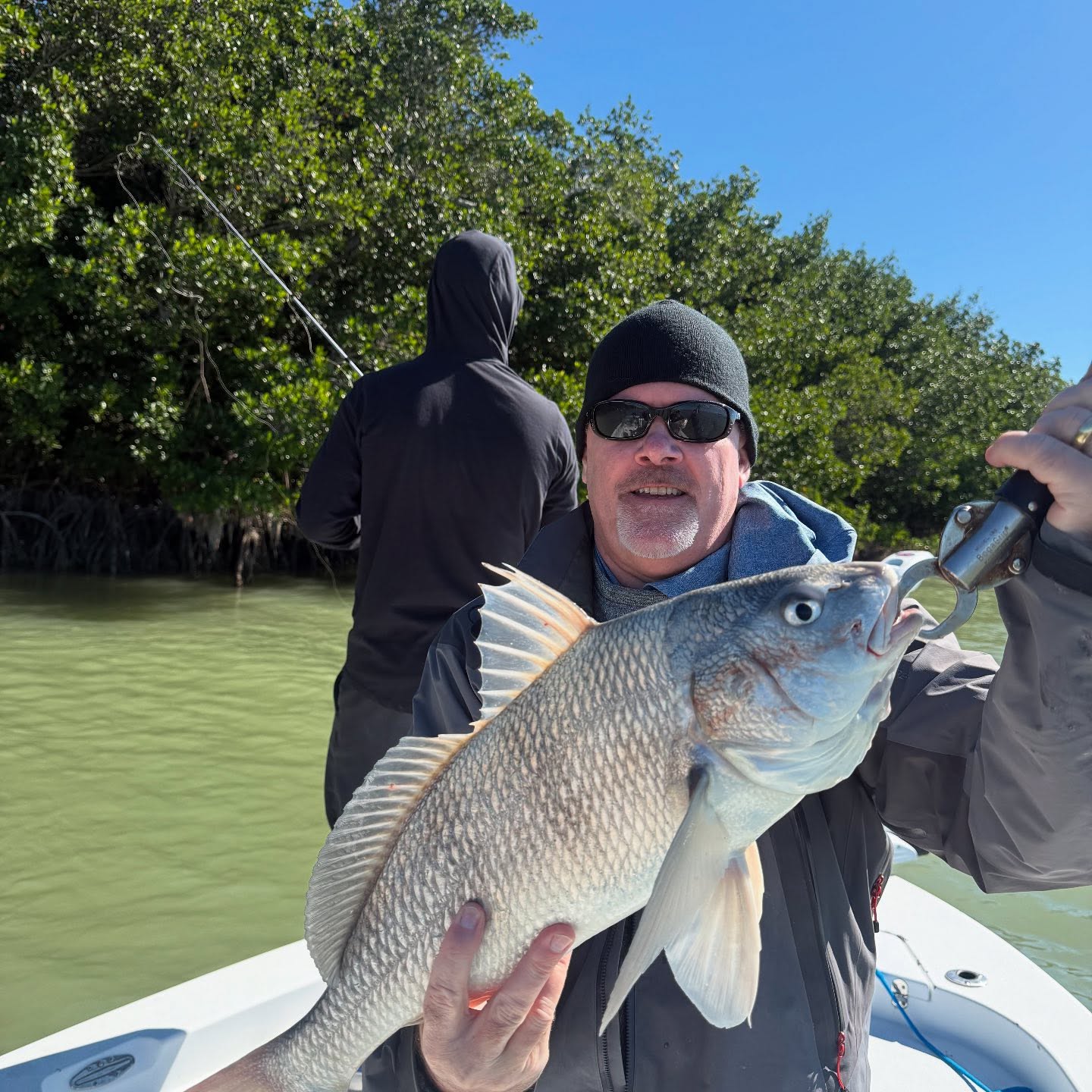
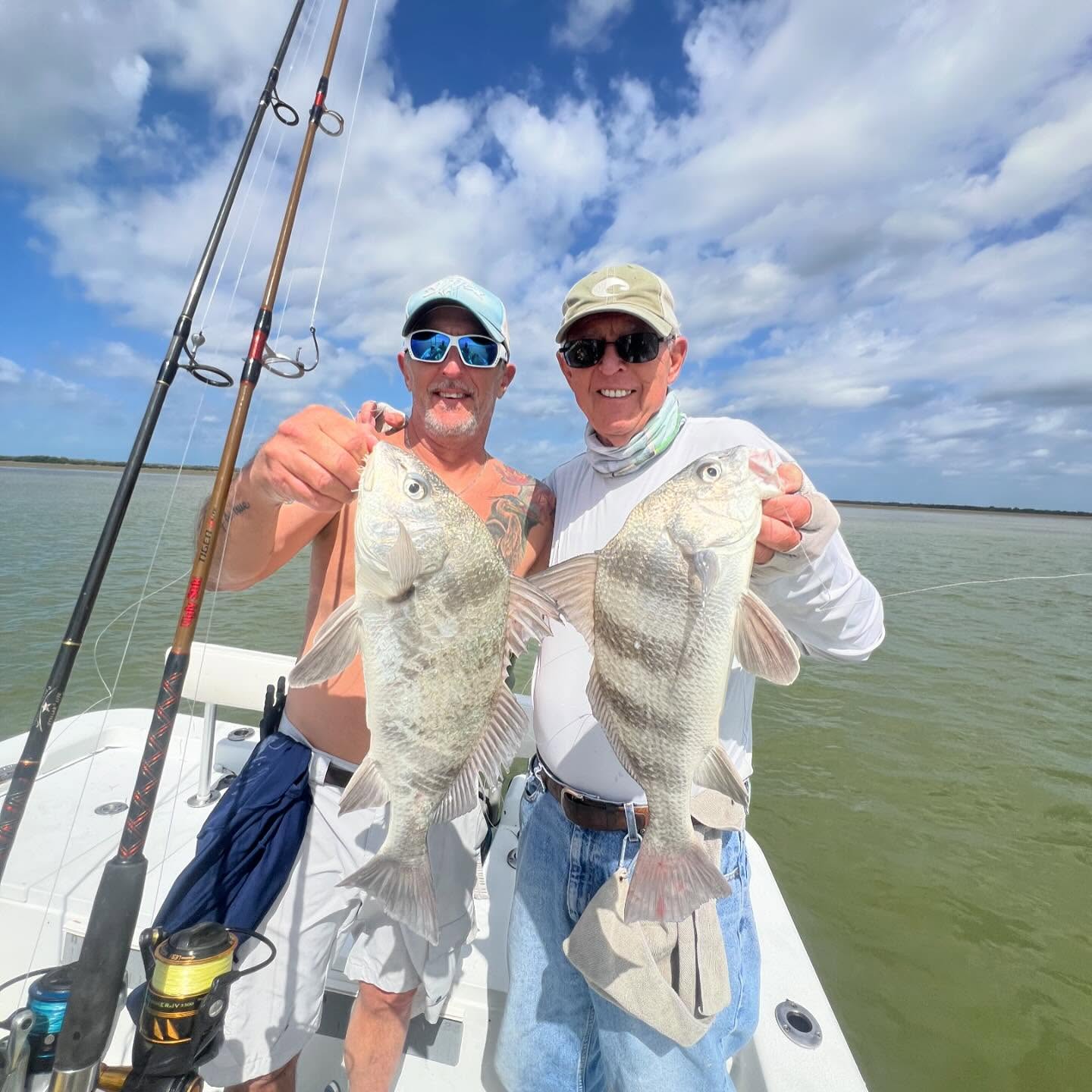
Sheepshead are the ultimate challenge for light-tackle anglers. These black-and-white striped fish have human-like teeth and a habit of stealing bait without getting hooked. They hang around structure – docks, bridges, rocks – picking off barnacles, crabs, and shrimp. When you do connect with a good sheepshea
 Private Trip
 Inshore Fishing
 Islamorada


 Six-hour inshore charter targeting snook, tarpon, and redfish