Full Day Beginner Fishing in Everglades
Picture yourself gliding through mirror-calm waters surrounded by endless mangroves, rod in hand, learning from one of South Florida's most patient guides. Mark Cherney's full-day fishing adventure in Everglades National Park isn't just another charter—it's your gateway into the legendary backcountry fishery that's made anglers famous. Whether you've never held a fishing rod or you're looking to sharpen your skills in world-class waters, this 8-hour journey delivers everything you need for success without the intimidation factor.
What to Expect on the Water
Your day starts early with Mark, who knows these waters like the back of his hand after years of guiding in the 'Glades. You'll spend eight solid hours exploring the maze of mangrove creeks, grass flats, and oyster bars that make this place a fishing paradise. The beauty of this trip is Mark's teaching approach—he breaks down everything from basic casting mechanics to reading water structure, making sure you're comfortable before moving to the next skill. You'll work primarily the shallow flats where redfish cruise and the mangrove edges where snook ambush baitfish. The scenery alone is worth the trip, with sawgrass prairies stretching to the horizon and wildlife everywhere you look. Don't worry about bringing anything except sunscreen and snacks—Mark provides all rods, reels, tackle, and even handles your fishing license. The intimate two-person capacity means you get personalized attention and plenty of rod time throughout the day.
Fly Rods and Light Tackle
Mark specializes in two proven approaches that work magic in Everglades waters. On the fly fishing side, you'll learn to cast lightweight rods with streamers and shrimp patterns that drive these fish crazy. The sight fishing opportunities here are legendary—watching a redfish eat your fly in two feet of crystal-clear water never gets old. If fly fishing feels overwhelming at first, no problem. Mark's light tackle setups using spinning gear and live bait will have you hooked up quickly while you build confidence. Think 2500-series reels spooled with 15-pound braid, paired with 7-foot medium-action rods that can handle everything from schoolie snook to bull redfish. You'll fish everything from DOA shrimp under popping corks to spoons worked through moving water. The key in these backcountry areas is staying quiet and making accurate casts to structure—skills Mark teaches through hands-on practice, not long lectures.
Top Catches This Season
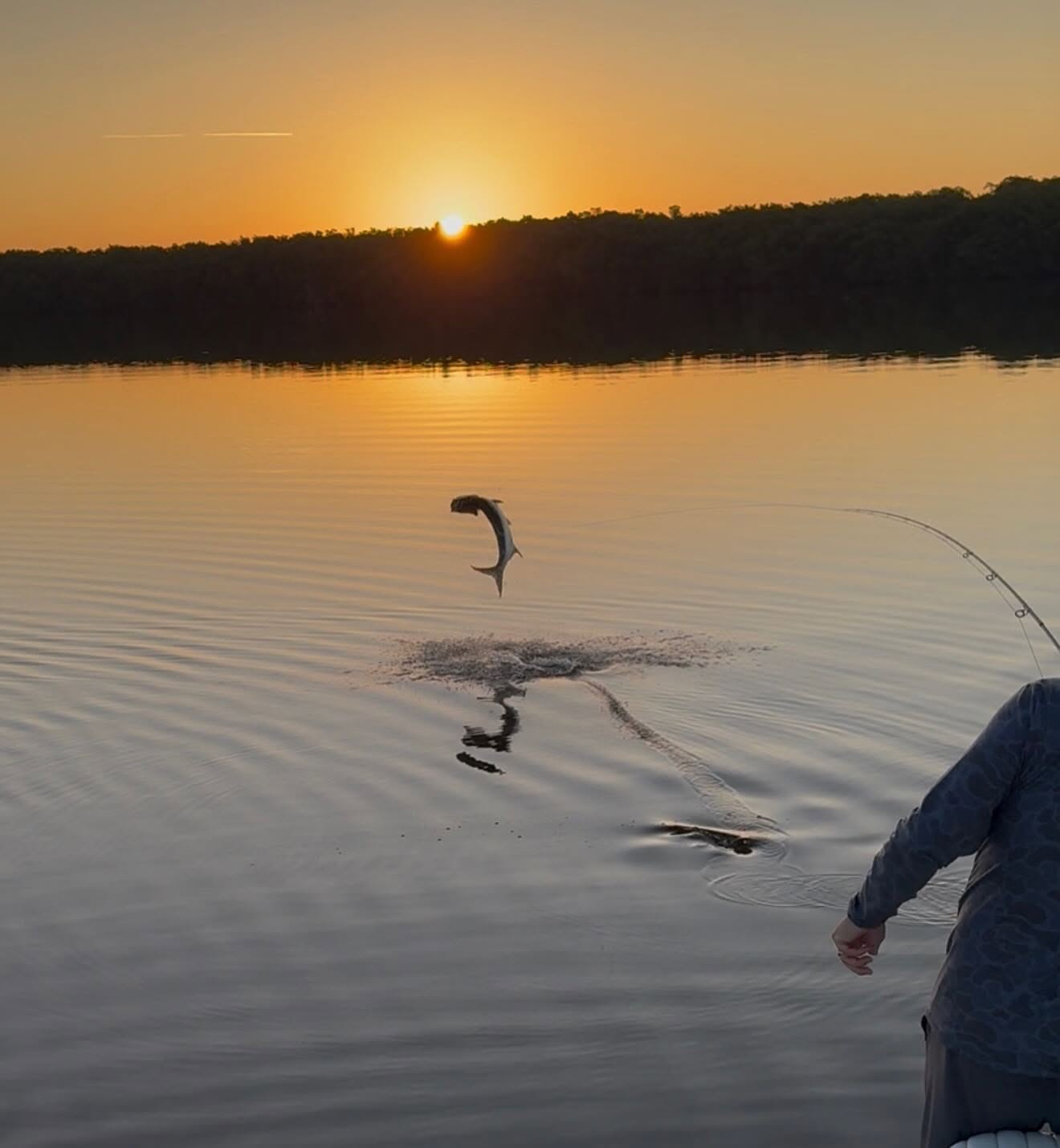
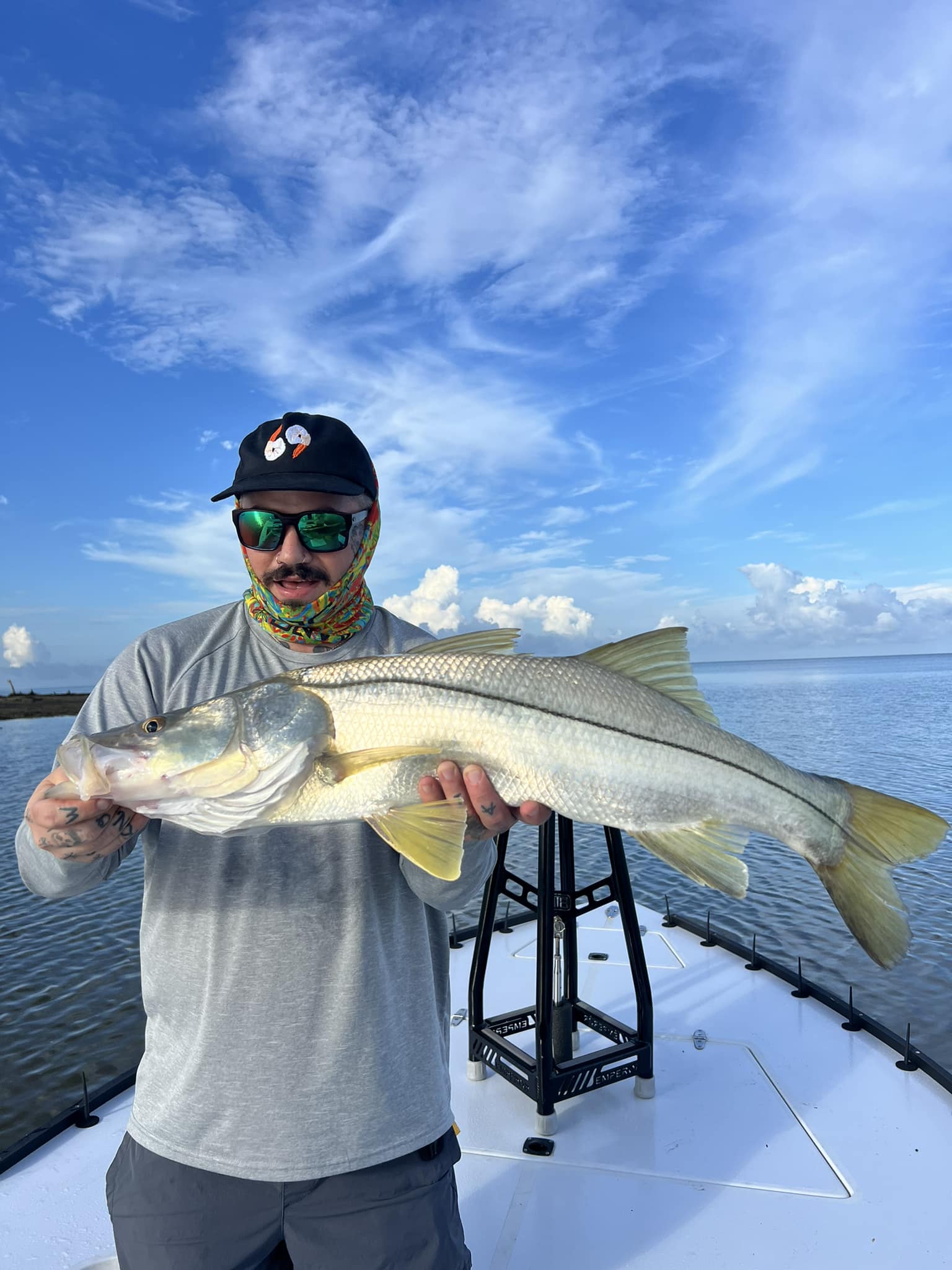
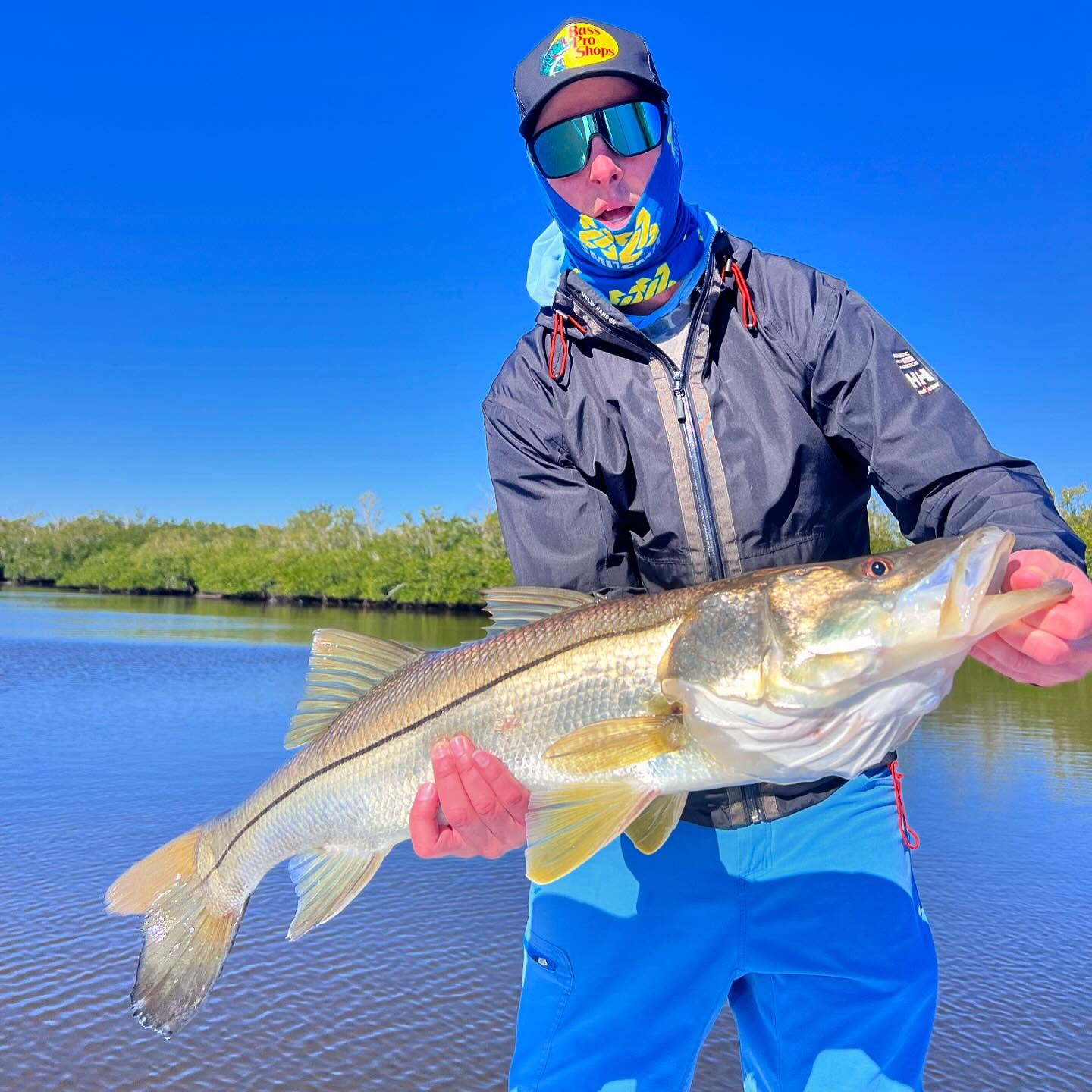
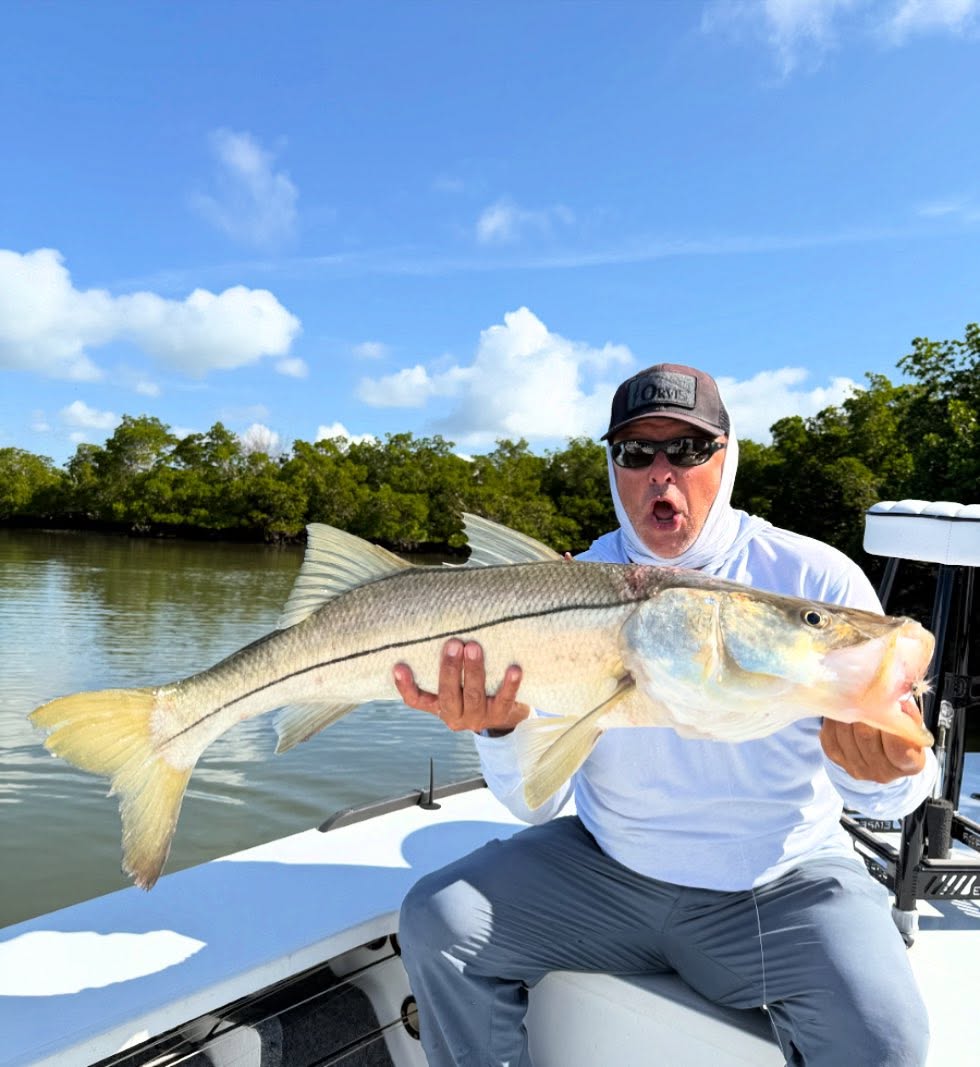
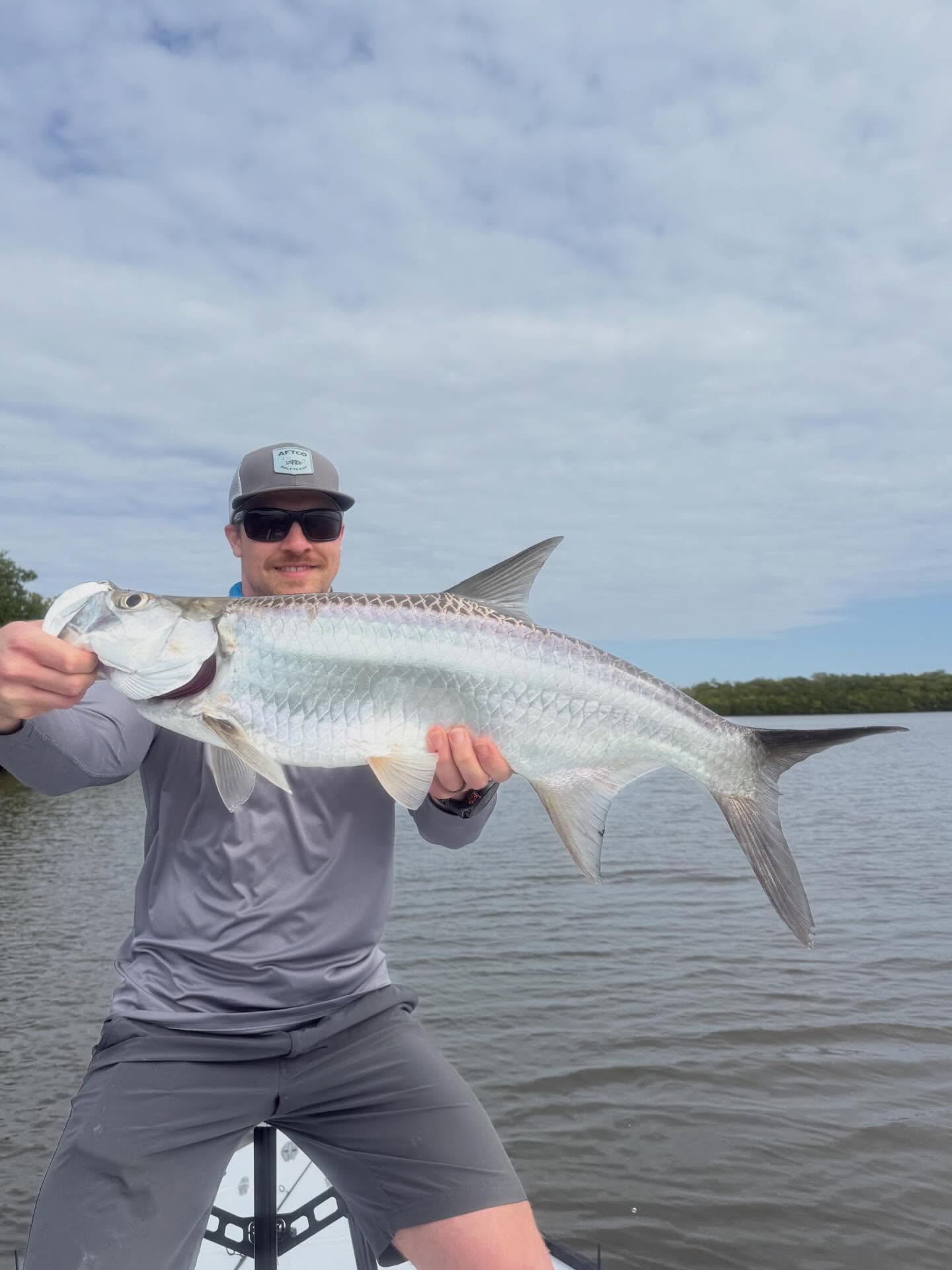
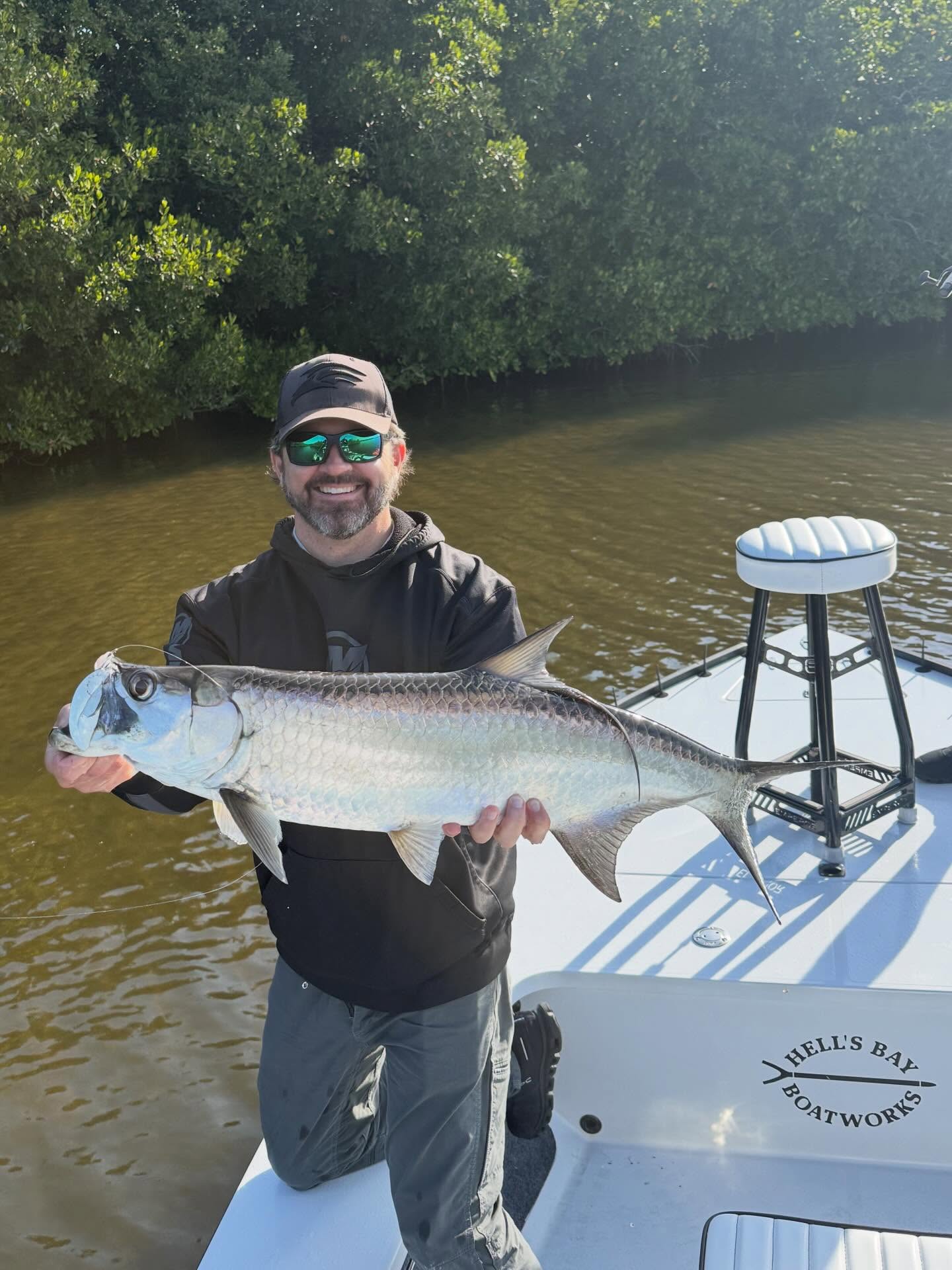
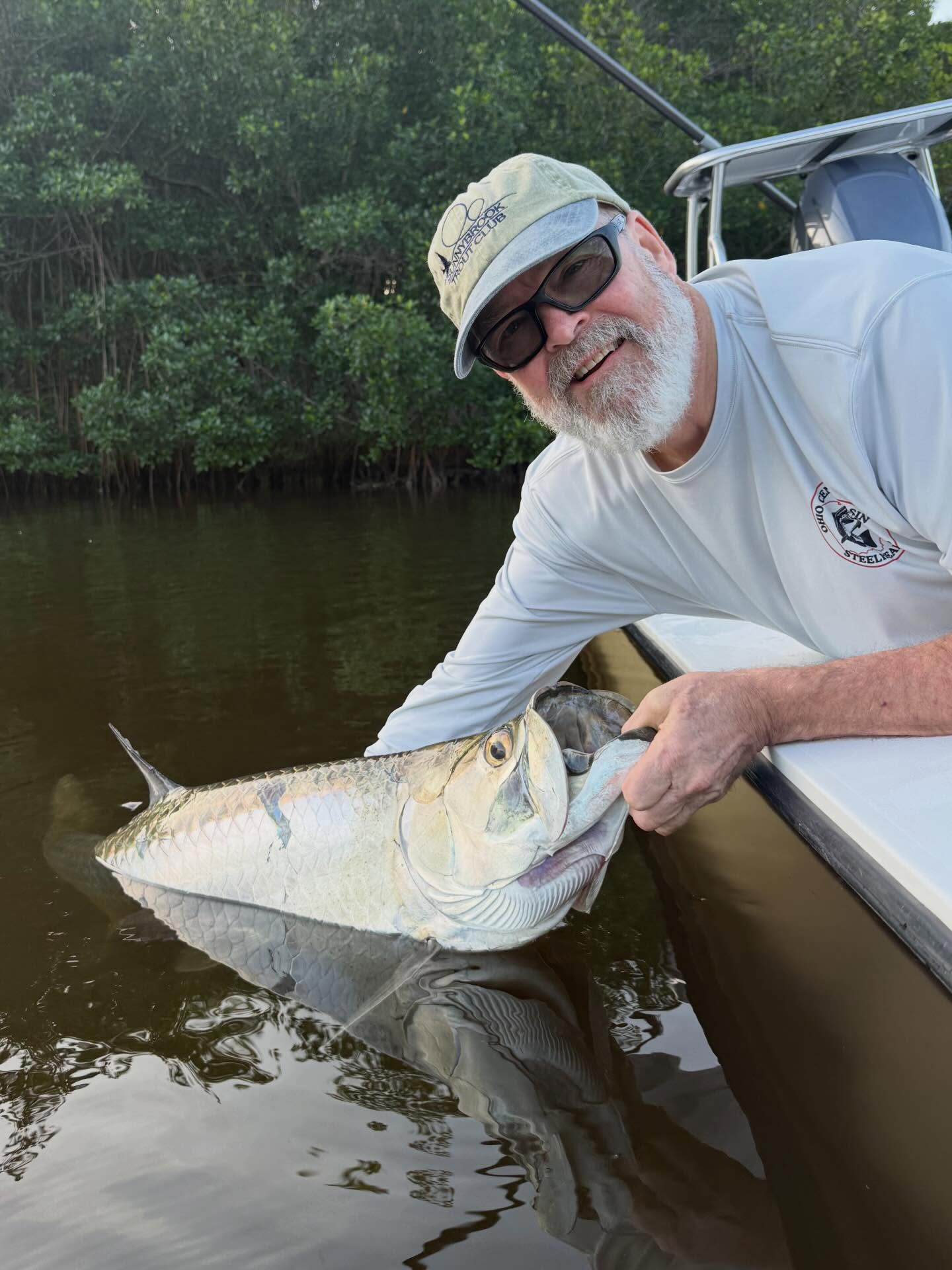
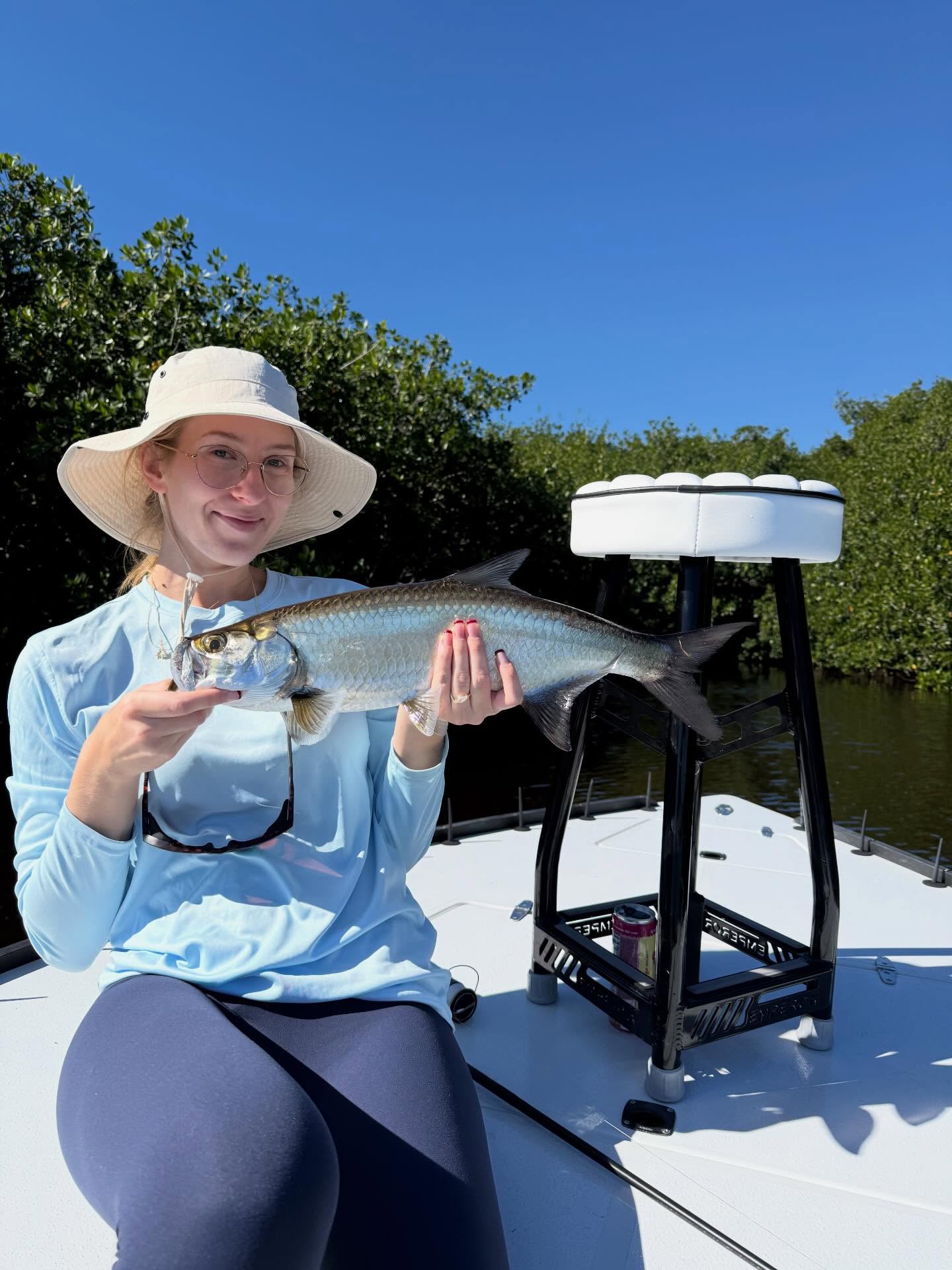
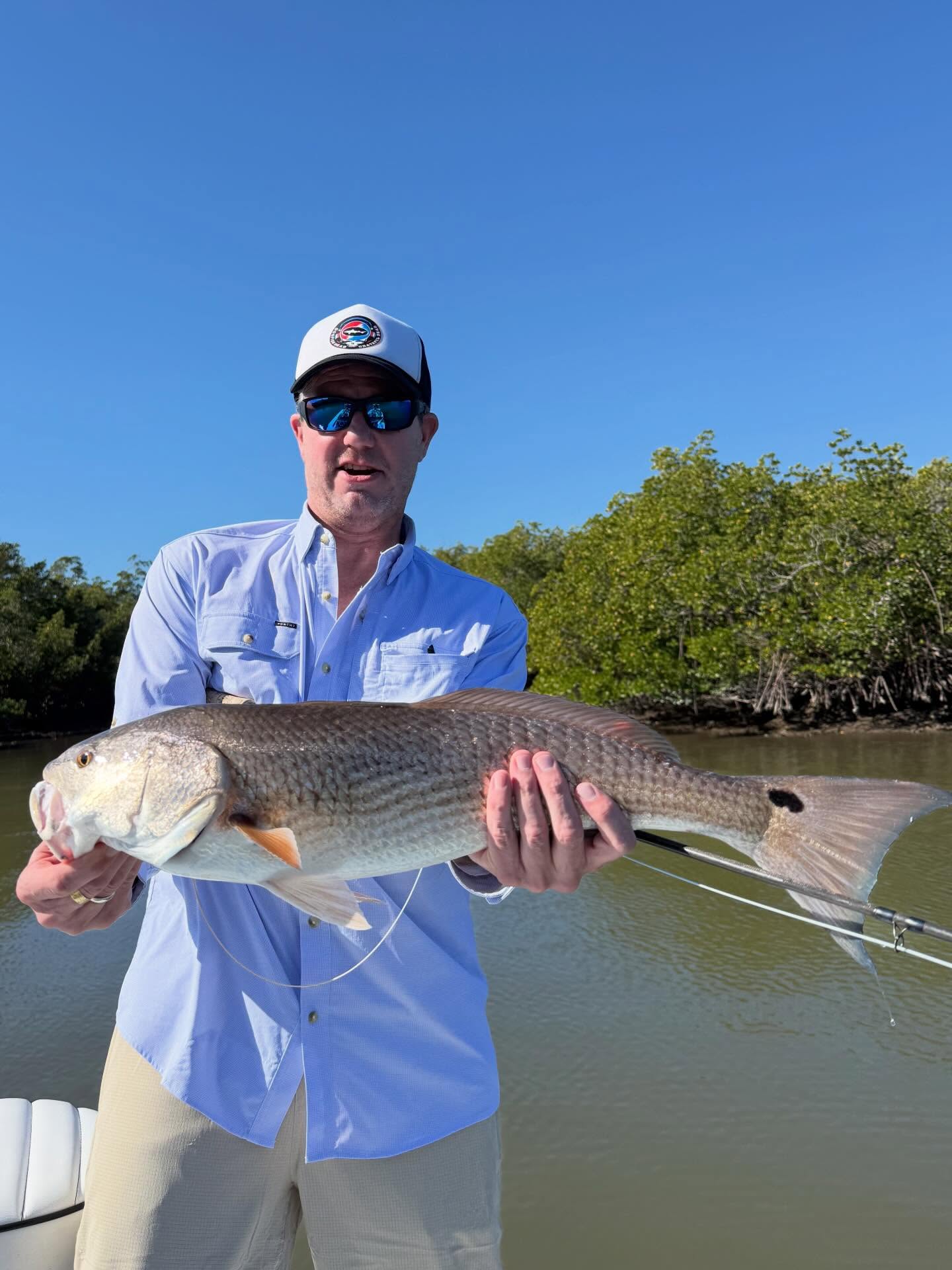
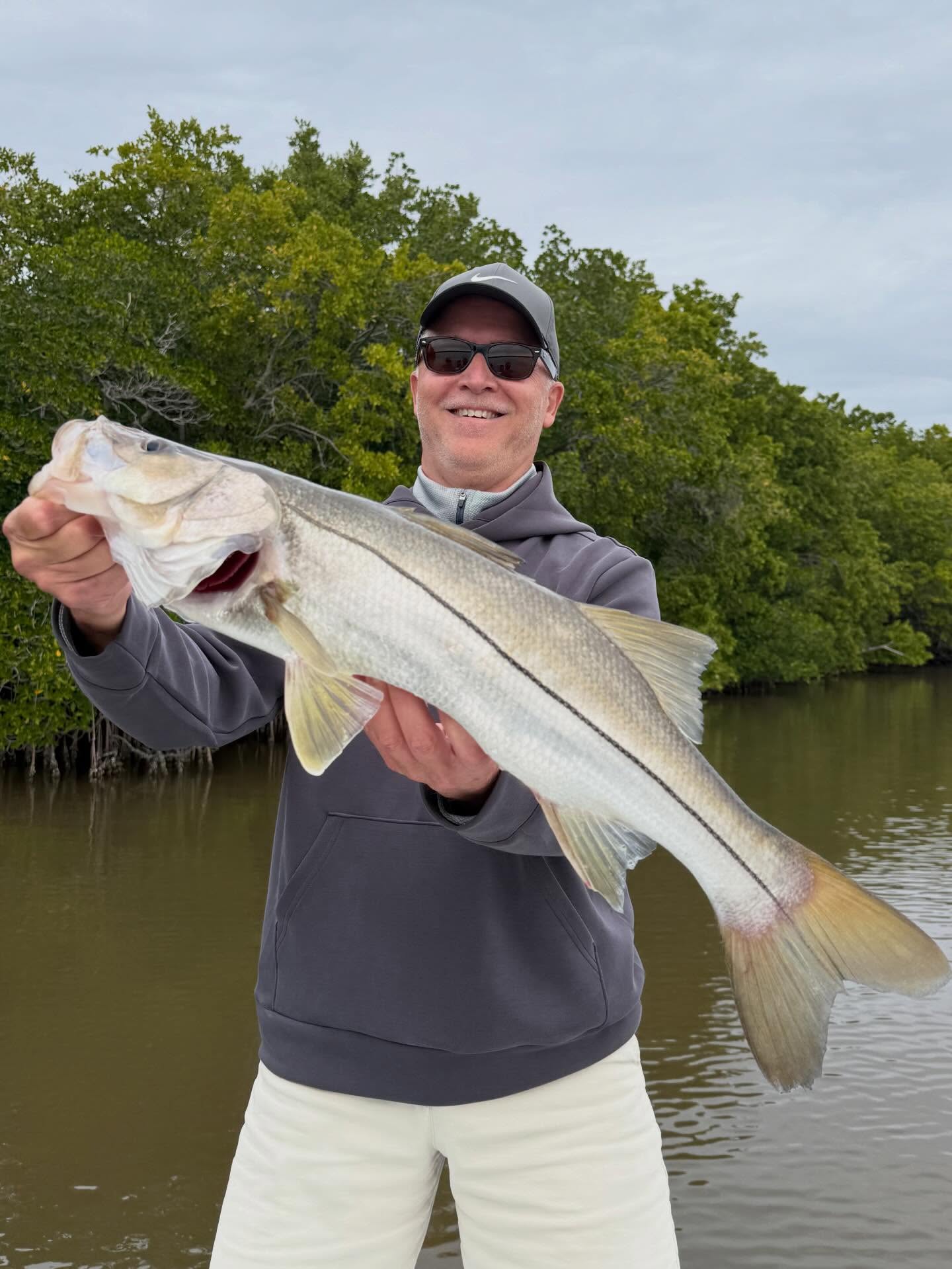
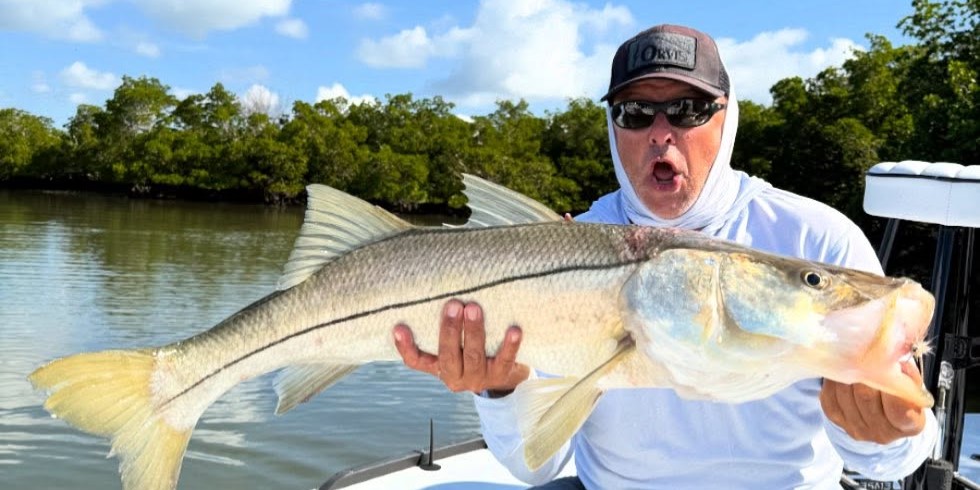
The Everglades holds some of South Florida's most sought-after inshore species, each offering its own brand of excitement. Redfish are the bread and butter here, cruising the flats in schools and providing spectacular sight fishing opportunities. These copper-colored bruisers average 20-26 inches and fight like freight trains, making long runs and testing your drag system. Fall through spring offers the best redfish action when they're actively feeding in preparation for their spawning runs. Snook represent the ultimate backcountry prize—ambush predators that lurk around mangrove roots and oyster bars, ready to destroy whatever crosses their path. They're incredibly structure-oriented and explosive fighters, often jumping multiple times when hooked. The slot-size fish here run 24-32 inches and peak during warmer months when they're most active. Black drum might not win beauty contests, but they're legitimate heavyweights that test your tackle and patience. These bottom-feeders love crab patterns and can reach impressive sizes in the nutrient-rich Everglades waters. Tarpon show up seasonally, offering heart-stopping jumps and runs that create lifelong memories—even the juveniles here put on aerial displays that'll leave you shaking. Crevalle jack round out the mix as aggressive fighters that hit hard and pull even harder, perfect for building confidence and keeping the action steady throughout your day.
Time to Book Your Spot
This top-rated beginner trip fills up quickly, especially during peak season when conditions are most favorable. Mark's patient teaching style and the Everglades' forgiving learning environment create the perfect combination for building lasting fishing skills. You'll leave with practical knowledge, improved casting technique, and hopefully some great fish photos. The fact that everything's included—gear, license, instruction—removes all the barriers that keep people from trying this amazing fishery. Whether you're visiting South Florida or you're a local who's always wanted to explore the backcountry, this customer favorite delivers an authentic Everglades fishing experience that hooks beginners for life. Book now and discover why anglers travel from around the world to fish these legendary waters.
 Private Trip
 Backcountry Fishing
 Everglades


 Eight-hour guided fishing adventure targeting redfish and snook species