Full Day Fishing Trip in Everglades - Redfish, Snook and More
Picture this: you're standing on the bow of a shallow-water skiff, rod in hand, scanning the glassy flats of Everglades National Park as the morning mist lifts off the water. This isn't just another fishing trip—it's your chance to work some of the most productive and pristine backcountry waters in Southwest Florida. Our full-day adventure puts you right in the heart of redfish country, where shallow flats meet winding mangrove creeks and every cast holds serious potential. Whether you're new to the fly rod or looking to dial in your light tackle game, you'll spend the day learning from a captain who knows these waters like his own backyard. We're talking about targeting some of Florida's most sought-after inshore species while soaking up scenery that'll stick with you long after you head home.
What to Expect on the Water
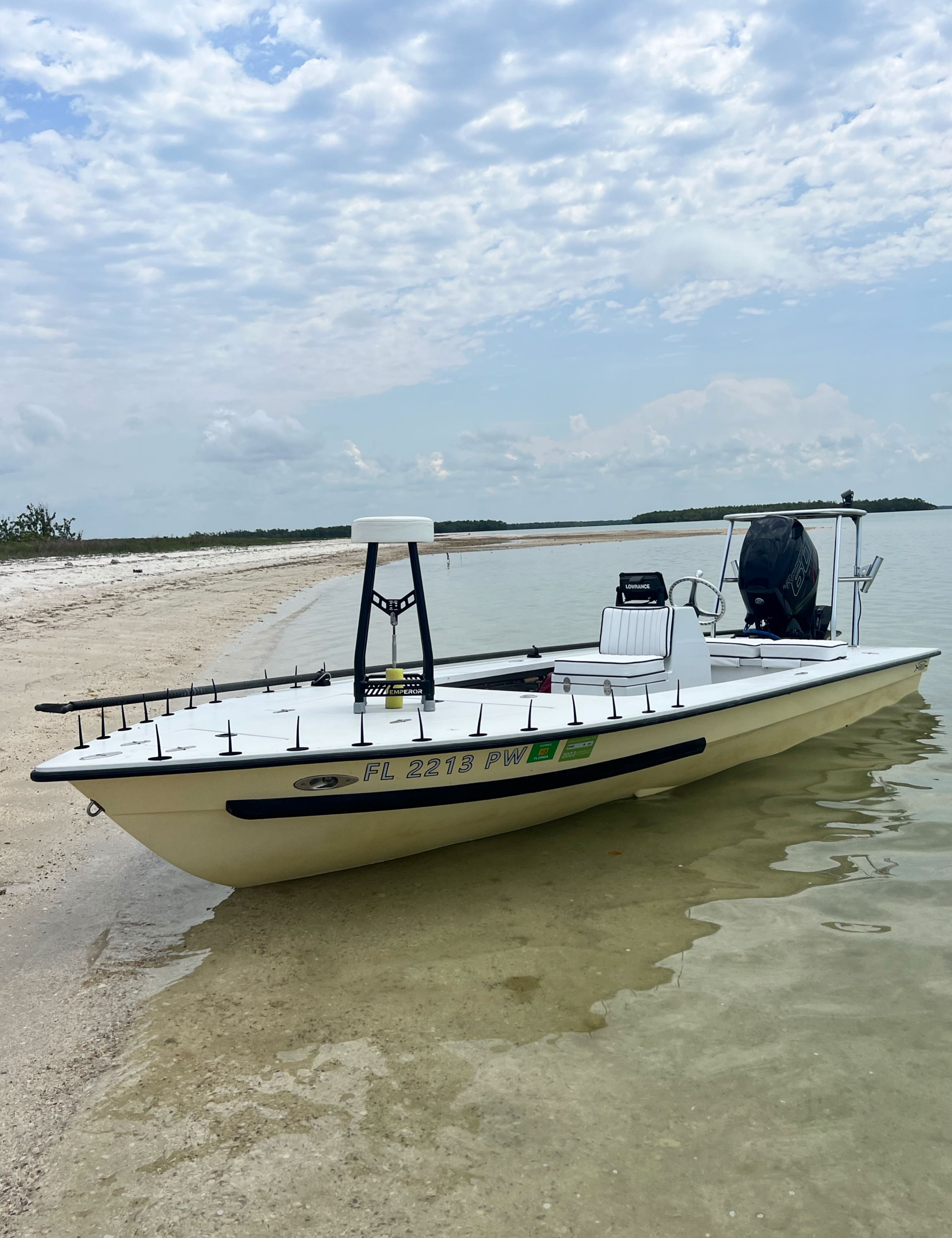
Your day starts early, meeting up at the launch where we'll get you rigged and ready for what Southwest Florida's backcountry has to offer. We're running a shallow-draft skiff that's built for this kind of fishing—quiet, stable, and able to slip into places where the big boats can't follow. The plan is simple: we're going to fish smart, moving between different types of water as conditions and tides dictate. One hour you might be sight-fishing redfish on sandy flats where the water's barely knee-deep, and the next we're working the edges of mangrove islands where snook love to ambush baitfish. The Everglades isn't just a fishery—it's a maze of interconnected waterways where every bend reveals something new. Expect to cover some serious ground, but don't worry about the logistics. All your gear, licenses, and tackle are handled, so you can focus on what matters: reading the water and making good casts when it counts.
Fly Rod and Light Tackle Tips
We fish two main ways out here, and both have their place depending on what we're after and what the fish are telling us. On the fly rod side, we're talking 8 to 9-weight setups that can handle everything from delicate presentations to tarpon that might crash the party. The flies we're throwing are mostly streamers and shrimp patterns—think Clouser Minnows, EP Baitfish, and bendbacks that won't hang up in the grass. If you're new to saltwater fly fishing, no stress—we'll start you off with easier targets and work up to the trickier stuff. Light tackle is just as effective, especially when fish are spooky or the wind picks up. We're using spinning gear loaded with 10 to 15-pound braid, throwing soft plastics, topwater plugs, and live bait when we can get it. The key in these shallow waters is staying quiet and making accurate casts. Fish here see a lot of pressure, so presentation matters more than having the fanciest lure in the box.
Customer Stories
Don't just take our word for it—here's what recent anglers have been saying about their time on the water: "Great Time on the water with Mark! Works hard to put you on fish and truly enjoyed the experience. Will definitely book again." - Steve Oberschlake. Another guest shared: "Mark was a terrific host for our first day of fishing in the Everglades. He knows this area like the back of his hand and was very patient with our attempts to coax a number of targeted fish with our flies! Friendly guide with excellent local knowledge." - gregory sweeney. These stories capture what we're all about—working hard to put you on fish while making sure you actually learn something in the process.
Species You'll Want to Hook
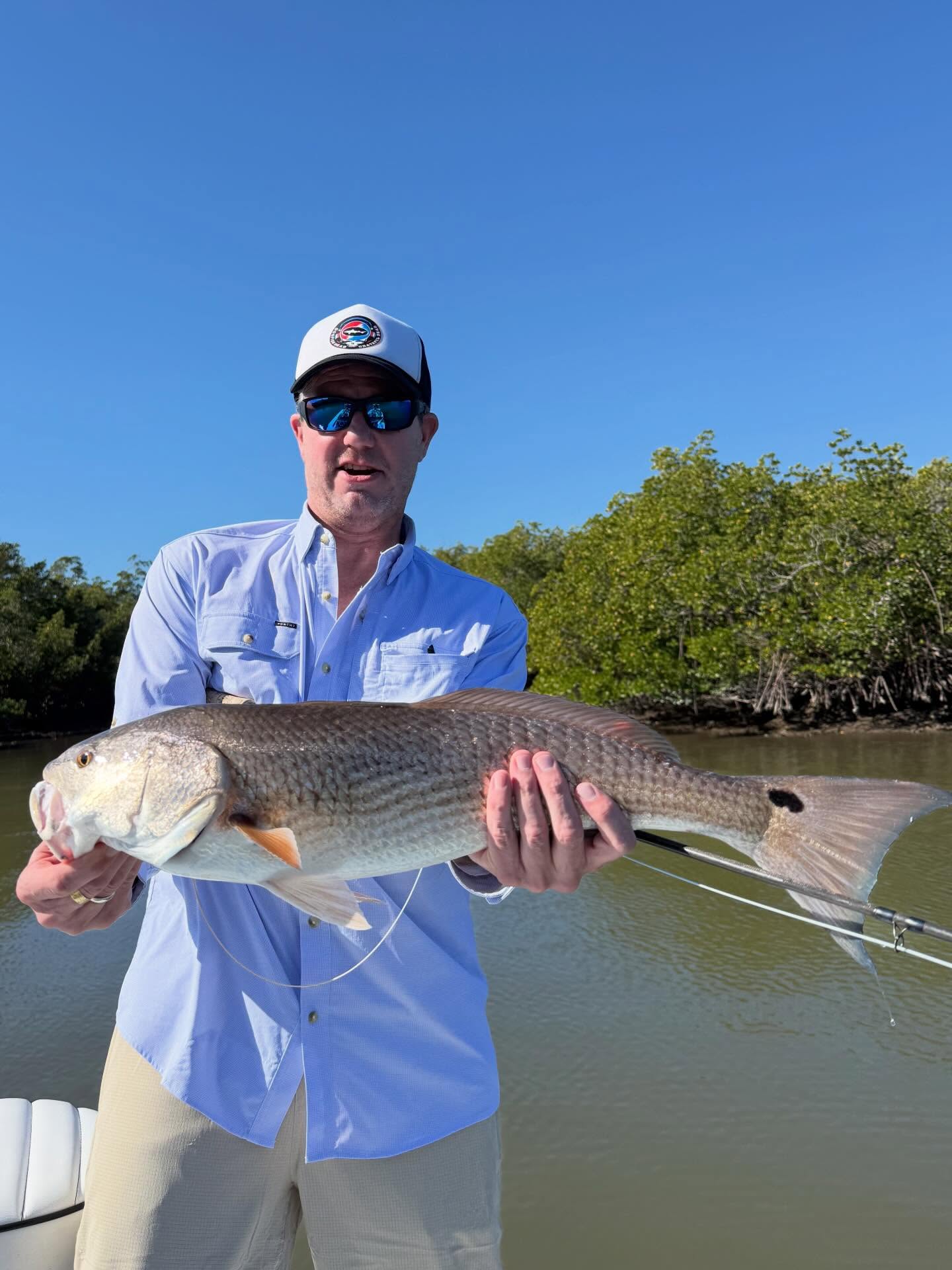
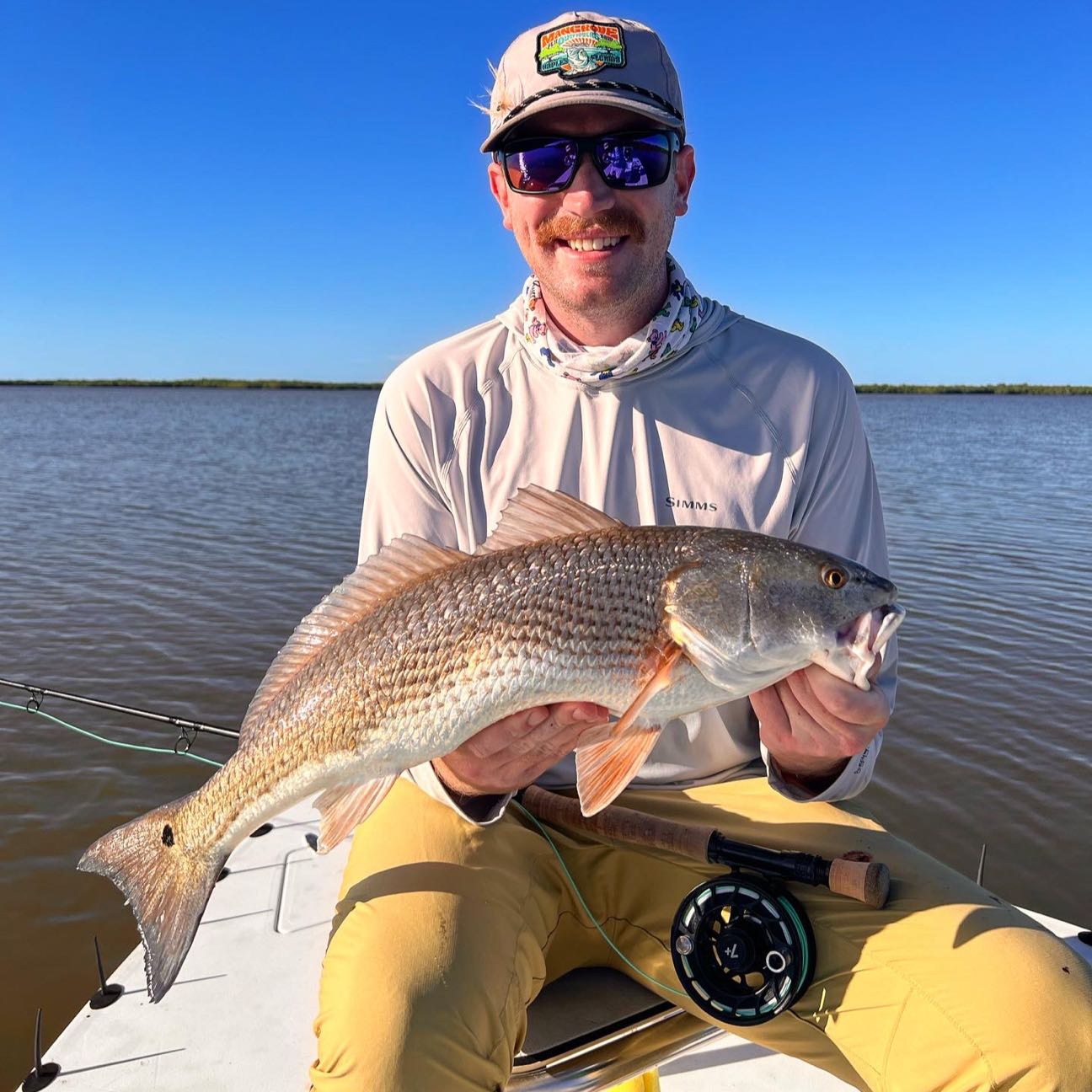
Let's talk about the main players you'll be targeting during your day in the backcountry. Redfish are the bread and butter of Everglades fishing, and for good reason. These copper-colored bruisers love the shallow flats and mangrove edges, often cruising in water so skinny you can see their backs. They're year-round residents, but spring through fall offers the most consistent action. What makes reds so special is their willingness to eat—they're opportunistic feeders that'll smash everything from crabs to small baitfish. Plus, they fight like they mean it, making long runs and using their broad tails to stay pinned to the bottom.
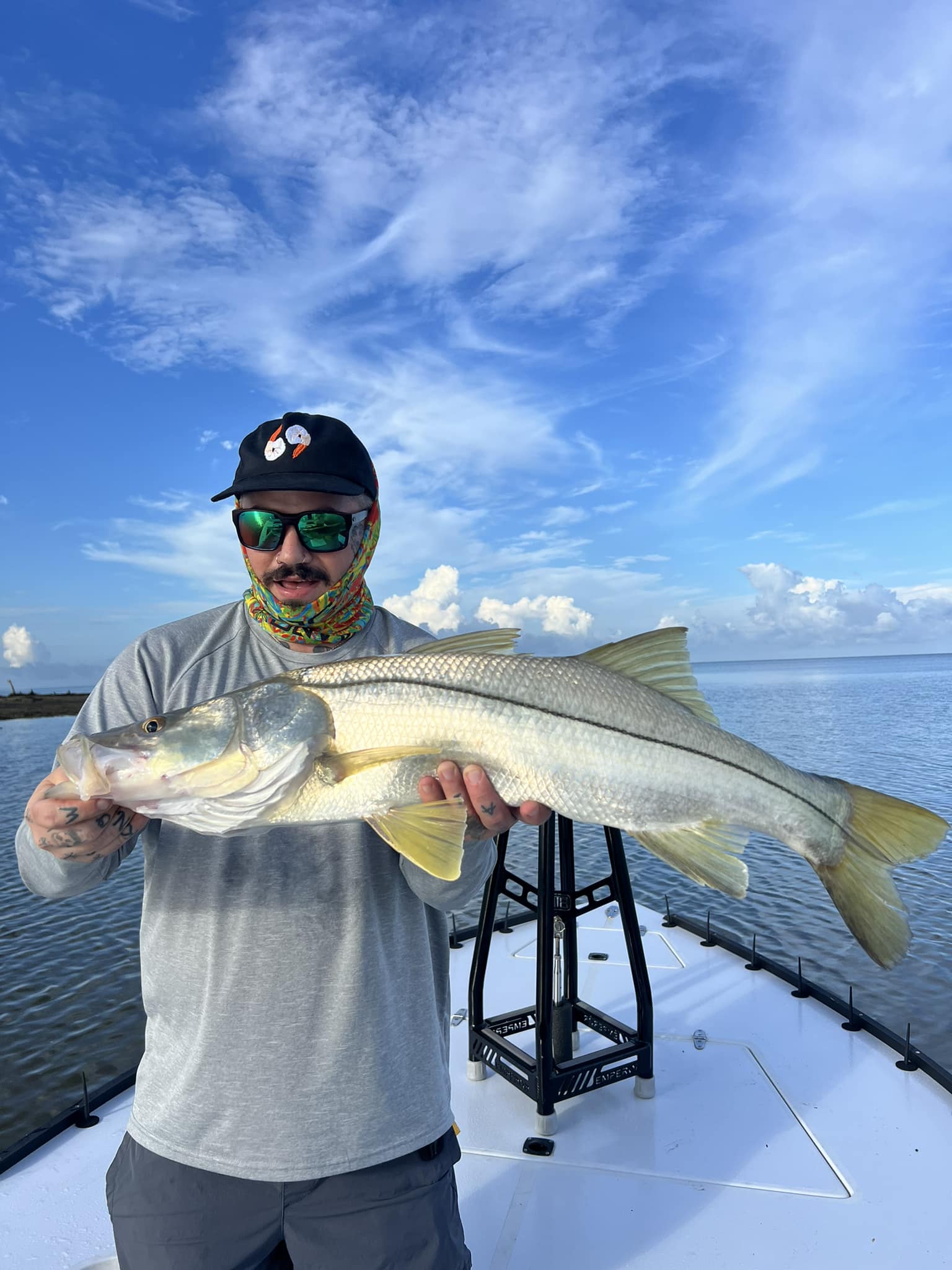
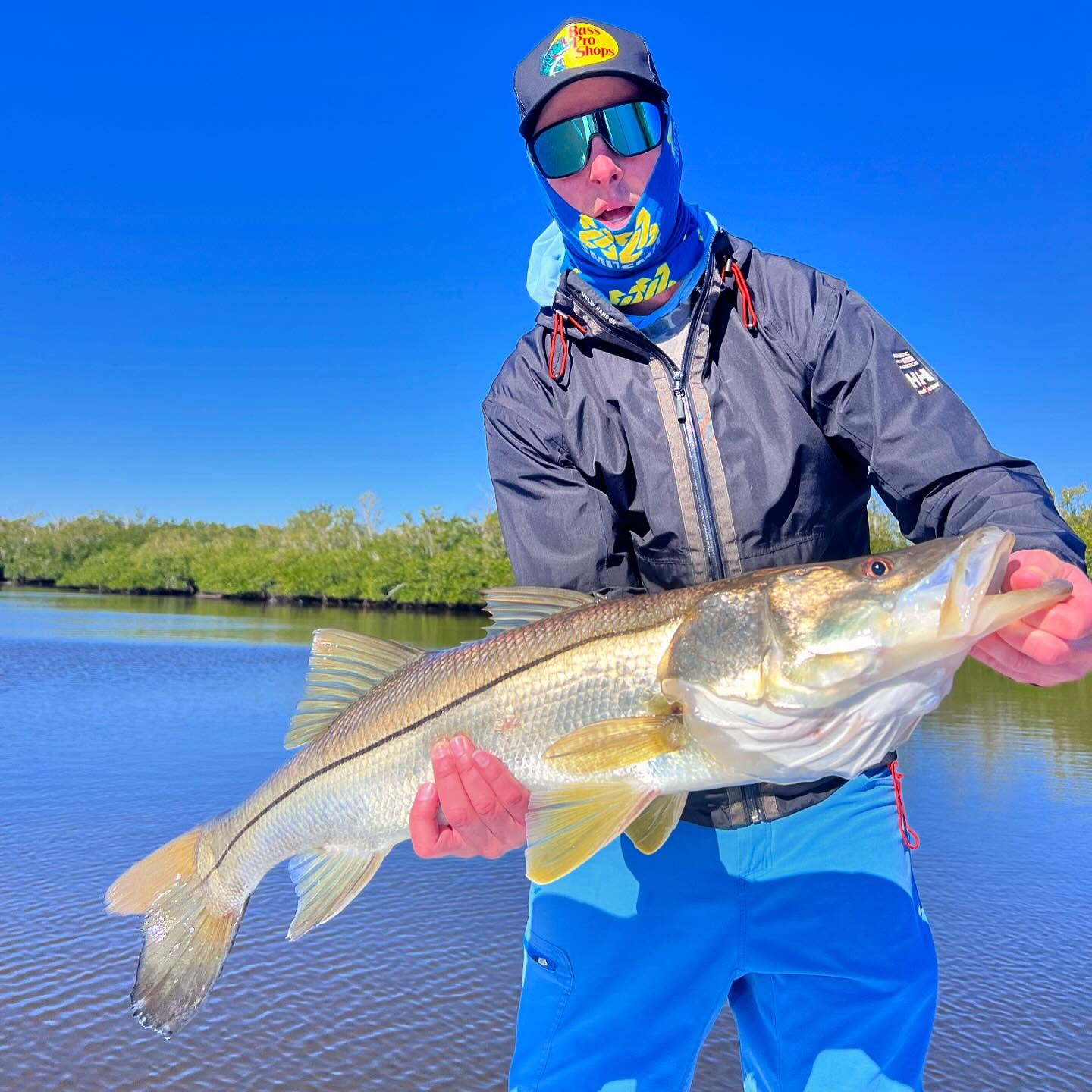
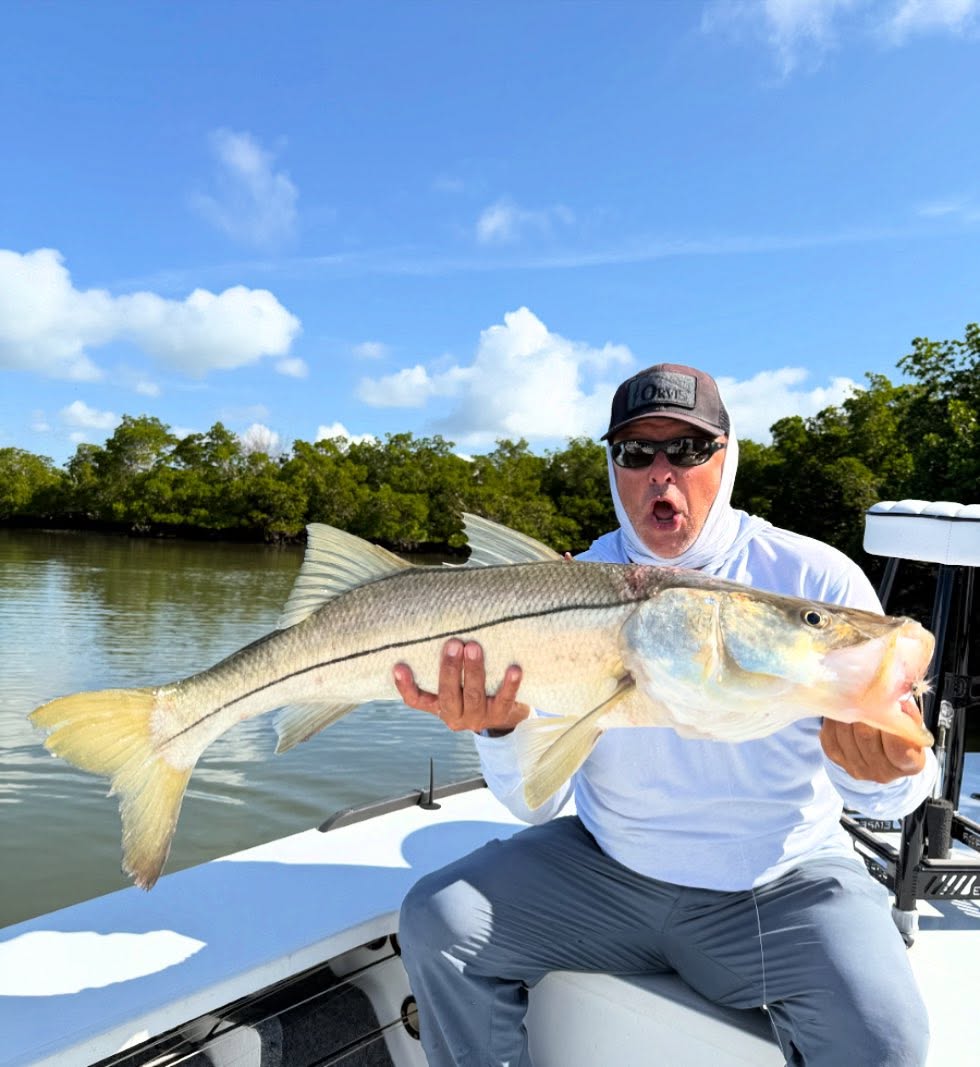
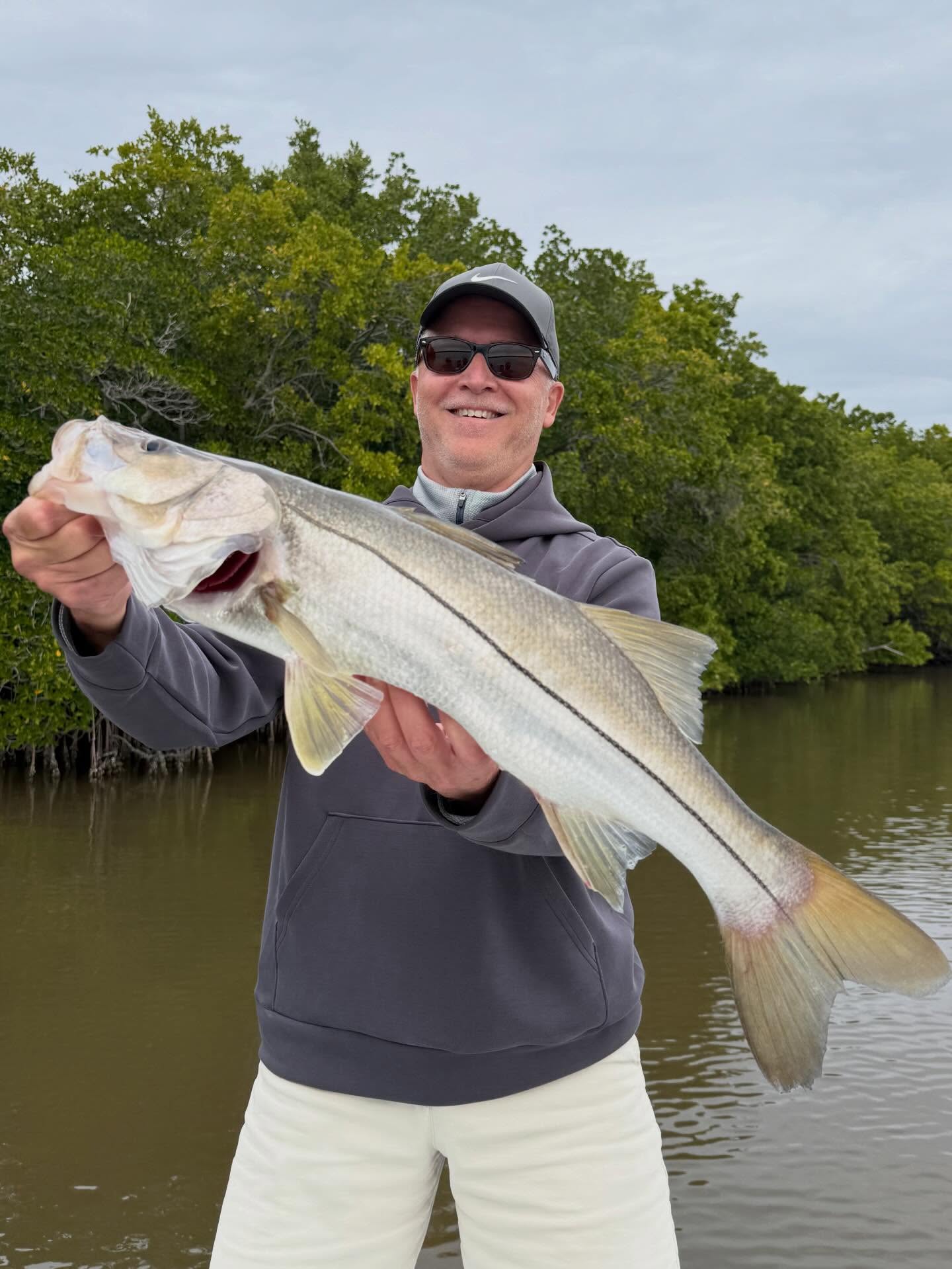
Snook are the glamour fish of Southwest Florida, and the Everglades holds some absolute monsters. These ambush predators love structure—think mangrove overhangs, creek mouths, and anywhere current brings food their way. They're most active during the warmer months, roughly April through October, and they can be incredibly picky about presentation. Get it right, though, and you're in for a battle. Snook jump, they run, and they know every piece of structure in their neighborhood. Landing a slot snook on fly gear in tight quarters is one of those experiences that'll have you planning your next trip before this one's over.
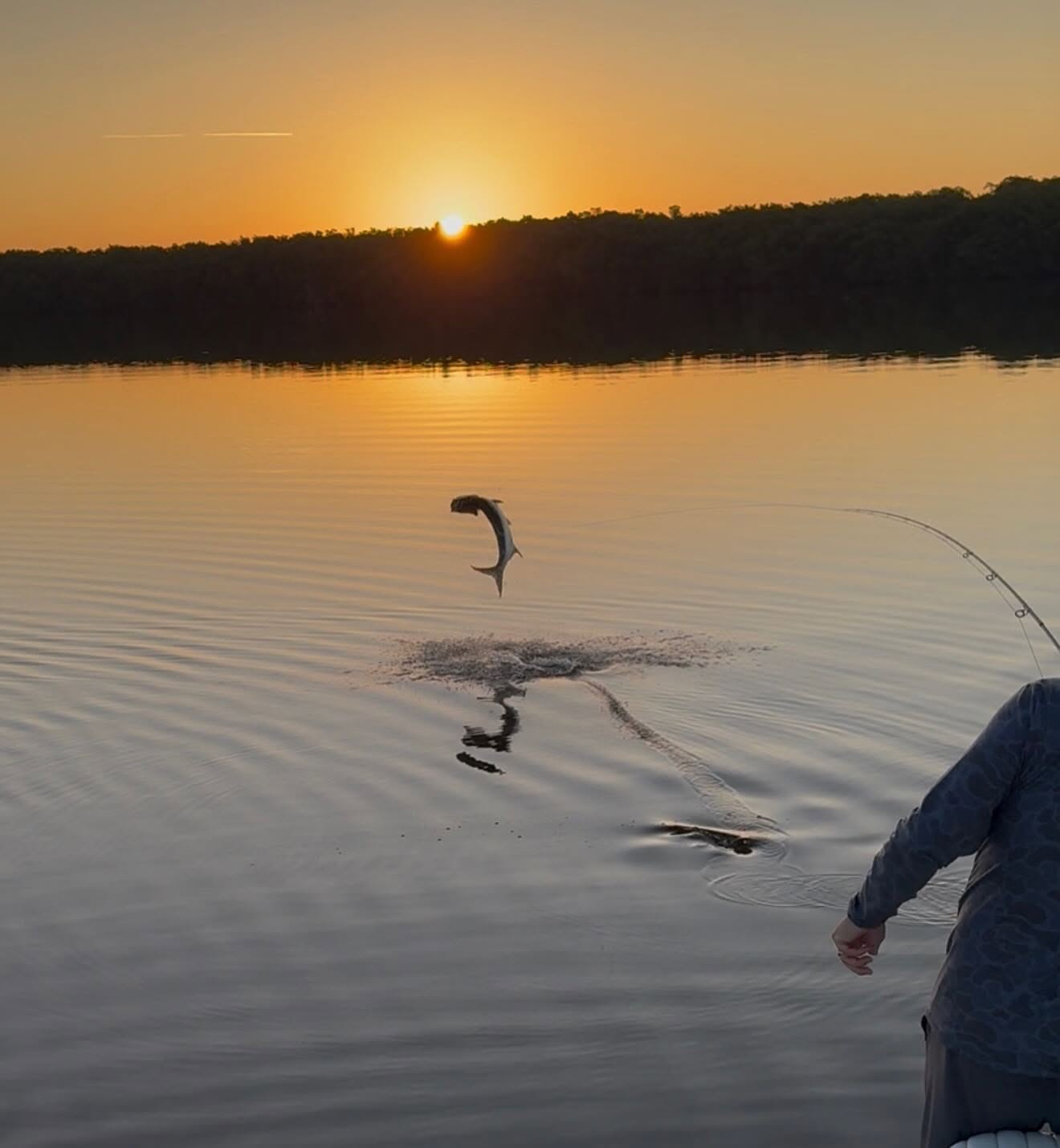
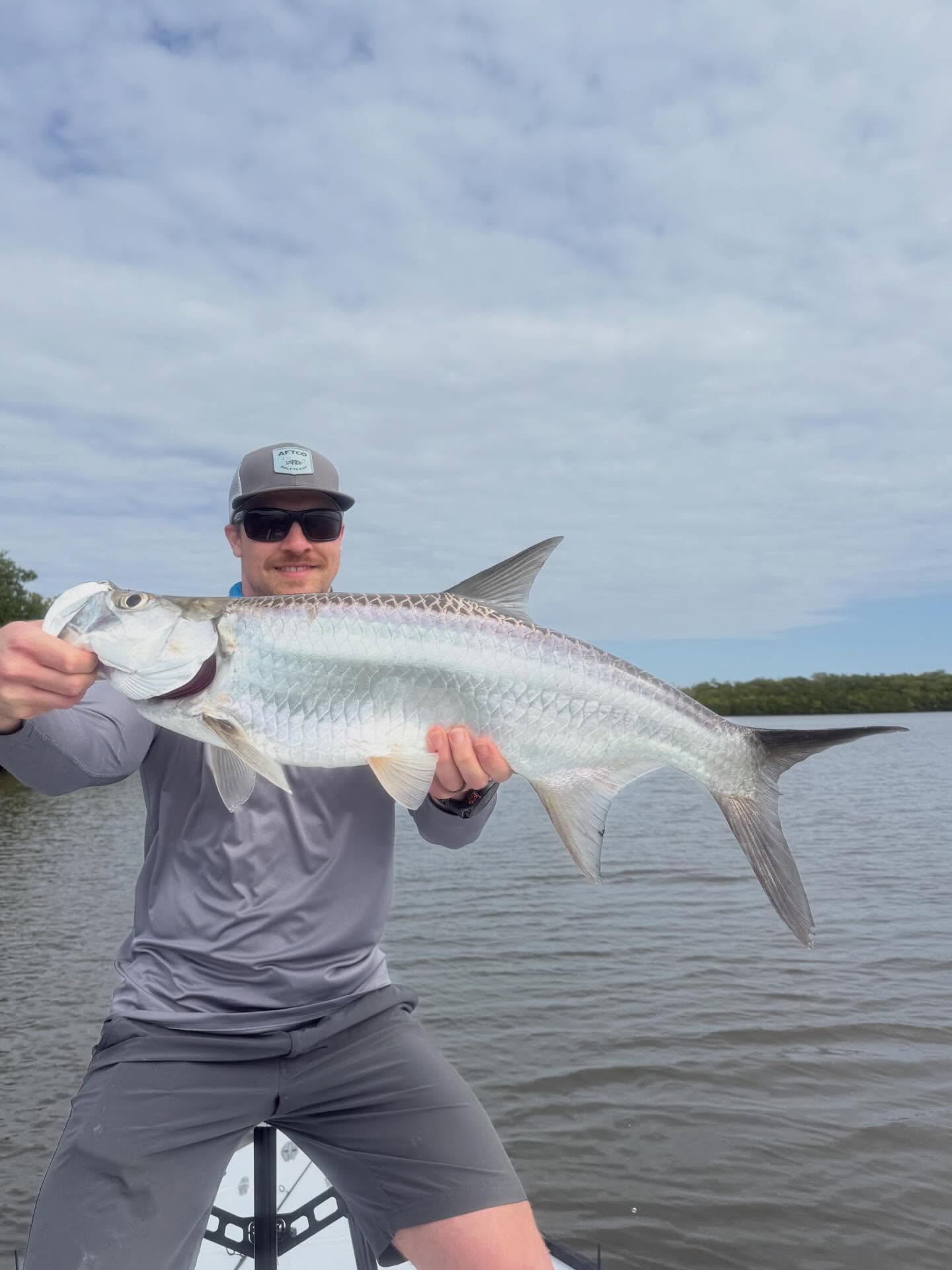
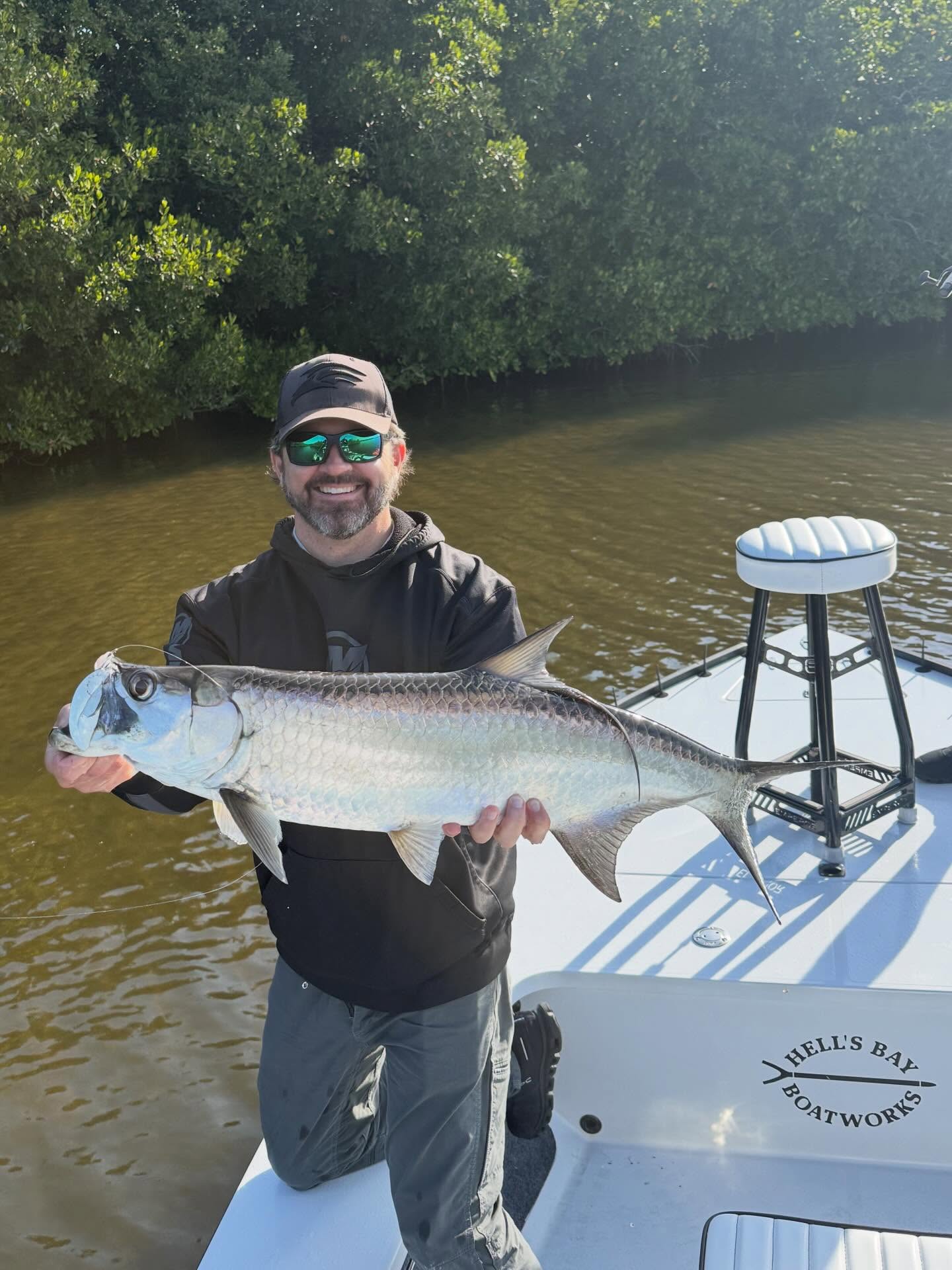
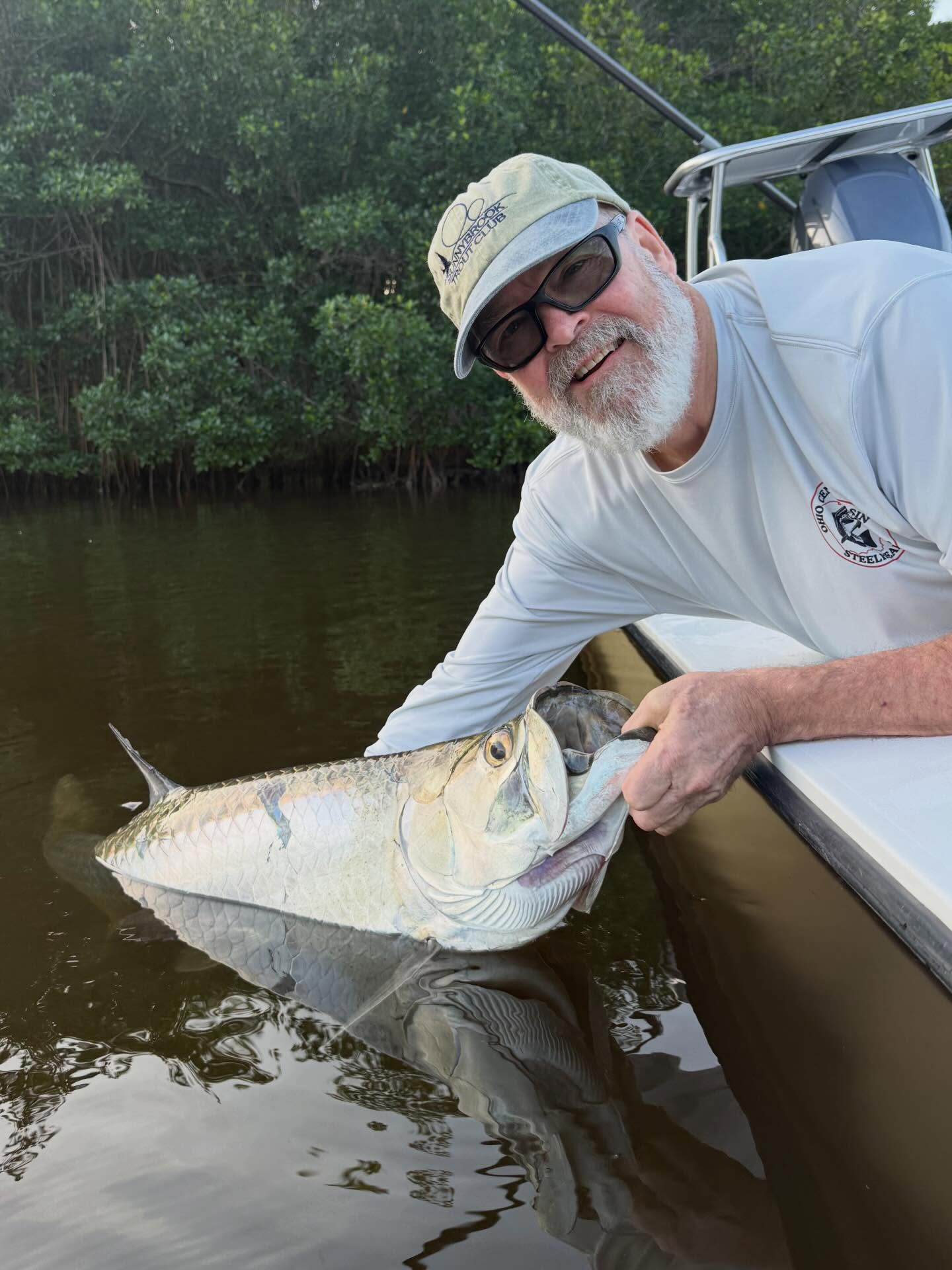
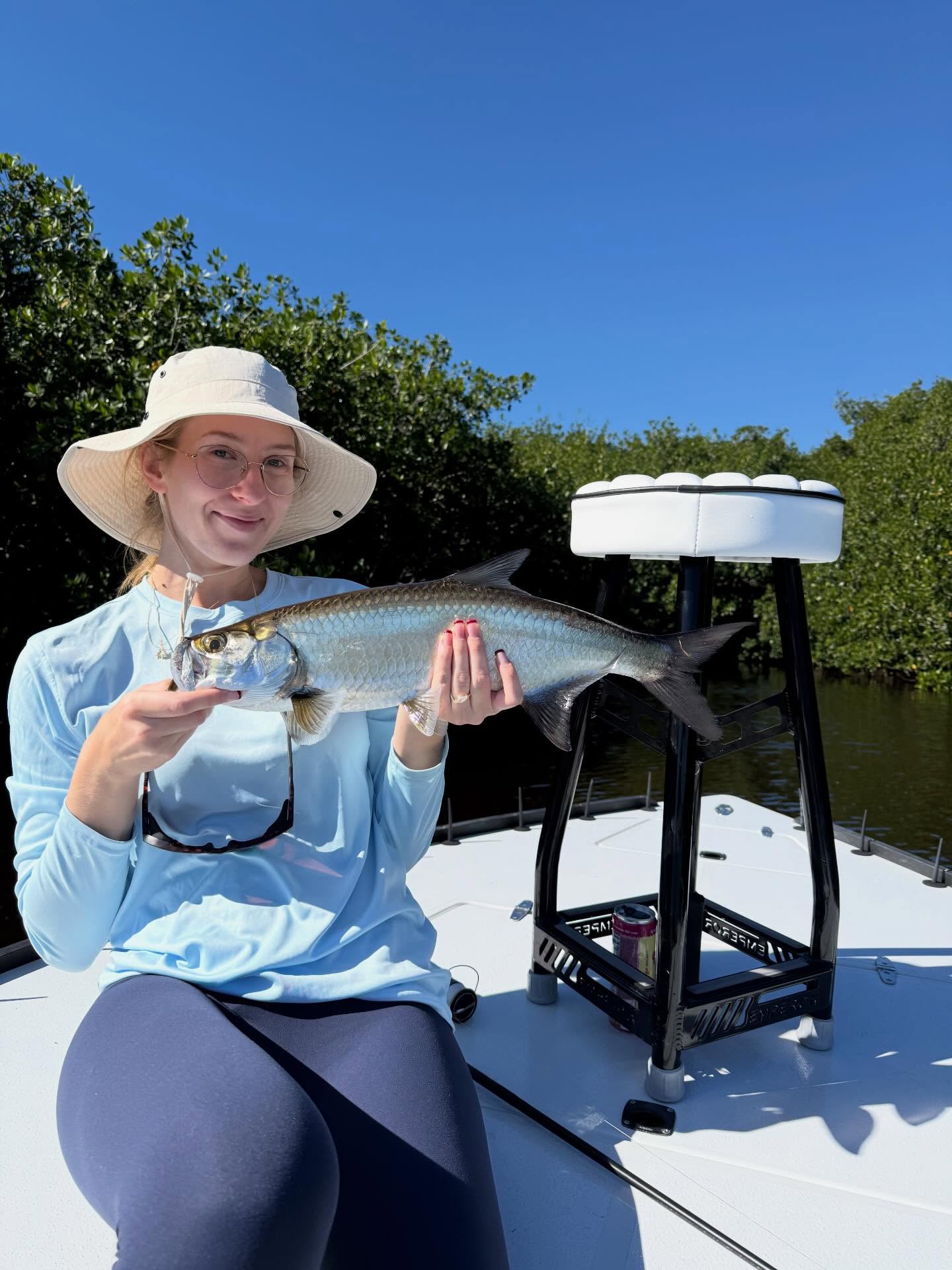
When tarpon show up, everything else takes a backseat. These silver kings can range from juvenile fish in the 20 to 40-pound class all the way up to triple-digit giants, depending on the season and location. Peak tarpon season runs from late spring into summer, but you'll find juveniles in the backcountry year-round. What makes tarpon fishing so addictive isn't just their size—it's their aerial displays. A hooked tarpon will clear the water multiple times, shaking its head and gill-rattling in an attempt to throw the hook. Even a small tarpon will test your drag system and your nerves.
Black drum might not be the prettiest fish in the lineup, but they're absolutely brutal fighters, especially the bigger ones. These bottom-huggers love oyster bars and grass flats, where they root around for crabs and shellfish. They're year
 5.0(2 Reviews)
 Private Trip
 Backcountry Fishing
 Everglades


 Full day backcountry fishing targeting redfish, snook, and tarpon