Branson Sonar Learning Fishing Trip
If you've ever wondered how the pros consistently find fish while you're casting blind, this 2-hour sonar learning trip with Branson's Reel Fishing LLC is your ticket to leveling up your game. Forget about guessing where the fish are hiding – you'll learn to read the water like a book using cutting-edge sonar technology. This hands-on experience takes you beyond basic fish finders into the world of forward-facing sonar, down scan, and side scan systems that are revolutionizing how serious anglers approach their fishing.
What to Expect on the Water
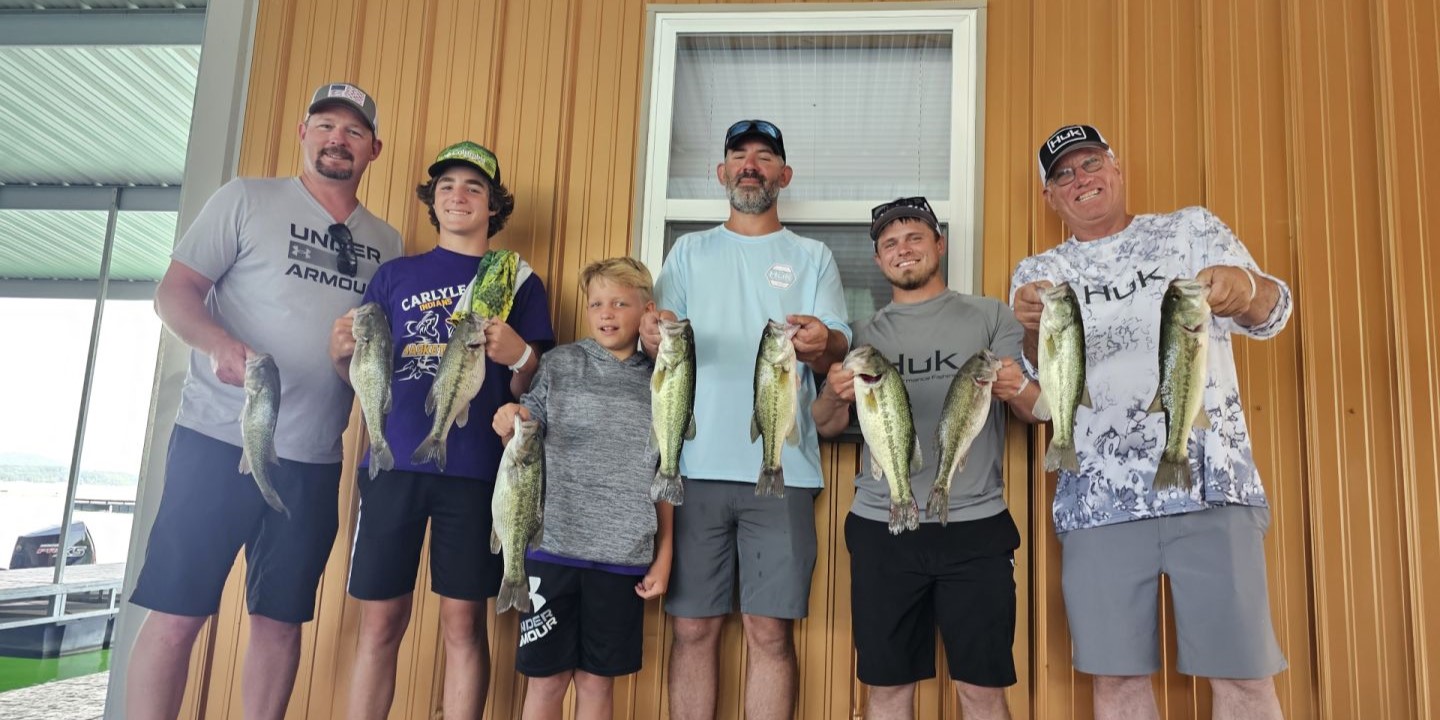
This isn't your typical fishing charter where you sit back and let someone else do the work. Captain and crew at Branson's Reel Fishing LLC designed this trip for anglers who want to understand the tech that's changing the game. You'll spend quality time learning how to interpret sonar readings, adjust settings for different depths and conditions, and most importantly, translate what you're seeing on screen into actual fish in the boat. The trip accommodates up to 4 people, making it perfect for a small group of friends or family members who want to master these skills together. You'll be working with professional-grade equipment in the productive waters around Branson, where the fish population is diverse enough to give you real-world practice targeting different species at various depths and structures.
Tech That Actually Works
The sonar systems you'll be learning aren't just fancy gadgets – they're tools that can completely transform your fishing success. Forward-facing sonar lets you see fish swimming in real-time ahead of your boat, giving you the ability to watch how they react to your lures and adjust your presentation accordingly. Down scan technology provides crystal-clear images of what's directly below you, perfect for identifying brush piles, rock formations, and schooling baitfish. Side scan extends your vision to both sides of the boat, covering more water and helping you map out productive areas quickly. During the trip, you'll learn when to use each type of scan, how to adjust sensitivity and range settings, and most importantly, how to distinguish between fish, structure, and false readings that can fool beginners.
Species You'll Want to Hook
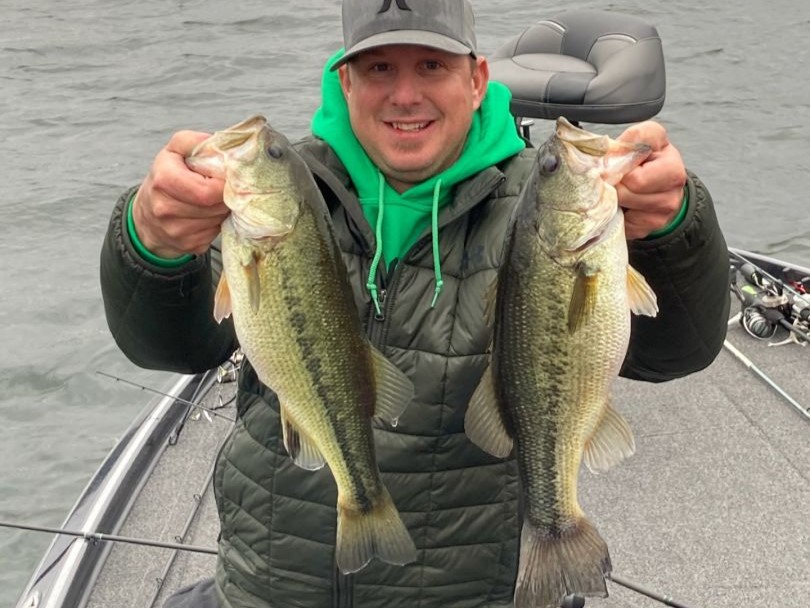
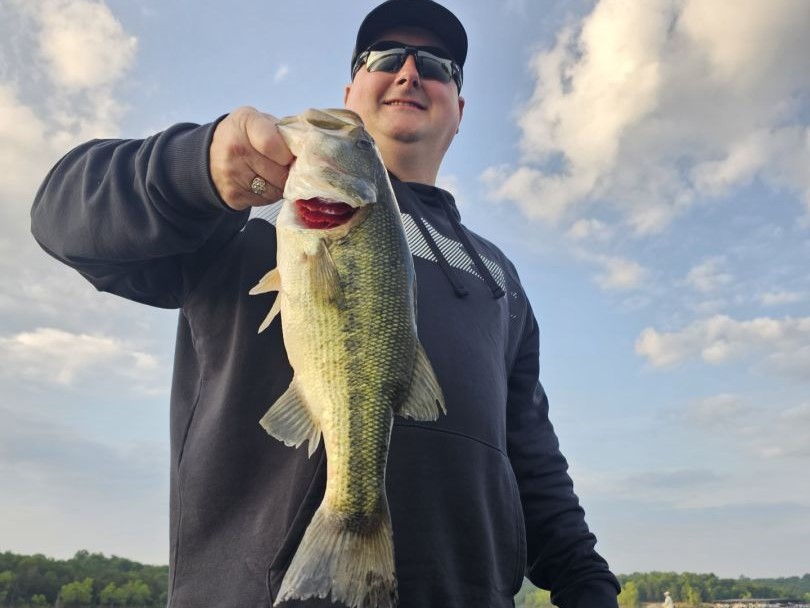
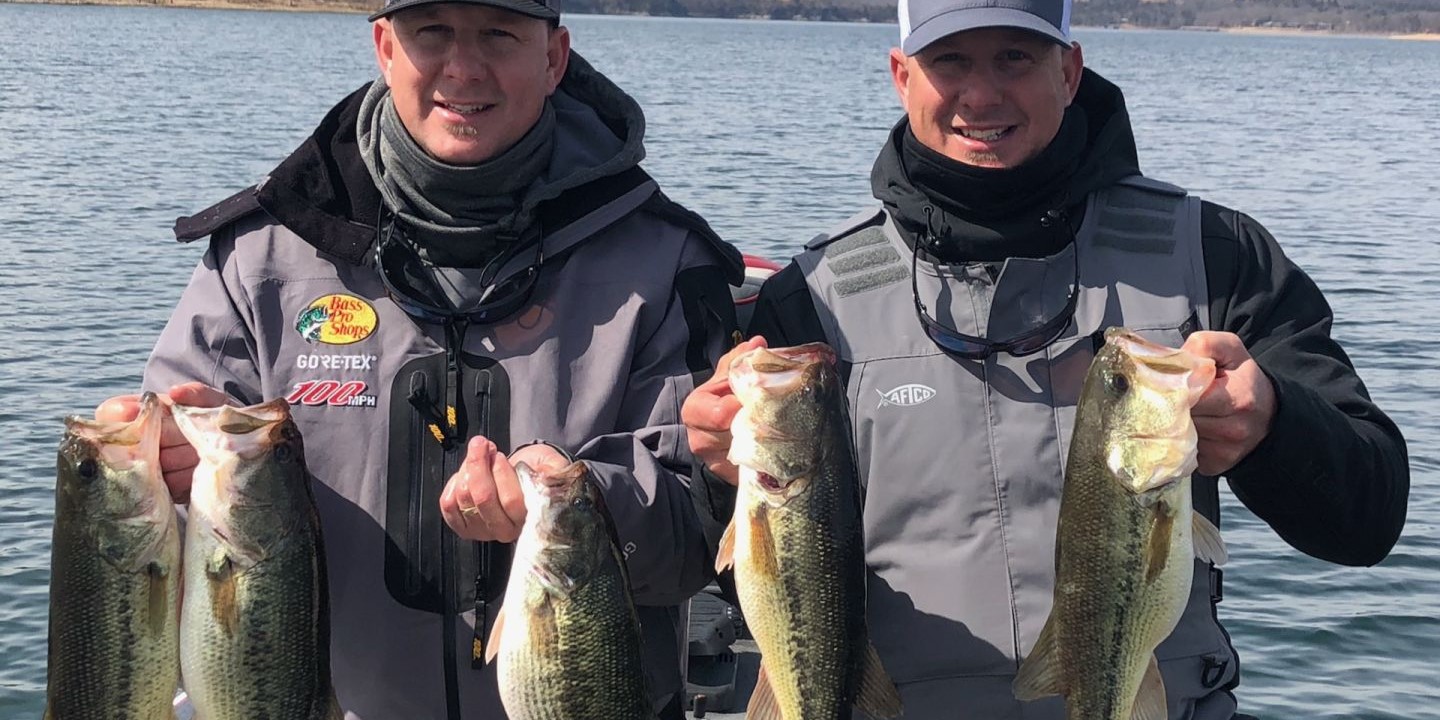
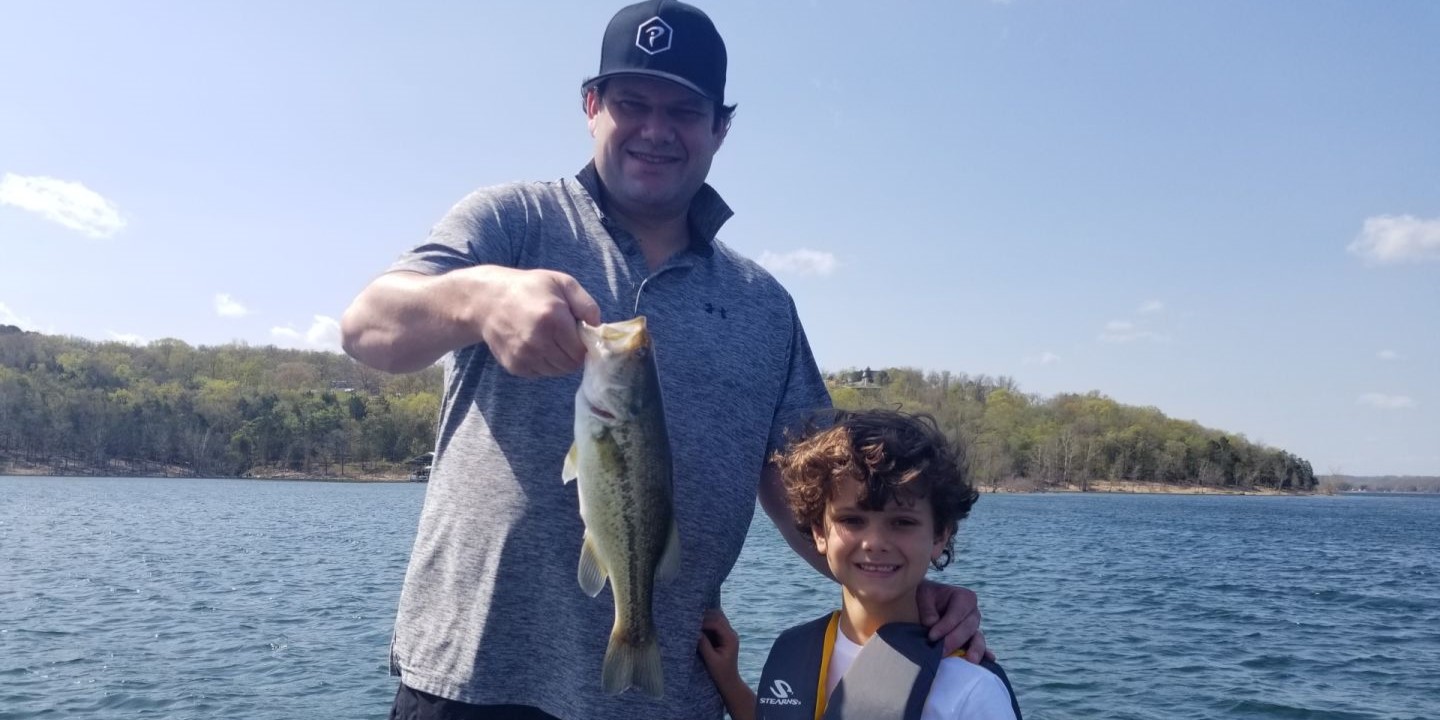
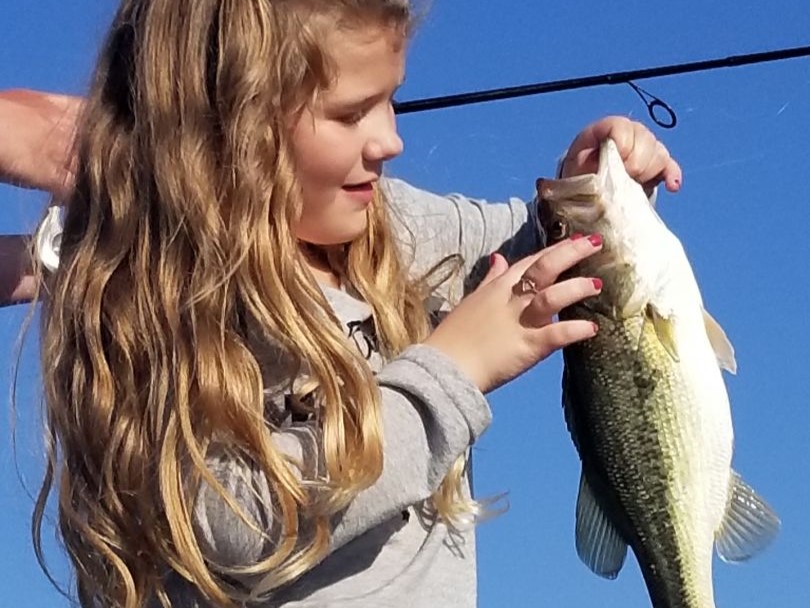
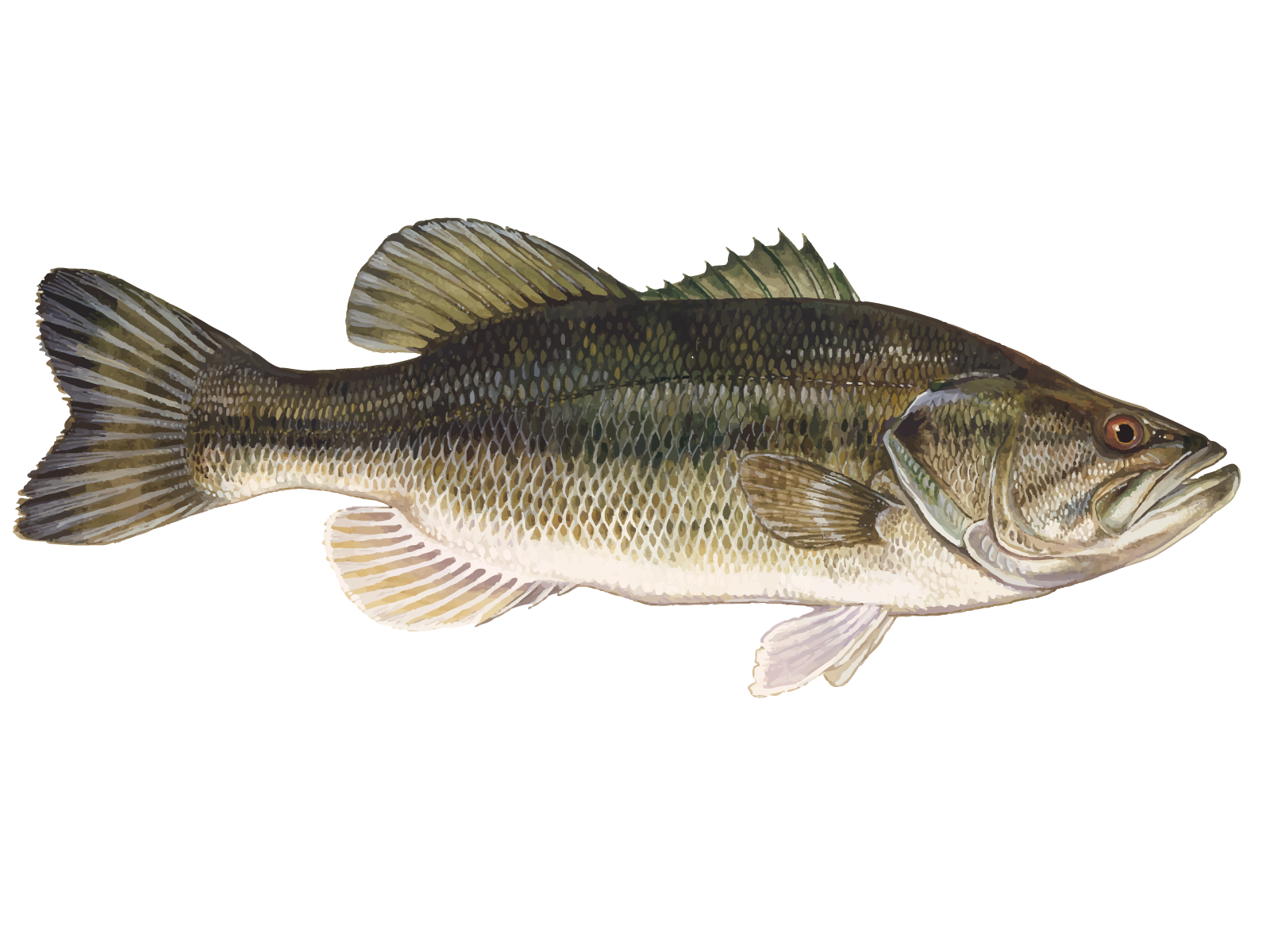
Largemouth bass are the crown jewel of Branson's waters, and these chunky fighters respond beautifully to sonar-guided techniques. Spring through fall, you'll find them relating to structure in 8-20 feet of water, and forward-facing sonar lets you watch them chase your lures in real-time. These bass average 2-4 pounds but don't be surprised when a 6-pounder crushes your bait after you've tracked it on screen. What makes targeting largemouth so exciting with sonar is seeing their aggressive behavior – you can literally watch them approach your lure, follow it, and strike.
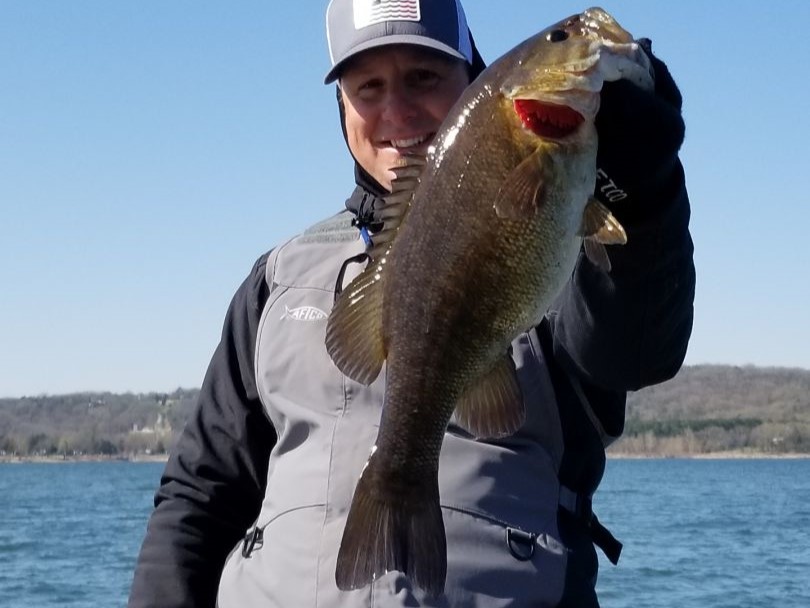
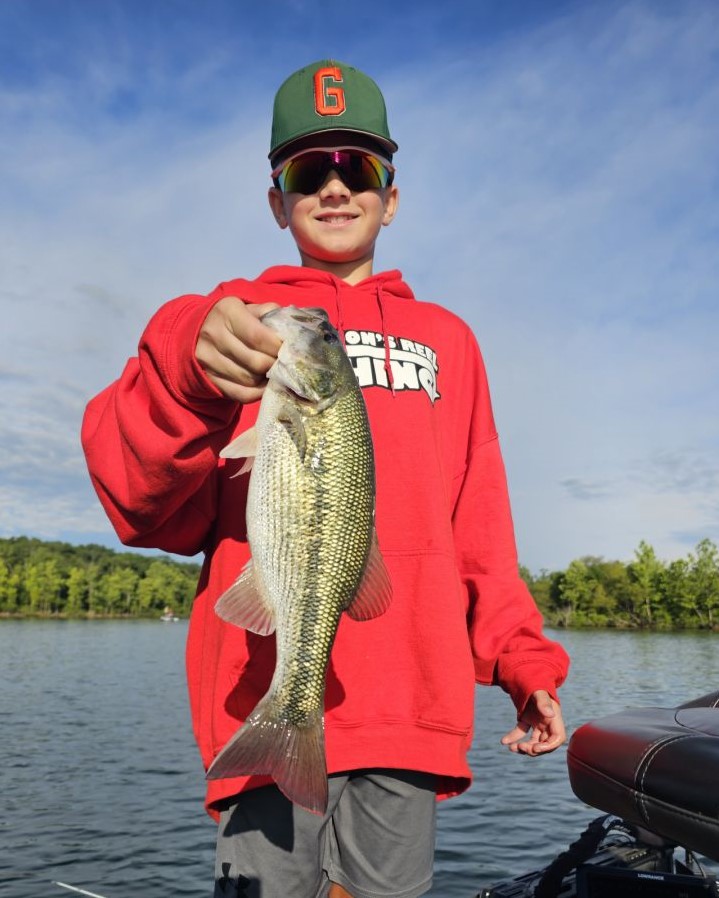
Spotted bass bring a different kind of challenge to the sonar game. These scrappy fighters love deeper water and current breaks, typically hanging in 15-30 feet around points and channel swings. They're smaller than their largemouth cousins, usually running 1-3 pounds, but they fight like fish twice their size. Spots school up more than largemouth, and side scan sonar is deadly for locating these groups. Once you mark a school, you can position your boat perfectly and drop baits right into the strike zone.
Crappie fishing with sonar is like having X-ray vision. These paper-mouthed favorites suspend at specific depths around cover, and down scan technology shows you exactly where they're holding. Spring brings the best crappie action when they move shallow to spawn, but year-round you can find them in 10-25 feet of water around brush and timber. A good day means filling the cooler with 10-14 inch slabs, and sonar helps you stay on productive schools instead of wasting time in empty water.
Walleye might not be the most common species in Branson waters, but when you connect with them using sonar, it's pure gold. These glass-eyed fighters prefer deeper water and are most active during low-light periods. They typically run 14-20 inches and provide excellent table fare. Forward-facing sonar shines for walleye because you can watch them respond to different lure speeds and actions, fine-tuning your presentation until you trigger strikes.
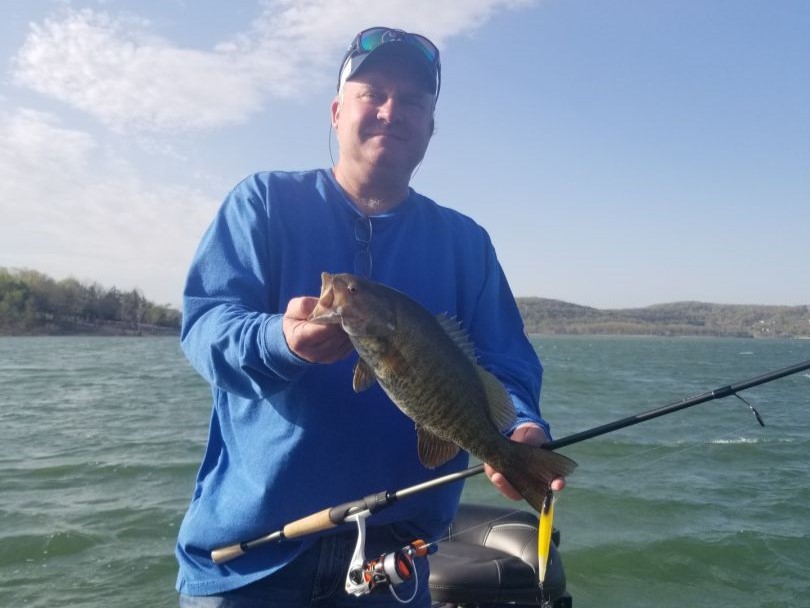
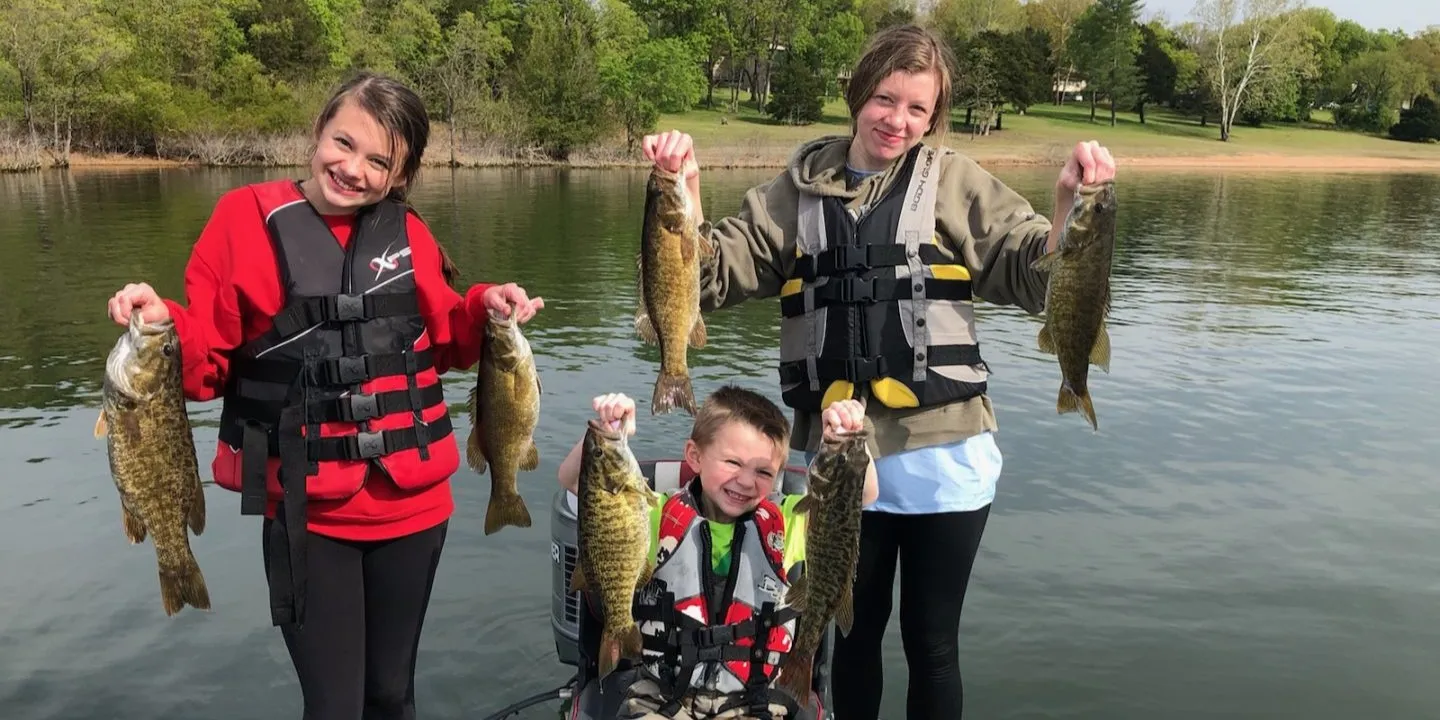
Smallmouth bass are the ultimate sonar challenge because they're so structure-oriented and spooky. These bronze-backed fighters love rock piles, points, and current areas in 10-25 feet of water. They're typically smaller than largemouth, running 1-3 pounds, but they jump like crazy and never give up easy. Using sonar to locate smallmouth schools is incredibly effective because once you find one, there are usually more in the area. The key is reading the bottom composition and identifying the subtle changes that smallmouth prefer.
Time to Book Your Spot
This 2-hour sonar learning trip fills up fast because word travels quickly among serious anglers about techniques that actually work. You're not just paying for boat time – you're investing in knowledge that will improve your fishing for years to come. The skills you'll learn apply whether you're fishing Branson's lakes, your home waters, or anywhere else you drop a line. Branson's Reel Fishing LLC has built their reputation on providing real value to customers, and this educational approach sets them apart from typical guide services. Don't spend another season wondering where the fish are hiding – book your spot now and start reading the water like a pro.
 Private Trip
 Lakes/Reservoirs/Ponds Fishing
 St. Louis


 Learn sonar equipment setup and configuration techniques for fishing