Dock Fishing Pymatuning Lake
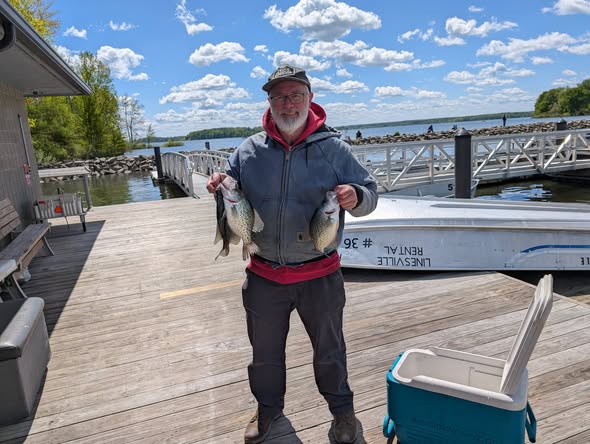
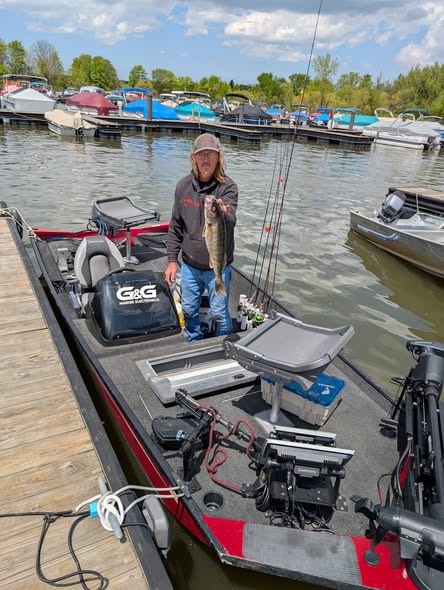
Want to dial in your cold-water fishing skills without dealing with boat launches and choppy water? This dock fishing experience at Pymatuning Lake is perfect for anglers who prefer solid footing while still getting access to prime fishing spots. Running from November through April (weather permitting), these solo trips let you focus entirely on technique and fish behavior without any distractions. You'll be working the productive waters around Jamestown and Linesville docks, where the fish stack up during the cooler months and provide some of the most consistent action on the lake.
What to Expect on the Water
This is a one-on-one fishing experience designed specifically for anglers who want to improve their game. The beauty of dock fishing here is that you get all the advantages of structure fishing without needing a boat. These docks extend into deeper water where fish naturally congregate, especially during the colder months when they're looking for consistent temperatures and easy meals. The trip runs as long as you want to stay out there – some folks are satisfied after a few hours, while others make a full day of it. We'll move between Jamestown and Linesville docks based on where the fish are most active that day. Both locations offer different structure and depths, so you're getting a complete education in reading water and adjusting your approach. The advanced electronics we bring along will show you exactly what's happening below the surface, teaching you to interpret what you're seeing on the screen and translate that into more fish in the net.
Techniques & Tackle
You'll be working with top-shelf tackle specifically chosen for Pymatuning's conditions and the species we're targeting. The electronics setup includes high-quality sonar that lets you see fish movement, bottom composition, and structure details that make all the difference in your success rate. We'll cover multiple techniques throughout the trip – vertical jigging for suspended fish, bottom bouncing for walleye hugging structure, and finesse presentations for finicky crappie and bluegill. Each technique has its place depending on conditions, time of day, and what the fish are telling us. You'll learn to read the electronics, understand how water temperature affects fish behavior, and master the subtle presentations that separate good anglers from great ones. The tackle selection includes everything from ultra-light gear for panfish to medium action setups for walleye and pike-perch. We'll match your rod, reel, and line selection to the conditions and target species, then show you how different presentations can trigger bites when standard approaches aren't working.
Species You'll Want to Hook
Bluegill are one of the most reliable species you'll encounter during these trips, and Pymatuning's population is both healthy and aggressive. These fish typically run 6-8 inches with some pushing into trophy territory over 9 inches. They school up around dock structure during cold months, making them perfect targets for vertical presentations. What makes bluegill so rewarding is their willingness to bite when you dial in the right depth and presentation – they're excellent teachers for learning to feel subtle bites and set hooks at the right moment. Peak activity usually happens during warmer parts of the day when they move up in the water column to feed.
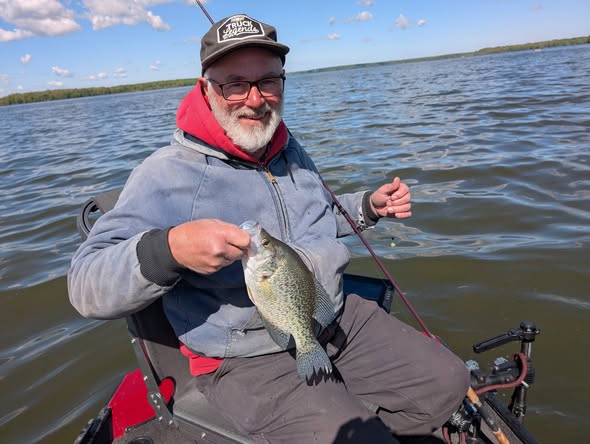
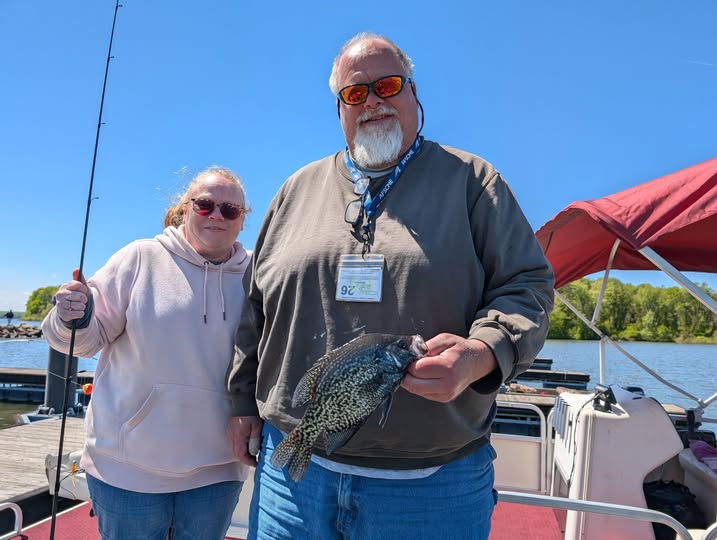
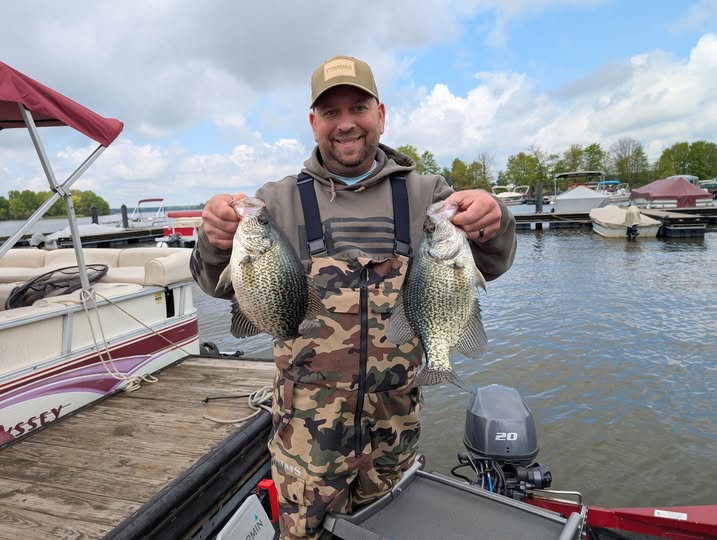
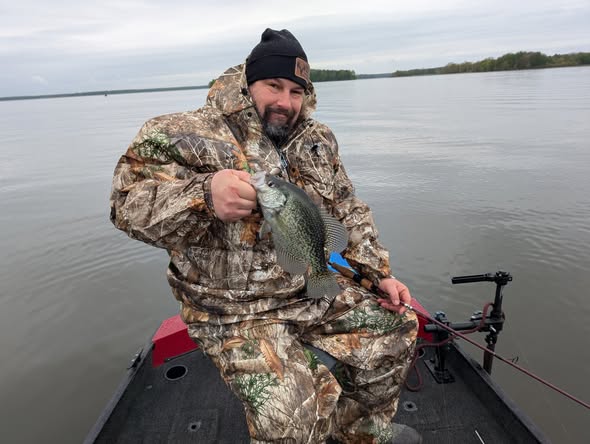
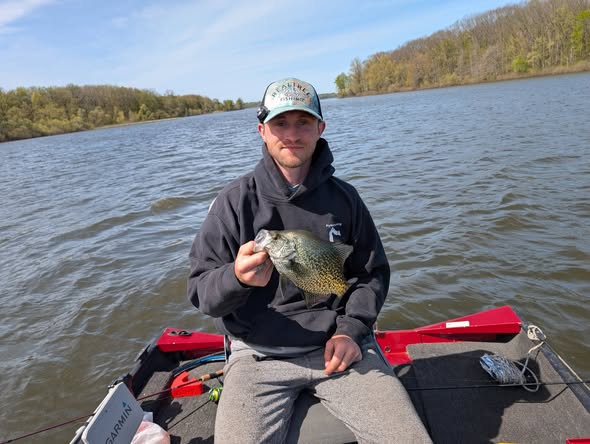
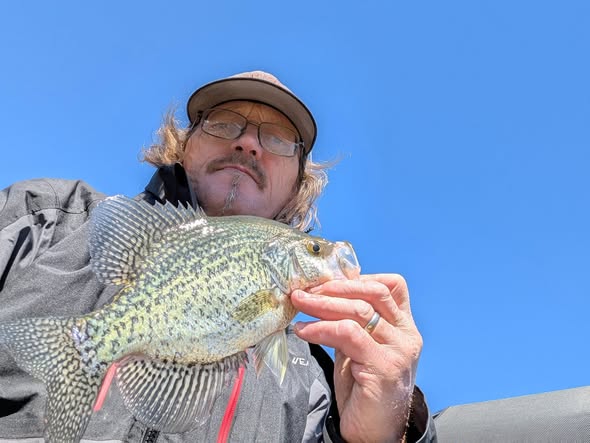
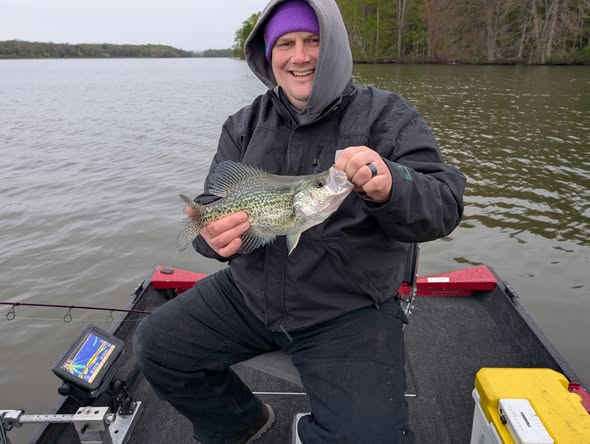
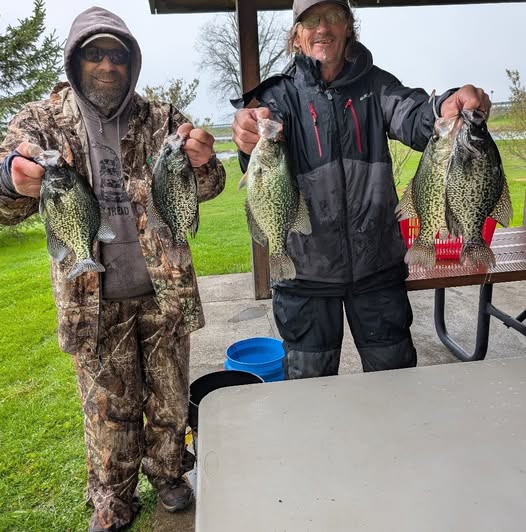
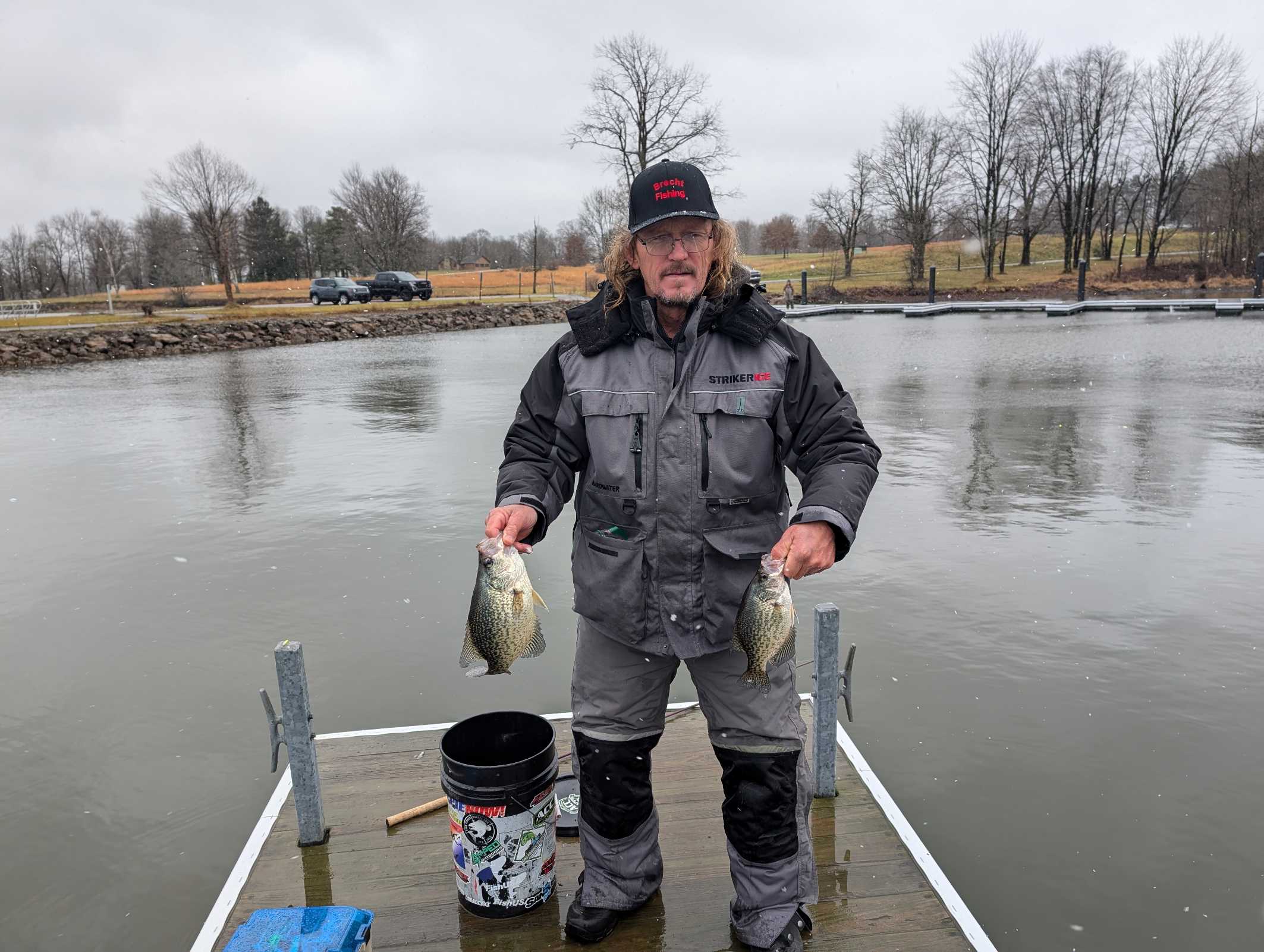
Crappie fishing at Pymatuning can be absolutely lights-out when you find the schools. These fish suspend at various depths around structure, and the electronics are crucial for locating them. Pymatuning crappie average 10-12 inches with plenty of slabs over 13 inches mixed in. They're notorious for soft bites, so learning to detect their subtle takes is a skill that'll pay off on every future trip. During the season, they'll often school in large numbers, meaning when you find one, you've typically found many. The key is staying mobile and adjusting your depth until you connect with active fish.
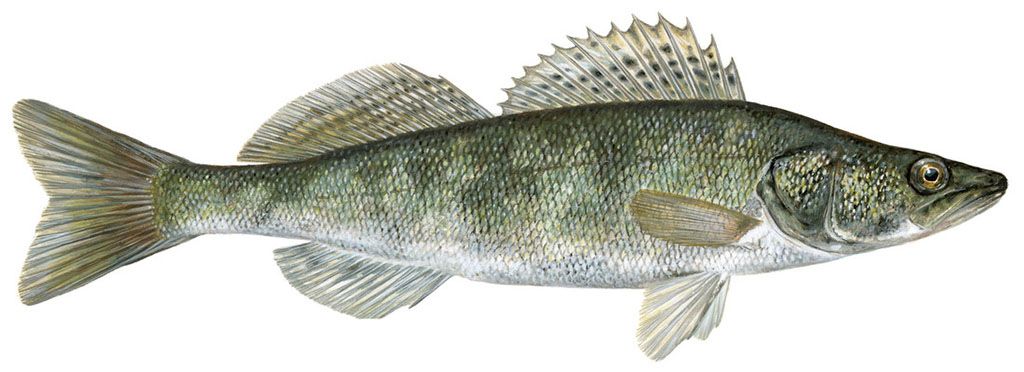
Walleye are the prize catch that keeps anglers coming back to Pymatuning. The lake produces fish in the 14-18 inch range consistently, with larger fish always a possibility. These fish are structure-oriented during cold months, relating closely to dock pilings and bottom changes. They're excellent for learning proper jigging techniques since they often require a more aggressive presentation than panfish. Walleye also teach you about timing – they often bite best during low-light periods or when weather fronts move through. Learning to catch walleye consistently makes you a more complete angler since they demand precise presentations and good fish-fighting skills.
Pike-perch add an element of excitement since they can show up when you're targeting other species. These fish are aggressive predators that hit hard and fight well for their size. They're less predictable than the other species, which makes them perfect for learning to adapt your techniques on the fly. When pike-perch are active, they'll often outcompete other species for your offerings, leading to fast action and good lessons in handling multiple species during a single trip.
Time to Book Your Spot
The November through April season offers some of the best learning conditions you'll find anywhere. Fish behavior is more predictable during cold months, making it easier to understand cause and effect in your presentations. The one-on-one format means you get personalized instruction tailored to your skill level and interests. Whether you're looking to improve your electronics skills, learn new techniques, or just enjoy consistent action from the dock, this trip delivers. The flexible timing means you can fish as long as you want, making it perfect for both quick sessions and marathon fishing days. Book your spot now and get ready to take your cold-water fishing skills to the next level.
 Private Trip
 Inshore Fishing
 Foxburg, PA


 Solo dock fishing trips at Pymatuning Lake with advanced electronics