Extended Half-day Murrells Inlet Inshore Charter
When you want to really dial in on the best fishing Murrells Inlet has to offer, this 6-hour inshore charter with Capt Cush Calmwater Charters gives you the time to do it right. We're talking about fishing both sides of the tide change – that's when the magic happens and these coastal waters come alive. With only 3 anglers max, you get personalized attention and plenty of elbow room to work your techniques. This top-rated charter targets the cream of the crop: redfish, trout, flounder, and black drum in some of South Carolina's most productive inshore waters.
What to Expect on the Water
Six hours on Murrells Inlet's inshore waters means we can adapt our game plan as conditions change throughout the day. Captain Cush knows these marshes, oyster bars, and grass flats like the back of his hand, and he'll position you where the fish are feeding. Early morning might find us working the creek mouths as the tide pushes baitfish out, then we'll shift to deeper holes during slack water, and finish strong on the flats as the tide floods back in. The extended time frame is a customer favorite because it lets us chase different species as they become active. When the trout bite slows down, we might switch over to targeting drum around structure, or slide into shallow water to sight-cast redfish. You're not locked into one technique or one spot – we fish smart and move with the conditions.
Techniques & Tackle
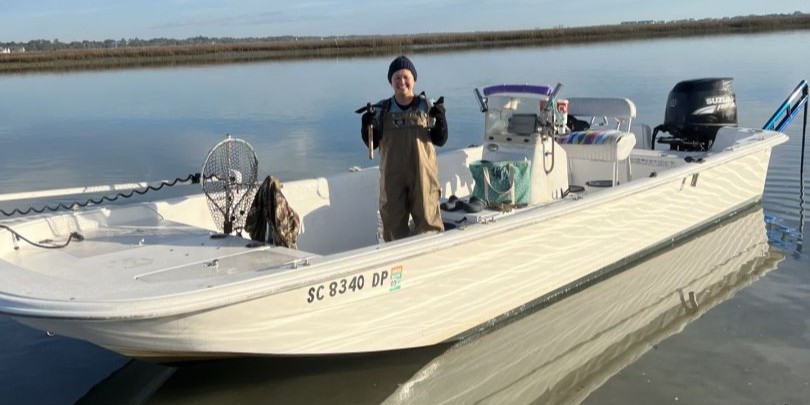
This charter covers all the bases when it comes to inshore techniques. We'll be throwing live shrimp under popping corks for trout, bouncing jigs and soft plastics along oyster bars for redfish, and working mud minnows slow and steady for flounder. Captain Cush provides all the gear you need, from medium-action spinning rods perfect for these species to a selection of proven lures and fresh bait. The boat is rigged with a trolling motor for stealthy approaches in skinny water, plus fish finders to locate structure and bait schools in deeper areas. When we're sight-fishing, you'll get coached on presentation and timing. In murky water, we'll rely on feel and technique to put fish in the boat. The beauty of six hours is having time to master different methods instead of rushing from spot to spot.
Species You'll Want to Hook
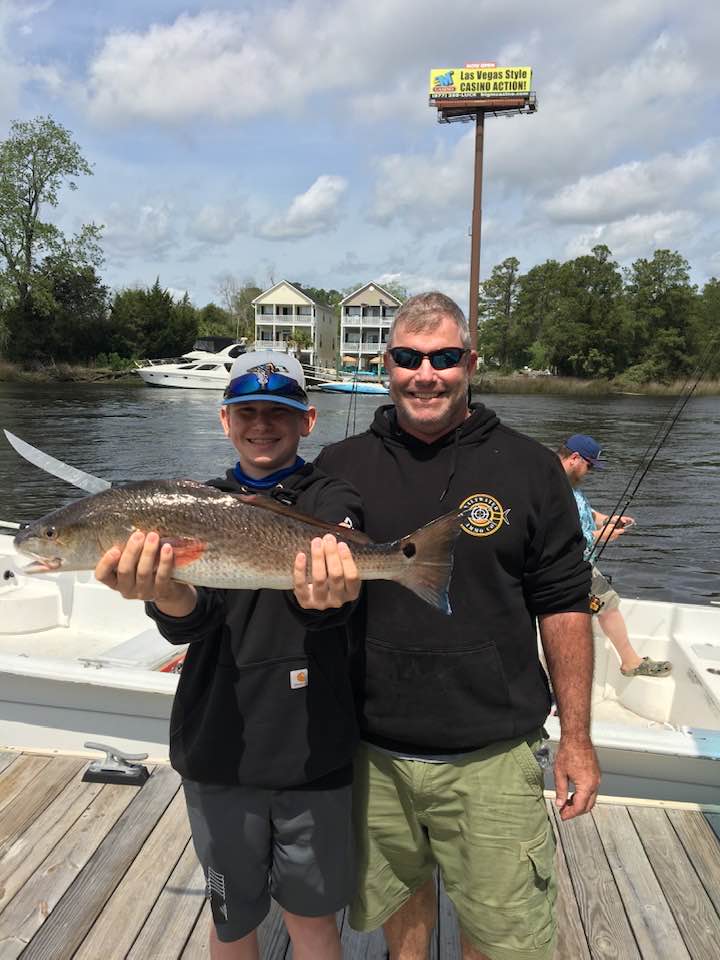
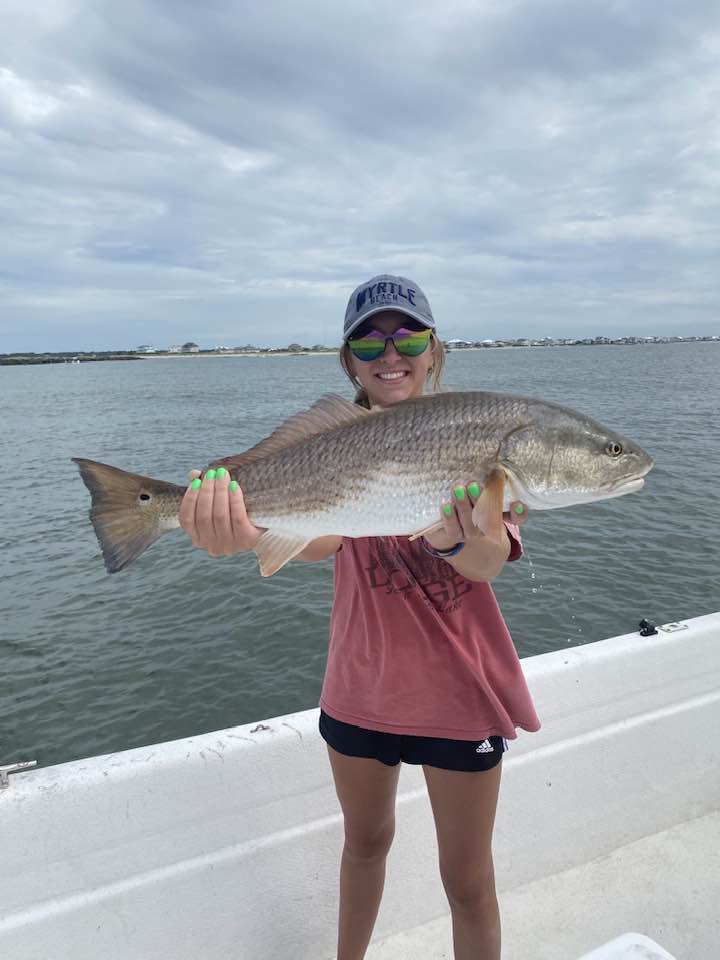
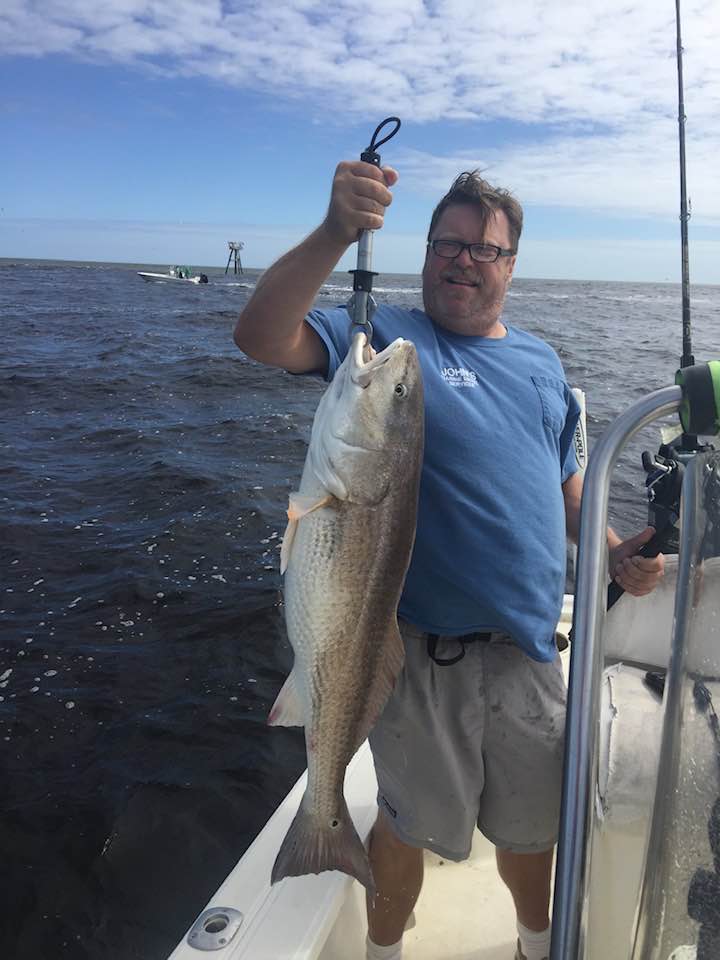
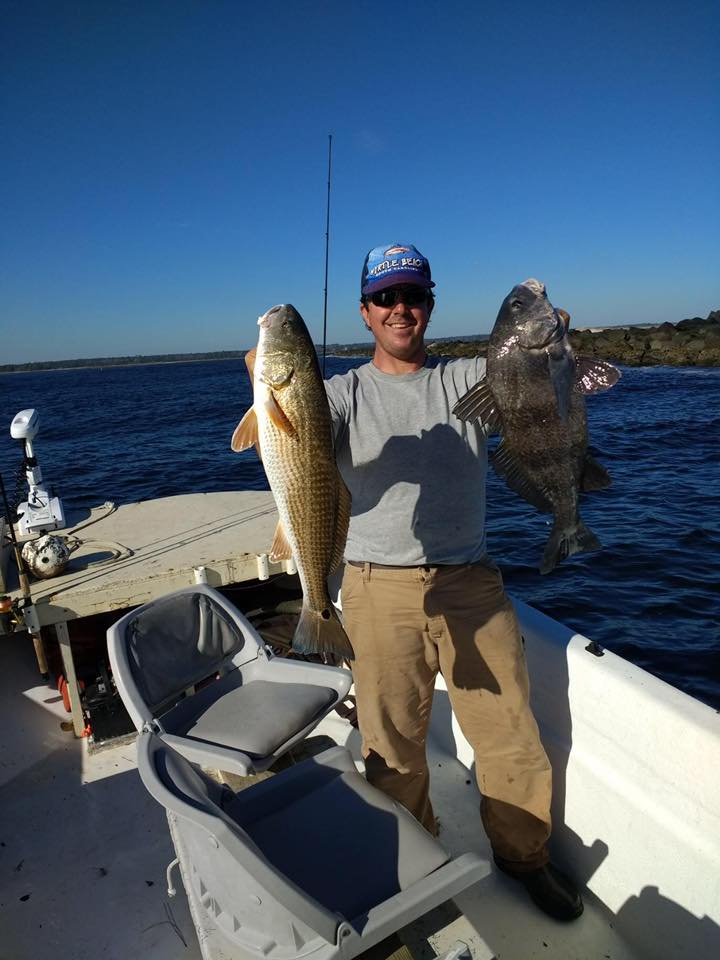
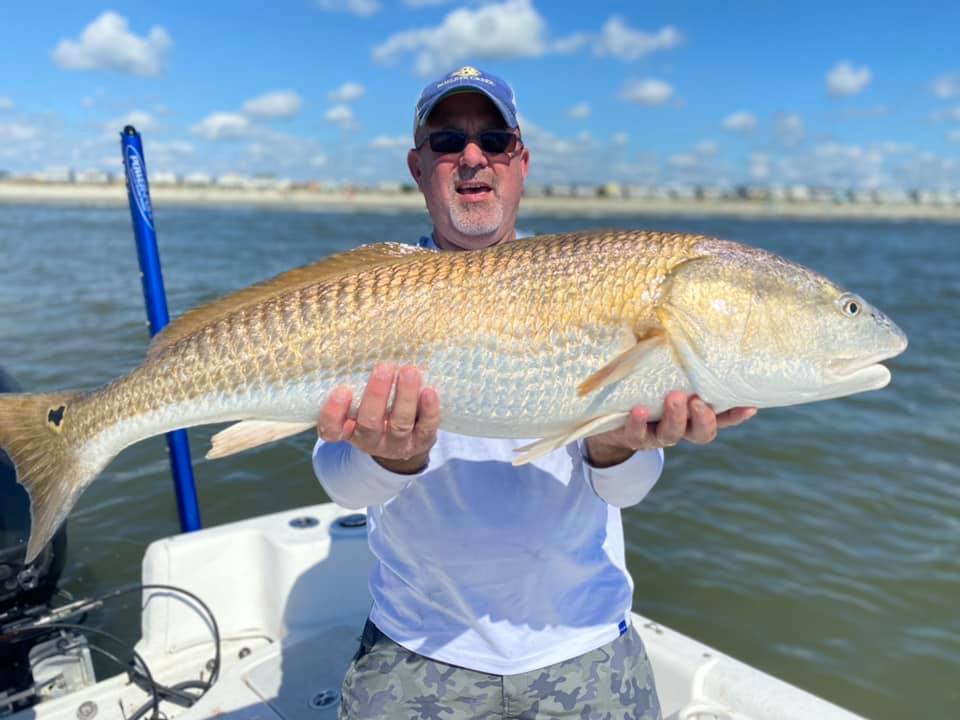
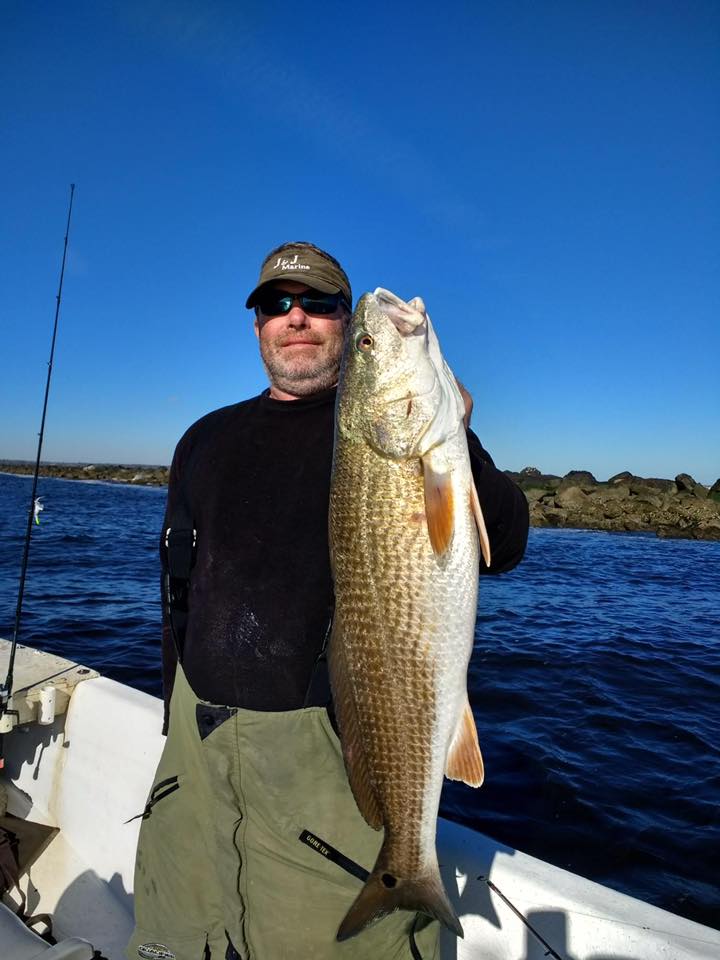
Redfish are the bread and butter of Murrells Inlet inshore fishing, and for good reason. These copper-colored bruisers average 20-30 inches and fight like they're twice that size. Spring through fall, they cruise the grass flats and oyster bars in schools, feeding aggressively on shrimp, crabs, and small fish. What makes reds so exciting is their willingness to eat and their bulldogging runs that test your drag. You'll find them tailing in shallow water during high tide and ganged up around structure when the water drops.
Spotted seatrout are the technical challenge that keeps anglers coming back. These fish are moody – they can be aggressive one minute and lockjawed the next. Peak season runs from April through October, with the best action on moving tides around grass beds and drop-offs. Trout have excellent eyesight and can be leader-shy, so we use light tackle and natural presentations. When you hook into a gator trout pushing 5-6 pounds, you'll understand why they're considered the ultimate inshore gamefish.
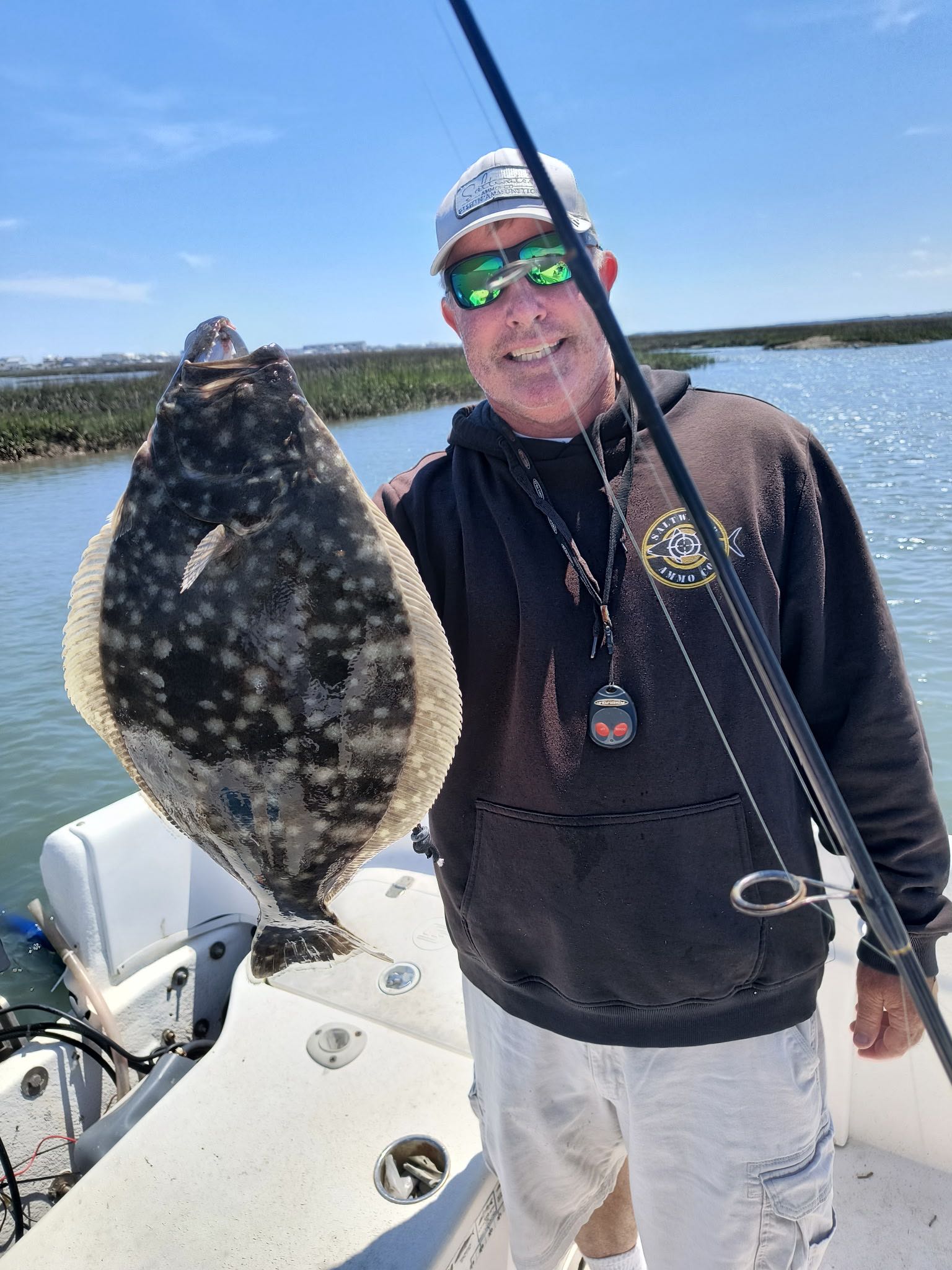
Flounder are the masters of camouflage and ambush, lying buried in sand near creek mouths, channel edges, and around bridge pilings. These flatfish can be tough to pattern, but once you dial in their location, you can have banner days. Summer and early fall produce the best action, with fish ranging from keeper-sized 15-inchers up to doormat flounder over 20 inches. They strike with authority but fight more like a wet towel – until they see the boat, then they turn sideways and use that flat profile to their advantage.
Black drum are the heavyweights of the inshore lineup, with fish commonly reaching 30-40 pounds in these waters. They're bottom feeders with a serious appetite for crabs, oysters, and shrimp, making oyster bars prime real estate. Drum fishing requires patience and strong tackle – these fish don't run fast, but they pull hard and steady. The best bite typically happens during cooler months, though smaller "puppy drum" are available year-round and provide excellent action on lighter gear.
Blacktip sharks add some serious excitement to the mix, especially during their summer migration. These acrobatic fighters frequently leap completely out of the water and make blistering runs that scream drag. Spanish mackerel show up in schools and provide fast action when they're around, perfect for kids or anyone who likes steady bites. Bluefish are aggressive predators that hit hard and fight dirty, while black sea bass offer excellent bottom fishing around structure and provide some of the best table fare you'll find.
Time to Book Your Spot
This extended half-day format gives you the best shot at experiencing everything Murrells Inlet inshore fishing has to offer. Six hours means we can chase active fish, adjust to conditions, and put you on multiple species instead of hoping for a quick bite. Captain Cush's local knowledge and personalized approach, combined with the productive waters around Murrells Inlet, make this a world-class fishing opportunity. Whether you're looking to land your first redfish or add some variety to your inshore experience, this charter delivers the time and expertise to make it happen. Book your 6-hour adventure today and see why anglers keep coming back to these renowned South Carolina waters.
 Private Trip
 Inshore Fishing
 Murrells Inlet, SC


 Six-hour charter targets redfish, trout, flounder, and black drum