Port Charlotte Backcountry Fishing Adventure
Looking for a top-rated fishing experience that puts you right in the heart of Southwest Florida's best backcountry waters? Captain Scotty Roe knows these flats like the back of his hand, and this 4-hour charter is your ticket to some seriously productive fishing. We're talking shallow water grass flats, mangrove-lined creeks, and the kind of structure that holds fish year-round. Whether you're bringing the kids for their first redfish or you're a seasoned angler chasing that slot snook, this trip delivers the goods. The Charlotte Harbor system, Peace River, and Myakka River create this amazing network of productive water that most folks never get to see. Pack light, bring your camera, and get ready to see why backcountry fishing is absolutely addictive.
What to Expect on the Water
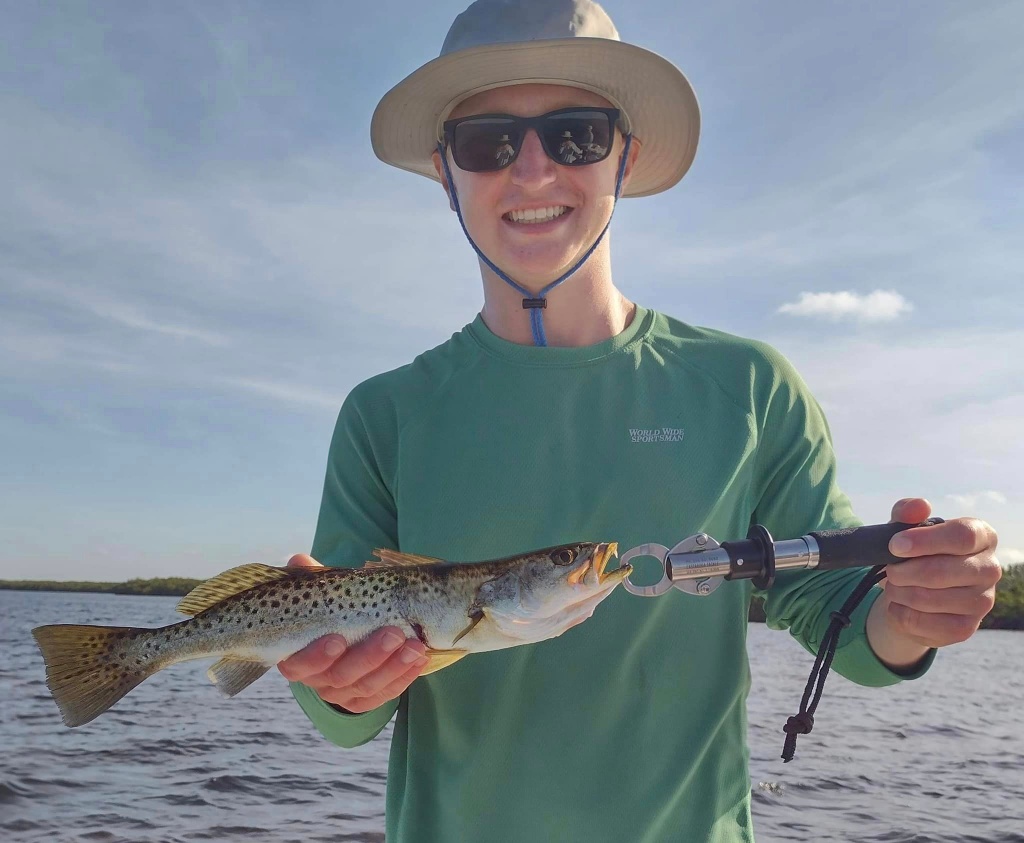
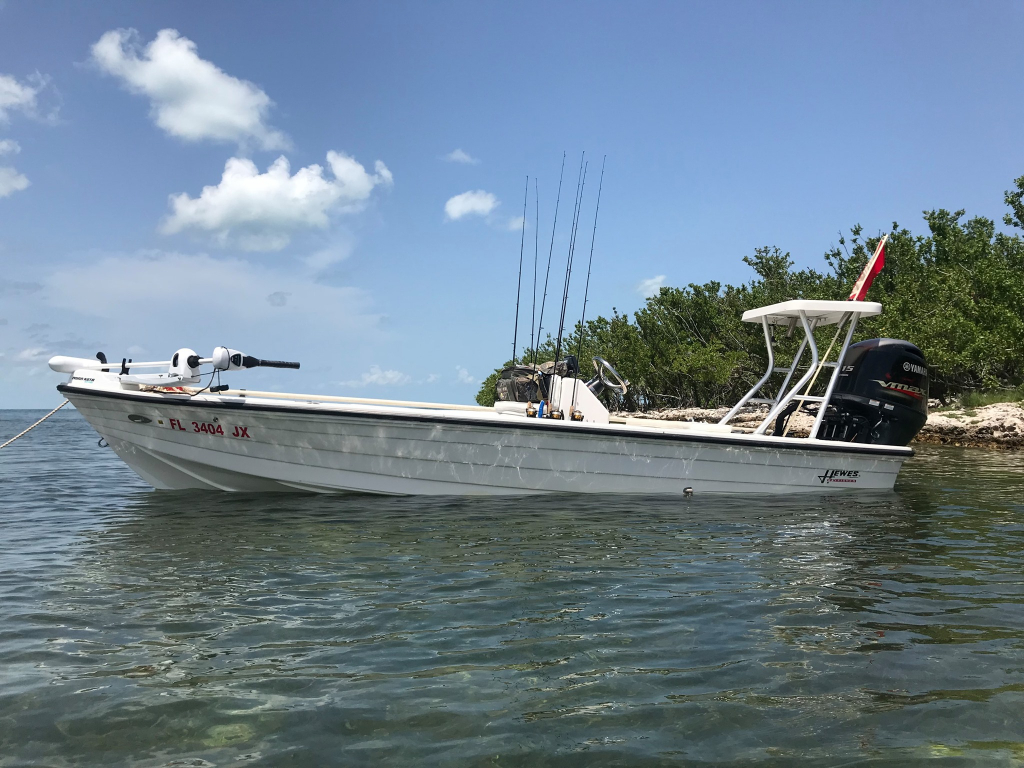
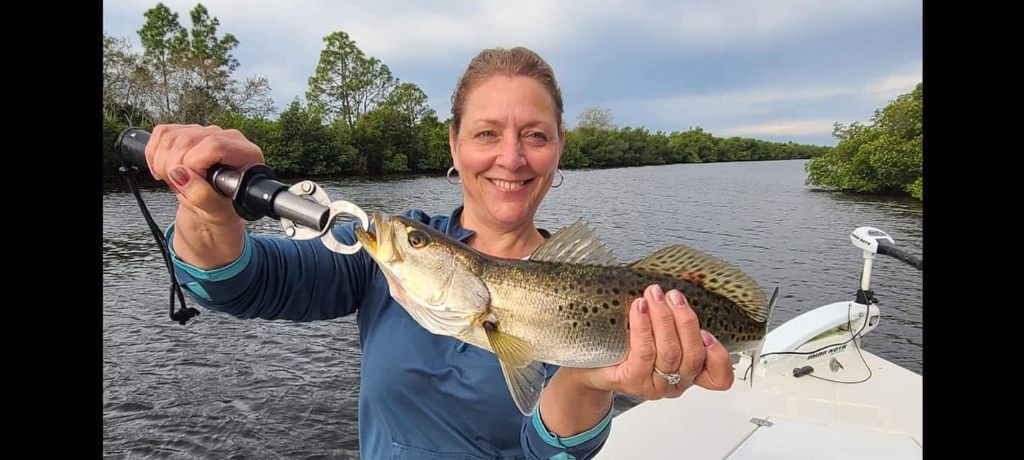
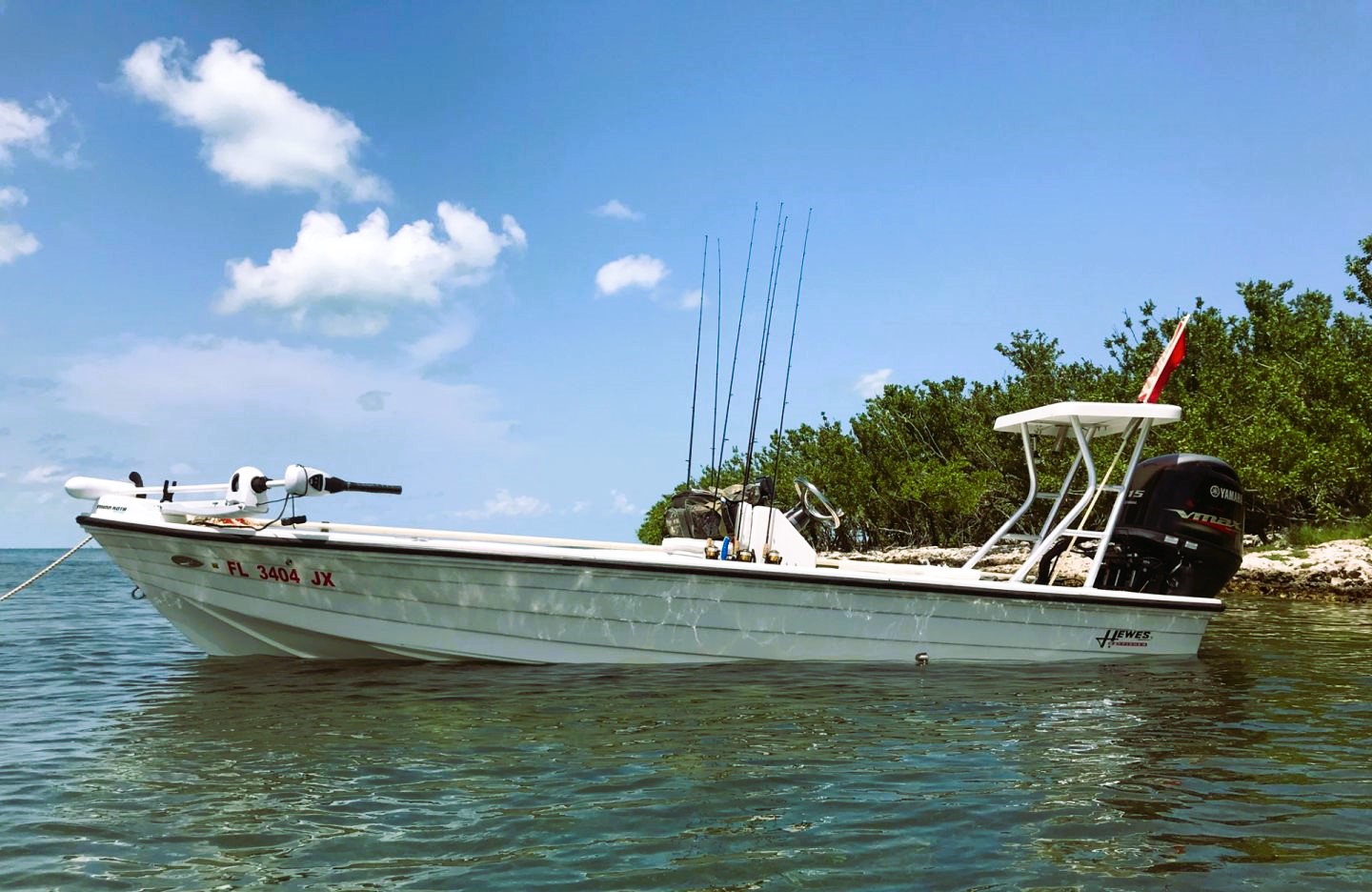
This isn't your typical deep-sea charter where you're fighting seasickness and hoping the fish cooperate. Backcountry fishing is all about strategy, stealth, and working the structure. Captain Scotty runs a maximum of three anglers, so you're not elbow-to-elbow with a crowd. The shallow draft boat lets us slip into places the big boats can't touch – we're talking water so shallow you can see the grass swaying underneath us. You'll be sight fishing a lot of the time, which means actually seeing the fish before you cast. There's nothing quite like watching a 25-inch redfish cruise the flat and dropping your bait right in front of him. The mangrove islands provide endless pockets to explore, and each tide brings new opportunities. Don't worry about experience level – Captain Scotty works with everyone from first-timers to tournament anglers, and he's got the patience to help you land your personal best.
Techniques & Tackle Setup
Backcountry fishing is all about finesse and reading the water. We're using medium-action spinning rigs most of the time, spooled with 15-20 pound braid for the sensitivity you need in shallow water. Live bait is king out here – pilchards, pinfish, and shrimp are the go-to options depending on what we're targeting and what's available at the bait shop that morning. Artificial lures have their place too, especially soft plastics and topwater plugs during the early morning bite. The key is staying quiet and making accurate casts to specific structure. We're poling and using the trolling motor to position the boat, not running and gunning like offshore fishing. You'll learn to read the grass beds, identify productive drop-offs, and understand how the tide affects fish movement. Captain Scotty provides all the tackle, but if you've got a favorite rod or lucky lure, bring it along. The water clarity in these backcountry spots means lighter leaders and more natural presentations – it's technical fishing that rewards attention to detail.
Top Catches This Season
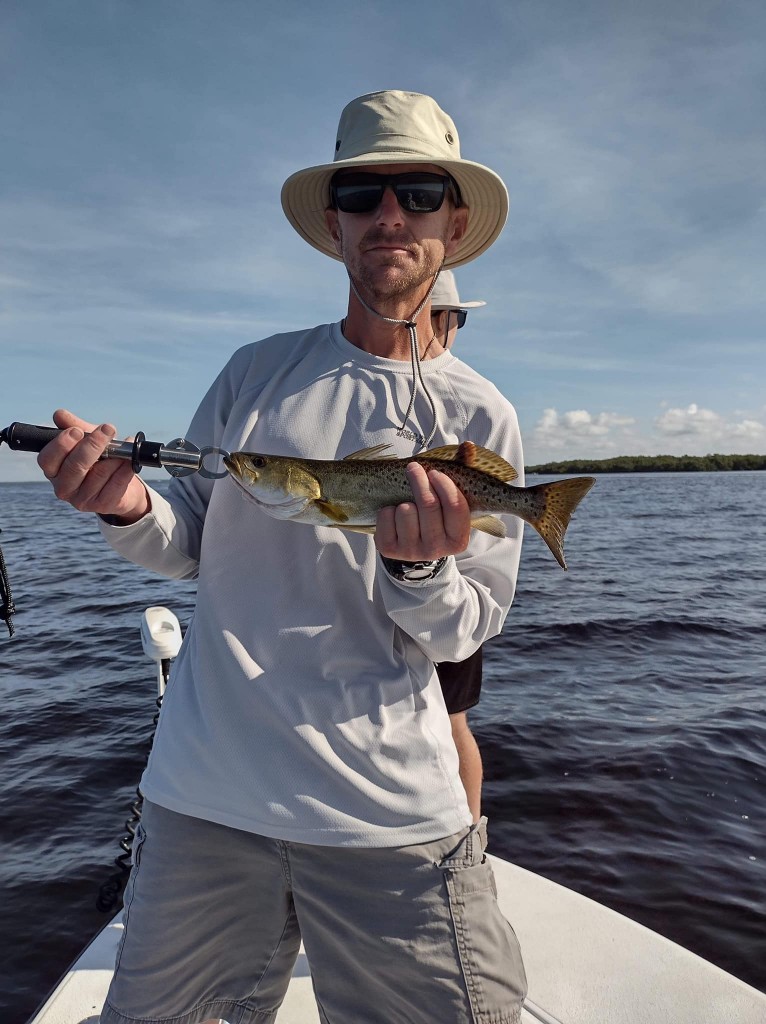
The variety of species in Charlotte Harbor's backcountry is what keeps anglers coming back trip after trip. Southern flounder are masters of camouflage, lying perfectly flat on sandy bottoms near creek mouths and grass bed edges. These flatfish typically run 14-18 inches and provide excellent table fare. They're most active during moving water, particularly on outgoing tides when baitfish get flushed out of the shallows. What makes flounder fishing exciting is the surprise factor – you never know when that seemingly empty patch of bottom suddenly comes alive with a solid hookup. The key is dragging baits slowly along the bottom and feeling for that distinctive tap-tap-tap bite.
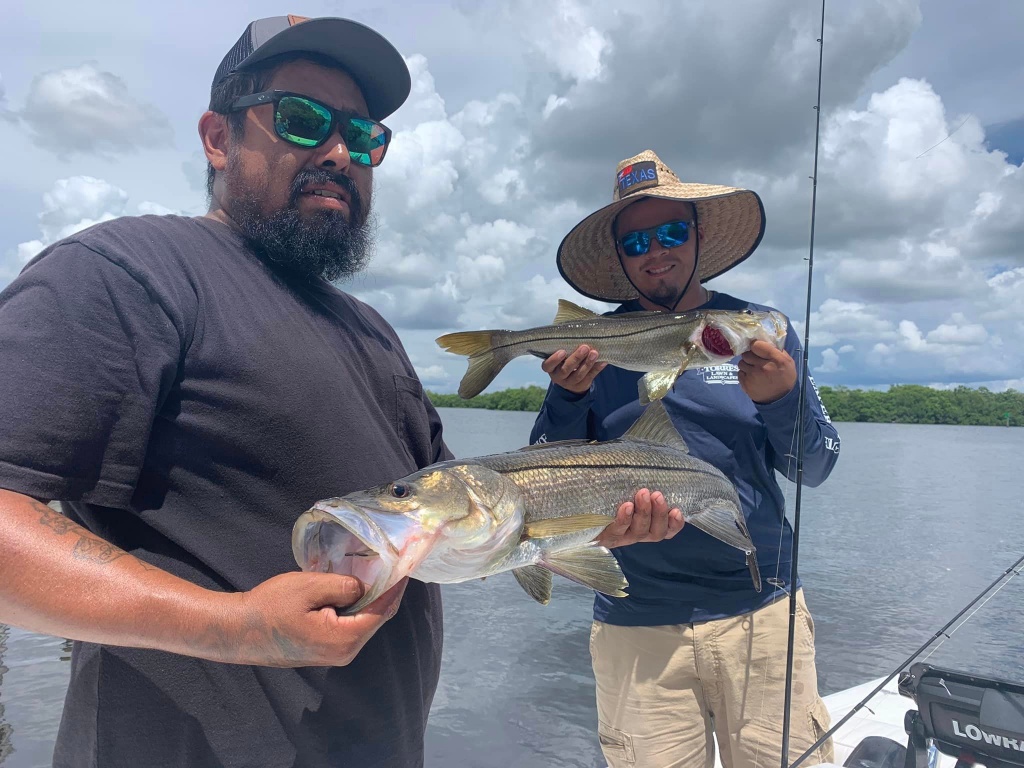
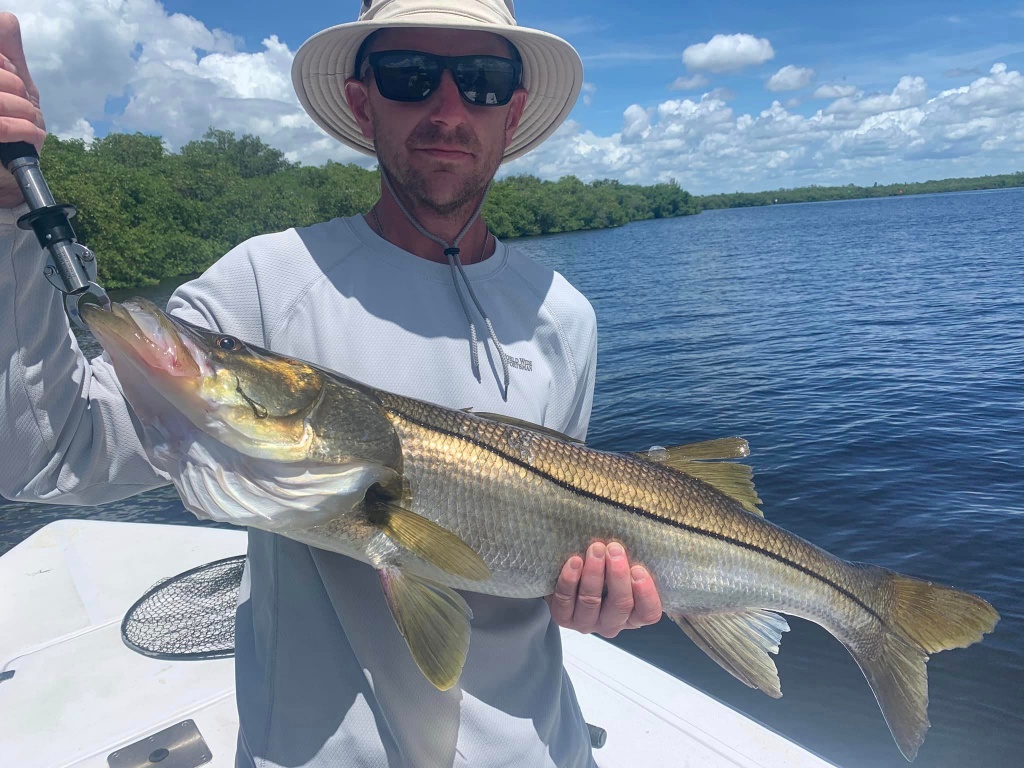
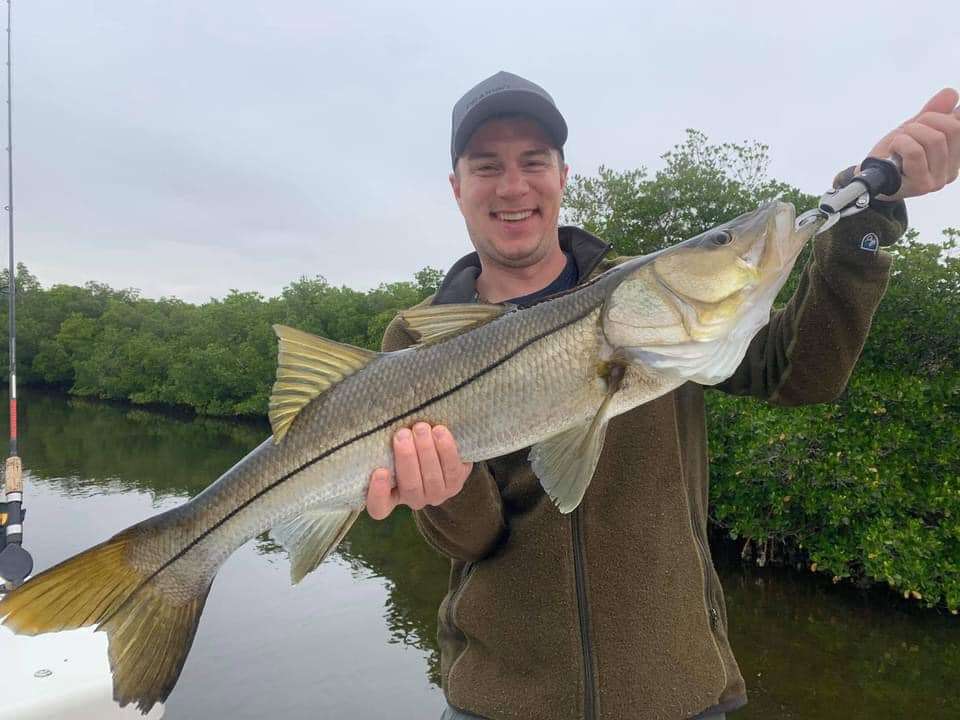
Snook are the crown jewel of backcountry fishing, and the mangrove shorelines around Charlotte Harbor hold some beautiful fish. These ambush predators love structure – dock pilings, mangrove roots, creek bends, and oyster bars. They're extremely temperature sensitive, so timing matters. Summer months see them schooled up around passes and deeper water, while cooler months find them tucked back in the creeks. A good snook will make multiple runs, using their razor-sharp gill plates to try cutting your line. Landing a slot-sized snook in skinny water with mangroves all around tests your fish-fighting skills like nothing else. They're catch-and-release only during certain seasons, but the fight alone makes them worth targeting.
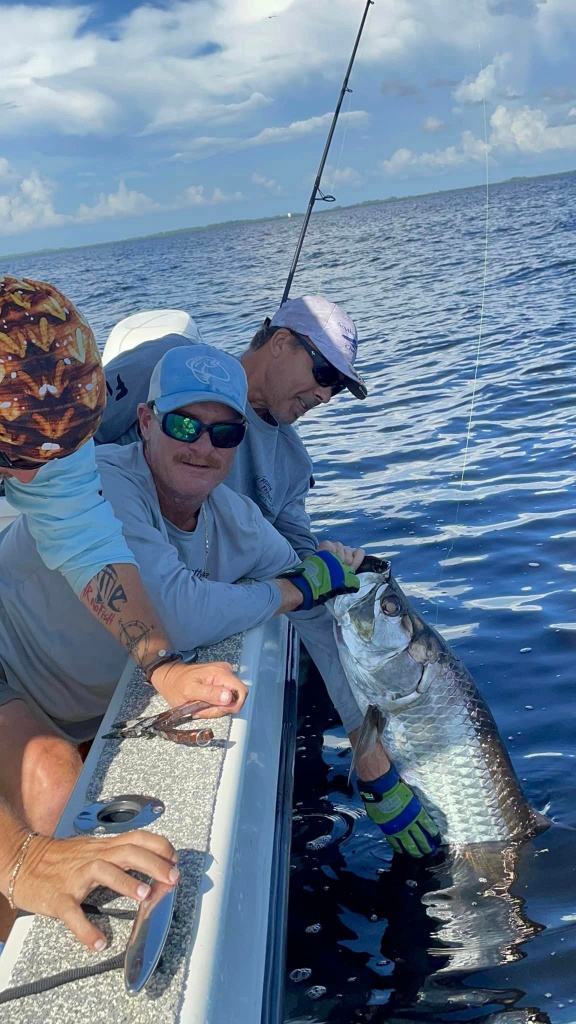
Tarpon in the backcountry aren't the 100-pound giants you'll find offshore, but these juvenile fish pack serious attitude. Most backcountry tarpon run 20-40 pounds and they'll jump, tail-walk, and generally put on a show that'll have you shaking with adrenaline. They roll on the surface regularly, giving away their location to observant anglers. Live pilchards freelined near rolling fish is deadly effective. The Peace River and Myakka River systems see good numbers of these fish, especially during warmer months. Even a small tarpon will test your drag and your patience – they're notorious for throwing hooks with their acrobatic jumps.
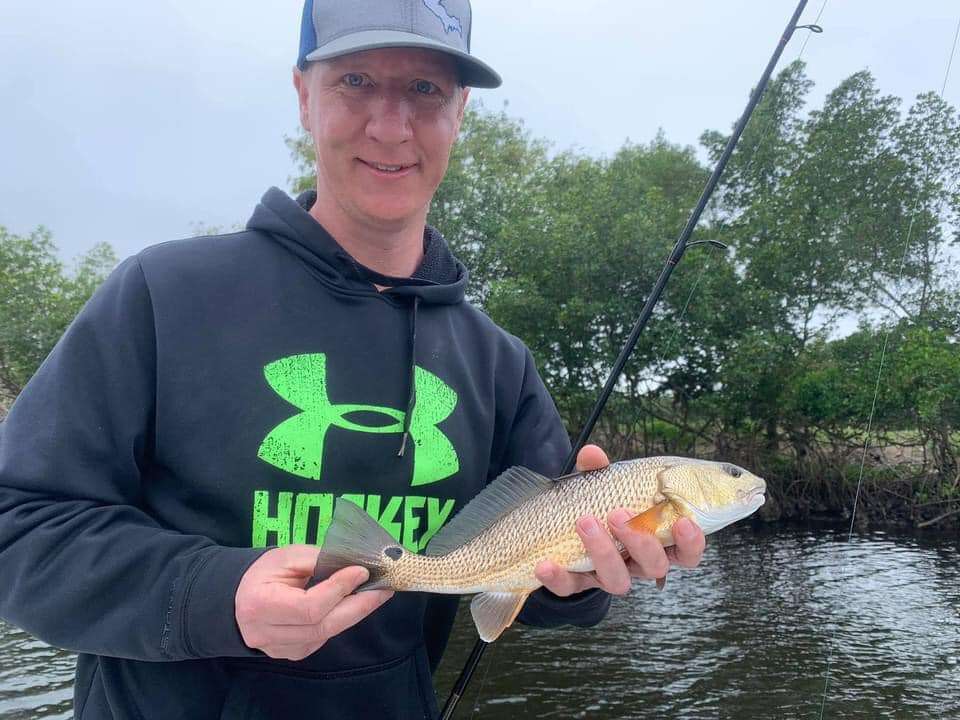
Redfish are probably the most reliable target in Southwest Florida's backcountry, and Charlotte Harbor produces some real trophies. These copper-colored bulldogs cruise the grass flats in small schools, tailing in super shallow water as they root around for crabs and shrimp. Bull reds over 27 inches are catch-and-release only, but they'll bend your rod double and make drag-screaming runs that seem to last forever. Slot-sized fish (18-27 inches) are world-class table fare and perfect for a family fish fry. Redfish aren't particularly spooky compared to snook, making them great targets for newer anglers still working on their casting accuracy.
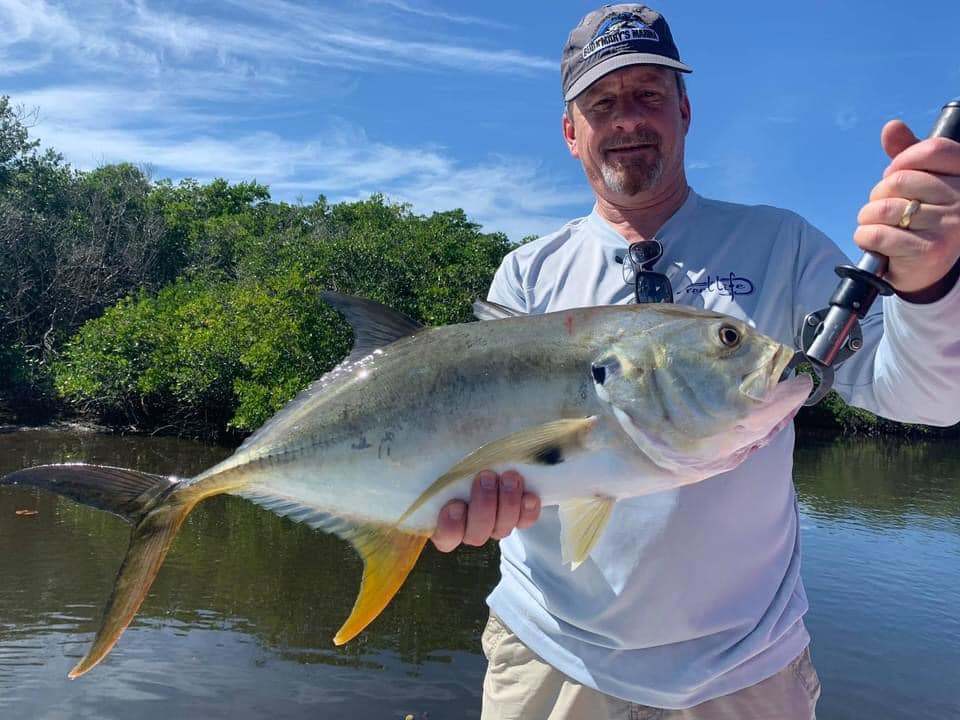
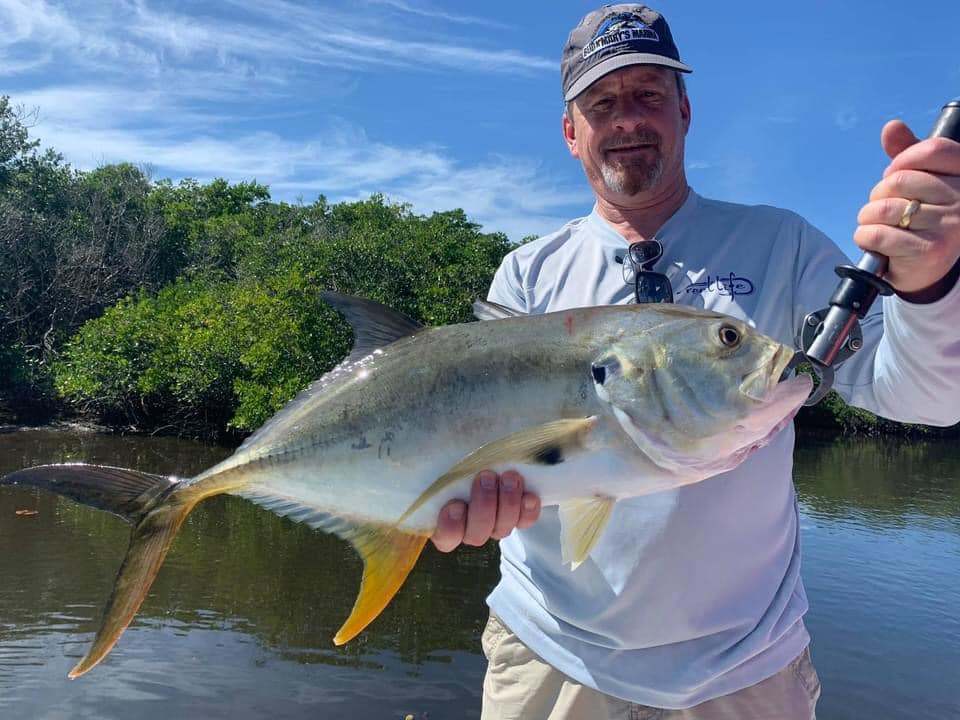
Crevalle jack might not win any beauty contests, but they're absolute warriors on light tackle. These yellow-sided bruisers travel in schools and when you find them, it's game on. They hit hard, fight harder, and never give up until they're in the boat. Jack c
 Private Trip
 Backcountry Fishing
 Port Charlotte, FL


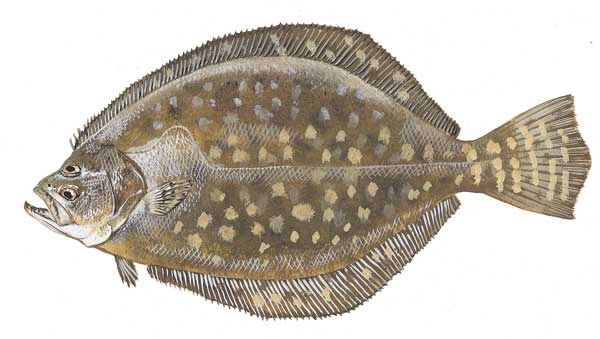

 Backcountry fishing in shallow grass flats and mangrove islands