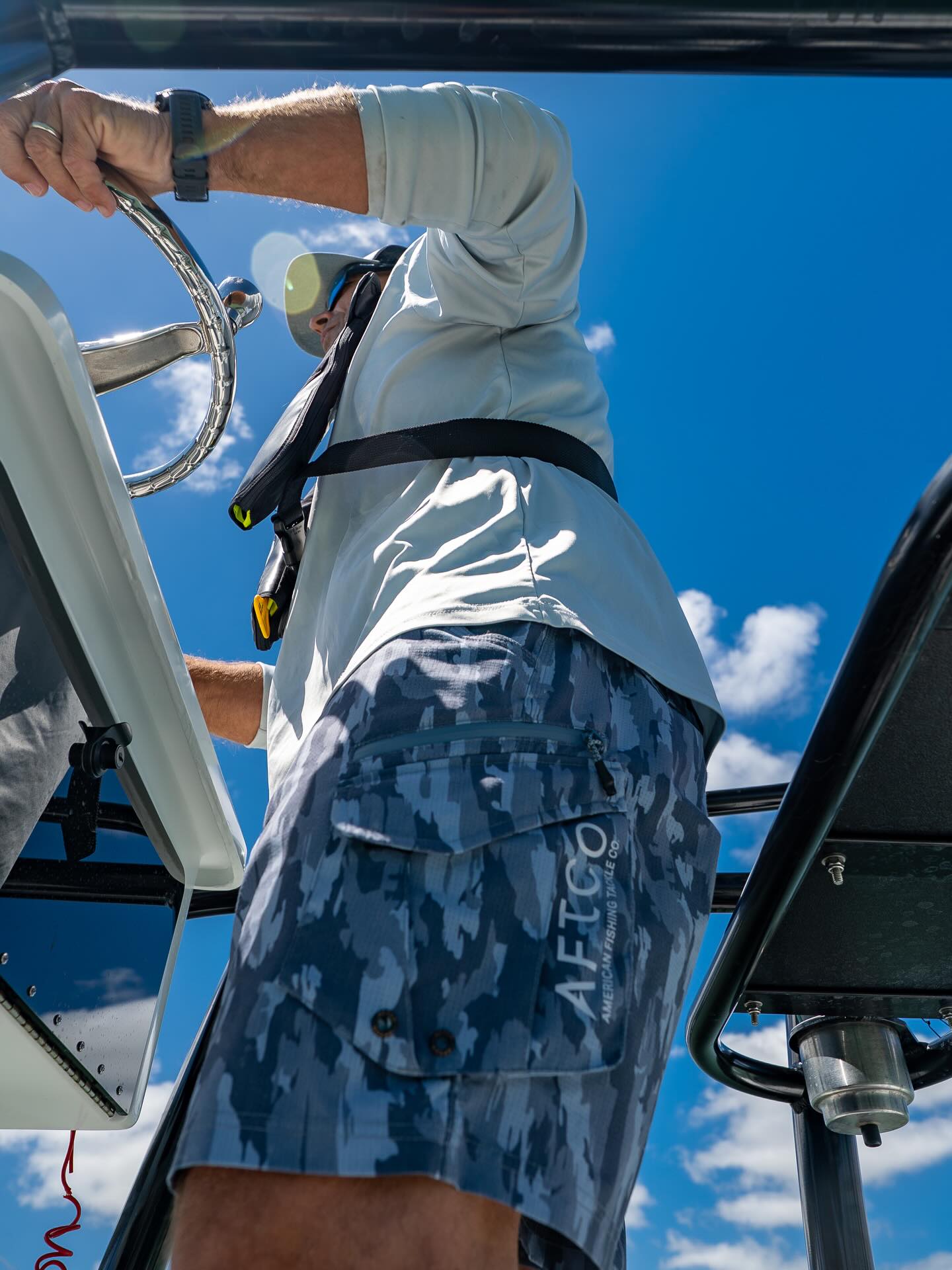
Weekend Jensen Beach Inshore Fishing Charter
When you're looking for a solid fishing trip that delivers on variety and action, Captain Ed Zyak's weekend inshore charter out of Jensen Beach hits all the right marks. This isn't just another cookie-cutter trip – it's an 8-hour adventure that covers both inshore flats and nearshore waters, giving you the best shot at multiple species in one outing. Whether you're a weekend warrior looking to improve your skills or an experienced angler wanting to explore new waters, this charter puts you in prime position to tangle with Atlantic bonito, crevalle jack, snook, redfish, and tarpon. The captain handles all the details – gear, bait, licenses, and local knowledge – so you can focus on what matters: putting fish in the boat.
What to Expect on the Water
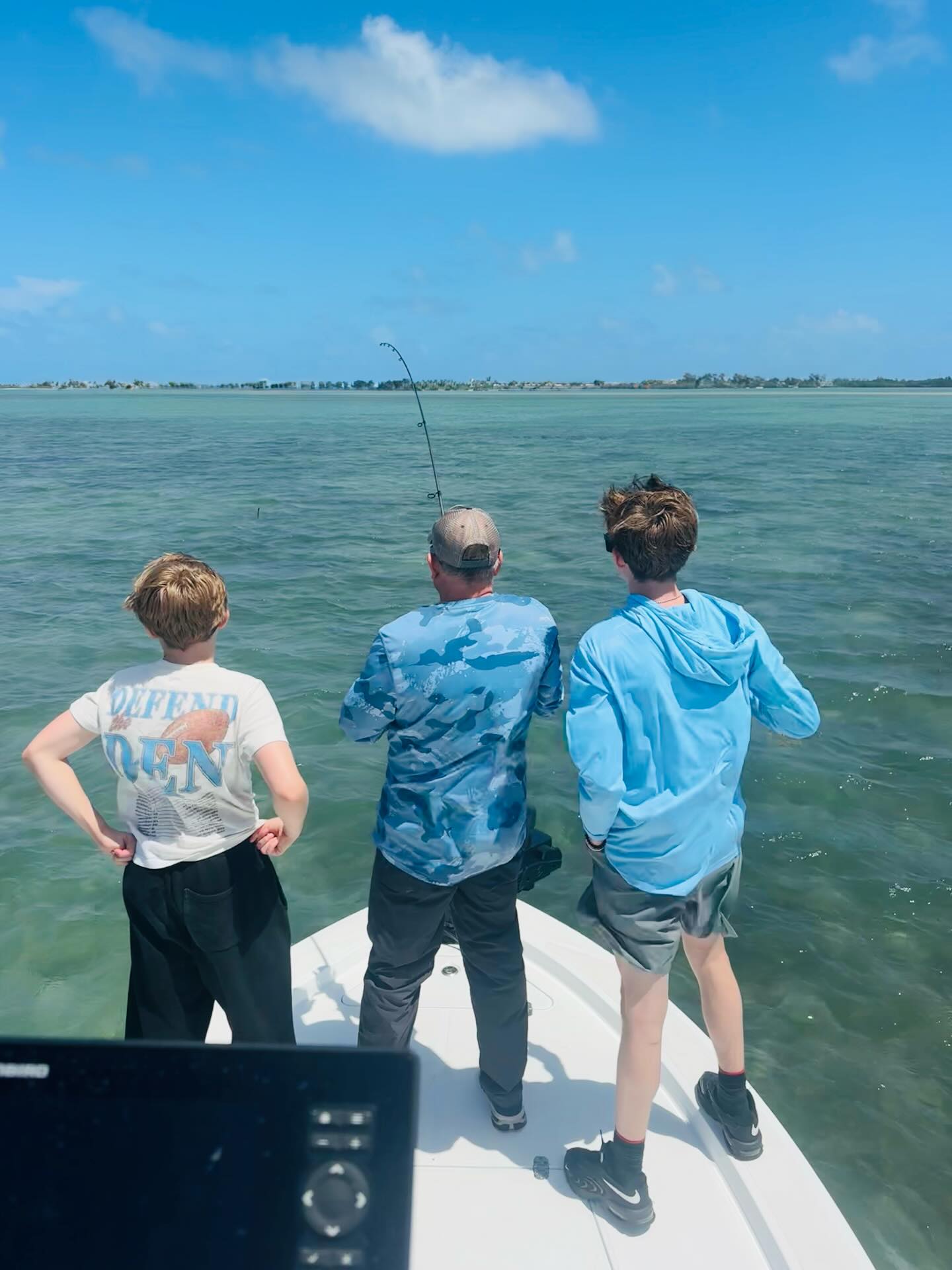
Your day starts early, but that's when the magic happens in these waters. Captain Ed runs a tight ship with everything prepped and ready, so you're not wasting precious fishing time fumbling with gear or wondering where to cast. The boat accommodates up to three anglers, which means plenty of room to work without bumping elbows and personalized attention throughout the day. You'll bounce between different spots – shallow grass flats for snook and reds, deeper channels for tarpon, and nearshore structure where bonito and jacks prowl. The variety keeps things interesting, and the captain reads the water like a book, adjusting tactics based on tides, weather, and what's biting. Expect hands-on coaching if you want it, especially around boat positioning, bait presentation, and fighting techniques. This isn't a "here's your rod, good luck" operation – it's a guided experience where you'll actually learn something while having a blast.
Techniques and Tackle
The beauty of this charter lies in the diversity of fishing methods you'll use throughout the day. For snook around the mangroves and docks, you'll work live bait like pilchards and shrimp on circle hooks, learning to read the structure and present baits naturally in the current. When targeting bonito and jacks nearshore, the action shifts to trolling spoons and small plugs, plus sight casting when schools surface. Tarpon fishing means stepping up to heavier tackle – typically spinning gear with 30-40 pound braid – and mastering the art of presenting live crabs or mullet in the right zone. The captain supplies all rods, reels, terminal tackle, and bait, but the real value is in learning when and how to use each setup. You'll get schooled on reading water color, understanding tidal movement, and recognizing productive structure. Live bait is the name of the game here, with a good supply of pilchards, shrimp, and crabs kept lively in the boat's well system. Artificial lures come into play when fish are aggressive or when covering water quickly, with proven local patterns that produce consistently.
Target Species Breakdown
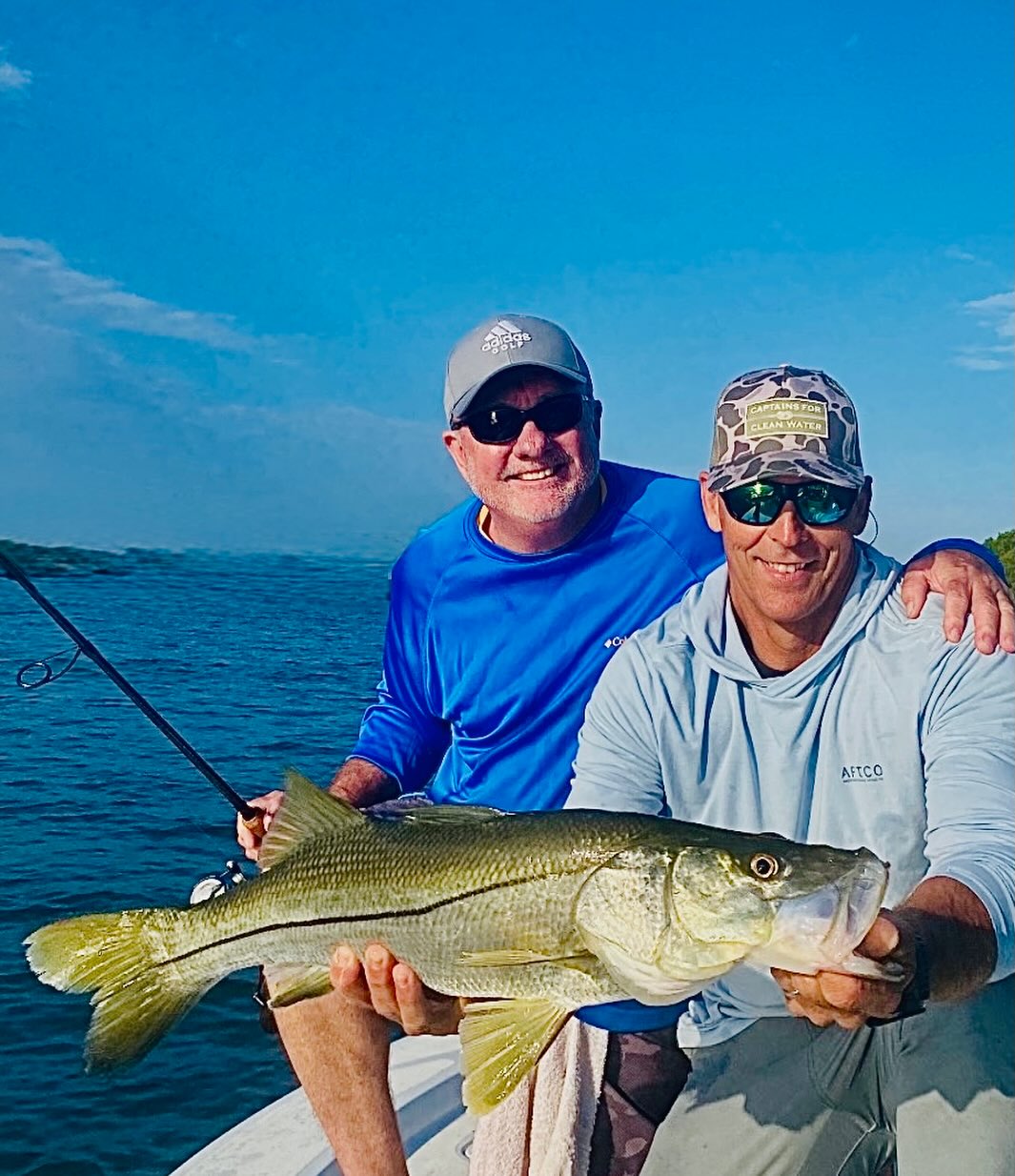
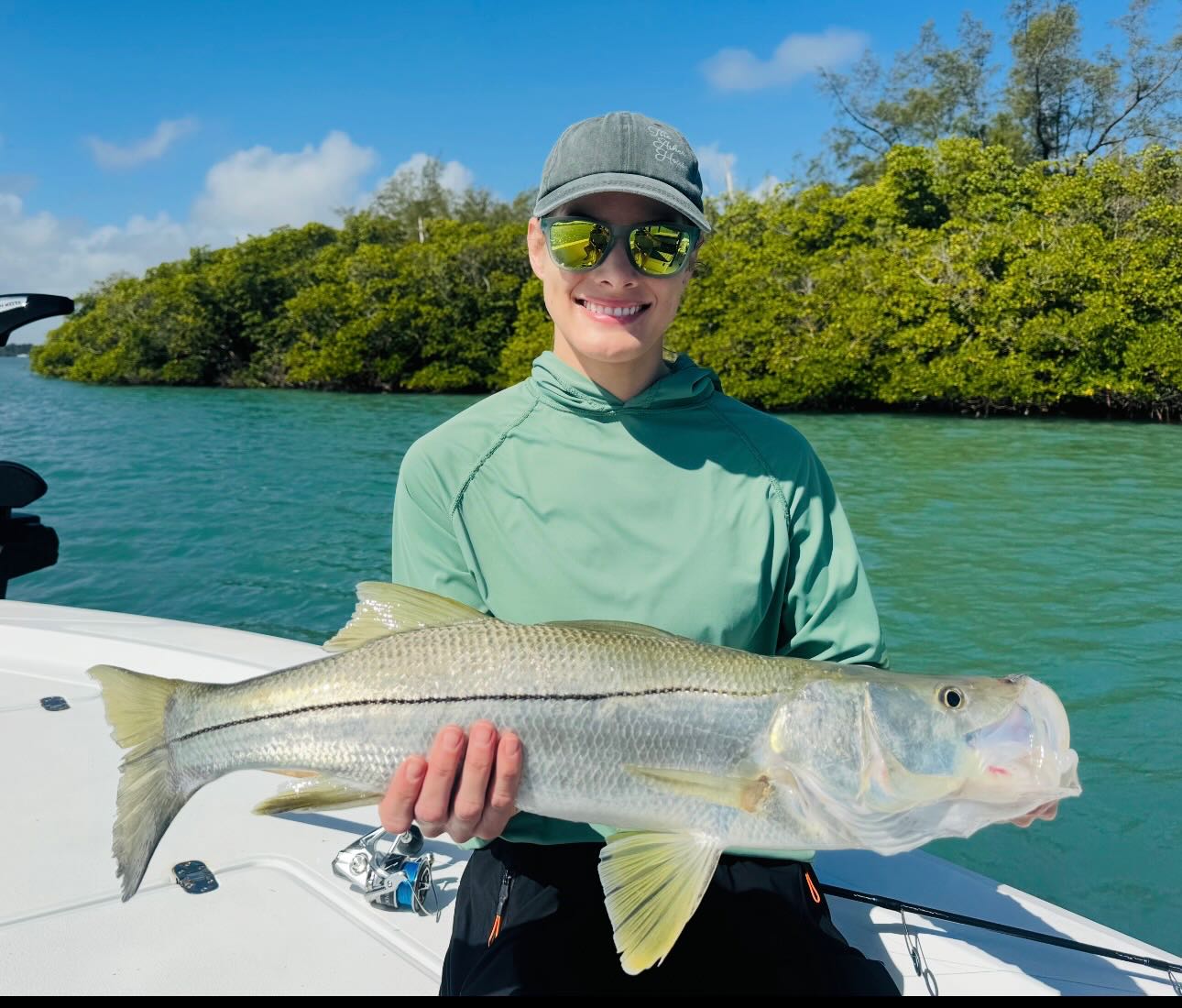
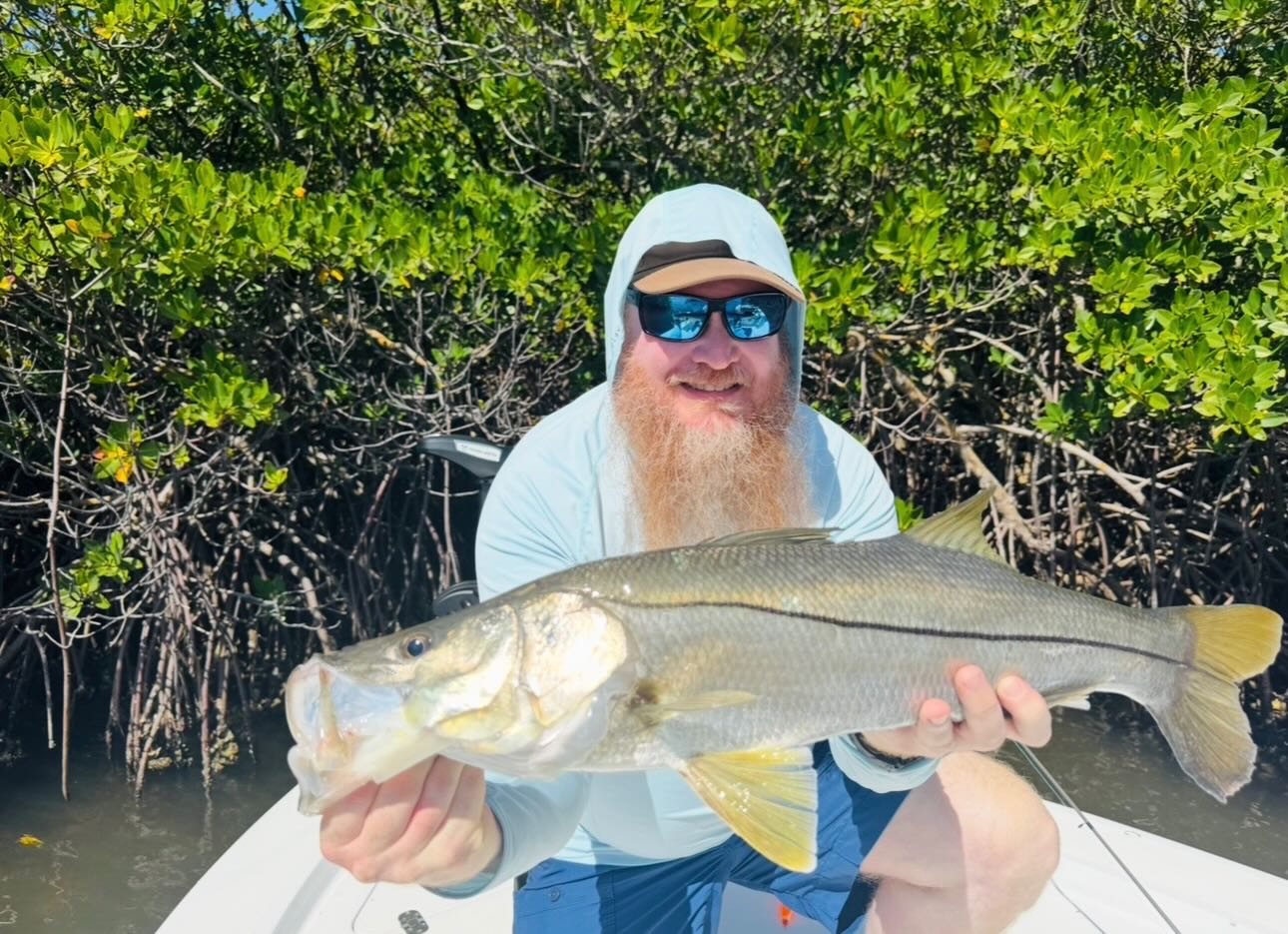
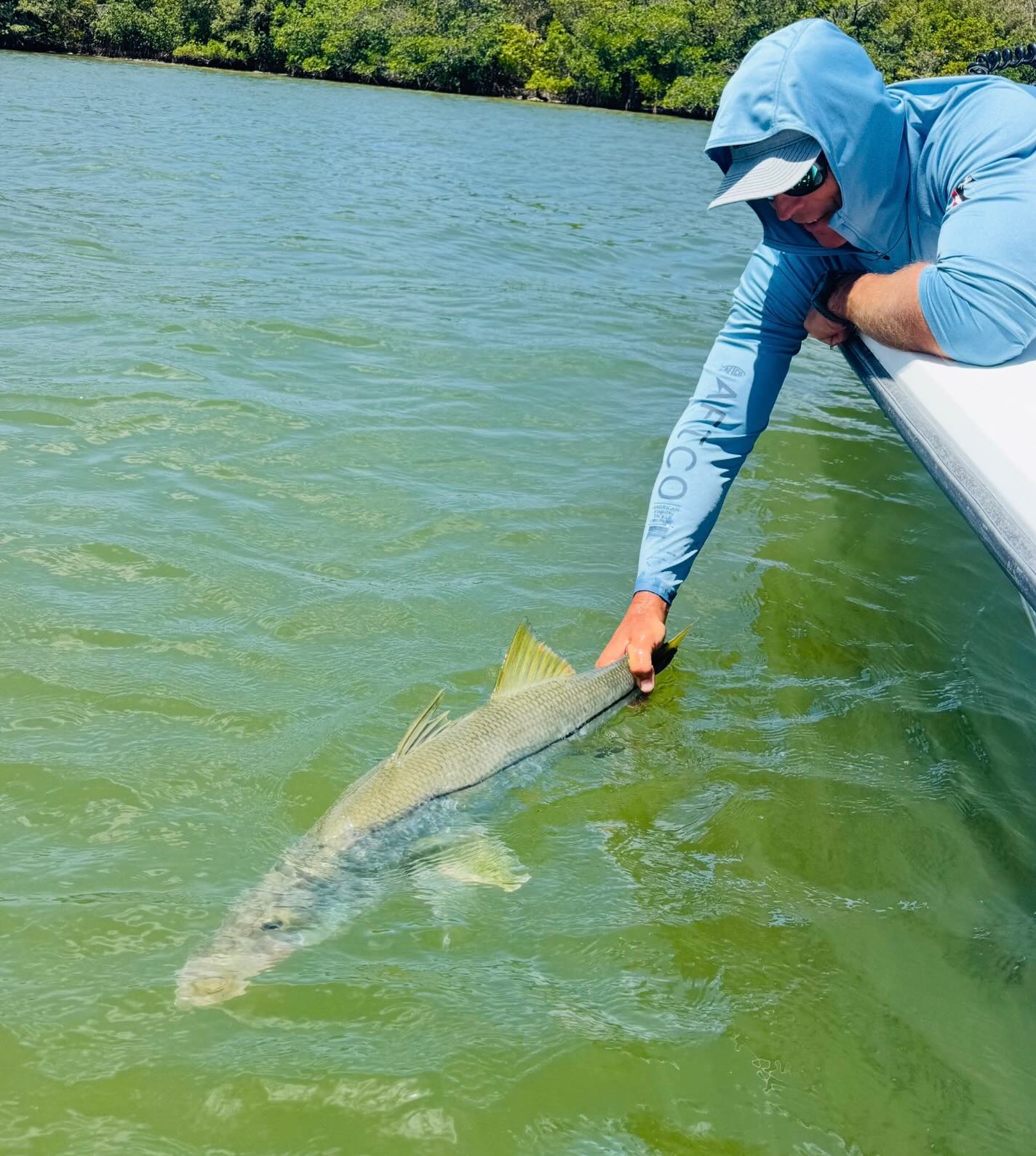
Snook are the crown jewel of Florida inshore fishing, and Jensen Beach waters hold some beauties. These ambush predators love structure – docks, mangrove shorelines, and bridge pilings – where they wait for baitfish to sweep by in the current. Best action happens around moving water, especially the last two hours of incoming tide and first hour of outgoing. Snook are notorious for their gill-rattling jumps and strong runs toward structure, making every hookup a heart-pounding experience. They're also excellent table fare when kept within slot limits, with firm white meat that's hard to beat.
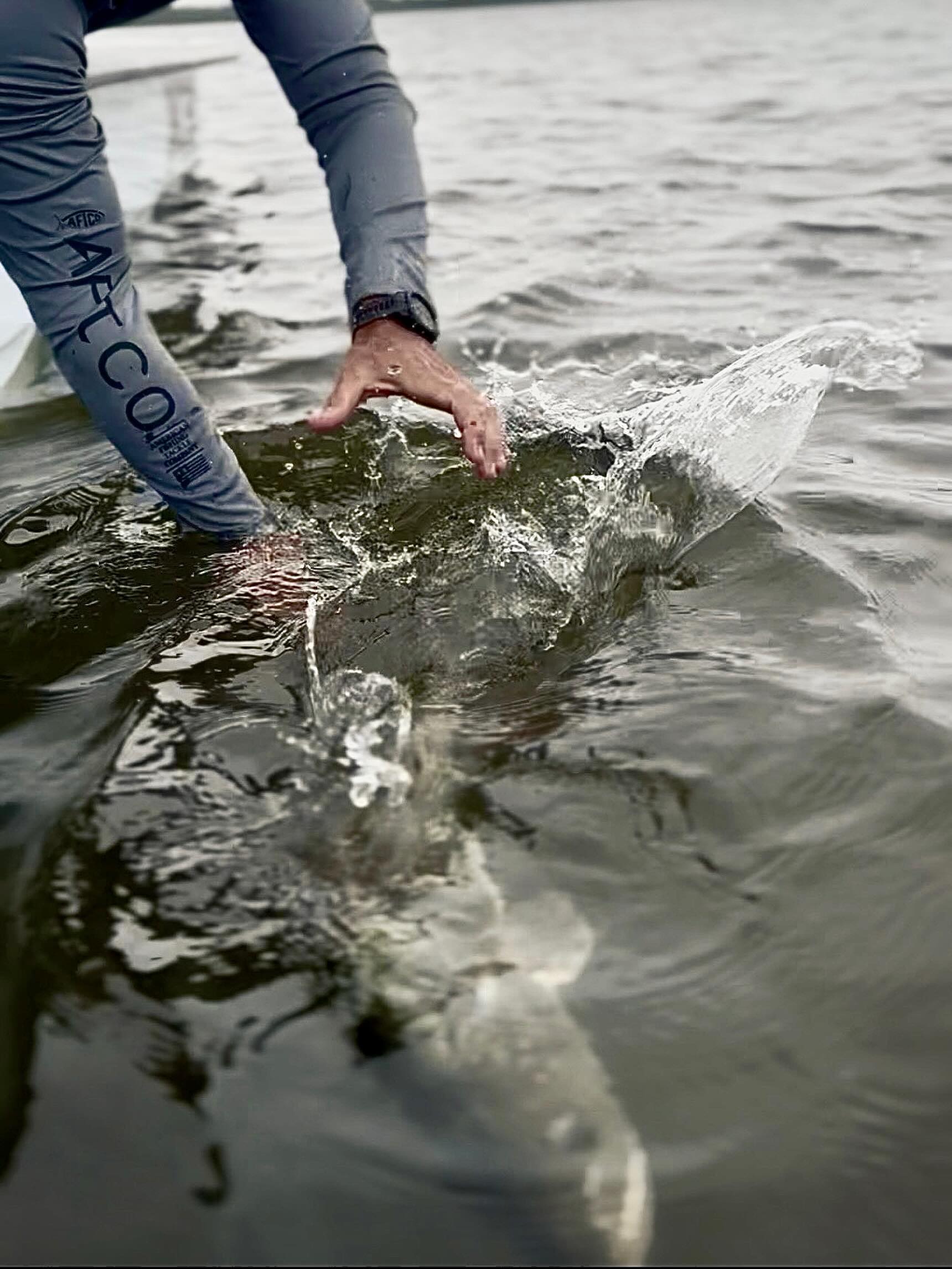
Tarpon bring a whole different level of excitement to the mix. These silver kings range from juvenile fish in the 10-30 pound class to adult giants pushing triple digits. Jensen Beach sits right in a migration corridor, so timing matters – spring through early fall offers the most consistent action. When a tarpon eats, everything changes. The initial run is explosive, followed by spectacular aerial displays that'll have you whooping and hollering. Most are released after photos, but the memory of fighting these prehistoric beasts stays with you forever. They're surprisingly finicky eaters despite their size, requiring precise bait presentation and perfect timing on the hookset.
Atlantic bonito are speed demons that show up in cooler months, typically November through March. These mini-tunas travel in schools and feed aggressively on small baitfish, creating surface frenzies that get your heart racing. They hit hard and run fast, peeling drag like much larger fish. Bonito are excellent on the dinner table – think of them as poor man's tuna with rich, red meat perfect for grilling or searing. When you find a school, the action can be non-stop until they sound or move on.
Crevalle jack might not win beauty contests, but they'll absolutely test your tackle and technique. These brutes are pure muscle, fighting harder pound-for-pound than almost anything in these waters. They school up around structure and baitfish concentrations, often mixing with bonito or Spanish mackerel. Jacks hit like freight trains and never give up, bulldogging all the way to the boat. While not typically kept for dinner, they provide world-class sport fishing action that leaves your arms burning and your drag smoking.
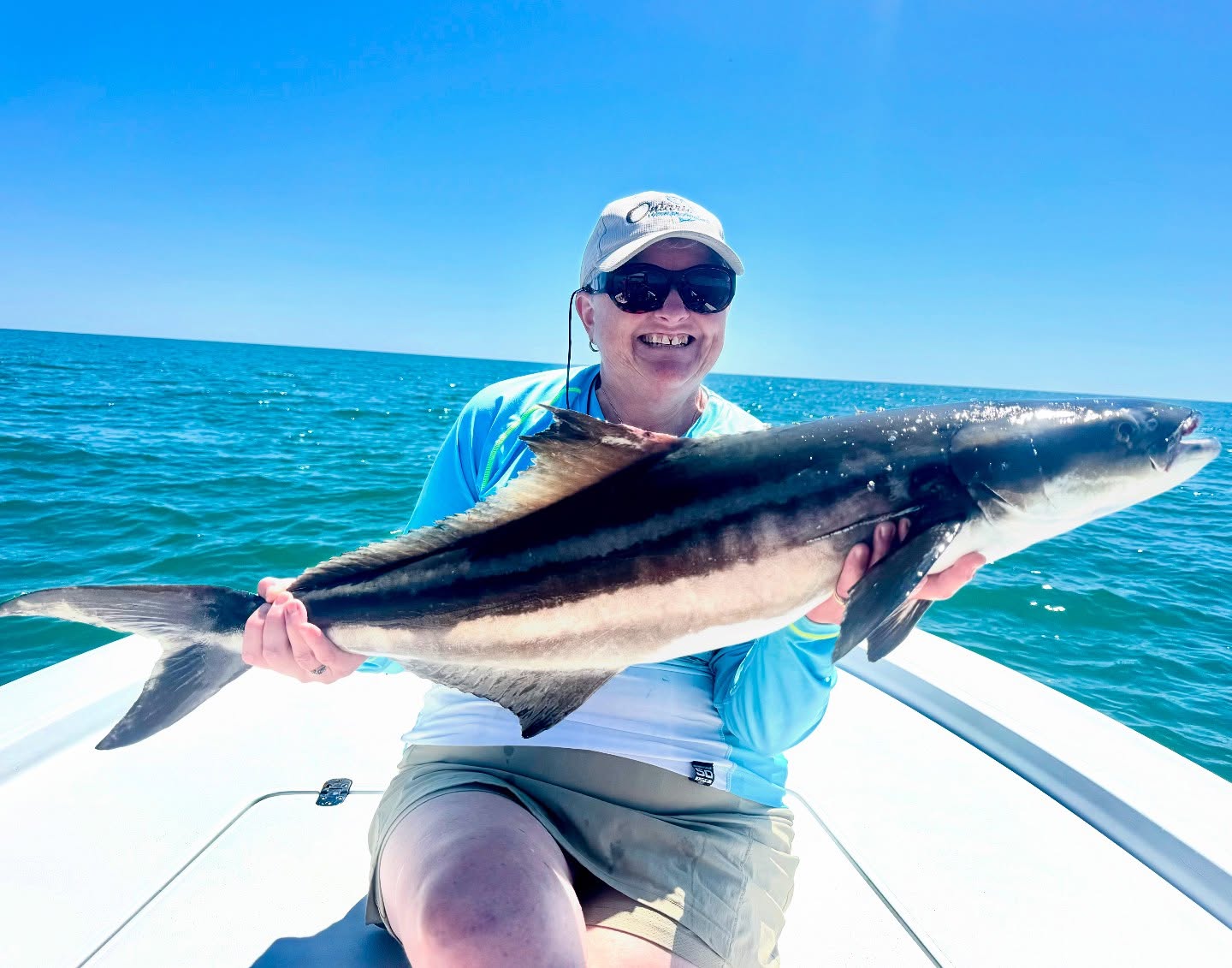
Cobia are the wildcards that can show up anywhere, anytime, turning a routine fishing day into something special. These curious fish often approach the boat, giving you sight-casting opportunities that are pure adrenaline. Spring migration brings the best numbers, but resident fish hang around year-round. Cobia are strong fighters and excellent eating, with firm white meat that's versatile in the kitchen. They're also one of the more photogenic catches, with their distinctive brown coloring and shark-like profile making for great pictures.
Time to Book Your Weekend Trip
This charter delivers exactly what serious anglers want: variety, action, and the chance to learn from someone who knows these waters inside and out. Eight hours gives you enough time to really explore different techniques and locations without feeling rushed.
 Private Trip
 Inshore Fishing
 Jensen Beach


 Full-day inshore charter targeting Atlantic bonito and crevalle jack