Deep Sea Fishing Virginia Beach
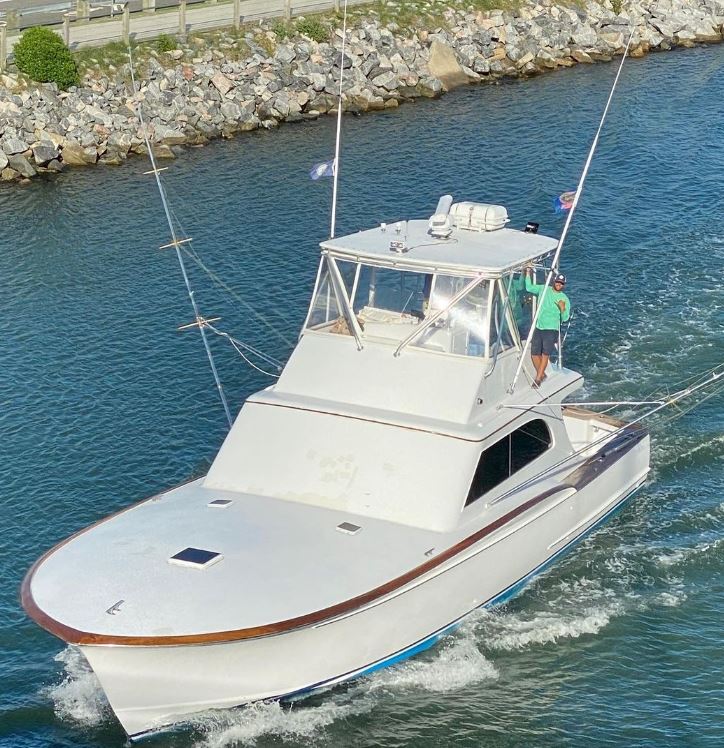
If you're looking for a world-class deep sea fishing adventure off the Virginia coast, Captain Tim Watters knows exactly where the fish are biting. His 53-foot Ricky Scarborough is built for serious offshore action, and with room for up to 6 anglers, you'll have plenty of space to work without feeling crowded. The waters off Virginia Beach are legendary for their variety - from hard-fighting Cobia cruising the structure to massive Blue Marlin patrolling the blue water. Captain Tim has been working these waters long enough to know the seasonal patterns, the best tides, and exactly which spots fire up when conditions are right.
What to Expect on the Water
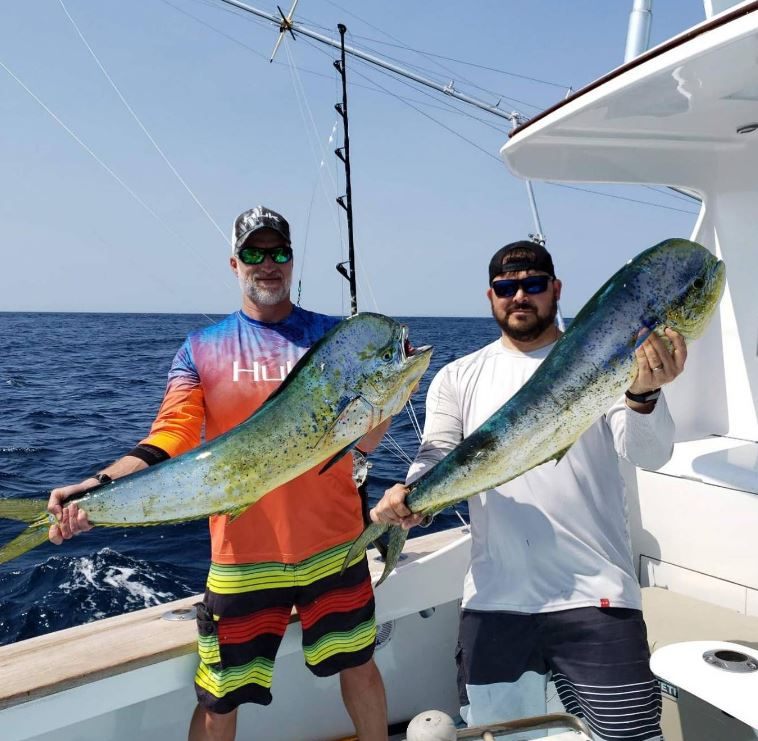
Your day starts early - that's just how offshore fishing works if you want to put fish in the boat. The Ricky Scarborough is a proven platform that handles the Atlantic swells like a champ, so even if you're not the strongest sea legs, you'll be comfortable out there. Captain Tim runs a clean operation with quality gear, sharp hooks, and fresh bait. He's the kind of guide who actually wants to see you catch fish, not just burn fuel and collect a check. Expect to cover some serious water as you hunt different species throughout the day. One minute you might be sight-fishing Cobia around structure, the next you're trolling for Tuna in the blue water. That's what makes Virginia Beach fishing so special - the variety keeps you on your toes.
Techniques & Tackle
Captain Tim adapts his approach based on what's running and what the conditions allow. For Cobia, you'll often sight-fish with live bait or heavy jigs around structure and markers. These fish love to follow rays and sharks, so keep your eyes peeled for dark shadows beneath the surface. When targeting Tuna species, expect serious trolling action with spreader bars, daisy chains, and high-speed lures. The boat carries quality conventional reels spooled with fresh line, but if you've got your own favorite setup, bring it along. For the bigger game like Blue Marlin, you'll be pulling large baits and lures designed to get their attention from a distance. The key is staying ready - offshore fishing can go from quiet to chaos in seconds when you hook into something serious.
Species You'll Want to Hook
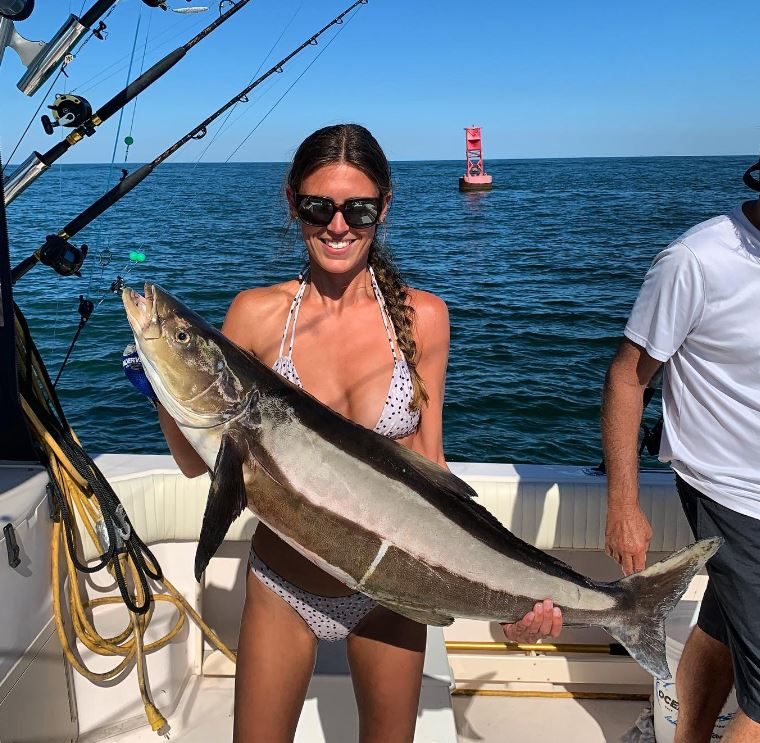
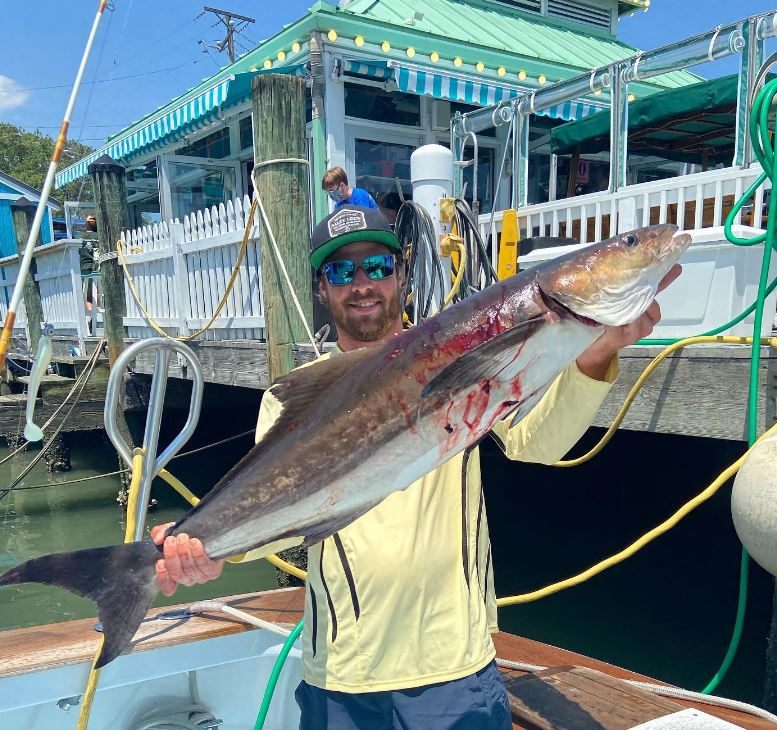
Cobia are the crown jewel of Virginia Beach fishing, especially during their spring and fall migrations. These brown sharks (as locals call them) can push 40-50 pounds and fight like freight trains. They're curious fish that often approach the boat, giving you shot after shot if you don't spook them. Peak season runs May through September, with some of the best action happening around the Chesapeake Bay Bridge Tunnel structure.
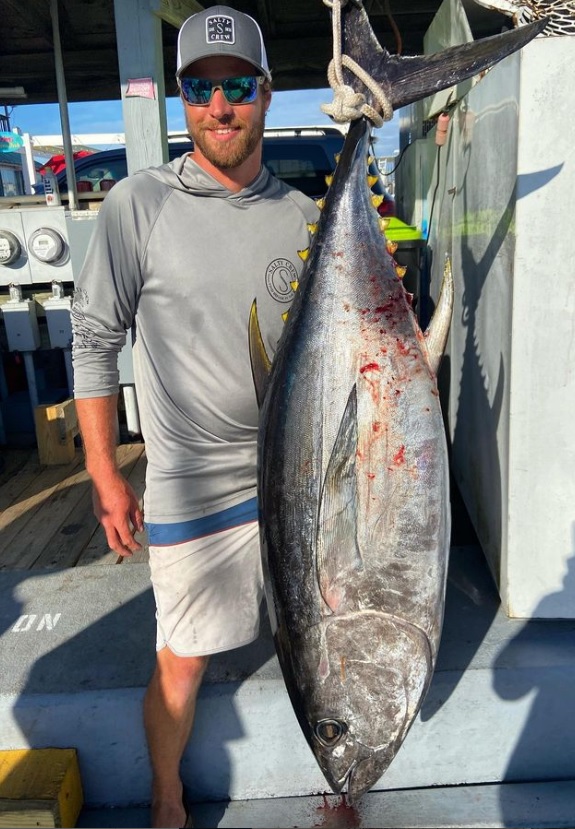
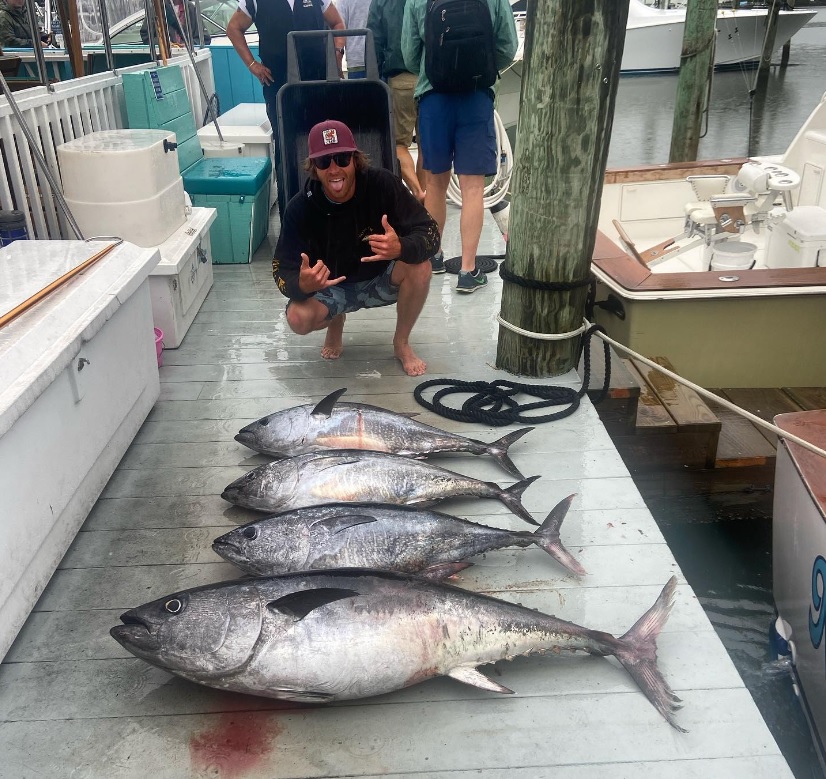
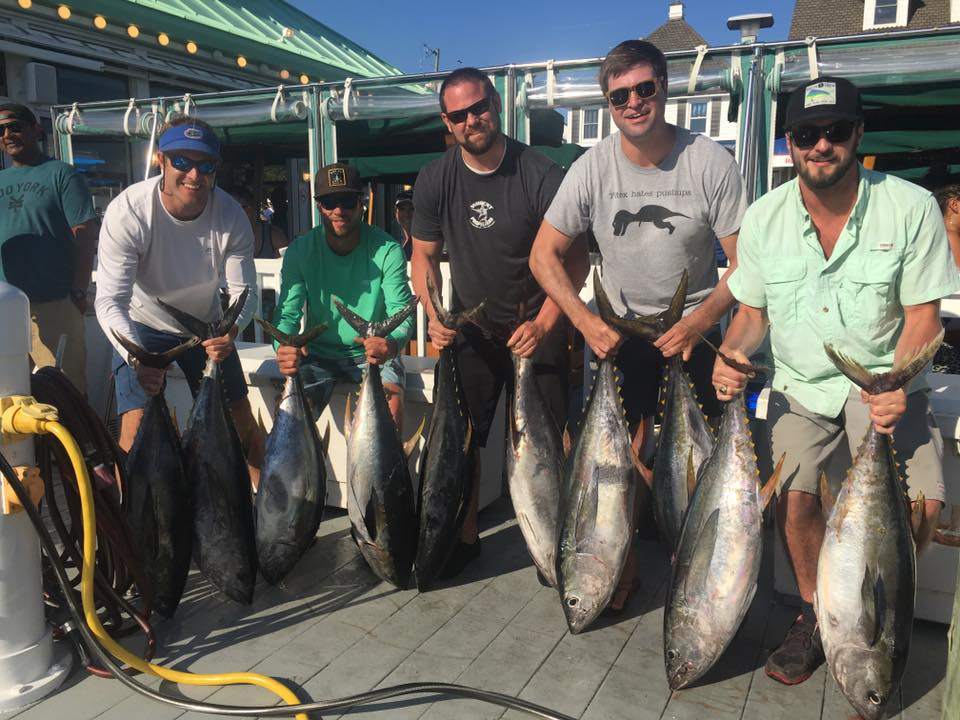
Albacore Tuna are speed demons that'll test your drag system and your arms. These silver bullets typically show up in late spring and stick around through fall. They school up in good numbers, so when you find them, you can often load the cooler. They're also fantastic table fare - probably the best eating Tuna you'll find in these waters.
Spanish Mackerel might not be the biggest fish you'll catch, but they're scrappy fighters and excellent for beginners or kids. They're abundant throughout the warmer months and hit small jigs, spoons, and live bait with aggressive strikes. Don't let their size fool you - a big Spanish Mackerel on light tackle is a blast.
Blackfin Tuna are the smaller cousins of the Yellowfin, but they make up for size with numbers and fight. These fish love to school up and feed aggressively, creating some of the most action-packed fishing you'll find offshore. They typically show up in summer and fall, often mixing with Albacore schools.
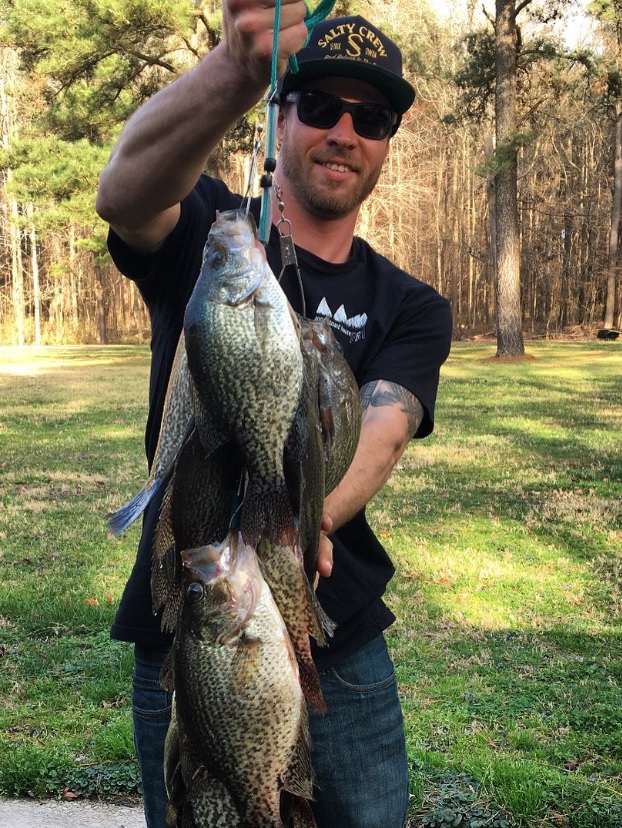
Summer Flounder (Fluke) are the flatfish kings of the Virginia coast. These predators can grow impressively large and are masters of camouflage. They're structure-oriented fish that require precise presentations with bucktails, soft plastics, or live bait. A trophy Summer Flounder is a legitimate wall-hanger and fantastic eating.
Blue Marlin are the ultimate prize in Virginia Beach waters. These apex predators can exceed 400 pounds and provide the fight of a lifetime. They're most common during the warmer months when baitfish concentrate along the continental shelf. Even seeing one of these magnificent fish is an experience most anglers never forget.
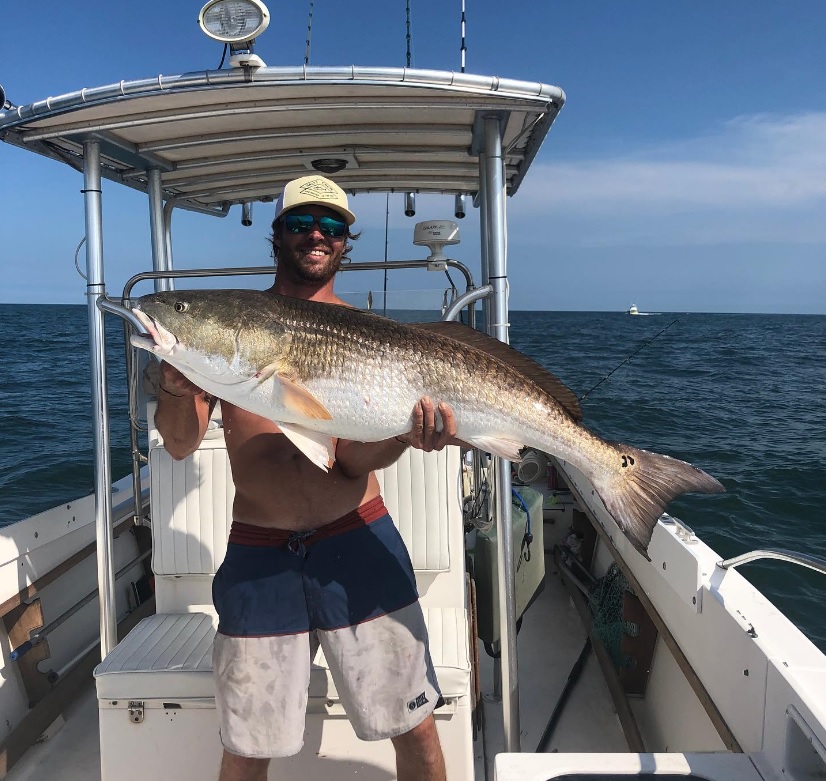
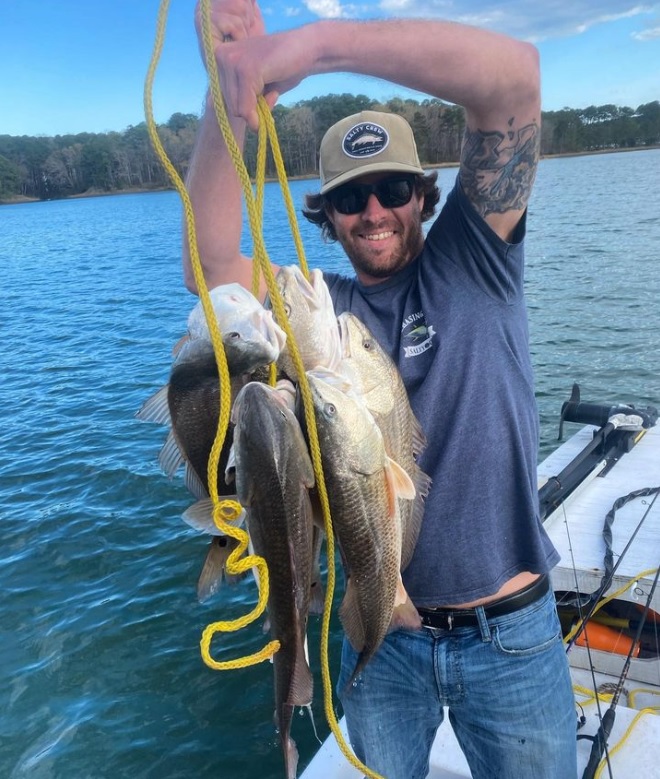
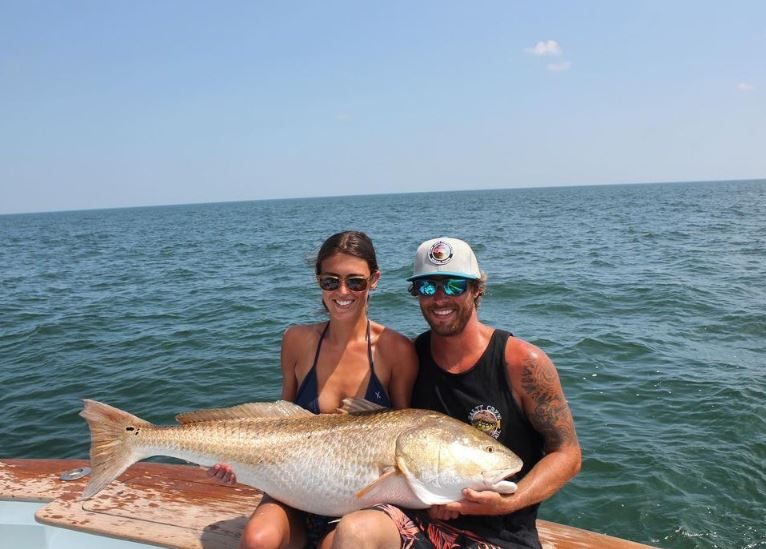
Redfish (Red Drum) are powerful, copper-colored bulldogs that can grow to massive proportions. The big ones are typically found around structure and wrecks, where they feed on crabs and baitfish. They're known for their incredible pulling power and stamina - a big Red Drum will test every knot and connection on your tackle.
Time to Book Your Spot
Captain Tim Watters and Cast & Blast Fishing Charters have built their reputation on putting clients on fish, not just taking them for expensive boat rides. The 53-foot Ricky Scarborough gives you the range to reach the best fishing grounds, and with only 6 anglers maximum, you'll get the personal attention that makes the difference between a good day and a great one. Virginia Beach offers some of the most diverse offshore fishing on the East Coast, and having a captain who knows these waters inside and out is worth its weight in fish. Whether you're chasing your first Cobia or hunting for a grander Blue Marlin, this is your chance to fish with someone who lives and breathes these waters. Don't wait until the prime dates are gone - the best fishing days book up fast, especially during peak migration periods.
 Private Trip
 Offshore Fishing
 Virginia Beach


 Target Cobia, Tuna, Marlin, and Red Drum offshore