Louisiana Fly Fishing in Skinny Marsh Waters
Get ready to test your skills in some of the most challenging and rewarding waters Louisiana has to offer. ClearVision Inshore Charters takes you deep into the marsh where the water gets skinny and the fish get smart. This isn't your typical casting-from-the-dock experience – we're talking about precision fly fishing in waters so shallow you can almost walk on them. With just two anglers per trip, you'll have plenty of room to work your fly rod and all the personal attention you need to land that fish of a lifetime. Whether you're chasing that legendary redfish that's been taunting locals for years or working a fly through grass beds where monster bass hide, this trip puts you right in the heart of Louisiana's premier inshore fishery.
What to Expect on the Water
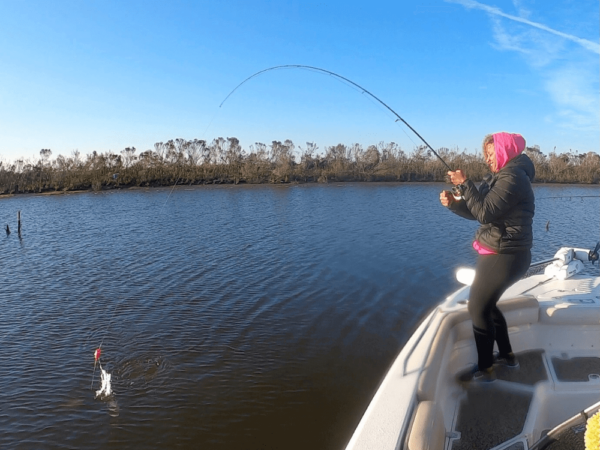
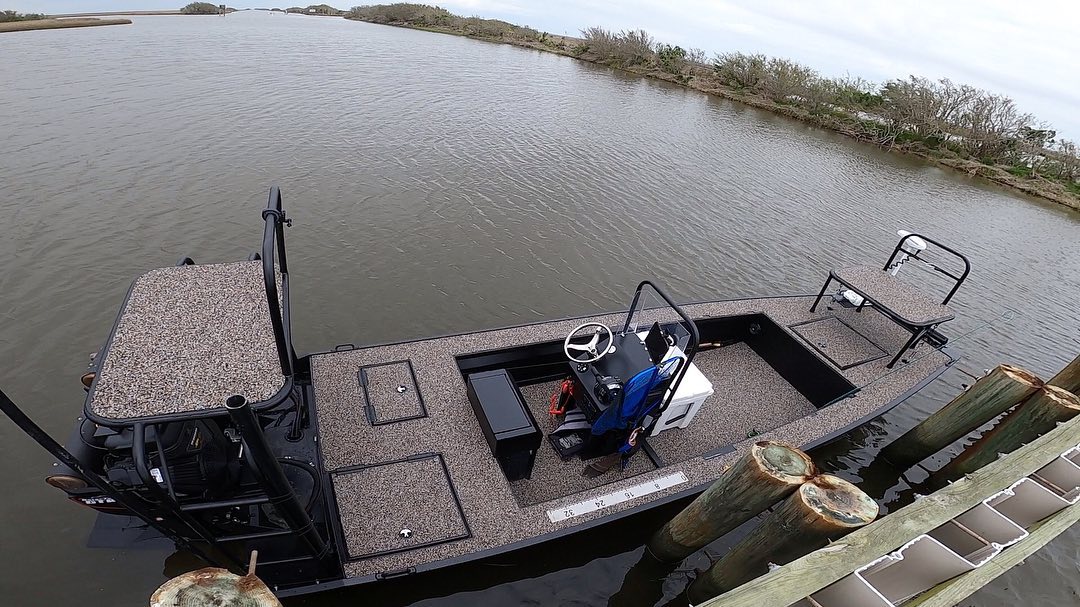
Your day starts with a run through Louisiana's intricate maze of marshlands, where every twist and turn reveals new fishing opportunities. We're not talking about deep water here – we're crawling through areas where other boats fear to tread, places where the water depth is measured in inches rather than feet. That's where the magic happens. The skinniest waters hold the biggest surprises, and that's exactly where we'll position you for success. Your guide knows these waters like the back of their hand, reading the subtle current changes and grass lines that separate good fishing spots from great ones. We'll have you working a 9-foot fly rod, feeling every subtle bump and tap as your fly drifts through prime feeding zones. The marsh comes alive around you – herons stalking the shallows, mullet jumping in the distance, and that telltale swirl that tells you something big just checked out your presentation. For anglers who want to mix things up, we offer hybrid trips that combine both fly and spin techniques, especially when we're targeting those nearshore monster reds that require a different approach.
Techniques & Gear Setup
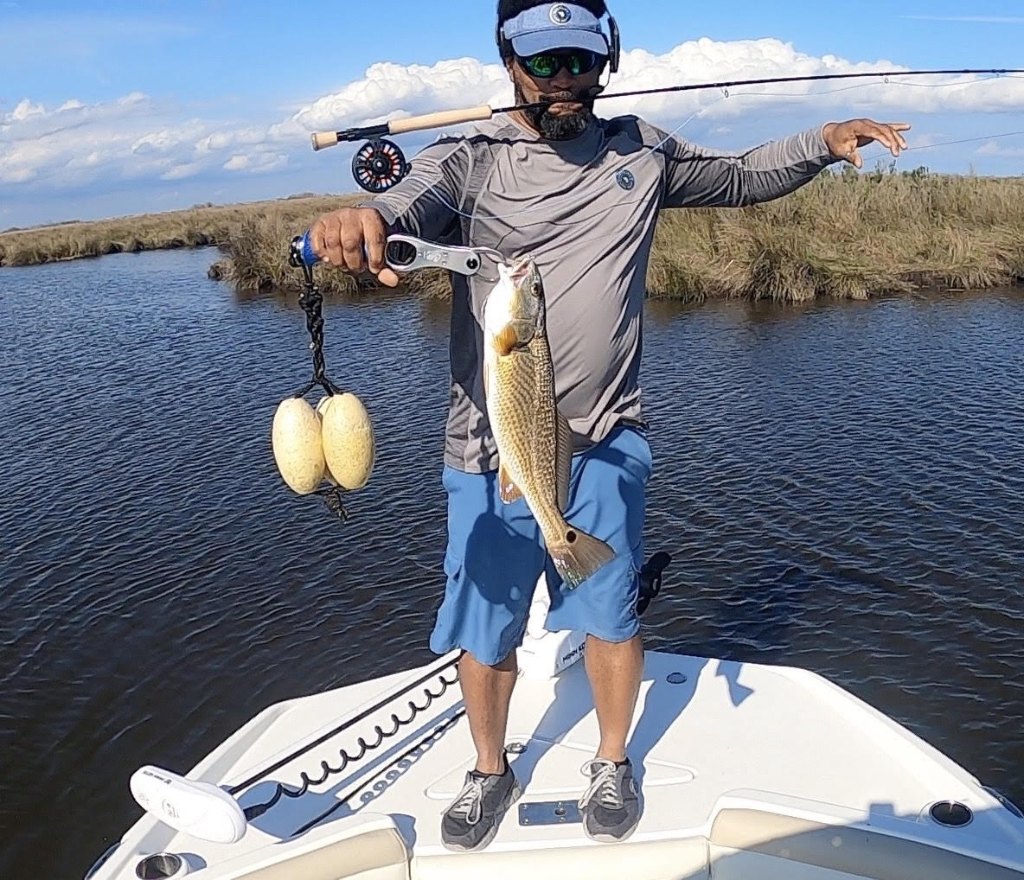
Fly fishing Louisiana's marshes demands a completely different skill set than lake or river fishing. We're working with sight casting techniques, where you'll spot your target before making your presentation. The key is accuracy over distance – most shots are within 30 feet, but they need to be placed perfectly to avoid spooking fish in these crystal-clear shallows. Your guide will set you up with the right fly patterns for the conditions, whether that's a spoon fly mimicking fleeing baitfish or a crab pattern bounced along the bottom structure. The 9-foot rod gives you the leverage you need to fight fish in tight quarters while maintaining the delicate touch required for shallow water presentations. Wind management becomes crucial out here, and your guide will position the boat to give you the best casting angles while keeping noise to a minimum. When we switch to hybrid techniques for the bigger nearshore reds, we'll break out the spinning gear loaded with topwater plugs and soft plastics that drive these fish absolutely crazy. The transition between techniques keeps the day interesting and maximizes your chances of connecting with different species throughout the trip.
Target Species You'll Hook
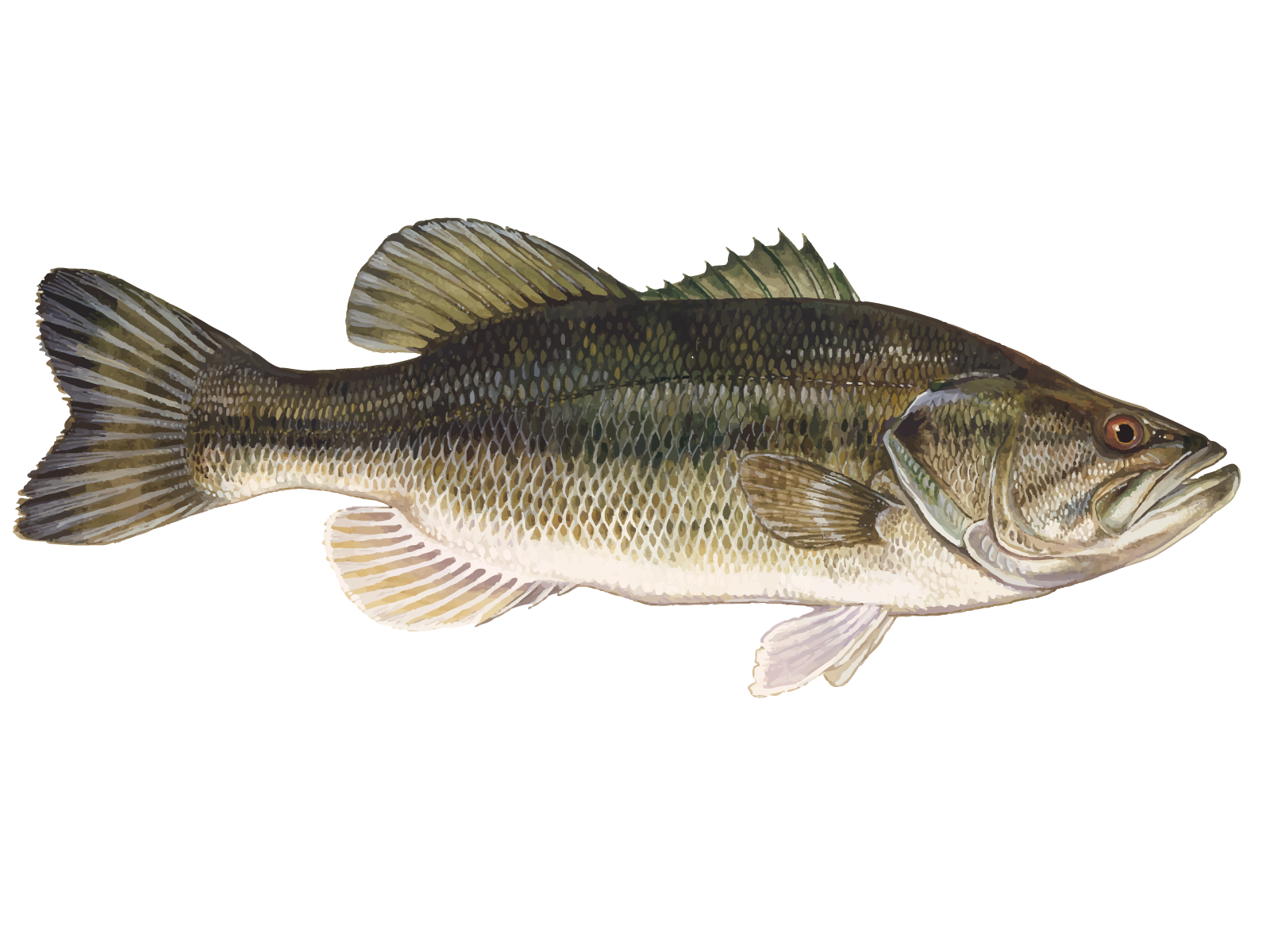
Largemouth Bass in Louisiana's marshes are unlike their freshwater cousins – these fish have adapted to brackish conditions and grown fat on the abundant baitfish populations. They average 3-5 pounds but regularly push into the 6-8 pound range, with occasional double-digit specimens that will test every knot on your leader. Spring and fall offer the most consistent action when bass move shallow to feed aggressively. What makes these fish special is their willingness to hit topwater flies, creating explosive surface strikes that'll get your heart racing. They're ambush predators in these grass-filled environments, so accurate presentations to structure edges pay off big time.
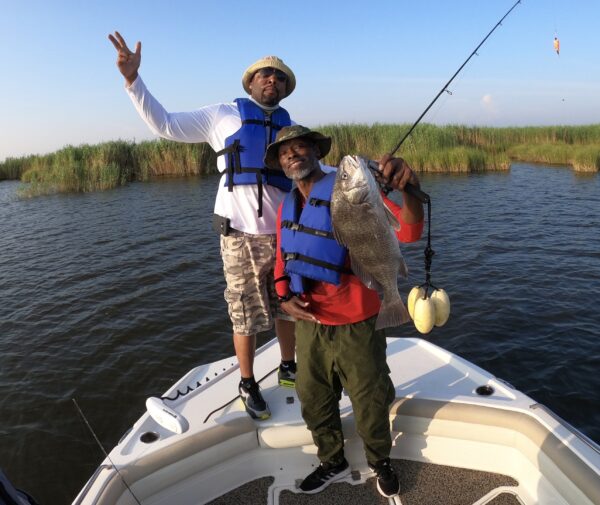
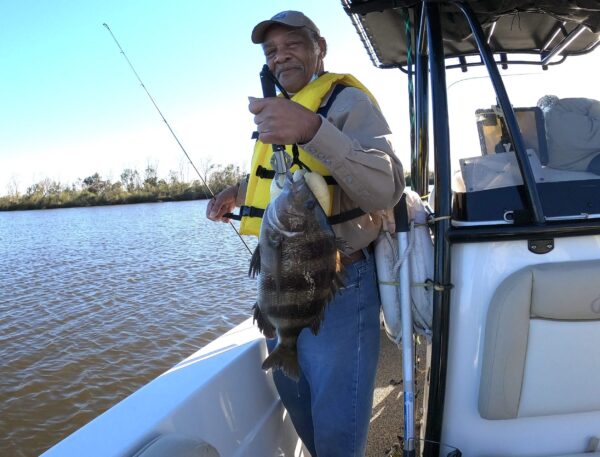
Black Drum are the bulldogs of the marsh, with fish ranging from 5-pound "puppy drum" up to massive 30+ pound bulls that will stretch your tackle to its limits. These fish are year-round residents but peak during cooler months when they school up in deeper pockets. They're notorious for their powerful runs and stubborn fighting style – once hooked, they'll use every piece of structure in the area to try breaking you off. Fly fishermen love them because they readily take crab patterns worked slowly along the bottom, and their size makes every hookup feel like you've tied into a submarine.
Sheepshead are the technical challenge of the marsh, with their crushing bite and structure-hugging behavior keeping anglers honest. These black-and-white striped beauties average 2-4 pounds but their fighting ability far exceeds their size. They're most active during spring spawning season around oyster bars and dock pilings. What makes sheepshead fishing addictive is the precision required – they have incredible eyesight and will inspect your fly thoroughly before committing. When you do hook one, their initial run combined with their knack for finding the nearest piling makes for heart-stopping fishing.
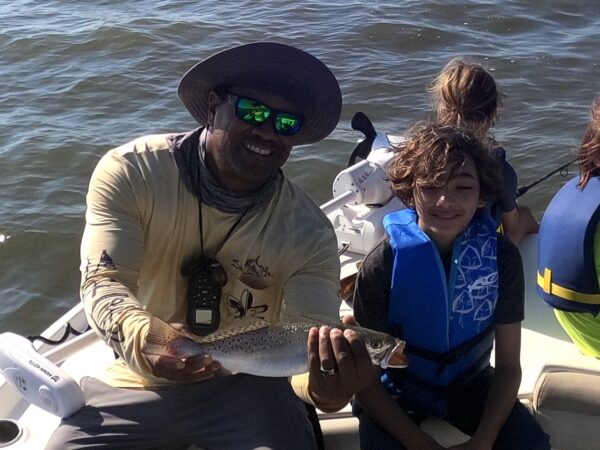
Sea Trout, or "speckled trout" as locals call them, are the bread and butter of marsh fishing. These spotted beauties typically run 14-20 inches with occasional "gator trout" exceeding 25 inches and 6 pounds. They're most active during dawn and dusk periods, making them perfect targets for extended fishing days. Trout are aggressive fly fishers, readily attacking streamer patterns and poppers worked through grass beds and over sandy potholes. Their soft mouths require careful pressure, but their willingness to bite and beautiful coloration make them a customer favorite year after year.
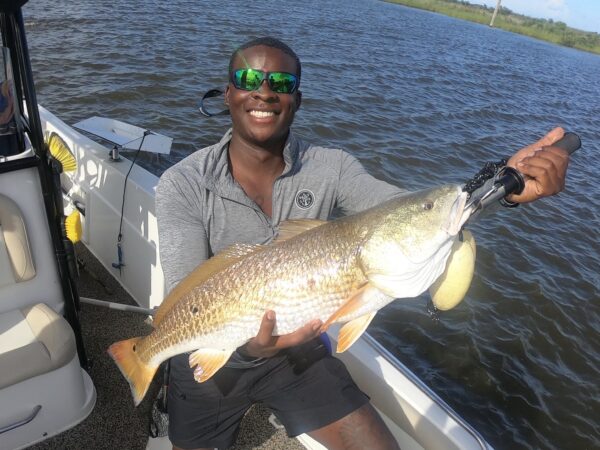
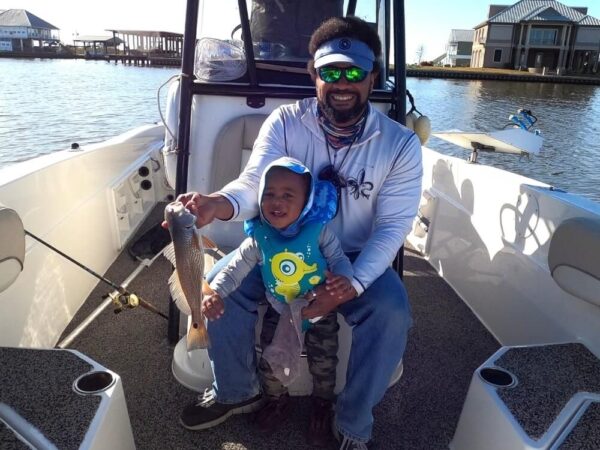
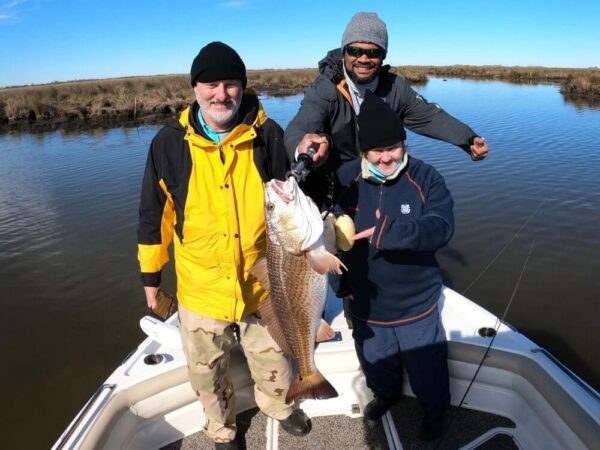
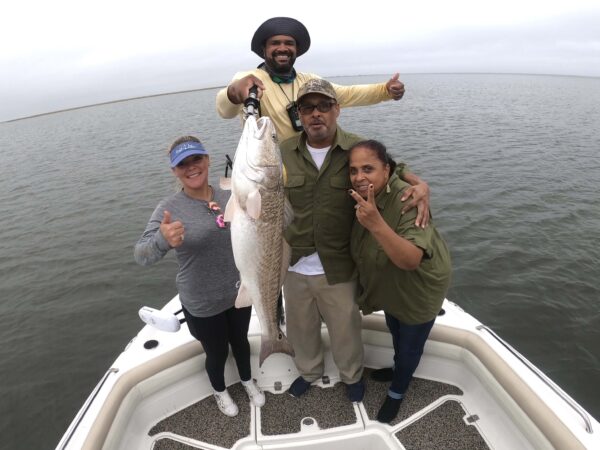
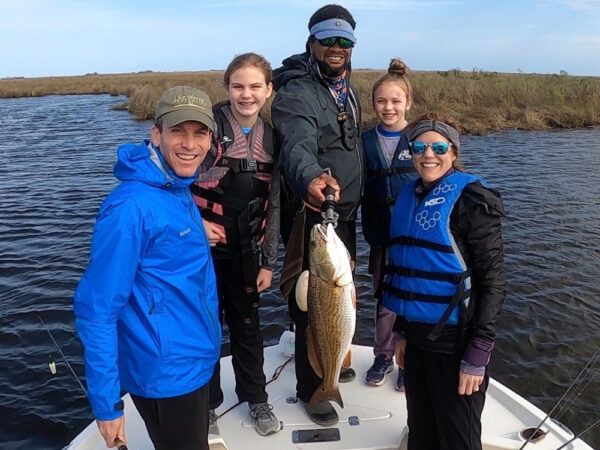
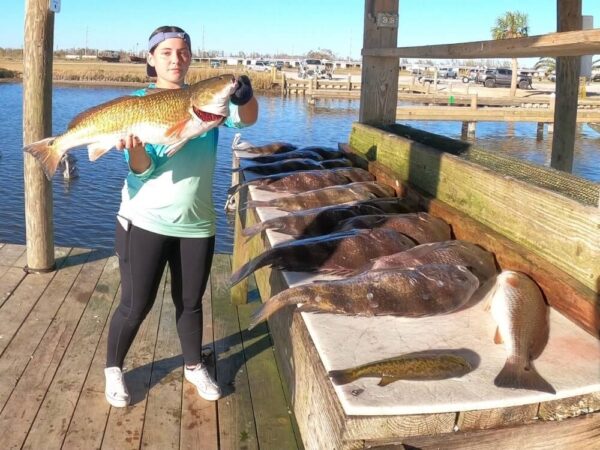
Redfish are the crown jewel of Louisiana inshore fishing, and for good reason. These copper-colored bruisers range from 20-inch "slot fish" up to 40+ inch bulls that can exceed 30 pounds. Reds are sight-fishing specialists, often found tailing in inches of water as they root for crabs and shrimp. The visual aspect makes them perfect fly rod targets – watching a big red turn on your fly and feeling that initial headshake is what keeps anglers coming back. They're available year-round but peak during fall months when they
 Private Trip
 Inshore Fishing
 Port Sulphur, LA


 Target trophy fish in Louisiana's shallow marsh waters