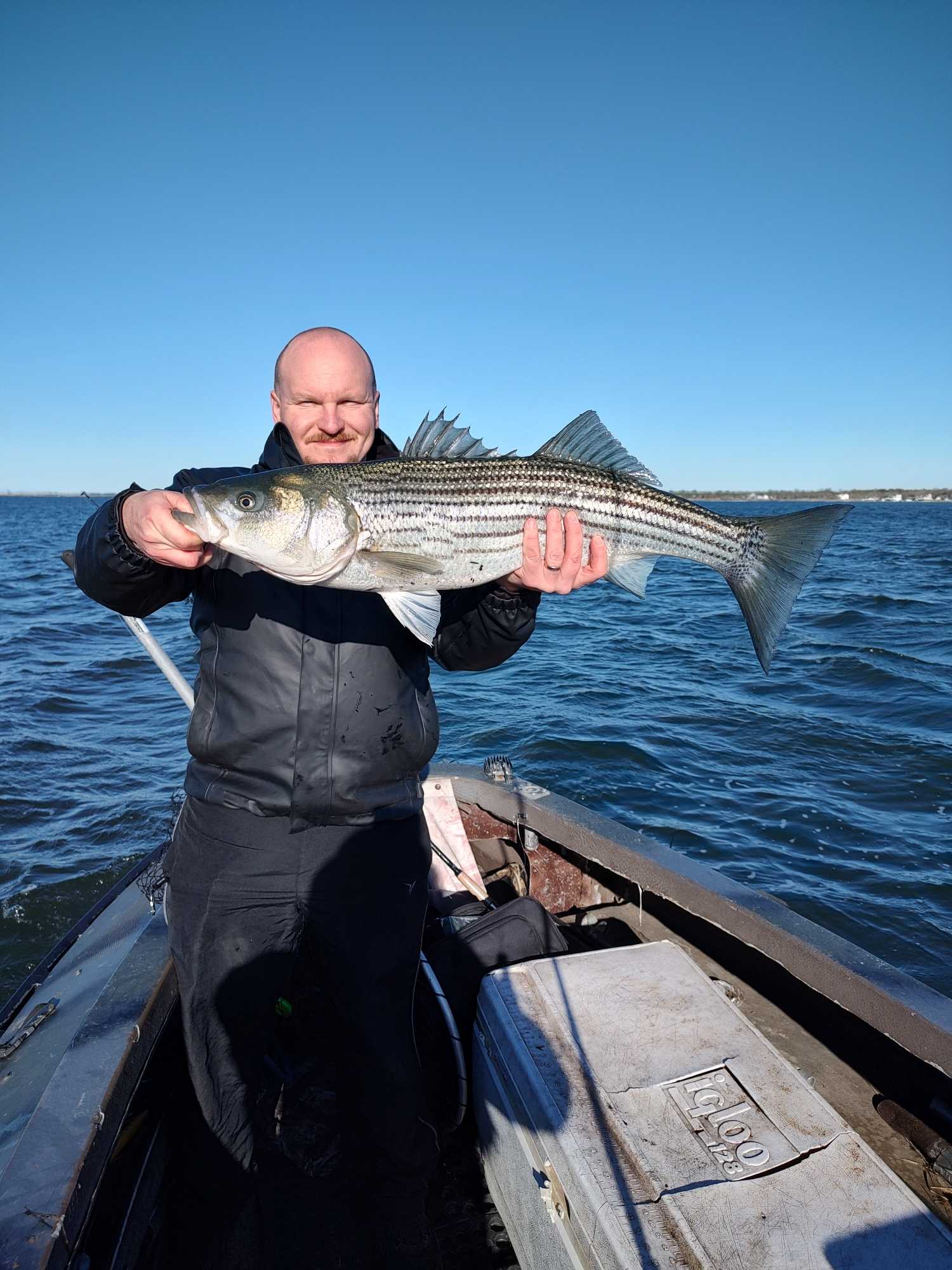
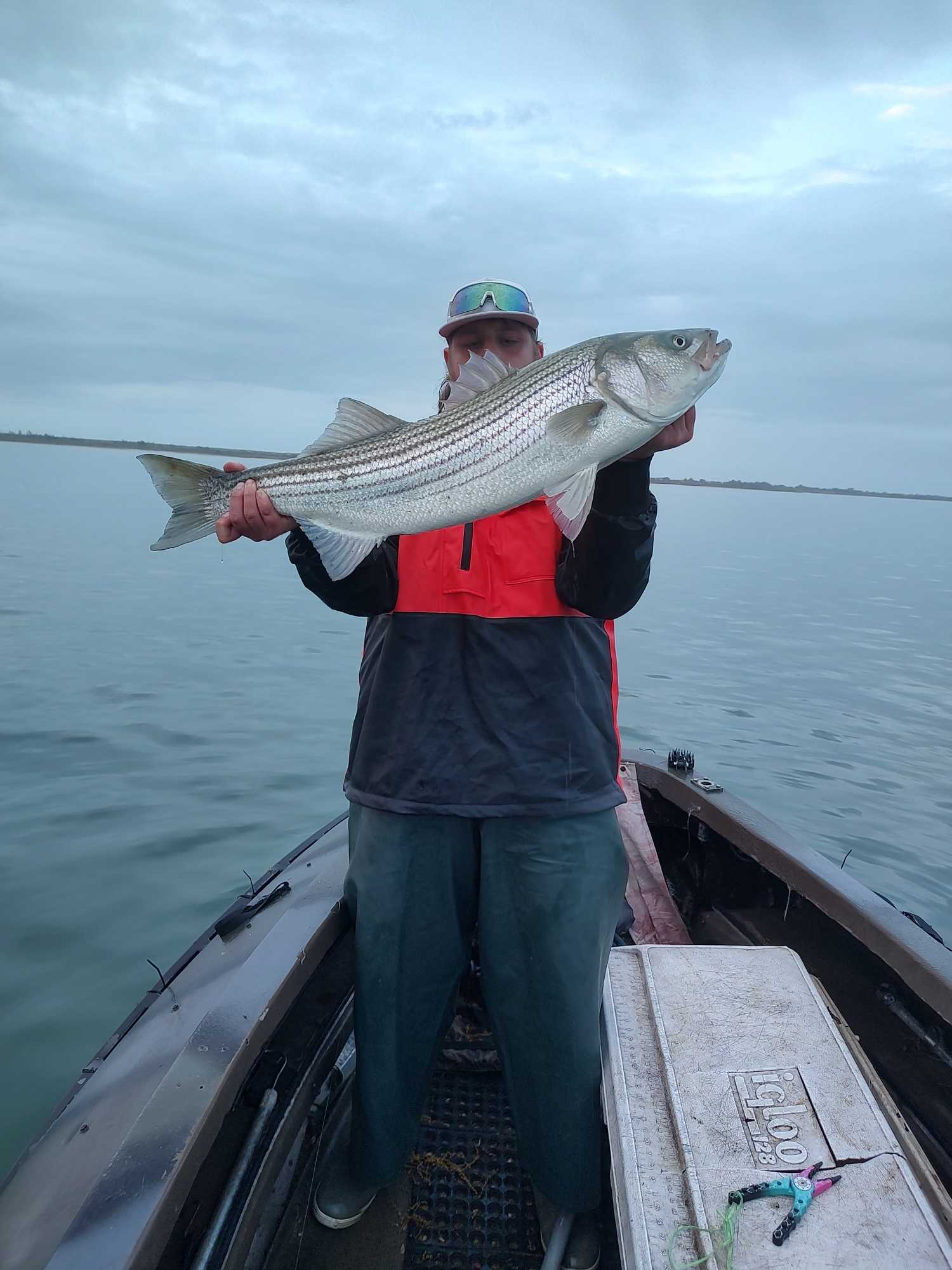
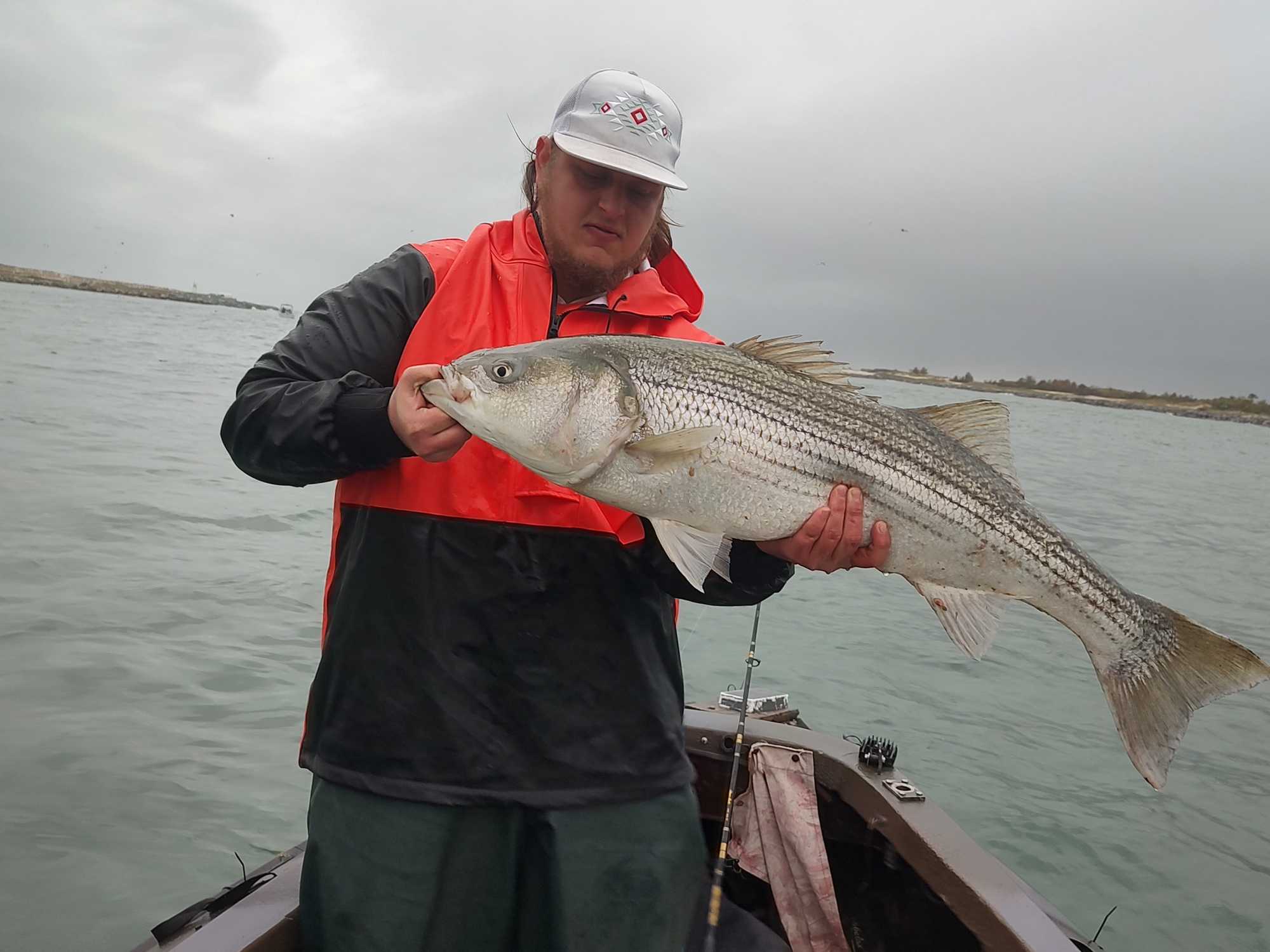
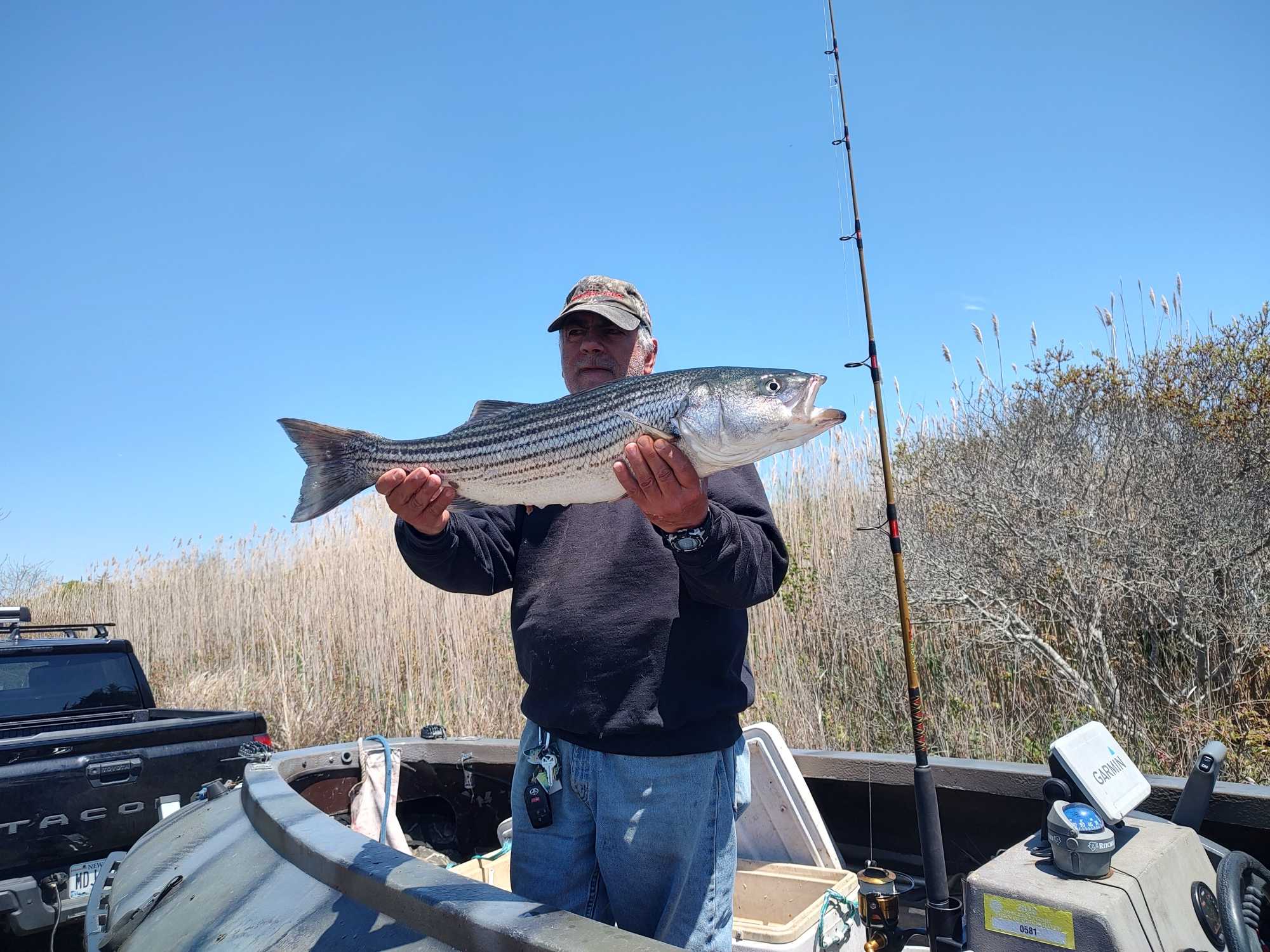
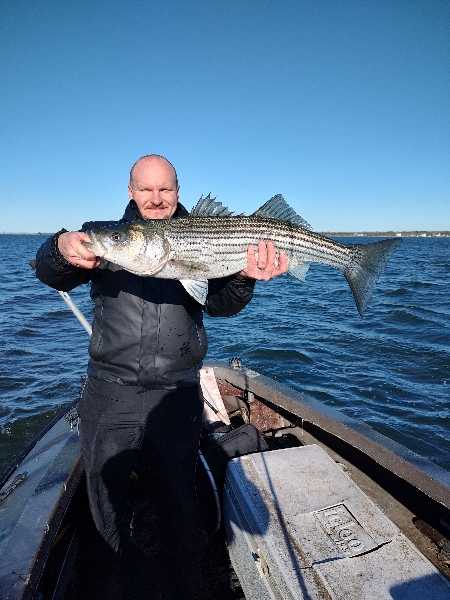
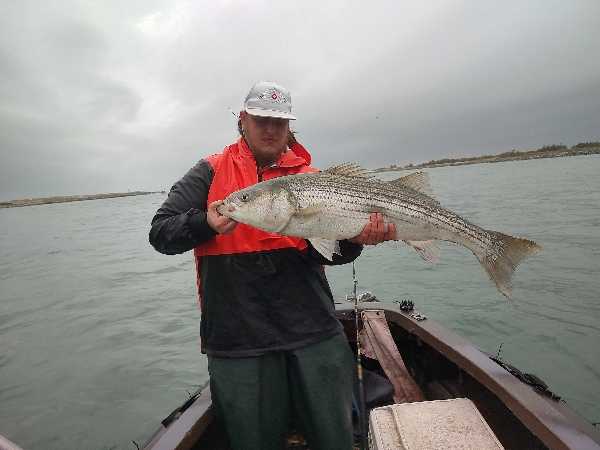
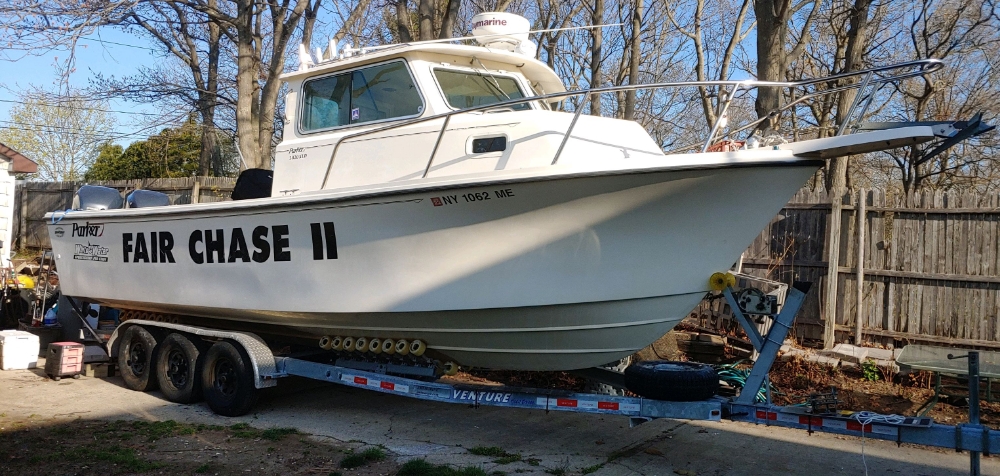
Selden, NY 12 Hour Tuna Fishing Trip
If you've been dreaming about battling some of the ocean's most powerful fish, this 12-hour tuna fishing adventure out of Selden is exactly what you need. Captain D.C. and his crew know these waters like the back of their hand, and they're ready to put you on the fish of a lifetime. We're talking about serious offshore action here – the kind where your arms will be burning and your heart will be pounding as you fight fish that can weigh more than you do. This isn't your typical half-day trip; we're heading out to where the big boys live, and we're staying until we find them. With space for up to 6 anglers, you'll have plenty of room to work without bumping elbows, and the crew will be right there to coach you through every step of the fight.
What to Expect on the Water
This is a serious offshore mission that starts before dawn and doesn't quit until the sun's getting low. We're talking about a full commitment here – 12 hours of prime fishing time in some of the most productive tuna grounds off Long Island. The boat will be loaded with top-shelf gear, fresh bait, and everything you need to tangle with these ocean powerhouses. Captain D.C. has been working these waters for years, and he knows exactly where to find the schools when they're feeding. You'll be fishing in depths that can reach several hundred feet, where the water is that deep blue color that screams "big fish live here." The crew will handle all the technical stuff like reading the fish finder, setting up the spread, and getting the baits in the right spots. Your job is to be ready when that reel starts screaming. Fair warning though – tuna fishing is addictive, and once you feel that first big hit, you'll be planning your next trip before this one's even over.
Trolling Techniques & Gear
We'll be running a full spread of trolling lures and rigged baits designed specifically for tuna. The boat carries heavy-duty conventional reels spooled with 50 to 80-pound test line, because these fish don't mess around. You'll be using outriggers to spread the baits wide and keep them in the clean water away from the boat's wake. The crew will set up a variety of lures – everything from cedar plugs and spoons to ballyhoo rigs and chunked bait. When we mark fish on the sounder or see birds working, we might switch to chunking or live bait fishing to really get them fired up. The key to tuna fishing is staying flexible and adjusting to what the fish want on any given day. Captain D.C. will teach you how to read the signs – the bird activity, water temperature breaks, and current edges where these fish love to hunt. You'll learn proper fighting techniques too, because a big tuna can take an hour or more to bring to the boat if you don't know what you're doing.
Species You'll Want to Hook
Bigeye Tuna are the night shift workers of the tuna world, often feeding in deeper water during daylight hours. These stocky fighters can push 200 pounds or more and are absolute bulldogs when hooked. They're most active during the cooler months from fall through spring, and they love to hang around underwater structure and temperature breaks. What makes bigeyes special is their incredible endurance – they'll make long, powerful runs that will test both your tackle and your stamina. The meat quality on these fish is outstanding, with that deep red color that sashimi lovers go crazy for.
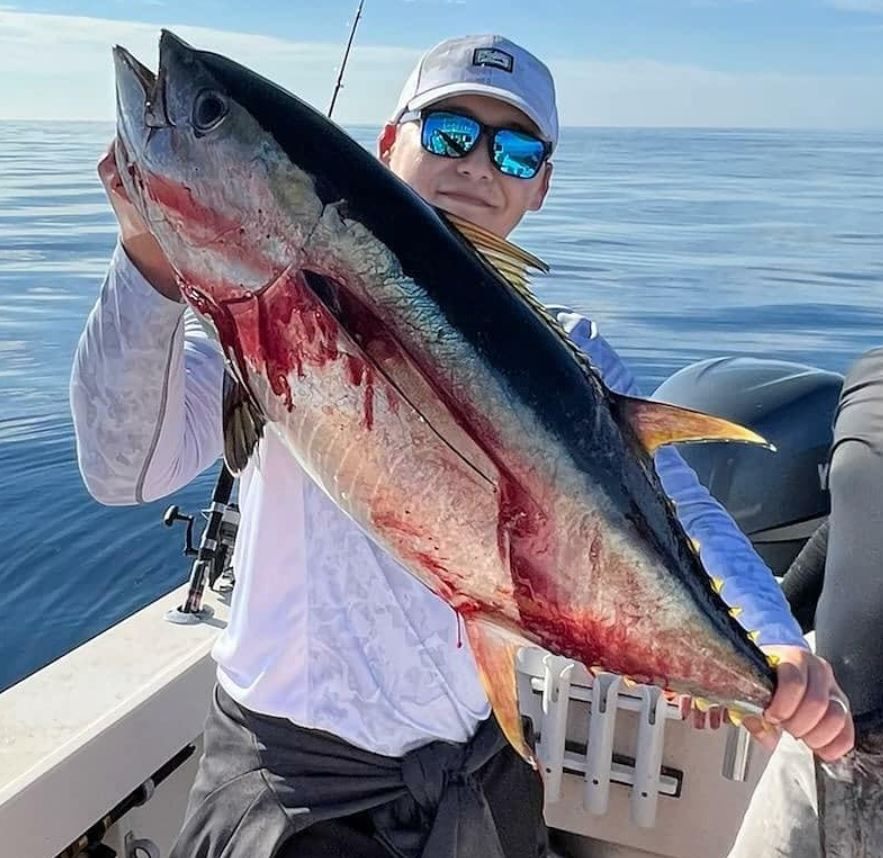
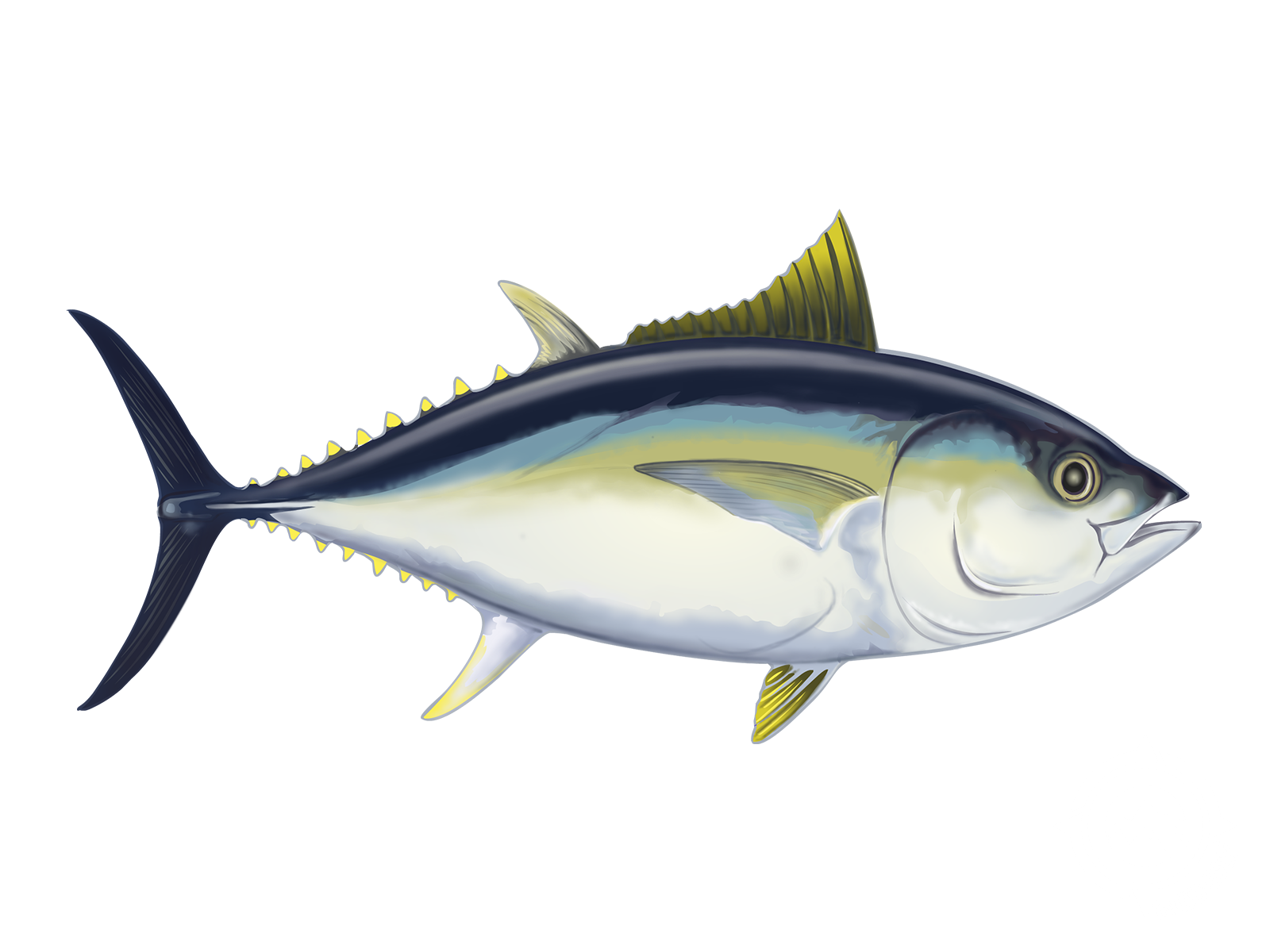
Yellowfin Tuna are probably the most aggressive feeders you'll encounter out there. These speed demons can hit 60 pounds or more in our local waters and they fight like they're rocket-powered. Summer and early fall are prime time for yellowfins, especially when the water temperature is in that sweet spot between 68 and 75 degrees. They're schooling fish, so when you hook one, there's usually more around. Yellowfins are jumpers too – they'll come completely out of the water and put on a show that'll have everyone on the boat cheering. Their bright yellow fins and silver sides make them one of the most beautiful fish in the ocean.
Bluefin Tuna are the holy grail of offshore fishing around here. These are the giants that can exceed 400 pounds, and even the smaller "schoolies" in the 40 to 80-pound range will give you a fight you'll never forget. Bluefins are highly regulated, so we follow all the rules to the letter, but when you're legally hooked up to one, it's pure magic. They're most common in our waters during the spring and fall migrations, and they're incredibly smart fish that can be frustratingly picky about baits. The anticipation while waiting for a bluefin bite is half the fun – when it finally happens, your world gets turned upside down in the best possible way.
Albacore Tuna might be the smallest of the bunch, typically running 10 to 40 pounds in our area, but don't let their size fool you. These "long-finned tunas" are scrappy fighters with incredible stamina, and they're absolutely delicious on the dinner table. Albies show up in good numbers during late summer and fall when the water conditions are just right. They're often the most cooperative of the tuna species, making them perfect for anglers who want to get their first taste of offshore tuna action. Their long pectoral fins are distinctive, and they're known for making blistering initial runs that will surprise you every time.
Time to Book Your Spot
Look, there's a reason why Captain D.C.'s tuna trips are booked solid during the prime season – this is the real deal. You're not just buying a fishing trip; you're investing in memories that'll last a lifetime and stories you'll be telling for years. The 12-
 Private Trip
 Offshore Fishing
 Selden, NY


 12-hour offshore tuna fishing adventure in Selden, NY