Fishing in Delavan & Geneva Lakes, Wisconsin
Picture this: you're casting lines into some of Wisconsin's most productive waters with Captain Dave, a guy who's been reading these lakes like his morning paper for years. Delavan and Geneva Lakes aren't just pretty spots on the map – they're fishing goldmines packed with bass, crappie, and northern pike just waiting to test your skills. This top-rated fishing experience gets you and two buddies out on the water for a day of serious angling action. Just grab your Wisconsin fishing license, bring your crew, and get ready to see why local anglers keep these lakes on speed dial.
What to Expect on the Water
Captain Dave runs a tight ship but keeps things relaxed – exactly what you want in a guide. These connected lake systems offer everything from shallow weed beds where bass love to ambush prey to deeper structure where crappie school up in numbers that'll make your arms sore from reeling. The boat stays comfortable with just three anglers, so everyone gets plenty of elbow room and personalized attention. Dave knows every underwater hump, fallen tree, and weed line that holds fish, plus he's got the local intel on what's biting and where. Weather can change the game plan fast on these lakes, but that's where experience pays off – Dave adjusts techniques and locations to keep you on fish regardless of conditions. Expect to move around quite a bit as you work different structures and depths throughout the day.
Techniques & Tackle Setup
Dave's approach changes with the season and what the fish are telling him, but you'll likely work a mix of live bait and artificials depending on target species. For bass, expect to throw everything from topwater plugs early morning to jigs and soft plastics around cover. Crappie fishing often means precision jigging around brush piles or trolling small spinners along drop-offs. Northern pike hunting gets exciting with bigger baits – spoons, spinnerbaits, and even live suckers when they're really finicky. The key here is Dave's knowledge of seasonal patterns and daily adjustments based on weather, water temperature, and fish behavior. He provides all the tackle you need, but feel free to bring your own rods if you've got favorites. The lakes feature a mix of natural structure and man-made fish cribs, so you'll learn to work both effectively. GPS and sonar help locate fish-holding structure, but reading the water and understanding fish behavior separate good days from great ones.
Top Catches This Season
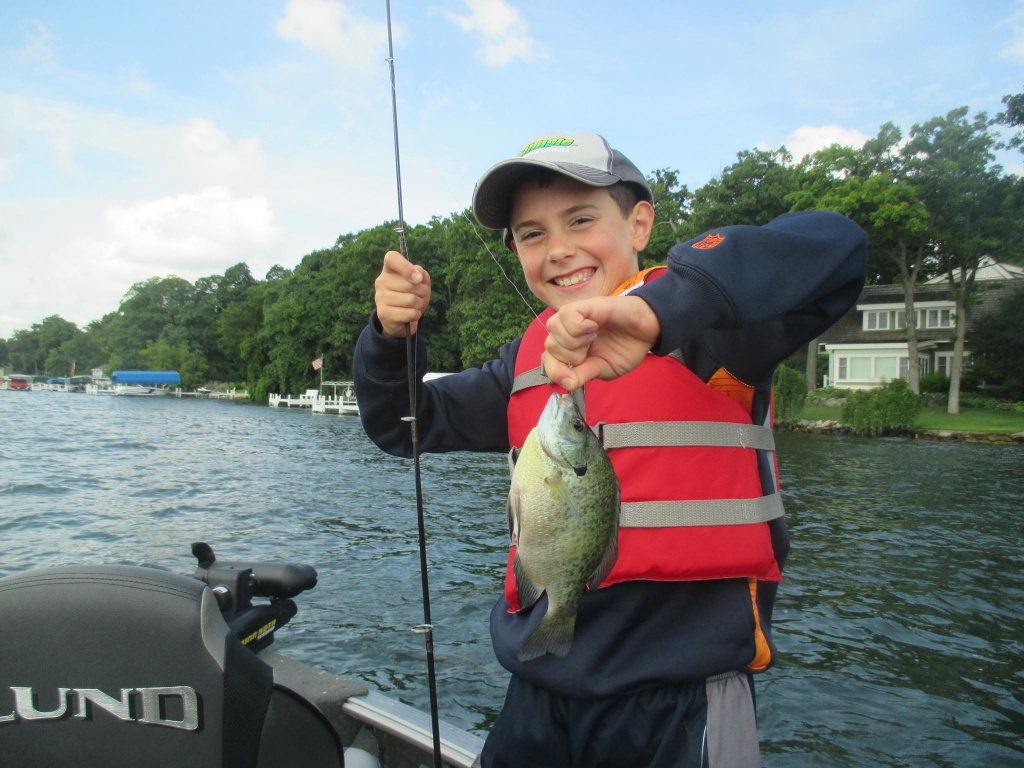
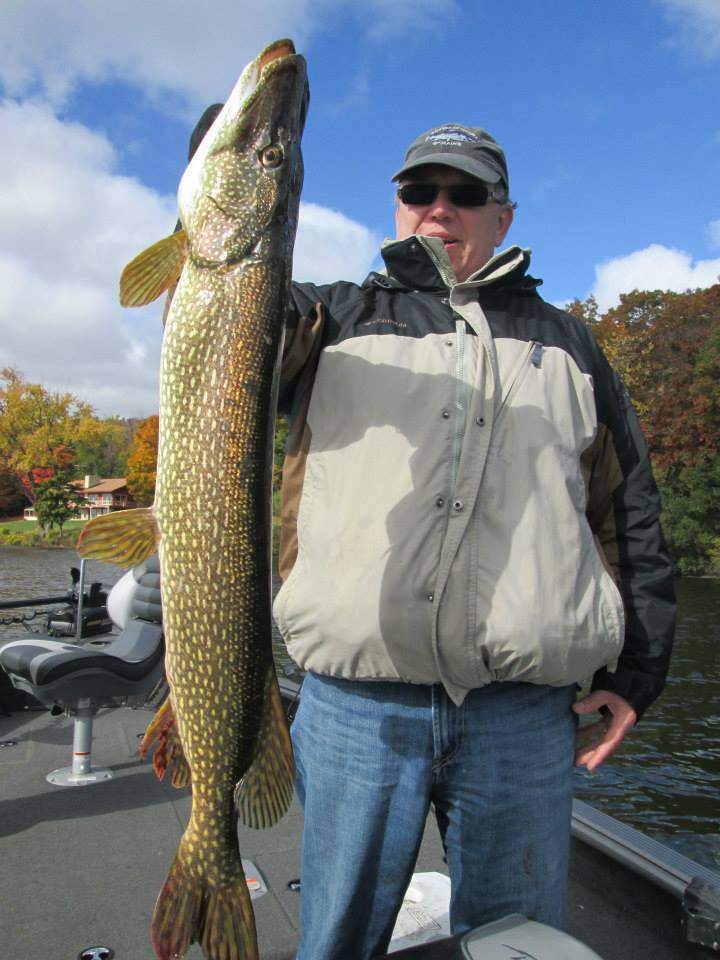
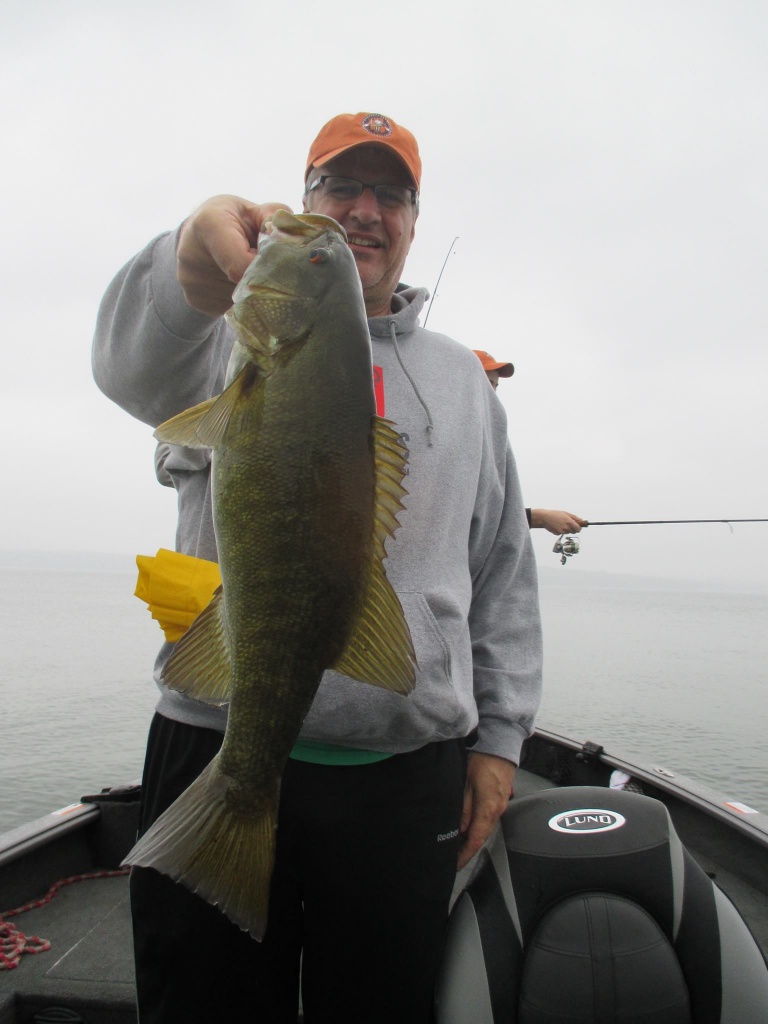
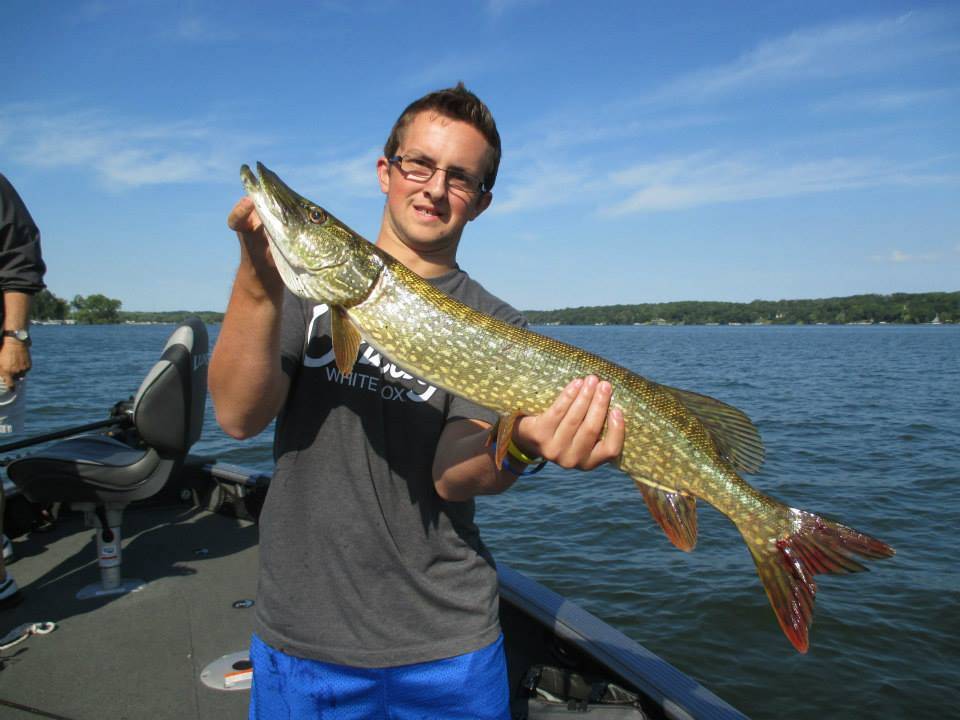
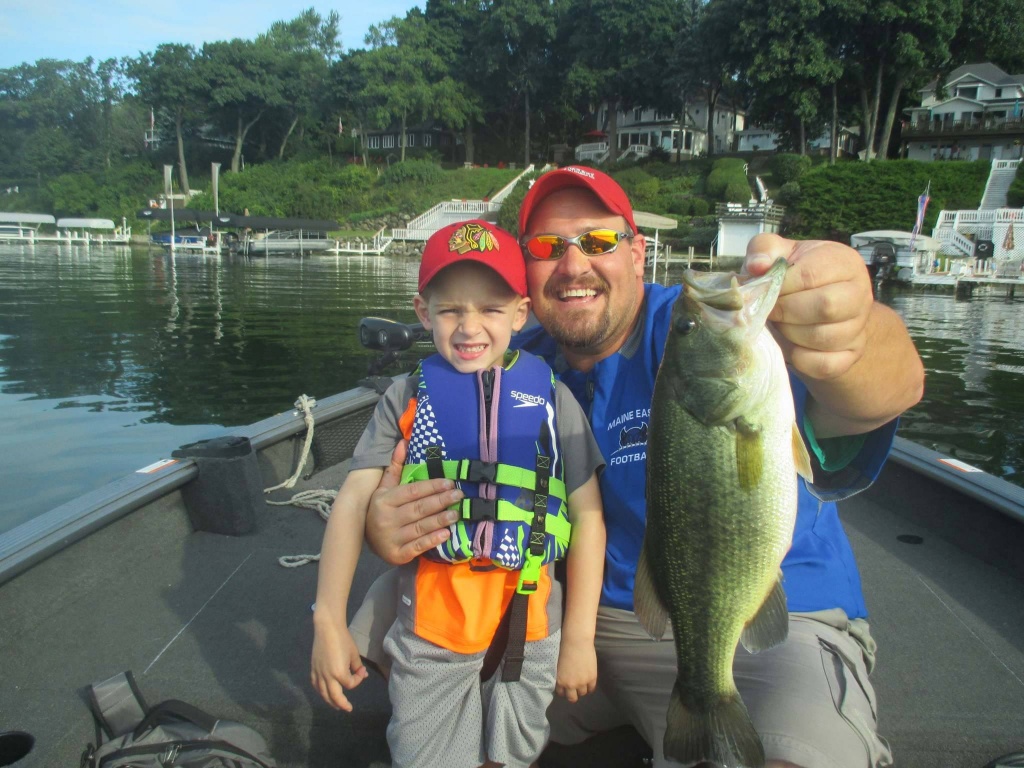
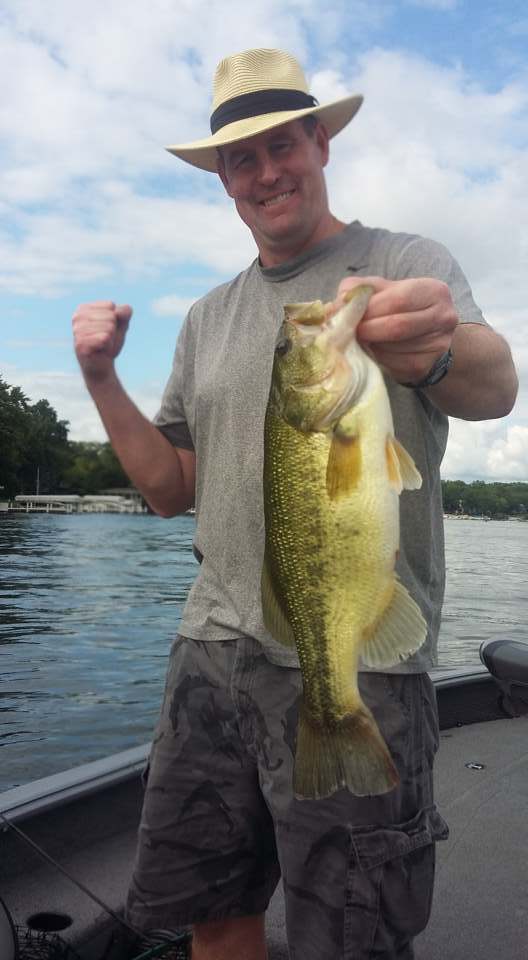
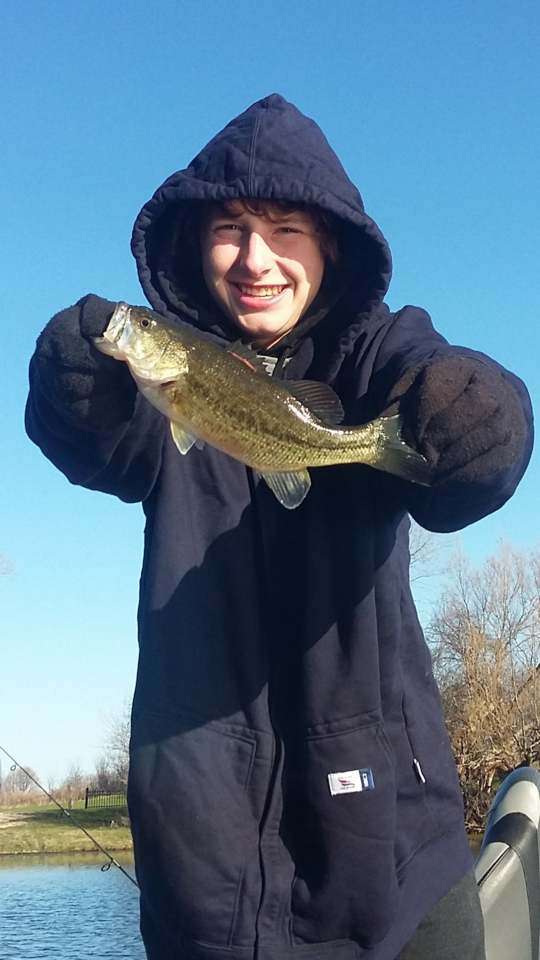
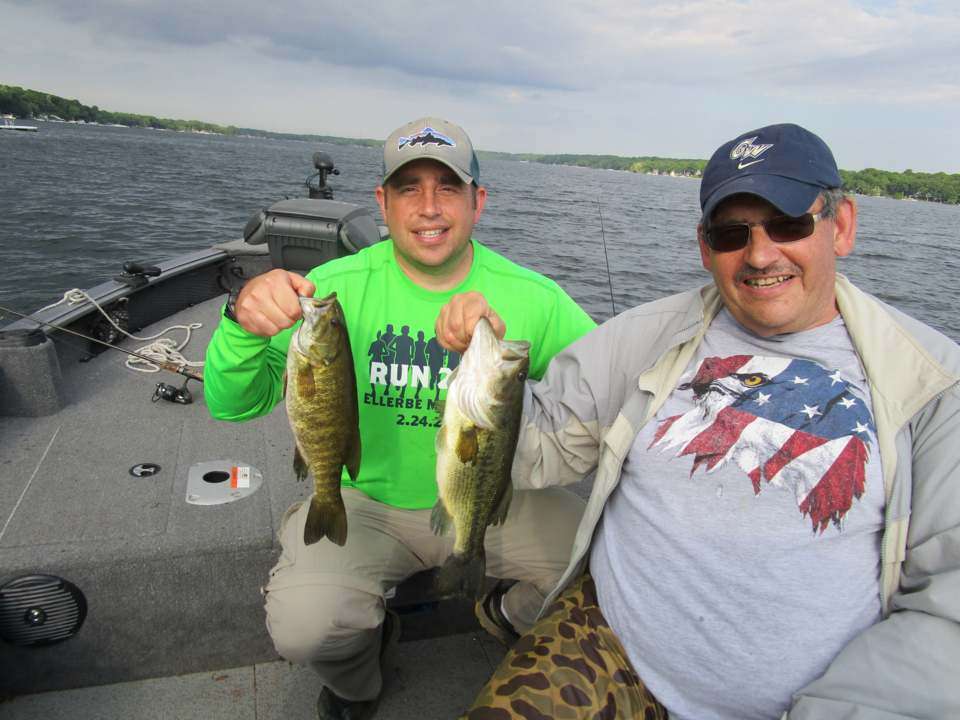
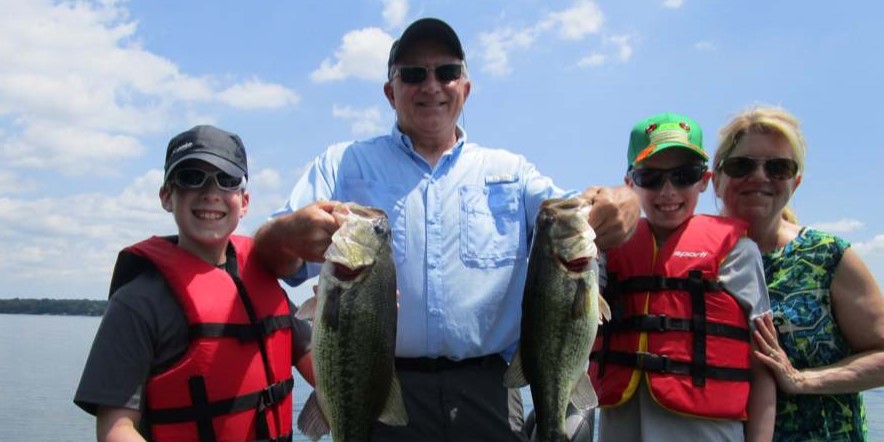
Largemouth bass rule the shallow bays and weed edges, especially during spring and fall when they're feeding aggressively. These fish average 2-4 pounds but don't be shocked when a 5-pounder crushes your frog in the pads – it happens more than you'd think on these productive waters. They love ambush spots where they can dart out and nail unsuspecting baitfish, making weedline fishing particularly exciting. Smallmouth bass prefer the rockier areas and drop-offs, fighting harder pound-for-pound than their largemouth cousins. These bronze fighters jump like crazy and make screaming runs that'll test your drag settings. Crappie fishing can be absolutely lights-out during their spring spawn when they stack up in shallow cover like cordwood. These slab-sided panfish might look innocent, but they're some of the best eating fish in the lake and fight surprisingly well for their size. Northern pike are the apex predators here, lurking in weed beds and ambushing anything that moves. These toothy critters can stretch over 30 inches and provide heart-stopping strikes that'll wake up anyone dozing in the boat. The yellowtail amberjack listing seems unusual for Wisconsin inland waters, so focus on the realistic species you'll actually encounter.
Species You'll Want to Hook
Largemouth bass are the bread and butter of these lakes, with peak action from May through September when water temperatures get them fired up. These green machines love the extensive weed beds and fallen timber that both lakes offer in abundance. Spring finds them staging in shallow bays preparing to spawn, while summer pushes them to deeper weed edges and structure. Fall brings some of the year's best fishing as they pack on weight before winter. What makes them special here is the variety of techniques that work – you can catch them on everything from buzzbait blowups to finesse worms in tough conditions.
Smallmouth bass bring a different flavor to the fight, preferring the cleaner, rockier sections of both lakes. Peak season runs from late spring through early fall, with some of the hottest action happening during the summer months when they're actively feeding. These fish average smaller than largemouths but make up for it with attitude – they jump repeatedly and make blistering runs that keep you honest. The rocky points and drop-offs of Geneva Lake particularly hold good populations of quality smallies.
Crappie fishing can absolutely go off during the right conditions, particularly in spring when they move shallow to spawn. These paper-mouthed panfish school heavily, so when you find one, you've likely found many more. They average 8-12 inches but the lakes kick out some true slabs over 14 inches that make for great table fare. Summer finds them suspended over deeper water, while fall concentrates them around structure as water temperatures drop.
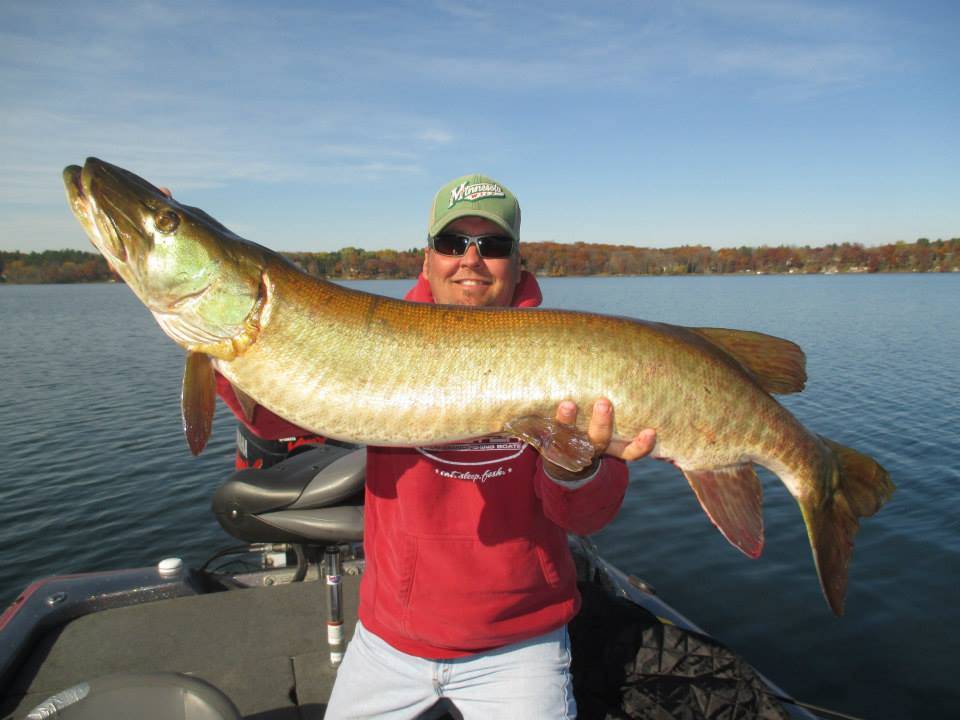
Northern pike are the wildcards that can make any day memorable. These aggressive predators patrol weed beds and ambush points year-round, with spring and fall providing peak opportunities. They can exceed 40 inches in these waters and provide explosive strikes that come without warning. What's particularly fun is their willingness to hit big baits – you can throw 8-inch swimbaits and watch them disappear in violent strikes that'll get your heart pounding.
Time to Book Your Spot
Dave Duwe's Guide Service delivers exactly what serious anglers want – local knowledge, productive waters, and a genuine fishing experience without the fluff. These lakes produce fish consistently through the season, and having someone who knows every productive
 Private Trip
 Lakes/Reservoirs/Ponds Fishing
 Milwaukee
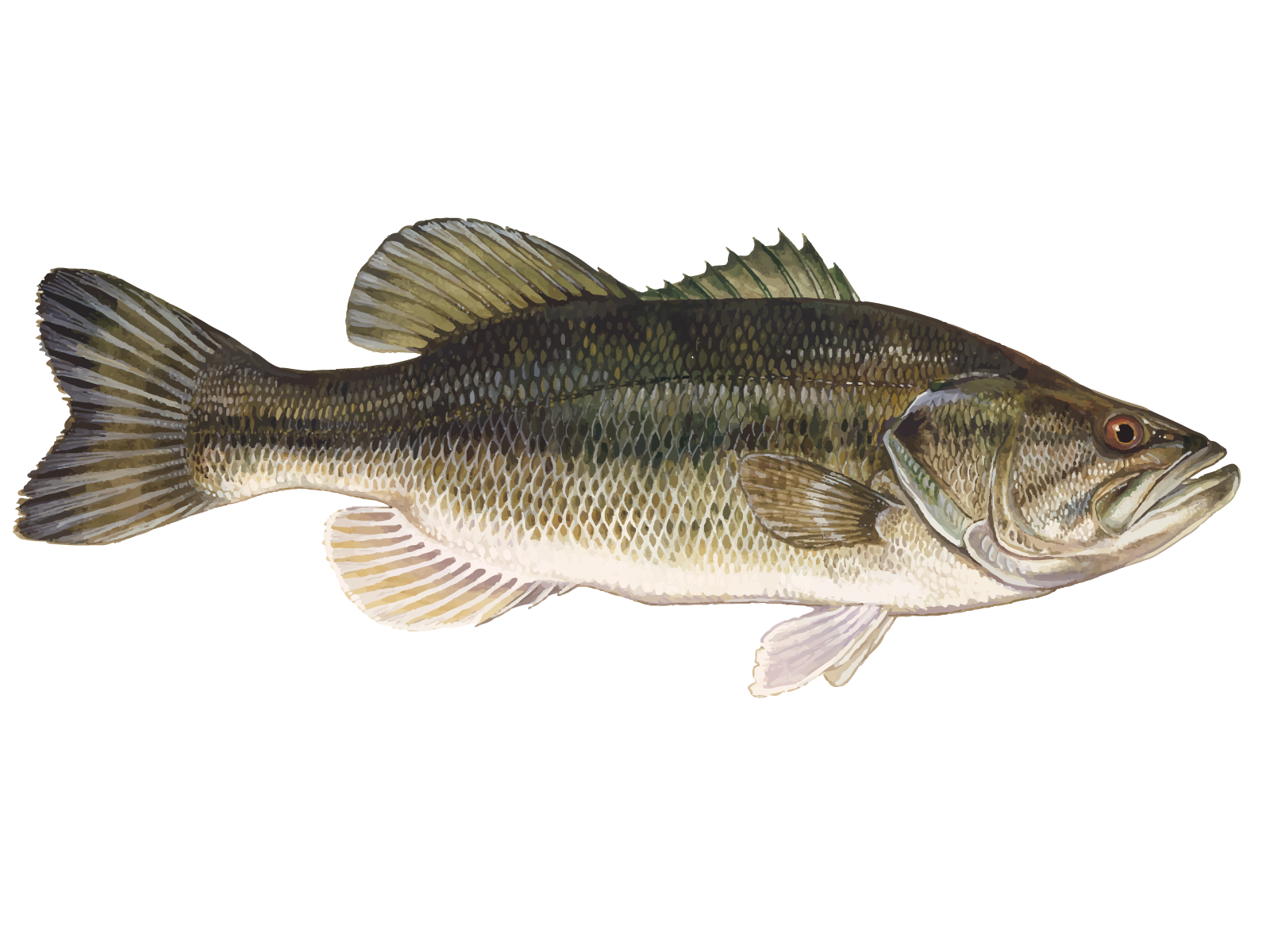


 Target Bass, Crappie, and Pike with Captain Dave's guidance