4 Hour Light Tackle Fishing Adventure
Sometimes you don't need a full day on the water to scratch that fishing itch. Our 4-hour light tackle trip with Desperate Measures Guide Service is perfect for those mornings when you want to get on the fish early, or those evenings when the bite turns on just before sunset. We keep things simple and productive - staying close to our launch site means more time with lines in the water and less time burning fuel. Whether you're introducing the kids to their first real fishing experience or you're a seasoned angler looking to squeeze in some quality time on the water, this trip delivers consistent action without the commitment of a full day charter.
What to Expect on the Water
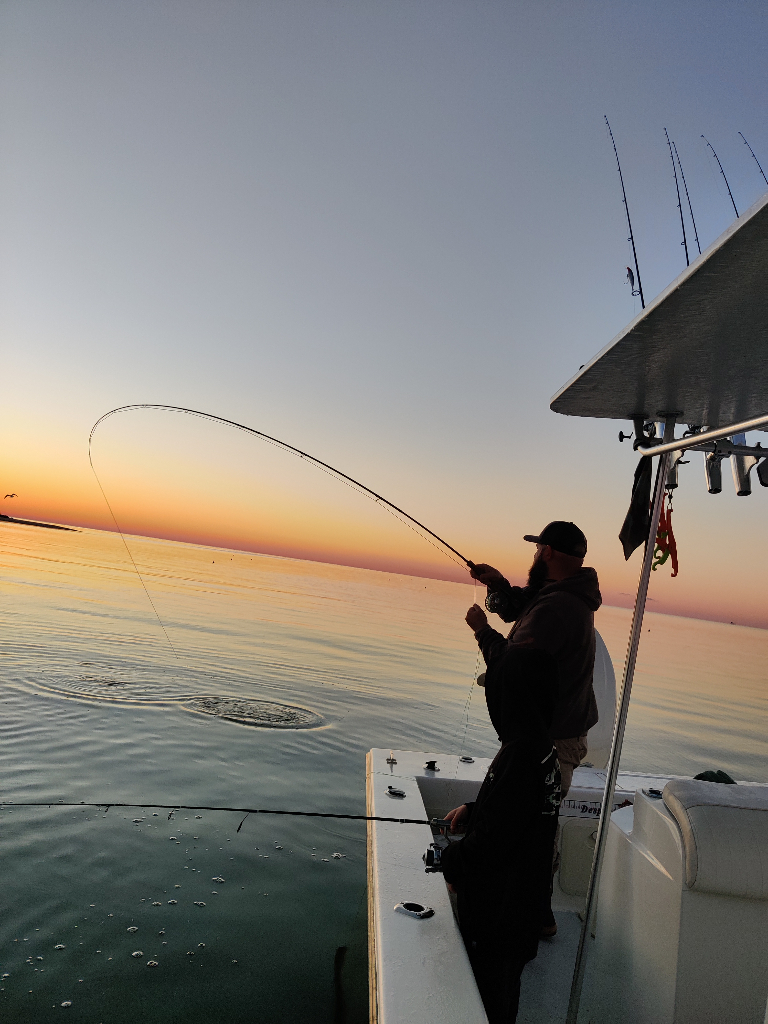
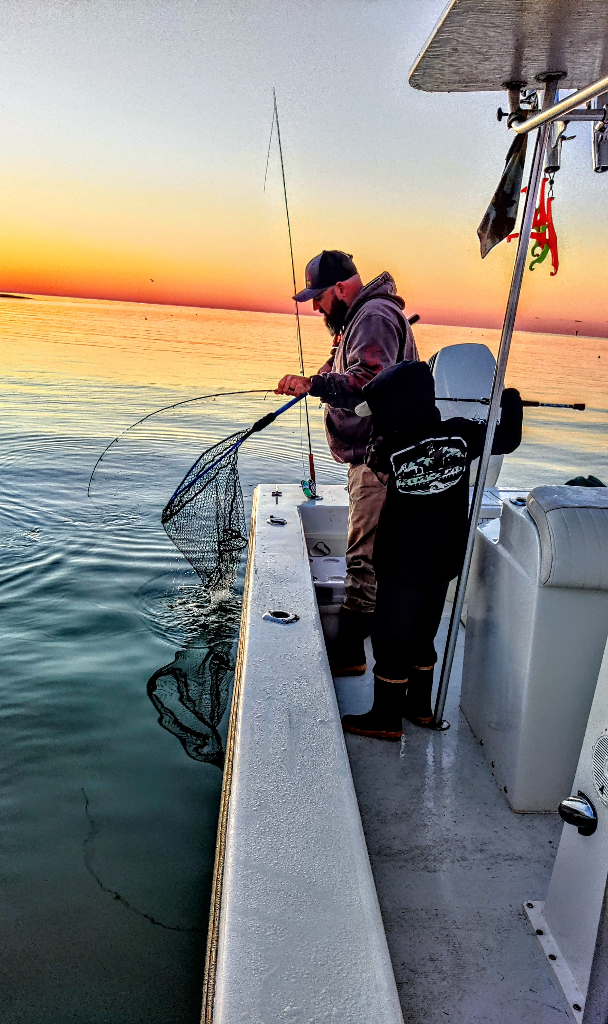
This trip is all about maximizing your fishing time in a shorter window. I've designed it specifically for anglers who want quality over quantity when it comes to time on the water. We launch and immediately head to productive waters within a short run from our dock, which means we're fishing within minutes instead of spending an hour getting to distant spots. The beauty of staying local is that I know these waters like the back of my hand - every structure, every drop-off, every tidal change that triggers feeding activity. You'll fish with light tackle and fly gear, which makes every fish feel bigger and fight harder than heavy boat rods ever could. The trip accommodates up to 4 anglers, so there's plenty of room to move around and everyone gets their shots at fish. Early morning trips capitalize on that dawn bite when fish are actively feeding in shallow water, while evening trips take advantage of the golden hour when predators push baitfish to the surface. Both time slots have their own magic, and both consistently produce fish.
Light Tackle Techniques
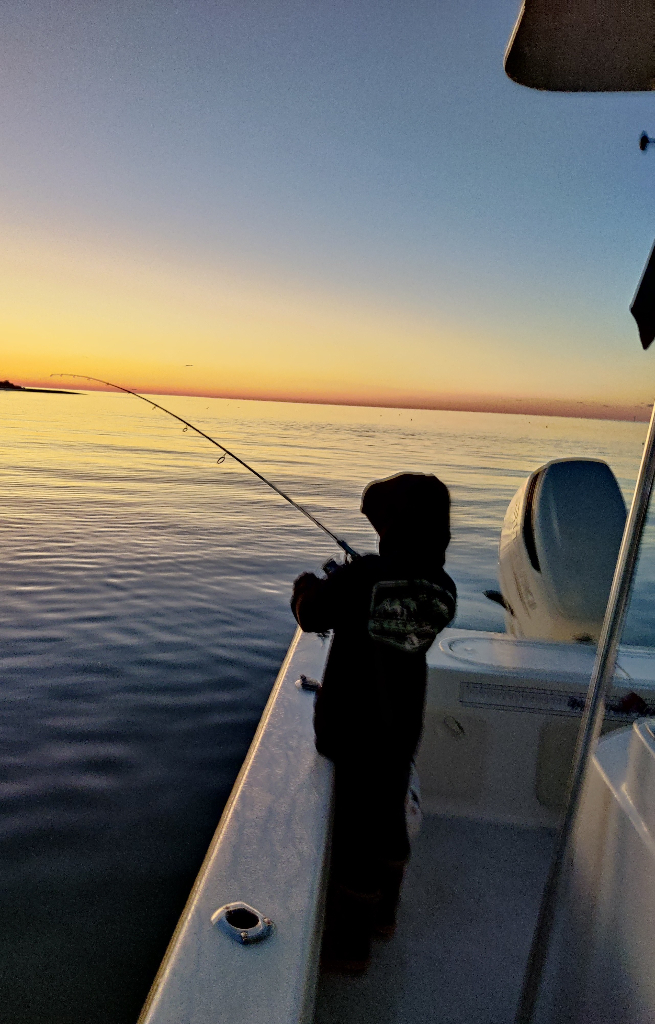
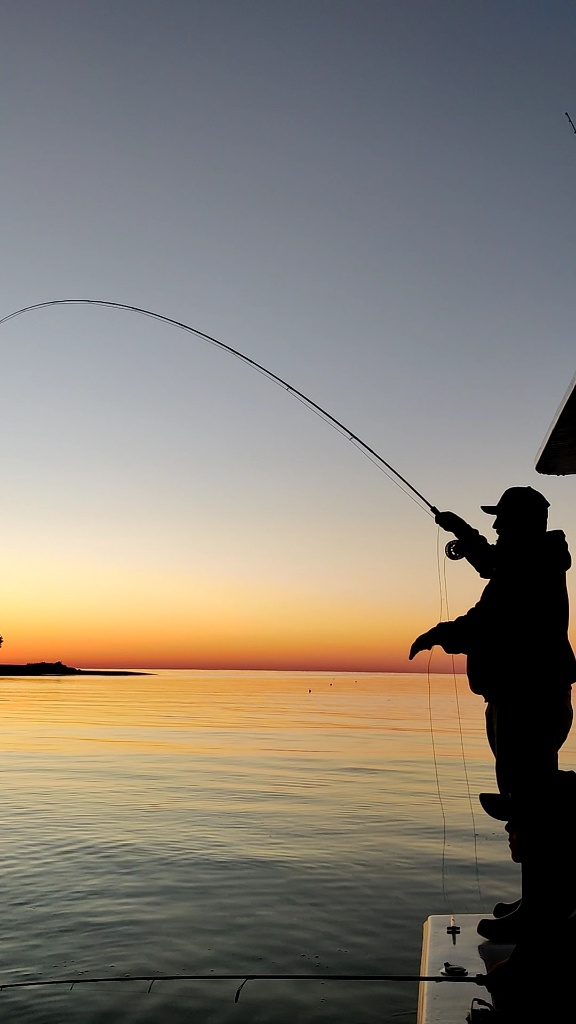
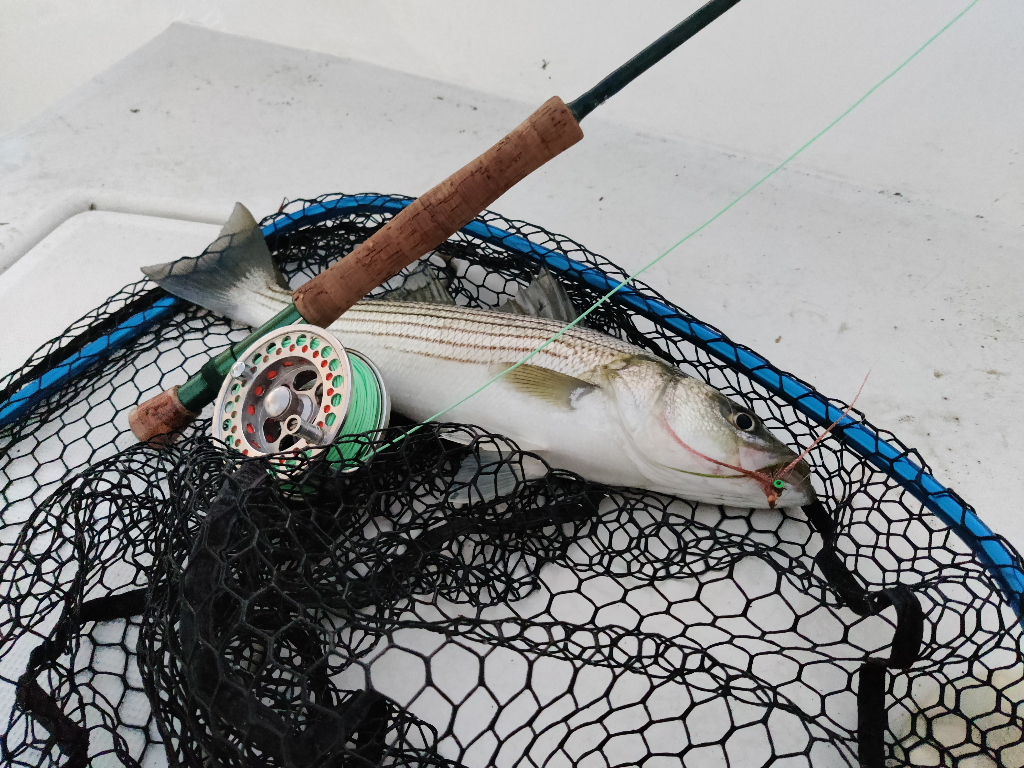
Light tackle fishing is where the real fun begins. We're talking spinning reels spooled with 10-15 pound test, matched with rods that have enough backbone to handle good fish but enough sensitivity to feel every bump and tap. This setup lets you feel every head shake and run, turning even smaller fish into memorable battles. We'll work everything from topwater plugs at dawn to soft plastics bounced along structure. Fly fishing adds another dimension entirely - watching a striper explode on a popper or seeing a bluefish charge a streamer never gets old. I provide all the gear, but if you have a favorite rod or reel you like to fish with, bring it along. Techniques vary based on conditions and what the fish are telling us, but expect to throw everything from surface lures to jigs depending on where we find feeding activity. The key with light tackle is letting the fish run when they want to run, and that's where the real excitement happens. No heavy-handed boat fishing here - this is about finesse and feeling connected to every fish that hits your line.
Top Catches This Season
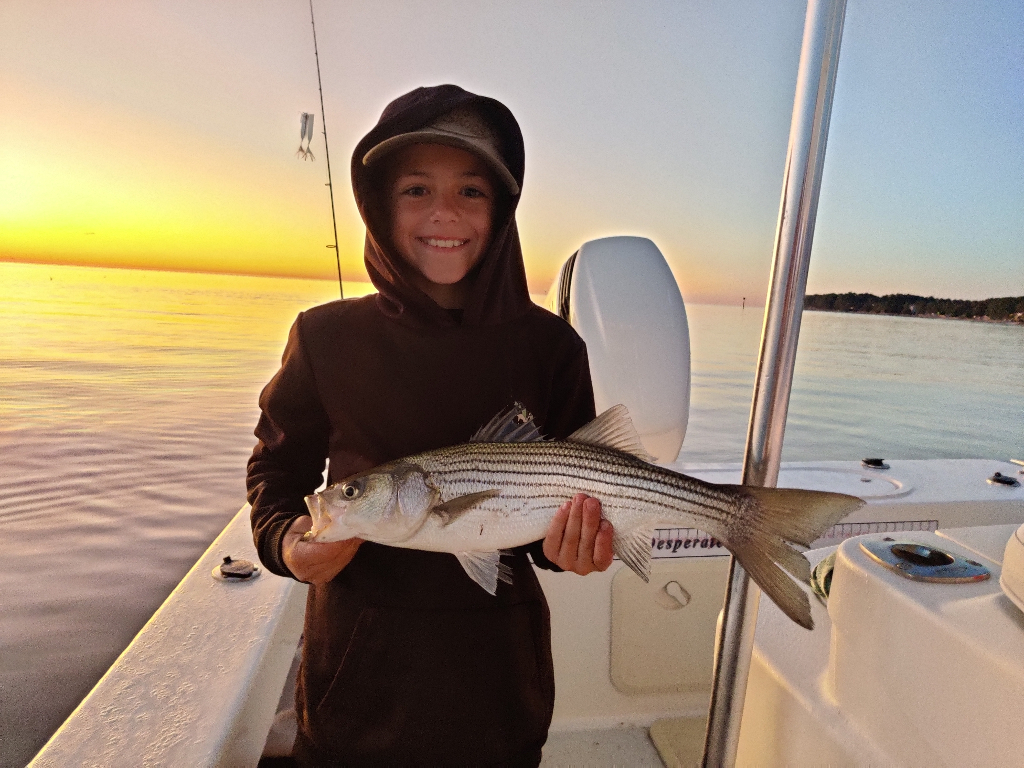
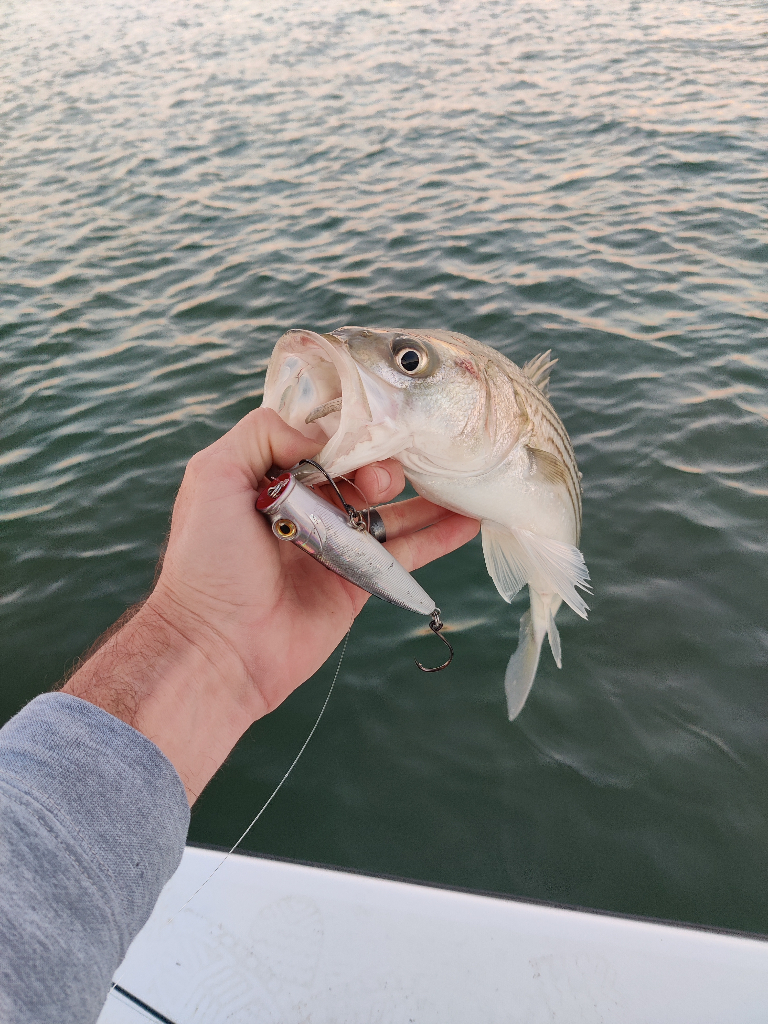
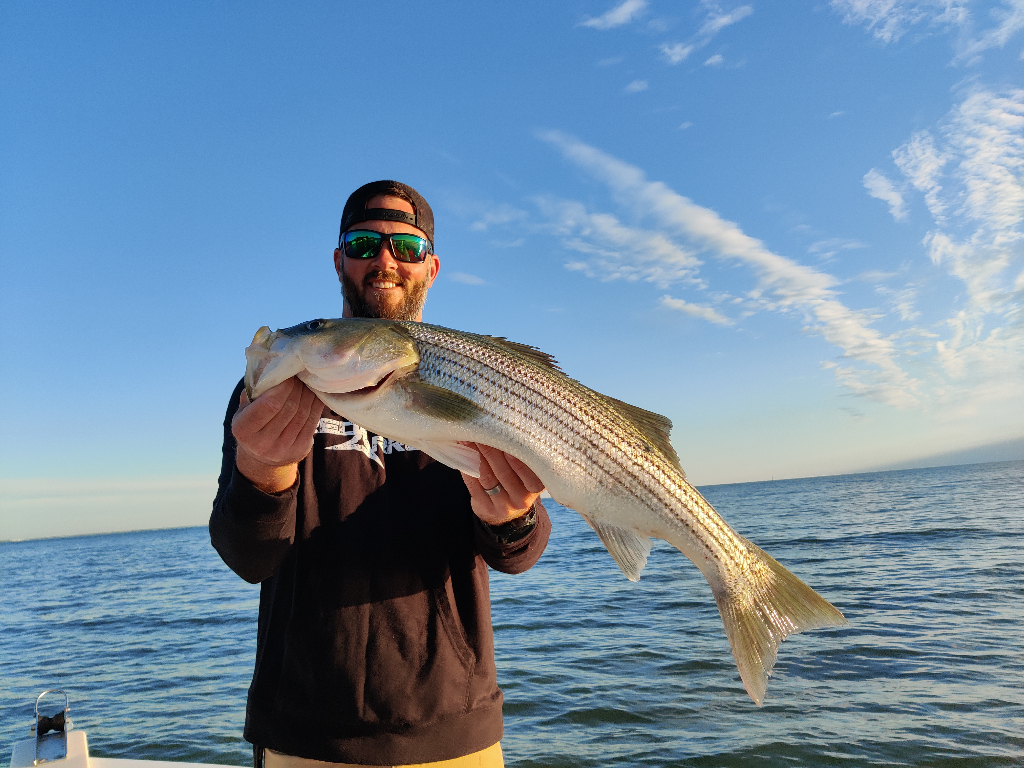
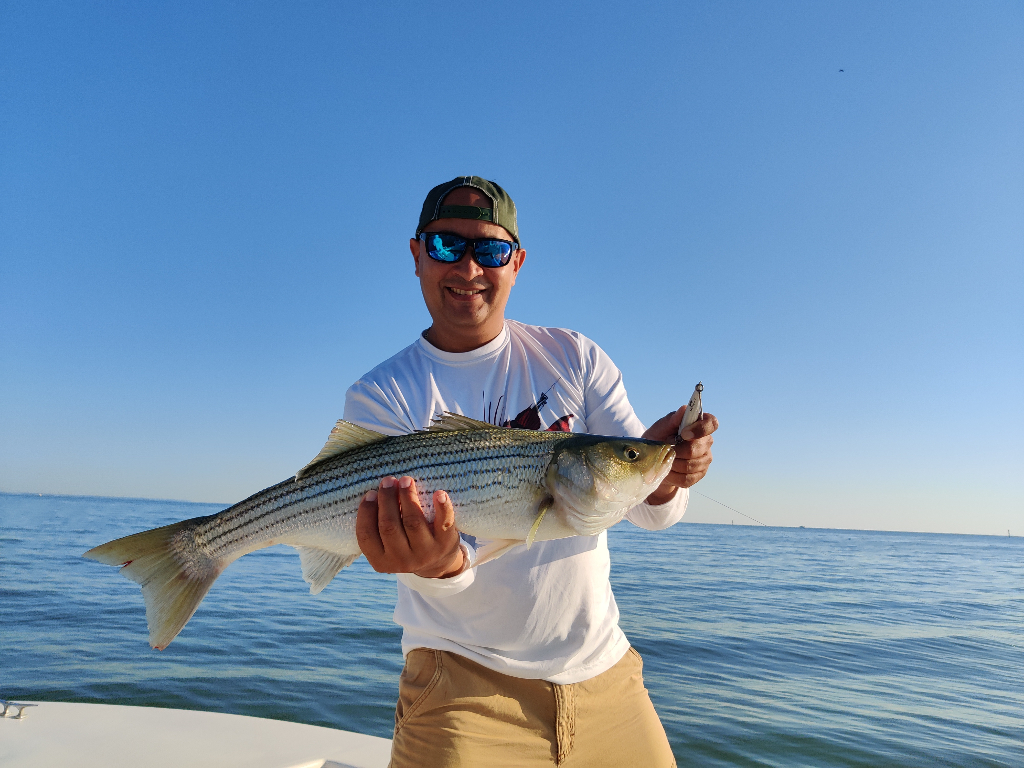
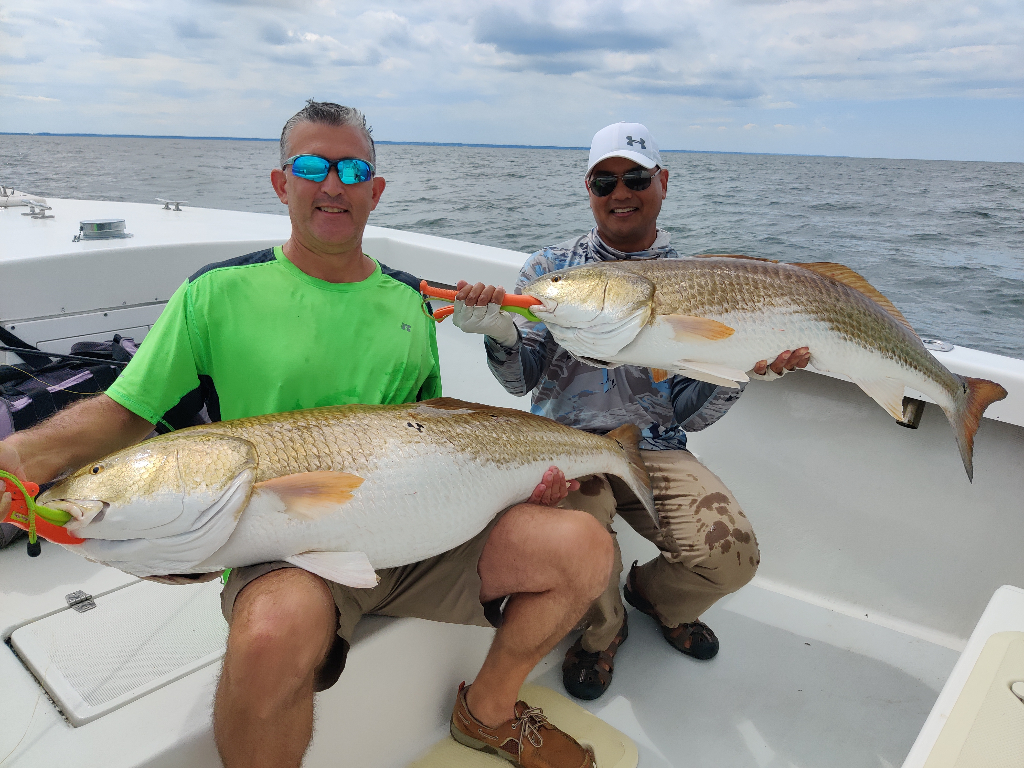
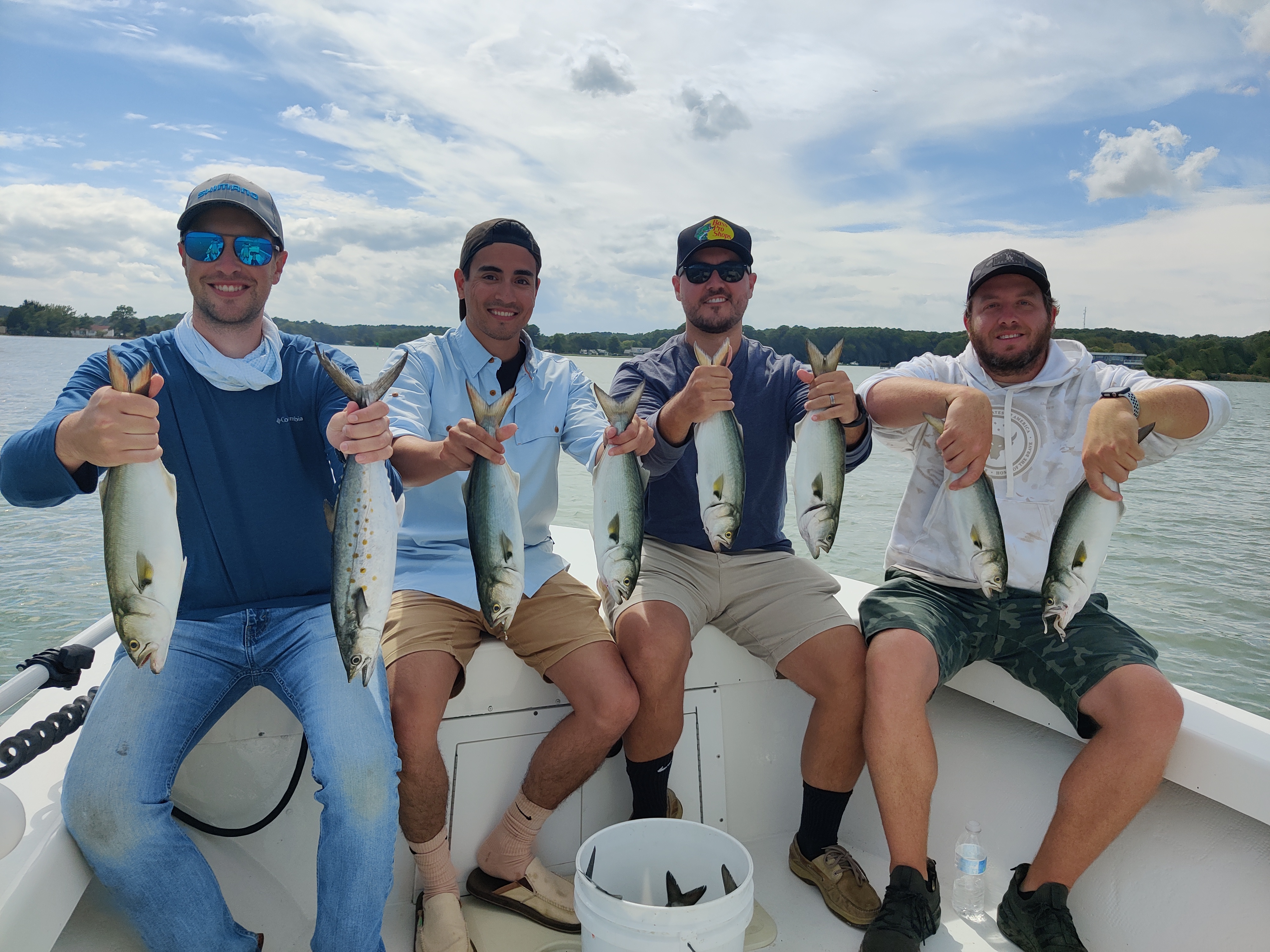
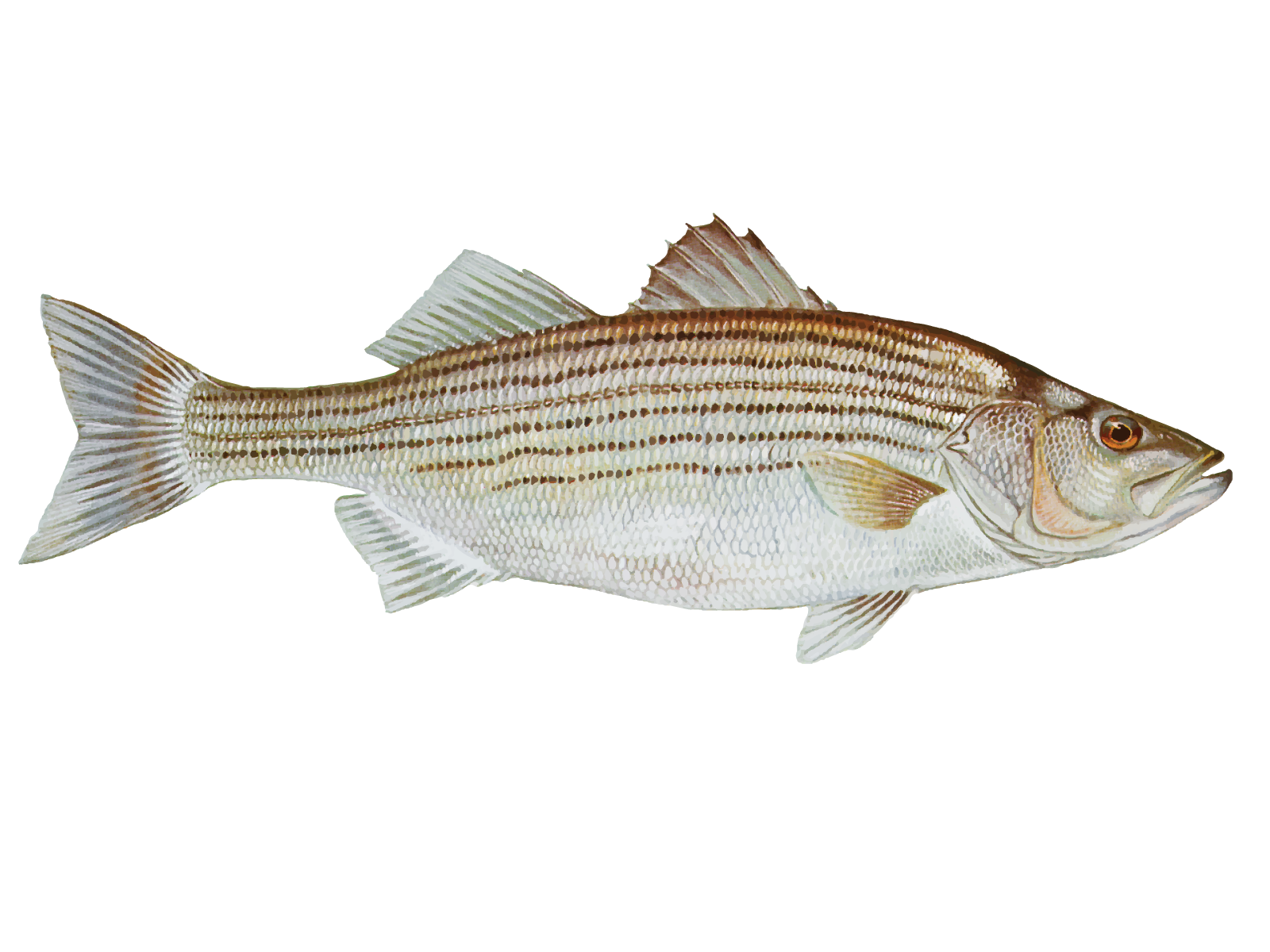
The waters we fish hold an impressive variety of species that keep things interesting throughout the trip. Striped bass are the backbone of our fishery, and these fish are built for light tackle. They hit hard, run strong, and know how to use current and structure to their advantage. Spring and fall see the biggest concentrations, but we catch them consistently through the warmer months too. They range from schoolie bass in the 18-26 inch range up to keeper fish that'll test your drag and your patience. White perch might not get the respect they deserve, but they're scrappy fighters that hit aggressively and taste great in the pan. They school up tight, so when you find them, you'll stay busy. These fish are perfect for kids - they bite readily and fight hard for their size. Spotted weakfish, or "specks" as we call them, are absolute rockets on light tackle. They make blistering runs and have soft mouths that keep you honest with your drag settings. Spanish mackerel show up when water temperatures climb, and they're speed demons that'll smoke drag off your reel. Bluefish are the bulldogs of this group - pure aggression with razor-sharp teeth. They hit like freight trains and fight dirty, using their weight and power to try to break you off on any structure they can find.
Time to Book Your Spot
This 4-hour light tackle trip hits the sweet spot for anglers who want a quality fishing experience without dedicating an entire day to it. You'll fish productive local waters with an experienced guide who knows exactly where the fish are holding, using tackle that makes every catch exciting. Whether you're bringing the kids for their first real fishing adventure or you're a seasoned angler looking to get your fix in a shorter timeframe, this trip consistently delivers action and memories. The combination of staying close to productive waters and using light tackle creates the perfect recipe for a successful outing. Book your spot now and get ready to experience why light tackle fishing keeps anglers coming back for more. Contact Desperate Measures Guide Service today and let's get you on the water for some serious fish-catching action.
 Private Trip
 Backcountry Fishing
 Dameron, MD



 Four-hour light tackle and fly fishing adventure