Florida Inshore Fishing Charter
Looking for a laid-back fishing adventure that delivers consistent action? Captain Shane's half-day inshore charter puts you right in the heart of Pine Island Sound's most productive waters. This isn't some rushed tourist trip—it's a genuine Florida fishing experience where you'll work the flats and backwaters that locals have been hammering for decades. With light tackle setups and live bait presentations, you'll be targeting the holy grail of Southwest Florida species: snook, redfish, and spotted sea trout. Whether you're bringing the family or a crew of fishing buddies, this charter keeps things relaxed while putting fish in the boat.
What to Expect on the Water
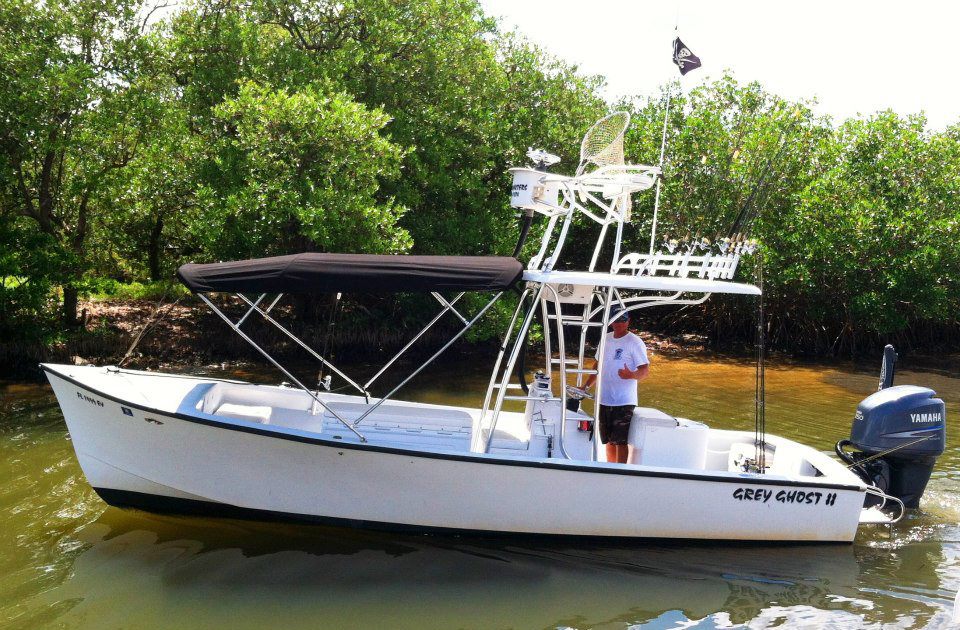
Your morning starts in the calm, protected waters around Pine Island Sound, where Captain Shane's nearly two decades of local knowledge really shines. This is shallow water fishing at its finest—crystal clear flats where you can actually see the fish you're casting to. The boat rides smooth through these backwaters, so even if someone in your group gets a little seasick on bigger boats, they'll be perfectly comfortable here. You're looking at a private charter for up to six people, though the base rate covers four anglers (perfect for most families or small groups). The captain provides all your bait, tackle, and fishing licenses, so you just need to bring some snacks and drinks to keep everyone happy between hookups. These aren't marathon fishing sessions either—half-day trips give you plenty of action without wearing out the kids or anyone who's new to the sport.
Light Tackle & Live Bait Tactics
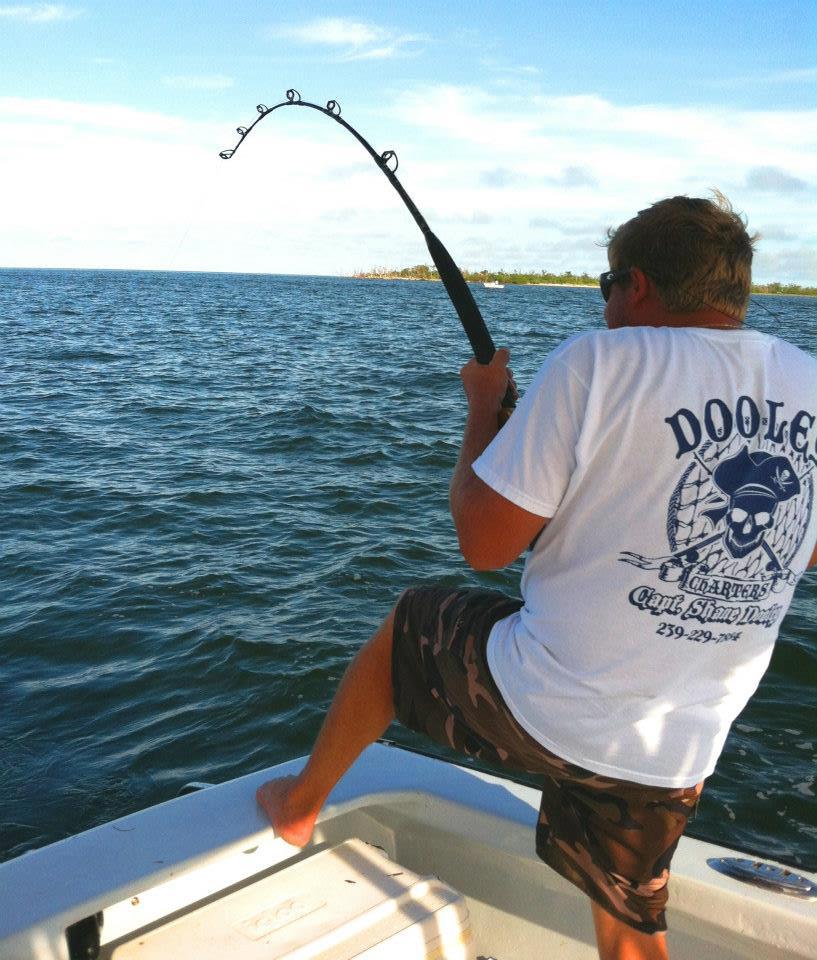
Captain Shane runs his charters using light spinning tackle paired with live bait—the absolute best combination for consistent inshore success. You'll be working with circle hooks and live shrimp, pinfish, or pilchards depending on what the fish are eating that day. The beauty of light tackle is that even a 20-inch redfish feels like a monster, and when you hook into a slot snook on 15-pound test, you're in for a real battle. Most of the fishing happens in 2-6 feet of water around grass flats, oyster bars, and mangrove shorelines. Captain Shane positions the boat so you can cast to structure without spooking the fish, then coaches you through the fight when something eats. The techniques are simple enough that first-timers pick them up quickly, but there's plenty of nuance to keep experienced anglers engaged. Live bait fishing means you're not constantly casting and retrieving—you set your bait in the right spot and let the fish come to you.
Species You'll Want to Hook
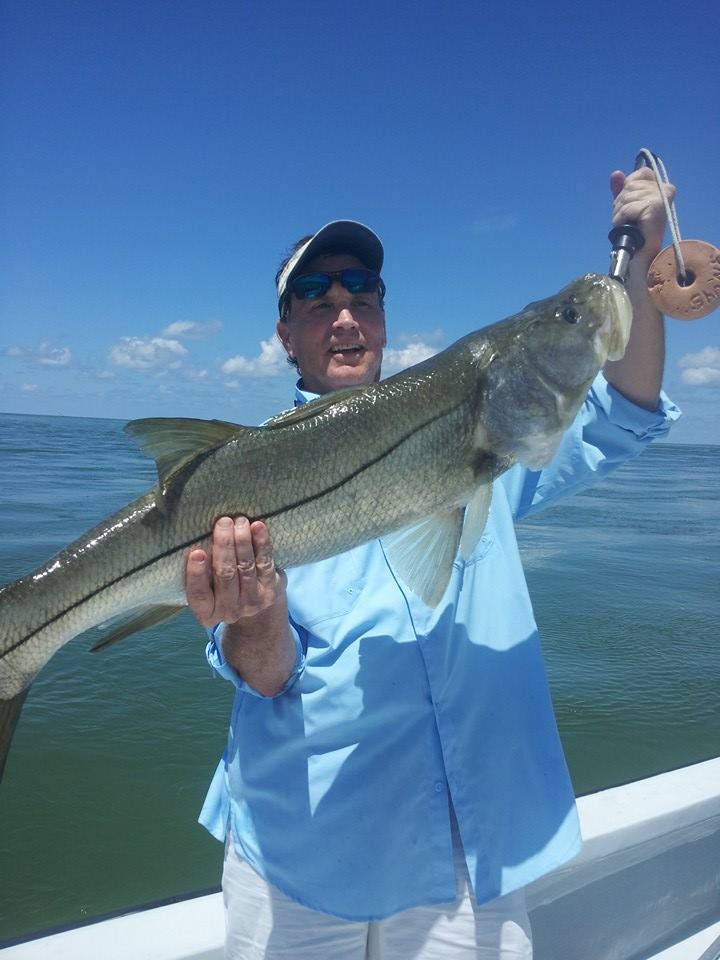
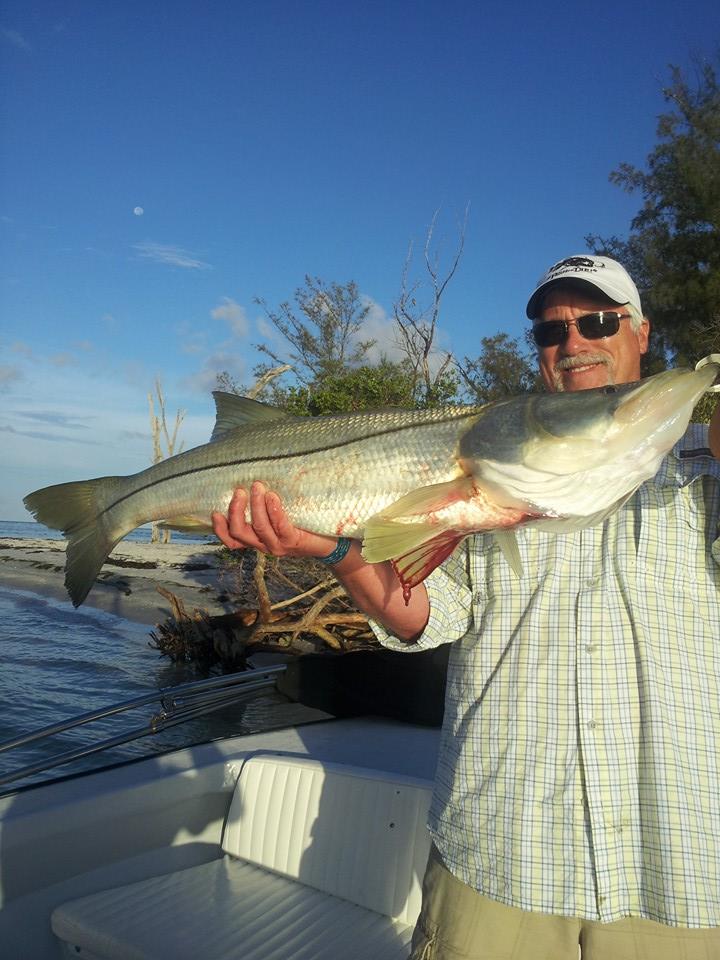
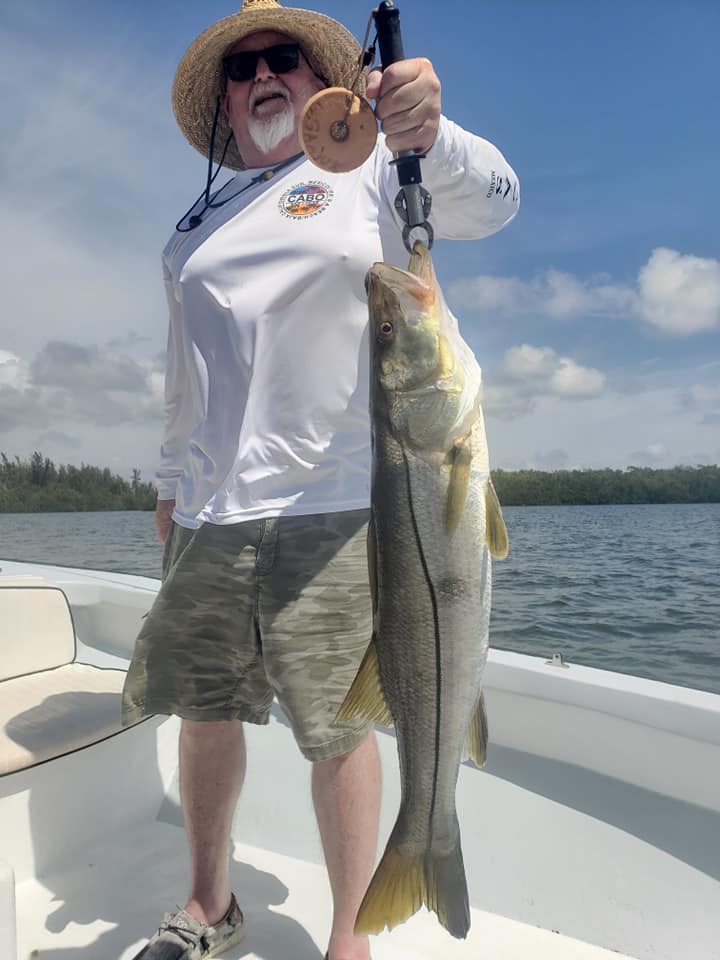
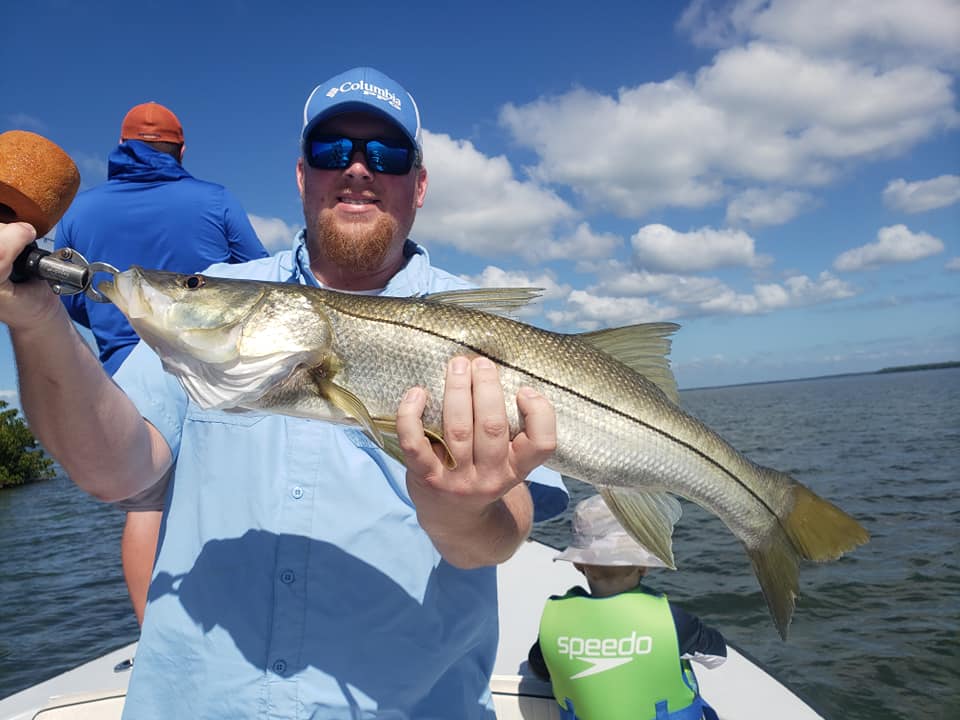
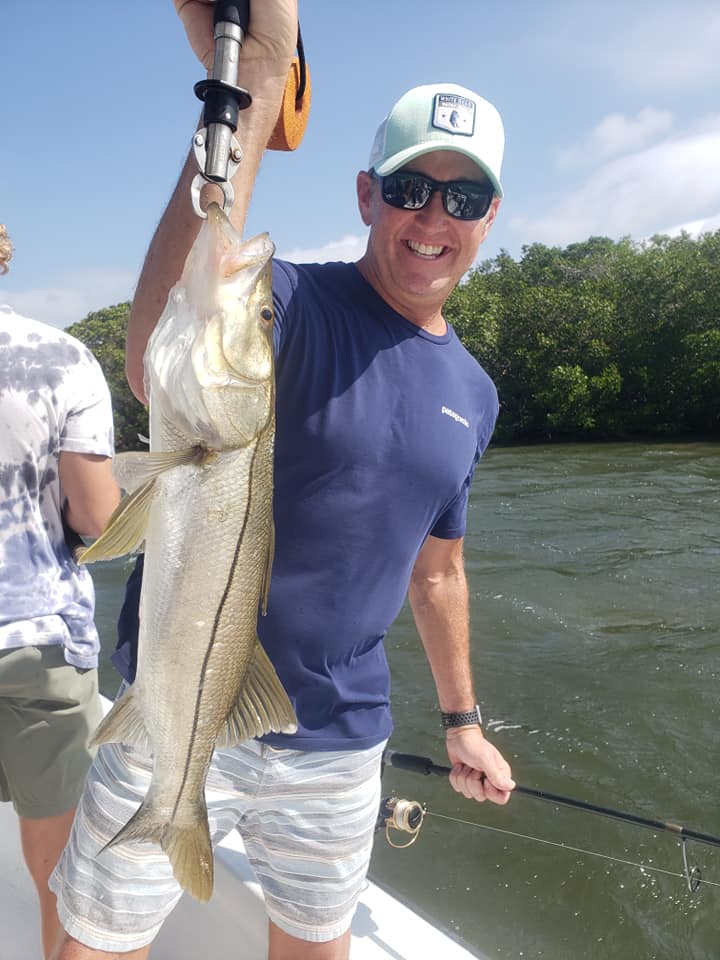
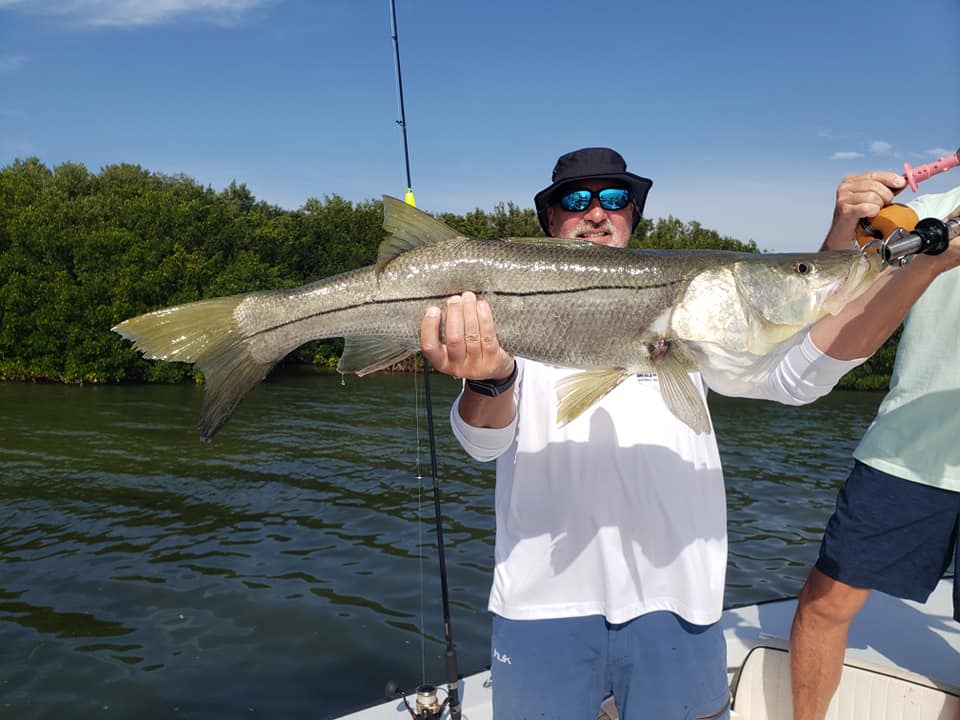
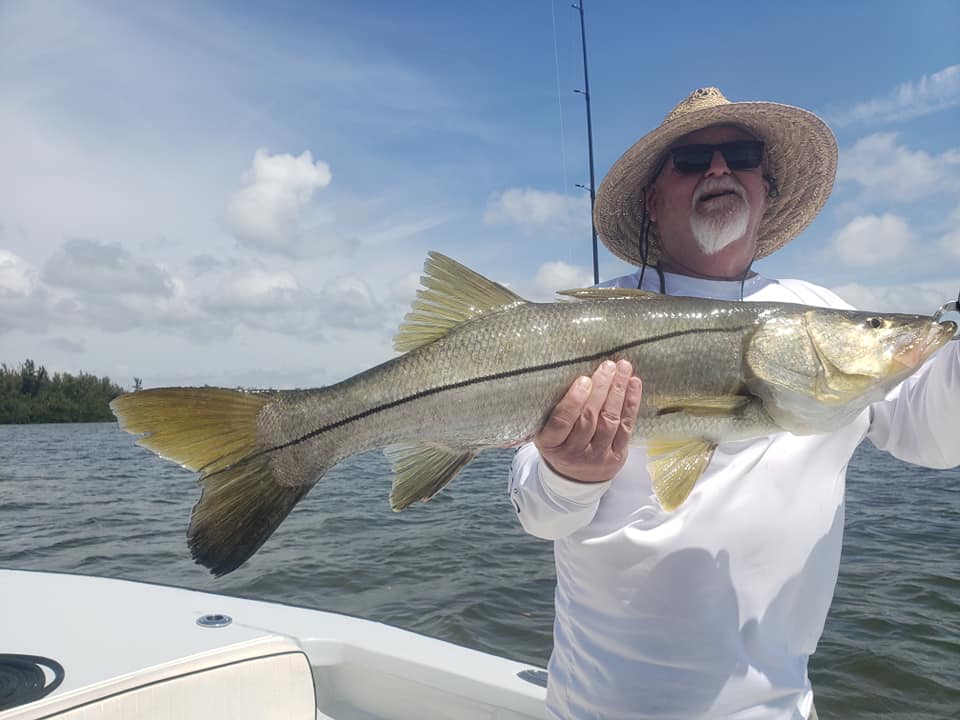
Snook are the crown jewel of Florida inshore fishing, and Pine Island Sound holds some of the most consistent populations in the state. These ambush predators love to hang around mangrove points and dock pilings, waiting for baitfish to swim by. They're notorious for their explosive strikes and acrobatic jumps—when a snook eats your bait, you'll know it immediately. The best action typically happens during moving tides, especially around dawn and dusk. What makes snook so special is their fighting ability; they'll make multiple runs toward structure, trying to cut your line on oyster bars or wrap you around mangrove roots. Most of the fish you'll catch run 18-28 inches, though Pine Island Sound produces its share of true giants over 30 inches.
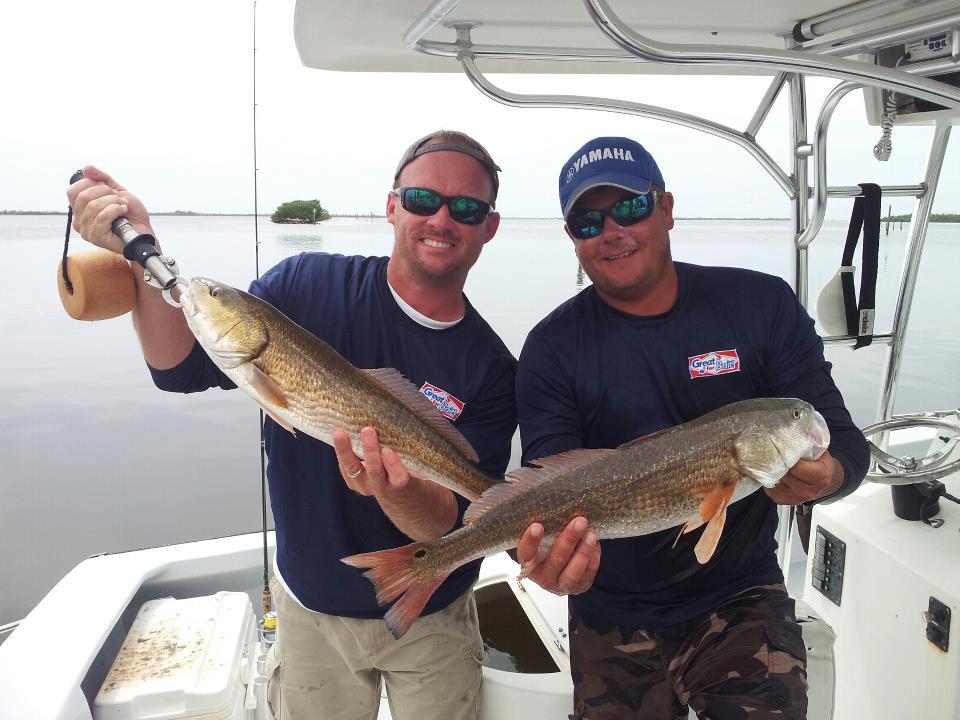
Redfish are probably the most reliable species you'll encounter, and they're absolutely perfect for anglers of all skill levels. These copper-colored bruisers patrol the shallow flats in small schools, tailing and rooting around in the grass for crabs and shrimp. Reds fight with pure power—no fancy jumps, just bulldogging runs that test your drag and your arms. They're also pretty forgiving when it comes to presentation, so beginners can still get bit even if their cast isn't perfect. The slot-sized fish (18-27 inches) are the bread and butter, though you might luck into an oversized bull red that'll give you a workout. Peak redfish action runs from late spring through early winter, with the cooler months often producing the biggest fish.
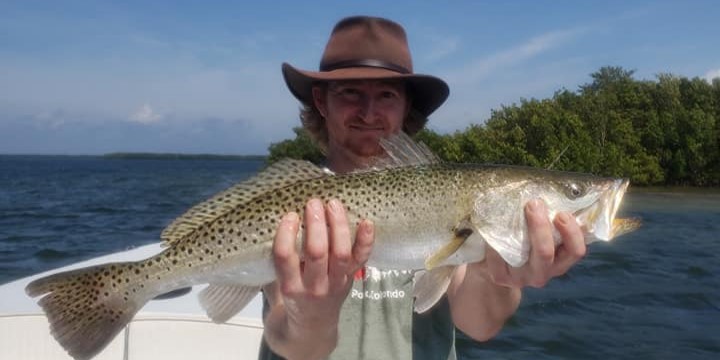
Spotted sea trout round out the "big three" of Southwest Florida inshore species, and they're often the most cooperative when other fish get finicky. Trout school up over grass flats and sandy potholes, feeding aggressively on small baitfish and shrimp. They're not the strongest fighters, but they make up for it with their willingness to bite and their excellent table fare. Sea trout are also great confidence builders for kids and novice anglers since they're generally easier to catch than snook or redfish. The better fish typically run 15-20 inches, with the occasional "gator trout" over 24 inches showing up during cooler months. They're most active during moving water, especially when baitfish are getting pushed around by the tide.
Tarpon make appearances throughout the warmer months, offering the chance at Florida's premier game fish right in the backwaters. Even juvenile tarpon in the 20-40 pound range are absolute dynamite on light tackle, with their signature gill-rattling jumps and powerful runs. You'll typically find them rolling in deeper pockets or around bridges and passes. While they're not always cooperative, when you do hook up with a tarpon, it becomes the fish of a lifetime. Captain Shane knows the seasonal patterns and can put you in position when conditions are right.
Sheepshead show up around structure during their spawning season, typically from late winter through early spring. These black-and-white striped fish are notorious bait thieves with their strong, crushing jaws designed for eating barnacles and crabs. They're challenging to hook but excellent eating, making them a favorite target for anglers who want something different. You'll find them around dock pilings, bridges, and oyster bars where they can pick at crustaceans and shellfish.
Time to Book Your Spot
Captain
 Private Trip
 Inshore Fishing
 Florida


 Private half-day charter targets Snook, Redfish, and Sea Trout.