Half Day Fishing Trip in Everglades
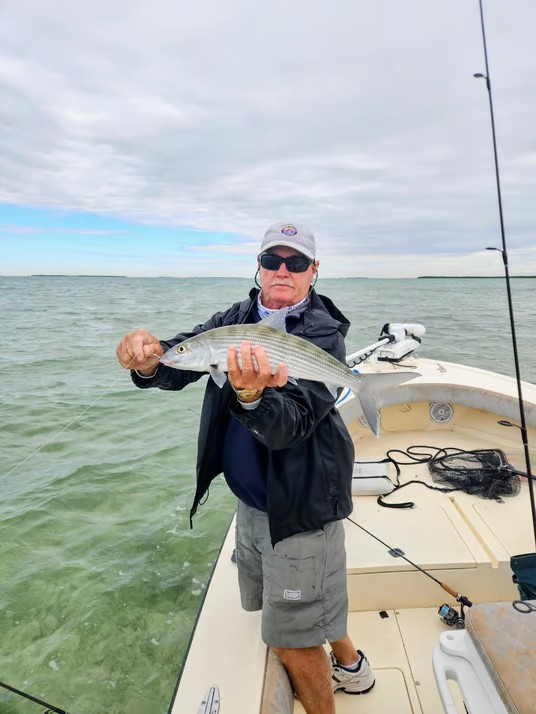
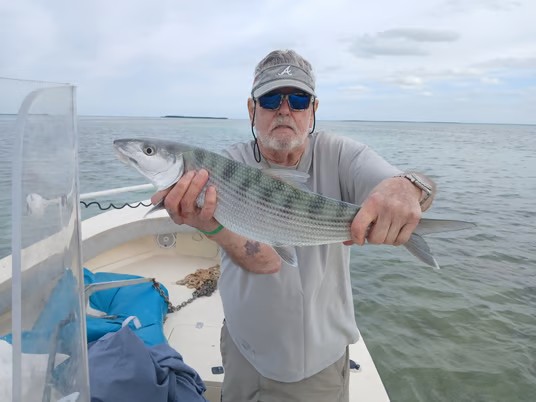
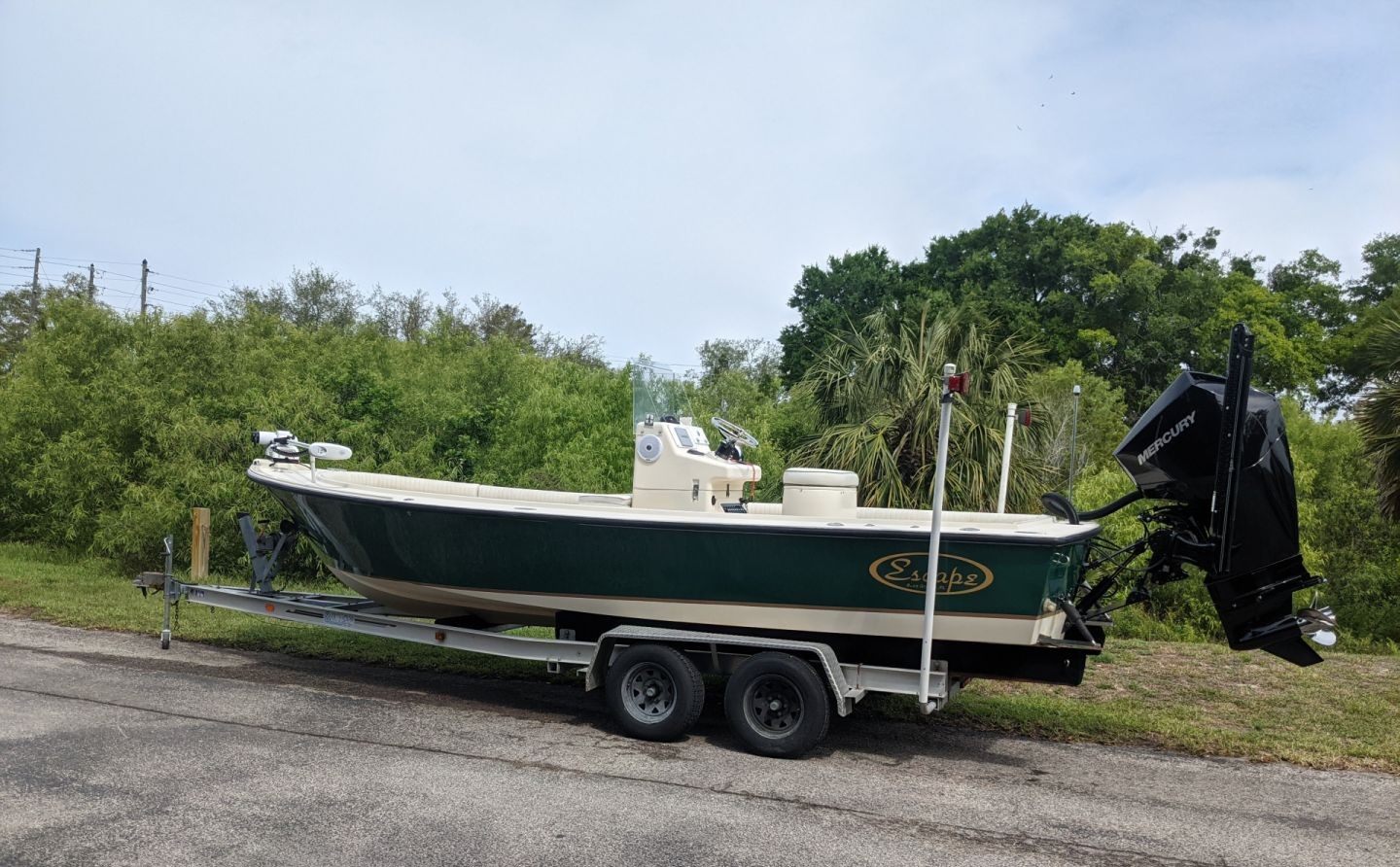
Captain Bruce Pollock knows these Everglades waters like the back of his hand, and he's ready to put you on fish in some of the most productive backcountry spots around. This isn't your typical crowded fishing charter – we're talking about a private half-day adventure that gets you into skinny water areas where most boats can't follow. With just four hours on the water, Bruce makes every cast count by reading conditions, tides, and seasonal patterns to put his guests on permit, tarpon, snook, redfish, and yellowtail amberjack. The 24' Dorado skiff opens up access to flats and mangrove cuts that see way less pressure, giving you legitimate shots at some of the most sought-after inshore species in Florida.
What to Expect on the Water
Bruce keeps things relaxed but productive, adjusting the pace based on your experience level and what the fish are telling him. Some days you'll be sight-casting to tailing redfish in two feet of water, other trips might have you working deeper cuts for snook or amberjack depending on tides and time of year. The beauty of this half-day format is that it's focused – no wasted time running long distances or sitting through slow periods. Bruce's local knowledge shines when it comes to reading water conditions and positioning the boat for the best presentations. Whether you're a seasoned angler looking to target specific species or a newcomer wanting to learn proper techniques, he'll match the approach to what you're after. The Dorado's shallow draft capability means you'll fish spots that bigger boats simply can't reach, often resulting in less spooked fish and better action.
Techniques and Gear Setup
All your tackle is covered – rods, reels, bait, and even your fishing license – so you can focus on the fishing instead of gear logistics. Bruce runs a mix of live bait and artificial presentations depending on what's working and what species you're targeting. Sight fishing is a big part of the Everglades experience when conditions allow, using polarized glasses to spot fish before making your cast. For permit and tarpon, expect to work with crabs and live bait on lighter tackle that lets these fish show their fighting ability. Snook and redfish might call for different approaches – sometimes topwater plugs in the early morning, other times live pilchards or pinfish worked around structure. The shallow water game here is all about stealth and precision, which is why the skiff's ability to pole into tight spots makes such a difference. Bruce handles boat positioning and reading the water while you focus on making good casts and fighting fish.
Top Catches This Season
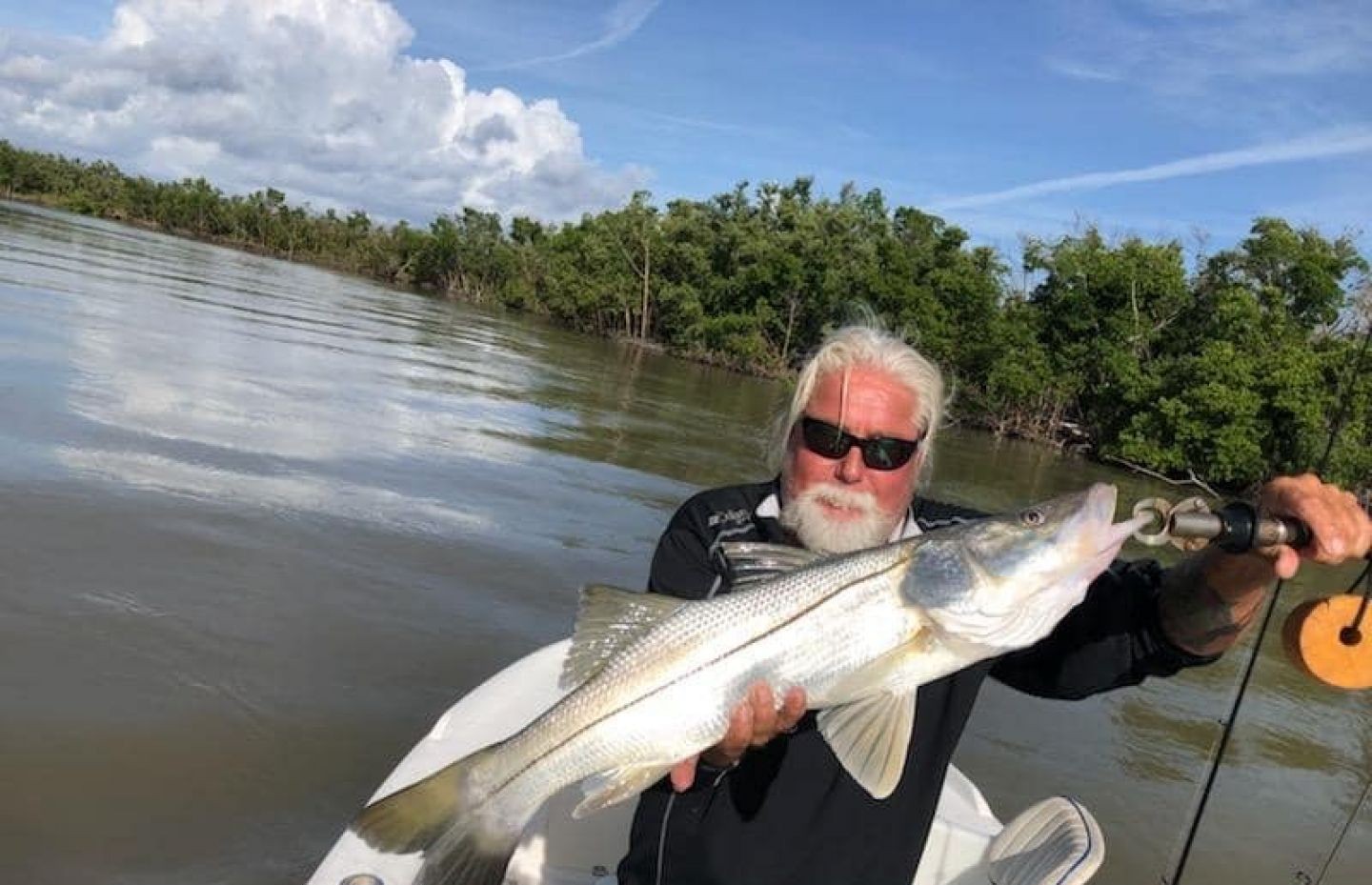
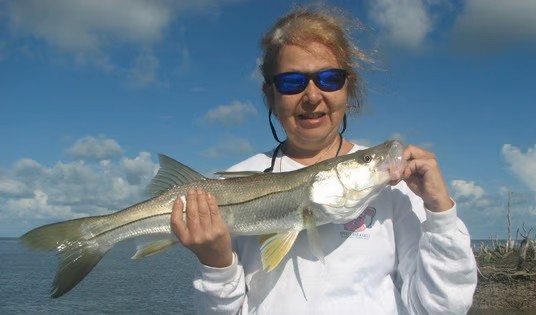
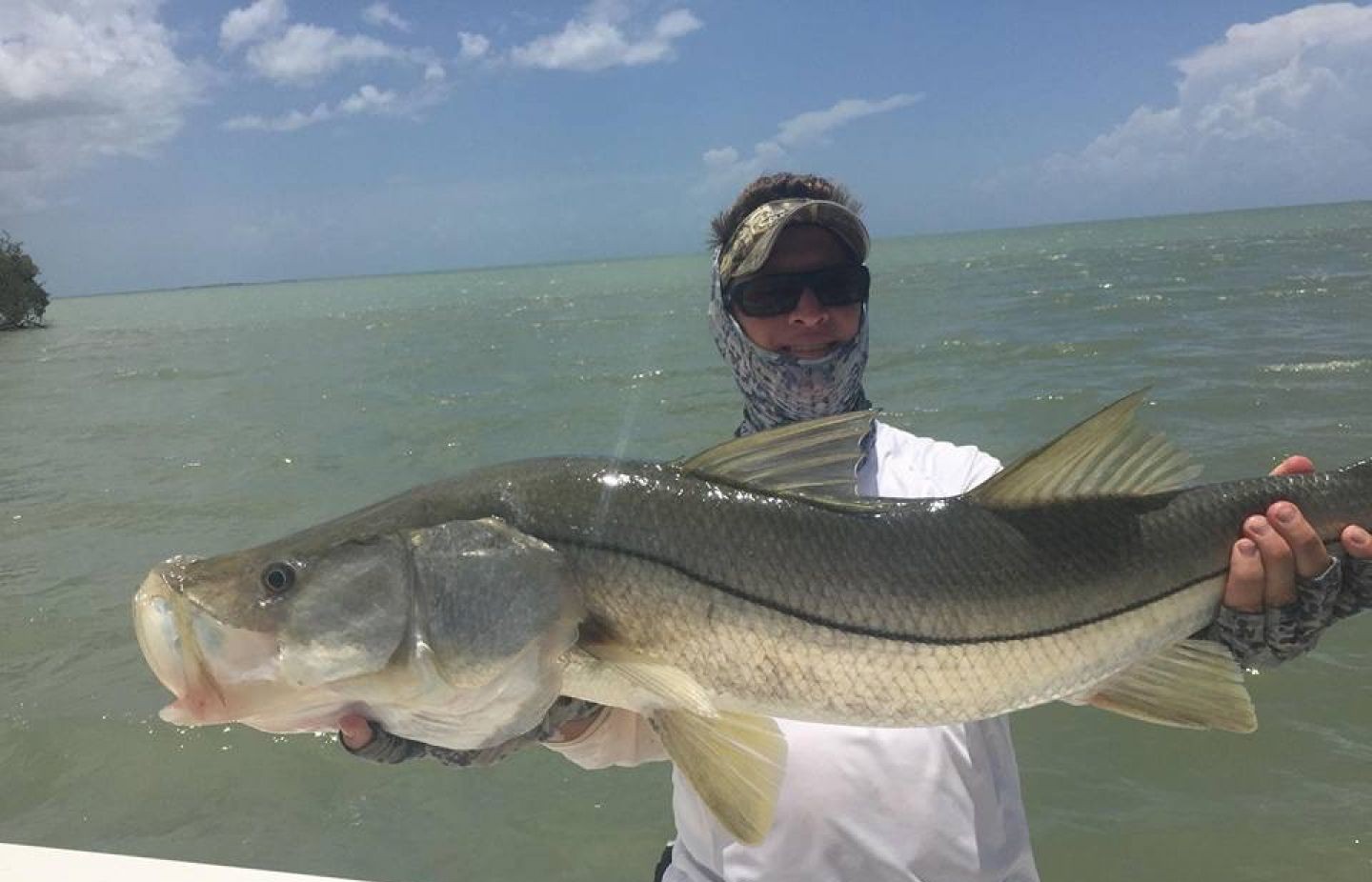
Snook are the bread and butter of Everglades fishing, and Bruce knows how to find them in different seasons. These ambush predators love hanging around mangrove edges, docks, and creek mouths where they can dart out to nail passing bait. Snook have that distinctive black lateral line and put up a solid fight with their head-shaking runs. Best action typically happens during warmer months when they're more active, though you can catch them year-round if you know where to look. What makes snook special is their attitude – they'll slam a well-placed lure or live bait with authority, and their gill-rattling jumps keep things exciting even after you've caught dozens.
Tarpon are the silver kings of the flats, and even juvenile tarpon in the 20-50 pound range will test your tackle and technique. These fish are pure muscle and acrobatics, known for their spectacular jumps and long, powerful runs that can strip line in a hurry. Peak tarpon season runs from spring through summer, but resident fish can be found year-round in the right spots. Bruce knows the channels and basins where tarpon stage up, and he'll have you rigged with circle hooks and appropriate tackle to handle these fish properly. The first time a tarpon goes airborne on your line is something you'll never forget – they're built like torpedoes and fight like they know it.
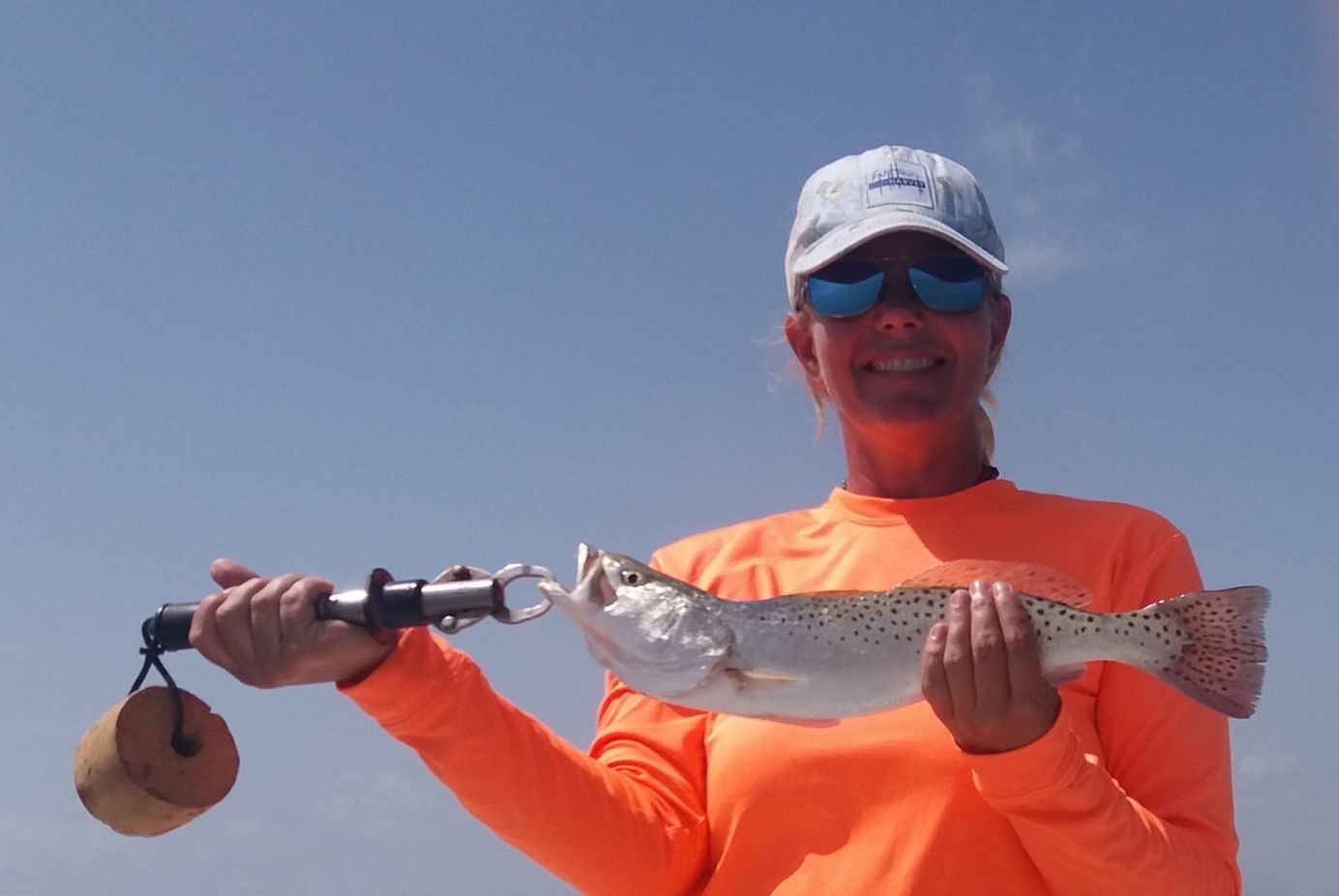
Redfish are perfect for sight fishing when they're cruising the flats or tailing in shallow water. These copper-colored bruisers have incredible stamina and will make powerful runs toward structure when hooked. Reds are year-round residents that school up in cooler months and spread out across the flats when it's warm. Bruce often finds them in water so shallow their backs are showing, creating heart-pounding sight fishing opportunities. Redfish are also forgiving for newer anglers since they're aggressive feeders and not as finicky as some other species, but they'll still give you a workout on appropriate tackle.
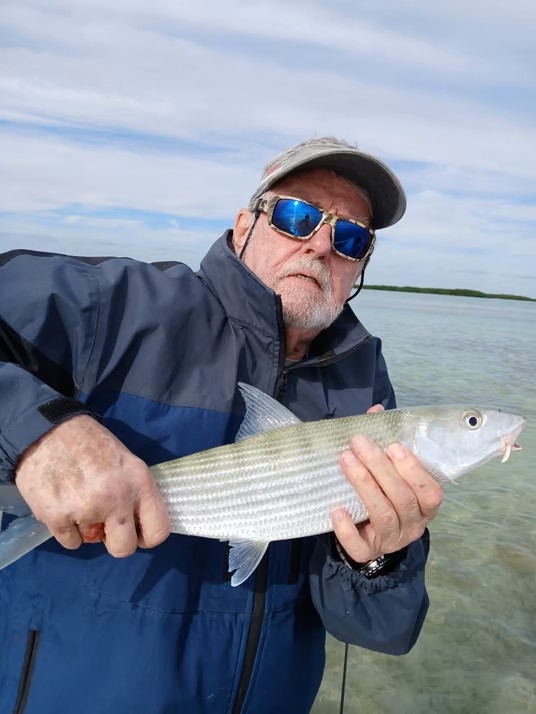
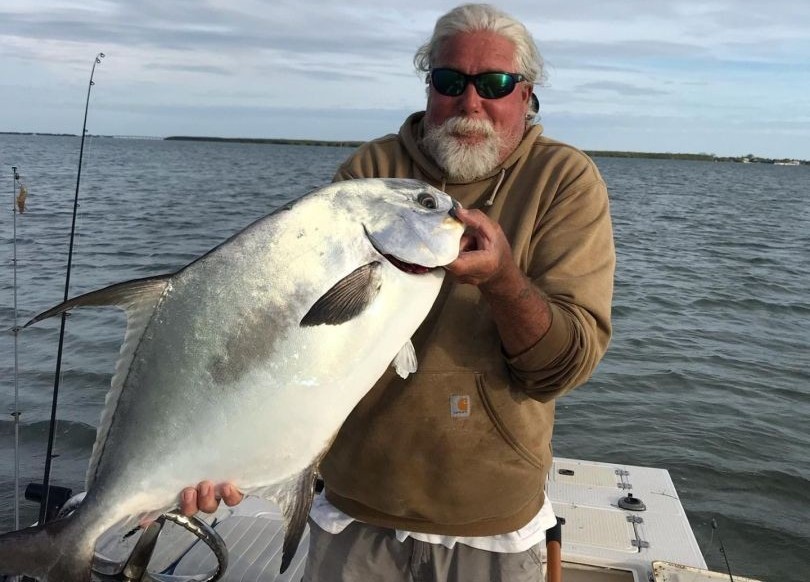
Permit represent the holy grail of flats fishing – they're notoriously picky eaters with incredible eyesight and a tendency to spook at the slightest mistake. These disk-shaped silver fish cruise the flats looking for crabs and small baitfish, but getting them to eat requires perfect presentations and a bit of luck. When you do hook one, permit make blistering runs and use their body shape to leverage against the drag. They're most active during warmer months and are often found around deeper edges of flats or near structure. Bruce's experience reading permit behavior gives you the best shot at fooling these wary fish that have humbled countless experienced anglers.
Yellowtail Amberjack add some variety to the mix, especially around deeper structure and channels. These fish are built for speed and power, making smoking runs that can catch anglers off guard. Yellowtails are opportunistic feeders that respond well to live bait presentations and will often hit fast-retrieved artificials. They're typically found in slightly deeper water than the other target species, giving Bruce options when flats fishing slows down or conditions aren't ideal for sight fishing. Don't let their smaller size fool you – pound for pound, yellowtails are some of the hardest fighting fish in these waters.
 Private Trip
 Inshore Fishing
 Everglades


 Private half-day fishing trip targeting permit and tarpon