Full Day Beginner-Friendly Everglades Fishing
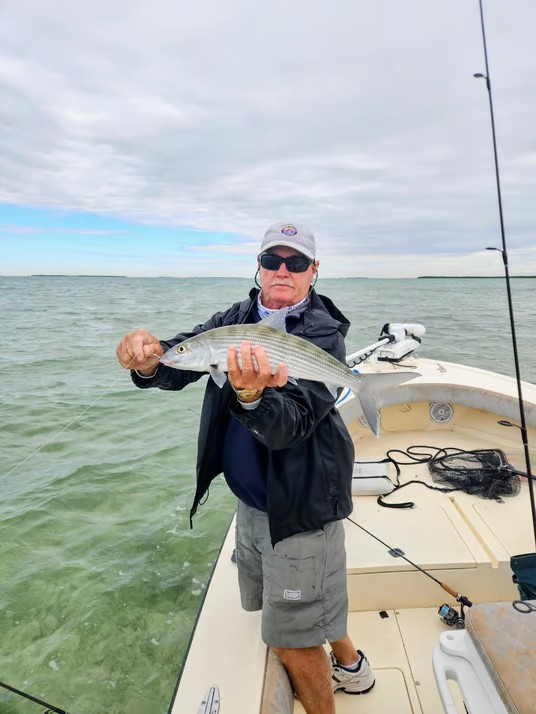
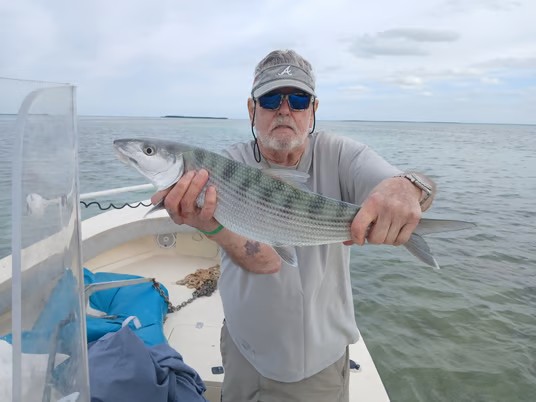
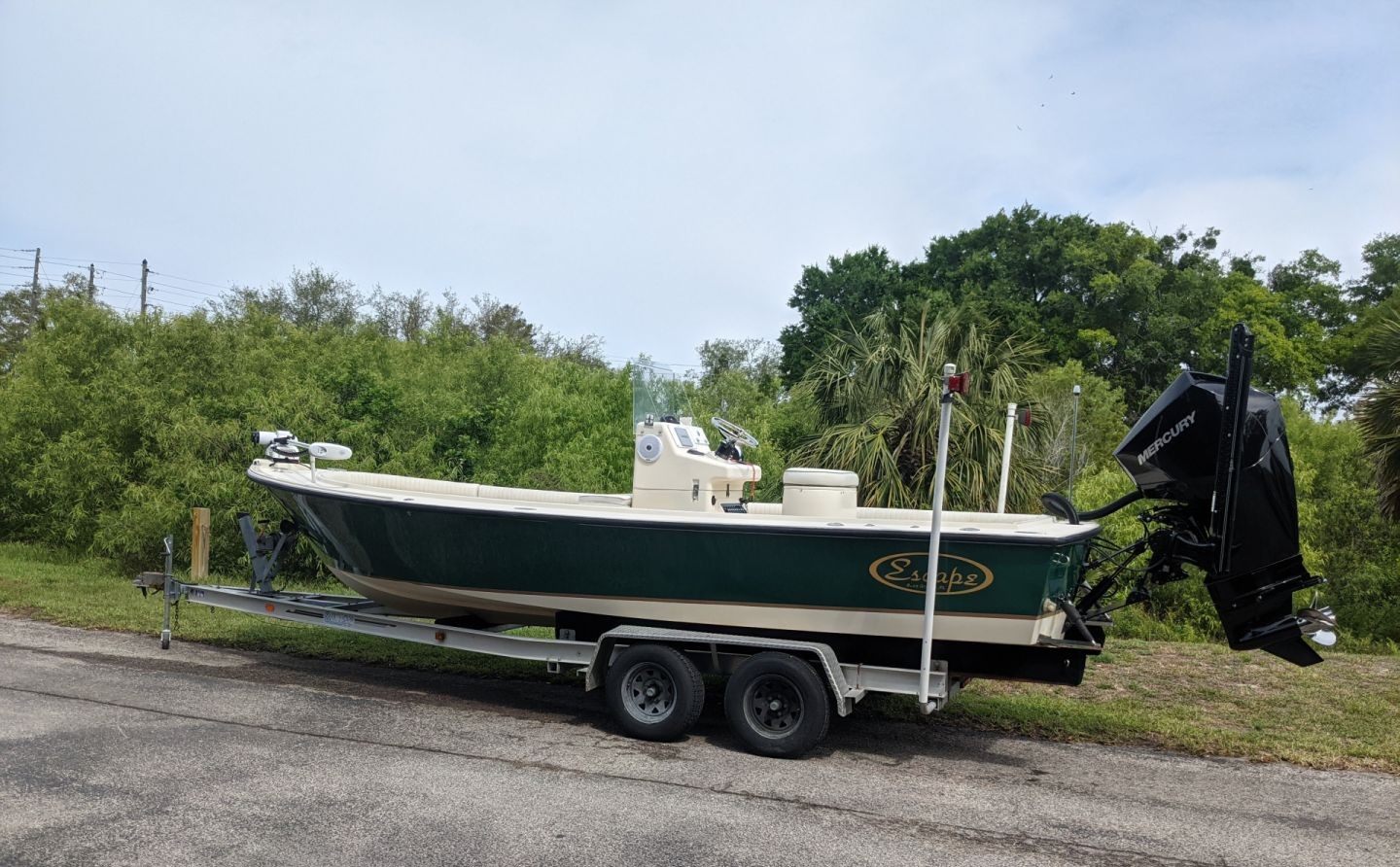
Captain Bruce Pollock knows the Everglades like the back of his hand, and he's built a reputation for turning first-time anglers into confident fishermen in just one day. This world-class 8-hour adventure takes you deep into the backcountry aboard a shallow-draft skiff that can navigate waters where bigger boats fear to tread. With only 10 inches of draft, you'll slip through skinny water flats and hidden creeks that hold some of Florida's most prized gamefish. Bruce keeps things relaxed and educational, making sure you learn proper techniques while actually catching fish. All your gear, live bait, and fishing licenses come included – just bring your appetite for learning and a cooler of drinks.
What to Expect on the Water
Your day starts early when you meet Captain Bruce at the launch. He'll get you rigged up with quality spinning tackle matched to the conditions and walk you through the basics before you even leave the dock. The beauty of this trip lies in Bruce's ability to read both the water and his anglers – if you're struggling with a technique, he'll switch tactics until you find success. The Everglades backcountry is a maze of mangrove islands, grass flats, and oyster bars, and Bruce knows exactly where the fish are holding based on tides, weather, and season. You'll spend the day moving between spots, learning to read water, spot fish, and present baits naturally. The pace stays comfortable with plenty of time for questions and practice casts. Don't worry about getting lost in technical jargon – Bruce speaks plain English and focuses on getting you hooked up rather than showing off his knowledge.
Techniques and Shallow Water
Everglades fishing is all about stealth and precision in water so shallow you can often see the bottom. Bruce's skiff draws just 10 inches, allowing access to flats where tarpon roll, redfish tail, and snook ambush prey along mangrove edges. You'll master sight fishing – spotting fish before they see you and making accurate casts to feeding zones. Live bait fishing dominates here, with pilchards, pinfish, and shrimp presented on circle hooks under popping corks or free-lined near structure. Bruce will teach you proper hooksets, fighting techniques, and how to handle fish for safe releases. The spinning tackle is forgiving for beginners but has enough backbone to handle big fish. Artificial lures come into play around structure – soft plastics bounced along oyster bars, topwater plugs walked across shallow flats at dawn, and spoons flashed through schools of baitfish. The key is learning to fish quietly and efficiently in gin-clear water where one wrong move can spook an entire flat.
Species You'll Want to Hook
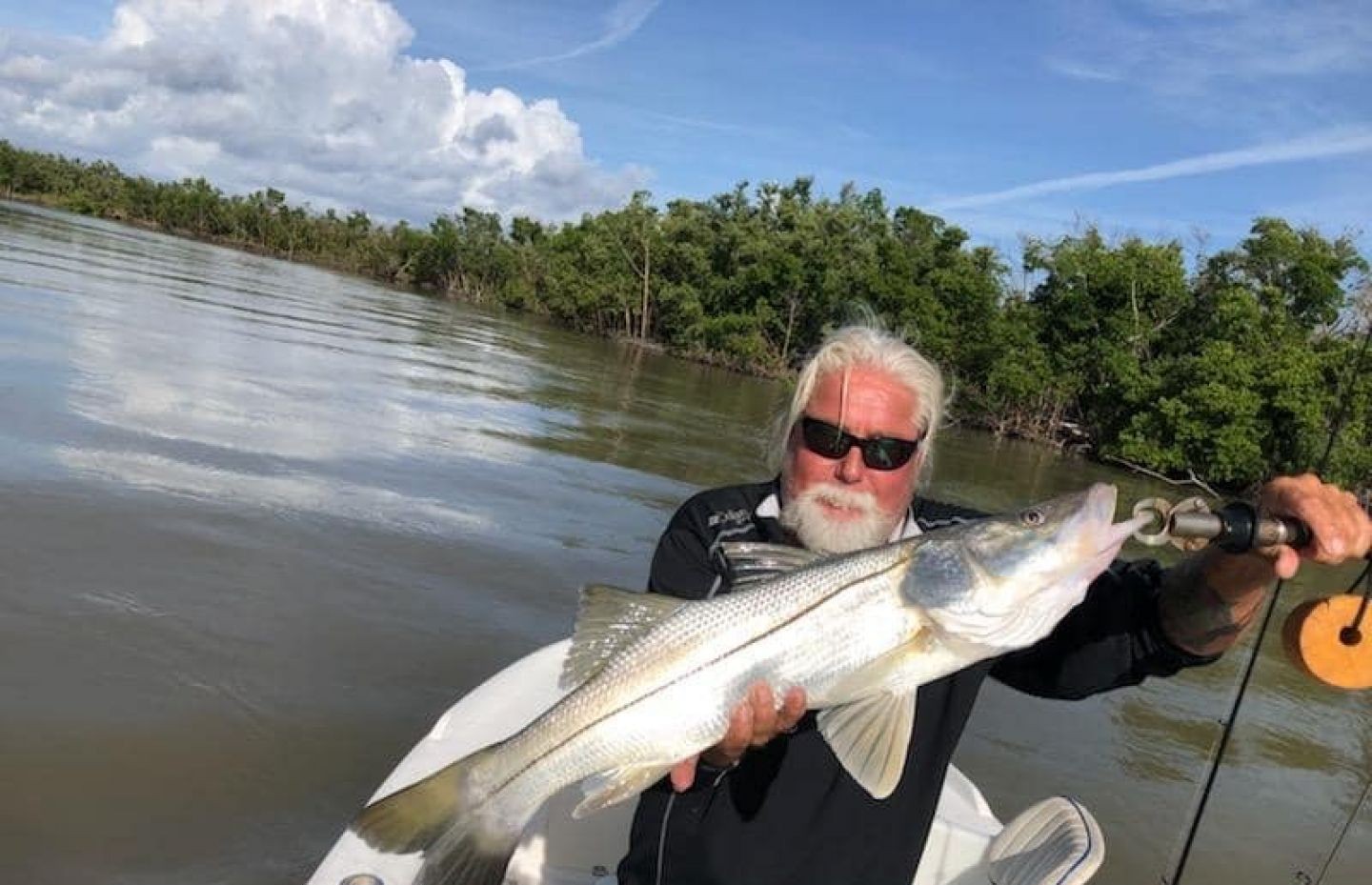
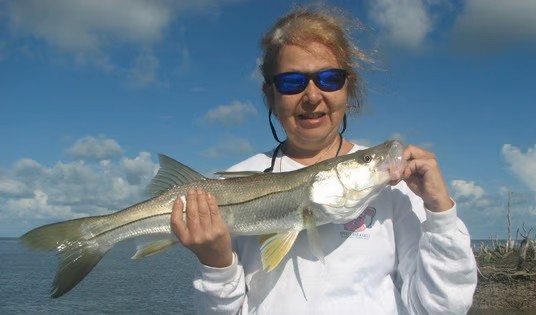
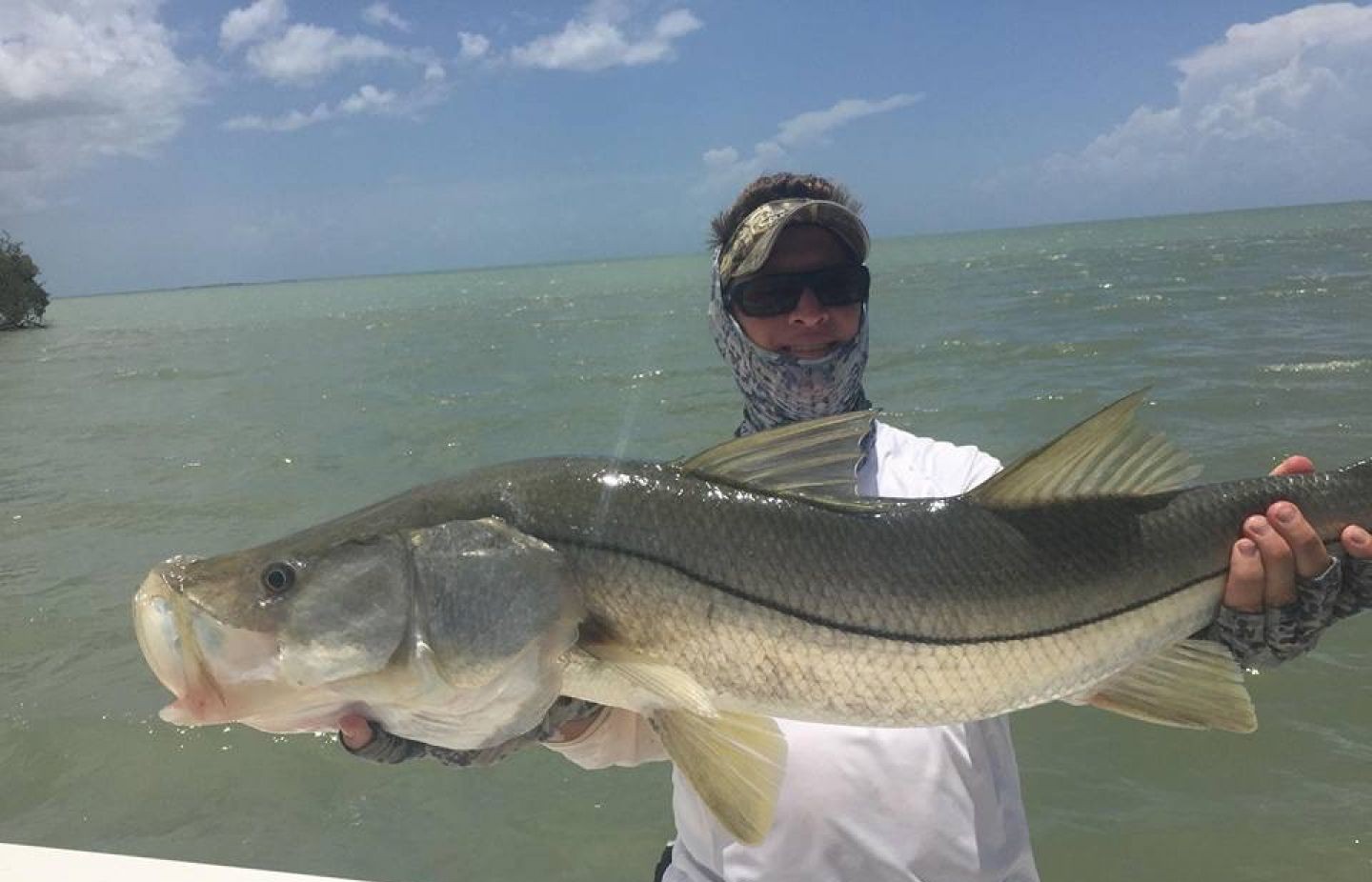
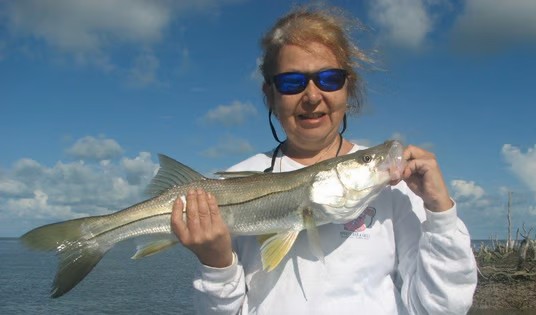
Snook are the bread and butter of Everglades fishing, and these ambush predators know how to use structure to their advantage. They stack up along mangrove shorelines, under docks, and around creek mouths where they can dart out to crush unsuspecting baitfish. Most Everglades snook run 20 to 30 inches, with bigger fish pushing into the slot during cooler months. What makes them special is their explosive strike and gill-rattling jumps – they'll test your drag and your nerves. Captain Bruce knows the productive mangrove cuts where snook hold, and he'll teach you to pitch live bait tight to cover without hanging up in the roots.
Tarpon bring the real fireworks to this fishery, especially during their spring and summer migrations when massive schools roll through the backcountry. Even the smaller "baby" tarpon that live here year-round will give you a workout, jumping repeatedly and making screaming runs that'll have your arms burning. These silver kings range from 20 pounds up to giants over 100 pounds, and they're notorious for throwing hooks with their acrobatic displays. The key is keeping steady pressure and your rod tip down when they go airborne. Bruce positions the boat in current breaks and creek mouths where tarpon stage, and he'll have you ready with live crabs or large pilchards when the silver starts showing.
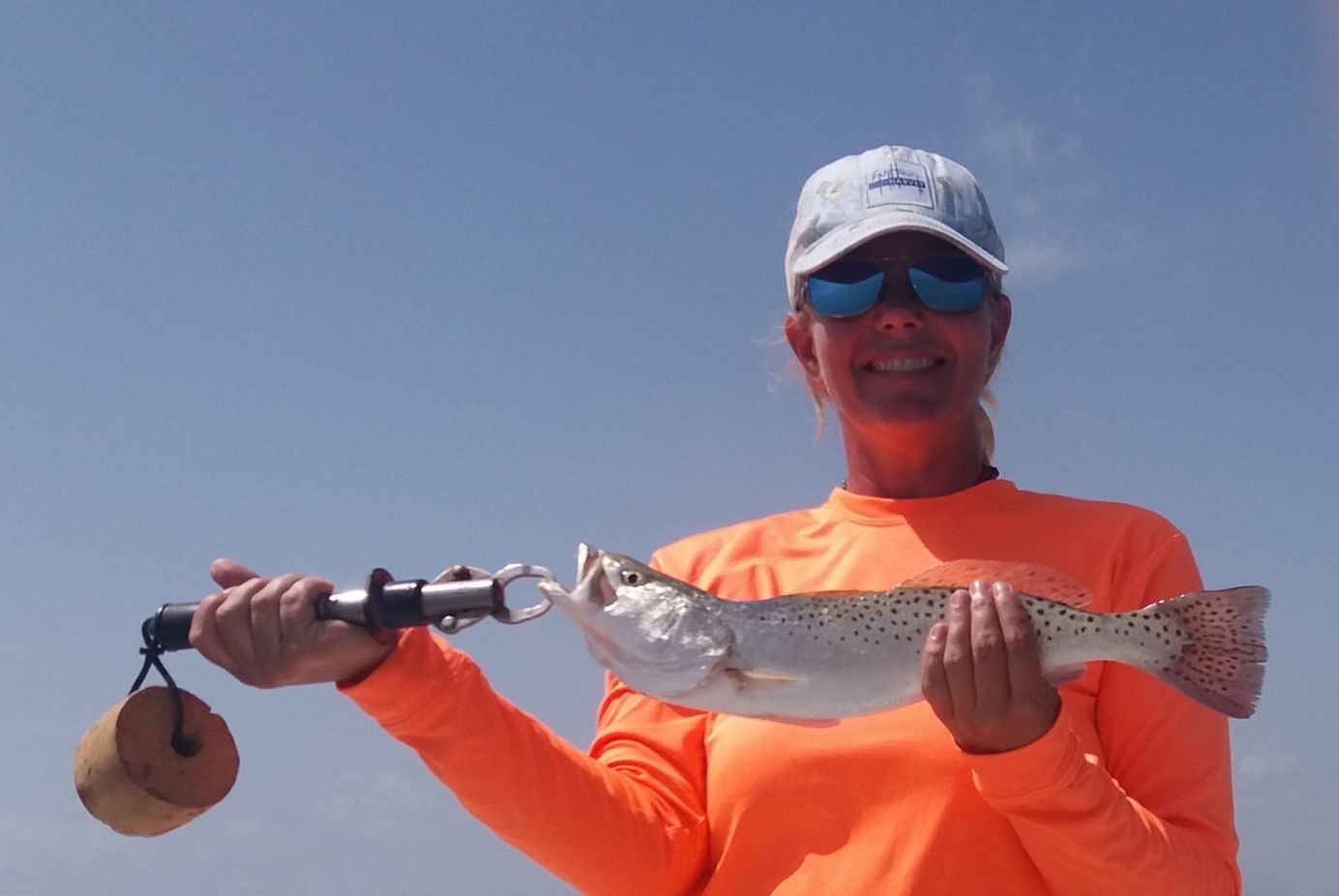
Redfish are the perfect species for beginners because they're aggressive feeders and relatively easy to handle once hooked. Everglades reds love shallow grass flats and oyster bars where they root around for crabs and shrimp. You'll often see them "tailing" – their signature move where the tail breaks the surface as they feed head-down in skinny water. These copper-colored bruisers typically run 18 to 27 inches in the slot, though oversized bulls show up to test your tackle. They're notorious for their bulldogging runs and ability to wrap you around structure, but they're also forgiving of imperfect presentations.
Permit are the holy grail of flats fishing – spooky, selective, and absolutely beautiful with their silver flanks and distinctive profile. These fish will humble experienced anglers and reward persistence with one of the most satisfying catches in saltwater fishing. Everglades permit cruise shallow flats and edges, often in small schools, feeding on crabs and small baitfish. They're notorious for their keen eyesight and tendency to spook at the slightest disturbance. When you do connect with one, expect a powerful run toward deep water and a fight that'll leave you breathless.
Yellowtail Amberjack add some variety to the day when you venture toward deeper edges and structure. These golden-flanked speedsters are aggressive feeders that respond well to both live bait and artificials. They're excellent table fare and provide steady action when other species are finicky. Yellowtails typically range from 12 to 20 inches in the backcountry, making them perfect for building confidence and filling the cooler.
Time to Book Your Spot
This top-rated Everglades fishing experience sells out quickly, especially during peak season when the fishing
 Private Trip
 Inshore Fishing
 Everglades


 Full-day private fishing with beginner-friendly instruction