6-Hour Lake Okeechobee Fishing Adventure
You're looking at Florida's best-kept secret for freshwater fishing – Lake Okeechobee. This massive lake sits smack in the middle of the state and offers some of the most consistent inshore fishing you'll find anywhere. With Fast Break Bait & Tackle, you'll spend six solid hours working these legendary waters for bass, snook, redfish, and whatever else decides to bite. We're talking about the largest freshwater lake in Florida here, so there's plenty of room to find fish and plenty of species to keep things interesting. Bring your appetite for action because these waters don't mess around.
What to Expect on the Water
Lake Okeechobee isn't your typical bass pond. This lake covers over 730 square miles, which means we've got options no matter what the fish are doing. You'll be fishing with a maximum of one other angler, so there's no crowding and plenty of personal attention from your guide. The beauty of "Big O" is the variety – one cast you're working shallow grass flats for bass, the next you're pitching to structure for snook. The lake connects to coastal waters through a network of canals, which is why you'll find saltwater species like redfish and snook mixed in with the freshwater favorites. Your guide knows these patterns and will adjust tactics throughout the day based on what's working. Weather plays a big role here, and experienced guides read conditions like a book. Wind can push baitfish around, water levels affect where fish hold, and time of day changes everything. That's why this is a full six-hour trip – it takes time to find fish and put together a memorable day on water this size.
Tackle and Techniques
All your gear comes included, from rods and reels to tackle and lures. Your guide will have everything rigged and ready based on current conditions and target species. Lake Okeechobee fishing revolves around understanding structure and cover. You'll be working around hydrilla beds, cattail edges, boat docks, and rocky areas depending on what the fish want. For bass, expect to throw everything from topwater plugs at dawn to plastic worms in heavy cover. The snook fishing often happens around moving water – canal mouths, locks, and areas where current creates ambush points. Redfish love the shallow grass flats, especially when they're pushing bait. Your guide will switch up presentations throughout the day. One hour you might be flipping jigs into thick cover, the next you're casting spoons over grass beds. The key is staying mobile and reading the water. Lake Okeechobee has different personality zones – the north end fishes differently than the south, and the eastern shore offers different opportunities than the west. Six hours gives you time to sample different areas and techniques until you dial in what's working.
Species You'll Want to Hook
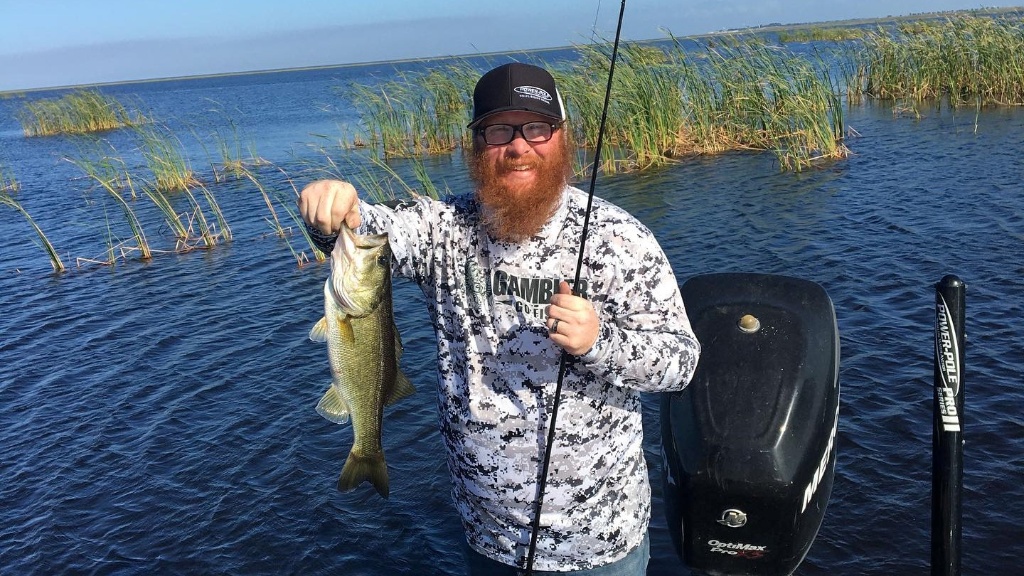
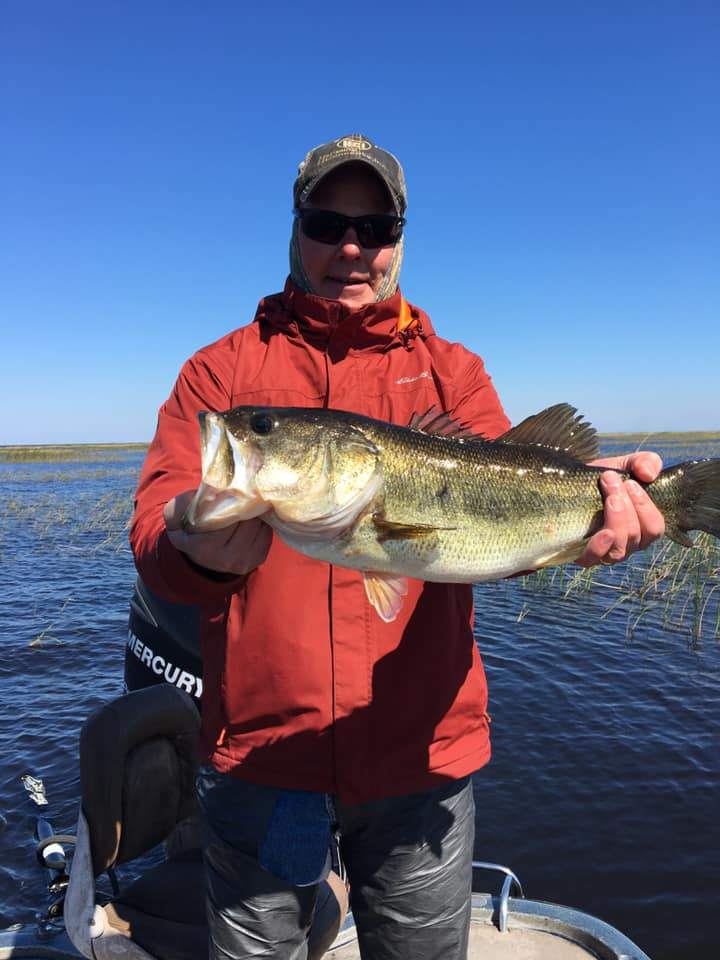
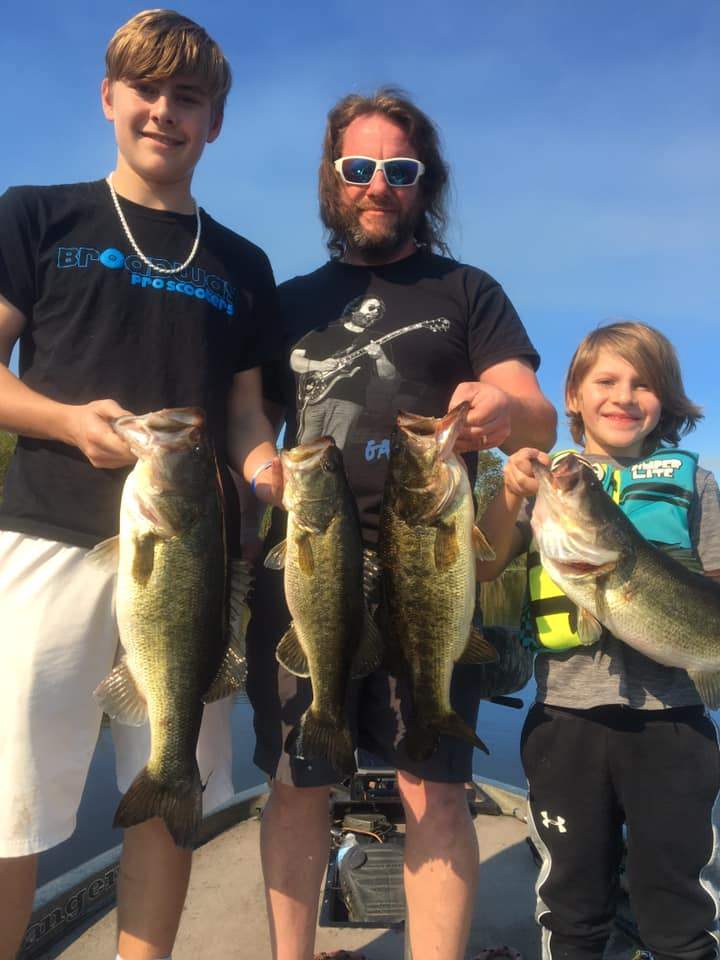
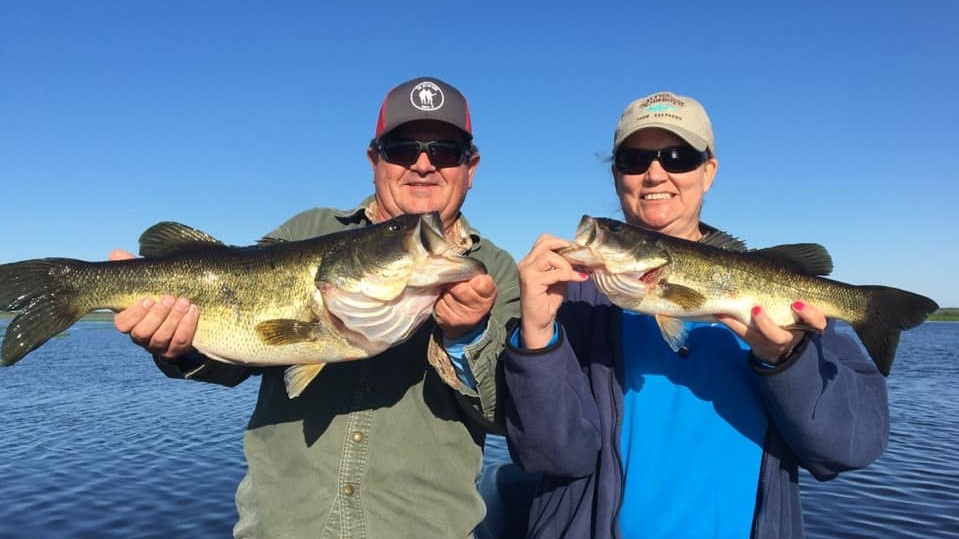
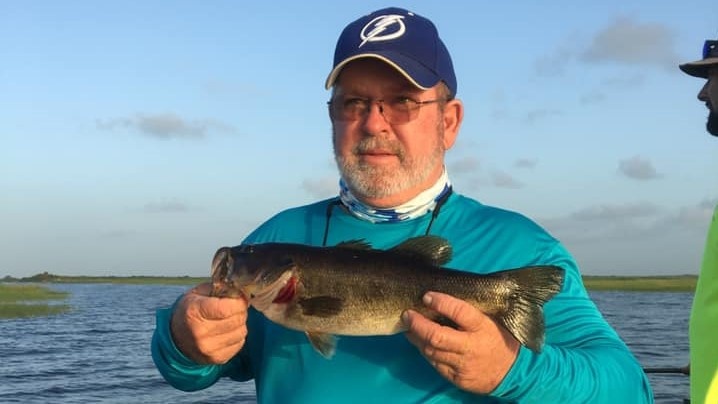
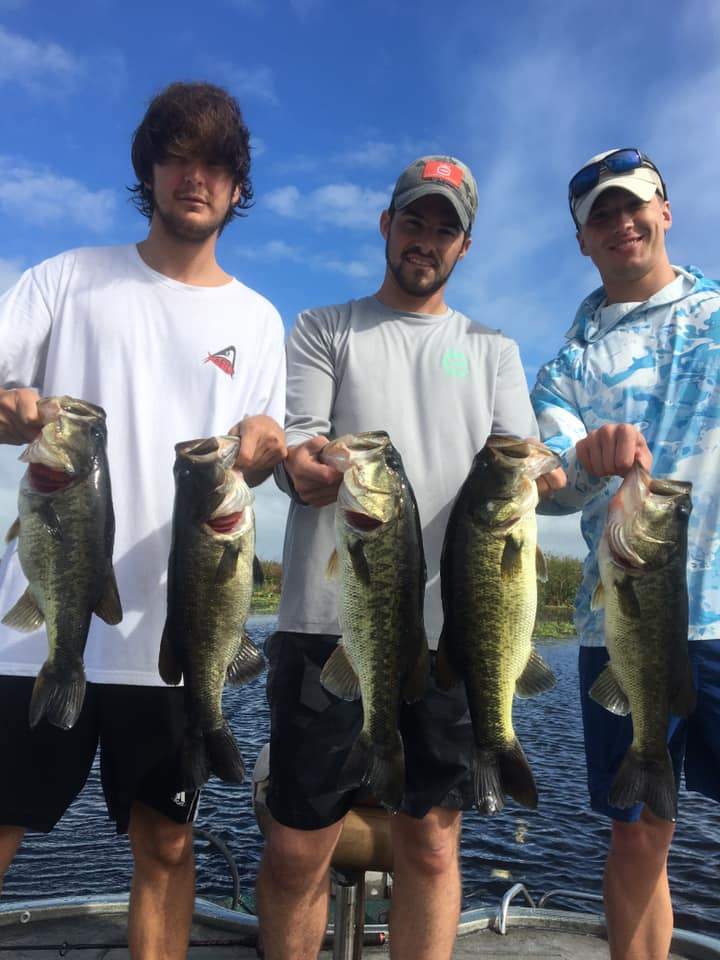
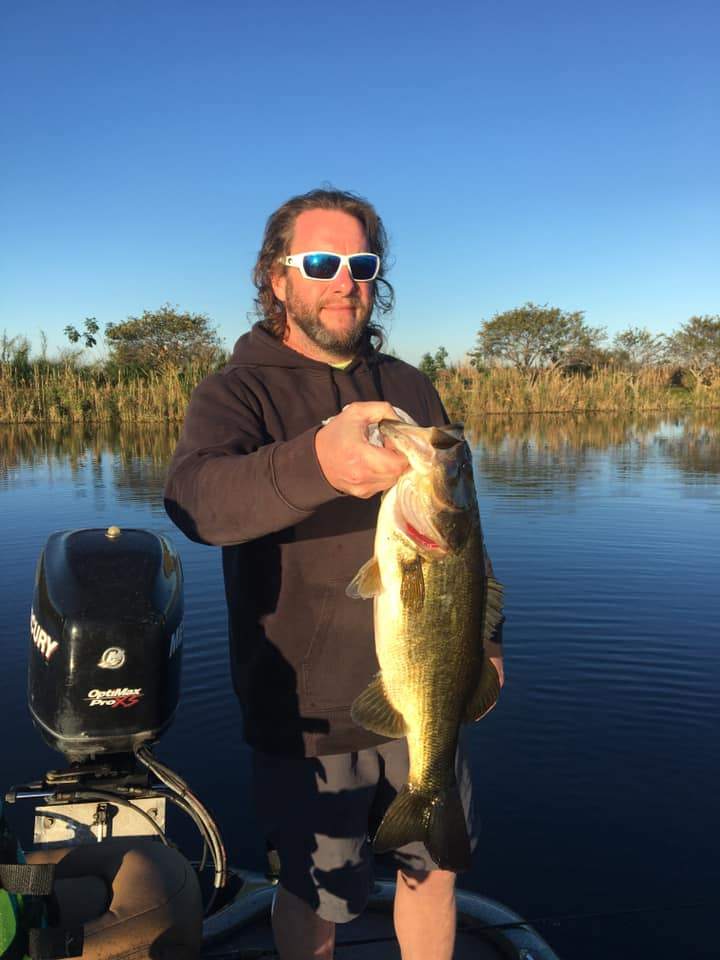
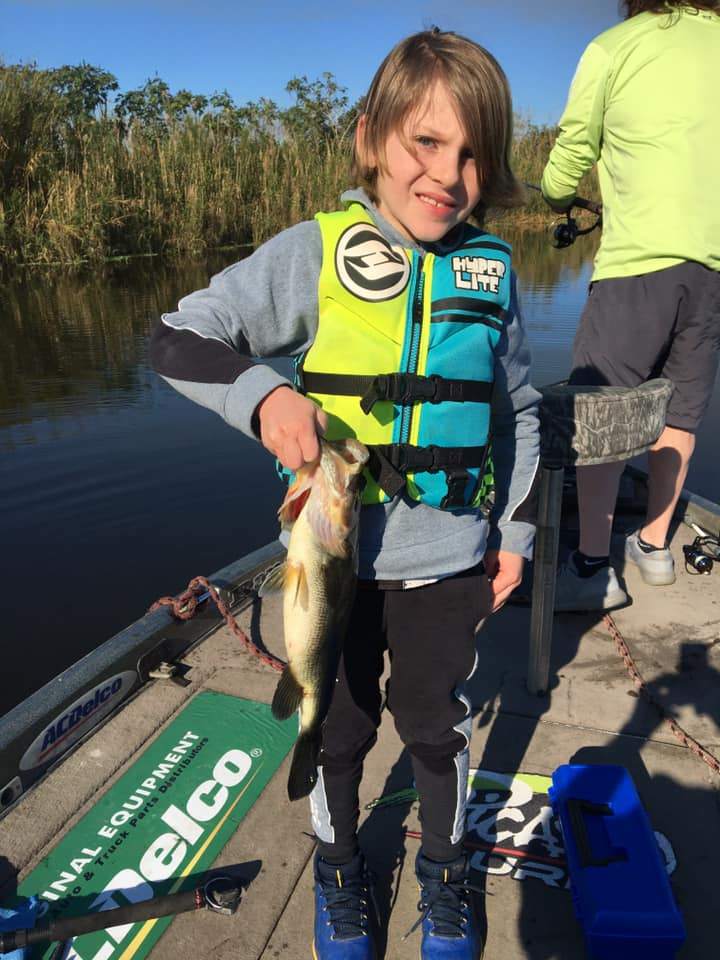
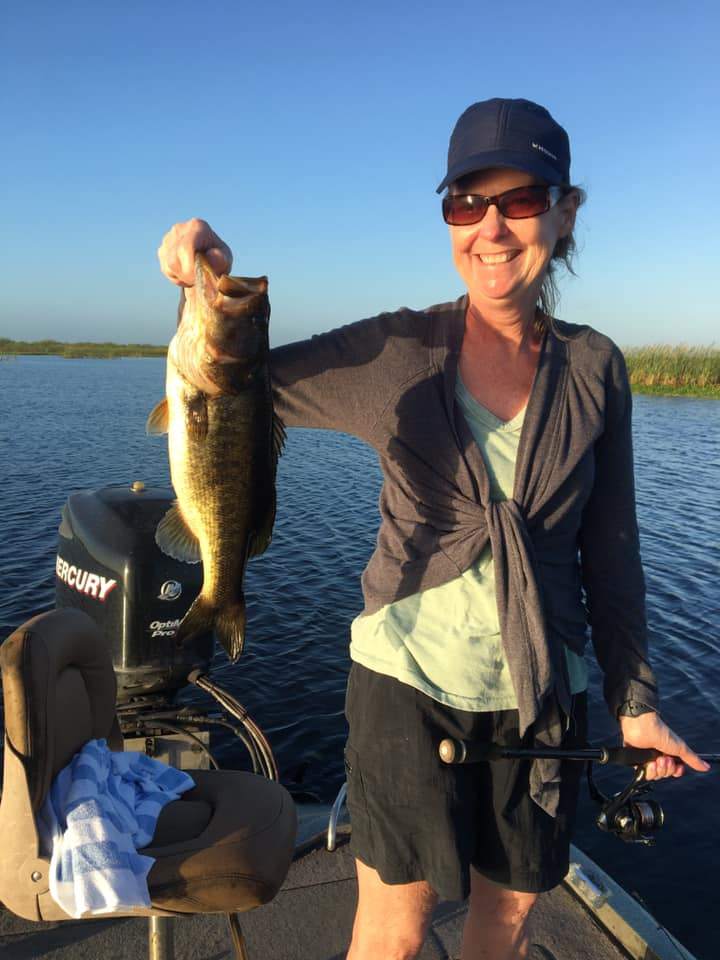
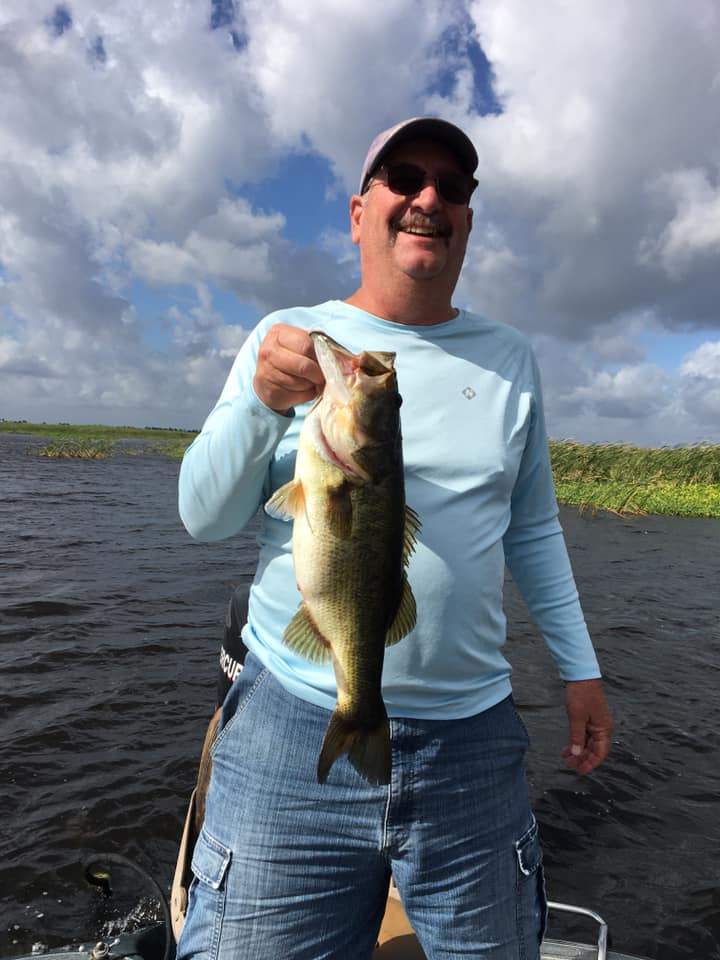
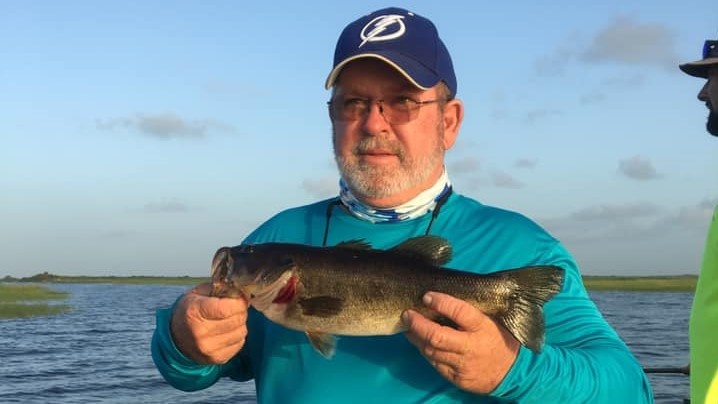
Largemouth Bass are the bread and butter of Lake Okeechobee, and for good reason. These aren't your average pond bass – they grow fat and strong in these fertile waters. Fish in the 3-6 pound range are common, with legitimate giants always possible. Spring months bring the spawn, when bass move shallow and become more aggressive. Summer finds them relating to deeper grass edges and structure. Fall brings some of the best topwater action as bass feed heavily before winter. What makes Okeechobee bass special is their fighting ability – all that space and abundant forage creates powerful, healthy fish that will test your drag and your patience.
Snook in freshwater might sound strange, but Lake Okeechobee connects to both coasts through canal systems, creating a unique fishery. These snook behave differently than their saltwater cousins – they're often more willing to chase lures and less spooky around boats. Peak snook fishing happens during warmer months when they're most active. They average 18-28 inches, with slot fish providing great sport on appropriate tackle. Cold fronts can shut down snook fishing quickly, but when they're on, few fish fight harder or jump more spectacularly. Finding snook often means finding current or structure that creates ambush points.
Redfish in Lake Okeechobee offer a completely different experience than surf or marsh fishing. These lake reds patrol grass flats and often feed in surprisingly shallow water. They average 20-30 inches and provide that classic redfish bulldogging fight that anglers love. Unlike their saltwater relatives, lake redfish don't have to deal with tides, so they can be found consistently in productive areas. They're year-round residents and provide action when other species slow down. Sight fishing for redfish over grass beds ranks among the most exciting fishing the lake offers.
Smallmouth Bass aren't native to Florida but have established populations in Lake Okeechobee's cooler, deeper areas. They're smaller than largemouth but pound-for-pound fight harder. Smallmouth prefer rocky areas and structure, making them a nice change of pace from grass-oriented fishing. They're more common during cooler months and offer excellent action on lighter tackle. Many anglers don't expect to catch smallmouth in Florida, making them a pleasant surprise.
Bonefish represent the most unique part of this fishery. These are freshwater-adapted bonefish that have made Lake Okeechobee home. They're rare catches but absolutely memorable when hooked. These fish average smaller than their saltwater cousins but provide the same line-screaming runs that make bonefish legendary. They prefer shallow, hard-bottom areas and are most active during warmer months. Catching a bonefish in freshwater Florida creates stories that last a lifetime.
Time to Book Your Spot
Six hours on Lake Okeechobee with Fast Break Bait & Tackle gives you a real shot at Florida's most diverse freshwater fishing. You're getting all gear included, expert local knowledge, and access to over 700 square miles of fish-holding water. This isn't a cookie-
 Private Trip
 Inshore Fishing
 Okeechobee, FL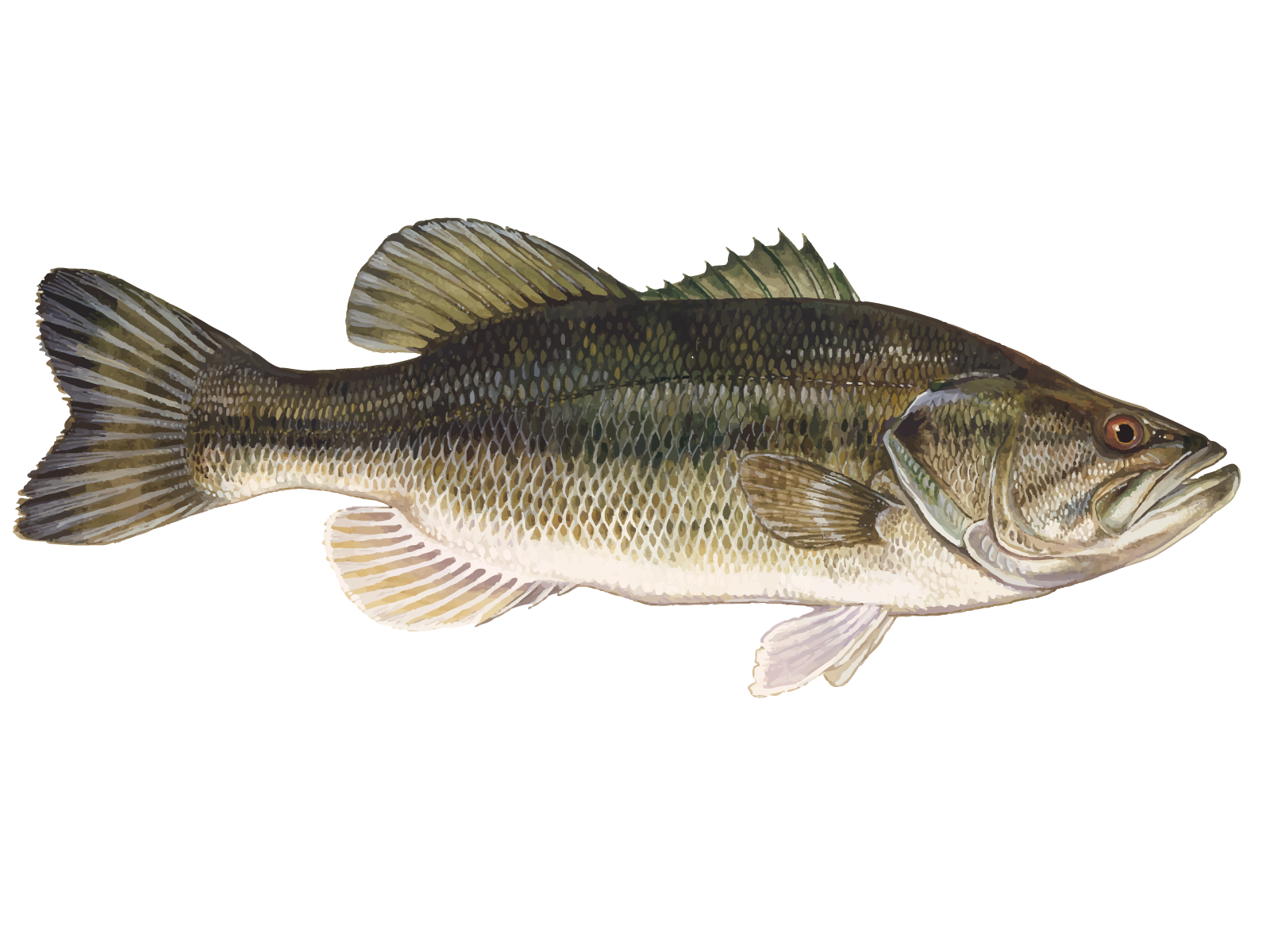


 Target bass, redfish, snook on Florida's largest freshwater lake