Ponce Inlet Inshore Fishing Trip
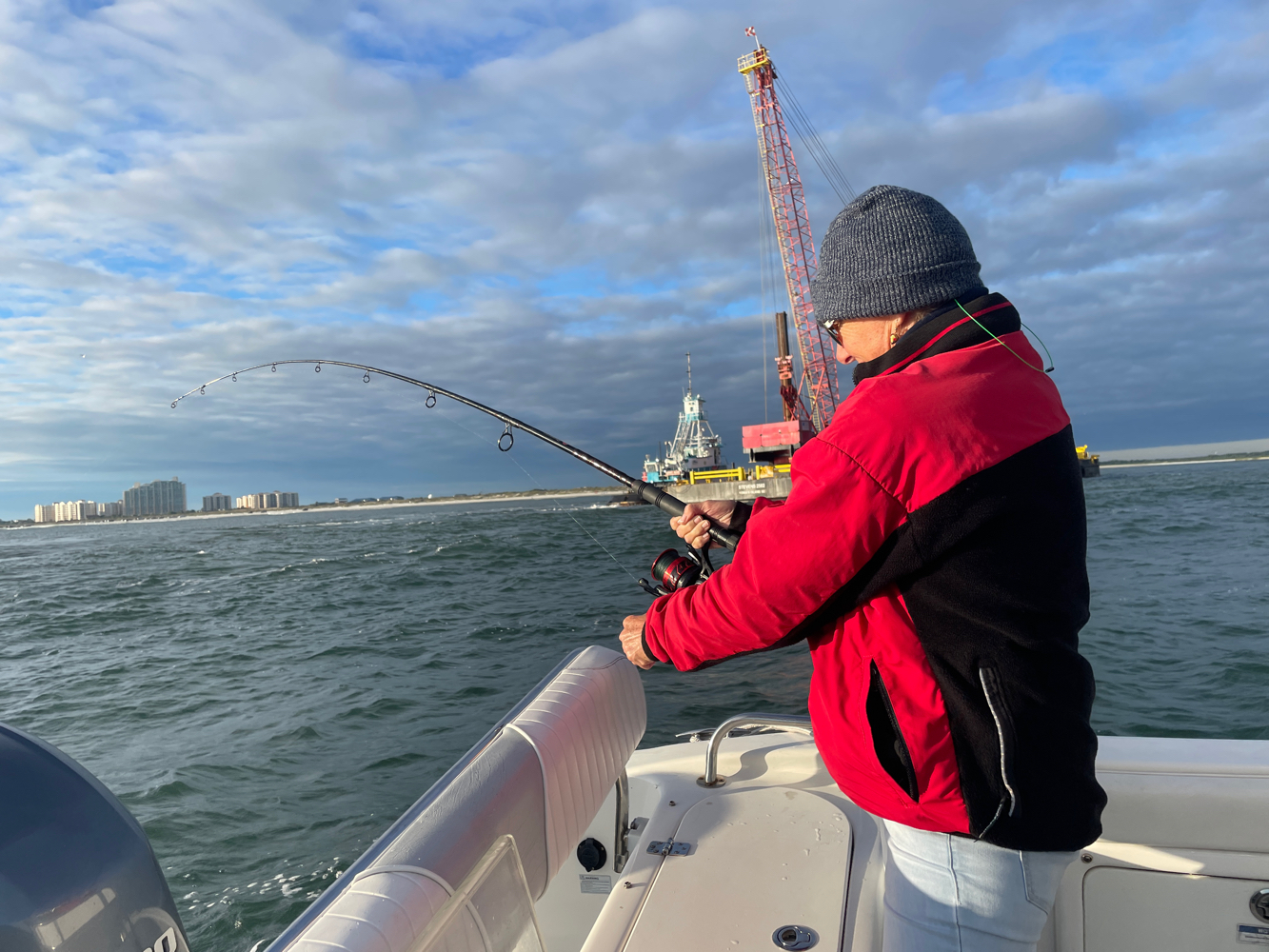
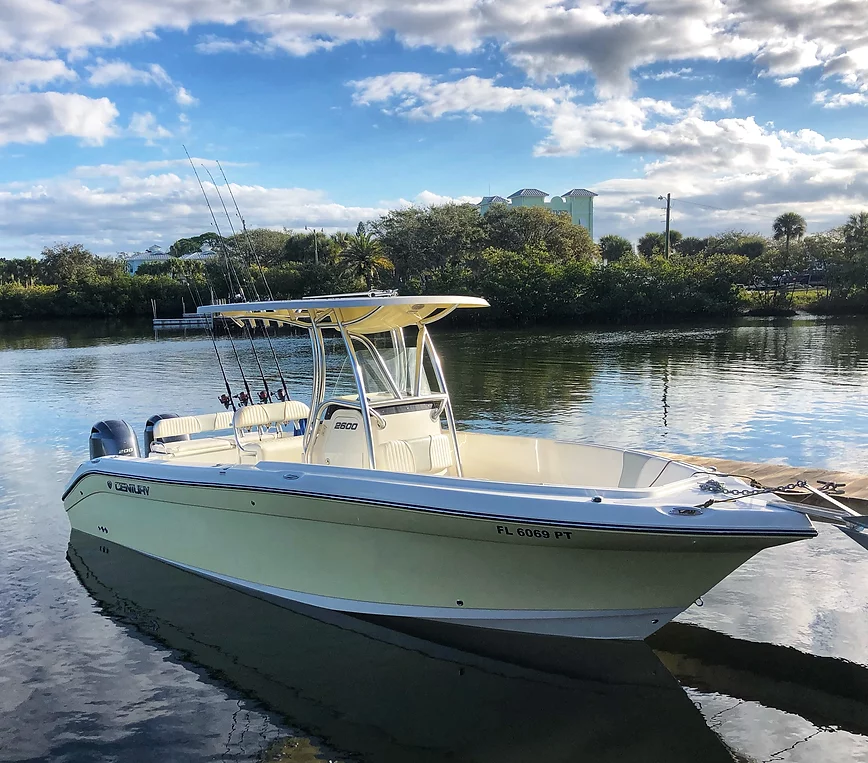
If you're looking for a solid day on the water without dealing with rough seas, this four-hour inshore trip is exactly what you need. Fire Line Charters runs groups of up to five anglers through the protected waters of the Intracoastal Waterway, where you'll find consistent action and comfortable conditions no matter your skill level. Starting from the productive jetties at Ponce Inlet and working your way back through the docks and bridges along the river system, you'll hit multiple proven spots where fish are actively feeding. The captain brings quality tackle and knows these waters like the back of his hand, so you can focus on what matters most – getting fish to the boat.
What to Expect on the Water
This trip keeps things relaxed while delivering real results. You'll spend your time in the calm, structure-rich environment of the Intracoastal, where the fishing stays consistent and the ride stays smooth. The route covers everything from the rocky jetties where baitfish gather to the dock pilings and bridge shadows where predators wait in ambush. Your captain reads the tides and adjusts the game plan throughout the day, moving between spots as conditions change. The beauty of inshore fishing here is that something's always biting – whether it's snapper picking at shrimp around the docks or jacks blasting through bait schools in open water. You'll use a mix of live and cut bait depending on what's working, and the captain handles all the rigging so you can concentrate on feeling those bites.
Techniques & Tackle Setup
The fishing style here is all about reading structure and matching your presentation to what the fish want. You'll work everything from bottom rigs around the jetty rocks to freelined baits near bridge pilings. The captain provides medium-action spinning gear that handles everything from finicky sheepshead to hard-fighting jacks. Most of the time you'll be using circle hooks with live or fresh-cut bait – shrimp for the snapper and sheepshead, cut mullet or pinfish for the bigger predators. When fish are holding tight to structure, you'll drop baits right into the strike zone and let the current do the work. In open water, you might switch to artificials or work baits under popping corks to cover more ground. The key is staying mobile and adapting to what the fish are telling you, which is where having an experienced local captain really pays off.
Top Catches This Season
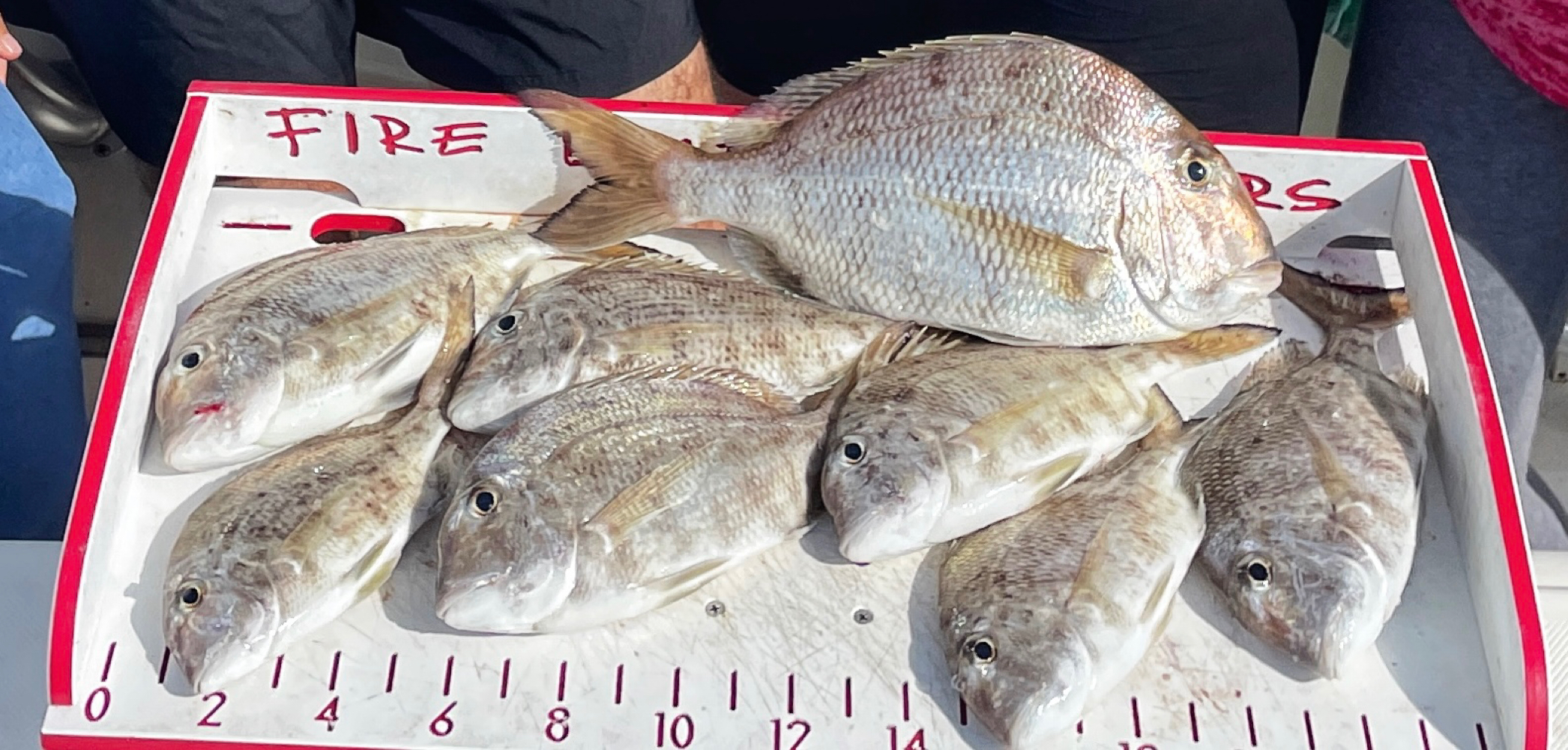
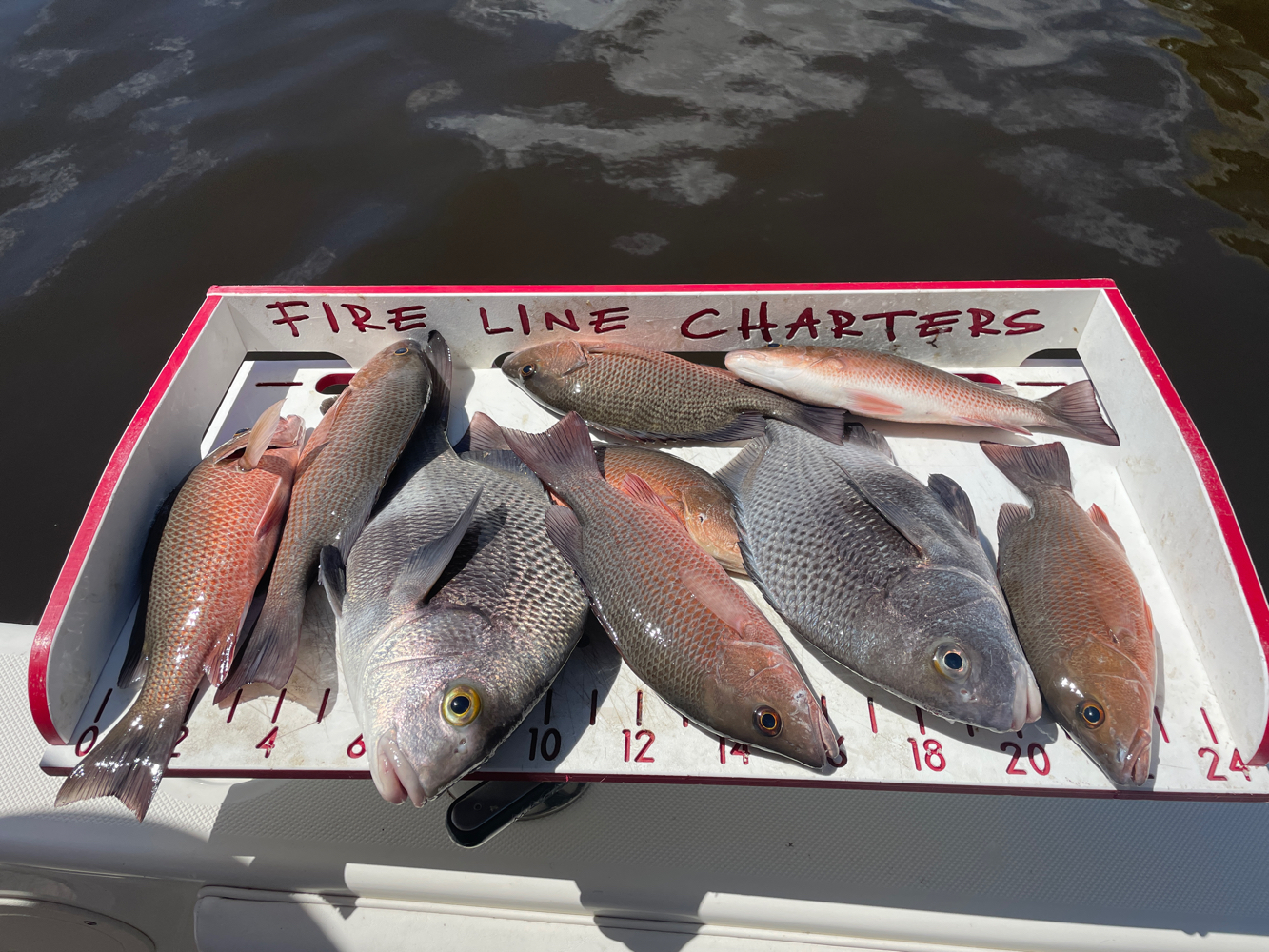
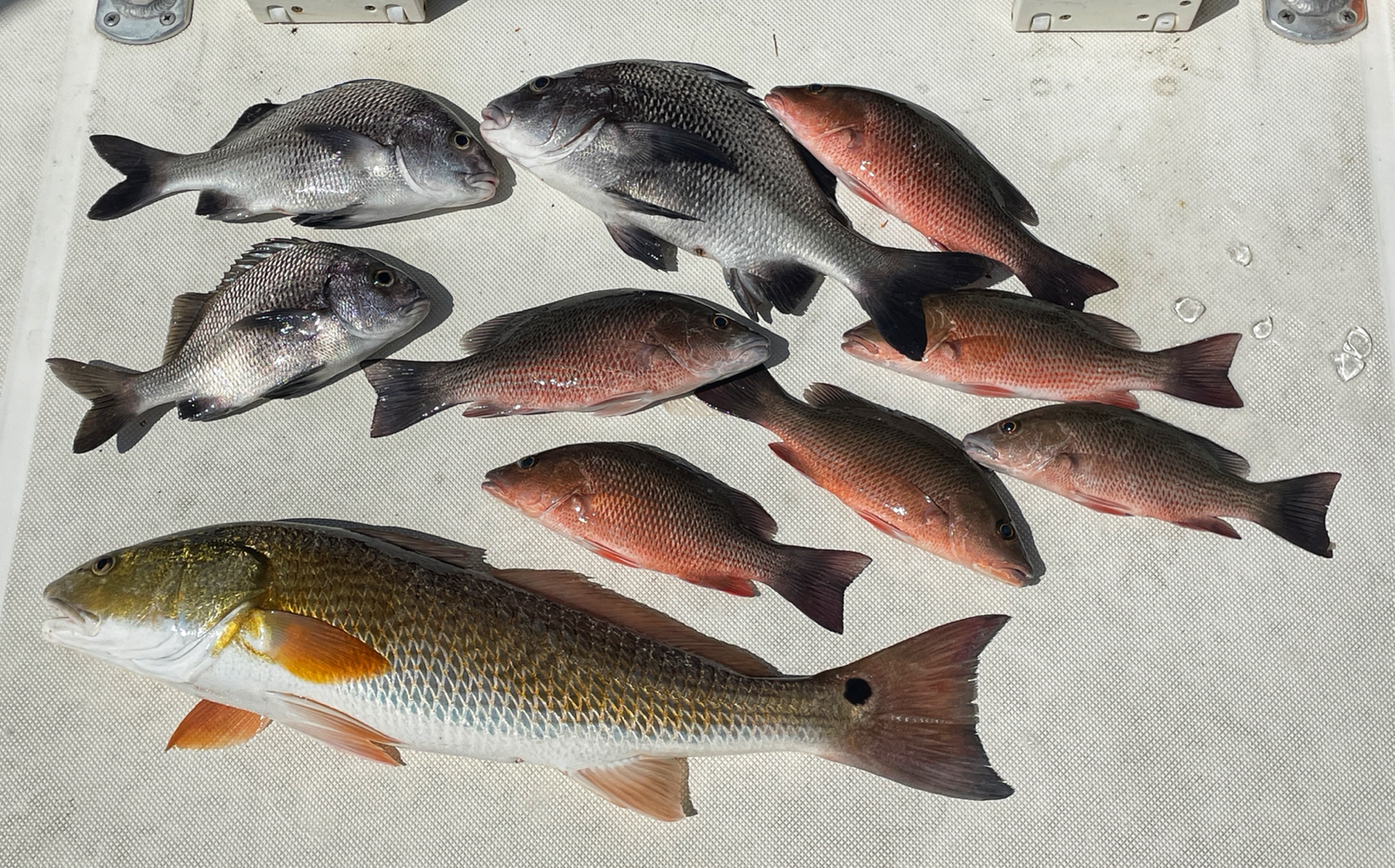
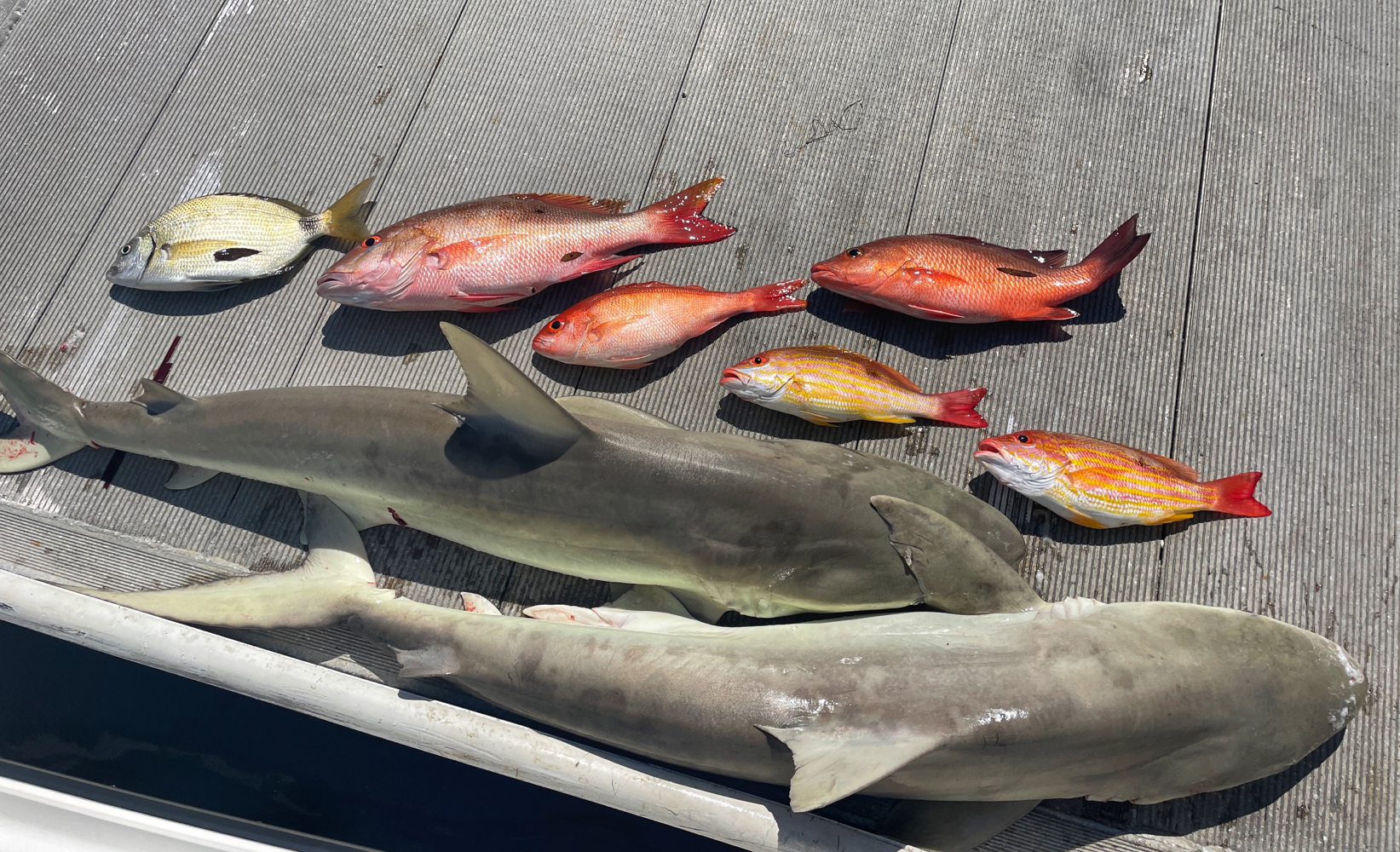
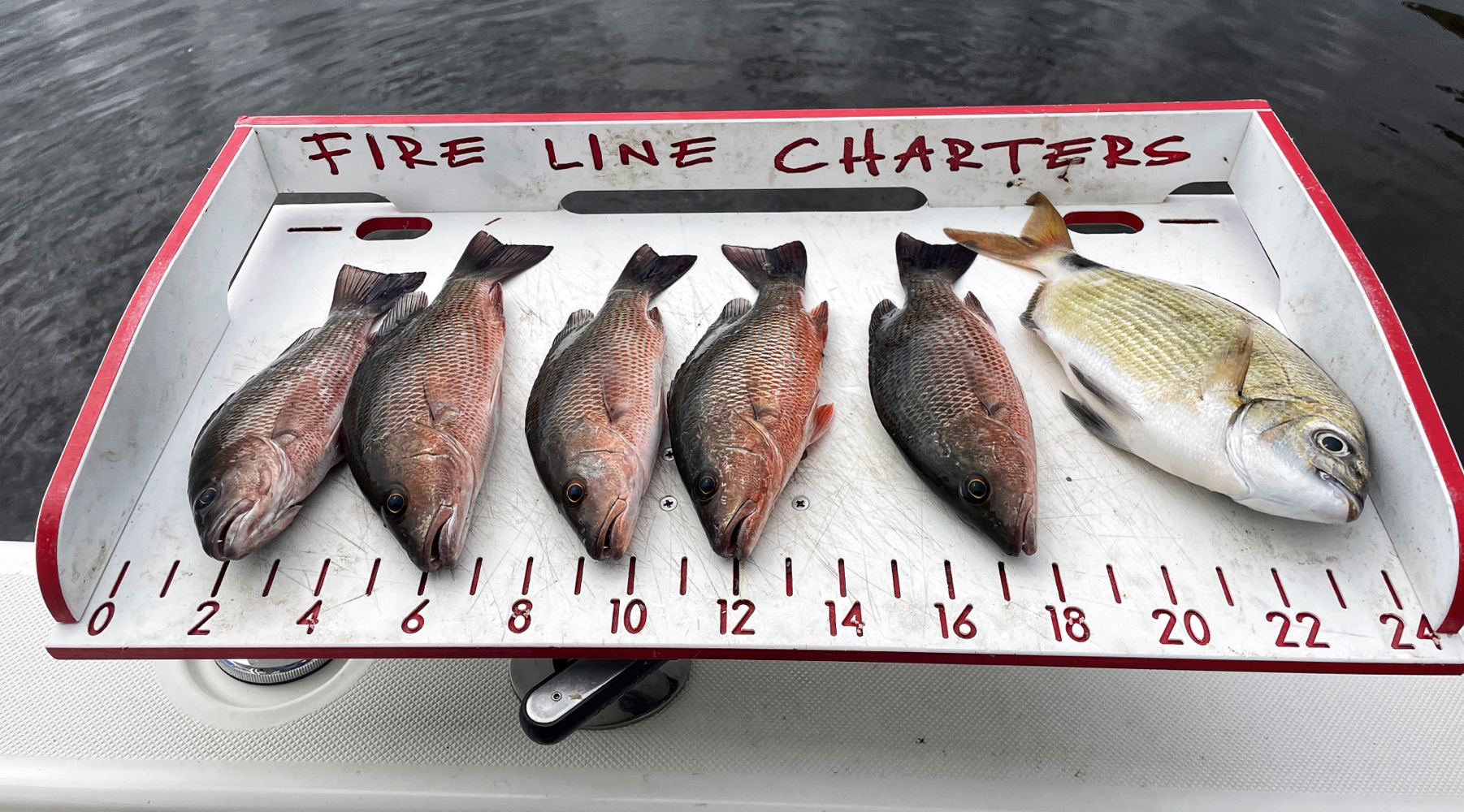
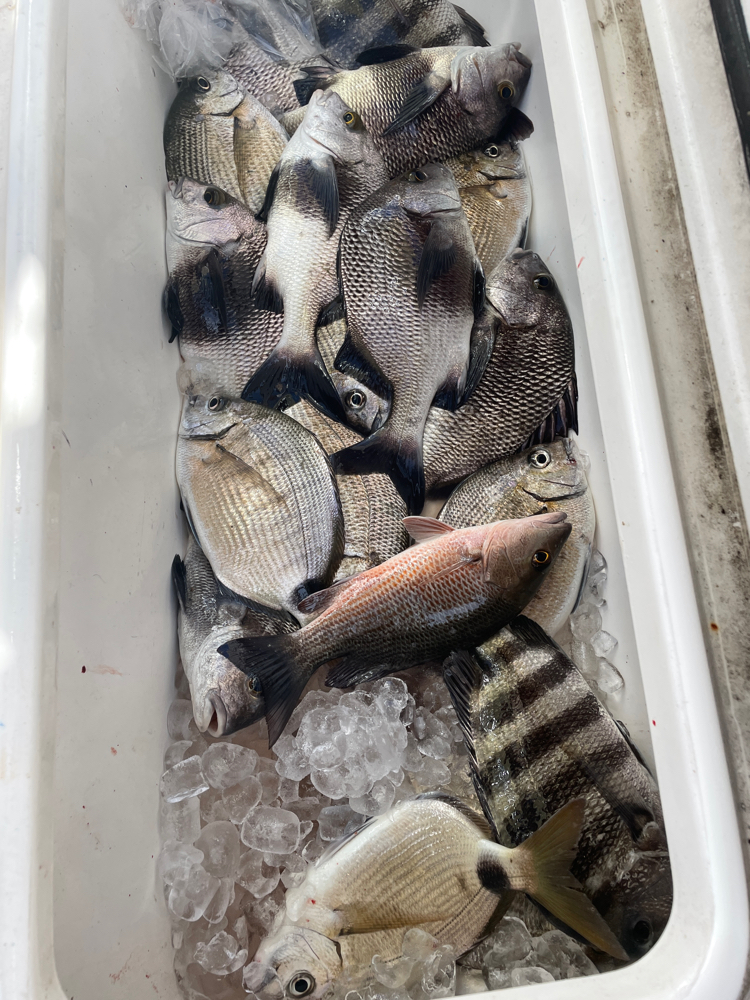
Lane snapper are the bread and butter of this fishery, and they're active year-round in these protected waters. These feisty little fighters typically run 10-14 inches and absolutely hammer live shrimp around any kind of structure. They're perfect for beginners because they bite aggressively and fight hard for their size, but they'll also test your skills when they get finicky around heavy cover. You'll find them stacked up around the jetties, dock pilings, and bridge supports where they can dart back into the rocks when threatened. The best part about lane snapper is their willingness to bite in all kinds of conditions – bright sun, cloudy skies, moving water, or slack tide.
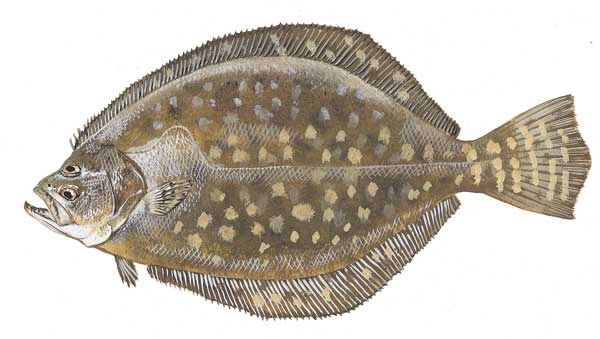
Southern flounder are the ultimate ambush predators in these shallow waters, and landing one always feels like a victory. These flatfish typically range from 14-20 inches, with the occasional doormat pushing over 24 inches. They're masters of camouflage, burying themselves in sandy bottoms near structure transitions where they can surprise passing baitfish. Flounder fishing requires patience and a good feel for your bait – they'll often mouth a shrimp or mullet strip for several seconds before committing to the bite. When you hook up, they make powerful runs and use their flat profile to fight the current, making every fish feel bigger than it looks.
Snook are the crown jewel of Florida inshore fishing, and the Ponce Inlet area holds some beautiful fish. These silver-sided predators can range from slot-sized fish around 24 inches up to true trophies over 30 inches. They're incredibly structure-oriented, holding tight to dock pilings, bridge supports, and mangrove edges where they can attack baitfish from the shadows. Snook have serious attitudes and incredible speed – when one decides to eat your bait, the strike is unmistakable. They're also famous for their gill-rattling jumps and their ability to find every piece of structure between them and your reel. The thrill of watching a snook explode on a topwater lure in shallow water is something every angler needs to experience.
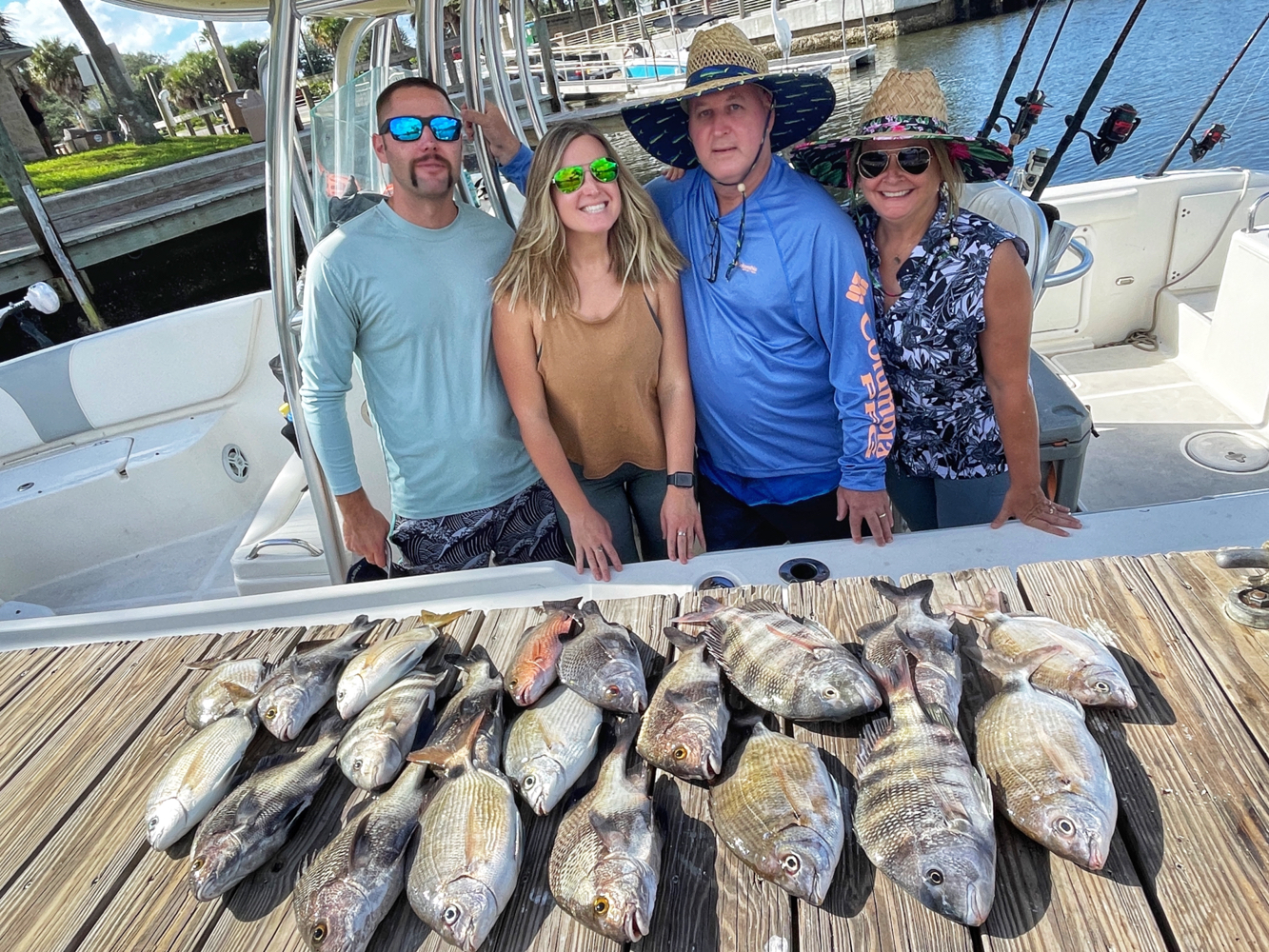
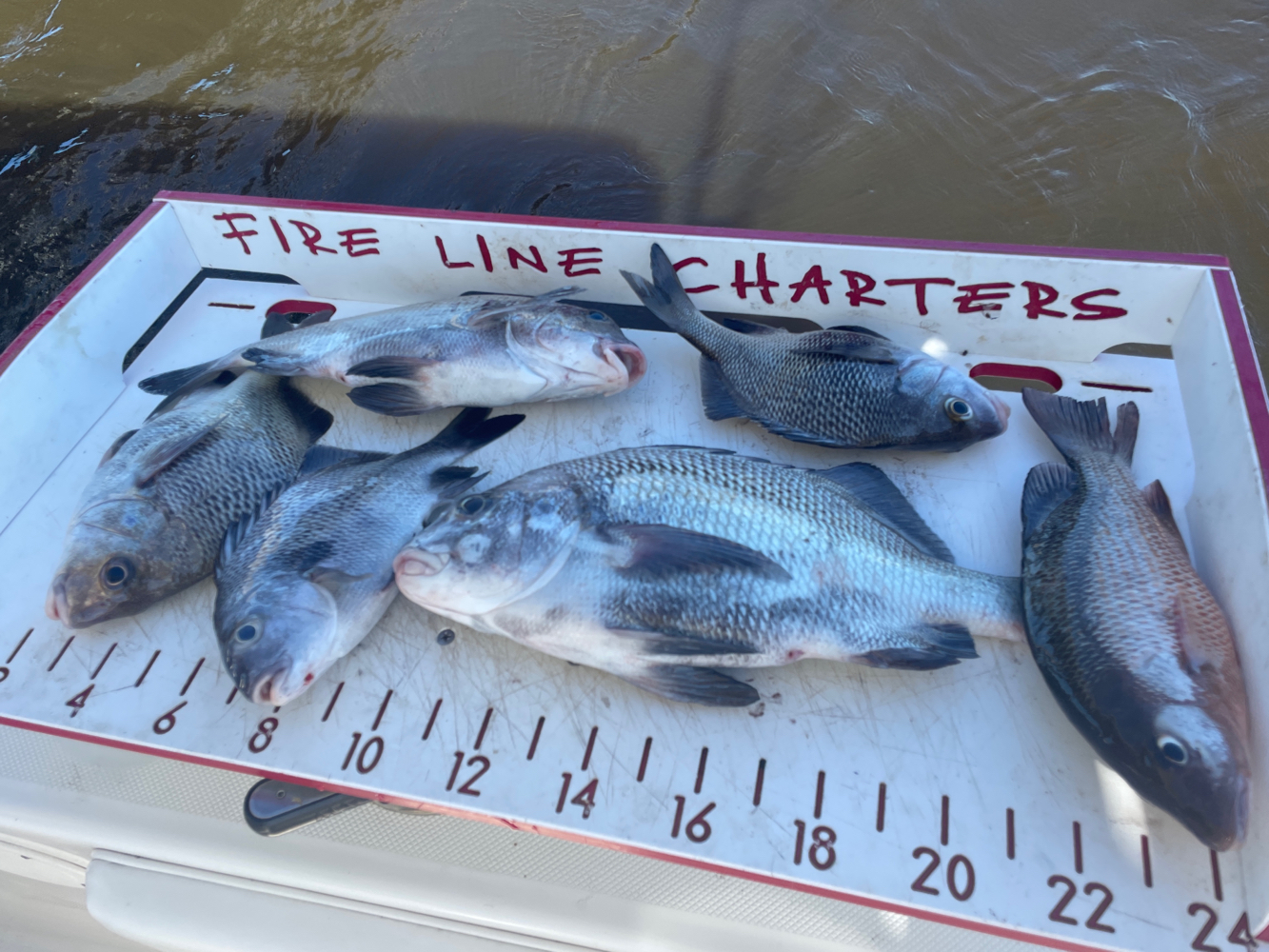
Sheepshead are the ultimate test of an angler's finesse and patience. These black-and-white striped beauties have human-like teeth designed for crushing barnacles and crabs, which makes them notorious bait stealers. They typically run 12-16 inches but can push over 20 inches in these waters. Sheepshead fishing is all about light tackle, sharp hooks, and perfect timing – you need to set the hook at the first hint of weight or movement because they'll clean your hook in seconds. They're found around any hard structure where barnacles and crabs live, making the jetties and dock pilings prime territory. Landing a nice sheepshead always feels earned because they make you work for every fish.
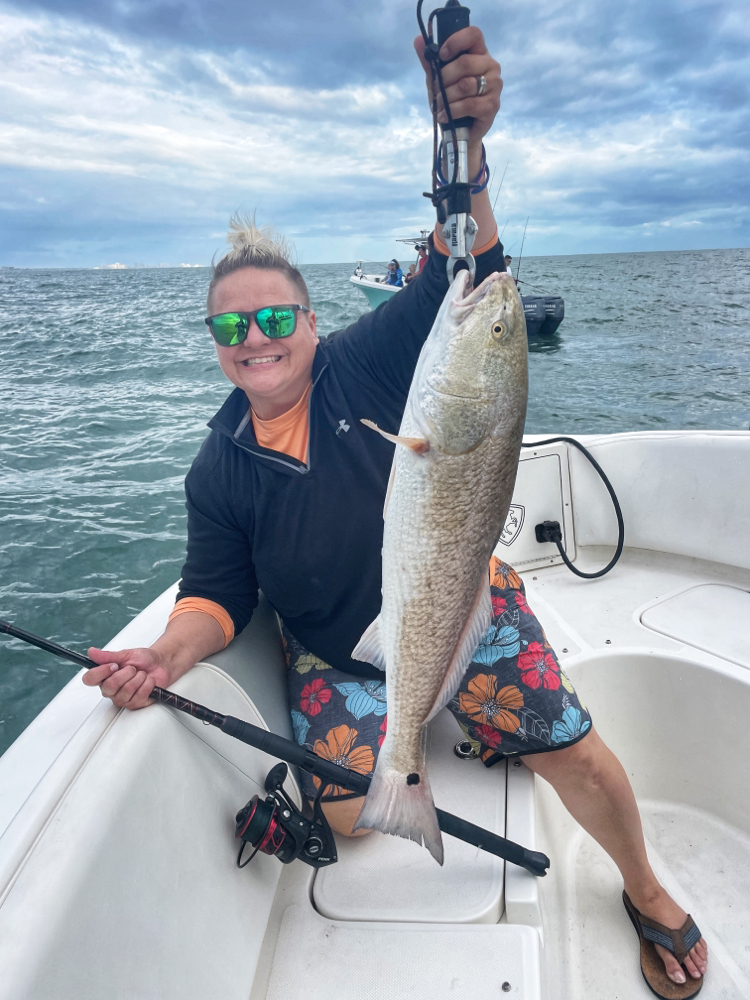
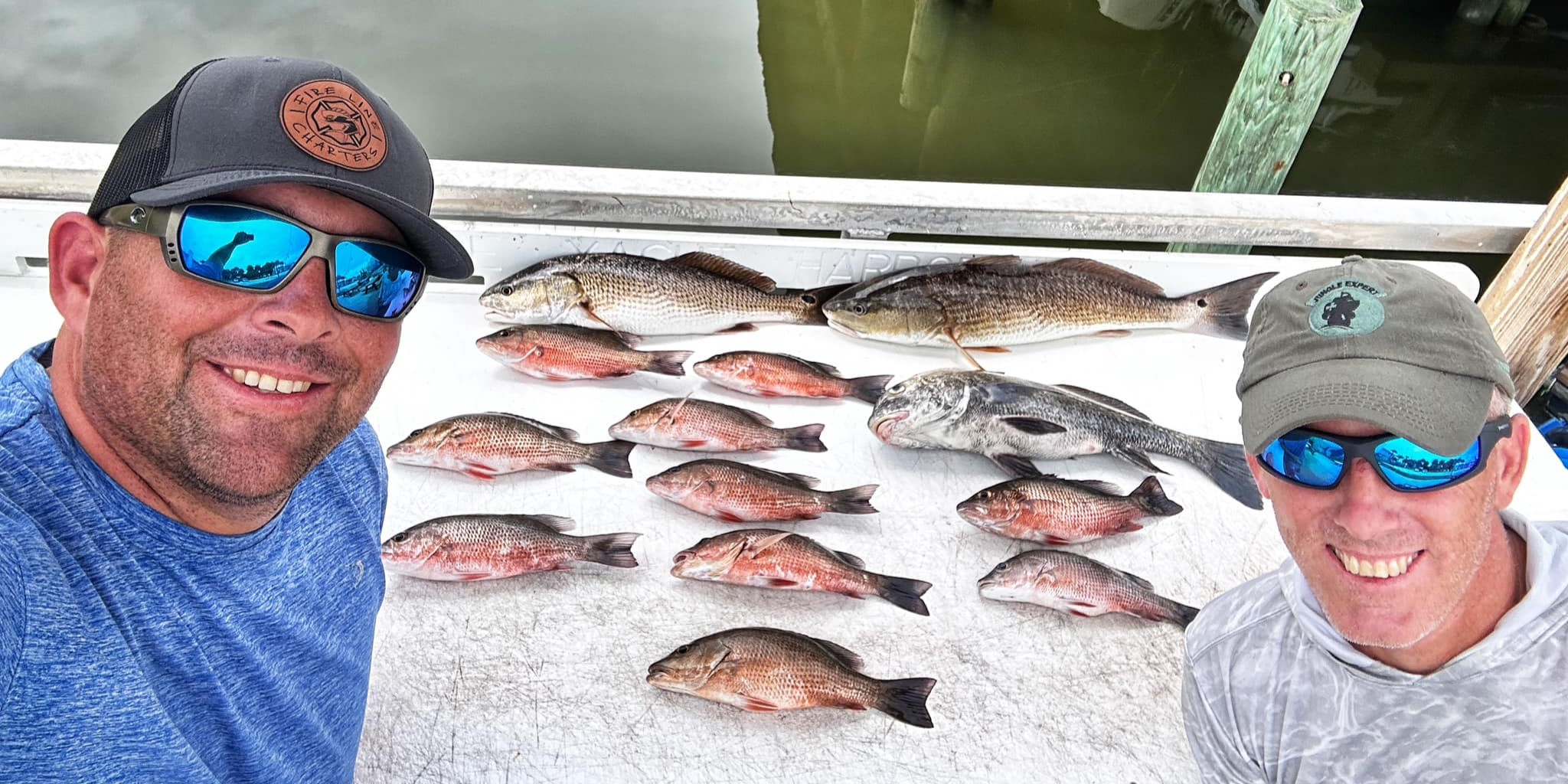
Redfish are the bulldogs of the inshore world, and even smaller fish put up fights that will test your tackle. These copper-colored bruisers typically range from 18-26 inches in this area, with their distinctive black spots and bronze flanks making them one of the most beautiful fish in Florida waters. Redfish are aggressive feeders that aren't afraid to chase down a meal, whether it's live shrimp, cut mullet, or artificial lures. They're incredibly strong for their size and use their broad tails to make powerful runs that can smoke your drag. What makes redfish special is their willingness to eat in shallow water where you can sometimes see the whole fight unfold – there's nothing quite like watching a red drum's back
 Private Trip
 Inshore Fishing
 Port Orange, FL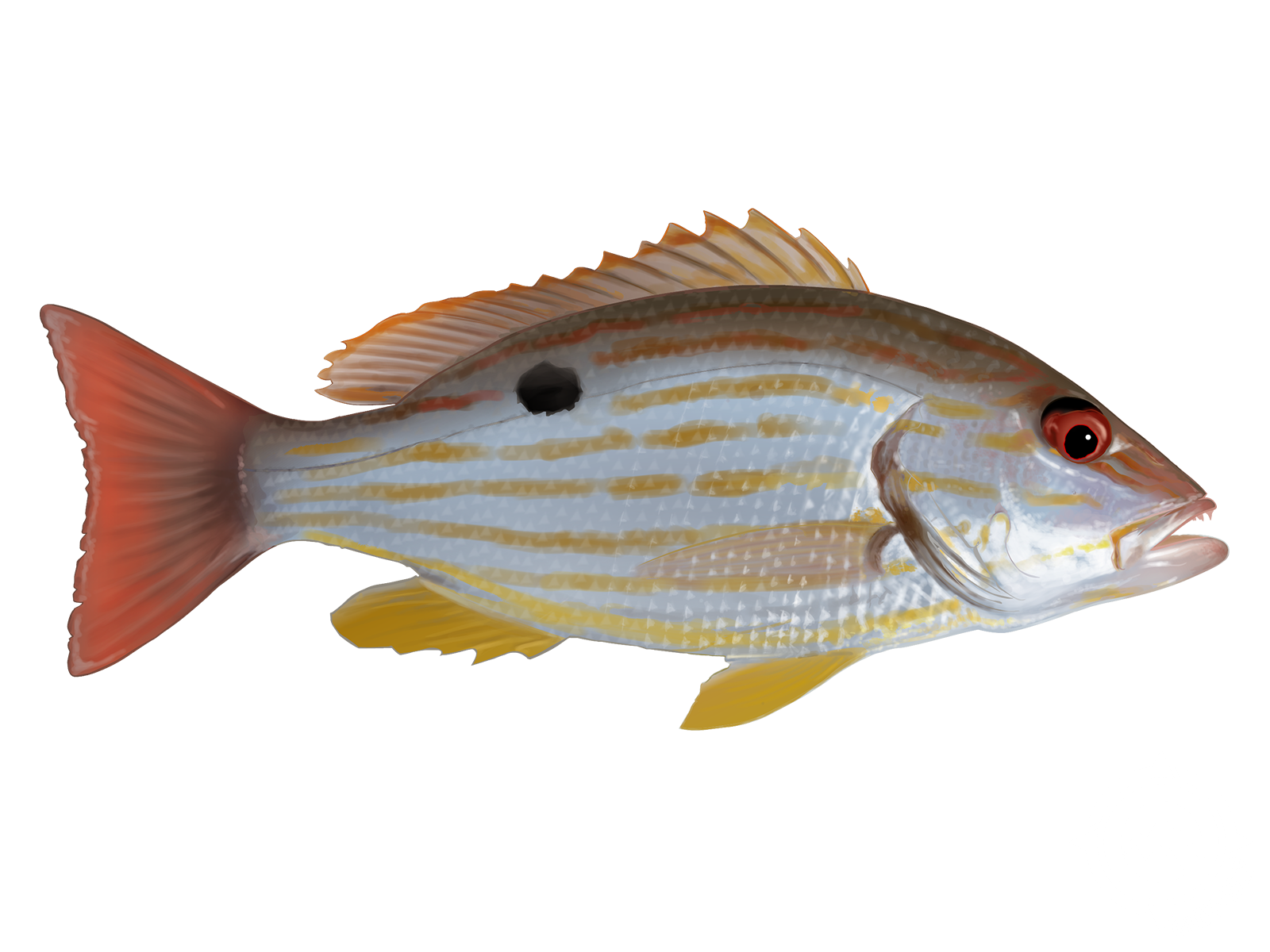


 Four-hour inshore trip accommodates up to five guests comfortably