4-Hour Morning Fishing Trip - Omro, WI
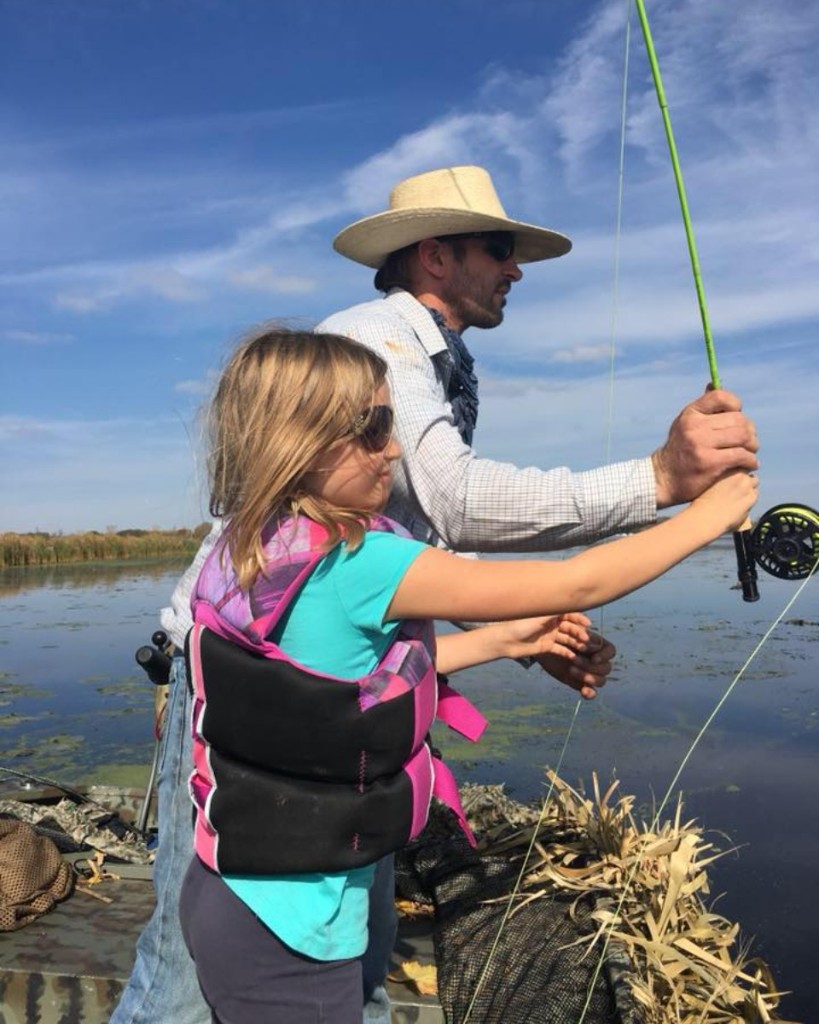
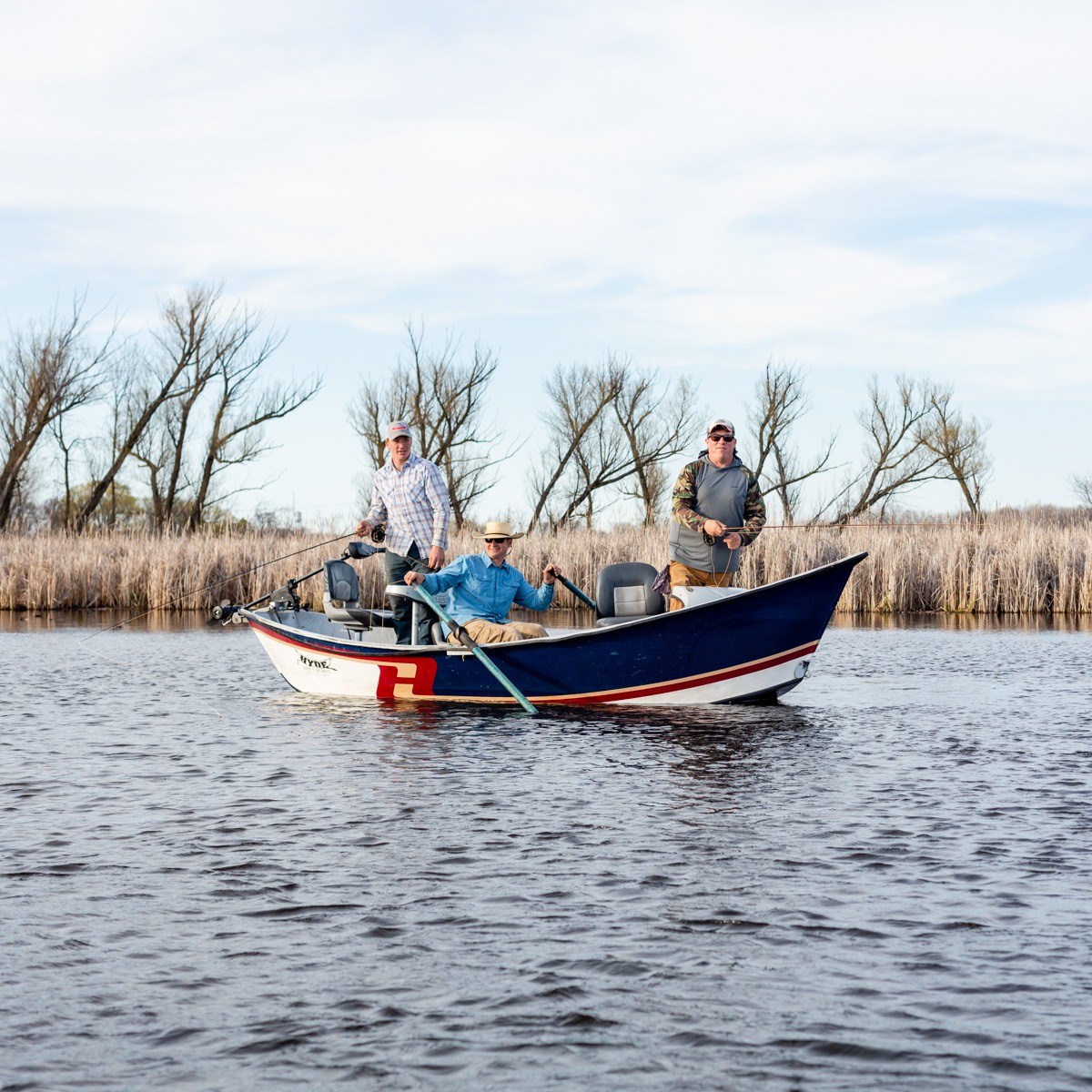
Picture yourself casting your line as the sun breaks over Wisconsin's most productive waters. This top-rated 4-hour morning fishing adventure puts you right in the heart of some of the best multi-species fishing the Midwest has to offer. Whether you're just learning to handle a rod or looking to dial in your fly fishing skills, our experienced guides know exactly where the fish are biting on the Wolf and Fox River basins, plus the legendary Lake Poygan and Lake Butte des Morts. With only 2 anglers per trip, you'll get the personal attention that makes all the difference between going home empty-handed and landing the fish of a lifetime.
What to Expect on the Water
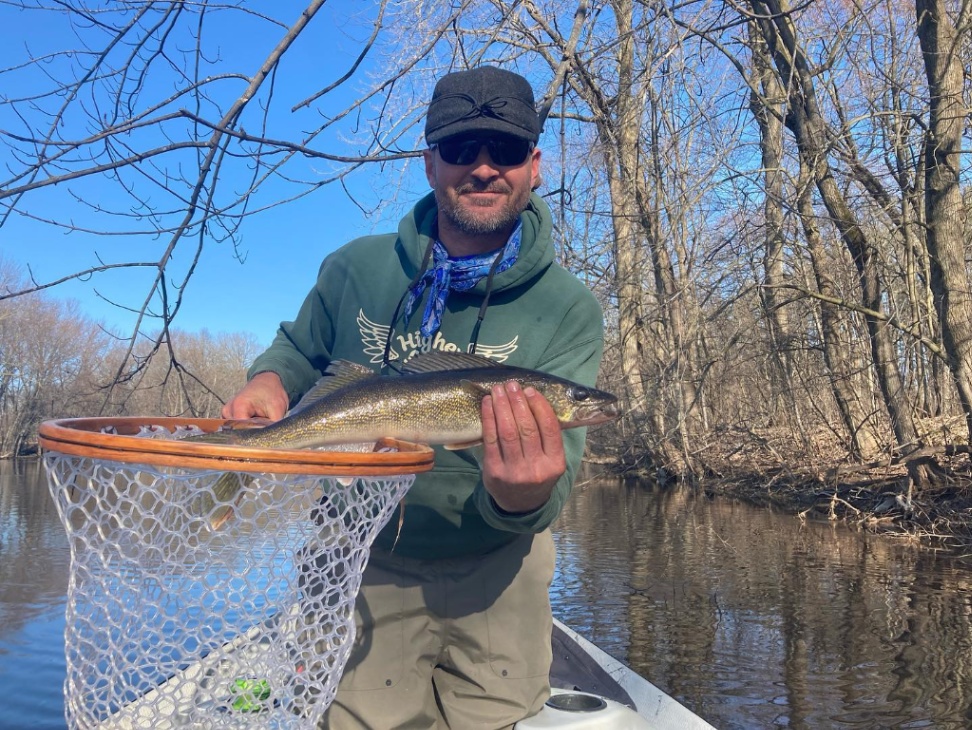
Your morning starts early when the fish are most active and the water's still calm. We'll launch from prime access points around Omro, giving us quick entry to the interconnected system of rivers and lakes that make this area a customer favorite among serious anglers. The beauty of this trip is the variety – one cast might land you a hard-fighting smallmouth bass in rocky structure, while the next could hook into a chrome-bright steelhead fresh from the lake system. Our guides read the water like a book, positioning you over drop-offs, weed lines, and current breaks where game fish love to ambush their prey. The intimate 2-person capacity means we can move quickly between hot spots and adjust tactics on the fly based on what's working best that morning.
Techniques & Tackle
This trip caters to all skill levels, from first-timers getting their casting mechanics down to seasoned fly fishers perfecting their presentation. We'll match techniques to conditions and target species – maybe working jigs and soft plastics along Lake Poygan's vast flats for smallmouth, or drifting live bait through the deeper channels where northern pike patrol. Fly fishing enthusiasts will love the opportunities here, especially when working streamers through current seams or dropping nymphs into feeding lanes. Our guides carry a full selection of rods, reels, and terminal tackle, plus they know the seasonal patterns that put fish in the net. Spring brings steelhead runs and post-spawn bass recovery, summer offers consistent action across all species, and fall fishing can be world-class as fish feed heavily before winter. Water temperatures, recent weather, and forage availability all factor into our approach each morning.
Species You'll Want to Hook
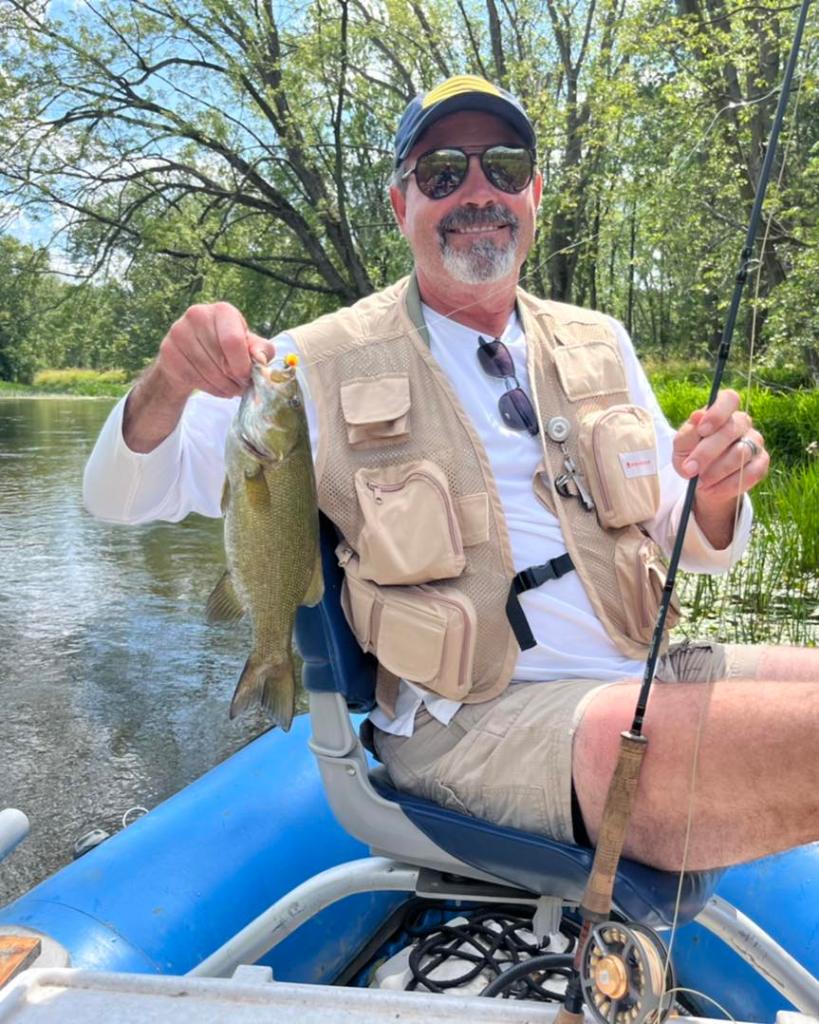
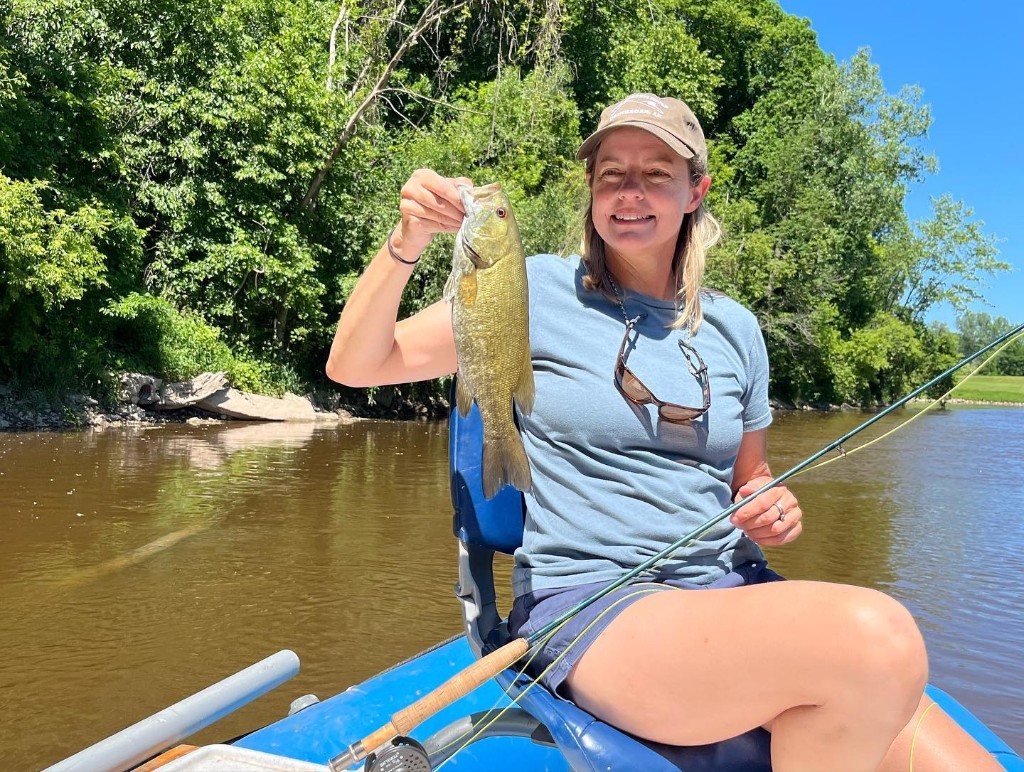
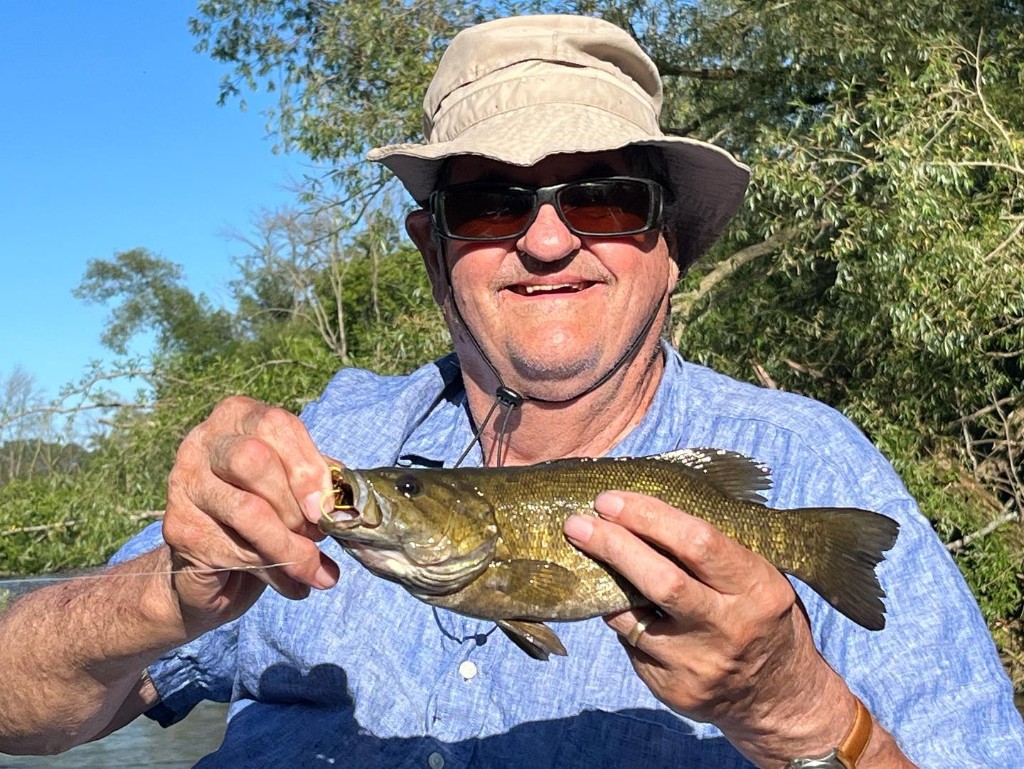
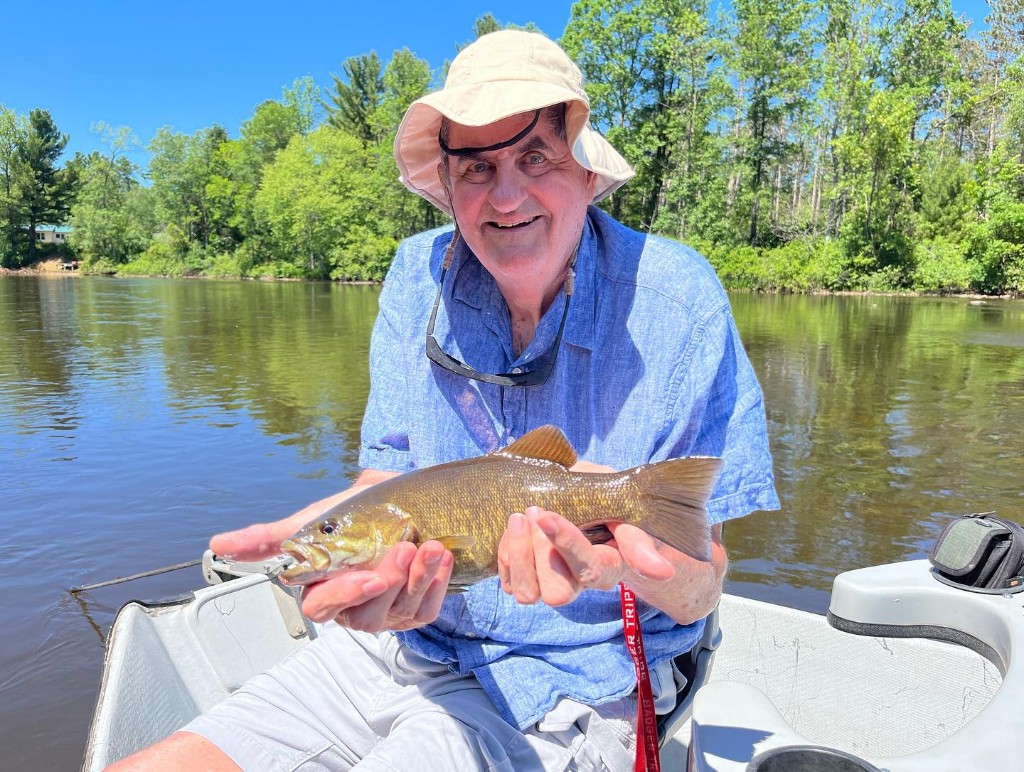
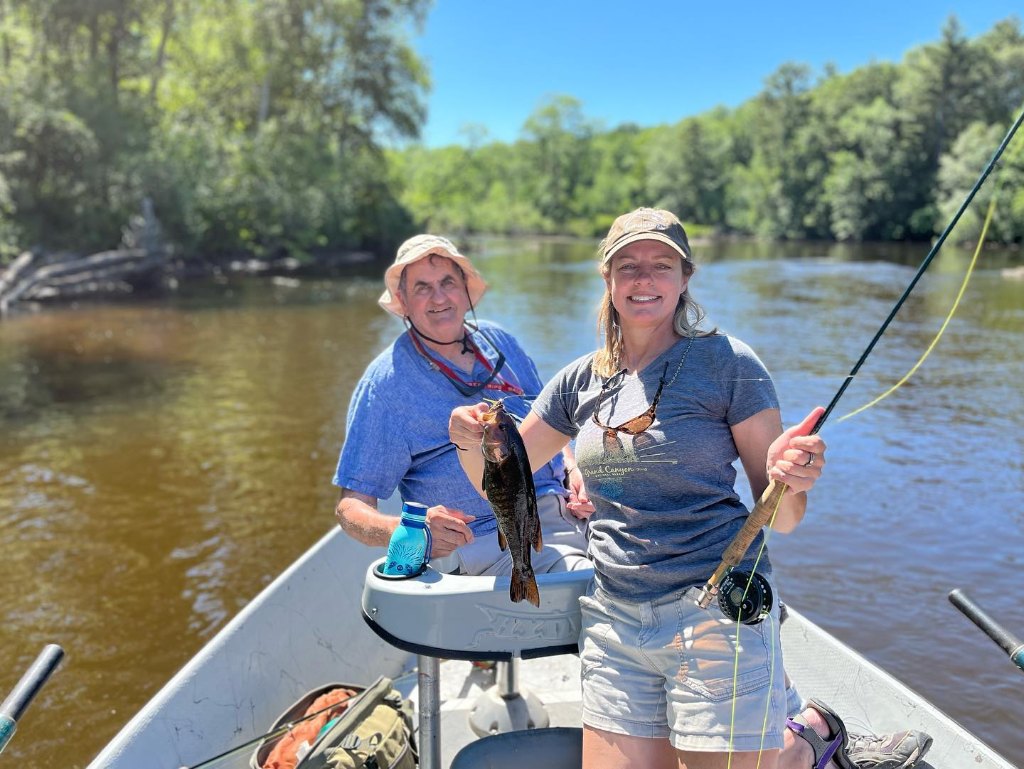
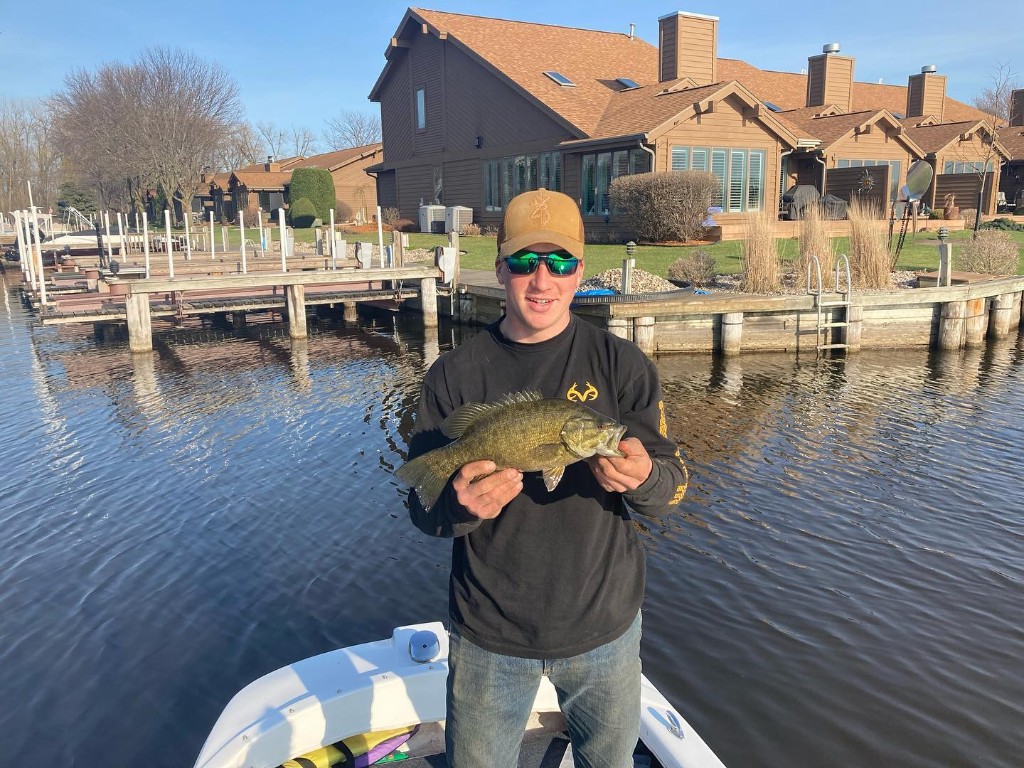
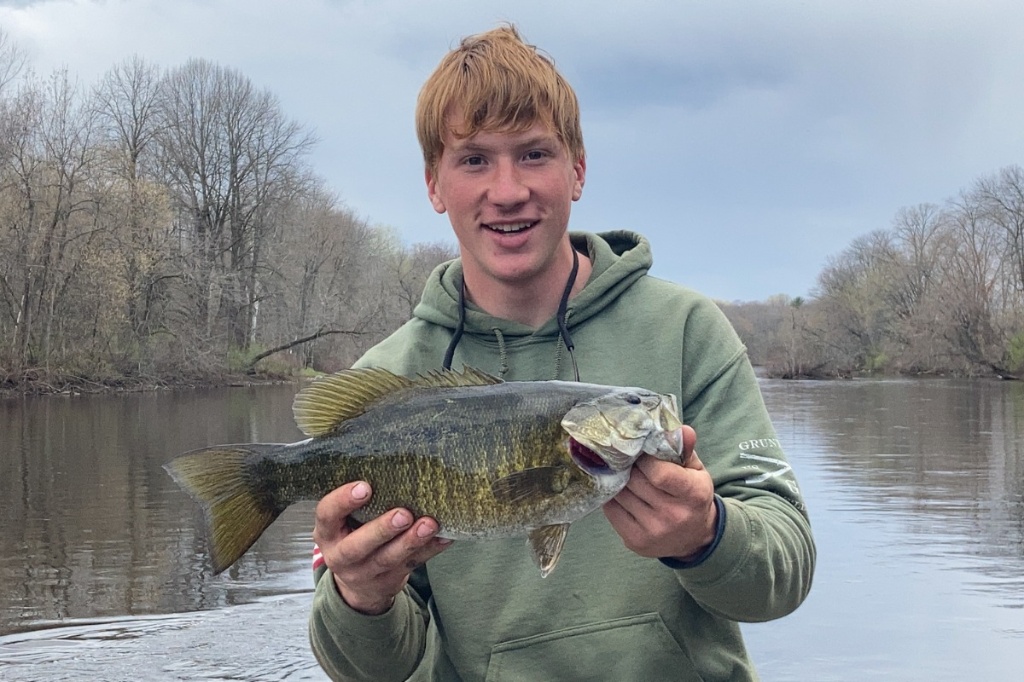
Smallmouth bass are the bread and butter of this fishery, and for good reason. These bronze-backed fighters absolutely love the rocky structure and current breaks throughout the Wolf River system. Peak season runs from late spring through early fall, with fish ranging from 12-inch scrappy juveniles to 4-pound trophies that'll test your drag system. What makes smallmouth so addictive is their aerial acrobatics – expect multiple jumps and bulldogging runs that'll get your heart pumping. They're also willing biters, taking everything from topwater plugs at dawn to crawfish imitations bounced along the bottom.
Steelhead trout turn this into a completely different ballgame when they're running. These lake-run rainbows push into the river system following temperature breaks and forage, bringing their oceanic-style power to freshwater fishing. A typical steelhead here runs 5-8 pounds, but 10-plus pounders show up regularly enough to keep things interesting. They're most active during cooler months and overcast conditions, often staging in deeper pools before making spawning runs. Landing one on light tackle is a rite of passage – they'll strip line like nothing else in these waters and have the stamina to fight hard right to the net.
Northern pike add the element of surprise to every cast. These toothy predators lurk in weedy bays and slack water areas, especially around Lake Butte des Morts' expansive shallow zones. Pike fishing peaks during spring and fall when they're most aggressive, but summer fish can be caught by targeting deeper weed edges during low-light periods. Size varies wildly – you might catch a 20-inch "hammer handle" or hook into a 40-inch monster that's been patrolling these waters for years. Their explosive strikes and initial runs make pike a favorite among anglers who love that heart-stopping moment when your rod nearly gets ripped from your hands.
Brown trout represent the technical challenge of this fishery. These wary fish demand precise presentations and quality fly patterns, making them the perfect target for anglers looking to sharpen their skills. Wisconsin's browns are known for their golden flanks and aggressive feeding during spring and fall transitions. Most run 12-16 inches, but the occasional 20-plus inch trophy keeps everyone focused. They're primarily sight feeders, responding well to natural presentations that match local insect hatches. Success often comes down to reading the subtle rises and adjusting your approach until you crack their feeding code.
Brook trout round out the trout opportunities with their stunning colors and native heritage. These char prefer cooler, well-oxygenated water and can be found in the system's spring-fed tributaries and deeper holes. While typically smaller than browns, brookies make up for size with their willingness to hit dry flies and their absolutely gorgeous spawning colors during fall months. The orange-red fins and olive-spotted sides make every brook trout a photo-worthy catch, and their native status adds conservation value to the experience.
Time to Book Your Spot
This renowned morning fishing trip delivers exactly what serious anglers are looking for – variety, action, and the chance to learn from guides who live and breathe these waters year-round. Four hours gives us enough time to explore multiple spots and adapt our tactics, while the early start puts us on fish when they're most cooperative. The 2-angler limit ensures personalized instruction and prime positioning throughout the trip. Whether you walk away with improved casting skills, a better understanding of reading water, or simply a cooler full of fresh fillets, this trip consistently delivers the kind of fishing memories that keep customers coming
 Private Trip
 Lakes/Reservoirs/Ponds Fishing
 Omro, WI


 Half-day guided fishing on Wolf and Fox River basins